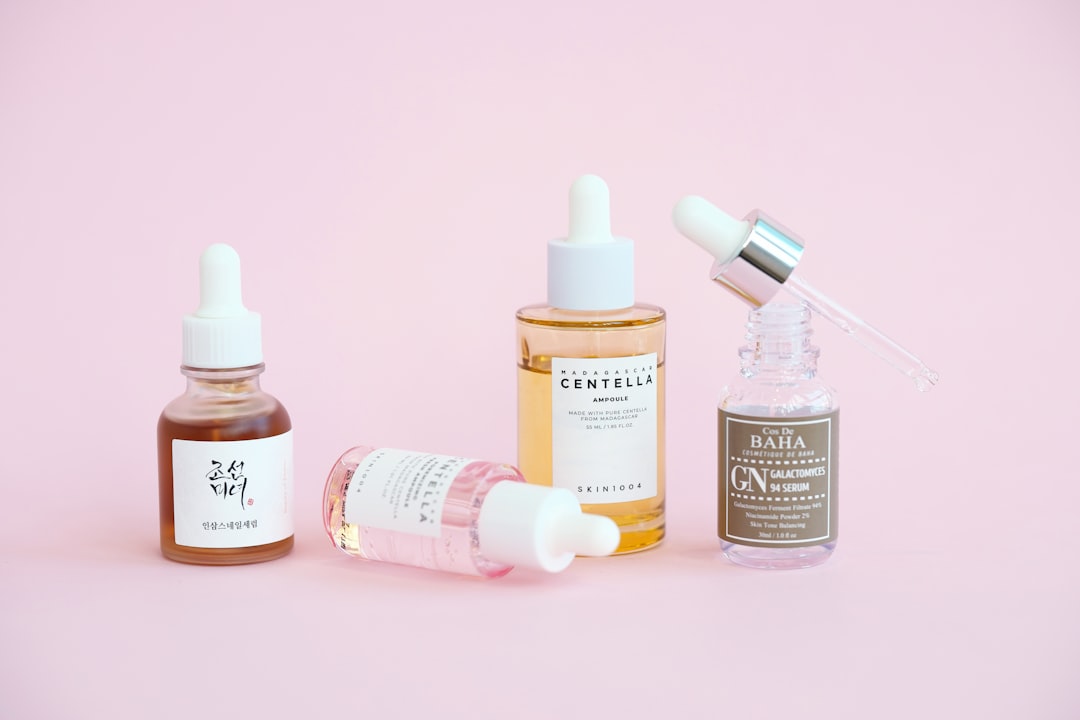
If you’ve ever wondered how Korean women achieve that impossibly dewy, glass-like skin, the answer isn’t genetics or expensive dermatologist visits — it’s a method. Specifically, it’s the legendary 10-step Korean skincare routine that transformed the global beauty industry and launched a billion-dollar movement known as K-beauty. Back in 2014, Charlotte Cho, co-founder of Soko Glam, introduced Western audiences to this layered approach to skincare, and the beauty world has never been the same. Today, K-beauty for beginners is one of the most searched skincare topics online, with over 2.4 million monthly searches across Google and social platforms. Whether you’re dealing with harsh winter dryness in the Midwest, oily T-zones in humid Southern states, or the premature aging caused by constant screen exposure, the Korean skincare philosophy has a solution — and it starts with understanding that skincare isn’t a chore, it’s a ritual. In this comprehensive guide, we’ll walk you through every single step, recommend specific products with ingredient breakdowns, and show you how to adapt this routine to your unique skin type and Western climate challenges.
What Is the 10-Step Korean Skincare Routine (And Why Does It Work)?
The 10-step Korean skincare routine is a layered approach to skincare that prioritizes hydration, prevention, and gentle care over aggressive treatments. Unlike Western skincare, which historically focused on stripping oils and attacking blemishes, the Korean philosophy centers on building your skin’s natural barrier and flooding it with moisture.
The Philosophy Behind K-Beauty
In South Korea, skincare is considered a form of self-respect, not vanity. Children learn basic skincare routines as early as elementary school, and the Korean beauty market — valued at over $13.9 billion in 2025 — reflects a culture that sees healthy skin as the foundation of beauty. The concept of “chok chok” (촉촉), meaning bouncy and moist, is the ultimate skin goal.
This philosophy resonates with the growing Western shift toward “skinimalism” and barrier repair. If you’ve been frustrated by harsh retinol peels or drying benzoyl peroxide treatments, K-beauty for beginners offers a gentler alternative that delivers results through consistency rather than aggression. Allure’s list of best Korean beauty products confirms that the most popular K-beauty products emphasize soothing, hydrating ingredients over harsh actives.
Why 10 Steps? Isn’t That Too Many?
Here’s the secret that surprises most beginners: you don’t have to do all 10 steps every single day. The 10-step routine is a framework, not a rigid prescription. On busy mornings, you might do 4-5 steps. On a Sunday self-care evening, you might do all 10. The point is understanding what each step does so you can customize based on what your skin needs today.
Think of it like a wardrobe — you own a full closet of clothes, but you don’t wear every piece at once. Some days call for a light jacket, others demand a heavy winter coat. Your skin works the same way, and the 10-step system gives you the tools to respond to it intelligently.
Top 5 K-Beauty Trends of 2026: Expert Guide for Beginners
The Complete 10-Step Korean Skincare Routine: Step-by-Step Breakdown
Let’s dive into each step in order, with product recommendations, key ingredients to look for, and tips for adapting each step to common Western skin concerns like rosacea, hormonal acne, and environmental dryness.
Step 1: Oil Cleanser
The cornerstone of K-beauty is the double cleanse, and it starts with an oil-based cleanser. Oil dissolves oil — that means it breaks down sunscreen, makeup, sebum, and pollution particles that water-based cleansers simply can’t touch. If you live in a city or wear SPF daily (which you should), this step is non-negotiable.
Recommended product: Banila Co Clean It Zero Cleansing Balm ($19, available at Sephora, Ulta, and Amazon). This sherbet-textured balm melts into an oil on contact with skin. Key ingredients include Centella Asiatica extract (soothes irritation), acerola vitamin C (brightens), and Cica-nol™ (strengthens the skin barrier). It rinses clean without any greasy residue.
Pro tip: Massage the oil cleanser onto dry skin for at least 60 seconds. This gives the oils enough time to bind with impurities. Then add a splash of lukewarm water to emulsify — you’ll see the product turn milky white — and rinse completely.
Step 2: Water-Based Cleanser
The second half of the double cleanse uses a water-based, typically foam or gel cleanser to remove any remaining residue and water-based impurities like sweat and dirt. Look for a cleanser with a low pH (5.0–6.0) to match your skin’s natural acid mantle.
Recommended product: COSRX Low pH Good Morning Gel Cleanser ($12, Amazon and Ulta). Formulated with betaine salicylate (BHA derived from sugar beets, gentler than salicylic acid), tea tree oil (natural antibacterial), and a pH of 5.0. It’s perfect for acne-prone skin without the tightness that traditional foaming cleansers cause.
For dry or sensitive skin: Try the Heimish All Clean Green Foam ($15, Amazon), which uses Moringa seed extract and coconut-derived surfactants for an ultra-gentle cleanse.
Step 3: Exfoliation (2-3 Times Per Week)
Exfoliation removes dead skin cells that cause dullness, clogged pores, and uneven texture. Korean skincare favors chemical exfoliants (AHAs and BHAs) over physical scrubs, which can create micro-tears in the skin. This step is not daily — limit it to 2-3 times per week, especially if you’re new to exfoliating acids.
Recommended product: COSRX AHA 7 Whitehead Power Liquid ($22, Amazon and Soko Glam). Contains 7% glycolic acid derived from apple water, plus niacinamide and sodium hyaluronate to hydrate while exfoliating. For oily and acne-prone skin, pair it with the COSRX BHA Blackhead Power Liquid ($22), which uses 4% betaine salicylate to unclog pores.
Western climate tip: If you live in dry states like Colorado, Arizona, or Nevada, start with AHA exfoliation only once a week. Low humidity combined with chemical exfoliants can compromise your moisture barrier quickly. Always follow with extra hydration layers on exfoliation nights.
Step 4: Toner
Forget the astringent, alcohol-laden toners of the ’90s. Korean toners are hydrating — they’re the first layer of moisture after cleansing, designed to prep your skin to absorb everything that follows. Think of toner as a primer for your skincare, not a cleanser.
Recommended product: Klairs Supple Preparation Unscented Toner ($22, Soko Glam and Amazon). This cult-favorite contains hyaluronic acid (holds 1,000x its weight in water), Centella Asiatica, and licorice root extract (brightens and calms redness). The unscented version is ideal for sensitive skin and rosacea-prone complexions common in Northern climates.
Application method: Korean beauty experts recommend the “7-skin method” — applying up to 7 thin layers of toner for intense hydration during winter months. For most people, 2-3 layers are sufficient. Pat gently into the skin with your palms rather than using a cotton pad, which wastes product.
Step 5: Essence
Essence is the heart of the Korean skincare routine and the step that most Western routines skip entirely. Essences are lightweight, watery products that deliver concentrated active ingredients deep into the skin. They bridge the gap between toner and serum, boosting hydration and cell turnover.
Recommended product: Missha Time Revolution The First Treatment Essence Rx ($33, Amazon and Ulta). Often compared to the legendary SK-II Facial Treatment Essence (which retails for $185+), this essence contains 95% fermented yeast extract (Saccharomyces), which improves skin texture, reduces pore appearance, and enhances luminosity. It also contains niacinamide (vitamin B3) for brightening and bifida ferment lysate for barrier strength.
Fermented ingredients are a hallmark of K-beauty science. The fermentation process breaks molecules into smaller sizes, making them easier for skin to absorb. It also creates new beneficial byproducts like amino acids and antioxidants that weren’t present in the original ingredient.
Step 6: Serum / Ampoule
This is your targeted treatment step. Serums and ampoules contain the highest concentration of active ingredients and address specific concerns like hyperpigmentation, fine lines, acne scars, or dehydration. Choose your serum based on your primary skin concern.
Here’s a quick guide to matching serums with concerns:
| Skin Concern | Key Ingredient | Recommended Product | Price |
|---|---|---|---|
| Dark spots / uneven tone | Vitamin C (ascorbic acid) | Klairs Freshly Juiced Vitamin Drop | $23 |
| Fine lines / aging | Retinol / bakuchiol | COSRX The Retinol 0.1 Cream | $25 |
| Acne / breakouts | Tea tree / centella | Some By Mi AHA BHA PHA 30 Days Serum | $18 |
| Dehydration | Hyaluronic acid | Isntree Hyaluronic Acid Toner Plus | $16 |
| Redness / sensitivity | Centella / mugwort | I’m From Mugwort Essence | $28 |
All products above are available on Amazon, Soko Glam, or YesStyle. K-beauty for beginners tip: Start with one serum only. Layering multiple actives before your skin adjusts is a recipe for irritation. Once your skin tolerates one serum for 2-3 weeks, you can consider adding a second.
2026 K-Beauty Routine: 7 Data-Backed Trends to Watch
Step 7: Sheet Mask (2-3 Times Per Week)
Sheet masks are arguably the most iconic K-beauty product. These single-use fabric masks are soaked in concentrated serum and create an occlusive barrier that forces ingredients into your skin for 15-20 minutes. They deliver an instant boost of hydration and radiance that you’ll notice immediately.
Recommended product: Mediheal N.M.F Aquaring Ampoule Mask ($14 for 10 sheets, Amazon). “N.M.F” stands for Natural Moisturizing Factor, and this mask is loaded with hyaluronic acid, ceramides, and amino acids — the same components your skin produces naturally to stay hydrated. It’s the #1 best-selling sheet mask in South Korea for good reason.
Budget option: Dermal Korea Collagen Essence Masks ($13.99 for 24 masks on Amazon) come in a variety pack with options like green tea, aloe, snail, and pearl. At less than $0.60 per mask, they’re perfect for experimenting as a beginner.
Usage tip: Apply your sheet mask after toner and essence but before heavier products. When you remove the mask, don’t rinse — pat the remaining essence into your skin. Follow immediately with your next step to lock in the moisture.
Step 8: Eye Cream
The skin around your eyes is the thinnest on your entire body — approximately 0.5mm compared to 2mm on the rest of your face. It has fewer oil glands, making it more prone to dryness, fine lines, and dark circles. A dedicated eye cream with targeted ingredients is essential, especially if you spend long hours in front of screens (blue light accelerates eye area aging).
Recommended product: Mizon Snail Repair Eye Cream ($15, Amazon). Contains 80% snail mucin extract (rich in glycoproteins, glycolic acid, and elastin for collagen production), peptides (signal skin to produce more collagen), and adenosine (a Korean-approved anti-wrinkle ingredient). Apply using your ring finger — it exerts the least pressure — and gently pat from the inner corner outward.
For dark circles specifically: Look for eye creams with niacinamide, vitamin K, or caffeine. The Innisfree Jeju Orchid Eye Cream ($28, Sephora) combines all three and has a rich, nourishing texture perfect for harsh winter climates.
Step 9: Moisturizer
After layering all those hydrating products, you need a moisturizer to seal everything in. Think of moisturizer as the lid on a pot — without it, all that hydration evaporates. Korean moisturizers tend to be lighter than Western ones, relying on ingredients like ceramides, squalane, and rice extract rather than heavy petrolatum-based formulas.
For oily / combination skin: Belif The True Cream Aqua Bomb ($38, Sephora). This gel-cream is infused with Lady’s Mantle herb (antioxidant and pore-tightening), ceramides, and squalane. It absorbs in seconds and leaves zero greasy residue — making it ideal under makeup.
For dry / mature skin: Laneige Water Sleeping Mask ($28, Sephora and Ulta). While technically marketed as a sleeping mask, many K-beauty enthusiasts use it as a rich nighttime moisturizer. It contains Sleep-tox™ technology with evening primrose, apricot, and rose extracts that hydrate and purify while you sleep. Apply a thin layer as the last step of your PM routine.
For sensitive / rosacea-prone skin: Etude House SoonJung 2x Barrier Intensive Cream ($16, Amazon). This ultra-minimal formula contains only panthenol (vitamin B5) and madecassoside (derived from Centella Asiatica). No fragrance, no essential oils, no artificial colors. It has a pH of 5.5 and has been clinically tested on sensitive skin.
Step 10: Sunscreen (AM Only)
This is the single most important step in any skincare routine. Korean dermatologists are unanimous: no amount of serums, essences, or creams will matter if you don’t protect your skin from UV damage. Sun exposure is responsible for approximately 80% of visible skin aging, according to research published in the journal Clinical, Cosmetic and Investigational Dermatology.
Korean sunscreens are widely considered the best in the world because Korean cosmetic regulations require rigorous UV testing, and the formulations prioritize elegance — no white cast, no greasy finish, and often with skincare benefits built in.
Recommended product: Beauty of Joseon Relief Sun: Rice + Probiotics SPF 50+ PA++++ ($16, Amazon — frequently the #1 best-selling sunscreen on the platform). Key ingredients include rice bran extract (brightening and antioxidant), grain ferment filtrate (probiotics) for barrier support, and a blend of chemical UV filters that provide broad-spectrum protection without the chalky feel of mineral sunscreens.
Alternative pick: Missha All Around Safe Block Essence Sun SPF 45 PA+++ ($11, Amazon). One of the most affordable Korean sunscreens that feels like a lightweight moisturizer. Perfect for daily commuting and indoor screen time.
Western climate note: If you live in sun-intense states (California, Florida, Texas), reapply every 2 hours when outdoors. In Northern states during winter, a single morning application is usually sufficient for indoor days, but UV rays still penetrate windows — so never skip this step entirely.
How to Customize the 10-Step Routine for Your Skin Type
Not every skin type needs all 10 steps, and one of the biggest mistakes K-beauty for beginners make is trying to do everything at once. Here’s a practical breakdown of which steps to prioritize based on your skin type:
Oily and Acne-Prone Skin
Priority steps: Oil cleanser (yes, even for oily skin — oil dissolves excess sebum), water-based cleanser, BHA exfoliant, lightweight toner, and sunscreen. Skip heavy moisturizers and opt for gel-cream formulas. Sheet masks with tea tree or Centella are your best friends for calming active breakouts.
Counterintuitively, oily skin often produces excess sebum because it’s dehydrated. Stripping your skin with harsh cleansers triggers a rebound oil production cycle. By hydrating properly with the Korean approach, many people find their oil production normalizes within 4-6 weeks.
Dry and Dehydrated Skin
Priority steps: Gentle cream cleanser, hydrating toner (try the 7-skin method), essence, hyaluronic acid serum, rich moisturizer, and sleeping mask. In winter, add a facial oil like Soko Glam’s own Then I Met You Living Cleansing Balm ($38) as a final occlusive layer.
If you live in states with forced-air heating (most of the Midwest and Northeast), indoor humidity can drop below 20% in winter — that’s drier than the Sahara Desert. A humidifier in your bedroom combined with the multi-layered Korean hydration approach will make a dramatic difference.
Sensitive and Rosacea-Prone Skin
Priority steps: Fragrance-free oil cleanser, gentle low-pH water cleanser, calming toner (look for mugwort, Centella, or aloe), barrier-repair moisturizer, and mineral or hybrid sunscreen. Skip exfoliation initially and introduce it slowly after 4-6 weeks. Avoid sheet masks with fragrance or alcohol.
Korean brands like Etude House SoonJung, Dr.G, and Purito have entire product lines designed for ultra-sensitive skin. These lines typically exclude the top 20 known irritants and undergo clinical dermatological testing.
K-Beauty for Beginners: Common Mistakes to Avoid
Starting a Korean skincare routine is exciting, but these common pitfalls can derail your progress or even damage your skin. Here are the top mistakes I see beginners make — and how to avoid them.
Mistake #1: Introducing Too Many Products at Once
This is the #1 beginner error. You buy 10 products, use them all on the same night, and wake up with a breakout or irritation — then you have no idea which product caused it. The golden rule: introduce ONE new product at a time and wait 1-2 weeks before adding the next. This allows you to identify what works and what doesn’t for your unique skin.
Mistake #2: Ignoring Product Order
Korean skincare follows the “thinnest to thickest” layering rule. Applying a heavy cream before a watery essence means the essence can’t penetrate. Always layer from lightest consistency to heaviest: toner → essence → serum → moisturizer → sunscreen (AM) or sleeping mask (PM).
Mistake #3: Skipping Sunscreen
I cannot stress this enough. If you use AHA/BHA exfoliants, vitamin C serums, or retinol products without daily sunscreen, you’re actually making your skin more vulnerable to UV damage. These ingredients increase photosensitivity, which means unprotected sun exposure can cause hyperpigmentation, burns, and accelerated aging. Apply SPF 30+ every single morning, even on cloudy days — up to 80% of UV rays penetrate cloud cover.
Mistake #4: Expecting Overnight Results
Your skin’s cell turnover cycle is approximately 28 days (longer as you age). This means it takes a minimum of one full cycle — about 4-6 weeks — before you’ll see meaningful results from any new product. Korean beauty culture emphasizes patience and consistency. Take progress photos every 2 weeks to track subtle changes you might otherwise miss.
Building Your Starter Kit: The Best K-Beauty Products Under $100
You don’t need to spend a fortune to start a Korean skincare routine. Here’s a complete K-beauty for beginners starter kit with products available at major US retailers, all for under $100 total:
- Oil Cleanser: Banila Co Clean It Zero ($19 at Ulta)
- Water Cleanser: COSRX Low pH Good Morning Gel Cleanser ($12 at Amazon)
- Toner: Klairs Supple Preparation Unscented Toner ($22 at Soko Glam)
- Essence: COSRX Advanced Snail 96 Mucin Power Essence ($16 at Amazon)
- Moisturizer: Etude House SoonJung 2x Barrier Intensive Cream ($16 at Amazon)
- Sunscreen: Beauty of Joseon Relief Sun SPF 50+ ($16 at Amazon)
Total: $101 (and you’ll often find coupon codes or bundle deals that bring it under $100). Each product lasts approximately 2-3 months with daily use, making your per-day cost roughly $0.55 to $0.85 — less than a cup of coffee.
Once you’re comfortable with these core 6 products, gradually add an exfoliant, serum, eye cream, and sheet masks based on your specific skin concerns.
The Science Behind Star K-Beauty Ingredients
Korean beauty stands out not just for its routines but for its innovative ingredients — many of which have since been adopted by Western brands. Understanding these ingredients will help you make smarter product choices as you build your routine.
Snail Mucin (Snail Secretion Filtrate)
It sounds bizarre, but snail mucin is one of the most effective hydrating and healing ingredients in skincare. It contains glycoproteins, glycolic acid, hyaluronic acid, copper peptides, and antimicrobial peptides. Clinical studies show it accelerates wound healing, reduces acne scars, and improves overall skin hydration by up to 25%. The COSRX Advanced Snail 96 Mucin Power Essence ($16) is the gold standard and a perennial best-seller with over 60,000 five-star reviews on Amazon.
Centella Asiatica (Cica)
Known as “tiger grass” because wounded tigers supposedly rolled in it to heal their wounds, Centella Asiatica contains four key compounds: madecassoside, asiaticoside, madecassic acid, and asiatic acid. Together, they reduce inflammation, stimulate collagen synthesis, and strengthen the skin barrier. This ingredient is especially valuable for anyone dealing with rosacea, eczema, or post-procedure redness.
Rice Ferment / Rice Bran
Japanese geisha and Korean women have used rice water for centuries to achieve luminous skin. Modern Korean products use fermented rice extract, which contains ferulic acid (a potent antioxidant), allantoin (soothing), and vitamins B and E. The fermentation process increases the bioavailability of these nutrients and creates new amino acids. Beauty of Joseon’s entire product line revolves around hanbang (traditional Korean herbal) ingredients, with rice being a star player.
Propolis (Bee Resin)
Propolis is a resin that bees produce to seal their hives. It contains over 300 active compounds including flavonoids, phenolic acids, and caffeic acid. In skincare, it delivers powerful antibacterial, anti-inflammatory, and antioxidant benefits. The COSRX Full Fit Propolis Light Ampoule ($21, Amazon) contains 73.5% black bee propolis extract and is beloved by acne-prone skin types for reducing inflammation without drying.
Korean Travel Guide 2025-2026: Seoul, Busan, Jeju & More — planning a trip to Korea? Stock up on K-beauty products at duty-free shops in Myeongdong and Gangnam for savings of 30-50% compared to US prices.
Morning vs. Evening Routine: What Changes?
One question every K-beauty for beginners asks: do I do all 10 steps twice a day? No. Here’s how to split your routine:
Morning Routine (5-6 Steps, ~5 Minutes)
- Water-based cleanser only (or just splash with water if your skin is dry)
- Toner
- Essence
- Lightweight moisturizer or gel cream
- Sunscreen (non-negotiable)
- Optional: eye cream before moisturizer
Your morning routine should be lighter and focused on hydration and protection. Skip the oil cleanser in the morning — you don’t have makeup or sunscreen to remove. Save your actives (exfoliants, retinol, vitamin C at higher concentrations) for the evening when your skin enters repair mode.
Evening Routine (7-10 Steps, ~10-15 Minutes)
- Oil cleanser
- Water-based cleanser
- Exfoliant (2-3x/week only)
- Toner
- Essence
- Serum/ampoule
- Sheet mask (2-3x/week)
- Eye cream
- Moisturizer
- Sleeping mask (2-3x/week, replaces or layers over moisturizer)
The evening routine is where the real transformation happens. Your skin’s permeability increases at night, and cell turnover accelerates between 11 PM and 2 AM. By layering nutrients and hydration before bed, you’re supporting your skin’s natural repair process.
Where to Shop for K-Beauty in the US
The good news? K-beauty products are more accessible in America than ever before. Here are the best places to shop:
- Soko Glam (sokoglam.com) — Curated selection, expert reviews, and The Klog blog for education. Charlotte Cho personally tests every product before it’s listed.
- Sephora — Carries major K-beauty brands like Laneige, Dr. Jart+, Belif, AmorePacific, and Innisfree in-store and online.
- Ulta Beauty — Growing K-beauty selection including COSRX, Banila Co, and Peach & Lily.
- Amazon — Widest selection and often lowest prices, but buy from verified brand storefronts to avoid counterfeits. Look for the “Ships from Amazon” badge.
- YesStyle (yesstyle.com) — Ships from Asia with a massive selection. Shipping takes 2-3 weeks but prices are competitive.
- Olive Young Global (global.oliveyoung.com) — Korea’s largest beauty retailer now ships internationally. Frequent sales and exclusive products.
Counterfeit warning: K-beauty counterfeits are a real problem on third-party marketplace sellers. Stick to authorized retailers and official brand stores on Amazon. If a deal seems too good to be true, it probably is — counterfeit products can contain harmful ingredients including heavy metals and bacteria.
Frequently Asked Questions About the 10-Step Korean Skincare Routine
Is the 10-step Korean skincare routine really necessary?
Not every day, and not for everyone. The 10 steps represent a complete toolkit, not a daily obligation. Most Korean women actually use 5-7 steps on an average day and reserve the full routine for their evening self-care sessions. If you’re a K-beauty for beginners just starting out, begin with the basics — double cleanse, toner, moisturizer, and sunscreen — and add steps gradually as you learn what your skin responds to best.
How long does the full 10-step routine take?
A complete evening routine takes approximately 15-20 minutes, including the 15-minute wait time for a sheet mask. Your abbreviated morning routine should take only 3-5 minutes. Most of the products absorb quickly and can be layered immediately, so the actual “active” time of applying products is only about 5 minutes even for the full routine.
Can men follow the Korean skincare routine?
Absolutely. In South Korea, the men’s grooming market is worth over $1.3 billion — Korean men have embraced skincare for decades. Skin is skin regardless of gender, and the same principles of hydration, protection, and gentle care apply. Many K-beauty products are unisex, and brands like Innisfree and Laneige have dedicated men’s lines if you prefer masculine packaging and slightly different textures. Start with the same basic steps and adjust based on your skin type.
Will K-beauty products work for darker skin tones?
Yes, with one caveat: be selective about sunscreens and tone-up products. Some Korean sunscreens contain a slight white tint or “tone-up” effect designed for lighter skin tones, which can leave a white or grayish cast on deeper complexions. Look for sunscreens labeled “no white cast” or opt for fully chemical filter sunscreens like Purito Daily Go-To Sunscreen or Beauty of Joseon Relief Sun. For the rest of the routine — cleansers, toners, essences, serums, moisturizers — these products are suitable for all skin tones and ethnicities. Ingredients like niacinamide, Centella Asiatica, and snail mucin deliver universal benefits.
How soon will I see results from a Korean skincare routine?
You’ll feel the hydration difference within the first week — your skin will feel softer, plumper, and more comfortable. Visible improvements in texture, pore appearance, and overall glow typically take 4-6 weeks (one full skin cell turnover cycle). For concerns like hyperpigmentation, acne scars, and fine lines, expect to see meaningful results in 8-12 weeks of consistent use. The Korean approach is a marathon, not a sprint — but the results are cumulative and lasting.
Related Posts
Enjoyed this guide? You might also love these articles:
- Top 5 K-Beauty Trends of 2026: Expert Guide for Beginners
- 2026 K-Beauty Routine: 7 Data-Backed Trends to Watch
- Korean Cuisine 2026: 6 Insights for Global F&B Brands
Additional topics we recommend writing about:
- Best Korean Sunscreens 2026: Dermatologist-Approved Picks for Every Skin Tone
- K-Beauty Ingredient Dictionary: 50 Must-Know Ingredients Explained
- Korean Double Cleansing Method: The Complete Science-Backed Guide
Start Your K-Beauty Journey Today
You’ve just read the most comprehensive guide to the 10-step Korean skincare routine on the internet. Now it’s time to take action. You don’t need to buy 10 products today — start with the basics (double cleanse, toner, moisturizer, sunscreen), commit to consistency for 30 days, and watch your skin transform.
Here’s what I want you to do right now:
- Drop a comment below telling me your biggest skincare struggle — dry patches? Stubborn acne? Fine lines? I personally reply to every comment and will recommend specific products for your concerns.
- Share this article with a friend who’s been curious about K-beauty. The best skincare journey is one you take with someone!
- Subscribe to our newsletter for weekly K-beauty tips, product reviews, exclusive discount codes, and first access to new articles like our upcoming guide on Best Korean Sunscreens 2026: Dermatologist-Approved Picks for Every Skin Tone.
Remember: the best skincare routine is the one you’ll actually stick with. K-beauty for beginners isn’t about perfection — it’s about listening to your skin, treating it with kindness, and enjoying the ritual. Your future self will thank you for every drop of essence, every layer of toner, and every morning you remembered to apply sunscreen.
What step in the Korean skincare routine are you most excited to try? Let me know in the comments!