In the world of K-Pop, few experts are as well-versed as Dr. Sori Kim, a musicologist specializing in contemporary Korean music. With a Ph.D. from Seoul National University and over a decade of research experience, Dr. Kim has been a consultant for major K-Pop agencies and a guest lecturer at international conferences. Her insights are invaluable for understanding the intricacies of K-Pop music and culture.
What makes K-Pop different from other pop music genres?
Watch: BLACKPINK – ‘GO’ M/V
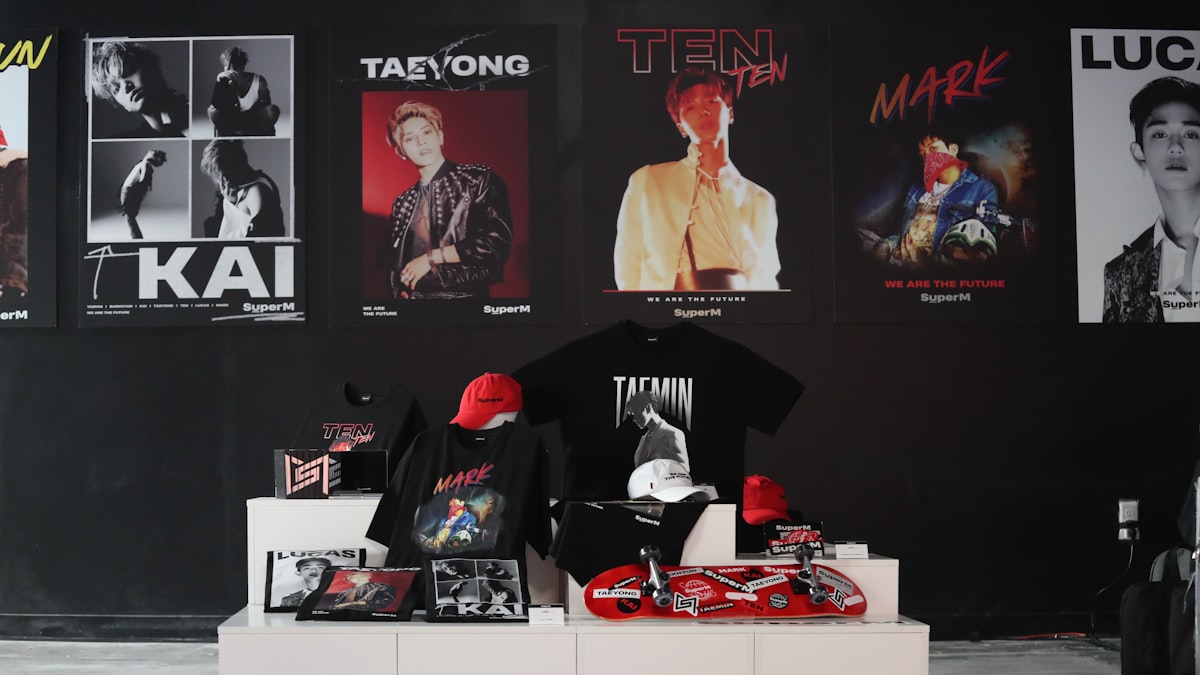
“K-Pop is often distinguished by its unique blend of genres, high production values, and intricate choreography. Unlike traditional pop, K-Pop often incorporates elements of hip-hop, R&B, and EDM, creating a dynamic and ever-evolving sound. Additionally, the visual aspect of K-Pop, including music videos and live performances, is central to its appeal.”
“Another key difference is the idol training system. K-Pop idols undergo rigorous training for years before debuting, ensuring a high level of professionalism and skill. This system, while demanding, produces artists who are not only singers but also dancers and entertainers.”
How do K-Pop agencies select and train their idols?
“The selection process usually begins with auditions, open to aspiring talents globally. Once selected, trainees undergo extensive training in singing, dancing, language, and even media handling. This can last several years, depending on the individual’s progress and the agency’s schedule.”
“Training is intensive, with a focus on developing a well-rounded skill set. Trainees live together in dormitories, fostering teamwork and camaraderie. This environment prepares them for the demanding schedule of a K-Pop idol, which often involves long hours and frequent travel.”
Why is BTS so popular worldwide?

“BTS’s global popularity can be attributed to several factors. Firstly, their music resonates with a wide audience, addressing themes like self-love and mental health, which are universally relatable. Their authenticity and willingness to engage with fans on social media have also helped build a loyal fanbase.”
“Moreover, BTS has successfully broken into the Western market, performing at major U.S. award shows and collaborating with international artists. This exposure has amplified their reach and solidified their status as global superstars.”
What role does social media play in K-Pop’s success?
“Social media is integral to K-Pop’s success, serving as a platform for fan engagement and content distribution. Platforms like Twitter, Instagram, and YouTube allow fans to connect with idols and access content instantly, creating a global community.”
“Fan interactions on social media can drive trends and influence charts. K-Pop agencies leverage this by actively engaging with fans, releasing exclusive content, and organizing online events, which reinforces the fan-idol relationship.”
How does the K-Pop industry handle controversies and scandals?
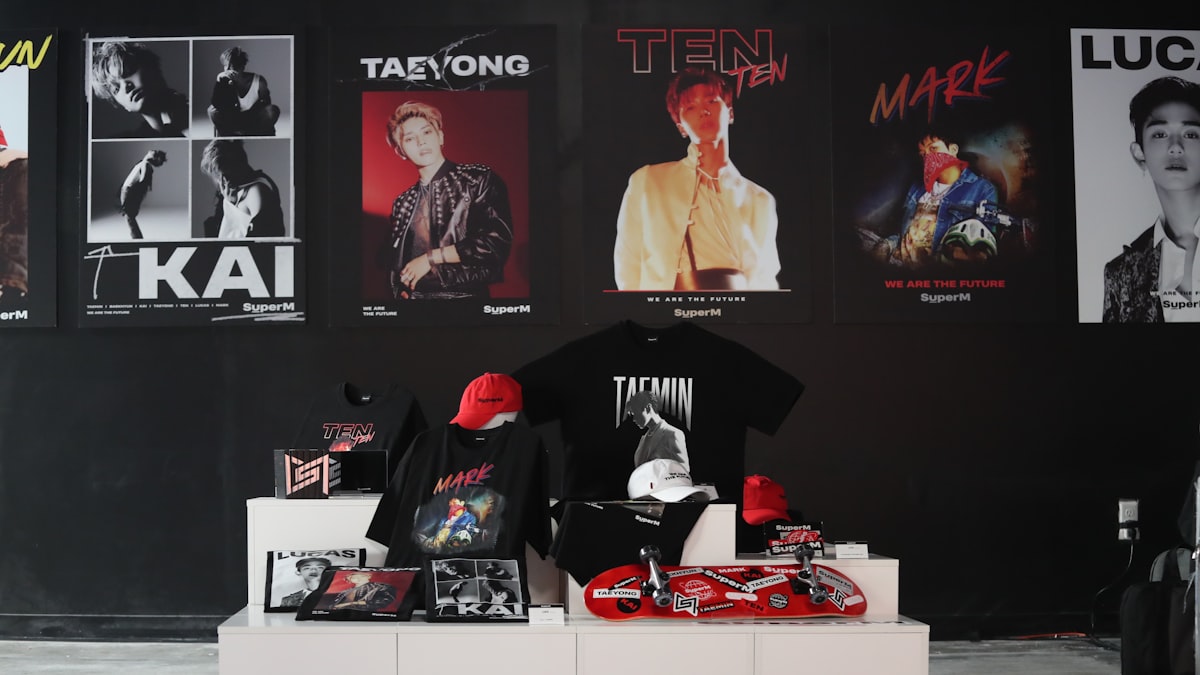
“Controversies are challenging in any entertainment industry, and K-Pop is no exception. Agencies often have crisis management teams to address issues promptly, releasing official statements and taking corrective actions when necessary.”
“However, the impact of a scandal can vary. While some artists recover quickly, others may face long-term repercussions. The key is transparency and a willingness to learn from mistakes, which can help rebuild public trust.”
What is the significance of K-Pop fan culture?
“Fan culture in K-Pop is incredibly vibrant and vital to the industry’s ecosystem. Fans, often organized into dedicated fandoms, actively support their idols through streaming, purchasing albums, and attending concerts. Their collective efforts can significantly impact chart rankings and sales.”
“Beyond financial support, fans create a sense of community and belonging. They organize events, create fan art, and even participate in charitable activities in the name of their idols, reflecting the deep connection between fans and artists.”
How do K-Pop idols maintain their image and health?
“Maintaining image and health is a priority for K-Pop idols, given the industry’s focus on aesthetics and performance. Agencies provide dieticians and personal trainers to ensure idols remain healthy and fit for their demanding schedules.”
“Mental health is also increasingly recognized as important. Many agencies now offer psychological support to help idols cope with stress and maintain a balanced lifestyle.”
What are the challenges facing the K-Pop industry today?
“The K-Pop industry faces several challenges, including intense competition, cultural appropriation concerns, and the need for sustainable growth. As K-Pop continues to expand globally, balancing cultural sensitivity with creativity is crucial.”
“Additionally, there is an ongoing conversation about the treatment of idols, particularly in terms of work hours and personal freedom. Addressing these issues is essential for the industry’s long-term viability and ethical integrity.”
How has K-Pop influenced global music trends?
“K-Pop has had a significant impact on global music trends, introducing new sounds and production techniques. The genre’s emphasis on choreography has also influenced the visual elements of music videos worldwide.”
“K-Pop’s success has encouraged other music industries to adopt similar strategies, such as cultivating a strong social media presence and investing in high-quality visuals. This cross-pollination of ideas continues to shape the global music landscape.”
What future trends can we expect in K-Pop?
“Looking ahead, we can expect K-Pop to continue evolving, with greater experimentation in music styles and collaborations with international artists. The rise of virtual concerts and digital fan interactions will likely gain momentum, especially in a post-pandemic world.”
“Sustainability and diversity are also emerging as important themes. As fans become more socially conscious, they demand the same from their favorite artists and agencies, pushing the industry towards more inclusive and responsible practices.”