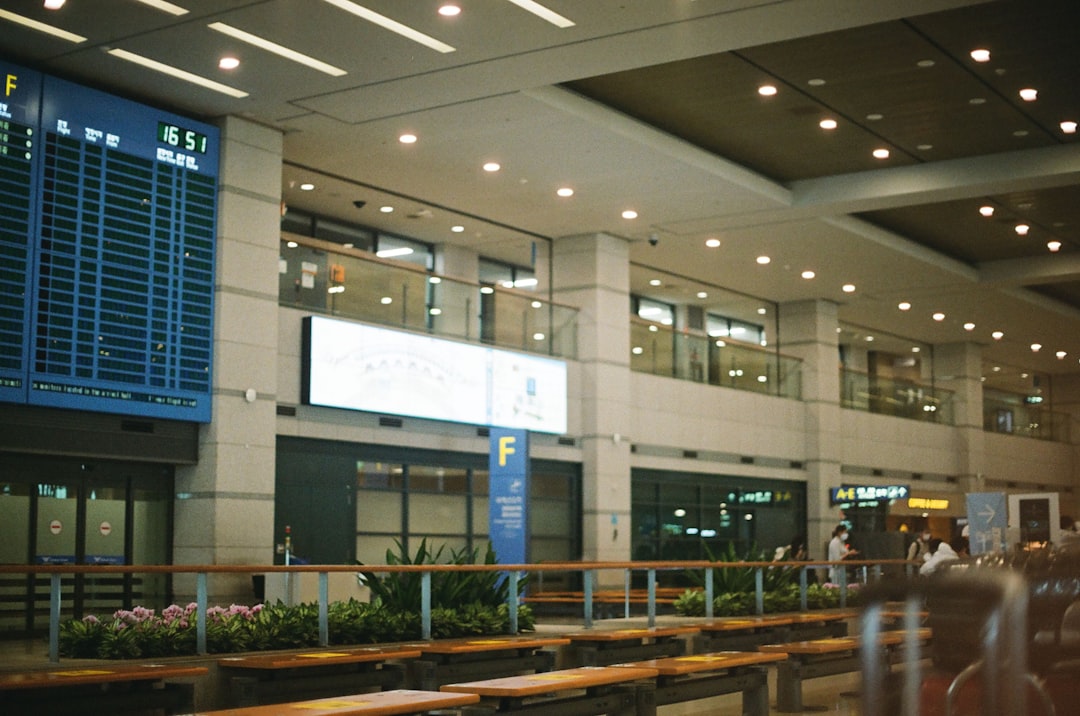
Why Your Incheon Airport Layover Might Be the Best Part of Your Trip
Picture this: it’s 11 PM, you’ve just landed at Incheon International Airport after a grueling 13-hour flight from LAX, your connecting flight to Bangkok doesn’t leave until 9 AM, and you’re wondering whether you’ll spend the next ten hours slumped across a row of metal chairs. I’ve been there — twice, actually — and I’m here to tell you that an overnight layover at Incheon Airport isn’t something to dread. It’s something to plan for.
Incheon International Airport (ICN) has been voted the World’s Best Transit Airport multiple times by Skytrax, and for good reason. From free showers and Korean cultural experiences to surprisingly affordable Incheon airport transit hotel overnight layover options, this airport transforms what could be dead time into a genuine travel highlight. Whether you’re transiting for 4 hours or 14, this guide covers everything you need to know.
I’ve personally tested every transit hotel option, wandered every terminal at 3 AM, and mapped out exactly how to maximize a layover here — so you don’t have to figure it out bleary-eyed after crossing the Pacific. Let’s dive in.
Understanding Incheon Airport Layout: Terminal 1 vs. Terminal 2

Before you can plan your Incheon airport transit hotel overnight layover, you need to understand the airport’s layout. Incheon has two massive terminals, and knowing which one you’re in makes all the difference.
Terminal 1 (T1): The Original Hub
Terminal 1 handles the majority of airlines, including Asiana Airlines, Singapore Airlines, Cathay Pacific, Japan Airlines, Thai Airways, and most international carriers. It opened in 2001 and has been expanded several times. T1 has a massive duty-free shopping area, a Korean Cultural Street on the 4th floor, and multiple rest zones scattered throughout.
The transit area in T1 is spread across Concourses A and B (connected by an underground shuttle train that takes about 5 minutes). Most transit hotels and rest facilities are concentrated near Gate 25 and the central duty-free zone. If you’re doing an overnight layover in T1, you’ll find more budget-friendly options here compared to T2.
Terminal 2 (T2): The Newer, Sleeker Option
Terminal 2 opened in 2018 and serves Korean Air, Delta Air Lines, Air France, KLM, Aeroflot, and other SkyTeam alliance members. If you’re flying Delta from JFK or SFO, this is where you’ll land. T2 is more modern, less crowded, and has excellent transit facilities including the Capsule Hotel by Darakhyu — arguably the best airside transit hotel in Asia.
T2’s transit zone covers Concourse 1 and Concourse 2, connected by a short walking path. The layout is more intuitive than T1, with clear signage in English, Korean, Chinese, and Japanese. The transit lounge and rest areas are near Gates 246–270.
Can You Move Between Terminals During Transit?
Important: If you’re a transit passenger staying airside (not going through immigration), you cannot freely move between T1 and T2. You’re confined to whichever terminal your flight arrives at. However, if your arrival is at T1 and departure at T2 (or vice versa), there’s an airside shuttle bus that runs every 15 minutes and takes about 15–20 minutes. Just ask at any transfer desk.
If you clear immigration and go landside, a free inter-terminal shuttle bus runs 24 hours and takes about 15–25 minutes between the two terminals. Keep this in mind when booking landside hotels — some are closer to one terminal than the other.
Airside Transit Hotels: Sleeping Without Leaving the Airport
The biggest question for anyone facing an Incheon airport transit hotel overnight layover is: can I sleep comfortably without going through immigration? The answer is a resounding yes, and you have several options depending on your budget.
Capsule Hotel by Darakhyu (Terminal 2, Airside)
This is the gold standard for transit sleeping at Incheon. Located near Gate 246 in Terminal 2’s transit zone, the Darakhyu capsule hotel offers private capsule rooms with full-size beds, USB charging ports, reading lights, and a privacy screen. Think of it like a nicer version of a Japanese capsule hotel.
Pricing (as of 2026):
- Standard capsule: ~$30–$45 for 6 hours
- Premium capsule: ~$50–$65 for 6 hours
- Additional hours: ~$7–$10 per hour
- Overnight package (10 PM – 8 AM): ~$55–$75
Each capsule includes fresh linens, pajamas, slippers, and basic toiletries. Showers are shared but immaculately clean. Honestly, I slept better here during my 8-hour layover than I did in some three-star hotels. Book through the Darakhyu app or website in advance, especially during peak seasons (July–August, December–January).
Transit Hotel (Terminal 1, Airside)
T1 has a traditional transit hotel located near Gate 25 on the basement level of the transit zone. It offers proper hotel rooms (not capsules) with en-suite bathrooms, desks, and queen-size beds.
Pricing:
- Standard room (6 hours): ~$60–$80
- Standard room (12 hours): ~$90–$120
- Day-use rate (short rest, 3 hours): ~$40–$50
This is the better choice if you want a full hotel experience without leaving the transit area. Rooms are small by American standards — roughly the size of a New York City hotel room — but they’re clean, quiet, and the bed quality is excellent. Reservations are strongly recommended for overnight stays.
Free Rest Areas and Recliner Zones
If you’re on a tight budget, Incheon has you covered for free. Both terminals offer designated rest zones with reclining chairs. In T1, look for the Rest Zone near Gate 11 and the nap area near Gate 43. In T2, there’s a comfortable rest zone near Gate 252.
These aren’t just benches — they’re proper reclining loungers with armrests and some degree of privacy. They won’t compare to a hotel bed, but they’re leagues better than trying to sleep across departure gate chairs. Bring an eye mask and earplugs (or grab some from the convenience stores in the terminal for about $3–$5).
| Option | Location | Cost (USD) | Best For |
|---|---|---|---|
| Darakhyu Capsule | T2, Gate 246 | $30–$75 | Solo travelers wanting privacy |
| Transit Hotel | T1, Gate 25 | $40–$120 | Couples, families, longer stays |
| Free Recliner Zone | T1 & T2, various | Free | Budget travelers, short layovers |
| Airline Lounge | T1 & T2, various | $40–$65 (pay-per-use) | Business travelers, lounge access card holders |
Landside Hotels: When You Have 8+ Hours and Want Real Rest

If your layover is 8 hours or longer, it’s often worth clearing immigration, grabbing a hotel room, and getting a proper night’s sleep. US citizens enjoy visa-free entry to South Korea for up to 90 days — just make sure you’ve registered for K-ETA (Korea Electronic Travel Authorization) before your trip. It costs about $10, takes 24–72 hours to process, and is valid for 2 years. K-ETA Official Website
Hotels Within Walking Distance
The Grand Hyatt Incheon is directly connected to Terminal 1 by a covered walkway — you can literally walk there in 5 minutes with luggage. Rooms run $120–$200/night depending on the season, and the hotel has a fitness center, pool, and multiple restaurants. For a transit stay, this is unbeatable convenience.
Hotel & Resort NEST (formerly Airport Hotel) is about a 3-minute taxi ride or a free shuttle from T1. Budget rooms start around $60–$90. It’s no-frills but perfectly adequate for catching sleep.
Budget Options Near the Airport
For the budget-conscious, the Incheon Airport Guesthouse zone in Unseo-dong (one stop on the AREX from the airport) has multiple Korean-style guesthouses and motels starting from $25–$40/night. Take the AREX (Airport Railroad Express) from the airport basement level — it’s a 3-minute ride to Unseo Station, and trains run until about 11:45 PM.
Pro tip: If arriving late at night after the last AREX train, taxis to Unseo-dong hotels cost about $8–$12. Use the Kakao T app (Korea’s Uber equivalent) or just hop in a metered taxi from the official taxi stand.
Immigration and Re-entry Considerations
Going landside means clearing immigration twice — once to exit and once to re-enter the transit zone. At Incheon, this process is fast. Immigration typically takes 10–30 minutes, and the airport has automated immigration gates for many nationalities. Budget at least 2.5–3 hours before your connecting flight to return, clear security, and reach your gate comfortably.
If your layover is under 6 hours total, I’d strongly recommend staying airside. The immigration process, hotel check-in/out, and transport time will eat into your rest. But for layovers of 8+ hours, going landside is absolutely worth it — especially if you want to squeeze in a quick exploration of Seoul. Gyeongju Day Trip From Seoul: 2026 Complete Guide
Free Things to Do During Your Layover
Even if you’re not booking an Incheon airport transit hotel overnight layover, the airport offers a remarkable number of free activities that put most American airports to shame. Seriously, if LAX or JFK offered half of this, we’d consider it revolutionary.
Korean Cultural Experience Center
Located on the 4th floor of Terminal 1 and 3rd floor of Terminal 2, these centers offer free activities including hanbok (traditional Korean dress) try-on sessions, Korean paper crafting, K-pop dance lessons, and traditional stamp-making. The hanbok photo session is particularly popular — you’ll get professional-quality photos in beautiful traditional Korean clothing, completely free.
Hours are typically 7 AM to 9 PM, and sessions run every 30–60 minutes. No reservation needed, but show up early during peak season as spots fill fast. This is genuinely one of the best free airport activities anywhere in the world. 7 Iconic K-Pop Choreographies You Must Learn in 2026
Free Showers
Both terminals offer free shower facilities for transit passengers. In T1, find them near Gate 11 and Gate 43. In T2, head to the shower rooms near Gate 252. They provide basic soap, shampoo, and towels. The showers are cleaned regularly and are surprisingly pleasant. After a long trans-Pacific flight, a hot shower can genuinely transform your mood.
Transit Tour Programs
Incheon Airport runs free transit tour programs for passengers with layovers of 5+ hours. These guided tours take you outside the airport to nearby attractions like Incheon Chinatown, Wolmido Island, or Songdo Central Park. Tours run several times daily and last 1–3 hours. You’ll need your boarding pass and passport to register at the Transit Tourism Counter between Gates 24 and 25 in T1 or near Gate 246 in T2. Incheon Airport Transit Tour Programs
Note: Transit tours require going through immigration briefly, so you’ll need valid K-ETA or visa-free entry eligibility. Tours may be suspended during peak holiday periods or for public health reasons — check the airport website before counting on them.
Ice Skating Rink and Garden
Terminal 1 has a small indoor ice skating rink (seasonal, usually November through March) and a beautiful indoor garden on the 4th floor. T2 has an impressive indoor forest garden with real trees, flowing water features, and benches where you can relax. Both are free to enjoy and offer a surprisingly peaceful escape from the terminal buzz.
Food and Dining: What to Eat During Your Layover

Airport food is notoriously overpriced everywhere, and Incheon is no exception — but it’s considerably more reasonable than what you’d pay at JFK or SFO, and the quality is dramatically better.
Airside Dining Options and Prices
In the transit zone, expect to pay $10–$18 for a Korean meal (bibimbap, kimchi jjigae, or bulgogi sets) and $8–$14 for Western fast food. Some standout airside restaurants include:
- Korean Air Bibimbap Restaurant (T2): Excellent dolsot bibimbap (hot stone pot) for ~$14. Genuinely good quality.
- Gogung (T1): Famous for Jeonju-style bibimbap, around $12–$16.
- Lotteria (T1 & T2): Korea’s answer to McDonald’s — try the shrimp burger or bulgogi burger for ~$6–$8.
- Paris Baguette (T1 & T2): Korean bakery chain with excellent pastries, sandwiches, and coffee from ~$4–$8.
If you’re doing an overnight layover and want to grab a late dinner, note that most airside restaurants close by 10–11 PM. However, convenience stores like CU and GS25 operate 24 hours and stock surprisingly good instant ramyeon, kimbap (Korean sushi rolls), sandwiches, and snacks for $2–$6. Best Korean Instant Ramyeon Ranked: 2026 Ultimate Guide
Landside Dining: Worth Clearing Immigration For
If you go landside, the basement food courts in both terminals offer much better value. A hearty Korean meal costs $7–$12. My go-to is the B1 food court in T1, which has a great kimchi jjigae spot and a budae jjigae (army stew) place that’ll fill you up for under $10. Korean Street Food Markets by City: 2026 Ultimate Guide
For late-night arrivals, the 7-Eleven and CU convenience stores on the arrivals level are lifesavers. Grab a triangle kimbap ($1.50), a cup of instant ramyeon ($2), and a banana milk ($1.50) — that’s a filling midnight meal for under $6 total. Best Korean Ramyeon Flavors Ranked 2026: Top 15
Getting Connected: WiFi, SIM Cards, and Essential Apps
Staying connected during your Incheon airport transit hotel overnight layover is easy, but setting up the right tools will make your entire Korea trip smoother.
Free WiFi
Incheon Airport offers free unlimited WiFi throughout both terminals — no registration required in most areas. Look for networks named “Airport-Free-WiFi” or “KT-Free-WiFi”. Speeds are generally solid (20–50 Mbps), good enough for video calls and streaming. This works in both the transit zone and landside areas.
SIM Cards and Pocket WiFi
If you’re continuing your journey into Korea, grab a SIM card or eSIM at the airport. Booths from KT, SK Telecom, and LG U+ are located in the arrivals halls of both terminals. A tourist SIM with unlimited data for 5 days costs about $20–$30, and 10-day plans run $30–$45. Pocket WiFi rentals are also available for $5–$8/day. Best SIM Card for Korea Trip 2026: Complete Guide
Pro tip: Order your SIM card or eSIM online before you fly and pick it up at the airport counter — it’s usually $5–$10 cheaper than walk-up prices, and there’s no waiting in line.
Essential Apps to Download Before Landing
Download these before you land — they’ll be invaluable:
- Naver Map: The best navigation app for Korea (Google Maps is incomplete here). Works in English.
- Papago: Naver’s translation app — far better than Google Translate for Korean. Use the camera mode for menu translations.
- KakaoTalk: Korea’s universal messaging app. Many businesses and booking services use it.
- Kakao T: For taxis. Works like Uber but with local taxis.
- KORAIL: For booking KTX (bullet train) tickets in advance.
- Coupang: Korea’s Amazon equivalent — useful for ordering last-minute items delivered to your hotel.
Transport From Incheon Airport: Getting to Seoul and Beyond

Even if your primary purpose is an overnight layover at Incheon airport, understanding transport options is essential — especially if you decide to venture into Seoul for a few hours or continue your journey deeper into Korea.
AREX (Airport Railroad Express)
The AREX is the fastest way to reach Seoul. You have two options:
- Express train (non-stop to Seoul Station): 43 minutes, ~$9. Comfortable seats, luggage racks, and free WiFi. Runs every 30–40 minutes from 6:00 AM to 10:50 PM.
- All-stop train (local service): ~66 minutes to Seoul Station, ~$4.50. Stops at Unseo, Gimpo Airport, Digital Media City, Hongdae, and more. Runs every 6–12 minutes.
For an overnight layover where you want to pop into Seoul for dinner and come back, the all-stop train to Hongdae Station (about 55 minutes, $4.50) drops you in one of Seoul’s liveliest nightlife and food districts. Just watch the last train back — the last AREX from Seoul Station departs around 11:30 PM.
T-money Card: Your Best Friend in Korea
Pick up a T-money card at any convenience store in the airport for about $3 (card cost) plus however much you load onto it. This rechargeable transit card works on all subways, buses, AREX local trains, and even taxis and convenience stores across Korea. It also gives you a small discount on subway fares compared to buying single tickets.
Load it with $20–$30 worth of Korean won at the convenience store (they accept cash and sometimes cards). If you’re just doing a quick Seoul trip during your layover, $15 on the card should cover round-trip AREX plus a taxi or two.
KTX Bullet Train: For Longer Layovers
If you have a 12+ hour layover and want to be ambitious, the KTX bullet train from Seoul Station can whisk you to Busan in 2.5 hours ($45–$60 one way) or Gyeongju in 2 hours ($35–$50). Book via the KORAIL app in advance for the best prices. This is only realistic with layovers of 14+ hours, but I’ve done it — rushed, yes, but unforgettable. Gyeongju Day Trip From Seoul: 2026 Complete Guide
Budget Breakdown: What Your Layover Will Cost
Here’s a realistic cost breakdown for different layover scenarios at Incheon Airport, so you can plan accordingly.
| Expense | Budget Layover | Mid-Range Layover | Comfort Layover |
|---|---|---|---|
| Sleeping | Free (recliner zone) | $45 (capsule hotel) | $120 (Grand Hyatt) |
| Food (2 meals) | $8 (convenience store) | $22 (airport restaurants) | $35 (hotel restaurant) |
| Transport | $0 (stay airside) | $0 (stay airside) | $0 (walk to hotel) |
| SIM Card | $0 (free WiFi) | $0 (free WiFi) | $25 (tourist SIM) |
| Entertainment | $0 (free activities) | $0 (free activities) | $15 (duty-free shopping) |
| TOTAL | ~$8 | ~$67 | ~$195 |
Yes, you read that right — you can do an overnight layover at Incheon for under $10 if you use the free rest areas and convenience store food. Compare that to a similar situation at JFK or Heathrow, and Incheon starts to look like a transit paradise.
Seasonal Tips: When Your Layover Hits Different
The time of year can significantly impact your Incheon airport transit hotel overnight layover experience. Here’s what to expect by season:
Spring (March – May): Cherry Blossom Season
If you’re transiting in early-to-mid April, you might catch cherry blossoms even without leaving the airport area. The roads leading from Incheon Airport are lined with cherry trees, and the free transit tours often include blossom viewing spots. If you clear immigration, nearby Songdo Central Park is gorgeous during cherry blossom season — a 20-minute taxi ride away. Korea Autumn Foliage Best Time 2026: Top 7 Spots
Summer (June – August): Monsoon Season
Korea’s summer is hot and humid (think Washington D.C. in August). Layovers in summer mean the airport’s air conditioning is your best friend. This is also peak travel season, so transit hotels book up fast — reserve at least a week in advance. The airport’s indoor activities shine during monsoon season when outdoor transit tours may be cancelled due to heavy rain.
Autumn (September – November): The Sweet Spot
October and November bring stunning fall foliage and crisp, comfortable weather. This is the best time for transit tours. If you have a long layover, the fall colors at nearby Songdo or Yeongjongdo Island are worth clearing immigration for. It’s also less crowded than summer, so transit hotels are easier to book.
Winter (December – February): Ski Season and Holiday Vibes
Korea gets cold (think Chicago), but the airport stays cozy. During December–January, Incheon Airport puts up impressive holiday decorations and sometimes runs special cultural events. If you’re continuing to a Korean ski resort like Pyeongchang or Yongpyong, you can take the KTX directly from the airport area. Winter layovers are the quietest, making it easiest to grab a transit hotel room.
Insider Tips From a Frequent Incheon Transiter
After dozens of transits through Incheon, here are the tips I wish someone had told me on day one:
- Charge your devices at the Korean Cultural Center areas — they have outlets everywhere and are usually less crowded than gate areas.
- The 4th floor of T1 is the quiet zone. Most passengers stick to the duty-free level. Head upstairs for peace, quiet, and the cultural experience center.
- Duty-free prices on Korean skincare are genuinely unbeatable. Stock up on Sulwhasoo, Laneige, and Innisfree — they’re 30–50% cheaper than US prices. Korean Skincare Routine Steps for Beginners 2026
- Book your transit hotel for the full duration — even if you’ll only sleep 5 hours. Hourly rates add up fast, and the overnight package is almost always a better deal.
- Bring a universal power adapter. Korean outlets use Type C and Type F (European-style round pins). The airport has some USB charging stations, but for your hotel room, you’ll need an adapter.
- Use Papago, not Google Translate. Papago handles Korean nuances much better, especially for food menus and transportation signs.
- Ask for a “transit stamp” at the transfer desk if you want to leave the transit zone and return. This prevents any confusion at re-entry.
- Download content for offline viewing before landing. While Incheon’s WiFi is solid, your transit hotel WiFi may be spotty, and cellular data won’t work until you get a SIM.
- The convenience store ramyeon is a move. CU stores have hot water dispensers specifically for making cup ramyeon — it’s a beloved Korean traveler ritual that you should absolutely experience. Best Korean Ramyeon Flavors Ranked 2026: Top 15
- Korean won ATMs in the transit area offer better exchange rates than the currency exchange booths. Use ATMs labeled “Global ATM” — they accept Visa, Mastercard, and most US bank cards with minimal fees.
Cultural Etiquette Tips for Your Airport Interactions
Even during a brief layover, understanding basic Korean cultural etiquette will make your interactions smoother and more pleasant:
- Bowing: A slight bow (15–30 degrees) is the standard greeting. You don’t need to do a full bow — a nod of the head works fine for casual interactions with airport staff.
- Two hands: When receiving or giving items (boarding pass, credit card, change), use both hands or support your right arm with your left hand. It’s a sign of respect.
- Quiet voices: Koreans tend to speak softly in public spaces. Keep phone conversations and group chatter at a reasonable volume, especially in rest areas.
- Shoes off: If you visit any traditional cultural experience areas or jjimjilbangs (Korean spas) near the airport, you’ll need to remove your shoes. Wear socks.
- Tipping: Don’t tip in Korea. It’s not expected and can sometimes cause confusion. Service is included in all prices — restaurants, taxis, hotels.
- Trash sorting: Korea takes recycling seriously. Airport bins are divided into general waste, recyclables, and food waste. Take a moment to sort correctly.
Korean Cultural Etiquette Guide
Frequently Asked Questions
Can I sleep in Incheon Airport for free overnight?
Yes. Incheon Airport is open 24 hours and has designated free rest zones with reclining chairs in both Terminal 1 (near Gates 11 and 43) and Terminal 2 (near Gate 252). The airport is safe, well-lit, and security patrols regularly. Thousands of transit passengers sleep in the free zones every night. Bring an eye mask and neck pillow for the best experience. Free showers are also available, so you can freshen up before your connecting flight.
Do I need a visa to leave Incheon Airport during a layover?
US citizens do not need a visa for stays under 90 days in South Korea, but you must register for K-ETA (Korea Electronic Travel Authorization) before traveling. K-ETA costs about $10 and is valid for 2 years. With a valid K-ETA, you can freely leave the airport, explore, and return for your connecting flight. Process your K-ETA at least 72 hours before travel to avoid delays.
How do I book an Incheon airport transit hotel for an overnight layover?
For the airside Darakhyu Capsule Hotel in Terminal 2, book through their official website or app — search “Darakhyu Incheon.” For the Terminal 1 Transit Hotel, book via their website or at the front desk (though walk-ins risk being full during peak times). For landside hotels like the Grand Hyatt Incheon, use any standard booking platform like Booking.com, Agoda, or Hotels.com. During peak season (July–August, December–January), book at least 1–2 weeks in advance.
Is Incheon Airport safe for solo female travelers during an overnight layover?
Absolutely. South Korea consistently ranks among the safest countries in the world, and Incheon Airport has 24-hour security, CCTV coverage throughout, and well-lit rest areas. The capsule hotels have separate sections for male and female travelers with keycard access. Many solo female travelers specifically choose Incheon as a transit hub because of its safety and comfort amenities.
What is there to do during a 4-5 hour layover at Incheon?
Plenty! Visit the Korean Cultural Experience Center for free hanbok try-on and crafts (1 hour). Browse the duty-free shops for Korean skincare and K-pop merchandise (1 hour). Grab a meal at one of the Korean restaurants (45 minutes). Take a free shower to refresh (30 minutes). Stroll through the indoor gardens in T2 (20 minutes). You’ll be surprised how quickly the time passes. For longer layovers, consider the free transit tour programs that take you to nearby attractions outside the airport.
Can I store my luggage at Incheon Airport during a layover?
Yes. Both terminals have luggage storage services on the arrivals level. Small lockers cost about $5–$7 per day, and large lockers (suitcase-size) run $8–$12 per day. There’s also a staffed luggage storage counter that handles oversized items. If you’re going landside to explore, drop your bags in storage rather than dragging them around Seoul. The service operates from approximately 6 AM to 10 PM, with 24-hour automated lockers available in some areas.
What time do shops and restaurants open and close at Incheon Airport?
Most duty-free shops operate from 6:30 AM to 10:00 PM (some open as early as 6 AM and close as late as 11 PM). Restaurants generally follow a 7:00 AM to 10:00 PM schedule, though a few fast-food outlets stay open later. Convenience stores (CU, GS25) are open 24 hours in both the transit zone and landside. The Korean Cultural Experience Centers run from approximately 7:00 AM to 9:00 PM.
Related Posts You’ll Love
- Best SIM Card for Korea Trip 2026: Complete Guide
- Korean Street Food Markets by City: 2026 Ultimate Guide
- Gyeongju Day Trip From Seoul: 2026 Complete Guide
Suggested future articles:
- Seoul Subway Guide for First-Time Visitors 2026
- Incheon Chinatown and Wolmido Day Trip Guide 2026
- Best Korean Duty-Free Shopping Deals at Incheon Airport 2026
Make Your Layover Count
An Incheon airport transit hotel overnight layover doesn’t have to be a drag — in fact, it can be one of the most surprisingly enjoyable parts of your journey through Asia. Whether you’re crashing in a free recliner zone with convenience store ramyeon or treating yourself to a capsule hotel and Korean spa experience, Incheon has you covered.
The next time you’re booking flights and see a long connection at ICN, don’t avoid it — embrace it. You might just discover that the world’s best transit airport lives up to its reputation.
Have you done an overnight layover at Incheon? Drop your experience in the comments below — I’d love to hear your tips and tricks! If this guide helped you plan your layover, share it with your travel crew so they can make the most of their transit time too. And if you’ve got questions I didn’t cover, ask away — I check comments regularly and will get back to you.
Planning a full Korea trip? Check out our other guides for everything from Korean Skincare Routine Steps for Beginners 2026 to Authentic Kimchi Recipe From Scratch: Step-by-Step Guide 2026 — we’ve got you covered from arrival to departure. Subscribe to our newsletter for weekly Korea travel tips and K-culture updates delivered straight to your inbox.