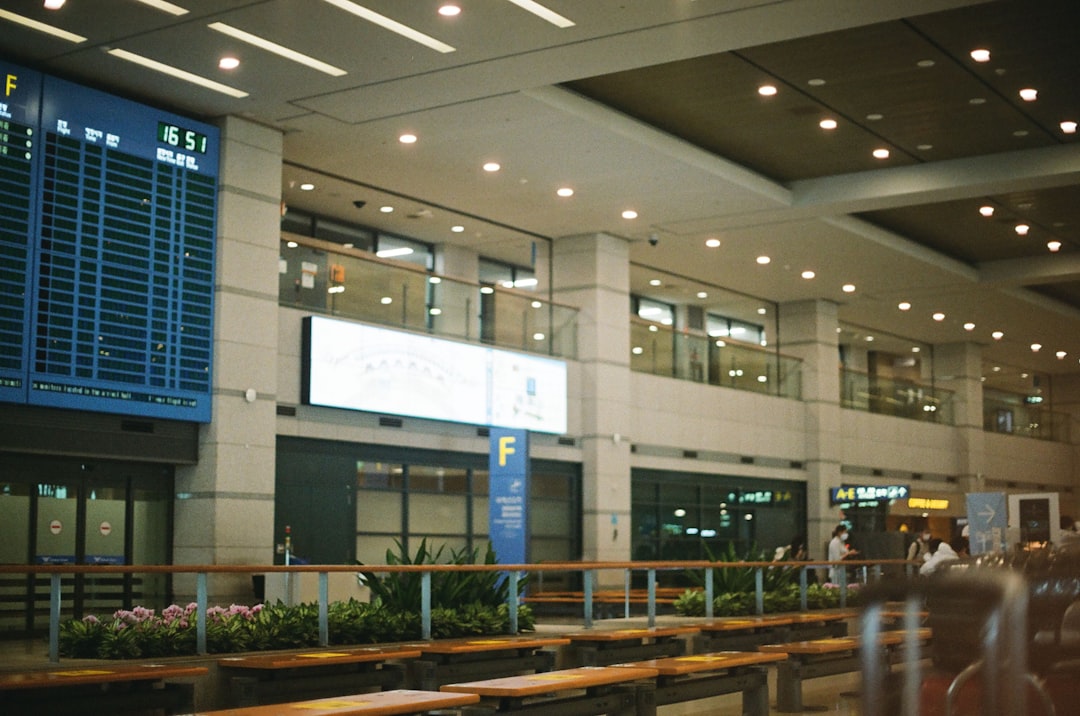
Why Every Savvy Traveler Needs to Know About Incheon Airport’s Transit Perks
Picture this: it’s 2 AM, you’ve just landed at Incheon International Airport after a grueling 13-hour flight from LAX, and your connecting flight to Jeju Island doesn’t leave for another seven hours. Your back aches, your hair is a disaster, and the thought of spending half a day in an airport terminal sounds miserable. But here’s where Incheon — consistently ranked among the world’s best airports — pulls off something magical. Within minutes, you could be soaking in a free shower at an Incheon airport transit hotel, catching a nap in a reclining lounge chair, or exploring a traditional Korean cultural center, all without ever leaving the terminal.
I’ve transited through Incheon more than a dozen times over the past six years, and I can confidently say that no other airport on the planet treats layover passengers this well. From complimentary shower facilities and rest zones to free guided transit tours of Seoul, Incheon has transformed the dreaded layover into something you’ll actually look forward to. In this guide, I’m breaking down every single transit perk, hack, and hidden gem so you can make the most of your time — whether you’ve got 2 hours or 12.
Understanding Incheon Airport’s Two Terminals: Where You’ll Actually Be

Terminal 1 vs. Terminal 2: Key Differences
Before diving into transit hotels and free showers, you need to know which terminal you’re in, because the amenities differ significantly between the two. Terminal 1 (T1) is the original terminal, home to most international carriers including United Airlines, Cathay Pacific, Singapore Airlines, and dozens more. Terminal 2 (T2) opened in 2018 and is used primarily by Korean Air, Delta Air Lines, Air France, KLM, and other SkyTeam alliance members.
If you’re flying from JFK on Delta or from SFO on Korean Air, you’ll land at T2. Coming in on United from LAX or Asiana from any US gateway? That’s T1. This matters because the Incheon airport transit hotel free shower options, rest areas, and cultural experiences are distributed differently across the two terminals.
| Feature | Terminal 1 | Terminal 2 |
|---|---|---|
| Free Shower Rooms | Yes — Airside (near Gate 11, Gate 41) | Yes — Airside (near Gate 252) |
| Transit Hotel | Incheon Airport Transit Hotel (4F) | Capsule Hotel by DARAKHYU |
| Free Rest Areas | Multiple zones, Floors B1–4F | Relaxation zones on 4F |
| Korean Culture Center | Yes — Korean Cultural Street (4F) | Yes — Korean Culture Museum (4F) |
| Free Transit Tour | Transit Tour Desk (near Gate 23) | Transit Tour Desk (3F, Arrival Hall) |
| Spa/Sauna | Spa on Air (4F, paid) | DARAKHYU Rest & Spa (paid) |
Moving Between Terminals
A free shuttle train connects T1 and T2 in about 18 minutes. It runs 24 hours a day with departures every 6 minutes during peak times. If you’re transiting and want to explore the other terminal’s amenities, you can do so without going through immigration — just follow the inter-terminal transfer signs. Keep your boarding pass handy; you’ll need it at security checkpoints.
Pro tip: If you have a long layover and your connecting flight is from the other terminal, head there early. The transfer process, including the shuttle ride and security screening, takes about 30–40 minutes during busy periods.
Free Showers at Incheon Airport: The Complete Guide
Let’s address what most transit travelers are Googling at 30,000 feet: can you really get a free shower at Incheon Airport? Yes, absolutely. Incheon provides complimentary shower rooms in both terminals, available to all transit and transfer passengers. This alone makes Incheon one of the most passenger-friendly airports in the world.
Free Shower Room Locations and Hours
Terminal 1:
- Near Gate 11 (Concourse A, 3F) — 4 shower stalls, open 7:00 AM – 9:00 PM
- Near Gate 41 (Concourse B, 3F) — 4 shower stalls, open 7:00 AM – 9:00 PM
Terminal 2:
- Near Gate 252 (3F) — 6 shower stalls, open 7:00 AM – 9:00 PM
Each shower room provides free towels, shampoo, body wash, and a hair dryer. The stalls are cleaned regularly and are surprisingly modern — think clean white tile, good water pressure, and temperature controls that actually work. If you’ve ever used a gym shower in the US, these are significantly nicer.
Tips for Using the Free Showers
- Arrive early in the morning. The shower rooms open at 7 AM, and there’s often a line by 7:30. If your layover starts at dawn, head straight there.
- Bring your own toiletries if you’re picky. The provided shampoo and soap are basic Korean hotel brands — perfectly fine, but if you want your own products, pack travel-sized bottles in your carry-on.
- There’s a 30-minute time limit during peak hours. Staff may knock if you’re taking too long. Be courteous to fellow travelers.
- The showers close at 9 PM. If you’re arriving on a late-night red-eye, you’ll need to use the paid spa facilities instead (more on that below).
- Check for temporary closures. Occasionally, shower rooms close for maintenance. Ask at the nearest information desk for alternatives.
The Incheon airport transit hotel free shower combo is a game-changer for overnight layovers. You can grab a few hours of sleep in a transit hotel, wake up, shower for free, and arrive at your next destination feeling human again.
Transit Hotels and Rest Options: From Free to Fancy

Incheon Airport offers a layered system of rest options that cater to every budget — from completely free reclining chairs to private hotel rooms you can book by the hour. Here’s the full breakdown.
Free Rest Areas (Both Terminals)
Both terminals offer free rest zones with reclining lounge chairs, USB charging ports, and dimmed lighting. These are located in the airside transit areas, meaning you don’t need to clear immigration.
- T1 Rest Zones: Located near Gates 11, 23, and 41. The largest zone near Gate 23 has approximately 80 reclining chairs. Available 24/7.
- T2 Rest Zones: Located on the 4th floor near the food court area. About 60 reclining chairs. Available 24/7.
These are perfectly adequate for a 2–4 hour nap. Bring an eye mask and neck pillow (available at duty-free shops for around $8–15), and you’ll sleep surprisingly well. The chairs fully recline and have small partitions for a bit of privacy.
Paid Transit Hotels: Best Options Compared
If you want a proper bed, here are your best options inside the airport’s airside (no immigration required):
1. Incheon Airport Transit Hotel (Terminal 1, 4F)
- Cost: From $40 for 6 hours (standard room), $55 for a deluxe room
- What’s included: Private room with bed, en-suite shower, toiletries, Wi-Fi, alarm clock service
- Booking: Walk-in or reserve via their website. Walk-in availability is hit-or-miss during peak season (summer, Lunar New Year)
- Best for: Layovers of 5–10 hours
2. DARAKHYU Capsule Hotel (Terminal 2, Airside B1)
- Cost: From $20 for 4 hours (capsule), $35 for 6 hours, $55 for a premium suite
- What’s included: Japanese-style capsule with privacy screen, shared shower facilities, earplugs, slippers
- Booking: Highly recommended to reserve online, especially during peak travel months
- Best for: Budget-conscious travelers, solo backpackers, short naps
3. Spa on Air (Terminal 1, 4F, Landside)
- Cost: $25 for basic jjimjilbang (Korean spa) access, $40 with a sleeping mat and blanket rental
- What’s included: Hot/cold pools, dry and wet sauna, shower, sleeping area, spa clothing provided
- Note: This is outside security (landside), so you’ll need to clear immigration. Only viable for long layovers (8+ hours) and if you’re eligible for visa-free entry or have a K-ETA
- Best for: Anyone wanting the full Korean spa experience
The Incheon airport transit hotel free shower strategy I recommend: book the cheapest capsule at DARAKHYU for $20, sleep for 4 hours, then use the free airside showers near Gate 252 before your flight. Total cost: $20 for a full refresh — less than a mediocre airport meal at JFK.
Airline Lounge Access for Transit Passengers
If you have a Priority Pass, Amex Platinum, or business/first-class ticket, you can access several premium lounges that include private showers, hot meals, and even nap rooms. The Korean Air Prestige Lounge in T2 and the Asiana Business Lounge in T1 both have shower suites. Day passes for some lounges can be purchased at the door for approximately $40–50.
Budget travelers can purchase lounge access through apps like LoungeBuddy or Loungekey for $30–45 per visit, which often includes shower access — making it competitively priced against standalone transit hotels.
Free Transit Tours: Yes, You Can See Seoul During Your Layover
This is the perk that blows every first-timer’s mind: Incheon Airport offers free guided tours of Seoul and nearby areas for transit passengers. If you have a layover of 5 hours or more, you can leave the airport, explore iconic landmarks, and return in time for your connecting flight — all for free.
How the Free Transit Tours Work
- Eligibility: You must be an international transit/transfer passenger with a layover of at least 5 hours but no more than 24 hours.
- Registration: Sign up at the Transit Tour Desk (T1: near Gate 23, T2: 3F Arrival Hall) at least 1 hour before departure time.
- Documents needed: Passport, boarding pass for your connecting flight.
- Cost: Completely free. Transportation, guide, and sometimes lunch are included.
- Duration: Tours range from 1 to 5 hours depending on the route.
Popular Tour Routes
Route 1: Jongno Traditional Culture (5 hours) — Visit Gyeongbokgung Palace, Bukchon Hanok Village, and Insadong traditional market. This is the most popular route and gives you the quintessential “I saw Seoul” experience.
Route 2: Songdo/Incheon City (3 hours) — Explore the futuristic Songdo International Business District, Central Park, and the Tri-Bowl cultural center. Great if you’re short on time.
Route 3: Korean Temple Experience (4 hours) — Visit a Buddhist temple, try temple food, and experience a brief meditation session. Genuinely transformative, even in 4 hours.
You’ll need to pass through immigration for these tours, so US citizens should ensure they have a valid K-ETA (Korea Electronic Travel Authorization) — more on that in the Getting There section below. Korea Transit Tour Program details
If you’re visiting Seoul during cherry blossom season (late March to mid-April), the transit tour through Yeouido is an unforgettable experience. 7 Best Korea Cherry Blossom Spots 2026: Dates & Map
Getting There: Flights, Visas, and Airport Arrival

Flights from the US to Incheon
Incheon International Airport (ICN) is the primary gateway to South Korea, served by direct flights from all major US hubs:
- From LAX: Korean Air, Asiana, United, Delta — flight time approximately 12–13 hours. Round-trip fares range from $600–1,200 depending on season.
- From JFK: Korean Air, Delta, Asiana — approximately 14–15 hours. Fares typically $650–1,300.
- From SFO: United, Korean Air, Asiana — approximately 12 hours. Fares from $580–1,100.
Budget tip: Fly midweek (Tuesday–Thursday) and in shoulder seasons (late April to May, or September to October) for the best fares. Use Google Flights or the KORAIL app to combine flight + train deals if you’re continuing to Busan or other cities via KTX.
K-ETA and Visa-Free Entry for US Citizens
US citizens can enter South Korea visa-free for up to 90 days for tourism purposes. However, you must apply for a K-ETA (Korea Electronic Travel Authorization) before departure. The application is online, costs approximately $10, and is typically approved within 24 hours — though I recommend applying at least 72 hours before your flight.
Important for transit passengers: If you plan to leave the airport during your layover (e.g., for the free transit tour or to visit the landside spa), you will need a K-ETA. If you’re staying airside only, no K-ETA is required.
Essential Apps to Download Before Landing
Set up these apps before your flight to save time and avoid connectivity hassles at the airport:
- Naver Map: Korea’s #1 navigation app. Google Maps works but is significantly less accurate for public transit, walking directions, and bus routes in Korea. Naver Map is like having a local’s GPS.
- Papago: Naver’s translation app, far superior to Google Translate for Korean. The camera translation feature is a lifesaver for reading menus, signs, and transit information.
- KakaoTalk: Korea’s universal messaging app. Many restaurants, shops, and even hotels communicate via KakaoTalk. Think of it as Korea’s WhatsApp — you’ll feel left out without it.
- KORAIL: Book KTX (high-speed train) tickets from Incheon to Seoul, Busan, or anywhere on the national rail network. English interface available.
Inside the Airport: Food, Shopping, and Entertainment
Dining Options for Every Budget
One thing that sets Incheon apart from US airports: the food is actually good and reasonably priced. While a sandwich at LAX might run you $18, a bowl of authentic Korean bibimbap at Incheon costs about $10–12.
Budget eats (under $10):
- Convenience stores (CU, GS25, 7-Eleven): Available in both terminals airside. Grab triangle kimbap ($1.50), cup ramyeon ($2), or Korean fried chicken bites ($4). Seriously, Korean convenience store food is on another level. Best Korean Convenience Store Snacks to Try in 2026
- Food court (T1, 4F): Tteokbokki, kimchi jjigae, and other Korean staples from $7–10. How to Make Tteokbokki at Home: Easy Step-by-Step 2026
Mid-range ($10–20):
- Korean BBQ restaurants in both terminals serve solid galbi and samgyeopsal sets for $12–18.
- Korean fried chicken chains like BHC and Kyochon have airport locations. A combo meal runs about $11–14. Korean Fried Chicken Recipe: Crispy & Crunchy Guide 2026
Splurge ($20+):
- The Sky Restaurant in T2 offers premium Korean cuisine with runway views. Multi-course meals from $25–40.
Duty-Free Shopping and K-Beauty Deals
Incheon’s duty-free shopping zone is massive — over 300 stores across both terminals. For Americans, the K-Beauty section is a goldmine. Brands like Sulwhasoo, Laneige, and Innisfree are 30–50% cheaper than US retail prices.
Best duty-free strategy: Pre-order online through the Shilla Duty Free or Lotte Duty Free websites before your trip for an additional 10–20% off. Pick up your purchases at the airport collection counter after security. 7 Best Korean Lip Tints for Dry Lips in 2026
Cultural Experiences and Entertainment
Both terminals offer free Korean cultural experiences that make your layover genuinely enriching:
- Korean Cultural Street (T1, 4F): Try on hanbok (traditional Korean clothing) for free, watch traditional craft demonstrations, and participate in stamp-collecting activities.
- Korean Culture Museum (T2, 4F): Interactive exhibits on Korean history, K-Pop listening stations, and a traditional music performance area.
- Live performances: Both terminals host free traditional music and dance performances throughout the day, typically from 10 AM to 6 PM.
- Gaming zones: Free PlayStation and PC gaming stations are available in both terminals — great for younger travelers or anyone with time to kill.
If K-Pop is your thing, the T2 music corner has a section dedicated to current groups with listening stations and photo spots. 7 Easiest K-Pop Dances to Learn for Beginners in 2026
Connecting from Incheon: Transport to Seoul and Beyond

Airport Railroad Express (AREX)
The fastest and most affordable way to reach Seoul from Incheon Airport is the AREX (Airport Railroad Express). Two options:
- Express Train (non-stop): ICN → Seoul Station in 43 minutes. Cost: approximately $9 (9,500 KRW). Runs every 30–40 minutes from 6:00 AM to 10:50 PM.
- All-Stop Train: ICN → Seoul Station in about 66 minutes, stopping at 12 stations. Cost: approximately $4.50 (4,850 KRW). Runs every 6–12 minutes.
The all-stop train is where you’ll first use your T-money card — Korea’s rechargeable transit card that works on subways, buses, taxis, and even convenience stores. Buy one at the convenience stores or vending machines in the airport arrivals hall for about $3 (card deposit) and load it with ₩20,000–50,000 ($15–38) to start.
Airport Limousine Buses
If your hotel is in Gangnam, Myeongdong, Hongdae, or other specific Seoul neighborhoods, the airport limousine bus might be more convenient than the train. These premium buses have luggage storage, Wi-Fi, and comfortable reclining seats.
- Cost: $13–16 (15,000–18,000 KRW) depending on destination
- Frequency: Every 15–30 minutes to major Seoul areas
- Travel time: 60–90 minutes depending on traffic
- Payment: T-money card, credit card, or cash at the bus ticket counter
KTX High-Speed Rail Connections
If you’re heading beyond Seoul — say, to Busan (2.5 hours), Gyeongju, or the ski resorts of Pyeongchang — you can connect via KTX high-speed trains from Seoul Station or Yongsan Station. Book through the KORAIL app in advance for the best fares:
- Seoul → Busan: From $42 (standard), 2 hours 30 minutes
- Seoul → Gangneung (ski resorts, east coast beaches): From $25, 2 hours
- Seoul → Jeonju (foodie heaven): From $18, 1 hour 40 minutes
If you’re continuing to Jeju Island, domestic flights from Gimpo Airport (connected to Incheon via AREX) take just 1 hour and cost $40–80 one-way. Jeju Island Hidden Gems 2026: 15 Secret Spots Locals Love
Budget Breakdown: What a Layover at Incheon Actually Costs
Here’s what a typical 8-hour layover costs depending on your style:
| Expense | Budget Traveler | Mid-Range | Comfort Seeker |
|---|---|---|---|
| Rest/Sleep | Free reclining chairs ($0) | Capsule hotel, 4 hrs ($20) | Transit hotel, 6 hrs ($55) |
| Shower | Free shower rooms ($0) | Free shower rooms ($0) | Hotel/lounge shower (incl.) |
| Food | Convenience store snacks ($5) | Food court meal ($12) | Restaurant + café ($25) |
| Entertainment | Free cultural activities ($0) | Free transit tour ($0) | Duty-free shopping ($50+) |
| Total | $5 | $32 | $130+ |
The fact that you can have a genuinely pleasant 8-hour layover at Incheon for $5 total is remarkable. Try doing that at O’Hare or Heathrow. The Incheon airport transit hotel free shower combination means you don’t have to choose between sleep and hygiene — you can have both without breaking the bank.
Seasonal Tips: When Your Layover Timing Really Matters
Spring (March–May): Cherry Blossom Season
If your layover happens during late March to mid-April, the free transit tour through Seoul’s cherry blossom spots is an absolute must. Yeouido Hangang Park and Gyeongbokgung Palace are stunning during this period. Even within the airport, Incheon decorates its transit areas with spring-themed installations and sometimes brings in real cherry blossom branches. 7 Best Korea Cherry Blossom Spots 2026: Dates & Map
Summer (June–August): Monsoon Prep
Korea’s monsoon season (late June through July) can cause flight delays. Pack a compact umbrella and waterproof bag in your carry-on. On the upside, summer layovers mean lighter crowds at transit tour spots and shorter waits for shower rooms.
Autumn (September–November): Foliage and Festivals
Autumn is Korea’s most beautiful season, and the transit tours during October showcase spectacular foliage. The airport itself runs seasonal food festivals featuring traditional harvest foods like songpyeon (rice cakes) during Chuseok (Korean Thanksgiving).
Winter (December–February): Ski Season and Holiday Crowds
Winter layovers can be magical — the airport’s holiday decorations are spectacular, and if you have a longer layover, the transit tour can take you to nearby winter wonderlands. Be aware that Lunar New Year (late January/February) is one of the busiest travel periods. Book your Incheon airport transit hotel well in advance during this time, as rooms sell out quickly.
Insider Tips from a Frequent Incheon Transiter
After more than a dozen transits through Incheon, here are my most hard-won tips:
- Download the “Incheon Airport” official app before you land. It has real-time flight info, terminal maps, and shower/rest area availability. It’s available in English and works offline for basic features.
- Grab a free SIM card or Wi-Fi router. Incheon offers free Wi-Fi throughout both terminals, but if you’re taking a transit tour, pick up a free tourist SIM card or rent a portable Wi-Fi router at the arrivals hall. KT Roaming offers 24-hour free data passes for transit passengers — ask at the KT booth.
- Use the free luggage storage. Airside luggage lockers are available in both terminals for about $4–8 per bag for 24 hours. If you’re taking a transit tour, the tour desk holds your luggage for free.
- Visit the free rest areas before 10 PM. The reclining chairs near Gate 23 in T1 are the most comfortable and least crowded. After 10 PM, overnight transit passengers fill them up quickly.
- Exchange currency at the airport — but only a little. Incheon’s exchange rates are decent (within 2–3% of Seoul rates), but you’ll get slightly better rates at money changers in Myeongdong. Exchange just enough for immediate needs ($30–50) and use credit cards or T-money elsewhere.
- The shower rooms restock towels at 12 PM and 5 PM. If you arrive and towels are out, check back at these times. Alternatively, the convenience stores sell travel towels for about $3.
- Free phone charging stations are everywhere, but bring your own cable. The stations provide USB-A ports. If you only have USB-C, carry an adapter or cable.
- Korean cultural etiquette at the airport: Use two hands when receiving anything from staff, bow slightly when thanking someone, and remove your shoes if you use the traditional rest areas or cultural centers. These small gestures are noticed and appreciated.
If you’re traveling with pets, South Korea has specific import requirements that you should research well in advance. How to Bring Your Dog to Korea: 2026 Requirements Guide
Frequently Asked Questions
Can I get a free shower at Incheon Airport during a transit?
Yes! Incheon Airport provides free shower rooms in both Terminal 1 (near Gates 11 and 41) and Terminal 2 (near Gate 252). They include complimentary towels, shampoo, body wash, and hair dryers. Operating hours are 7:00 AM to 9:00 PM. These are available to all transit and transfer passengers in the airside area — no immigration clearance needed.
How much does a transit hotel at Incheon Airport cost?
The Incheon Airport Transit Hotel in Terminal 1 starts at approximately $40 for 6 hours. The DARAKHYU Capsule Hotel in Terminal 2 is more budget-friendly, starting at $20 for 4 hours. Both are located airside, so you don’t need to pass through immigration. For the best value, combine a capsule hotel nap with the airport’s free shower facilities.
Do I need a K-ETA to leave Incheon Airport during a layover?
Yes, if you want to leave the airport (for the free transit tour, landside spa, or any exploration outside), US citizens need a K-ETA. It costs about $10 and is applied for online. If you’re staying airside only (using transit hotels, free showers, duty-free shopping), no K-ETA is required. Apply at least 72 hours before your flight to be safe.
Is the free transit tour at Incheon Airport worth it?
Absolutely. The free transit tour is one of the best-kept secrets in international travel. You get a guided bus tour of Seoul landmarks like Gyeongbokgung Palace or Bukchon Hanok Village, completely free of charge. Tours run 1–5 hours depending on the route, and the only requirements are a layover of at least 5 hours and valid travel documents. Registration is at the Transit Tour Desk in either terminal.
What’s the best way to get from Incheon Airport to Seoul?
The AREX Express Train is the fastest option — 43 minutes non-stop to Seoul Station for about $9. The all-stop train takes 66 minutes but costs only $4.50. Airport limousine buses ($13–16) go directly to major hotel districts and are better if you have heavy luggage. Use a T-money card for the best rates on all public transit. Download Naver Map for accurate transit directions once you’re in Korea.
Can I store luggage at Incheon Airport during a transit?
Yes. Airside luggage lockers cost $4–8 per bag for 24 hours and are available in both terminals. If you’re taking the free transit tour, the tour desk will hold your luggage at no charge. Landside storage is also available in the arrivals hall at similar prices. For carry-on sized bags, the free rest areas have small lockers nearby.
Is Incheon Airport open 24 hours?
Yes, both terminals are open 24/7 for transit passengers. However, most shops and restaurants close between 10 PM and 6 AM. Convenience stores (CU, GS25) operate 24 hours. The free rest areas with reclining chairs are available around the clock, making overnight layovers perfectly comfortable even without booking a transit hotel.
Related Posts You’ll Love
- Jeju Island Hidden Gems 2026: 15 Secret Spots Locals Love
- Han River Picnic Spots & Food Guide 2026: Best Areas to Visit
- Best Korean Convenience Store Snacks to Try in 2026
Suggested future articles:
- Complete Guide to Korean Jjimjilbangs (Korean Spas) for Beginners
- Seoul Subway Survival Guide: Tips for First-Time Riders
- Best Day Trips from Seoul by KTX in 2026
Your Layover Doesn’t Have to Be Boring — Make It Count
Incheon International Airport isn’t just a place to wait between flights — it’s a destination in itself. Whether you’re taking a free shower, catching a nap in a $20 capsule hotel, joining a complimentary guided tour of Seoul, or sampling Korean fried chicken at 3 AM from a convenience store, your layover at Incheon can genuinely be one of the highlights of your trip.
The Incheon airport transit hotel free shower setup is just the beginning. Plan ahead, download those apps, and arrive ready to make the most of every hour.
Have you transited through Incheon before? What’s your favorite layover hack? Drop a comment below — I read and respond to every single one. If this guide helped you plan your layover, share it with a friend who’s about to fly through ICN. And if you want more Korea travel tips delivered straight to your inbox, subscribe to our newsletter for weekly insider guides.
Safe travels, and see you at Gate 23! ✈️