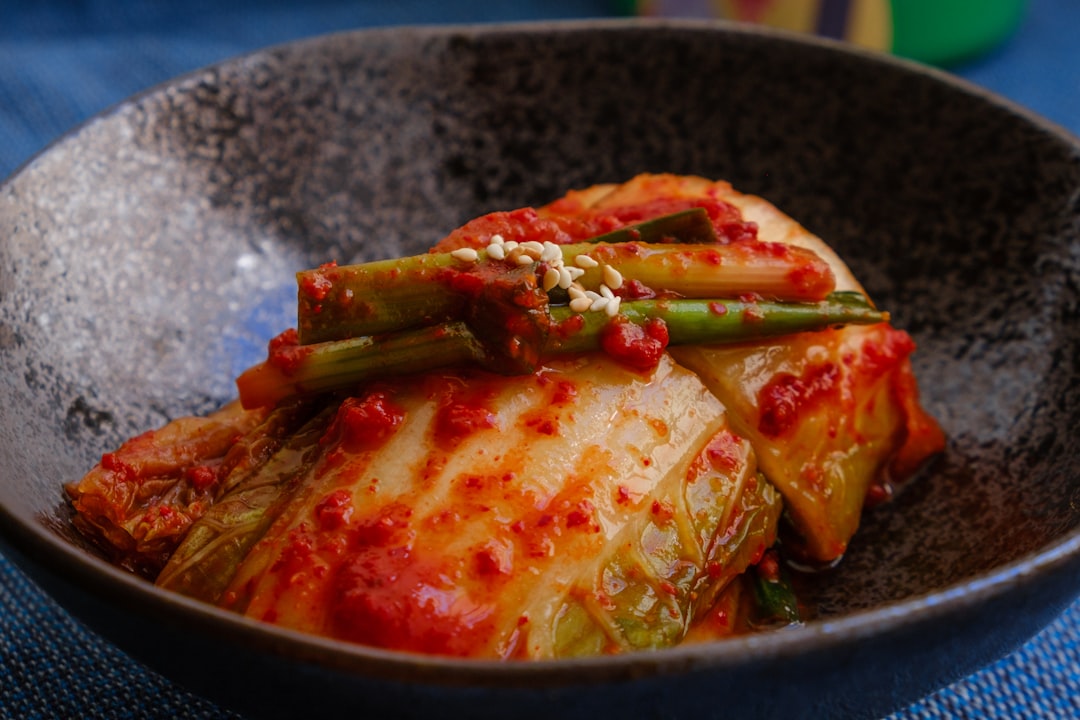
Why Tteokbokki Has Taken Over the World — And Your Kitchen Is Next
Picture this: you’re walking through the neon-lit streets of Myeongdong in Seoul, and a wave of sweet, fiery, gochujang-laced steam hits you from a street vendor’s bubbling pot. You hand over 3,000 won (about $2.20), and within seconds, you’re biting into chewy, saucy, impossibly addictive rice cakes that somehow manage to be comforting and thrilling at the same time. That dish is tteokbokki (떡볶이), and it is arguably Korea’s most iconic street food.
But here’s the thing — you don’t need a plane ticket to Seoul. Learning how to make tteokbokki at home is surprisingly straightforward, and once you nail the basics, you’ll wonder why you ever ordered takeout. In 2025, Google Trends data showed a 340% increase in searches for “tteokbokki recipe” compared to five years earlier, and TikTok videos tagged #tteokbokki have racked up over 8.2 billion views. This isn’t a passing trend — it’s a global food movement.
In this guide, I’ll walk you through everything: the cultural roots of this beloved dish, a foolproof recipe, ingredient sourcing tips, creative variations, and the secrets Korean grandmothers don’t always share. Whether you’re a total beginner or a K-food enthusiast looking to level up, this is your definitive resource for how to make tteokbokki at home like a pro.
What Exactly Is Tteokbokki? A Deep Dive Into Korea’s #1 Street Food

The Basics: Rice Cakes Meet Fire
Tteokbokki (pronounced “duck-bo-key”) is a Korean dish made primarily from garaetteok — cylindrical rice cakes with a dense, chewy texture unlike anything in Western cuisine. These rice cakes are simmered in a bold, sweet-and-spicy sauce built on gochujang (fermented red chili paste) and gochugaru (Korean red pepper flakes). The result is a dish that hits every flavor note: sweet, spicy, savory, and deeply umami.
A standard serving at a Korean street stall costs between 3,000–5,000 won ($2.20–$3.70), making it one of the most affordable comfort foods on the planet. At home, you can make enough tteokbokki for four people for under $8 in ingredients.
A Surprising History: From Royal Courts to Street Carts
Most people assume tteokbokki was always a fiery street food. It wasn’t. The original version, called gungjung tteokbokki (궁중떡볶이), dates back to the Joseon Dynasty (1392–1897) and was a non-spicy, soy sauce-based dish served in the royal court. It featured sliced rice cakes stir-fried with vegetables, beef, and sesame oil — elegant and mild.
The spicy version we know today didn’t appear until the 1950s. Legend credits a woman named Ma Bok-rim in the Sindang-dong neighborhood of Seoul, who allegedly dropped a rice cake into a pot of jjajang (black bean sauce) by accident, then experimented by adding gochujang. The neighborhood of Sindang-dong remains Seoul’s unofficial “Tteokbokki Town” to this day, with an entire alley of restaurants dedicated to the dish. Korea Tourism Organization – Korean Food Culture
Why It’s So Addictive: The Science of Chewy + Spicy
There’s actual food science behind why tteokbokki is so hard to stop eating. The chewy texture of rice cakes triggers a satisfaction response similar to what makes gummy candy appealing — a concept the Japanese call “mochimochi” texture. Meanwhile, capsaicin from the gochugaru triggers endorphin release, creating a mild euphoria. And the combination of sugar and umami in the sauce activates the bliss point — the same principle that makes ketchup and barbecue sauce universally beloved.
In other words, tteokbokki is literally engineered by tradition to be irresistible.
Essential Ingredients: Your Complete Shopping List for Homemade Tteokbokki
The Core Ingredients (Non-Negotiable)
Before you learn how to make tteokbokki at home, you need to stock your pantry. Here’s what you absolutely need:
- Garaetteok (가래떡) — Cylinder-shaped rice cakes, about 2–3 inches long. Fresh or frozen both work. Look for brands like Chongga or Pulmuone. A 2 lb bag runs $4–$6 at H-Mart.
- Gochujang (고추장) — Fermented red chili paste. Sunchang and CJ Haechandle are the gold standards. A 500g tub costs around $5–$7 and lasts months.
- Gochugaru (고추가루) — Korean red pepper flakes. These are milder and smokier than standard crushed red pepper. Do NOT substitute Italian red pepper flakes — the flavor profile is completely different.
- Fish cake (eomuk, 어묵) — Flat, rectangular Korean fish cakes. Sold frozen at any Asian grocery. Sempio and Ottogi are reliable brands. A pack of 10 sheets is about $4.
- Anchovy-kelp broth — The backbone of flavor. Made from dried anchovies (myeolchi) and dried kelp (dashima). A 5-minute simmer produces liquid gold.
- Sugar, soy sauce, garlic — Pantry staples you likely already have.
Where to Buy: In-Store and Online Options
Finding these ingredients has never been easier in the United States:
| Store | Rice Cakes | Gochujang | Fish Cakes | Price Range |
|---|---|---|---|---|
| H-Mart | ✅ Fresh & Frozen | ✅ Full selection | ✅ Multiple brands | $$ (Best value) |
| Whole Foods | ❌ Rarely | ✅ Limited (Mother-in-Law’s brand) | ❌ | $$$ (Premium pricing) |
| Amazon | ✅ Frozen shipped | ✅ All major brands | ✅ Limited | $$ (Shipping adds cost) |
| Walmart | ⚠️ Select locations | ✅ CJ Haechandle | ❌ | $ (Budget-friendly) |
| Weee! App | ✅ Great selection | ✅ Full selection | ✅ Multiple brands | $$ (Free delivery over $35) |
Pro tip: If you live nowhere near an Asian grocery, the Weee! delivery app and Yamibuy both ship Korean ingredients nationwide. H-Mart also offers nationwide shipping through their website for orders over $49.
Optional But Recommended Add-Ins
Once you’ve mastered the basics, these extras take your tteokbokki from great to legendary:
- Hard-boiled eggs — Classic addition. The yolks soak up sauce beautifully.
- Ramyeon noodles — Add instant ramen noodles for rabokki (라볶이), a wildly popular fusion variation.
- Cabbage or scallions — Adds freshness and crunch.
- Mozzarella cheese — For cheese tteokbokki, a modern Korean comfort food mashup that went viral globally.
- Korean soup dumplings (mandu) — Frozen ones work perfectly. Drop them right into the sauce.
If you enjoy Korean snack culture, you’ll also want to check out Best Korean Convenience Store Snacks to Try in 2026 for more ideas on what to pair with your tteokbokki night.
How to Make Tteokbokki at Home: The Classic Recipe (Step by Step)

This is the recipe you’ve been waiting for. Learning how to make tteokbokki at home takes about 25 minutes from start to finish. This version serves 3–4 people generously.
Step 1: Prepare the Anchovy-Kelp Broth (5 Minutes)
In a medium pot, combine 3 cups of water, 6–8 large dried anchovies (heads and guts removed), and a 4×4 inch piece of dried kelp (dashima). Bring to a boil, then simmer for 5 minutes. Strain and discard the solids. This broth adds a deep umami foundation that water alone simply cannot achieve.
Shortcut: If you’re in a rush, dissolve 1 teaspoon of dashida (Korean beef or anchovy bouillon) in 3 cups of hot water. It’s not the same, but it works in a pinch.
Step 2: Make the Sauce
In a small bowl, whisk together:
- 2.5 tablespoons gochujang
- 1 tablespoon gochugaru (adjust for heat preference)
- 1 tablespoon soy sauce
- 1 tablespoon sugar (or 2 tablespoons corn syrup/oligodang for that glossy street-food sheen)
- 2 cloves garlic, minced
The ratio of gochujang to sugar is the secret to that irresistible sweet-heat balance. Korean street vendors typically lean slightly sweeter than you’d expect — don’t be afraid of the sugar. It caramelizes as the sauce reduces and creates that iconic glossy, clingy coating.
Step 3: Soak the Rice Cakes
If using frozen rice cakes, soak them in room-temperature water for 20–30 minutes before cooking. This prevents them from staying rock-hard in the center while the outside overcooks. Fresh rice cakes from the refrigerated section don’t need soaking — just separate them if they’re stuck together.
You’ll need about 1 pound (450g) of rice cakes for this recipe. That’s roughly one standard package.
Step 4: Bring It All Together (10–12 Minutes)
Here’s where the magic happens:
- Pour the anchovy-kelp broth into a wide, shallow pan or skillet over medium-high heat.
- Add the sauce mixture and stir until dissolved.
- Once the broth starts bubbling, add the rice cakes and fish cake pieces (cut into triangles or rectangles).
- Stir frequently — this is crucial. Rice cakes release starch as they cook, which thickens the sauce naturally. But if you don’t stir, they’ll stick to the pan and to each other.
- Cook for 8–12 minutes until the rice cakes are soft and bouncy (not mushy) and the sauce has reduced to a thick, glossy coating.
- Add sliced scallions in the last minute of cooking.
The doneness test: Press a rice cake between your fingers. It should yield easily but still have a slight chew in the center. If it’s hard, cook longer. If it’s squishy with no resistance, you’ve gone too far — but it’ll still taste great.
Step 5: Serve Immediately
Tteokbokki waits for no one. Serve it the moment it’s done. As it cools, the rice cakes harden and the sauce congeals. If you must reheat, add a splash of water or broth and warm it in a pan over medium heat — microwaving tends to make the rice cakes rubbery.
Garnish with toasted sesame seeds and extra scallions. Serve alongside pickled radish (danmuji) and a cold glass of Korean barley tea for the most authentic experience.
5 Incredible Tteokbokki Variations You Need to Try
Once you’ve mastered the classic, it’s time to explore. Korean food culture thrives on creativity, and tteokbokki is one of the most versatile dishes to experiment with.
1. Rabokki (라볶이) — Tteokbokki + Ramen Noodles
This is arguably the most popular variation in Korea right now. Simply add a pack of instant ramyeon noodles (Shin Ramyun is the classic choice) to your tteokbokki during the last 3–4 minutes of cooking. The noodles soak up the sauce while adding a completely different texture. Use an extra half cup of broth to compensate for the noodles absorbing liquid.
2. Cheese Tteokbokki (치즈떡볶이)
Top your finished tteokbokki with a generous blanket of shredded mozzarella, cover the pan, and let it melt for 2 minutes. The stretchy cheese counterbalances the spice perfectly. This variation went viral on Korean food shows and is now a staple at restaurants like Yupdduk, which has expanded to multiple U.S. locations.
3. Gungjung Tteokbokki (궁중떡볶이) — The Royal Version
For a milder, soy-based version, skip the gochujang entirely. Instead, stir-fry sliced rice cakes with soy sauce, sesame oil, thinly sliced beef (bulgogi-cut), carrots, mushrooms, and bell peppers. This is the original Joseon Dynasty preparation and it’s absolutely elegant — perfect for dinner guests who can’t handle spice.
4. Jjajang Tteokbokki (짜장떡볶이)
Replace the red sauce with chunjang (Korean black bean paste). The result is a rich, savory, slightly sweet tteokbokki with zero spice. It’s especially popular with children in Korea and has gained a cult following among adults who love jjajangmyeon (black bean noodles).
5. Rose Tteokbokki (로제떡볶이) — The K-Drama Favorite
The biggest tteokbokki trend of 2024–2026 is rose tteokbokki, which blends gochujang sauce with heavy cream and tomato paste for a creamy, pink-hued, milder version. It exploded on Korean delivery apps and was featured in multiple K-dramas. To make it at home, reduce the gochujang by half and add 1/3 cup heavy cream plus 1 tablespoon tomato paste to your sauce.
For more Korean recipes to pair with your tteokbokki night, check out Korean Fried Chicken Recipe: Crispy & Crunchy Guide 2026 — the combination of fried chicken and tteokbokki is a classic Korean “chimaek”-style feast.
Nutritional Breakdown: Is Tteokbokki Healthy?

Calorie and Macro Overview
Let’s be honest — tteokbokki is comfort food, not a salad. But it’s also not as unhealthy as many Western comfort foods. Here’s the breakdown for a typical serving (about 1.5 cups):
| Nutrient | Amount per Serving | % Daily Value |
|---|---|---|
| Calories | 380–450 kcal | ~19% |
| Carbohydrates | 65–75g | ~24% |
| Protein | 8–12g | ~18% |
| Fat | 4–7g | ~8% |
| Sodium | 900–1,200mg | ~45% |
| Fiber | 2–3g | ~9% |
The rice cakes are naturally gluten-free (made from rice flour) and low in fat. The biggest nutritional concern is sodium from the gochujang and soy sauce. You can reduce this by using low-sodium soy sauce and slightly less gochujang while boosting flavor with garlic, ginger, and a pinch of MSG.
Making a Healthier Version
If you want to enjoy tteokbokki more regularly, try these adjustments:
- Add more vegetables — cabbage, carrots, bell peppers, and spinach bulk up the dish with fiber and micronutrients.
- Use half rice cakes, half sweet potato noodles (japchae noodles) — cuts carbs by about 30% while maintaining that satisfying chew.
- Swap sugar for a small amount of stevia or monk fruit — you’ll lose some caramelization but significantly cut added sugar.
- Add protein — a poached egg, grilled chicken, or extra fish cake keeps you fuller longer.
Pro Tips: Secrets From Korean Home Cooks and Street Vendors
Tip #1: Use Corn Syrup (Oligodang) for the Glossy Street-Food Look
Ever wonder why your homemade tteokbokki doesn’t look as shiny as the street vendors’ version? The secret is oligodang (물엿), a Korean corn syrup. Replace half the sugar with oligodang, and your sauce will have that glistening, Instagram-worthy sheen. You can find it at H-Mart for about $3–$4 a bottle.
Tip #2: Never Skip the Broth
The single biggest mistake beginners make when learning how to make tteokbokki at home is using plain water instead of anchovy-kelp broth. That broth provides a savory depth that the sauce alone cannot achieve. Think of it like making risotto with chicken stock versus water — the difference is night and day.
Tip #3: Wide Pan, Not a Tall Pot
Korean street vendors use wide, shallow pans for a reason. More surface area means the sauce reduces faster and more evenly, the rice cakes cook uniformly, and you get better caramelization. A 12-inch skillet or a shallow braiser is ideal. Avoid deep pots — you’ll end up with soupy sauce and unevenly cooked rice cakes.
Tip #4: Day-Old Rice Cakes Are Better
Fresh rice cakes straight from the steamer can be too soft and fall apart in the sauce. If you buy fresh ones, let them sit in the fridge overnight. They’ll firm up slightly and hold their shape much better during cooking while still achieving that perfect chewy center. Maangchi’s Tteokbokki Guide
Tteokbokki in Korean Culture: More Than Just Food
The Ultimate After-School Snack
Ask any Korean person about their childhood food memories, and tteokbokki will come up within the first three answers. It’s the quintessential after-school snack — students crowd around bunsikjip (분식집), casual Korean snack restaurants, sharing plates of tteokbokki, sundae (blood sausage), and twigim (fried snacks) for pocket change. These bunsikjip are the Korean equivalent of American diners — affordable, nostalgic, and deeply democratic.
Tteokbokki in K-Dramas and Pop Culture
If you’re a K-drama fan, you’ve seen tteokbokki dozens of times. It appears in iconic scenes across dramas like Goblin, Crash Landing on You, and Itaewon Class. In Korean storytelling, sharing tteokbokki often symbolizes friendship, nostalgia, or romantic bonding over humble food. The 2024 drama Lovely Runner sparked another wave of tteokbokki cravings worldwide.
If Korean pop culture fascinates you, you might also enjoy 7 Easiest K-Pop Dances to Learn for Beginners in 2026 — another gateway into the vibrant world of Hallyu.
Tteokbokki Tourism: Sindang-dong Tteokbokki Town
When you visit Seoul — and after reading this, you’ll want to — make sure to visit Sindang-dong Tteokbokki Town near Sindang Station (Seoul Metro Line 2). This alley of restaurants has been serving tteokbokki since the 1950s and is considered the birthplace of modern spicy tteokbokki. Prices range from 8,000–15,000 won ($6–$11) per serving, and most restaurants offer all-you-can-eat deals for about 12,000 won ($9).
Planning a Seoul trip? Check out How to Book a Hanok Stay in Seoul: 2026 Complete Guide for unique accommodation options near the best food neighborhoods.
Frequently Asked Questions About Tteokbokki
What does tteokbokki taste like?
Tteokbokki has a sweet, spicy, and savory flavor profile with a uniquely chewy, bouncy texture from the rice cakes. The sauce is reminiscent of a sweet chili glaze with deep umami notes from fermented gochujang and the anchovy-kelp broth. The heat level is moderate — noticeable but not overwhelming for most people. If you enjoy foods like buffalo wings or spicy Thai dishes, you’ll handle tteokbokki just fine.
Is tteokbokki gluten-free?
Traditional tteokbokki rice cakes are made from 100% rice flour and are naturally gluten-free. However, you need to watch the add-ins: Korean fish cakes (eomuk) typically contain wheat flour, and some gochujang brands include wheat as a fermentation ingredient. For a fully gluten-free version, use only rice cakes, check your gochujang label (brands like Chung Jung One offer gluten-free options), and skip the fish cakes or replace them with tofu.
How do I store leftover tteokbokki?
Transfer cooled tteokbokki to an airtight container and refrigerate for up to 3 days. To reheat, place it in a pan with 2–3 tablespoons of water or broth and warm over medium heat, stirring frequently. The rice cakes will harden in the fridge — this is normal and they’ll soften again when reheated with liquid. Do not freeze cooked tteokbokki, as the rice cakes become crumbly and lose their chewy texture upon thawing.
Can I make tteokbokki less spicy?
Absolutely. Here are your options, from mildest to moderate: (1) Use only gochujang and skip the gochugaru entirely — gochujang alone provides flavor with less raw heat. (2) Increase the sugar or add a tablespoon of honey to counterbalance the spice. (3) Try the rose tteokbokki variation with heavy cream, which mellows the heat significantly. (4) For a completely non-spicy version, make gungjung tteokbokki with soy sauce instead of gochujang.
Where can I buy rice cakes for tteokbokki in the US?
Your best bet is H-Mart, the largest Korean grocery chain in the US with 97+ locations. You’ll find both fresh (refrigerated section) and frozen rice cakes. If there’s no H-Mart nearby, check any Asian grocery store — most carry at least frozen versions. Online, Amazon, Weee! App, and Yamibuy all ship tteokbokki rice cakes nationwide. Prices range from $4–$8 for a 2 lb bag, which serves 3–4 people.
What’s the difference between fresh and frozen rice cakes?
Fresh rice cakes (found in the refrigerated section) are softer, cook faster (6–8 minutes), and have a slightly more delicate chew. Frozen rice cakes are firmer, require soaking before cooking, and take 10–12 minutes, but they hold their shape better in a bubbling sauce and are more forgiving for beginners. Both produce excellent results — it’s mostly a matter of preference and availability.
Related Posts You’ll Love
If you enjoyed learning how to make tteokbokki at home, these guides will take your Korean food journey even further:
- Korean Fried Chicken Recipe: Crispy & Crunchy Guide 2026 — The perfect companion to a tteokbokki feast.
- Han River Picnic Spots & Food Guide 2026: Best Areas to Visit — Pack tteokbokki for the ultimate Seoul-style picnic.
- Best Korean Convenience Store Snacks to Try in 2026 — More Korean snacks that are easy to recreate or order.
Suggested future articles:
- Best Korean Instant Ramen Rankings 2026: Top 15 Tested — pairs perfectly with the rabokki variation above.
- Korean BBQ at Home: Complete Beginner’s Equipment & Recipe Guide — another essential Korean home cooking skill.
- Kimchi Jjigae (Kimchi Stew) Recipe: Ultimate Comfort Food Guide — the other iconic Korean comfort dish.
Your Tteokbokki Journey Starts Now
There’s something genuinely magical about the first time you make tteokbokki at home and realize it actually tastes like what you had in Seoul — or what you’ve been craving after watching your tenth K-drama this month. The ingredients are accessible, the technique is forgiving, and the payoff is one of the most satisfying comfort foods on the planet.
Now that you know how to make tteokbokki at home, I want to hear from you. Did you try the classic version or go straight for the cheese variation? Are you team spicy or team rose? Drop a comment below with your tteokbokki experience — I read and reply to every single one.
And if this guide helped you, share it with a friend who’s been binge-watching K-dramas and craving Korean food. Trust me, they’ll thank you.
Stay hungry, stay curious, and keep exploring Korean food — one chewy rice cake at a time. 🌶️