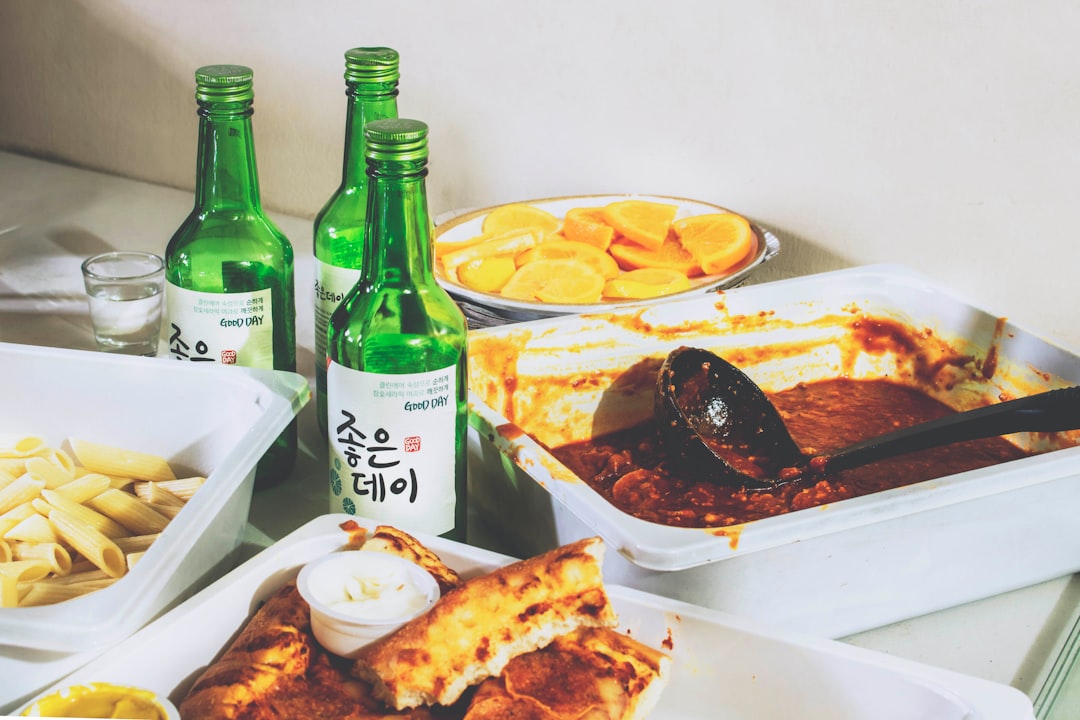
Why Korean Cuisine Is a Secret Weapon for Weight Loss
Here’s a fact that surprises most people: South Korea has one of the lowest obesity rates among developed nations, hovering around just 5.5% compared to over 40% in the United States. And no, it’s not genetics. It’s the food.
Walk down any street in Seoul and you’ll notice something striking — plates piled high with colorful vegetables, fermented side dishes bursting with probiotics, and lean proteins grilled to smoky perfection. The average Korean meal is naturally lower in calories, higher in fiber, and packed with nutrients that keep you full for hours without that heavy, sluggish feeling.
If you’ve been struggling with bland diet food, calorie counting that feels like a math exam, or “clean eating” plans that taste like cardboard, healthy korean meals for weight loss might be the delicious breakthrough you’ve been waiting for. Korean cuisine doesn’t treat health and flavor as opposites — it treats them as inseparable. Every banchan (side dish), every bubbling stew, every perfectly wrapped lettuce ssam is built on centuries of culinary wisdom that just happens to align perfectly with modern nutritional science.
In this comprehensive comparison guide, I’ll walk you through the best Korean dishes for losing weight, break down their nutritional profiles side by side, and show you exactly how to incorporate them into your weekly meal plan — whether you’re cooking at home or ordering at your local Korean restaurant.
What Makes Korean Food Naturally Weight-Loss Friendly?

The Science Behind the Korean Diet
A 2021 study published in the Journal of Ethnic Foods found that traditional Korean dietary patterns are associated with lower body mass index (BMI), reduced waist circumference, and better metabolic markers. But what exactly makes this cuisine so effective for weight management?
It starts with fermentation. Nearly every Korean meal includes fermented foods like kimchi, doenjang (soybean paste), or gochujang (red pepper paste). These foods are loaded with beneficial bacteria that support gut health — and emerging research links a healthy gut microbiome to easier weight management. A 2023 meta-analysis showed that regular kimchi consumption was associated with a 10% reduction in body fat percentage over 12 weeks.
Then there’s the vegetable-forward structure. A typical Korean meal places rice at the center, surrounded by 3–7 banchan (side dishes), most of which are vegetable-based. You’re eating kale, spinach, bean sprouts, radish, zucchini, and seaweed before you even touch the protein. This means you fill up on fiber and micronutrients first.
Low Calorie Density, High Satiety
Korean cooking relies heavily on steaming, boiling, grilling, and fermenting rather than deep-frying. Even Korean fried chicken — the one indulgent outlier — is typically eaten as a special treat, not a daily meal. The everyday cooking methods keep calorie density remarkably low.
Compare a typical Korean lunch to a typical American one:
| Meal | Calories | Fiber | Protein |
|---|---|---|---|
| Korean doenjang-jjigae lunch set | 450–550 kcal | 9g | 28g |
| American burger & fries combo | 900–1,200 kcal | 3g | 25g |
| Korean bibimbap with vegetables | 500–600 kcal | 8g | 22g |
| American Caesar salad with dressing | 600–750 kcal | 4g | 18g |
Notice the pattern? Healthy korean meals for weight loss consistently deliver more fiber and comparable protein at significantly fewer calories. That’s the structural advantage built into the cuisine itself.
The Capsaicin Factor
Korean food loves its heat. Gochugaru (red pepper flakes) and gochujang appear in everything from soups to salads. Capsaicin, the compound responsible for that spicy kick, has been shown to boost metabolism by 5–8% temporarily and reduce appetite. A study from Purdue University found that participants who consumed capsaicin-rich meals ate approximately 75 fewer calories at their next meal.
It’s not a magic bullet, but when combined with the high fiber, lean protein, and fermented elements, the spice in Korean cooking adds one more metabolic advantage to the mix. Best Korean Instant Noodles Ranked Spicy to Mild 2026
Top 10 Healthy Korean Meals for Weight Loss: A Complete Comparison
Let’s get specific. Below are the 10 best healthy korean meals for weight loss, ranked by their overall weight-loss friendliness based on calorie count, protein content, fiber, and satiety factor.
1. Kimchi-jjigae (Kimchi Stew) — The Metabolism Booster
Calories per serving: 200–300 kcal
Protein: 15–20g
Best for: Cold weather comfort eating without the guilt
Kimchi-jjigae is the ultimate Korean comfort food that just happens to be incredibly diet-friendly. Made with well-fermented kimchi, tofu, a small amount of pork or tuna, and vegetables, this bubbling stew is high in probiotics, rich in protein, and remarkably low in calories.
The secret is using aged kimchi (at least 2–3 weeks old), which has a deeper, tangier flavor that means you need less added seasoning. Skip the fatty pork belly version and opt for lean pork shoulder or canned tuna to keep it under 250 calories per bowl.
Pro tip: Make a big batch on Sunday and portion it out for the week. It actually gets better as it sits in the fridge — the flavors deepen and the fermentation continues.
2. Bibimbap (Mixed Rice Bowl) — The Balanced Powerhouse
Calories per serving: 450–550 kcal (full meal)
Protein: 20–25g
Best for: A complete one-bowl meal that covers all your nutritional bases
Bibimbap literally means “mixed rice,” and it’s one of the most photogenic and nutritious meals on the planet. A proper bibimbap includes seasoned spinach, bean sprouts, carrots, zucchini, mushrooms, and a fried egg over rice, all drizzled with gochujang.
For the weight-loss version, try these swaps:
- Replace white rice with brown rice or cauliflower rice (saves 100–150 kcal)
- Use a poached egg instead of fried (saves 40 kcal)
- Double the vegetable portions and halve the rice
- Add extra kimchi on the side for probiotics and crunch
You can find excellent bibimbap stone bowls (dolsot) at H-Mart for around $25–35. The stone bowl creates that crispy rice bottom (nurungji) that adds incredible texture without extra oil. Maangchi’s Bibimbap Recipe
3. Samgyetang (Ginseng Chicken Soup) — The Protein Champion
Calories per serving: 350–450 kcal
Protein: 35–40g
Best for: High-protein meal that supports muscle recovery and sustained energy
Samgyetang is a whole young chicken stuffed with glutinous rice, ginseng, jujubes, and garlic, then simmered for hours until the broth turns milky and rich. Despite sounding indulgent, it’s remarkably lean — the extended cooking process renders out much of the fat, and you’re eating clean chicken protein with healing herbs.
Korean ginseng is also an adaptogen that helps regulate cortisol levels. Since elevated cortisol is linked to belly fat storage, this dish attacks weight loss from a hormonal angle too. You can find pre-packaged samgyetang kits at H-Mart or Whole Foods’ international aisle for around $8–12.
4. Japchae (Glass Noodle Stir-Fry) — The Lighter Noodle Option
Calories per serving: 250–350 kcal
Protein: 12–15g
Best for: Satisfying noodle cravings without the carb overload
Sweet potato glass noodles (dangmyeon) have a lower glycemic index than wheat pasta, meaning they cause a slower, gentler rise in blood sugar. Japchae tosses these translucent noodles with spinach, carrots, mushrooms, bell peppers, and a touch of sesame oil and soy sauce.
The portion control trick with japchae is that the noodles are mixed with so many vegetables that you end up eating far less starch than a typical pasta dish. A serving of japchae contains roughly 40% vegetables by volume, compared to about 15% in a standard spaghetti bolognese.
5. Doenjang-jjigae (Soybean Paste Stew) — The Gut Health Hero
Calories per serving: 180–250 kcal
Protein: 14–18g
Best for: Maximum nutrition at minimum calories
If kimchi-jjigae is the popular kid, doenjang-jjigae is the quiet overachiever. This humble soybean paste stew is loaded with tofu, zucchini, potatoes, green onions, and sometimes clams or anchovies. The fermented doenjang paste provides deep umami flavor plus beneficial bacteria.
Doenjang contains isoflavones that research has linked to reduced visceral fat accumulation. A 2020 Korean study found that women who consumed doenjang-based meals at least 3 times per week had significantly lower waist-to-hip ratios than those who didn’t.
At under 250 calories per generous bowl, this is arguably the single most weight-loss-friendly Korean stew you can eat.
6–10: Five More Must-Try Options
Here’s a quick-reference comparison table for the remaining top picks:
| Dish | Calories | Protein | Key Benefit | Difficulty |
|---|---|---|---|---|
| Kongnamul-guk (Bean Sprout Soup) | 80–120 kcal | 6g | Ultra-low calorie, detoxifying | Easy |
| Ssam (Lettuce Wraps) | 200–350 kcal | 25g | Bread-free, high protein | Easy |
| Gimbap (Korean Rice Rolls) | 300–400 kcal | 12g | Portable, portion-controlled | Medium |
| Haemul Sundubu-jjigae (Seafood Soft Tofu Stew) | 200–280 kcal | 22g | High protein, omega-3s | Medium |
| Mul-naengmyeon (Cold Buckwheat Noodles) | 350–450 kcal | 14g | Low GI, cooling, refreshing | Hard |
Ssam (lettuce wraps) deserve special attention for weight loss. The concept is brilliant — instead of bread or tortillas, you wrap grilled meat and condiments in fresh lettuce, perilla leaves, or steamed cabbage. You get all the satisfaction of a handheld meal with a fraction of the carbs. Pair lean grilled chicken breast with ssamjang (a thick, savory dipping paste) and you have a meal under 300 calories that tastes like a feast.
Haemul sundubu-jjigae is another standout. The silky-soft tofu absorbs the spicy, briny broth from shrimp, clams, and squid, creating an intensely flavorful stew that’s practically a liquid protein shake. Many Korean restaurants serve it with a raw egg cracked into the bubbling pot — the egg cooks from the residual heat and adds another 6g of protein.
7 Low Calorie Korean Meals for Beginners (2026 Guide)
The Banchan Advantage: Why Korean Side Dishes Are a Dieter’s Best Friend

Free Refills, Negligible Calories
One of the most beautiful aspects of Korean dining is banchan — the array of small side dishes served free with every meal and refilled endlessly. For weight-loss purposes, this is incredible because most banchan are vegetable-based and extremely low in calories.
Here are the best banchan to load up on:
- Kimchi (any variety) — 5–15 kcal per serving, probiotic-rich
- Sigeumchi-namul (seasoned spinach) — 25 kcal per serving, iron-rich
- Kongnamul (seasoned bean sprouts) — 30 kcal per serving, high in vitamin C
- Musaengchae (spicy radish salad) — 20 kcal per serving, aids digestion
- Miyeok-muchim (seaweed salad) — 15 kcal per serving, iodine-rich
- Oi-sobagi (stuffed cucumber kimchi) — 10 kcal per serving, hydrating
By eating 3–4 banchan before your main dish, you naturally practice what nutritionists call “preloading” — filling part of your stomach with high-fiber, low-calorie foods so you eat less of the calorie-dense items. Studies show preloading can reduce total meal calories by 15–20%.
Banchan to Watch Out For
Not all banchan are created equal when you’re watching calories. Be mindful of these higher-calorie options:
- Japchae (as a side dish) — 100–150 kcal per small serving
- Gyeran-mari (rolled omelet) — 80–120 kcal per serving
- Jeon (pan-fried pancakes) — 100–200 kcal per serving due to oil
- Gamja-jorim (braised potatoes) — 80–100 kcal, higher in sugar due to glaze
These are still far better than Western appetizers like bread baskets or chips and salsa, but if you’re strictly counting, focus on the namul (seasoned vegetable) dishes instead.
A 7-Day Korean Meal Plan for Weight Loss (Under 1,500 Calories/Day)
Sample Weekly Plan
Here’s a realistic, practical 7-day meal plan built around healthy korean meals for weight loss. Each day targets approximately 1,200–1,500 calories with at least 80g of protein.
Monday:
- Breakfast: Hobak-juk (pumpkin porridge) — 200 kcal
- Lunch: Bibimbap with extra vegetables, half rice — 450 kcal
- Dinner: Kimchi-jjigae with tofu + 2 banchan — 350 kcal
- Snack: Korean pear slices — 100 kcal
- Total: ~1,100 kcal
Tuesday:
- Breakfast: Gyeran-jjim (steamed egg custard) — 150 kcal
- Lunch: Chicken ssam with lettuce and ssamjang — 350 kcal
- Dinner: Haemul sundubu-jjigae + brown rice — 500 kcal
- Snack: Roasted seaweed snack pack — 30 kcal
- Total: ~1,030 kcal
Wednesday:
- Breakfast: Kongnamul-guk (bean sprout soup) with rice — 250 kcal
- Lunch: Tuna gimbap (3 rolls) — 350 kcal
- Dinner: Doenjang-jjigae + grilled mackerel — 500 kcal
- Snack: Dried persimmon — 80 kcal
- Total: ~1,180 kcal
Thursday through Sunday follow similar patterns, rotating proteins between chicken, seafood, tofu, and lean pork while keeping the vegetable-heavy banchan consistent. The key principle is: stew or soup + protein + 3–5 banchan = a full, satisfying meal under 600 calories.
Meal Prep Tips for Busy Weeks
Korean food is incredibly meal-prep friendly. Here’s what to batch-cook on Sundays:
- A large batch of kimchi-jjigae or doenjang-jjigae — lasts 5 days in the fridge, improves with time
- 3–4 banchan varieties — seasoned spinach, bean sprouts, and pickled radish all keep well for a week
- Pre-portioned brown rice — cook a large pot, divide into containers, freeze. Microwave for 2 minutes when needed
- Marinated proteins — bulgogi marinade (soy sauce, garlic, pear juice, sesame oil) works on chicken breast just as well as beef
Total Sunday prep time: about 90 minutes. That gives you an entire week of healthy korean meals for weight loss ready to grab and heat. How to Make Tteokbokki at Home: Easy 2026 Recipe
Korean Superfoods for Weight Loss You Should Stock Up On

Pantry Essentials
Building a Korean weight-loss kitchen starts with the right pantry. Here are the essential Korean superfoods and where to find them in the US:
- Gochugaru (Korean red pepper flakes) — $6–10 at H-Mart. The capsaicin boosts metabolism, and the smoky-sweet flavor is irreplaceable.
- Doenjang (fermented soybean paste) — $5–8 at H-Mart or Amazon. Choose traditionally fermented (3+ months) over quick-fermented varieties for maximum probiotic benefit.
- Gochujang (fermented red pepper paste) — $5–7 at most supermarkets now, including Whole Foods and Target. Look for the Sunchang brand.
- Dried seaweed (gim/nori) — $3–5 for large packs. Only 5 calories per sheet, but packed with iodine, iron, and B12.
- Dangmyeon (sweet potato glass noodles) — $3–4 at H-Mart. Lower glycemic index than wheat noodles.
- Korean radish (mu) — $2–3. Essential for soups, kimchi, and banchan. Lower in calories than potatoes with a satisfying crunch.
Fresh Ingredients to Keep on Hand
Beyond the pantry staples, these fresh ingredients form the backbone of healthy Korean cooking:
- Napa cabbage — the base for kimchi and a low-cal wrap alternative (13 kcal per cup)
- Korean perilla leaves (kkaennip) — uniquely herbal flavor, rich in omega-3 ALA, only 3 calories per leaf
- Kongnamul (soybean sprouts) — higher in protein than regular bean sprouts at just 31 calories per cup
- Korean pear (bae) — a natural meat tenderizer with fewer calories than Western pears, plus it aids digestion
- Fresh tofu — silken for stews (sundubu), firm for grilling and banchan. Around 80 calories per 100g with 8g of protein
Most of these ingredients are available at H-Mart, Lotte Plaza, Zion Market, or online through Amazon and Weee!. Whole Foods carries gochujang, kimchi, and tofu in most locations.
Eating Korean for Weight Loss at Restaurants: A Smart Ordering Guide
Best Menu Choices
You don’t have to cook every meal at home. Korean restaurants are actually one of the easiest cuisines to eat out healthy — if you know what to order. Here’s your go-to strategy:
- Start with the banchan — eat all the vegetable sides first. Ask for extra if you can.
- Order a jjigae (stew) or tang (soup) as your main. These are always lower in calories than grilled meat platters or noodle dishes.
- Choose galbi-tang (short rib soup) over galbi-gui (grilled short ribs) — the soup version has less fat because much of it renders into the broth, which you can skim.
- Ask for brown rice — many Korean restaurants now offer it as a substitute.
- Skip the soju — or limit to one shot (64 kcal). Beer and soju cocktails can easily add 300–500 calories to your meal.
Menu Items to Limit
These popular Korean dishes are delicious but calorie-dense, so treat them as occasional indulgences rather than weight-loss staples:
- Korean fried chicken (chikin) — 500–800 kcal per serving with sauce
- Jajangmyeon (black bean noodles) — 700–900 kcal, heavy on refined flour noodles
- Tteokbokki (spicy rice cakes) — 400–600 kcal, mostly refined carbs and sugar
- Samgyeopsal (pork belly) — 500–700 kcal, very high in saturated fat
- Army stew (budae-jjigae) — 600–800 kcal, contains processed meats like spam and hot dogs
That said, if you’re at a Korean BBQ, go for chadolbaegi (thinly sliced brisket) or dak-galbi (spicy chicken) instead of samgyeopsal. Wrap everything in lettuce with raw garlic and ssamjang, and you have a meal that’s both celebratory and surprisingly moderate in calories.
Korea Tourism Organization — Korean Food Culture
Korean Weight-Loss Drinks and Beverages

Traditional Teas That Support Metabolism
Koreans don’t just eat healthy — they drink healthy too. Traditional Korean teas have been used for centuries for their medicinal properties, and several are particularly beneficial for weight management:
- Boricha (barley tea) — 0 calories, served cold or hot. The default “water” at most Korean restaurants. Rich in antioxidants and aids digestion.
- Oksusu-cha (corn tea) — 0 calories, naturally sweet and nutty. A satisfying alternative to sugary drinks.
- Nokcha (green tea) — 2 calories per cup. Korean green tea contains catechins that boost fat oxidation by up to 17% during exercise.
- Gyulpi-cha (tangerine peel tea) — 5 calories. Made from dried Jeju tangerine peels, it supports digestion and reduces bloating.
- Yulmu-cha (Job’s tears tea) — 15 calories per cup. A creamy, nutty tea that reduces water retention and supports kidney function.
What to Avoid
Not all Korean beverages support weight loss. Steer clear of banana milk (over 200 kcal per bottle), Korean melon milk drinks, and sweetened yuja-cha (citron tea) that’s essentially sugar syrup. Soju, while lower in calories than many spirits at 64 kcal per shot, is dangerously easy to overconsume because of its smooth, clean taste.
Stick to barley tea and corn tea as your daily beverages — they’re free at restaurants and cost almost nothing to brew at home from bulk packs ($5 for a 2-month supply at H-Mart).
Best Day Trips From Seoul by Train 2026: Top 10 Spots
Frequently Asked Questions About Healthy Korean Meals for Weight Loss
Is Korean food good for losing belly fat specifically?
Yes, several components of the Korean diet specifically target visceral (belly) fat. Fermented foods like kimchi and doenjang improve gut bacteria balance, which research links to reduced belly fat storage. The capsaicin in gochugaru has been shown to promote abdominal fat oxidation. Additionally, the high-fiber, low-sugar nature of traditional Korean meals helps regulate insulin — the hormone most associated with belly fat accumulation. A 2022 study in the Korean Journal of Nutrition found that participants following a traditional Korean diet lost an average of 2.3 inches from their waistline over 12 weeks.
Can I eat Korean food every day and still lose weight?
Absolutely. In fact, consistency is one of the biggest advantages of choosing Korean food for weight loss. Unlike restrictive fad diets, the Korean dietary pattern is nutritionally complete — you get adequate protein from tofu, eggs, fish, and lean meats; complex carbs from rice and vegetables; healthy fats from sesame oil and perilla; and a wide spectrum of vitamins and minerals from banchan. Many Koreans eat this way 365 days a year and maintain healthy body composition throughout their lives. The key is choosing stew-based meals over fried dishes and keeping rice portions moderate (about a fist-sized amount per meal).
How much kimchi should I eat per day for weight loss benefits?
Research suggests that 100–200 grams of kimchi per day (roughly half to one cup) provides optimal probiotic and metabolic benefits. A clinical trial published in the Journal of Medicinal Food found that participants consuming 200g of fermented kimchi daily for 4 weeks showed significant decreases in body fat percentage and fasting blood sugar compared to those eating fresh (unfermented) kimchi. However, be mindful of sodium — kimchi contains about 670mg of sodium per cup, so if you have high blood pressure, stick to the lower end and drink plenty of water. 7 Low Calorie Korean Meals for Beginners (2026 Guide)
Is Korean BBQ okay when dieting?
Korean BBQ can absolutely work for weight loss if you make smart choices. Choose lean cuts like chicken breast, sirloin (deungsim), or thinly sliced brisket (chadolbaegi) instead of fatty pork belly (samgyeopsal). Load up on the lettuce wraps, raw garlic, and pickled sides. Skip the rice entirely and let the banchan be your “sides.” Most importantly, avoid the all-you-can-eat buffet format if you struggle with portion control — order à la carte instead. A well-chosen Korean BBQ meal can come in at 500–700 calories, which is very reasonable for dinner.
What’s the lowest calorie Korean meal I can make at home?
Kongnamul-guk (bean sprout soup) is the calorie king — or rather, the calorie pauper — at just 80–120 calories per generous bowl. It’s also one of the simplest Korean dishes to make: boil soybean sprouts in anchovy broth with garlic and salt for about 15 minutes. That’s it. Paired with a small bowl of rice and some kimchi, your total meal comes to around 300 calories. It’s the dish Korean families turn to when they want to eat light after a weekend of indulgence. First Time Jjimjilbang Etiquette Tips: 2026 Complete Guide
Related Posts You’ll Love
If you enjoyed this guide to healthy korean meals for weight loss, check out these related articles on our site:
- 7 Low Calorie Korean Meals for Beginners (2026 Guide)
- How to Make Tteokbokki at Home: Easy 2026 Recipe
- Best Day Trips From Seoul by Train 2026: Top 10 Spots
Suggested new articles we should create:
- Korean Meal Prep Guide: 10 Banchan Recipes That Last All Week
- Kimchi for Beginners: How to Make and Store Your First Batch
- Korean Superfoods Ranked: The Healthiest Ingredients in K-Food
Start Your Korean Weight-Loss Journey Today
The best diet is one you can actually stick to — and that’s exactly why healthy korean meals for weight loss work so well. This isn’t about restriction, deprivation, or eating the same sad chicken and broccoli every day. It’s about embracing one of the world’s most flavorful, diverse, and naturally nutritious cuisines.
Start small. Make a pot of kimchi-jjigae this weekend. Grab some gochujang and doenjang from H-Mart. Try wrapping your next dinner in lettuce leaves instead of putting it on a bun. Within a week, you’ll notice you’re eating more vegetables, feeling fuller on fewer calories, and actually looking forward to your meals.
And that’s the real secret: when healthy food tastes this good, weight loss stops being a battle and starts being a pleasure.
Have you tried any of these Korean dishes for weight loss? Which one is your favorite? Drop a comment below — I’d love to hear about your experience. And if this article helped you, share it with a friend who’s looking for a delicious way to eat healthier in 2026. Don’t forget to subscribe to our newsletter for weekly Korean food guides, recipes, and tips delivered straight to your inbox.
Hungry for more K-Food content? Browse our full K-Food category for recipes, restaurant guides, and ingredient deep-dives.