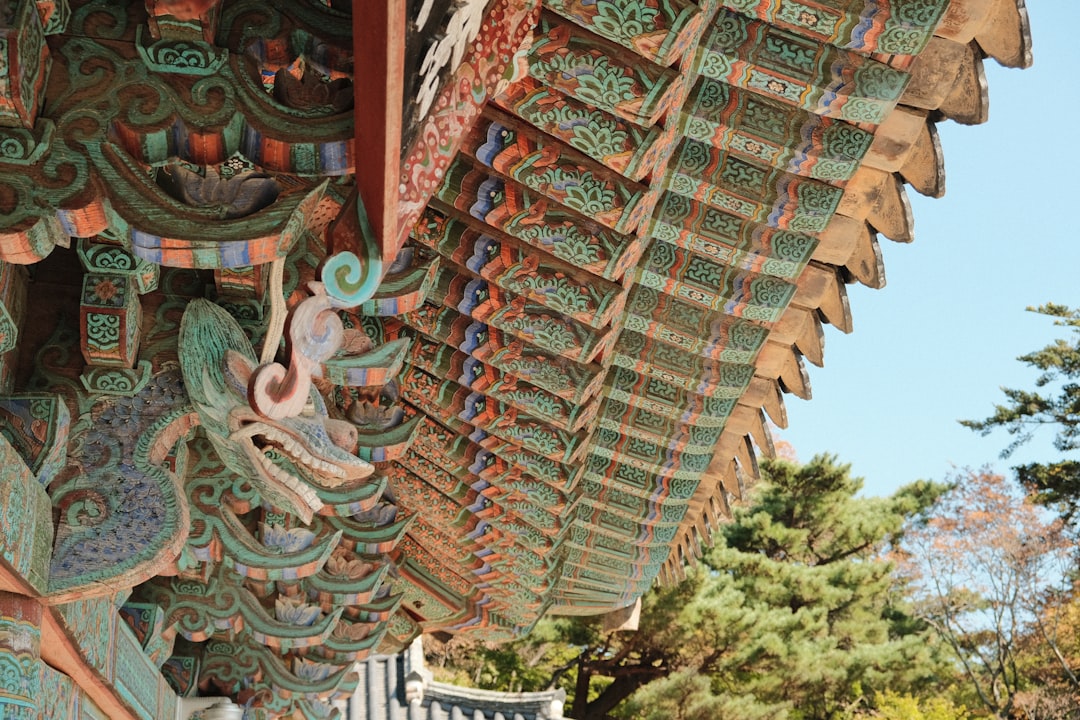
Why Gyeongju Deserves a Full Day on Your Korea Itinerary
I still remember the moment I crested a small hill in Gyeongju and saw dozens of massive green burial mounds stretching across the landscape like something out of a fantasy novel. No skyscrapers. No neon signs. Just ancient royal tombs sitting quietly in the middle of a modern Korean city, with locals jogging past them like it was the most normal thing in the world. That image alone convinced me that a Gyeongju day trip from Seoul itinerary belongs on every traveler’s must-do list.
Gyeongju served as the capital of the Silla Dynasty for nearly a thousand years (57 BC – 935 AD), and UNESCO has designated the entire city center as a World Heritage Site. Think of it as Korea’s answer to Rome or Athens — except far less crowded and significantly more affordable. The city is sometimes called “the museum without walls,” and after spending a full day exploring its temples, tombs, observatories, and lakeside palaces, you’ll understand why.
Whether you’re a history buff, a photographer chasing golden-hour shots over ancient ruins, or simply someone who wants to escape Seoul’s intensity for a day, this Gyeongju day trip from Seoul itinerary will walk you through everything — from the 6:00 AM KTX departure to the last train home. I’ve done this trip four times across different seasons, and I’m sharing every detail so you can maximize your time in Korea’s ancient capital.
Getting There: Seoul to Gyeongju by KTX, Bus, and Car

KTX High-Speed Train (Recommended)
The KTX high-speed train is by far the best way to reach Gyeongju from Seoul. Trains depart from Seoul Station or Dongdaegu Station and arrive at Singyeongju Station in approximately 2 hours and 10 minutes. That’s roughly the same as an Amtrak Acela from New York to Philadelphia — except faster, smoother, and more punctual.
Ticket prices range from $35–$50 USD one way depending on the class and time of day. Book through the KORAIL app or website (letskorail.com) — you can reserve seats up to one month in advance, and I strongly recommend booking early for weekend departures. The KORAIL app accepts international credit cards and has an English interface.
Pro tip: If you purchased a KR Pass (Korea Rail Pass), the Seoul-to-Gyeongju route is included. A 3-day flexible KR Pass costs around $95 USD and pays for itself if you’re also planning trips to Busan or Jeonju. 7 Best Day Trips From Seoul by Train in 2026
From Singyeongju Station, take Bus 700 to the city center (about 20 minutes, $1.50 USD). Tap your T-money card — the same transit card you use for Seoul subways and buses — and you’re set. Alternatively, a taxi from Singyeongju Station to the Tumuli Park area costs approximately $10–12 USD.
Express Bus Alternative
Express buses depart from Seoul Express Bus Terminal (Gangnam) and arrive at Gyeongju Express Bus Terminal in about 3.5–4 hours. Tickets cost roughly $22–30 USD one way. While cheaper, the extra travel time makes it less ideal for a day trip. I’d only recommend this if you’re on a very tight budget or planning an overnight stay.
Book bus tickets through the Kobus app or at the terminal. Buses run every 30–60 minutes throughout the day.
Driving or Private Car
If you’ve rented a car (which requires an International Driving Permit), the drive takes about 3.5–4 hours via the Gyeongbu Expressway. Tolls run approximately $15–20 USD each way. Use Naver Map for navigation — it’s far more accurate than Google Maps in Korea. Parking is available near most major sites for $2–4 USD per visit.
The Perfect Gyeongju Day Trip From Seoul Itinerary (Hour by Hour)
This Gyeongju day trip from Seoul itinerary is designed for an early start and a late return, giving you roughly 8–9 hours of exploration time. Here’s how I structure it every time I go:
6:00 AM – Depart Seoul Station via KTX
Grab a coffee and a hotteok (sweet Korean pancake) from the convenience store inside Seoul Station. The early train ensures you arrive by 8:15 AM, giving you the entire day. Pack a light daypack with water, sunscreen, and comfortable walking shoes — you’ll cover 8–12 kilometers on foot today.
8:30 AM – Arrive and Head to Bulguksa Temple
From Singyeongju Station, take Bus 700 directly to Bulguksa Temple (about 40 minutes). This UNESCO World Heritage temple, built in 528 AD and reconstructed in 751 AD, is the crown jewel of Gyeongju and one of Korea’s most significant Buddhist temples.
Admission: $5 USD (6,000 KRW) for adults. Hours: 7:00 AM – 5:30 PM (extended to 6:00 PM in summer). The morning light hitting the Dabotap and Seokgatap stone pagodas is absolutely stunning for photography — another reason to arrive early before tour groups descend.
Spend about 90 minutes here. Don’t miss the Cheongungyo and Baegungyo bridges (Blue Cloud and White Cloud bridges) — they’re National Treasures No. 23 and are considered some of the finest examples of Silla-era stone architecture. The intricate carvings on the Dabotap pagoda are remarkable when you consider they were carved over 1,200 years ago without modern tools.
Bulguksa Temple – Visit Korea Official
10:30 AM – Seokguram Grotto
From Bulguksa, take the shuttle bus to Seokguram Grotto (12 minutes, included in a combined ticket for $8 USD total). This artificial stone cave houses a magnificent seated Buddha statue overlooking the East Sea. The grotto was designed so that the first rays of sunrise illuminate the Buddha’s face — an engineering marvel from the 8th century.
The 1.5-kilometer uphill walk from the bus stop to the grotto takes about 20 minutes through a beautiful forest path. It’s a moderate hike, so wear proper shoes. On clear days, you can see the ocean from the viewing platform — a genuinely breathtaking moment.
Note: Photography is not allowed inside the grotto itself, but you can photograph the exterior and the forest trail. Spend about 45 minutes here, including the walk.
12:00 PM – Lunch in Gyeongju City Center
Head back to the city center by bus. For lunch, try Gyeongju ssambap (rice wrapped in leafy greens with various banchan side dishes) at one of the restaurants near Daereungwon. A full ssambap set costs $8–12 USD per person and comes with an overwhelming spread of 10–15 small dishes. 7 Easy Banchan Recipes for Beginners (2026 Guide)
Another local specialty is Gyeongju bread (Gyeongju-ppang) — sweet red bean paste–filled pastries that have been a local delicacy since 1939. Pick up a box of 10 for about $8 USD at the famous Hwangnam-ppang shop near the tomb district. They make the perfect souvenir or afternoon snack.
1:00 PM – Daereungwon Tomb Complex (Tumuli Park)
This is the iconic image of Gyeongju — 23 massive royal burial mounds spread across a manicured park right in the city center. Admission is $3 USD (3,000 KRW), and you’ll need about 60–90 minutes to explore properly. Hours: 9:00 AM – 10:00 PM (the park is stunning at dusk when the mounds are softly lit).
The highlight is the Cheonmachong Tomb (Heavenly Horse Tomb), the only tomb open to the public. You can walk inside and see replicas of the golden crown, jewelry, and horse-riding equipment excavated from this 5th–6th century royal grave. The original artifacts are displayed at the Gyeongju National Museum (your next stop).
Walking among these grassy mounds feels surreal — imagine if the Roman Forum was a peaceful green park where families picnic and couples stroll. That’s the vibe here, and it’s uniquely Gyeongju.
2:30 PM – Gyeongju National Museum
Just a 10-minute walk from Daereungwon, the Gyeongju National Museum houses an extraordinary collection of Silla-era artifacts. And here’s the best part: admission is free.
Don’t miss the Emille Bell (Divine Bell of King Seongdeok), one of the largest and most beautifully cast bronze bells in Asia. The golden crowns from the royal tombs are breathtaking — ornate, towering headpieces made of pure gold and jade that rival anything in European crown jewel collections. Budget about 60–90 minutes here. Hours: 10:00 AM – 6:00 PM (closed Mondays).
4:00 PM – Cheomseongdae Observatory & Wolji Pond
Cheomseongdae is the oldest surviving astronomical observatory in East Asia, built around 632 AD. It’s a compact stone tower standing about 9 meters tall, and while it takes just 15 minutes to see, the historical significance is enormous. Admission: free (the area around it is an open park).
Then walk 15 minutes to Wolji Pond (Anapji Pond), a stunning man-made pond and palace complex built in 674 AD. Admission: $3 USD. This is where Silla royalty held banquets and entertained guests. If your schedule allows, time your visit for sunset — the palace buildings reflected in the still water at twilight create one of the most photographed scenes in all of Korea.
Hours: 9:00 AM – 10:00 PM (last entry 9:30 PM). The evening illumination runs from sunset until closing and is absolutely worth staying for if your train schedule permits.
6:00 PM – Dinner and Return to Seoul
Grab a quick dinner near Wolji Pond — the surrounding area has dozens of restaurants serving bibimbap, sundubu-jjigae (soft tofu stew), and grilled meat. Budget $10–15 USD for a satisfying meal.
Catch the Bus 700 back to Singyeongju Station and board a KTX for the return trip. The last KTX to Seoul departs around 9:00–9:30 PM (check KORAIL for exact times, as they vary by day). You’ll be back at Seoul Station by approximately 11:30 PM.
Budget Breakdown: What a Gyeongju Day Trip Actually Costs

One of the best things about this Gyeongju day trip from Seoul itinerary is how affordable it is. Here’s a realistic budget breakdown in USD:
| Expense | Budget ($) | Mid-Range ($) |
|---|---|---|
| KTX round trip | $70–100 | $70–100 |
| Local buses (T-money) | $5–8 | $10–15 (taxi) |
| Bulguksa + Seokguram | $8 | $8 |
| Daereungwon Tombs | $3 | $3 |
| Wolji Pond | $3 | $3 |
| Museum | Free | Free |
| Meals (lunch + dinner) | $15–20 | $25–35 |
| Snacks & Gyeongju bread | $5 | $10 |
| TOTAL | $109–147 | $129–174 |
For comparison, a similar day trip to historic sites near Rome or Athens would easily cost $200+ USD. Korea delivers incredible cultural value at a fraction of the price, and Gyeongju is one of the best examples of this.
Best Seasons to Visit Gyeongju
Spring: Cherry Blossoms (Late March – Mid April)
Spring is peak season, and for good reason. Gyeongju’s cherry blossom season typically peaks in late March to early April, about a week after Seoul. The Bomun Lake area and the road surrounding Bulguksa Temple transform into tunnels of pink and white blossoms. The annual Gyeongju Cherry Blossom Festival draws hundreds of thousands of visitors.
The combination of cherry blossoms draping over ancient stone walls and burial mounds creates scenes that look almost digitally enhanced — but they’re 100% real. Book your KTX tickets at least 2–3 weeks in advance during cherry blossom season, as trains sell out fast.
Autumn: Foliage (October – November)
Autumn rivals spring for the most beautiful time to visit. The maple and ginkgo trees surrounding Bulguksa Temple create a fiery canopy of red, orange, and gold from mid-October through mid-November. The tomb mounds in Daereungwon look spectacular against the autumn sky. Temperatures are pleasant (55–70°F / 12–21°C), making it perfect walking weather.
Summer and Winter
Summer (June–August) is hot and humid (85–95°F / 30–35°C) with monsoon rains in July. Not ideal, but doable if you start early and carry an umbrella. Winter (December–February) is cold but uncrowded, with occasional snow dusting the tombs for a magical atmosphere. Admission prices and train fares remain the same year-round.
Cultural Etiquette Tips for Gyeongju

Gyeongju is a deeply historical and spiritually significant city. Showing respect for the sites and local customs will enrich your experience and earn you warm smiles from locals.
- Temple etiquette: Remove your shoes before entering any temple hall. Dress modestly — cover shoulders and knees. Avoid pointing your feet at Buddha statues. Speak quietly inside temple grounds.
- Tomb respect: Do not climb on the burial mounds in Daereungwon. They’re royal graves, not hills. Stick to the designated walking paths.
- Bowing: A slight bow when greeting someone or saying thank you (“감사합니다” — gamsahamnida) goes a long way. It’s the Korean equivalent of a firm handshake.
- Shoes off: If you enter any traditional Korean building (hanok), always remove your shoes at the entrance.
- Photography: Always check for “no photography” signs, especially inside temple halls and the Seokguram Grotto. When photographing monks or locals, ask permission first.
- Trash: Public trash cans are scarce in Korea. Carry a small bag for your waste and dispose of it at convenience stores or your accommodation.
The Papago app (by Naver) is excellent for real-time translation if you need to communicate. It handles Korean far better than Google Translate, especially for colloquial expressions and reading signs.
Insider Tips From a Repeat Visitor
After four visits to Gyeongju across different seasons, here are my hard-earned tips to make your Gyeongju day trip from Seoul itinerary even better:
- Start with Bulguksa, not the city center. Most day-trippers do the opposite and hit the tombs first. By going to Bulguksa early, you’ll beat the tour buses that arrive around 10:30 AM and have the temple almost to yourself.
- Download Naver Map before you go. Google Maps works poorly for Korean public transit. Naver Map gives you accurate bus schedules, walking routes, and even tells you which bus stop exit to use. Set the language to English.
- Rent a bicycle. Gyeongju’s city center is flat and bike-friendly. Rental shops near the bus terminal charge $5–8 USD for a full day. Cycling between the tombs, museum, observatory, and Wolji Pond is efficient and fun.
- Bring a portable charger. You’ll be taking hundreds of photos. A dead phone battery means no Naver Map, no Papago translation, and no KakaoTalk for messaging.
- Consider staying overnight. While this guide focuses on a day trip, Gyeongju has excellent hanok (traditional Korean house) guesthouses starting from $40–60 USD per night. An overnight stay lets you see Wolji Pond at night and explore the quieter eastern districts the next morning.
- Visit on a weekday if possible. Weekend crowds at Bulguksa and Daereungwon can be intense, especially during cherry blossom and foliage seasons. A Tuesday or Wednesday visit offers a dramatically more peaceful experience.
- Try the Gyeongju Yangban rice wine. This local makgeolli (milky rice wine) is smoother than most versions you’ll find in Seoul. Available at traditional restaurants for about $3–5 USD per bottle.
- Use the combined ticket. Ask at any ticket booth for the Gyeongju combined pass — it bundles multiple attractions at a discount and saves you from buying individual tickets.
Before You Fly: Planning Your Korea Trip From the US

Flights and Entry Requirements
Direct flights to Incheon International Airport (ICN) are available from LAX (12 hours), JFK (14 hours), and SFO (12 hours) on carriers like Korean Air, Asiana, Delta, and United. Round-trip fares typically range from $700–1,200 USD depending on the season.
US citizens can enter South Korea visa-free for up to 90 days but must register for a K-ETA (Korea Electronic Travel Authorization) before departure. The application is online, costs about $10 USD, and is usually approved within 24 hours. Apply at least 72 hours before your flight to be safe.
Essential Apps and Cards
Set up these before you leave home:
- Naver Map — navigation and transit directions (far superior to Google Maps in Korea)
- Papago — real-time Korean-English translation (by Naver)
- KakaoTalk — Korea’s universal messaging app (like WhatsApp but used by 95% of Koreans)
- KORAIL — book KTX train tickets in English
- T-money card — pick one up at any convenience store in Incheon Airport for $3 USD and load it with cash. Works on all subways, buses, and even some taxis and vending machines nationwide.
Korea Tourism Organization – Trip Planning
Frequently Asked Questions About a Gyeongju Day Trip
Is a Gyeongju day trip from Seoul worth it, or should I stay overnight?
A day trip is absolutely worth it and doable with an early KTX departure. You can cover the four major sites (Bulguksa, Seokguram, Daereungwon, Wolji Pond) plus the free museum in a single day. However, if you have the time, an overnight stay lets you enjoy Wolji Pond’s spectacular night illumination at a relaxed pace and explore secondary sites like Namsan Mountain the next morning.
How do I get from Singyeongju Station to the Gyeongju historic district?
Take Bus 700 from Singyeongju Station directly to the city center. The ride takes about 20 minutes and costs $1.50 USD (pay with your T-money card). Taxis are also available outside the station for about $10–12 USD to the Daereungwon area. Use Naver Map to track your bus in real time.
Can I visit Gyeongju and Busan in one day?
Technically yes, since Busan is only 30 minutes from Singyeongju by KTX. Some travelers combine a morning in Gyeongju with an afternoon in Busan. However, you’ll feel rushed at both destinations. I’d recommend dedicating a full day to each. If forced to choose, do Gyeongju as a day trip from Seoul and save Busan for a separate overnight trip. 7 Best Day Trips From Seoul by Train in 2026
What should I wear for a Gyeongju day trip?
Wear comfortable walking shoes — you’ll cover 8–12 kilometers on foot, including the uphill path to Seokguram Grotto. Dress in layers, as mornings can be cool even in spring and fall. For temple visits, ensure your shoulders and knees are covered as a sign of respect. In summer, bring sunscreen, a hat, and an umbrella for sudden rain showers.
Is Gyeongju safe for solo travelers?
Extremely safe. South Korea consistently ranks among the safest countries in the world for travelers. Gyeongju is a small, tourist-friendly city with well-marked paths between attractions. English signage is available at all major sites. Solo female travelers report feeling very comfortable exploring on their own, even after dark near Wolji Pond.
Are there English-speaking guides available in Gyeongju?
Yes. The Gyeongju Cultural Heritage Foundation offers free volunteer guide services in English at major sites — check availability at the Bulguksa Temple visitor center. You can also book private English-speaking guides through platforms like Klook or GetYourGuide for approximately $80–150 USD for a full day. Having a guide at Bulguksa and the museum adds enormous depth to the experience.
Related Posts You’ll Love
- 7 Best Day Trips From Seoul by Train in 2026
- Nami Island & Gangchon Rail Bike Day Trip Guide 2026
- Authentic Kimchi Recipe From Scratch: Step-by-Step Guide 2026
Suggested new articles:
- Busan Day Trip From Seoul: Complete KTX Guide 2026
- Korea Temple Stay Guide: Best Programs for Foreigners 2026
- How to Use the KR Pass: Complete Korea Rail Pass Guide 2026
Start Planning Your Gyeongju Adventure Today
A Gyeongju day trip from Seoul itinerary is one of the most rewarding experiences you can have in South Korea. For under $150 USD, you’ll walk through a thousand years of history, explore UNESCO World Heritage Sites, eat incredible food, and return to Seoul the same night with a camera full of unforgettable shots.
Gyeongju isn’t just a trip back in time — it’s a reminder that some of the world’s greatest cultural treasures exist far beyond the usual tourist circuits. While millions flock to Kyoto and Rome, Gyeongju offers the same depth of history with a fraction of the crowds and a warmth that’s uniquely Korean.
Have you been to Gyeongju? Planning your first trip? Drop your questions in the comments below — I personally respond to every one and love helping fellow travelers plan their Korea adventures. If this guide helped you, share it with a friend who’s dreaming of visiting Korea. And don’t forget to bookmark this page for easy access when you’re on the ground in Seoul, ready to book that early morning KTX.
Happy travels — 좋은 여행 되세요! 🇰🇷