Why Gyeongju Deserves a Full Day on Your Korea Itinerary
I still remember the first time I stepped off the KTX train in Gyeongju and realized I’d been transported a thousand years back in time. The rolling green burial mounds rose from the earth like giant sleeping dragons, cherry blossom petals drifted across ancient stone pagodas, and I stood there thinking: “How did I almost skip this place?”
Most first-time visitors to South Korea stick to Seoul and maybe Busan. And honestly, I get it — Seoul’s neon-lit streets and K-Pop energy are magnetic. But here’s the thing: Gyeongju is Korea’s equivalent of Rome or Athens, a city where you literally walk on top of history. The entire city is a UNESCO World Heritage Site, sometimes called “the museum without walls.”
As the capital of the Silla Kingdom for nearly a millennium (57 BC – 935 AD), Gyeongju holds more ancient treasures per square mile than anywhere else in Korea. Royal tombs dot the downtown landscape. A thousand-year-old astronomical observatory stands in a public park. And the best part? You can experience the highlights in a single, action-packed Gyeongju day trip from Seoul itinerary — if you plan it right.
I’ve done this trip five times now, in every season, and I’ve refined the perfect route. This guide gives you everything: the optimal train schedule, a minute-by-minute itinerary, exact costs in USD, and the insider tricks that’ll save you hours of wandering. Let’s get into it.
Getting There: Seoul to Gyeongju by KTX, Bus, and Car

The single most important decision for your Gyeongju day trip from Seoul itinerary is how you get there. The wrong choice can eat two or three extra hours of your day. Here’s every option, broken down.
Option 1: KTX High-Speed Train (Recommended)
The KTX is by far the best way to reach Gyeongju from Seoul. It’s fast, comfortable, and drops you right in the city. Book through the KORAIL app or website (letskorail.com) — the English interface works well.
- Route: Seoul Station → Singyeongju Station
- Travel time: Approximately 2 hours 10 minutes
- Cost: ~$40–$50 USD one way (standard class), ~$55–$65 USD (first class)
- First train: Around 5:30 AM from Seoul Station
- Last return train: Around 9:30 PM from Singyeongju
- Frequency: Roughly every 30–60 minutes throughout the day
Pro tip: Book at least 3–5 days ahead for weekend trips. KTX trains during cherry blossom season (late March – mid April) and autumn foliage season (late October – mid November) sell out fast. The KORAIL app lets you set alerts for seat availability.
From Singyeongju Station, take Bus 700 or 60 to downtown Gyeongju (about 20 minutes, ~$1.50 USD with your T-money card). Alternatively, a taxi to the historic district costs around $8–$12 USD.
Option 2: Express Bus
If the KTX is sold out or you’re on a tighter budget, express buses run from Seoul Express Bus Terminal (Gangnam) to Gyeongju Intercity Bus Terminal.
- Travel time: 3.5–4 hours
- Cost: ~$22–$30 USD one way
- Frequency: Every 30–60 minutes
- Booking: kobus.co.kr or the “고속버스” (Express Bus) app
The bus saves you about $15–$20 each way, but adds 2+ hours of total travel. For a day trip, that trade-off usually isn’t worth it. Save the bus for overnight trips.
Option 3: Rental Car
Driving gives you the most flexibility, especially if you want to visit outlying sites like Yangdong Folk Village or Gameunsa Temple Site on the coast. The drive takes about 3.5–4 hours via the Gyeongbu Expressway, and tolls run approximately $20–$25 USD each way.
However, I generally don’t recommend driving for a day trip unless you’re already comfortable navigating Korean roads. Naver Map is essential — Google Maps doesn’t provide accurate driving directions in Korea. Download it before you go and set it to English.
Recommended Train Schedule for a Day Trip
| Segment | Departure | Arrival | Duration |
|---|---|---|---|
| Seoul → Singyeongju (KTX) | 6:00 AM | 8:10 AM | ~2h 10m |
| Singyeongju → Downtown (Bus 700) | 8:20 AM | 8:40 AM | ~20m |
| Downtown → Singyeongju (Bus/Taxi) | 7:00 PM | 7:20 PM | ~20m |
| Singyeongju → Seoul (KTX) | 7:45 PM | 9:55 PM | ~2h 10m |
This gives you a solid 10+ hours on the ground in Gyeongju — more than enough to hit every major site.
The Perfect Gyeongju Day Trip Itinerary: Hour by Hour
After doing this trip multiple times, I’ve found that the order you visit sites matters a lot. Gyeongju’s attractions cluster in a few zones, and hitting them in the right sequence minimizes backtracking and maximizes your time. Here’s my battle-tested Gyeongju day trip from Seoul itinerary.
Morning (8:40 AM – 12:00 PM): The Historic Heart
Stop 1: Daereungwon Tumuli Park (대릉원) — 8:45 AM
Start your day at Gyeongju’s most iconic site. This sprawling park contains 23 enormous royal burial mounds from the Silla Dynasty, some rising over 20 meters high. The largest, Cheonmachong (Heavenly Horse Tomb), is the only one you can enter — walk inside and see the actual excavation site with replicas of the golden crown and horse-riding gear found within.
- Admission: ~$2.50 USD (adults)
- Time needed: 60–90 minutes
- Hours: 9:00 AM – 10:00 PM (last entry 9:00 PM)
Walking among these massive grass-covered mounds at dawn, often with morning mist still clinging to the ground, is genuinely one of the most atmospheric experiences in Korea. Think of it like visiting the Pyramids, except you have the place nearly to yourself before 10 AM.
Stop 2: Cheomseongdae Observatory (첨성대) — 10:15 AM
A five-minute walk from Tumuli Park brings you to Cheomseongdae, the oldest surviving astronomical observatory in East Asia, built around 634 AD. It’s a bottle-shaped stone tower about 9 meters tall, constructed with exactly 362 stones — roughly one for each day of the lunar year.
- Admission: Free (outdoor site)
- Time needed: 15–20 minutes
The area around the observatory is a beautiful open field. During cherry blossom season (late March to mid-April), the surrounding trees explode in pink, making this one of the most photographed spots in all of Korea. In autumn (late October to mid-November), the golden ginkgo trees create equally stunning backdrops.
Stop 3: Wolji Pond / Donggung Palace (동궁과 월지) — 10:45 AM
Known historically as Anapji, this is a restored palace garden complex where Silla royalty held banquets. The three islands in the artificial pond were designed to represent the legendary mountains of Taoist mythology. While it’s most famous for its nighttime reflections, the morning visit lets you appreciate the architecture without crowds.
- Admission: ~$2.50 USD
- Time needed: 30–45 minutes
- Hours: 9:00 AM – 10:00 PM (extended hours seasonally)
If you have time for only one “optional” revisit later, come back to Wolji Pond after dark. The illuminated pavilions reflecting off the still water are absolutely magical and rank among the top night views in Korea. K-Drama Filming Locations Seoul Map: 2026 Guide
Stop 4: Gyeongju National Museum (국립경주박물관) — 11:15 AM
This world-class museum houses the actual golden crowns, jewelry, weapons, and Buddhist artifacts excavated from Gyeongju’s tombs. The Emille Bell (one of the largest and most beautifully toned bells ever cast in Asia) sits in the outdoor garden. The museum contextualizes everything you’ve been seeing outdoors.
- Admission: Free
- Time needed: 60–90 minutes
- Hours: 10:00 AM – 6:00 PM (closed Mondays)
This is the best free museum in Korea, hands down. The Silla gold crown collection alone is worth the trip — these crowns are so elaborate and delicate that seeing them in person feels surreal. Think of the Tutankhamun treasures, but Korean.
Lunch (12:00 PM – 1:00 PM): Gyeongju Local Specialties
Gyeongju has two must-try foods you won’t find this good anywhere else in Korea:
- Gyeongju Ssambap (경주 쌈밥): A spread of 20+ side dishes with lettuce wraps and grilled meats. Head to Gyeongju Ssambap Street near the bus terminal. A full set costs $8–$12 USD per person and is incredibly filling.
- Hwangnam-ppang (황남빵): Sweet red bean pastries that have been Gyeongju’s signature snack since 1939. Grab a box from the original Hwangnam Bakery near Tumuli Park — $6–$8 USD for a box of 10. These make perfect souvenirs.
For a quick, budget-friendly option, the Jungang Market near the bus terminal has excellent street food: tteokbokki (spicy rice cakes), hotteok (sweet pancakes), and kimbap rolls, all for $2–$5 USD. 7 Korean Diet Foods for Weight Loss Beginners (2026 Guide)
Afternoon (1:00 PM – 5:00 PM): Bulguksa Temple and Seokguram
Stop 5: Bulguksa Temple (불국사) — 1:30 PM
Take Bus 10 or 11 from downtown Gyeongju (about 40 minutes, ~$1.50 on your T-money card) to reach Bulguksa Temple, a UNESCO World Heritage Site and one of the most important Buddhist temples in all of East Asia. Built in 774 AD, it represents the pinnacle of Silla architecture.
- Admission: ~$4.50 USD
- Time needed: 90 minutes
- Hours: 7:30 AM – 5:30 PM (varies by season)
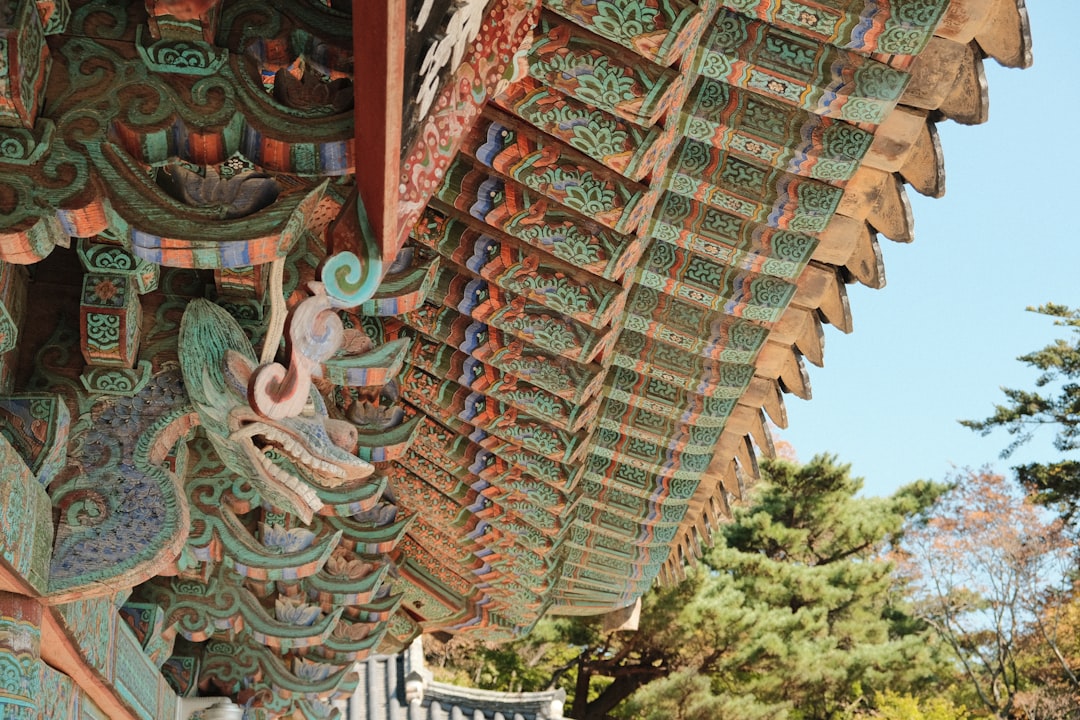
The temple’s stone staircases (Cheongungyo and Baegungyo bridges), multi-story stone pagodas (Dabotap and Seokgatap), and intricately painted wooden halls are simply breathtaking. Dabotap Pagoda is so iconic that it appears on the Korean 10-won coin. Take a moment to find a quiet corner, sit, and absorb the atmosphere — the mountain setting and the sound of temple bells create a profound sense of peace.
During cherry blossom season, the approach road to Bulguksa is lined with blooming trees, creating a pink tunnel that’s one of Gyeongju’s most beloved spring sights. In autumn, the maple trees surrounding the temple turn fiery red and orange.
Stop 6: Seokguram Grotto (석굴암) — 3:00 PM
From Bulguksa, take the shuttle bus (about 15 minutes, included with a combined ticket) up the mountain to Seokguram Grotto, another UNESCO World Heritage Site. This artificial stone cave houses a stunning 3.5-meter-tall seated Buddha statue carved from white granite, gazing out toward the East Sea.
- Admission: ~$4.50 USD (or ~$7 combined with Bulguksa)
- Time needed: 45–60 minutes (including the 15-minute uphill walk from the parking lot)
- Hours: 7:00 AM – 5:30 PM (varies by season)
The engineering behind Seokguram is extraordinary. Built in the 8th century, the grotto uses a sophisticated ventilation system that naturally regulates humidity to protect the stone carvings — and it still works after 1,200 years. You view the Buddha through a glass partition, but the serenity of the sculpture and the surrounding mountain forest make the hike absolutely worthwhile.
Important note: The shuttle bus between Bulguksa and Seokguram runs roughly every 20–30 minutes. Check the last bus time (usually around 4:30–5:00 PM) so you don’t get stranded on the mountain.
Late Afternoon (5:00 PM – 7:00 PM): Yangdong Village or Free Time
After returning from Bulguksa, you have two great options for your remaining time:
Option A: Gyeongju Yangdong Folk Village (양동마을)
Another UNESCO World Heritage Site (yes, Gyeongju has three!), this 500-year-old Joseon Dynasty village is still inhabited. Traditional tiled-roof and thatched-roof houses line a hillside, and residents go about their daily lives. It’s about 20 minutes by taxi ($10–$12 USD) from downtown.
- Admission: ~$3.50 USD
- Time needed: 60–90 minutes
Option B: Return to the Historic District
Head back to central Gyeongju to explore anything you missed. Walk through Hwangnidan-gil (황리단길), Gyeongju’s trendy café and boutique street where traditional hanok buildings have been converted into hip coffee shops, galleries, and restaurants. It’s the Korean equivalent of strolling through a revitalized historic quarter — imagine Georgetown in DC but with 100-year-old Korean homes turned into aesthetic cafés.
Grab a coffee, pick up last-minute Hwangnam-ppang, or browse the small shops selling Silla-inspired jewelry and pottery. Korean Cafe Study Rooms: How to Use Them in 2026
Budget Breakdown: What a Gyeongju Day Trip Actually Costs

One of the best things about a Gyeongju day trip from Seoul itinerary is that it’s remarkably affordable. Here’s what I typically spend:
| Expense | Cost (USD) | Notes |
|---|---|---|
| KTX round trip (Seoul ↔ Singyeongju) | $80–$100 | Standard class, booked 3+ days ahead |
| Local bus (all day) | $5–$7 | 4–5 rides on T-money card |
| Tumuli Park admission | $2.50 | |
| Wolji Pond admission | $2.50 | |
| Bulguksa + Seokguram combo | $7 | Combined ticket |
| Lunch | $8–$12 | Ssambap or local restaurant |
| Snacks & coffee | $5–$8 | Hwangnam-ppang, café drinks |
| Gyeongju National Museum | Free | |
| TOTAL | $110–$140 | Budget-friendly day trip |
For comparison, a similar day trip to Pompeii from Rome or Stonehenge from London typically runs $150–$250+ after train tickets, admission, and meals. Gyeongju gives you comparable historical significance at a fraction of the cost.
Budget-saver tips:
- Book KTX tickets on off-peak weekdays for the lowest fares
- Use a T-money card for all local buses — you save ~$0.10 per ride over cash and avoid fumbling with coins
- The Gyeongju National Museum is free, always — don’t skip it
- Bring a refillable water bottle; free water fountains are available at every major site
- Pack snacks from a convenience store (CU, GS25, 7-Eleven) near Seoul Station before boarding the KTX
Essential Practical Information
Getting Into Korea: Visa and Entry
US citizens can enter South Korea visa-free for up to 90 days for tourism. You will need a K-ETA (Korea Electronic Travel Authorization) — apply at least 72 hours before departure at k-eta.go.kr. The fee is approximately $10 USD, and approval is usually within 24 hours.
Direct flights from LAX, JFK, and SFO to Incheon International Airport (ICN) are widely available on Korean Air, Asiana, Delta, and United. Flight times run 12–14 hours. From Incheon Airport, the Airport Railroad Express (AREX) gets you to Seoul Station in about 43 minutes for ~$8 USD — exactly where you’ll catch the KTX to Gyeongju.
Essential Apps to Download
- Naver Map: The only reliable map app in Korea. Google Maps lacks transit detail and walking routes. Set it to English and download the Gyeongju area for offline use.
- Papago: Naver’s translation app. Better than Google Translate for Korean. Use the camera mode to translate signs, menus, and information boards in real time.
- KORAIL: Book and manage KTX tickets. Supports Apple Pay and international credit cards.
- KakaoTalk: Korea’s universal messaging app. Some restaurants and services only take reservations through Kakao.
- Kakao T: Korea’s ride-hailing app (like Uber). Essential for taxis in Gyeongju since not all drivers speak English.
T-Money Card Basics
A T-money card is a rechargeable transit card that works on all buses, subways, and even some taxis and convenience stores nationwide. Buy one at any convenience store for about $2.50 USD, then load it with cash. For a Gyeongju day trip, loading $15–$20 should be more than enough for all local transport.
Alternatively, recent iPhones and Samsung devices support mobile T-money through Apple Wallet or Samsung Pay — set this up before your trip to go fully cardless. suggested topic: Complete Guide to T-money Cards and Transit in Korea 2026
Cultural Etiquette Tips for Visiting Gyeongju

Gyeongju is a deeply historic and culturally significant city. Showing respect for local customs will enrich your experience and earn you genuine warmth from locals.
At Temples and Sacred Sites
- Remove your shoes before entering any temple hall. Look for the shoe racks outside the entrance.
- Dress modestly. Shoulders and knees should be covered at Bulguksa and Seokguram. Carry a light scarf or cardigan.
- Keep your voice low. Active temples are places of worship, not just tourist sites. Monks may be meditating or chanting nearby.
- Ask before photographing people, especially monks or worshippers. Photography of the Buddha statue at Seokguram is not permitted.
- Walk clockwise around pagodas and Buddha statues — this follows the Buddhist tradition of circumambulation.
General Korean Etiquette
- Use two hands (or support your right arm with your left hand) when receiving or giving anything — money, business cards, gifts, even a cup of coffee.
- Don’t tip. Tipping is not customary in Korea and can actually cause confusion. Service charges are included.
- Remove shoes when entering traditional restaurants with floor seating (common in Gyeongju).
- Bow slightly when greeting older people or when saying thank you. A small head nod goes a long way.
- Don’t blow your nose at the table. Excuse yourself to the restroom instead — this is considered very rude in Korean culture.
- Trash cans are rare on Korean streets. Carry a small bag for your trash, or dispose of it at convenience stores.
Koreans in Gyeongju are generally very proud of their city’s heritage. Showing genuine interest in the history — asking questions, reading information boards, spending time at the museum — will often lead to lovely, unexpected conversations with locals eager to share their knowledge. Korean Minimalist Fashion Essentials 2026: Style Guide
Seasonal Guide: When to Visit Gyeongju
Gyeongju is spectacular year-round, but each season offers a dramatically different experience. Timing your Gyeongju day trip from Seoul itinerary to match the season can elevate it from great to truly unforgettable.
Spring (Late March – May): Cherry Blossoms
This is the single best time to visit. Gyeongju’s cherry blossom season (typically late March through mid-April) transforms the city into a pink wonderland. The road around Bomun Lake becomes a 4-kilometer cherry blossom tunnel, and the grounds around Bulguksa Temple, Tumuli Park, and Cheomseongdae are covered in falling petals.
The annual Gyeongju Cherry Blossom Festival draws hundreds of thousands of visitors. If you visit during peak bloom, book your KTX tickets at least a week in advance — they sell out. Average temperatures hover around 55–65°F (13–18°C), perfect for walking.
Autumn (October – November): Foliage
Korea’s autumn foliage rivals New England’s, and Gyeongju is one of the best places to experience it. The maple trees at Bulguksa Temple turn brilliant shades of red and orange, the ginkgo trees along the city streets blaze in gold, and the burial mounds at Tumuli Park are framed by warm-toned hillsides. Temperatures are comfortable: 50–65°F (10–18°C).
Summer (June – August)
Hot and humid, with occasional monsoon rain in July. Not ideal for a walking-intensive day trip, but the sites are less crowded. Bring sunscreen, a hat, and a portable fan. Temperatures reach 85–95°F (29–35°C). Consider starting earlier and taking a long lunch break during peak heat.
Winter (December – February)
Cold but beautiful, especially after a snowfall when the burial mounds are dusted white. Very few tourists, meaning you’ll have the sites to yourself. Temperatures range from 25–40°F (-4 to 4°C). Bundle up, and reward yourself with hot ssambap and sweet hodugwaja (walnut cakes).
Check seasonal events and festivals
Insider Tips and Pro Tips for Gyeongju

After five visits to Gyeongju across every season, here are the tips I wish someone had told me on my first trip:
- Rent a bike. Gyeongju’s historic district is flat and compact, and there’s an extensive network of cycling paths. Bike rentals near the bus terminal cost about $5–$8 USD for a full day. Cycling between Tumuli Park, Cheomseongdae, Wolji Pond, and the museum is faster than walking and more fun than waiting for buses.
- Visit Wolji Pond twice. Go in the morning for photos without crowds, then return after sunset (the site stays open until 10 PM). The nighttime illumination is a completely different experience and one of the most photographed scenes in Korea.
- Catch the first KTX out of Seoul. The 5:30–6:00 AM trains get you to Gyeongju before the tour buses arrive. From 9:00–10:00 AM, you’ll have Tumuli Park nearly to yourself. The difference in atmosphere is huge.
- Buy the Gyeongju City Tour Ticket. Available at major sites and the tourist information center, this combined ticket covers Bulguksa, Seokguram, Tumuli Park, and Wolji Pond for about $12 USD — saving you ~$5 over individual tickets.
- Pack a portable charger. You’ll be taking hundreds of photos. Gyeongju is one of those places where every angle is worth capturing, and a dead phone means no Naver Map for navigation.
- Try the Gyeongju Gampo area if you have extra time. The coastal town of Gampo, about 30 minutes east by bus, has the Munmu King Underwater Tomb — a sea burial site visible from shore. It’s hauntingly beautiful and almost never crowded.
- Use Papago’s camera translation on every information board. The English explanations at Gyeongju’s sites are decent but often abbreviated. The Korean text usually contains fascinating extra details about myths, legends, and excavation discoveries.
- Skip the Gyeongju World theme park. I see it recommended in some guides, but it’s a dated amusement park that has nothing to do with Silla history. Spend that time at the National Museum or cycling around the lake instead.
Gyeongju tourism information and maps
Frequently Asked Questions
Is a Gyeongju day trip from Seoul worth it, or should I stay overnight?
A day trip is absolutely worth it and lets you see all the major highlights. However, if you have the time, an overnight stay unlocks two bonuses: the magical nighttime view of Wolji Pond at a leisurely pace, and a morning visit to Yangdong Folk Village before the crowds. Budget accommodations in Gyeongju start at $30–$50 USD per night for guesthouses, or you can splurge on a traditional hanok stay for around $80–$120 USD. For most visitors on a packed Korea itinerary, though, the day trip covers the essentials beautifully.
How do I get from Singyeongju Station to downtown Gyeongju?
Take Bus 700 or Bus 60 from the bus stop directly outside the station. The ride takes about 20 minutes and costs roughly $1.50 USD with a T-money card. Taxis are also readily available and cost $8–$12 USD to the historic district. Use Naver Map to confirm bus schedules in real time, as they can vary seasonally.
Can I use English at Gyeongju’s tourist sites?
Most major sites (Bulguksa, Tumuli Park, the National Museum) have English signage and audio guides. The museum has an excellent free English audio guide app. However, at restaurants, small shops, and bus stops, English is limited. Download Papago (Naver’s translation app) — it’s significantly more accurate than Google Translate for Korean and has a real-time camera translation feature that’s invaluable for menus and signs.
Is Gyeongju accessible for people with mobility issues?
The flat historic district (Tumuli Park, Cheomseongdae, Wolji Pond, National Museum) is mostly wheelchair-accessible with paved paths. However, Bulguksa Temple has steep stone staircases, and Seokguram Grotto requires a 15-minute uphill walk from the parking lot. Visitors with mobility concerns should focus on the downtown sites and consider skipping Seokguram. The National Museum is fully accessible.
What’s the best season for a Gyeongju day trip?
Spring (late March – mid April) for cherry blossoms and autumn (late October – mid November) for foliage are the most visually spectacular times. However, they’re also the most crowded. For a more peaceful experience with comfortable weather, visit in early May or early October — the crowds thin out but the weather is still gorgeous, with temperatures around 60–70°F (15–21°C).
Can I do Gyeongju and Busan in the same day?
Technically yes, since Busan is only 30 minutes by KTX from Singyeongju. But I strongly advise against it for a day trip from Seoul. You’d be rushing through both cities and spending more time on trains than exploring. If you want both, dedicate a full day to each. Gyeongju makes an excellent stop on the way to or from Busan if you’re planning a multi-day itinerary through southern Korea. suggested topic: Busan 2-Day Itinerary 2026: Beaches, Markets, and Temples
Related Posts
If you’re planning more of your Korea trip, check out these guides:
- K-Drama Filming Locations Seoul Map: 2026 Guide
- Korean Cafe Study Rooms: How to Use Them in 2026
- Korean Minimalist Fashion Essentials 2026: Style Guide
- suggested topic: Seoul to Busan KTX Guide: Everything You Need to Know 2026
Plan your full Seoul itinerary
Start Planning Your Gyeongju Adventure
A Gyeongju day trip from Seoul itinerary is, in my opinion, one of the single best days you can spend in South Korea. In ten hours, you walk through a thousand years of history, stand inside a royal tomb, meditate at a UNESCO temple on a mountainside, and eat some of the best local food in the country — all for around $120 USD.
Whether you’re a history nerd, a photography enthusiast, a K-Drama fan who wants to see the real ancient Korea behind those sageuk dramas, or simply someone who wants a break from Seoul’s intensity, Gyeongju delivers. And it delivers hard.
Have you been to Gyeongju? Are you planning your trip? Drop a comment below with your questions — I respond to every single one. If you found this guide helpful, share it with someone who’s planning a Korea trip. And if you want more detailed Korea travel guides, cultural deep-dives, and K-content recommendations, bookmark this site and check back regularly. There’s a lot more coming.
Pin this guide for later, share it with your travel crew, and let’s get you to Gyeongju. 🇰🇷