Why Gyeongju Deserves a Spot on Your Korea Itinerary
I still remember the first time I stepped off the KTX train in Gyeongju and felt like I’d traveled back a thousand years. The morning mist was lifting off Anapji Pond, ancient burial mounds rose like green hills against the skyline, and a Buddhist temple bell echoed somewhere in the distance. Standing there, coffee in hand, I realized this small city in southeastern Korea holds more UNESCO World Heritage treasures per square mile than almost anywhere else on the planet.
If you’ve been planning a trip to South Korea and wondering whether a Gyeongju day trip from Seoul is worth the effort — let me save you the deliberation. It absolutely is. Think of Gyeongju as Korea’s answer to Rome or Kyoto: a living, walkable museum where 1,000-year-old royal tombs sit next to neighborhood convenience stores, and a 7th-century astronomical observatory shares the skyline with modern cafés.
In this guide, I’ll walk you through exactly how to plan a Gyeongju day trip from Seoul, including the fastest trains, a realistic hour-by-hour itinerary, entrance fees down to the dollar, and the insider tips that separate a good visit from an unforgettable one. Whether you’re a history nerd, a photography enthusiast, or simply looking for a break from Seoul’s neon-lit intensity, Gyeongju delivers in ways that will genuinely surprise you.
Getting There: Seoul to Gyeongju by KTX, Bus, and Car

The logistics of a Gyeongju day trip from Seoul are simpler than you’d think. The key is choosing the right transport and timing your departure so you maximize your hours on the ground.
Option 1: KTX High-Speed Train (Recommended)
The KTX bullet train is hands-down the best way to get from Seoul to Gyeongju. Departing from Seoul Station (or Dongdaegu, if you’re coming from that direction), the KTX whisks you to Singyeongju Station in approximately 2 hours and 10 minutes. It’s smooth, punctual, and you’ll have Wi-Fi the entire ride.
Cost: A standard-class one-way ticket runs about $38–$45 USD (around ₩48,000–₩56,000). First-class costs roughly $55–$65 USD but isn’t necessary for a 2-hour ride. Book through the KORAIL app or website (letskorail.com) — you can reserve up to one month in advance.
Pro tip: Grab the first morning train departing around 6:00–6:30 AM from Seoul Station. You’ll arrive by 8:30 AM and have a full 10+ hours to explore before catching a return train around 7:00–8:00 PM. Weekend trains sell out fast, especially during cherry blossom season (late March–early April) and autumn foliage (mid-October–early November), so book at least a week ahead.
From Singyeongju Station, the city center is a 20-minute bus ride (Bus 50, 51, 60, 61 — fare ₩1,400 / ~$1 USD) or a $10–$12 USD taxi ride. Use your T-money card for the bus — the same transit card you’ve been using in Seoul works seamlessly here. Best SIM Card for Korea Trip 2026: Complete Guide
Option 2: Express Bus
Express buses depart from Seoul Express Bus Terminal (Gangnam) to Gyeongju Express Bus Terminal. The ride takes about 3.5–4 hours and costs $20–$28 USD depending on the class (일반 standard vs. 우등 premium). Premium buses have wider seats and more legroom — worth the extra $5 for a 4-hour ride.
The downside? You lose 2+ hours of sightseeing time compared to the KTX. The upside? The bus terminal is actually closer to the historic district than Singyeongju Station, so you save on the last-mile transfer. Book via the Kobus app (kobus.co.kr).
Option 3: Renting a Car
Driving from Seoul to Gyeongju takes about 3.5–4 hours via the Gyeongbu Expressway. Rental cars start around $40–$50/day from agencies near Seoul Station or Incheon Airport. An international driving permit (IDP) is required for US citizens. Having a car gives you the flexibility to visit outlying sites like Yangdong Folk Village and Gampo Beach without waiting for buses.
Use Naver Map (not Google Maps — it doesn’t work well for Korean navigation) for turn-by-turn directions. Highway tolls total roughly $15–$20 USD each way.
| Transport | Travel Time | Cost (One-Way) | Best For |
|---|---|---|---|
| KTX Train | ~2 hrs 10 min | $38–$45 | Speed, convenience |
| Express Bus | ~3.5–4 hrs | $20–$28 | Budget travelers |
| Rental Car | ~3.5–4 hrs | $40–$50/day + tolls | Flexibility, groups |
The Perfect Gyeongju Day Trip Itinerary: Hour by Hour
Here’s the itinerary I’ve refined over multiple visits. It balances must-see UNESCO sites with local food spots and enough breathing room that you won’t feel like you’re sprinting through history.
8:30 AM – Arrive and Fuel Up
After arriving at Singyeongju Station, grab Bus 61 or a taxi to the downtown Gyeongju area near Daereungwon (Tumuli Park). Drop your bags at a locker at Gyeongju Bus Terminal (₩2,000–₩3,000 depending on size) and grab breakfast at one of the local bakeries or a convenient GS25 or CU — triangular kimbap (삼각김밥) and a hot Americano will cost you under $3.
9:00 AM – Daereungwon Tomb Complex (대릉원)
Start your Gyeongju day trip from Seoul at the most iconic site in the city. Daereungwon is a sprawling park containing 23 massive royal burial mounds from the Silla Dynasty (57 BC – 935 AD). These aren’t modest graves — they’re enormous grass-covered hills, some reaching 20+ meters high, dotting the landscape like a mythical terrain.
The highlight is Cheonmachong (Heavenly Horse Tomb), the only tomb you can actually enter. Inside, you’ll see a reconstruction of the burial chamber with gold crowns, jewelry, and the famous “heavenly horse” painting on birch bark that gives the tomb its name. The golden crown alone — with its antler-like branches and dangling jade ornaments — is worth the entire trip.
Admission: ₩3,000 adults (~$2.30 USD). Hours: 9:00 AM – 10:00 PM (last entry 9:30 PM). Budget 45–60 minutes here. The park is gorgeous for photos, especially in the early morning light when mist clings to the mounds.
10:00 AM – Cheomseongdae Observatory (첨성대)
A 5-minute walk from Daereungwon brings you to Cheomseongdae, the oldest surviving astronomical observatory in East Asia, built around 647 AD during Queen Seondeok’s reign. It’s a modest stone tower — about 9 meters tall — but its historical significance is extraordinary. The structure contains exactly 362 stones, believed to represent the days of the lunar year, with 12 base stones symbolizing the months.
It’s free to view from the surrounding field (you can’t climb it), and it takes only 10–15 minutes to appreciate. But standing next to a structure that Korean astronomers used to chart the heavens nearly 1,400 years ago hits differently when you let that timeline sink in.
The surrounding area, Wolseong Park, is a beautiful open field perfect for a quick stroll. In spring, it’s blanketed with rapeseed flowers (canola), creating a stunning yellow carpet around the observatory. Korea Autumn Foliage Best Time 2026: Top 7 Spots
10:30 AM – Wolji Pond / Donggung Palace (동궁과 월지)
Formerly known as Anapji Pond, this reconstructed palace complex was the royal leisure garden of the Silla Dynasty. Three beautifully restored pavilions reflect perfectly in the lotus-covered pond. While stunning during the day, Wolji is actually most famous for its nighttime illumination — but since you’re on a day trip, the daytime visit still delivers gorgeous photos, especially with fall foliage or spring cherry blossoms framing the scene.
Admission: ₩3,000 adults (~$2.30 USD). Hours: 9:00 AM – 10:00 PM. Budget 30–40 minutes.
11:30 AM – Gyeongju National Museum (국립경주박물관)
This is where all the treasures excavated from Gyeongju’s tombs and temples are displayed, including the stunning Emille Bell (one of the largest and most beautifully toned bells in Asia) and rows of Silla-era gold crowns that rival anything you’d see in European royal collections.
The museum is free, spacious, and well-organized with English signage throughout. Budget 60–90 minutes. The outdoor garden area features stone pagodas and Buddhist sculptures that are easy to miss but well worth exploring.
Hours: 10:00 AM – 6:00 PM (closed Mondays). Note: If your day trip falls on Monday, skip the museum and spend extra time at Bulguksa.
12:30 PM – Lunch: Gyeongju Ssambap and Local Specialties
Head to Gyeongju Jungang Market (중앙시장) or one of the traditional restaurants near the tomb district for lunch. Gyeongju is famous for several local dishes:
- Gyeongju-ppang (경주빵): Sweet red bean–filled pastries. The most famous bakery is Hwangnam-ppang near Daereungwon — a box of 20 costs about $10 and makes a perfect souvenir.
- Ssambap (쌈밥): Rice wrapped in various leafy greens with banchan side dishes. A full set meal runs $8–$12.
- Sundubu-jjigae (순두부찌개): Soft tofu stew, popular in the Gyeongju countryside.
- Hanu beef (한우): Korean beef barbecue — splurge-worthy at $25–$40 per person.
Korean Street Food Markets by City: 2026 Ultimate Guide for more market food recommendations across Korea. If you love ramyeon, check out Best Korean Instant Ramyeon Ranked: 2026 Ultimate Guide to know which convenience store flavors to grab for the train ride back.
2:00 PM – Bulguksa Temple (불국사)
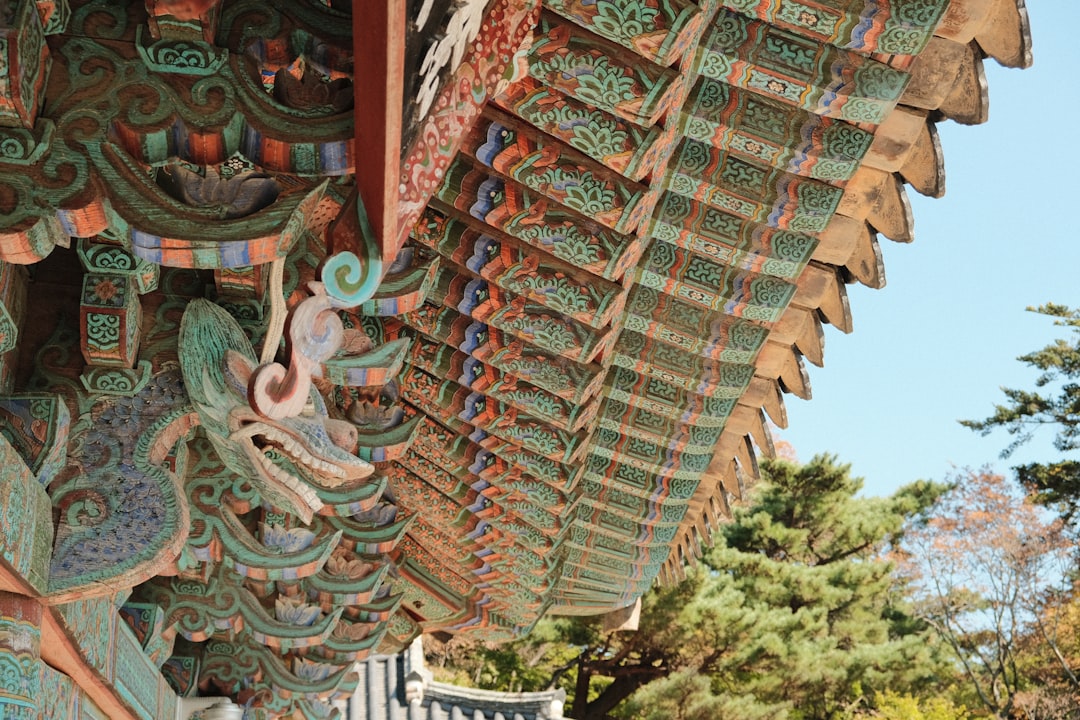
Now it’s time for the crown jewel. Bulguksa Temple, a UNESCO World Heritage Site, is one of the most significant Buddhist temples in all of Asia. Built in 528 AD and expanded in 774 AD, the temple complex features extraordinary stone bridges (Cheongungyo and Baegungyo), multi-story stone pagodas (Dabotap and Seokgatap), and beautifully painted wooden halls set against a forested mountainside.
Getting there from downtown Gyeongju takes about 30–40 minutes by bus (Bus 10, 11, or 700 from Gyeongju Bus Terminal — ₩1,400, payable with T-money). A taxi costs roughly $12–$15 USD.
Admission: ₩6,000 adults (~$4.50 USD). Hours: 7:30 AM – 5:30 PM (extended to 6:00 PM in summer). Budget 60–90 minutes. The temple grounds are extensive, and the forested path leading to the entrance is part of the experience.
Bulguksa is where I always tell first-time visitors: slow down. Sit on the wooden veranda of one of the prayer halls. Listen to the wind through the pine trees. Watch monks in gray robes pass silently. This is not a place to rush through and check off.
3:30 PM – Seokguram Grotto (석굴암)
From Bulguksa, a shuttle bus (₩2,500 round trip) or a scenic 3.5 km hiking trail (about 40 minutes uphill) takes you to Seokguram Grotto, another UNESCO World Heritage Site. This artificial stone cave houses a stunning 3.5-meter-tall seated Buddha carved from white granite, facing the East Sea. It was constructed around 774 AD and is considered one of the finest Buddhist sculptures in the world.
The grotto is enclosed behind glass to protect the delicate interior climate, so you view the Buddha from a short distance. Even so, the craftsmanship — the serene expression, the flowing robes, the geometric precision of the surrounding guardian figures — is breathtaking.
Admission: ₩6,000 adults (~$4.50 USD). Hours: 9:00 AM – 5:30 PM. Budget 30–45 minutes including the shuttle ride.
Sunrise tip: If you ever return for an overnight trip, Seokguram at sunrise is considered one of Korea’s most spiritual experiences. The Buddha faces east, and watching dawn light hit the granite is genuinely moving. Gyeongju Tourism Guide – Seokguram Grotto
5:00 PM – Hwangnidanji Café Street or Gyochon Hanok Village
Head back to the city center for the final stretch. Gyochon Hanok Village is a charming neighborhood of traditional Korean houses (hanok) that’s been lovingly preserved. Wander the narrow alleys, peek into courtyards, and stop at one of the many traditional tea houses for a cup of ssanghwa-cha (herbal tonic tea) or daechu-cha (jujube tea).
Alternatively, the Hwangnidanji area near the tomb district has become a trendy café street where old hanok buildings have been converted into Instagram-worthy coffee shops. A latte or specialty pour-over runs $4–$6.
6:30 PM – Dinner and Departure
Grab a quick dinner before heading to Singyeongju Station for a 7:00–8:00 PM KTX back to Seoul. You’ll arrive around 9:30–10:00 PM — tired, yes, but with a phone full of incredible photos and stories that most tourists never experience.
Budget Breakdown: What a Gyeongju Day Trip Actually Costs

One of the best things about a Gyeongju day trip from Seoul is that it’s remarkably affordable compared to similar cultural excursions in Japan or Europe. Here’s a realistic breakdown:
| Expense | Cost (USD) |
|---|---|
| KTX round-trip (Seoul ↔ Singyeongju) | $76–$90 |
| Local buses (T-money) | $3–$5 |
| Daereungwon entrance | $2.30 |
| Wolji Pond entrance | $2.30 |
| Bulguksa Temple entrance | $4.50 |
| Seokguram Grotto entrance | $4.50 |
| Gyeongju National Museum | Free |
| Lunch | $8–$15 |
| Dinner | $8–$15 |
| Snacks/coffee | $5–$10 |
| Total | $115–$155 |
Budget version: Take the express bus instead of KTX ($40–$56 round trip), skip one temple, eat at convenience stores and the market, and you can do the entire day for under $80. That’s an extraordinary value for a UNESCO World Heritage experience.
For comparison, a similar day trip from Tokyo to Kyoto runs $180–$250+ with Shinkansen tickets and temple fees.
Seasonal Guide: When to Plan Your Gyeongju Day Trip
Spring (March – May): Cherry Blossom Season
Gyeongju is one of Korea’s top cherry blossom destinations. Bomun Lake and the roads around Bulguksa become tunnels of pale pink petals, usually peaking in late March to early April. The annual Gyeongju Cherry Blossom Marathon draws runners from around the world. If cherry blossoms are on your Korea wishlist, a Gyeongju day trip during peak bloom is hard to beat.
Autumn (September – November): Foliage and Festivals
Autumn is arguably the best season for a Gyeongju visit. The tomb mounds turn golden, Bulguksa’s surrounding forest ignites in red and orange, and the weather is crisp and clear. The Silla Cultural Festival (usually early October) features traditional performances, parades in Silla-era costumes, and nighttime events at Wolji Pond. Korea Autumn Foliage Best Time 2026: Top 7 Spots
Summer (June – August): Hot but Fewer Crowds
Summer is humid and hot (85–95°F / 30–35°C), but you’ll encounter fewer tourists. Start early, carry water, and seek shade during midday. The upside: lush green tomb mounds and lotus flowers blooming at Wolji Pond. Avoid the monsoon season (late June–mid July) when heavy rain can disrupt outdoor plans.
Winter (December – February): Quiet and Atmospheric
Cold but beautiful. Snow-dusted tomb mounds are hauntingly photogenic, and you’ll often have entire temple grounds to yourself. Bundle up (temperatures can drop to 20°F / -5°C) and enjoy the solitude. Many Koreans visit Bulguksa for New Year’s sunrise, and nearby Gampo Beach is a popular sunrise spot.
Cultural Etiquette Tips for Visiting Gyeongju

Gyeongju is a deeply historical and culturally significant city. Showing respect goes a long way with locals. Here are etiquette tips that will enrich your experience:
- Remove shoes when entering temple buildings. At Bulguksa and other Buddhist temples, shoes come off before stepping onto wooden floors. Slip-on shoes make this easier.
- Bow slightly when greeting monks. A gentle bow with hands together is appropriate. Monks are generally friendly and may offer blessings if you approach respectfully.
- Keep your voice low at temple sites. These are active places of worship, not just tourist attractions. Speak quietly, especially inside prayer halls.
- Don’t climb or touch the tomb mounds. At Daereungwon, the grassy hills may look inviting, but these are royal graves. Stay on designated paths.
- Use two hands when receiving or giving items (especially money, tickets, or business cards). This is standard Korean etiquette.
- Dress modestly at temples. Shoulders and knees should be covered. Most major temples offer cover-ups, but bringing a light cardigan avoids the hassle.
- Don’t tip. Tipping is not customary in Korea and can sometimes cause confusion. The price you see is the price you pay.
suggested topic — Korean Cultural Etiquette Guide for First-Time Visitors
Essential Apps and Tools for Your Gyeongju Day Trip
A smooth Gyeongju day trip from Seoul depends on having the right tools on your phone. Here’s what I never travel without in Korea:
- Naver Map: Google Maps is unreliable in Korea. Naver Map gives you accurate bus routes, walking directions, and real-time transit info. It has an English interface — switch the language in settings.
- KORAIL app: Book KTX tickets, check schedules, and store your digital tickets. Create an account before your trip.
- Papago: Naver’s translation app. Far more accurate for Korean ↔ English than Google Translate. The camera translation feature is a lifesaver for menus and signs.
- KakaoTalk: Korea’s universal messaging app. Download it — some restaurants and tourist services communicate only through KakaoTalk.
- T-money card: Not an app, but essential. Buy one at any convenience store for ₩4,000 (~$3) and load it with ₩20,000–₩30,000 ($15–$23). It works on all buses, subways, and even some taxis and vending machines across Korea.
Make sure you have a Korean SIM card or eSIM with data — you’ll need it for maps and translations throughout the day. Best SIM Card for Korea Trip 2026: Complete Guide
Insider Tips from a Repeat Visitor

After multiple Gyeongju day trips from Seoul, here are the tips I wish I’d known from day one:
- Rent a bike. Gyeongju’s historic district is flat and compact, and bike rental shops near the tomb park charge only $5–$8 for a full day. You can cover Daereungwon, Cheomseongdae, Wolji Pond, and the museum district in a leisurely loop. E-bikes are available for about $12/day.
- Visit Bulguksa FIRST if you’re in peak season. Tour buses from Busan arrive around 10:00–11:00 AM. If you taxi directly to Bulguksa from Singyeongju Station at 8:30 AM, you’ll have the temple nearly to yourself for a magical hour before the crowds descend.
- Buy the Gyeongju combination ticket. A ₩10,000 (~$7.50) combo pass covers Bulguksa, Seokguram, Daereungwon, Wolji Pond, and several other sites. It saves about 30% compared to individual tickets and you can buy it at any participating site entrance.
- Download an audio guide. The Gyeongju Smart Tour app offers free English audio guides with GPS-triggered commentary at major sites. It transforms a walk through Daereungwon from “pretty hills” to “those are the tombs of kings who ruled for centuries.”
- Don’t skip Wolji Pond for nighttime on overnight visits. If you ever extend to an overnight stay, the illuminated reflection of Wolji’s pavilions at night is regularly voted one of Korea’s most beautiful scenes. It’s genuinely stunning.
- Pack snacks and water. While there are convenience stores near every major site, the area between Bulguksa and Seokguram has limited food options. A couple of granola bars and a water bottle save time and hunger.
- Consider Busan as an alternative base. Gyeongju is only 30 minutes from Busan by KTX (or 1 hour by bus). If you’re already in Busan, a Gyeongju day trip is even easier. Combine it with Haeundae Beach for a perfect two-day southeast Korea experience.
- Hwangnam-ppang is the real souvenir. Forget fridge magnets. The original Hwangnam-ppang bakery has been making these red bean pastries since 1939. A box of 10 costs about $5 and they’re the gift that makes Korean friends genuinely happy when you hand them out.
Before You Fly: US Travelers’ Korea Basics
Visa and Entry
US citizens enjoy visa-free entry to South Korea for up to 90 days. However, you must apply for a K-ETA (Korea Electronic Travel Authorization) at least 72 hours before departure. The K-ETA costs ₩10,000 (~$7.50 USD) and is valid for 2 years. Apply at k-eta.go.kr. As of 2026, K-ETA requirements may be temporarily waived for certain nationalities — check the latest status before booking.
Flights from the US
Direct flights from LAX, JFK, and SFO to Incheon International Airport (ICN) take approximately 12–14 hours. Airlines like Korean Air, Asiana, Delta, and United operate daily routes. Round-trip fares typically range from $800–$1,400 depending on season and advance booking.
From Incheon Airport, the Airport Railroad Express (AREX) takes you to Seoul Station in 43 minutes for about $9 — where you’ll catch your KTX to Gyeongju the next morning. Korea Tourism Organization – Getting to Korea
Currency and Payments
Korea runs on the Korean Won (₩). As of 2026, $1 USD ≈ ₩1,300. While credit cards are widely accepted (Visa and Mastercard work almost everywhere), smaller vendors and temple entrance booths sometimes prefer cash. Withdraw Won from ATMs at any GS25, CU, or 7-Eleven convenience store — they accept international cards.
Frequently Asked Questions
Is a Gyeongju day trip from Seoul worth it, or should I stay overnight?
A day trip is absolutely worth it and doable if you take the early KTX. You’ll cover the 5–6 main sites comfortably. However, if you want to see Wolji Pond’s famous nighttime illumination, explore Yangdong Folk Village, or catch a sunrise at Seokguram, an overnight stay (budget hotels start at $40–$60/night) is ideal. For most first-timers with limited time, the day trip hits all the highlights.
How do I book KTX tickets as a foreigner?
Use the KORAIL website (letskorail.com) or the KORAIL app. You can pay with an international credit card and receive a digital ticket. Alternatively, buy tickets at Seoul Station’s ticket counter with your passport. The KORAIL Pass (unlimited KTX rides for 2–5 days) can save money if you’re making multiple intercity trips — a 2-day pass costs about $96 USD.
Can I visit Gyeongju as a day trip from Busan instead?
Yes, and it’s even easier. Busan to Gyeongju is only 30 minutes by KTX (from Busan Station to Singyeongju) or about 1 hour by intercity bus. Many travelers base themselves in Busan and do Gyeongju as a half-day or full-day excursion. This is a great option if you’re already exploring Korea’s southeastern coast.
Is Gyeongju walkable, or do I need taxis?
The historic downtown core (Daereungwon, Cheomseongdae, Wolji Pond, National Museum) is very walkable — all sites are within a 15–20 minute walk of each other. However, Bulguksa Temple and Seokguram Grotto are about 16 km east of downtown and require a bus or taxi. Renting a bicycle is the best way to explore the central area.
What should I wear for a Gyeongju day trip?
Wear comfortable walking shoes — you’ll log 15,000–20,000 steps easily. For temples, dress modestly (cover shoulders and knees). In summer, bring a hat, sunscreen, and a portable fan. In winter, layer up with a warm coat, gloves, and a scarf. Rain gear is essential during monsoon season (late June–mid July).
Are English signs and guides available in Gyeongju?
Yes. All major sites have English signage, brochures, and audio guides. The Gyeongju National Museum has excellent English displays. Staff at ticket booths usually speak basic English. The Papago app handles anything else. Gyeongju is one of Korea’s most tourist-friendly cities outside of Seoul.
Can I use credit cards in Gyeongju?
Most restaurants, cafés, and stores accept Visa and Mastercard. However, some traditional market vendors, temple entrance counters, and small eateries may be cash-only. Carry at least ₩30,000–₩50,000 ($23–$38) in cash for small purchases. ATMs are available at every convenience store.
Related Posts You’ll Love
Planning more of your Korea adventure? Check out these guides:
- Korea Autumn Foliage Best Time 2026: Top 7 Spots — Gyeongju is one of our top picks for fall colors
- Korean Street Food Markets by City: 2026 Ultimate Guide — What to eat at Gyeongju Jungang Market and beyond
- Best SIM Card for Korea Trip 2026: Complete Guide — Stay connected throughout your day trip
Suggested future articles:
- suggested topic — Busan to Gyeongju Day Trip: Complete Guide
- suggested topic — Best UNESCO World Heritage Sites in South Korea
- suggested topic — KTX Train Guide for Tourists: Routes, Passes, and Tips
Start Planning Your Gyeongju Day Trip Today
A Gyeongju day trip from Seoul is one of those rare travel experiences that delivers on every level — history, beauty, culture, and affordability. In a single day, you’ll walk among 1,400-year-old royal tombs, stand inside Asia’s oldest observatory, explore a UNESCO-listed Buddhist temple, and eat some of the best traditional Korean food outside of Seoul.
Whether you’re a first-timer planning your two weeks in Korea or a repeat visitor looking for something beyond the usual Seoul–Busan circuit, Gyeongju belongs on your list. Book that early morning KTX, pack comfortable shoes, and prepare to fall in love with Korea’s ancient capital.
Have you visited Gyeongju? Planning your first trip? Drop a comment below with your questions — I read and respond to every one. If this guide helped you plan, share it with a friend who’s dreaming of Korea. And don’t forget to bookmark this page for reference when you’re on the ground!
Safe travels, and enjoy every moment in the “museum without walls.” 🇰🇷