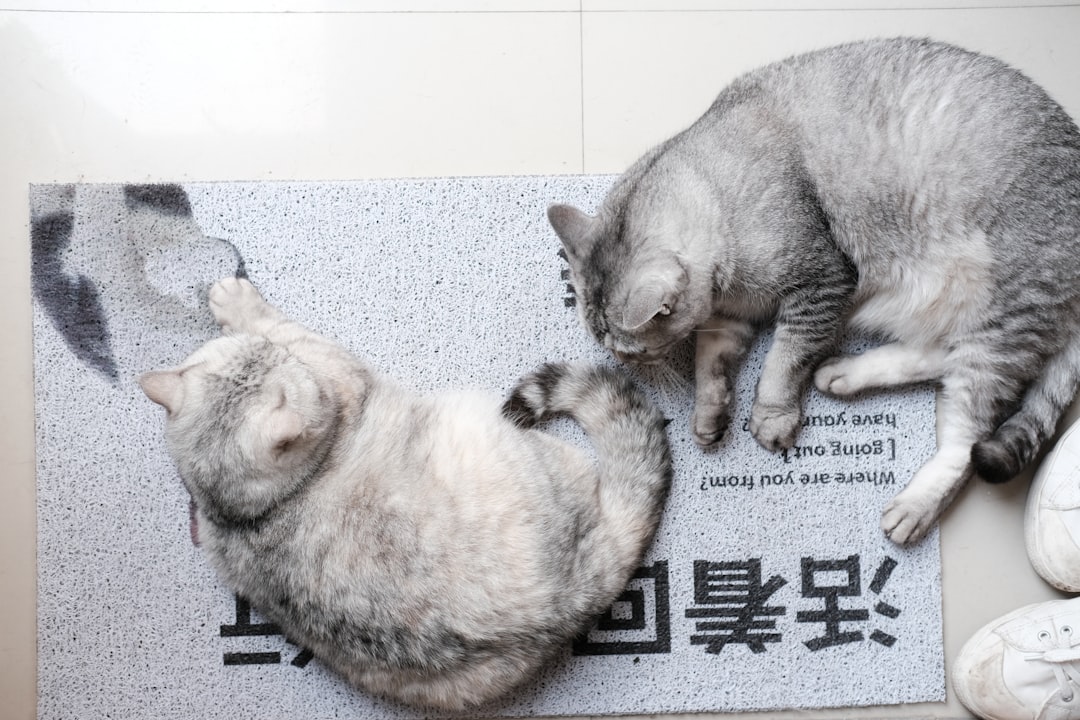
Why Koreans Love Cats So Much: A Deep Dive Into Korea’s Feline Obsession
If you’ve ever scrolled through Korean social media, binged a K-Drama on Netflix, or wandered through the neon-lit streets of Seoul, you’ve probably noticed something: cats are everywhere in Korean culture. From cat cafés lining the alleyways of Hongdae to viral videos of Korean creators spoiling their feline companions with gourmet meals, understanding why Koreans love cats so much reveals a fascinating story about shifting lifestyles, urban living, and a cultural revolution in how an entire nation relates to animals.
South Korea’s cat-owning population has surged by over 50% in the last decade, according to the Korean Pet Industry Association. As of 2025, an estimated 3.2 million Korean households now keep cats — up from just 810,000 in 2012. That’s a staggering transformation for a country that was historically considered a “dog nation.” So what changed? And what can American cat lovers learn from Korea’s approach to feline care?
In this comprehensive comparison, we’ll explore the cultural, practical, and emotional reasons behind Korea’s cat boom, compare Korean and American cat culture side by side, and share practical tips and product recommendations you can use right now — whether you’re a first-time cat parent or a seasoned feline enthusiast.
The Rise of “Goyangi” Culture: How Cats Conquered Korea

From Street Cats to Beloved Companions
The Korean word for cat — “goyangi” (고양이) — used to carry mixed connotations. For decades, stray cats (called “gil-goyangi” or street cats) were viewed with suspicion in Korean folklore. Superstitions linked black cats to bad luck, and community cats were often seen as nuisances rather than potential pets.
That narrative began shifting in the early 2010s. TNR (Trap-Neuter-Return) programs expanded across Seoul and Busan, supported by both government funding and grassroots animal welfare organizations. TV shows like SBS’s “TV Animal Farm” (동물농장) regularly featured heartwarming cat rescue stories, softening public perception dramatically.
By 2018, the Korean government had passed stronger animal protection laws, and the cultural tide had fully turned. Today, adopting a former street cat is considered admirable — even trendy — among young Koreans. Many Korean cat influencers on YouTube and Instagram proudly share their rescued cats’ transformation stories, garnering millions of views.
The K-Drama and K-Pop Cat Effect
Korean pop culture has played an enormous role in normalizing — and glamorizing — cat ownership. K-Drama characters are frequently shown living with cats in their stylish Seoul apartments. The 2020 hit drama “The Law Café” featured a memorable cat character that sparked adoption inquiries nationwide.
K-Pop idols have arguably been even more influential. BTS’s Suga is famously devoted to his cat, Holly (though Holly is actually a dog — his love of cats is well-documented too). BLACKPINK’s Lisa owns four cats — Leo, Luca, Lily, and Louis — and regularly shares their antics with her 100+ million Instagram followers. Stray Kids’ Lee Know is perhaps the most famous “cat dad” in K-Pop, with his three cats Soonie, Doongie, and Dori becoming celebrities in their own right.
When young fans see their idols loving and caring for cats, it normalizes feline companionship in a powerful way. If you’re curious about the K-Pop world more broadly, check out our guide on How to Become a K-Pop Trainee From Overseas in 2026 — and yes, many trainees keep cats in their dorms for stress relief.
Urbanization and the Perfect-Fit Pet
Here’s perhaps the most practical reason why Koreans love cats so much: apartment living. Over 60% of South Koreans live in apartments (아파트), many of which are compact studio or one-bedroom units in high-rise complexes. Dogs — especially larger breeds — require outdoor walks, space, and can create noise complaints from neighbors.
Cats, by contrast, are ideal apartment companions. They’re quiet, independent, don’t need daily walks, and are content with vertical space like cat trees and wall-mounted shelves. For young professionals working 50+ hour weeks in cities like Seoul, Incheon, and Daejeon, a cat offers companionship without the logistical demands of dog ownership.
This same trend is visible in American cities. If you live in a New York apartment or a San Francisco studio, you’ve probably reached the same conclusion many Koreans have: cats just make sense for urban life.
Korean Cat Culture vs. American Cat Culture: A Detailed Comparison
Understanding why Koreans love cats so much becomes even clearer when you compare Korean and American approaches to feline care side by side. Both countries adore their cats, but the cultural expression of that love looks quite different.
| Category | Korea | United States |
|---|---|---|
| Cat Population | ~6.3 million pet cats | ~58.3 million pet cats |
| Most Popular Breeds | Korean Shorthair (mixed), Scottish Fold, Russian Blue, British Shorthair, Munchkin | Ragdoll, Maine Coon, Exotic Shorthair, Persian, British Shorthair |
| Average Spend/Month | ₩150,000–250,000 ($110–$185 USD) | $100–$250 USD |
| Cat Cafés | 200+ nationwide | ~150 (growing) |
| Adoption Rate | Rising fast (30%+ of new cats are adopted) | ~50% of cats are adopted from shelters |
| Indoor vs. Outdoor | Almost exclusively indoor | Mixed (indoor trending upward) |
| Cultural Status | “Healing companion” (힐링 메이트) | Family member / “fur baby” |
Breed Preferences Tell a Story
Korean cat owners tend to favor compact, apartment-friendly breeds. The Scottish Fold, with its signature folded ears and calm demeanor, has been the most popular purebred in Korea for years. The Munchkin — with its short legs and playful personality — is another Korean favorite, though veterinarians in both countries increasingly raise concerns about breeding for extreme physical traits.
In the US, larger breeds dominate. The Ragdoll has topped the Cat Fanciers’ Association registry for five consecutive years, followed by the majestic Maine Coon. American cat lovers tend to have more space, which makes larger breeds practical. If you’re considering a Maine Coon or Ragdoll, you can find breed-specific supplies at Chewy or PetSmart, including oversized cat trees starting around $89.99.
The “Healing” Philosophy vs. “Fur Baby” Culture
One of the most interesting cultural differences is how each country frames the human-cat relationship. In Korea, cats are frequently described as “healing companions” (힐링 동반자). The Korean concept of “healing” (힐링) — borrowed from English but given a distinctly Korean meaning — refers to emotional recovery, stress relief, and mental wellness.
Young Koreans dealing with intense work pressure, competitive education systems, and the social phenomenon known as “Hell Joseon” (헬조선) often describe their cats as essential to their mental health. A 2024 survey by the Korea Rural Economic Institute found that 78% of Korean cat owners cited “emotional comfort” as their primary reason for keeping a cat — far outpacing “companionship” (52%) or “fun” (41%).
In America, the “fur baby” framework is dominant. Cats are treated as family members, with owners spending on birthday parties, custom portraits, and even pet insurance. Both approaches reflect genuine love, but the Korean perspective adds a layer of intentional mental health awareness that American cat culture is only beginning to embrace.
Cat Cafés: Korea’s Gift to the Feline World

Where It All Started
While Taiwan actually opened the world’s first cat café in 1998, it was Korea that truly popularized the concept and turned it into a global phenomenon. Seoul’s first cat café, “Cat’s Attic,” opened in the Myeongdong district in 2004. By 2015, there were over 300 cat cafés across South Korea.
Korean cat cafés are a masterclass in design and ambiance. Unlike some early Western iterations that felt like afterthoughts, Korean cat cafés feature:
- Aesthetic interiors — minimalist Korean design with Instagram-worthy backdrops
- Strict hygiene protocols — hand sanitizing stations, shoe covers, and regular cleaning schedules
- Cat welfare standards — mandatory rest areas where cats can retreat from human interaction
- Premium beverages — full coffee bar menus rivaling standalone cafés
- Adoption partnerships — many cafés work with shelters to facilitate adoptions
If you’re planning a trip to Korea, visiting a cat café in the Hongdae or Insadong neighborhoods is a must. For more on Seoul’s vibrant café scene, see our guide to Hongdae Best Cafes and Bars Nightlife Guide 2026.
The American Cat Café Boom
America’s cat café movement has exploded since the first US cat café — Oakland’s “Cat Town” — opened in 2014. Today, cities like Portland, Austin, New York, and Los Angeles each have multiple options. Most American cat cafés partner directly with local rescue organizations, with some reporting adoption rates of 80% or higher for their resident cats.
The key difference? Korean cat cafés lean more toward the “experience” model — permanent resident cats with no adoption focus — while American cat cafés increasingly function as adoption centers with a café attached. Both models work, but the American approach has arguably saved more lives.
Korean Cat Products That American Cat Parents Need to Know About
Korean innovation isn’t limited to skincare and tech. The Korean pet industry — valued at over $3.4 billion USD in 2025 — has produced some genuinely brilliant cat products that are now making their way to the US market.
Premium Korean Cat Food Brands
Korean cat food philosophy emphasizes fresh, human-grade ingredients with minimal processing. Several Korean brands have gained cult followings:
- Catit (Korean formulations) — While Catit is Canadian, their Korean-market products feature unique flavors like mackerel and sweet potato that have become bestsellers.
- Natural Core — A premium Korean brand using organic Korean ingredients, available on Amazon for $28–$45 per bag.
- ANF (American Natural Food, Korean division) — Their Korean-formulated grain-free recipes have won multiple Korean pet industry awards.
- Zeal — Korean freeze-dried raw treats that cats go absolutely wild for, around $15.99 on Amazon.
For American cat parents looking for comparable quality, Chewy carries excellent options like Tiki Cat, Weruva, and Instinct Raw — all sharing that Korean-style emphasis on fresh, whole ingredients. A 12-pack of Tiki Cat wet food runs about $23.99 on Chewy.
Innovative Cat Care Products
Korean cat products reflect the same obsession with design and functionality that drives Korean beauty and tech industries. Here are standouts:
- Self-cleaning litter boxes — Korean brands like PetKit and CatLink lead the automatic litter box market. The PetKit Pura Max is available on Amazon for $449.99 and is a favorite among Korean cat owners.
- Cat water fountains — The PetKit Eversweet line ($39.99–$59.99 on Chewy) originated from Korean pet wellness research showing cats drink 30% more water from flowing sources.
- Cat dental care — Korean pet dental products, including enzymatic toothpastes and dental treats, are gaining traction. Look for Junglemonster’s DentiSoft and CattiSoft dental care lines if you’re in Singapore or Malaysia via Shopee.
- Aesthetic cat furniture — Korean cat trees prioritize minimalist design that blends with modern interiors. Brands like KASENTEX and Mewoofun (available on Amazon, $59.99–$199.99) exemplify this philosophy.
Speaking of Korean beauty innovations that extend to pets, the same ingredients found in Korean skincare — like centella asiatica and green tea extract — now appear in premium Korean cat shampoos. For more on Korean skincare philosophy, check out Korean Skincare Routine for Acne-Prone Skin: 2026 Guide and 10-Step Korean Skincare Routine for Beginners (2026).
The Solo Living Boom: Why Koreans Love Cats So Much in a Changing Society

Single-Person Households and the Cat Connection
To truly understand why Koreans love cats so much, you need to understand Korea’s demographic revolution. As of 2025, single-person households make up 40.1% of all Korean households — the highest proportion in the nation’s history. Korea’s marriage rate has plummeted, birth rates have hit record lows, and an entire generation of young Koreans is choosing to live alone.
For these solo dwellers, cats offer the perfect balance. They provide:
- Companionship without codependency — cats are affectionate but independent
- Routine and purpose — feeding schedules and playtime create structure
- Social connection — online cat communities provide a sense of belonging
- Reduced loneliness — studies show cat ownership decreases cortisol levels by up to 23%
This isn’t unique to Korea. In the US, 37% of all households are single-person, and the same dynamic is driving American cat adoption rates upward. If you’re a solo dweller considering your first cat, the American Shorthair, Ragdoll, or Russian Blue are excellent choices — all available through local shelters and breed-specific rescues.
The “Jibsa” Phenomenon
One of the most charming aspects of Korean cat culture is the concept of “jibsa” (집사). Literally meaning “butler” or “servant,” Korean cat owners jokingly refer to themselves as their cat’s personal staff. The term has become so mainstream that it’s used in Korean advertising, TV shows, and everyday conversation.
“I don’t own a cat — my cat owns me, and I am merely the jibsa,” is a common Korean internet joke that perfectly captures the humor and humility Korean cat owners bring to the relationship. This self-deprecating affection resonates across cultures — American cat owners certainly relate to the feeling of being “staff” to a demanding feline overlord.
The jibsa culture has spawned an entire industry of premium cat services in Korea: cat hotels rated like five-star resorts (₩80,000–₩200,000 per night, or $60–$150 USD), cat photographers who specialize in pet portraits, and even cat birthday party planners. In the US, similar services are available through PetSmart’s PetsHotel (starting at $26/night for cats) and luxury pet boarding facilities in major cities.
Korean Cat Care Tips You Can Adopt Right Now
The Korean Approach to Cat Nutrition
Korean veterinarians emphasize a rotation diet for cats — regularly switching between different protein sources and food types to prevent allergies, ensure nutritional completeness, and keep cats mentally stimulated. Here’s a typical Korean cat feeding schedule you can adapt:
- Morning — High-quality dry kibble (measured portion, not free-fed). Try Orijen Cat & Kitten ($42.99 for 10 lbs on Chewy).
- Midday — Wet food topper or broth for hydration. Tiki Cat Broths ($1.49 each on Chewy) are excellent.
- Evening — Wet food as the main meal, rotating proteins weekly (chicken → fish → turkey → duck). Weruva Cats in the Kitchen variety packs ($24.99/12 cans on Amazon) make rotation easy.
- Treats — Freeze-dried raw treats for training and bonding, limited to 10% of daily calories. PureBites Chicken Breast ($8.99 on PetSmart) are a top choice.
Korean cat nutritionists also recommend adding a small amount of pumpkin purée (not pie filling!) to wet food once weekly for digestive health — a tip that’s gaining traction among American holistic vets too. For more food inspiration with a Korean twist, you might enjoy Korean Fried Chicken Recipe: Crispy Double Fry Method 2026 — though that one’s for the humans, not the cats!
Environmental Enrichment the Korean Way
Korean cat owners are renowned for creating elaborate indoor environments that maximize vertical space. In a typical Korean apartment, you’ll find:
- Wall-mounted cat shelves — creating “cat highways” along walls ($29.99–$79.99 for sets on Amazon)
- Window-mounted cat beds — Korean apartments have large windows, and cats love watching the city below. The K&H EZ Mount Window Bed ($24.99 on Chewy) is a bestseller.
- Interactive puzzle feeders — the Catit Senses 2.0 Food Tree ($14.99 on PetSmart) slows down fast eaters and provides mental stimulation
- Cat grass stations — Korean pet stores always stock wheatgrass growing kits, and American stores like PetSmart carry them for $4.99–$8.99
- Heated cat pads — Korea’s cold winters mean heated pads are essential. The K&H Thermo-Kitty Mat ($29.99 on Chewy) is a year-round comfort item.
The Korean Dental Care Routine for Cats
Dental health is taken seriously in Korean cat care — far more so than in most Western countries. Over 70% of cats develop dental disease by age three, yet only 2% of American cat owners brush their cat’s teeth regularly. Korean pet brands have developed innovative solutions:
- Finger brush kits with enzymatic toothpaste — gentler introduction than traditional brushes
- Dental water additives — simply add to the water fountain
- Dental treat sticks — designed to scrape plaque as cats chew
For American cat parents, the Virbac C.E.T. Enzymatic Toothpaste ($11.99 on Chewy) paired with a silicone finger brush is the easiest starting point. Aim for brushing 3 times per week — a standard recommendation from Korean feline dental specialists.
Korean Cat Social Media: The Content That Fuels the Obsession

YouTube Cat Channels With Millions of Subscribers
Korean cat YouTube is a universe unto itself. Channels like 크림히어로즈 (Cream Heroes) — featuring the legendary seven cats of creator Claire Luvcat — have amassed over 3 million subscribers and billions of views. The channel’s high production quality, dramatic storytelling, and genuine emotional moments set a global standard for cat content.
Other massively popular Korean cat channels include:
- 수리노을 SuriNoel — known for stunning cinematography and emotional rescue stories
- Lulu the Cat — a Scottish Fold whose daily adventures have 2.8 million subscribers
- 꿀키 Honeykki — a cooking channel that frequently features cats, perfectly blending Korean food culture with cat content
These channels don’t just entertain — they educate millions of viewers about proper cat care, encourage adoption over purchasing, and normalize spending money on quality cat products. The production values rival those of K-Pop music videos, which speaks to how seriously Korean creators take cat content. For context on the dance skills behind those music videos, see 7 Hardest K-Pop Choreographies to Learn in 2026.
Cat Memes and Internet Culture
Korean internet culture has produced some of the most beloved cat memes globally. The term “냥스타그램” (Nyangstagram) — a portmanteau of “nyang” (meow in Korean) and Instagram — has over 15 million tagged posts. Korean cat accounts on Instagram feature meticulously styled photos that reflect the same aesthetic sensibility seen in K-Beauty and K-Fashion content.
The crossover between Korean beauty culture and cat culture is surprisingly strong. Many Korean cat influencers create “matching” content — coordinating their skincare routines with their cat’s grooming sessions. It’s quirky, adorable, and perfectly on-brand for a culture that excels at aesthetic lifestyle content. If you’re into Korean beauty trends, you’ll love our article on 7 Best Korean Lip Tints for Dry Lips in 2026.
The Wellness Connection: Cats and Korean Mental Health
Cats in Korean Therapy and Wellness Spaces
Korea’s growing mental health awareness movement has embraced cats as therapeutic companions. Several Korean universities now host “cat rooms” during exam periods, where students can decompress by spending time with therapy cats. Companies like Samsung and LG have piloted “office cat” programs in select departments, reporting 15–20% decreases in reported workplace stress.
Korean psychologists have coined the term “goyangi chiyoo” (고양이 치유) — literally “cat healing” — to describe the therapeutic benefits of feline companionship. Research from Seoul National University’s Veterinary College has documented measurable reductions in blood pressure, anxiety markers, and depression symptoms among cat owners versus non-pet-owners.
In the US, the Human-Animal Bond Research Institute (HABRI) has published similar findings. If you’re considering getting a cat for mental health benefits, breeds known for their calm, affectionate temperaments include the Ragdoll, Persian, British Shorthair, and Birman — all available through breeders and often through breed-specific rescue organizations.
The Korean Concept of “Healing” With Cats
The Korean “healing” trend extends far beyond cats into every aspect of daily life — healing cafés, healing travel, healing food. But cats occupy a special place in this ecosystem because they embody qualities Koreans find particularly restorative: independence, quiet presence, gentle affection on their own terms, and an unapologetic commitment to rest.
In a culture known for intense work schedules and social pressures, watching a cat nap peacefully in a sunbeam is genuinely therapeutic. Korean wellness experts recommend what they call “goyangi myeongsang” (고양이 명상) — “cat meditation” — the practice of simply sitting quietly and watching your cat for 10–15 minutes without phone distractions. It’s mindfulness with a furry focal point, and it works.
Koreans also combine their love of wellness spaces with cat culture. If you’re interested in Korean relaxation traditions, our guide on First Time Jjimjilbang Etiquette Tips: 2026 Complete Guide covers another beloved Korean wellness ritual — though cats aren’t allowed in the jjimjilbang!
Practical Guide: Adopting the Korean Cat Lifestyle in America
Setting Up Your Home the Korean Way
Ready to bring some Korean cat culture into your American home? Here’s a step-by-step setup guide inspired by Korean cat care standards:
- Choose a quality automatic water fountain — Hydration is priority #1 in Korean cat care. The PetKit Eversweet 3 Pro ($49.99 on Amazon) features a stainless steel top and triple filtration.
- Install vertical space — Mount 3–5 wall shelves to create a cat highway. The Fukumaru Cat Wall Shelves set ($45.99 on Amazon) is a clean, modern option.
- Invest in a quality litter system — Korean cat owners increasingly use automatic litter boxes. The Litter-Robot 4 ($699 on the official site) or the more affordable PetKit Pura X ($379.99 on Amazon) are top choices.
- Create a window perch station — Position near the best window with a heated pad underneath for colder months.
- Set up a feeding station with puzzle elements — Combine a raised feeding bowl (better for digestion) with an adjacent puzzle feeder for mental stimulation.
- Establish a grooming corner — Self-grooming brush mounted on a wall corner ($12.99 on Amazon) plus a deshedding brush for weekly sessions.
Monthly Budget Breakdown: Korean-Style Cat Care in the US
| Expense Category | Korean Average (USD) | US Equivalent |
|---|---|---|
| Premium Food | $45–$70 | $40–$80 |
| Litter | $15–$25 | $15–$30 |
| Health/Dental | $20–$40 | $25–$50 |
| Toys & Enrichment | $10–$20 | $10–$25 |
| Grooming Supplies | $5–$15 | $5–$15 |
| Total | $95–$170 | $95–$200 |
Pet insurance is another smart investment. In the US, providers like Lemonade Pet ($10–$25/month) and Pumpkin ($20–$40/month) cover accidents, illnesses, and even dental procedures — something Korean pet insurance is still catching up on.
Frequently Asked Questions About Korean Cat Culture
Why do Koreans love cats so much compared to dogs?
While Korea has traditionally been a dog-loving country, the rapid shift toward urban apartment living, single-person households, and demanding work schedules has made cats the ideal companion for millions of young Koreans. Cats require less space, no daily walks, and are quieter — all critical factors in densely populated Korean apartment complexes where noise complaints are common. Dogs still outnumber cats in Korea overall, but cat ownership is growing 3x faster than dog ownership.
What is the most popular cat breed in South Korea?
The Korean Shorthair (코리안 숏헤어) — essentially a mixed-breed domestic cat — is the most common cat in Korea, largely because many cat owners adopt former street cats. Among purebreds, the Scottish Fold has held the top spot for years, followed by the Russian Blue and British Shorthair. However, Korean veterinary organizations are increasingly advocating against Scottish Fold breeding due to the cartilage disorder (osteochondrodysplasia) linked to the folded ear gene.
Are cat cafés popular in Korea, and are they ethical?
Yes, Korea has over 200 cat cafés as of 2025, and they remain hugely popular. Ethical standards vary, but reputable Korean cat cafés follow strict guidelines: cats must have private rest areas away from guests, maximum visitor limits are enforced, touching rules are clearly posted, and veterinary checkups are regular. The Korean Animal Welfare Association (KAWA) provides certification for cafés that meet welfare standards. When visiting, look for certifications displayed near the entrance.
Can I buy Korean cat products in the United States?
Absolutely. Many Korean cat products are available on Amazon, Chewy, and specialized online retailers. Brands like PetKit, CatLink, and Natural Core have strong US distribution. For products not yet available domestically, Korean online retailers like Coupang Global and G-Market ship internationally. Expect shipping to take 7–14 business days and factor in potential customs duties for orders over $800.
How do Korean cat owners handle vet care differently?
Korean cat owners tend to visit the vet more frequently than American cat owners — an average of 3.2 visits per year compared to 1.6 in the US. Korean veterinary clinics are also more likely to be open late (until 10 PM or later) and on weekends, reflecting the demanding work schedules of Korean pet parents. Dental checkups are a standard part of Korean wellness visits, and many clinics offer subscription-based “wellness packages” that bundle vaccinations, dental cleaning, blood work, and parasite prevention at a discount.
Is it true that Korean cats eat better than some humans?
This is a running joke in Korea — and there’s some truth to it! Premium Korean cat food brands use human-grade ingredients including wild-caught fish, organic chicken breast, and farm-fresh vegetables. Some luxury Korean cat food brands price their products at ₩5,000–₩8,000 ($3.70–$5.90) per single serving — comparable to a budget human meal at a Korean convenience store. The “jibsa” culture means many Korean cat owners take genuine pride in feeding their cats better than they feed themselves.
Related Posts You’ll Love
- Korean Skincare Routine for Acne-Prone Skin: 2026 Guide — Discover how Korean beauty philosophy extends to pet grooming too
- 7 Korean Meal Prep Recipes for Weight Loss in 2026 — Because jibsa life means cooking for yourself AND your cat
- Hongdae Best Cafes and Bars Nightlife Guide 2026 — Including the best cat cafés in Seoul’s trendiest district
Suggested future articles:
- Best Korean Cat Products Available on Amazon in 2026
- How to Visit a Cat Café in Seoul: Complete Tourist Guide 2026
- Korean Street Cat Rescue: TNR Programs and How to Help
Join the Conversation: Are You a “Jibsa” Too?
Now you know why Koreans love cats so much — and honestly, can you blame them? From the practical realities of apartment living to the deep emotional “healing” philosophy, Korean cat culture offers lessons that every American cat parent can learn from.
We’d love to hear from you! Drop a comment below and tell us:
- Do you consider yourself a “jibsa” (cat butler)?
- Have you tried any Korean cat products?
- What’s your cat’s favorite enrichment activity?
If this article helped you understand Korean cat culture — or inspired you to upgrade your cat care routine — please share it with a fellow cat lover. Pin it on Pinterest, share it on Facebook, or send it to that friend who’s been thinking about getting their first cat.
Want more Korean lifestyle and pet care content delivered to your inbox? Subscribe to our newsletter for weekly articles on K-Culture, K-Beauty, K-Food, and K-Pet care trends. We publish fresh, researched content every week to help you live your best Korean-inspired life — whether you’re a cat person, a skincare addict, or both.
Written with love by a proud jibsa. 🐱