
The allure of Korea’s bustling cities, rich culture, and technological advancement has always captivated the global audience. With the introduction of the South Korea Digital Nomad Visa (F-1-D) for 2026, a new realm of opportunities has opened for remote workers worldwide. Whether you’re a freelancer, an entrepreneur, or an employee of a global firm, this visa offers a unique chance to experience Korea’s seamless blend of traditional customs and modern innovation. This comprehensive guide aims to equip you with all the necessary information about the visa application process, ensuring a smooth transition to living and working in South Korea.
What is the South Korea Digital Nomad Visa?
Watch: Exploring Seoul’s Iconic Spots & Hidden Gems in one trip | V
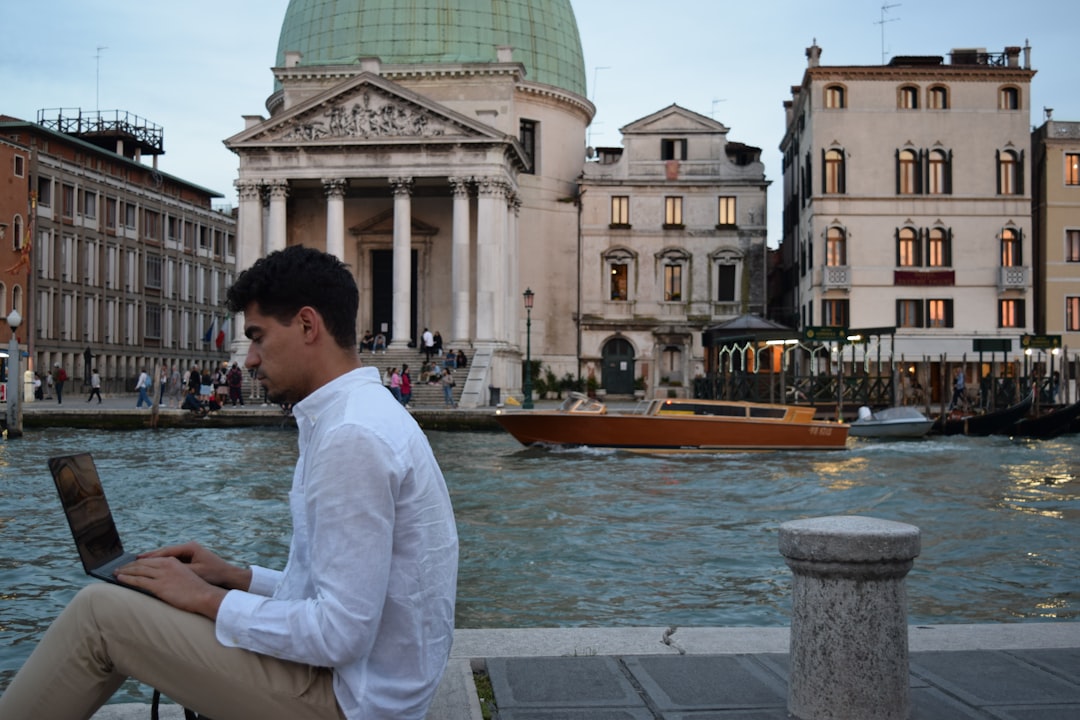
Quick Answer: The South Korea Digital Nomad Visa (F-1-D) is a visa that allows remote workers to live and work in South Korea, offering the chance to experience Korean culture while contributing to global businesses.
Launched as part of South Korea’s strategic plan to boost tourism and diversify its economy, the Digital Nomad Visa is designed for remote workers from around the world. According to the Korean Ministry of Justice, this visa aims to attract talented individuals who can contribute to the local economy while experiencing the unique Korean lifestyle. Applicants must demonstrate their ability to work remotely and show proof of stable income from overseas sources.
For instance, a tech entrepreneur from Silicon Valley might apply for the F-1-D visa to explore business opportunities in Seoul’s thriving tech scene, known as the Pangyo Techno Valley. This area is often compared to Silicon Valley for its concentration of startups and tech companies.
Key Takeaway: The F-1-D visa is a gateway for global talent to explore South Korea’s dynamic culture and business opportunities while working remotely.
Learn more about South Korea’s Digital Nomad Visa
Eligibility Requirements for the F-1-D Visa
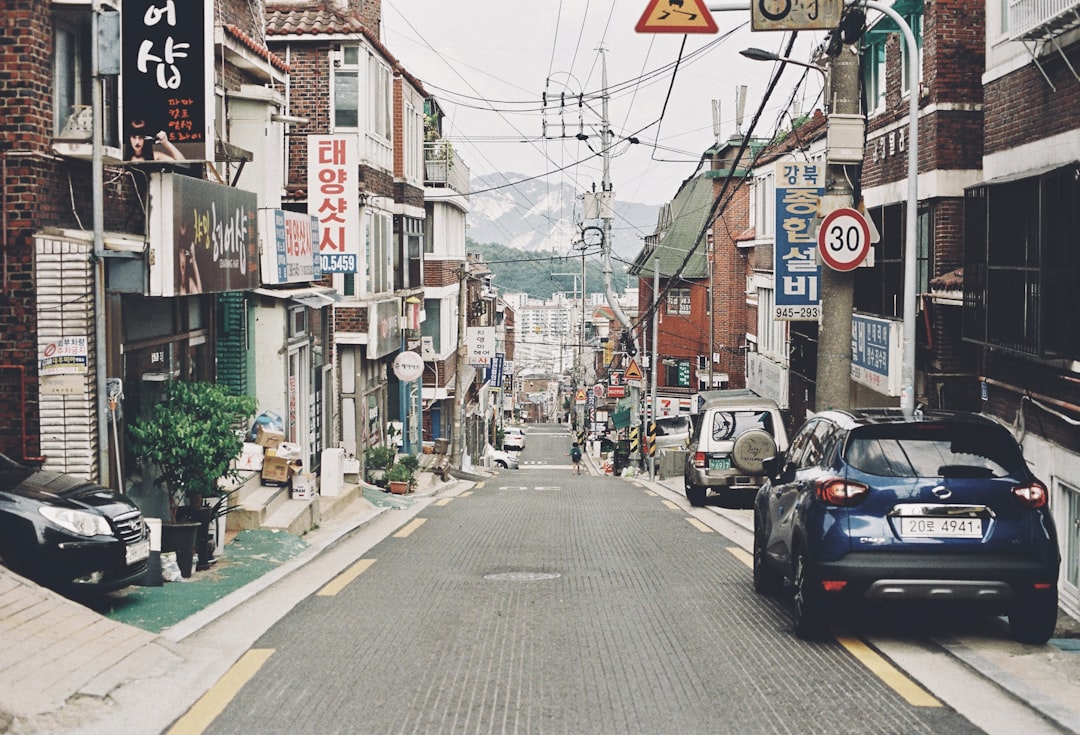
To qualify for the F-1-D visa, applicants must meet several criteria. First and foremost, they must be employed by a company outside of South Korea or operate their own business remotely. Additionally, proof of financial stability, such as bank statements or a letter from the employer confirming salary, is required.
The visa application process also requires a health insurance policy that covers South Korea. This ensures that applicants are prepared for any medical emergencies during their stay. The Korean Ministry of Health reports that having such coverage is crucial for foreigners residing in the country.
Applicants should also prepare documents that demonstrate their remote work capabilities. This could include a portfolio of work, client testimonials, or contracts with international companies. For example, a freelance graphic designer might include a portfolio showcasing projects for clients in various countries.
Key Takeaway: Meeting the eligibility requirements for the F-1-D visa involves proving remote work capability, financial stability, and health insurance coverage.
How to Apply for the Digital Nomad Visa
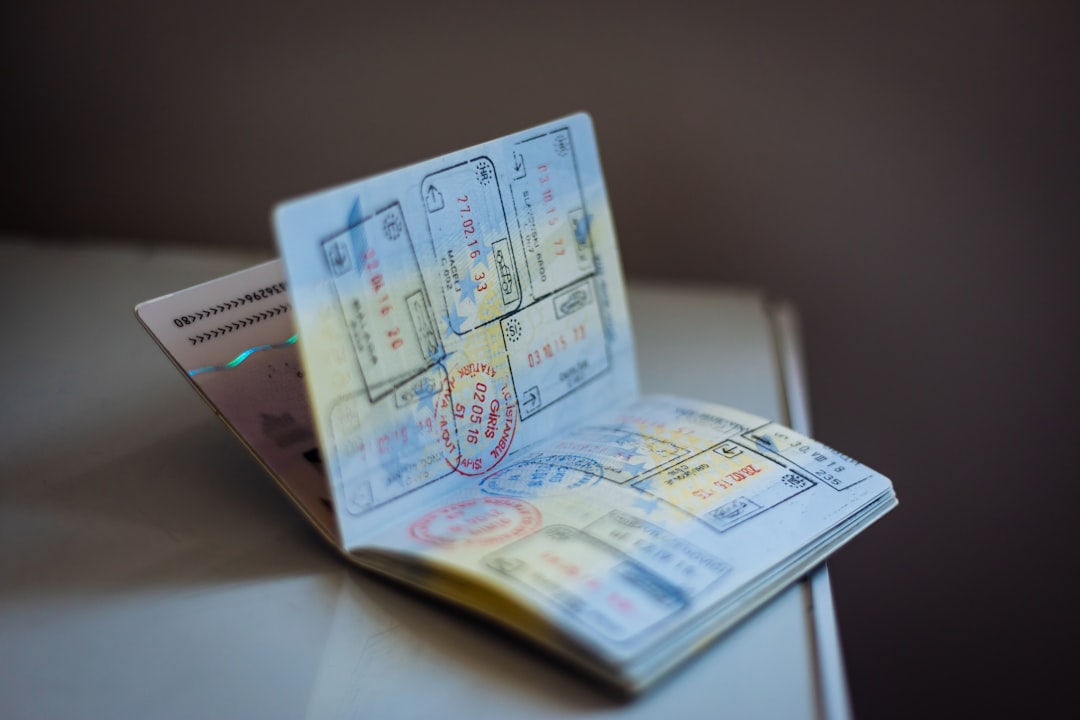
Applying for the South Korea Digital Nomad Visa involves several steps. Initially, applicants must gather the necessary documents, including a valid passport, proof of income, and health insurance. They then submit these documents online through the Korean visa portal.
Once the application is submitted, the processing time can take up to three months. During this period, applicants may be asked to provide additional documentation or attend an interview at a Korean consulate. According to the Korean Consulate, thorough preparation can expedite this process.
For a smooth application process, it is recommended to apply well in advance of your planned arrival in Korea. This allows ample time to address any potential issues that may arise.
Key Takeaway: Start your visa application early, ensuring all documents are complete and accurate to avoid delays.
Living in South Korea as a Digital Nomad
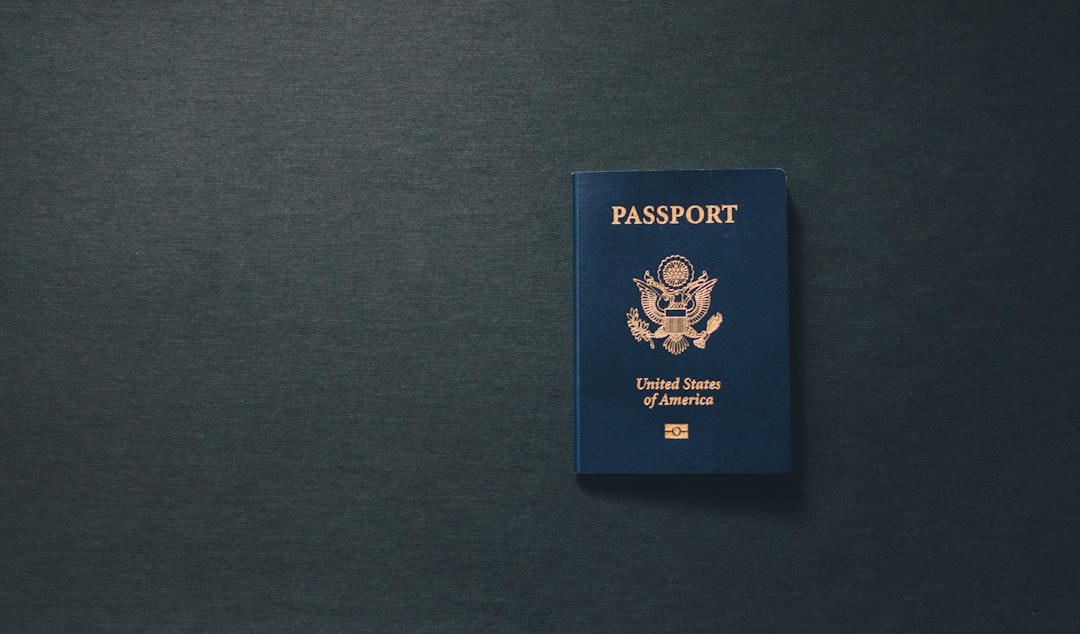
Once you’re in South Korea, the adventure truly begins. The country offers a rich tapestry of experiences, from the vibrant nightlife of Seoul to the serene beauty of its countryside. Digital nomads often find Korea’s high-speed internet and tech-friendly environment ideal for remote work.
Housing options range from traditional Hanok homes to modern apartments. Websites like Airbnb and local real estate agencies can help find accommodation suited to your needs. According to a survey by the Korean National Tourism Organization, many digital nomads prefer living in areas with easy access to public transportation and coworking spaces.
For a truly immersive experience, consider learning basic Korean. This not only helps in daily interactions but also enriches your understanding of the culture. Numerous language schools and online platforms offer courses specifically for foreigners.
Key Takeaway: Embrace the Korean lifestyle by exploring diverse living options and learning the language for a fulfilling experience.
Cost of Living in South Korea
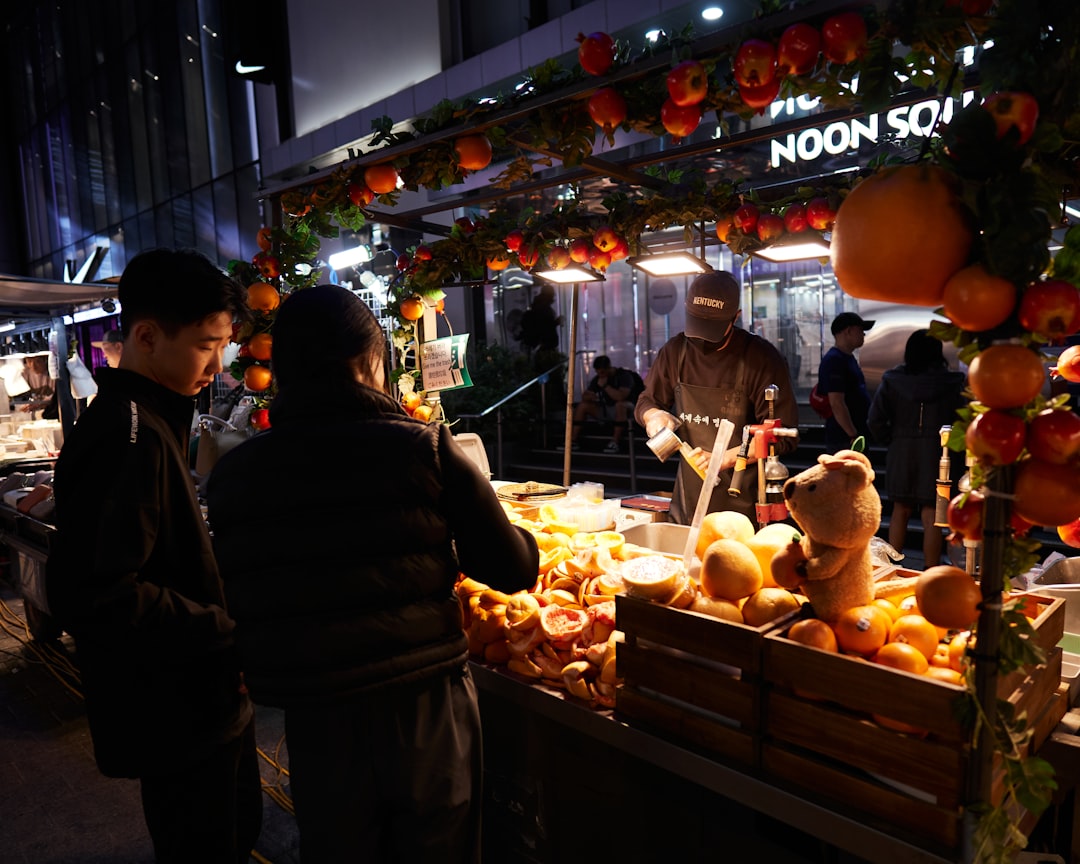
Living expenses in South Korea can vary greatly depending on your lifestyle and location. Seoul, being the capital, is generally more expensive than other cities. A typical monthly budget might include rent, groceries, transportation, and entertainment.
| Expense | Average Cost (USD) |
|---|---|
| Rent (1-bedroom apartment in Seoul) | $800 – $1,200 |
| Groceries | $300 – $500 |
| Public Transportation | $50 – $70 |
| Entertainment | $100 – $200 |
It’s worth noting that many digital nomads find Korea’s public transportation efficient and affordable. The Korean Tourism Organization highlights the convenience of using T-money cards for seamless travel across buses and subways.
Key Takeaway: Plan your budget based on your lifestyle and location preferences to ensure a comfortable stay in South Korea.
Networking and Community for Digital Nomads
Building a network is crucial for digital nomads, and South Korea offers a thriving community for remote workers. Numerous coworking spaces, such as WeWork and FastFive, provide environments conducive to productivity and networking.
Joining online forums and attending meetups can also help you connect with other digital nomads. Websites like Meetup.com and Facebook groups are great platforms to find events and like-minded individuals. According to a report by the Korea Economic Institute, these networks are vital for sharing resources and experiences.
Don’t miss out on industry-specific events and conferences, which are plentiful in tech hubs like Seoul. These gatherings are excellent opportunities to learn from experts and expand your professional circle.
Key Takeaway: Engage with the digital nomad community in South Korea through coworking spaces and online networks to enhance your experience.
Exploring Korean Culture and Cuisine
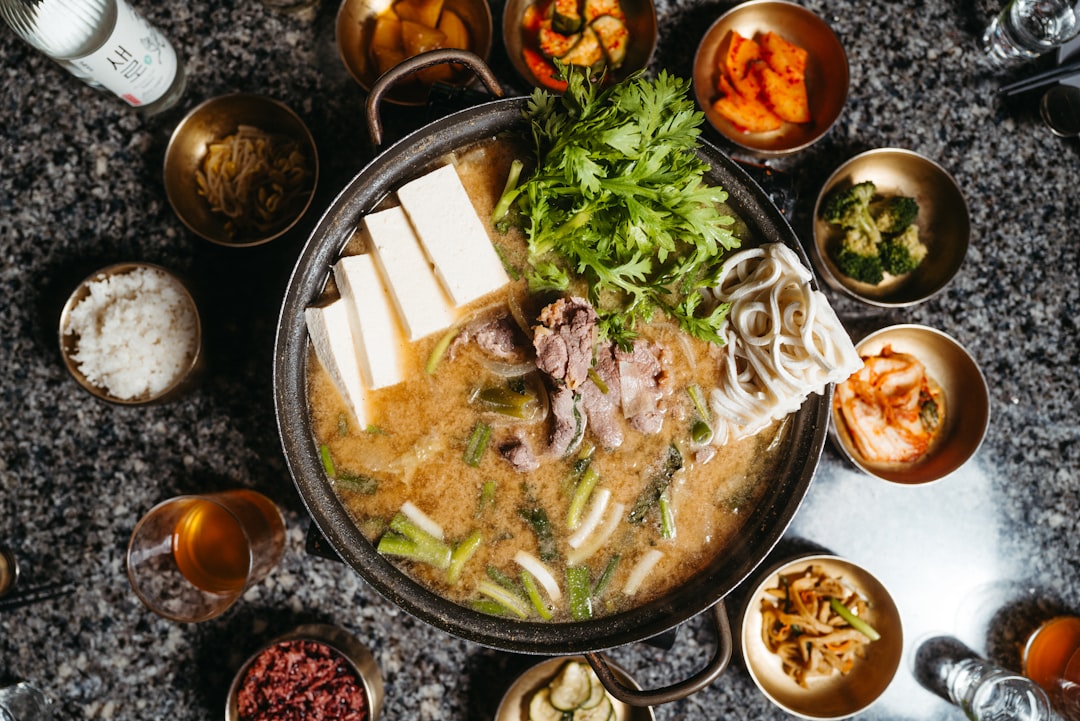
One of the most rewarding aspects of living in South Korea is the opportunity to immerse yourself in its vibrant culture and cuisine. From traditional Korean BBQ to the modern street food scene, the culinary landscape is diverse and exciting.
Popular dishes include Kimchi, Bibimbap, and Tteokbokki. Exploring local markets like Gwangjang Market in Seoul offers a taste of authentic Korean flavors. According to the Korean Food Promotion Institute, food is an integral part of Korean culture, and trying regional specialties is a must.
In addition to food, Korea’s cultural festivals and historical sites provide a deeper understanding of the country’s rich heritage. The annual Seoul Lantern Festival and the ancient palaces of Gyeongbokgung and Changdeokgung are just a few cultural highlights.
Key Takeaway: Dive into Korea’s culinary and cultural offerings to enrich your experience as a digital nomad.
FAQs
What is the duration of the F-1-D visa?
The F-1-D visa is typically issued for one year, with the possibility of renewal based on continued eligibility.
Do I need to know Korean to live in South Korea?
While knowing Korean can enhance your experience, it’s not mandatory. Many Koreans speak English, especially in urban areas.
Can I work for a South Korean company on the F-1-D visa?
No, the F-1-D visa is specifically for remote work for companies outside South Korea.
How can I find accommodation in South Korea?
Accommodation can be found through platforms like Airbnb, local real estate agencies, and expat forums.
Is health insurance mandatory for the F-1-D visa?
Yes, having health insurance that covers South Korea is a requirement for the visa application.
What are the benefits of living in South Korea as a digital nomad?
Benefits include high-speed internet, a rich cultural experience, and access to a dynamic business environment.
Conclusion
South Korea’s Digital Nomad Visa offers a unique opportunity to blend work with the cultural richness of Korea. With proper planning and preparation, you can enjoy a fulfilling experience in this vibrant country. Whether you’re drawn by the bustling tech scene or the tranquil beauty of its landscapes, South Korea promises an enriching journey for digital nomads.
Ready to take the leap? Begin your application process and embark on an unforgettable adventure in South Korea.