Why Korean Dog Breeds Are Taking Over Social Media in 2026
If you’ve spent any time scrolling through Instagram or TikTok lately, you’ve probably noticed something: adorable small dogs dressed in matching outfits with their Korean owners, strutting through the streets of Seoul like tiny fashion models. It’s not just a trend — it’s a cultural phenomenon that’s reshaping how the world thinks about pet ownership.
South Korea’s pet industry has exploded to over $3.4 billion USD in 2026, and the country now has more registered pets than children under the age of 10. The “pet humanization” movement — where dogs are treated as full family members — originated in Korea and Japan before spreading worldwide.
So what are the most popular dog breeds in Korea 2026? The answer might surprise you. While Americans tend to favor Labrador Retrievers and Golden Retrievers, Korean pet parents gravitate toward smaller, apartment-friendly breeds that thrive in urban environments. In this comprehensive guide, we’ll explore the top breeds dominating Korean households, why they’re gaining popularity in the US, and how to care for each one like a true Korean pet parent.
The Top 10 Most Popular Dog Breeds in Korea 2026

The Korean Kennel Club (KKC) and the Korean Animal Hospital Association release annual breed registration data. Combined with social media analytics and pet insurance enrollment numbers, here’s the definitive ranking of the most popular dog breeds in Korea 2026.
1. Maltese — Korea’s Undisputed #1
The Maltese has held the top spot in Korea for over a decade, and 2026 is no exception. An estimated 22% of all registered dogs in South Korea are Maltese or Maltese mixes. Walk through any neighborhood in Seoul, Busan, or Daegu and you’ll spot these fluffy white companions everywhere.
Why are Koreans so obsessed with Maltese dogs? Several factors align perfectly:
- Size: At 4–7 lbs, they’re ideal for Korea’s compact apartments (average size: 840 sq ft)
- Hypoallergenic coat: Less shedding means cleaner living spaces
- Temperament: Affectionate, playful, and adaptable to indoor lifestyles
- Grooming culture: Koreans love elaborate grooming — Maltese coats are the perfect canvas
Care tip: Maltese are prone to tear staining. Korean pet parents swear by daily eye cleaning with a gentle saline solution. You can find tear stain removers on Chewy for under $15, like the popular Burt’s Bees Tear Stain Remover.
2. Poodle (Toy & Miniature)
The Toy Poodle has surged in popularity in Korea, climbing from fourth place in 2020 to a solid second in 2026. Registration numbers jumped 34% year-over-year, driven largely by the “teddy bear cut” trend that makes Poodles look like living stuffed animals.
Korean groomers are world-famous for their creative Poodle styling — from perfectly round “mushroom heads” to elaborate character designs that go viral on social media. This grooming culture has directly fueled the breed’s popularity.
Poodles also appeal to Korean pet parents because:
- They’re the most intelligent small breed, making them easy to train
- Minimal shedding — a must for apartment living
- They come in a wide range of colors (apricot and red are trending in Korea)
- They’re long-lived, averaging 14–17 years
Product recommendation: If you’re considering a Poodle, invest in a high-quality slicker brush. The Chris Christensen Big G Slicker Brush (available on Amazon, around $50) is a favorite among Korean groomers for maintaining that fluffy teddy bear look between salon visits.
3. Pomeranian
Thanks to K-Pop culture, the Pomeranian enjoys massive popularity in Korea. Multiple K-Pop idols own Pomeranians — most famously, BTS’s V (Kim Taehyung) had his beloved Pomeranian Yeontan, who became an internet celebrity with his own fan accounts.
The “idol effect” is real in Korea’s pet market. When a celebrity is seen with a specific breed, adoption inquiries for that breed spike within days. Pomeranians have benefited enormously from this phenomenon.
At 3–7 lbs, Pomeranians are pocket-sized bundles of energy with fox-like faces and luxurious double coats. They’re bold, curious, and surprisingly vocal — which can be a consideration in apartment buildings with thin walls.
Care tip: Pomeranians shed heavily twice a year (“blowing coat”). Korean pet shops recommend deshedding tools like the FURminator (available at PetSmart for about $30) and regular professional grooming every 6–8 weeks.
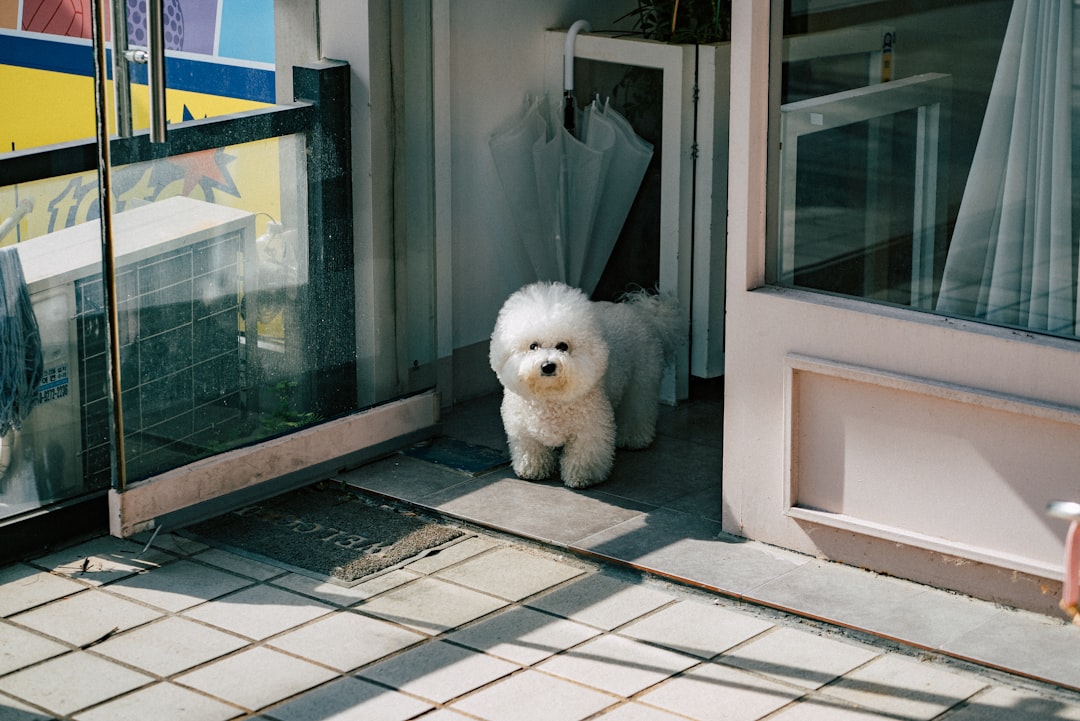
4. Bichon Frise
The Bichon Frise has been steadily climbing Korea’s popularity charts. Their cheerful disposition and cotton-ball appearance make them irresistible to Korean families. In 2026, Bichon Frise registrations are up 28% compared to 2023.
One major reason for the Bichon’s rise: they’re considered one of the best breeds for first-time dog owners, and Korea’s pet-owning demographic is getting younger. Millennials and Gen Z adults entering pet parenthood for the first time often choose Bichons for their easygoing nature and manageable size (12–18 lbs).
5. Shih Tzu
A perennial favorite, the Shih Tzu remains one of the most popular dog breeds in Korea 2026. Originally bred for Chinese royalty, these gentle lap dogs are perfectly suited for the Korean lifestyle — calm indoors, affectionate with family, and content with shorter walks.
Korean Shih Tzu owners have popularized the “puppy cut” — a short, even trim that’s easier to maintain than the breed’s traditional long, flowing coat. This low-maintenance styling option has helped the breed maintain its ranking despite competition from trendier breeds.
6–10: The Rising Stars
| Rank | Breed | Weight | Why Popular in Korea |
|---|---|---|---|
| 6 | Yorkshire Terrier | 4–7 lbs | Tiny size, bold personality, silky coat for styling |
| 7 | Welsh Corgi | 25–30 lbs | Social media fame, playful personality, “corgi butts” |
| 8 | Cocker Spaniel | 20–30 lbs | Gentle with children, growing family-dog trend |
| 9 | French Bulldog | 16–28 lbs | Quiet, low exercise needs, celebrity favorite |
| 10 | Jindo (진도견) | 35–50 lbs | National treasure breed, loyalty, cultural pride |
The Welsh Corgi deserves special mention. Its meteoric rise in Korea is almost entirely driven by social media. Corgi cafés have popped up across Seoul’s Hongdae and Gangnam districts, and the hashtag #코기 (Corgi) has over 4.2 million posts on Korean Instagram alone.
The Jindo is uniquely Korean — designated as National Treasure No. 53 by the South Korean government. While not as common in urban Seoul, the Jindo remains beloved in rural areas and among Koreans who appreciate traditional breeds. They’re known for extraordinary loyalty — the famous story of Baekgu, a Jindo who traveled 300 km to return to her original owner, is taught in Korean schools.
Korean Dog Breeds vs. American Favorites: A Cultural Comparison
Understanding why the most popular dog breeds in Korea 2026 differ so dramatically from American favorites reveals fascinating cultural differences in pet ownership.
Size Matters: The Apartment Factor
In the United States, the top three breeds (Labrador Retriever, French Bulldog, Golden Retriever) average 40–75 lbs. In Korea, the top three (Maltese, Toy Poodle, Pomeranian) average just 4–8 lbs. This isn’t coincidence — it’s architecture.
Over 60% of South Koreans live in apartments (아파트, “apateu”), many in high-rise complexes with strict pet policies. Some buildings limit pets to under 10 kg (22 lbs). Large breed owners in Korea often face challenges finding housing, and many apartment complexes require dogs to be carried — not walked — through common areas.
For American readers living in apartments or condos in cities like New York, San Francisco, or Chicago, Korean-popular breeds are often the most practical choice. They require less space, less outdoor exercise, and are generally quieter than larger breeds.
The Grooming Culture Difference
Korea’s pet grooming industry is arguably the most advanced in the world. Korean dog groomers (called “미용사,” or “beauticians”) undergo 6–12 months of specialized training and can charge $80–$200 per grooming session for elaborate styling.
This grooming culture naturally favors breeds with longer, workable coats — Maltese, Poodles, Bichons, and Shih Tzus. The Korean “round face cut” and “teddy bear trim” have become global grooming trends, with American groomers now offering “Korean-style grooming” as a premium service.
If you want to try Korean-style grooming at home, start with a quality set of grooming shears. The Kenchii Scorpion set (around $120 on Amazon) is popular with professional groomers for achieving those clean, rounded lines.
The “Companion” vs. “Working Dog” Mindset
In America, many popular breeds have working origins — retrievers for hunting, shepherds for herding, huskies for sledding. In Korea, dogs are overwhelmingly viewed as companions first. The concept of “반려견” (ban-ryeo-gyeon), meaning “companion dog,” replaced the older term “애완견” (ae-wan-gyeon), meaning “pet dog,” in official Korean language about a decade ago. This shift reflects a deeper cultural change: dogs aren’t possessions to be kept — they’re partners to share life with.
This companion-focused mindset explains why Korean-popular breeds tend to be affectionate, people-oriented, and happy to spend long hours indoors with their owners.
How Korean Pet Parents Care for Their Dogs: Tips You Can Steal

Korea’s pet care practices are often years ahead of Western trends. Here are practical tips from Korean pet culture that you can adopt right now.
1. The Korean Dog Diet Revolution
Korean pet parents are increasingly moving away from commercial kibble toward fresh, human-grade dog food. Subscription services like “펫프렌즈” (Pet Friends) deliver freshly cooked meals customized to each dog’s breed, age, and health conditions.
In the US, you can achieve a similar approach with services like The Farmer’s Dog or Ollie (both available for subscription delivery). For a more budget-friendly option, many Korean dog owners prepare homemade meals using:
- Boiled chicken breast (unseasoned) as the protein base
- Sweet potato or pumpkin for fiber and vitamins
- Broccoli and carrots lightly steamed for nutrients
- A splash of salmon oil for omega-3 fatty acids and coat health
- Cooked white rice in small portions for energy
Important: Always consult your veterinarian before switching to homemade diets. Korean vet clinics typically offer nutritional counseling as a standard service — ask your American vet if they provide the same.
Speaking of healthy eating habits, just as Korean cuisine emphasizes balanced, nutritious meals for humans (check out our guide to 7 Low Calorie Korean Meals for Diet Success in 2026 for inspiration), Korean pet parents apply the same philosophy to their dogs’ diets.
2. Daily Dental Care Is Non-Negotiable
Korean veterinarians emphasize daily dental care far more aggressively than their American counterparts. Small breeds like Maltese and Poodles are especially prone to dental disease — studies show that 80% of small breed dogs show signs of dental disease by age three.
Korean pet parents typically:
- Brush their dog’s teeth daily with enzymatic toothpaste
- Use dental chews as supplements, not replacements for brushing
- Schedule professional dental cleanings annually
- Add dental water additives to their dog’s water bowl
The Virbac C.E.T. Enzymatic Toothpaste (available at Chewy for about $12) is one of the most recommended products by Korean veterinarians. Pair it with a finger brush for small breeds — it’s much easier to maneuver in tiny mouths than a standard toothbrush.
3. Fashion Is Function (and Fun)
Korea’s dog fashion industry isn’t just about Instagram photos — many items serve practical purposes. In Korea’s hot, humid summers (similar to the American Southeast), cooling vests and UV-protective clothing are considered essential for small breeds with sensitive skin.
In winter, small breeds genuinely need insulation. Korean pet clothing brands like Puppia (widely available on Amazon and Chewy) design functional yet stylish harnesses, raincoats, and winter jackets sized specifically for toy and small breeds.
Recommended starter items:
- Puppia Soft Vest Harness (~$20, Amazon) — the most popular dog harness in Korea
- Ruffwear Swamp Cooler Vest (~$40, PetSmart) — essential for summer walks
- Canada Pooch Rain Jacket (~$35, Chewy) — Korean pet parents never skip rainy-day walks
The K-Pop Connection: How Idols Influence Korea’s Dog Breed Trends
You can’t discuss the most popular dog breeds in Korea 2026 without acknowledging the massive influence of K-Pop on pet culture. South Korea’s entertainment industry doesn’t just drive music and fashion trends — it directly shapes which dog breeds become popular.
Celebrity Dogs That Became Stars
Several K-Pop idol pets have achieved genuine celebrity status:
- Yeontan (BTS V’s Pomeranian) — over 2 million fan accounts across platforms
- Bbal-gang and Ssaem (Jennie of BLACKPINK’s cats and dogs) — featured in brand collaborations
- Gureum (RM of BTS’s dog) — inspired a wave of adoption interest
- Kong (IU’s dog) — frequently appears in IU’s social media content
The “idol pet effect” is so powerful that Korean animal welfare organizations have issued public warnings about impulse purchases driven by celebrity influence. Responsible organizations like the Korea Animal Rights Advocates (KARA) campaign for “adopt, don’t shop” messaging specifically targeting K-Pop fan communities.
If you’re exploring the world of K-Pop fandom while discovering Korean pet culture, our guide on How to Join a K-Pop Fandom Online: Complete Guide 2026 is a great starting point. And if you’re completely new to K-Pop, check out How to Start Being a K-Pop Fan: Ultimate Guide 2026 — you’ll quickly see why Korean culture, including its pet trends, has captivated millions worldwide.
Social Media Trends Driving Breed Popularity
Korean platforms like Naver Blog and KakaoTalk (Korea’s dominant messaging app) have pet-focused communities with millions of active users. The top Korean pet influencers on Instagram command 500K–2M followers and can visibly shift breed popularity through their content.
In 2025–2026, the biggest social media trends affecting breed popularity include:
- “Matching outfits” content — small breeds that can wear human-style clothing dominate
- “Before and after grooming” videos — Poodles and Bichons go viral most often
- “Dog café” reviews — Corgis and Shiba Inus get the most engagement at café settings
- “Agility and tricks” content — Poodles and Shelties are trending for their intelligence
Adopting a Korean-Popular Breed in the US: What to Know

Interested in bringing one of these Korean-favorite breeds into your American home? Here’s what you need to consider before making that commitment.
Finding a Reputable Breeder or Rescue
The popularity of these breeds unfortunately means they’re often found in puppy mills — both in Korea and the US. Always:
- Visit the breeder in person before committing
- Ask for health clearances (OFA certifications for hip, knee, and eye testing)
- Check AKC Marketplace for registered breeders
- Consider breed-specific rescues — organizations like American Maltese Association Rescue, Poodle Rescue of New England, and local Pomeranian rescues often have dogs available
Adoption is always the best first option. Check Petfinder.com and your local shelter. Many of these breeds end up in shelters when owners underestimate the grooming and health care commitments.
Budget Expectations for Korean-Popular Breeds
| Expense | Monthly Cost (USD) | Notes |
|---|---|---|
| Premium food | $40–$80 | Fresh food subscriptions for small breeds |
| Professional grooming | $60–$120 | Every 4–6 weeks for Maltese, Poodles, Bichons |
| Veterinary care | $50–$100 | Averaged including annual checkups and dental |
| Pet insurance | $30–$60 | Highly recommended for small breeds |
| Supplies & treats | $20–$40 | Toys, dental chews, grooming supplies |
| Total | $200–$400 | Per month for small breeds |
These costs are generally lower than large-breed ownership due to smaller food portions and lower medication dosages. However, grooming costs are notably higher for these coat-intensive breeds.
Health Considerations for Korea’s Most Popular Breeds
Every breed comes with genetic predispositions. Being aware of these health issues before you adopt means you can plan preventive care and budget for potential veterinary needs.
Common Health Issues by Breed
Maltese: Luxating patella (kneecap dislocation) affects up to 30% of Maltese dogs. Dental disease is also extremely common. Korean vets recommend annual knee evaluations starting at age two and daily tooth brushing from puppyhood.
Toy Poodle: Progressive retinal atrophy (PRA) and Legg-Calvé-Perthes disease are the primary concerns. Always confirm that breeders test for PRA before purchasing a Poodle puppy. Poodles are also prone to ear infections due to hair growth in the ear canal — Korean groomers routinely pluck ear hair during grooming sessions.
Pomeranian: Tracheal collapse is a significant concern, which is why Korean pet parents almost exclusively use harnesses instead of collars for Pomeranians. Alopecia X (“black skin disease”) is another breed-specific condition that causes hair loss.
Bichon Frise: Allergies and bladder stones are the most common health issues. Korean Bichon owners often feed specialized urinary health diets. Royal Canin Urinary SO (available at PetSmart) is a frequently recommended option.
French Bulldog: Brachycephalic airway syndrome means breathing difficulties, especially in heat. Korean Frenchie owners avoid outdoor walks when temperatures exceed 77°F (25°C) and invest in indoor cooling solutions.
Pet Insurance: A Korean Standard Worth Adopting
In Korea, pet insurance enrollment has reached 15% of dog owners — still growing, but far ahead of where the US market was five years ago. Korean plans typically cover 70–80% of veterinary costs after a modest deductible.
In the US, top-rated pet insurance providers for small breeds include:
- Healthy Paws — no annual limits, fast claim processing
- Embrace — includes wellness coverage options
- Trupanion — direct vet payment (no upfront out-of-pocket)
Given the health predispositions of small breeds, pet insurance often pays for itself within the first few years. A single knee surgery for luxating patella can cost $1,500–$3,000 per knee.
Korean Dog Cafés and the Experience Economy: A Trend Coming to America

One of the most delightful aspects of Korean pet culture is the dog café (강아지 카페). These are coffee shops where you can sip a latte while playing with resident dogs — usually specific breeds. There are Corgi cafés, Pomeranian cafés, and even Shiba Inu cafés spread throughout Seoul’s trendiest neighborhoods.
How Dog Cafés Work in Korea
You pay an entry fee (typically $8–$15 USD equivalent) that includes a drink. The dogs are professionally cared for, regularly rotated for rest, and visitors follow strict rules: sanitize hands before and after play, don’t pick up dogs without staff permission, and never feed them human food.
These cafés serve a social function beyond entertainment. Many Koreans who can’t have pets due to housing restrictions visit dog cafés weekly for their “puppy therapy” fix. It’s also become a popular date activity — Korean dating culture features dog café dates as a way to assess a potential partner’s character based on how they treat animals.
If you’re planning a trip to Korea and want to experience this firsthand, consider combining a dog café visit with other Korean adventures. Our guide to Nami Island & Gangchon Rail Bike Day Trip 2026 covers a perfect day trip that you could pair with a Seoul dog café visit.
Dog Cafés in the US
The trend is slowly crossing the Pacific. Cities like Los Angeles, New York, and San Francisco now have Korean-inspired dog cafés. Boris & Horton in NYC and The Dog Café in LA were among the first, and more are opening every year. Many American dog cafés partner with local rescues, so the dogs you’re playing with are actually available for adoption.
Frequently Asked Questions About Popular Dog Breeds in Korea
What is the most popular dog breed in Korea in 2026?
The Maltese remains the most popular dog breed in Korea in 2026, representing approximately 22% of all registered dogs. The breed has held the top position for over a decade due to its small size (ideal for apartments), hypoallergenic coat, affectionate temperament, and suitability for Korea’s elaborate grooming culture. The Toy Poodle is a close second, with registrations growing 34% year-over-year.
Why are Korean dog breeds so small compared to American favorites?
The preference for small breeds in Korea is primarily driven by housing culture. Over 60% of South Koreans live in apartments, many with pet size restrictions (under 10 kg / 22 lbs). Small breeds also require less outdoor exercise space, produce less waste, and are easier to transport on Korea’s extensive public transit system, where dogs must be in carriers. This practical reality naturally favors breeds like Maltese, Toy Poodles, and Pomeranians over larger breeds popular in the US.
Are there any dog breeds native to Korea?
Yes, Korea has several native breeds, the most famous being the Korean Jindo (진도견), designated as National Treasure No. 53. The Jindo originates from Jindo Island in South Jeolla Province and is renowned for its fierce loyalty and intelligence. Other Korean native breeds include the Sapsali (삽살개, a shaggy lion-like breed), the Pungsan (풍산개, from North Korea), and the Donggyeongi (동경이, a naturally bob-tailed breed). While these breeds are culturally significant, they’re less common as urban pets compared to the smaller companion breeds.
How much does it cost to own a dog in Korea compared to the US?
Monthly dog ownership costs in Korea range from $150–$350 USD equivalent for small breeds, which is comparable to the $200–$400 range in the US. However, there are notable differences: Korean grooming services tend to be more expensive (due to elaborate styling expectations), while veterinary care is generally 30–40% cheaper than in the US. Korea also has lower pet food costs thanks to competitive domestic brands. Pet insurance in Korea is growing but is still less comprehensive than US options.
Can I adopt a Korean Jindo in the United States?
Yes, several rescue organizations specialize in importing and rehoming Jindo dogs in the US. Organizations like Jindo Love and Korean K9 Rescue work to rescue Jindos from Korean shelters and match them with American families. Jindos are recognized by the AKC’s Foundation Stock Service. However, Jindos are not beginner-friendly dogs — they’re independent, strong-willed, and have high prey drives. They need experienced owners who understand the breed’s unique temperament and exercise needs.
What Korean pet products are available in the US?
Several Korean pet brands have expanded to the US market. Puppia (harnesses and clothing) is widely available on Amazon and Chewy. Arrr (premium pet accessories) and Molly’s Choice (natural treats) can be found on specialty pet retailers. Korean-style grooming tools and products are increasingly stocked at PetSmart and independent grooming supply stores. The Korean “teddy bear cut” style has become so popular that many US grooming schools now include it in their curricula.
Related Posts You’ll Love
If you enjoyed learning about the most popular dog breeds in Korea 2026, explore more Korean culture and lifestyle content on our blog:
- Best Korean Sheet Masks for Dry Skin 2026: Top 12 Picks — Korean beauty secrets for pet parents who want to pamper themselves too
- Korean Fried Chicken Recipe: Crispy Double Fry Method 2026 — Cook like a Korean while your pup watches from a cozy bed
- 7 Easy Banchan Recipes for Beginners (2026 Guide) — Master Korean side dishes for your next dog-friendly dinner party
Suggested future articles:
- Best Dog-Friendly Cafés and Restaurants in Seoul 2026
- Korean Pet Grooming Styles: Complete Guide to the Teddy Bear Cut
- How to Travel to Korea With Your Dog: Requirements and Tips 2026
Join the Conversation: What’s Your Favorite Korean Dog Breed?
Whether you already own one of these adorable Korean-popular breeds or you’re dreaming about your future fur baby, we want to hear from you!
Drop a comment below and tell us:
- Which breed from this list is your favorite and why?
- Have you ever visited a dog café in Korea or the US?
- Do you have any Korean pet care tips to share with our community?
Found this guide helpful? Share it with a fellow dog lover who’s curious about Korean pet culture. Hit that share button on Facebook, Pinterest, or X — you might help someone find their perfect breed match!
And if you want more content about Korean culture, K-Pop, K-Beauty, travel, and lifestyle, make sure to bookmark our blog and check back weekly. We publish fresh, in-depth guides every week to help you explore the best of Korean culture — including the cutest four-legged parts of it. 🐾
Stay pawsome, and we’ll see you in the next post!