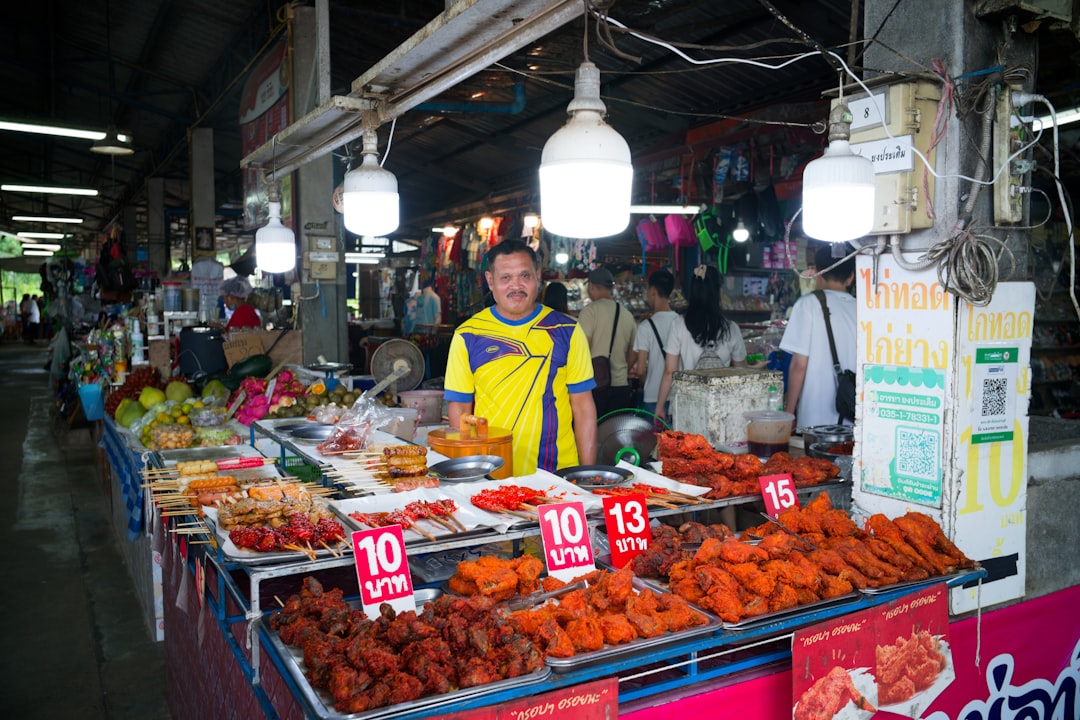
Why Korean Street Food Markets Are the Ultimate City-by-City Adventure
I still remember the exact moment I fell in love with Korean street food. It was a freezing January night in Seoul’s Gwangjang Market, steam rising from a tteokbokki cart while a grandmother — everyone calls them “imo” (auntie) — waved me over with a toothpick loaded with bindaetteok, a crispy mung bean pancake she’d just pulled from a sizzling pan of oil. That single bite, crunchy on the outside and pillowy inside, dipped in soy-vinegar sauce, fundamentally changed how I thought about street food. This wasn’t a grab-and-go snack. It was a masterclass in technique, tradition, and flavor — served for about $3.
Here’s what most travel guides won’t tell you: Korean street food markets by city are wildly different from each other. Seoul’s markets lean trendy and tourist-friendly. Busan’s are seafood-obsessed and unapologetically loud. Daegu’s are spicy enough to make you sweat through your shirt. Jeonju’s are refined and ingredient-driven. Each city has its own street food personality, and if you only visit one market in Seoul and call it a day, you’re missing about 90% of the picture.
This guide covers the best Korean street food markets by city — complete with what to eat, how to get there, what it costs, and the cultural etiquette that keeps you from accidentally offending the vendor who’s about to become your favorite person in Korea. Let’s eat.
Seoul: The Street Food Capital of South Korea

Seoul is where most travelers land first, and the city delivers an overwhelming number of street food markets. The key is knowing which markets serve which purpose — some are for Instagram, some are for your stomach, and the best ones are for both.
Gwangjang Market (광장시장) — The Undisputed King
Gwangjang Market is Korea’s oldest permanent market, established in 1905, and it remains the single best street food destination in the country. The food alley — called Meokja Golmok (먹자골목) — runs through the center of the market and seats roughly 200 vendors. This is where Netflix’s Street Food: Asia was filmed, and it earned every frame.
Must-eat items:
- Bindaetteok (mung bean pancake) — $3–4 each, crispy and savory
- Mayak gimbap (addictive mini rice rolls) — $3 for a plate of 10
- Yukhoe (Korean beef tartare with egg yolk) — $12–15 per plate
- Tteokbokki (spicy rice cakes) — $3–4
- Jeon (savory pancakes, including kimchi and seafood varieties) — $4–6
Getting there: Take Seoul Metro Line 1 to Jongno 5-ga Station, Exit 7. The market entrance is a 2-minute walk. Alternatively, Line 2 or 5 to Dongdaemun History & Culture Park Station, Exit 10.
Hours: 9:00 AM – 11:00 PM daily. Food stalls generally open by 10:00 AM. Some stalls close on Sundays — go on a weekday for the widest selection.
Pro tip: The vendors near the entrance cater heavily to tourists and charge slightly more. Walk deeper into the market — past the fabric vendors — to find the locals’ favorite stalls where prices drop and portion sizes grow. Sit at the counter (not standing) and you’ll get better service. Most vendors accept T-money cards and credit cards now, but bringing cash in ₩1,000 and ₩5,000 notes makes transactions smoother.
7 Traditional Korean Desserts to Try in 2026Myeongdong Street Food Alley — The Tourist Magnet
Myeongdong is Seoul’s most famous shopping district, and the side streets fill with food carts every afternoon. The vibe here is more carnival than traditional market — vendors compete with flashy signs in English, Japanese, and Chinese, and the snacks lean heavily toward the photogenic.
What to try:
- Tornado potato (spiral-cut deep-fried potato on a stick) — $3–4
- Egg bread (gyeran-ppang, sweet bread with a whole egg baked inside) — $2
- Giant strawberry mochi — $4–5
- 10cm ice cream cones — $4
- Korean corn dogs (hot dogs coated in various batters including ramen noodles or french fries) — $3–4
Getting there: Metro Line 4 to Myeongdong Station, Exit 6 or 7. Walk straight into the shopping district and you’ll see the carts within 100 meters.
Hours: Most carts set up around 11:00 AM and stay until 10:00 PM. Peak time is 5:00–8:00 PM when the after-work crowds arrive.
Honest take: Myeongdong street food is fun but not where locals eat. The prices are 20–30% higher than other markets, and the food prioritizes novelty over depth. That said, the egg bread vendors near Exit 6 are legitimately excellent, and a Korean corn dog here is a must-try if you’ve never had one.
Mangwon Market (망원시장) — The Local Favorite
If Gwangjang is the king, Mangwon Market is the cool neighborhood joint that locals don’t want tourists to discover. Located in the Mangwon-dong area near Hongdae, this covered market is compact, affordable, and packed with some of the best casual eats in the city.
Must-eat items:
- Oil tteokbokki (non-spicy, pan-fried rice cakes in soy-garlic sauce) — $2–3
- Dakgangjeong (sweet-and-spicy fried chicken bites) — $5–6 for a cup
- Fresh fruit cups — $3–4
- Soboro bread (crumbly topped sweet rolls) — $1.50
Getting there: Metro Line 6 to Mangwon Station, Exit 2. Walk straight for about 5 minutes.
Hours: 8:00 AM – 9:00 PM. Closed on select national holidays.
Explore more Seoul markets on VisitSeoulBusan: Where Seafood Rules the Streets
Busan is Korea’s second-largest city and its undisputed seafood capital. The street food here is louder, bolder, and more ocean-focused than anything you’ll find in Seoul. If Seoul’s markets are a curated gallery, Busan’s are a raucous fish auction with snacks.
Jagalchi Market (자갈치시장) — Asia’s Largest Seafood Market
Jagalchi Market stretches along Busan’s waterfront and is the largest seafood market in all of Asia. The ground floor is a wet market where vendors sell live octopus, crab, abalone, and sea urchin straight from tanks. The upper floors house sit-down restaurants, but the real action is on the outdoor streets surrounding the main building.
Must-eat items:
- Sannakji (live octopus, chopped and served still moving) — $10–15
- Grilled shellfish platters (clams, scallops, abalone) — $15–25 depending on selection
- Eomuk (fish cake skewers in warm broth) — $1 per skewer, honor system — you count your sticks at the end
- Hoe (Korean raw fish, similar to sashimi but served with perilla leaves and ssamjang) — $15–30 depending on fish type
- Ssiat hotteok (seed-filled sweet pancakes, a Busan specialty) — $1.50–2
Getting there: Busan Metro Line 1 to Jagalchi Station, Exit 10. The market is immediately visible. If arriving from Seoul, take the KTX high-speed train from Seoul Station to Busan Station (2 hours 30 minutes, approximately $45–55 one way). From Busan Station, transfer to Metro Line 1 southbound.
Hours: 5:00 AM – 10:00 PM. The outdoor vendors start earliest. Best visited in the morning (8:00–11:00 AM) when the seafood is freshest and the crowds are thinnest.
Cultural note: When buying seafood at Jagalchi, negotiation is expected for whole fish or platters — but not for small street snacks. The vendors will often offer you a free taste before you buy. Accept it with both hands or with your right hand supported by your left (a Korean sign of respect). If you try the sannakji, chew thoroughly — the suction cups can stick to your throat. This is not an urban legend; it’s a legitimate safety tip.
BIFF Square (국제시장 BIFF광장) — The Street Food Arena
Located in the heart of Busan’s Nampodong neighborhood, BIFF Square (named for the Busan International Film Festival) is a dedicated street food zone that runs hot year-round. This is where ssiat hotteok was arguably perfected — the version here is stuffed with a mix of sunflower seeds, pumpkin seeds, and brown sugar, pressed flat on a griddle until it shatters like a caramelized wafer.
Top picks:
- Ssiat hotteok — $1.50, flat and crispy (different from Seoul’s puffy version)
- Bibim dangmyeon (spicy glass noodles) — $3–4
- Fried shrimp and vegetable tempura (twigim) — $4–5 for a mixed plate
Getting there: Metro Line 1 to Jagalchi Station, Exit 7, walk 3 minutes toward BIFF Square. It’s adjacent to Gukje (International) Market.
Hours: 10:00 AM – 10:00 PM. The famous ssiat hotteok line can stretch 30+ people deep on weekends — go on a weekday morning to skip the wait.
Korea Autumn Foliage Best Time 2026: Top 7 SpotsDaegu: Korea’s Spiciest Street Food Scene

Daegu sits in a basin that traps heat in summer, and locals believe this geography is why their food evolved to be the spiciest in Korea. Whether or not the science checks out, the result is undeniable: Daegu’s Korean street food markets hit harder on the capsaicin scale than anywhere else in the country.
Seomun Market (서문시장) — The Spice Capital
Established during the Joseon Dynasty, Seomun Market is one of Korea’s three largest traditional markets and Daegu’s culinary soul. The night market (야시장), which opens every Friday and Saturday evening from April through November, is the main draw for street food lovers.
Must-eat items:
- 납작만두 (napjak mandu) — flat, pan-fried dumplings unique to Daegu, crispy as a cracker — $3–4
- Daegu-style spicy tteokbokki — noticeably hotter than the Seoul version, with a deeper, more complex gochugaru chili flavor — $3
- Makchang (grilled pork intestines) — $8–10 per serving. If you’ve ever enjoyed chitterlings in the American South, this is the Korean cousin, grilled over charcoal until impossibly crispy
- Chicken gizzard skewers — $2–3, a Daegu specialty you won’t find in most Seoul markets
Getting there: From Seoul, take the KTX to Dongdaegu Station (1 hour 40 minutes, approximately $35). Then Daegu Metro Line 3 to Seomun Market Station. From Busan, the KTX takes about 45 minutes.
Night market hours: Friday–Saturday, 7:00 PM – 11:30 PM (April–November). The daytime market operates 9:00 AM – 7:00 PM year-round.
Insider tip: Daegu locals drink cold water, not milk, when food gets too spicy. The stalls provide free water in metal cups — just grab one. If you truly can’t handle the heat, look for stalls selling 납작만두, which is pan-fried and mild. It’s the safe haven of Seomun Market.
Dongseongno Food Street (동성로 먹거리골목)
Dongseongno is Daegu’s main downtown shopping street, and the side alleys are packed with street food vendors, especially on weekend evenings. This area caters more to Daegu’s younger crowd — university students and couples — so the food trends here shift faster than at traditional markets.
What’s trending:
- UFO bulgogi (a dome-shaped griddle pan loaded with marinated beef, cheese, and corn) — $12–15, shareable
- Dalgona coffee carts — $4, the frothy whipped coffee that went viral during 2020
- Giant Korean corn dogs with mozzarella and hot dog combo fillings — $4
Jeonju: The Culinary Heritage City
If Seoul is the head of Korean food culture and Busan is the stomach, then Jeonju is the heart. Designated a UNESCO Creative City of Gastronomy in 2012, Jeonju treats food as a craft. The street food here is more refined, more ingredient-focused, and arguably more delicious per bite than any other city on this list.
Jeonju Hanok Village Food Streets (전주한옥마을)
The Hanok Village is a preserved neighborhood of over 800 traditional Korean houses, and its winding streets are lined with food vendors who take their recipes seriously. This isn’t a “market” in the traditional covered-stall sense — it’s an open-air food walk through one of Korea’s most beautiful neighborhoods.
Must-eat items:
- Jeonju bibimbap in a bread bowl — a fusion creation where traditional bibimbap is served inside a hollowed-out sourdough-style bread — $5–6
- Choco pie (Jeonju PNB Bakery) — the original Korean choco pie, handmade since 1951. Richer and less artificial than the mass-produced versions — $2 each
- Kongnamul gukbap (bean sprout rice soup, Jeonju’s signature) — $5–7 in sit-down shops
- Tteok galbi (minced rib meat formed into patties and grilled) — $4–5 per skewer
- Makgeolli ice cream — made with real rice wine, mildly boozy, utterly addictive — $3
Getting there: KTX from Seoul’s Yongsan Station to Jeonju Station (1 hour 40 minutes, approximately $30). From Jeonju Station, take local bus #12 or a taxi ($5) to the Hanok Village entrance. Alternatively, express buses run frequently from Seoul’s Central City Terminal (2 hours 40 minutes, approximately $15).
Hours: Most vendors operate 10:00 AM – 9:00 PM. Weekends are packed — arrive before noon to eat comfortably.
Cultural note: Jeonju locals take enormous pride in their food heritage. Complimenting the food to a vendor goes a long way. A simple “맛있어요!” (mashisseoyo!) — meaning “It’s delicious!” — will earn you extra helpings and genuine smiles.
Learn about Jeonju UNESCO Gastronomy CityJeju Island: Volcanic Flavors and Island Specialties

Jeju Island floats off Korea’s southern coast like a subtropical food laboratory. The volcanic soil, ocean winds, and unique livestock breeds (black pigs, Jeju horses) create ingredients you literally cannot find on the mainland. The street food reflects this island identity in every bite.
Dongmun Market (동문시장) — Jeju’s Central Food Hub
Dongmun Market is Jeju City’s largest traditional market and the best single stop for experiencing the island’s street food scene. The covered market has been operating since 1945, and the night market extension (open since 2017) has become a destination in its own right.
Must-eat items:
- Heuk dwaeji (black pig) skewers — Jeju’s famous black pigs are fattier and more flavorful than mainland pork. Grilled skewers run $4–5
- Hallabong (tangerine) juice and desserts — Jeju’s iconic citrus, sweeter than any mandarin you’ve had. Fresh juice $3, hallabong tarts $4
- Abalone rice porridge (전복죽) — creamy, oceanic, loaded with chunks of fresh abalone — $8–10
- Omegi-tteok — chewy rice cakes made with Jeju millet, coated in red bean — $2–3 for a bag
- Grilled whole squid — butterflied, seasoned with gochujang, charred on the grill — $5–6
Getting there: Fly into Jeju International Airport (CJU) — flights from Seoul’s Gimpo Airport take just 1 hour and cost $50–80 one way (book via KORAIL app or airline apps). From the airport, take bus #37 to Dongmun Market (20 minutes, $1).
Hours: Daytime market 8:00 AM – 9:00 PM. Night market 6:00 PM – midnight (Thursday–Sunday).
Jeju Olle Markets
Smaller seasonal markets pop up along the Jeju Olle Trail (the island’s famous walking path network). These are less organized than Dongmun but offer hyper-local specialties — freshly caught sea urchin, wild mushroom skewers, and homemade makgeolli (rice wine) sold by farming families. Ask at your guesthouse or check Naver Map for “올레장터” to find current locations.
7 Best Korean Pet Food Brands for Dogs in 2026Getting There: Transport Logistics for Your Korean Street Food Tour
Planning a multi-city street food trip across Korea is easier than you’d expect. The country’s transport infrastructure is world-class, and everything runs on time.
Flying to South Korea
From the US, direct flights to Incheon International Airport (ICN) are available from LAX (12–13 hours), JFK (14–15 hours), and SFO (12 hours). Major carriers include Korean Air, Asiana, Delta, and United. Round-trip fares typically range $800–$1,400 depending on season.
Visa: US citizens can enter South Korea visa-free for up to 90 days but must apply for a K-ETA (Korea Electronic Travel Authorization) before departure. It costs $10, takes 24–72 hours to process, and is valid for 2 years. Apply at k-eta.go.kr.
From Incheon Airport, take the Airport Railroad Express (AREX) direct train to Seoul Station in 43 minutes for about $9. The all-stop train takes 56 minutes for $4.50.
Getting Between Cities
The KTX (Korea Train Express) is the backbone of intercity travel. Think of it as Korea’s Amtrak — except it’s actually fast, clean, and punctual. Book tickets through the KORAIL app (available in English).
| Route | Duration | Approximate Cost (USD) |
|---|---|---|
| Seoul → Busan | 2h 30m | $45–55 |
| Seoul → Daegu | 1h 40m | $30–40 |
| Seoul → Jeonju | 1h 40m | $25–35 |
| Seoul → Jeju | 1h flight | $50–80 |
| Busan → Daegu | 45m | $10–15 |
Local Transport: T-Money Card
Get a T-money card immediately upon arrival — at any convenience store (CU, GS25, 7-Eleven) in the airport for about $3. Load it with ₩20,000–₩30,000 ($15–22) and use it on all subways, buses, and even taxis across the entire country. It’s the Korean equivalent of a London Oyster card or Tokyo Suica, and it works in every city on this list.
Essential apps to download before your trip:
- Naver Map — far more accurate than Google Maps in Korea (Google Maps has limited routing data due to Korean data laws)
- Papago — Naver’s translation app, better than Google Translate for Korean. Use the camera feature to translate menus in real time
- KakaoTalk — Korea’s universal messaging app, also used for payments and reservations
- KORAIL — for booking KTX and intercity trains
Budget Breakdown: What a Korean Street Food Market Tour Actually Costs

One of the best things about exploring Korean street food markets by city is the sheer affordability. Even in 2026, Korea remains one of the most budget-friendly food destinations in the developed world. Here’s a realistic day-by-day breakdown for a 7-day, 4-city food tour.
| Expense | Daily Estimate (USD) | 7-Day Total |
|---|---|---|
| Street food meals (3 markets/day) | $20–30 | $140–210 |
| Sit-down meal (1/day) | $8–15 | $56–105 |
| Local transport (subway/bus) | $5–8 | $35–56 |
| Intercity KTX trains | — | $100–140 total |
| Accommodation (budget hotel/guesthouse) | $40–70 | $280–490 |
| Miscellaneous (drinks, snacks, souvenirs) | $10–15 | $70–105 |
| Total (excluding flights) | — | $681–1,106 |
That’s right — a full week of eating your way through Korea’s best street food cities can cost under $1,100 including accommodation and transport. Compare that to a week of food tourism in Tokyo ($1,500–2,500) or London ($2,000+), and Korea’s value becomes staggeringly obvious.
Money-saving tips:
- Stay in goshiwon (small single rooms near universities) for $20–30/night, or book guesthouses via Naver
- Buy the KTX Flex Pass if you’re taking 3+ intercity trains — it offers 10–20% savings
- Eat the market set meals (시장 정식) that some stalls offer — a main dish, soup, and sides for $5–7
- Convenience stores (CU, GS25) sell surprisingly excellent meals for $2–4, including triangle gimbap and fresh ramyeon stations
Seasonal Street Food: What to Eat When
Korean street food markets shift dramatically with the seasons. The best markets are living ecosystems that respond to weather, harvests, and holidays.
Spring (March–May): Cherry Blossom Season
Spring brings cherry blossom festivals across the country, and temporary food stalls pop up along every major blossom route. Jinhae (near Busan) hosts Korea’s largest cherry blossom festival in early April, with food vendors selling flower-shaped hotteok, strawberry mochi, and warm bungeoppang (fish-shaped pastry filled with sweet red bean). In Seoul, head to Yeouido’s cherry blossom promenade for the best festival food stalls.
Seasonal specialties: Strawberry everything, fresh ssuk (mugwort) tteok, cold naengmyeon appearing on menus as temperatures rise.
Korea Autumn Foliage Best Time 2026: Top 7 SpotsSummer (June–August): Refreshing Street Eats
Korean summers are hot and humid, and the street food pivots to cooling options. Look for bingsu (shaved ice desserts, $6–10) at every market, plus cold guksu (chilled noodle soups), mul-naengmyeon (icy buckwheat noodles), and fresh fruit cups. Night markets are at their peak — the cooler evening air draws massive crowds to Seomun Market’s night market in Daegu and Busan’s Haeundae beach food stalls.
Autumn (September–November): Peak Food Season
This is the sweet spot. The heat breaks, the autumn foliage paints every mountain in reds and golds, and Korean markets hit their stride with harvest ingredients. Sweet potatoes appear on every street corner grill. Roasted chestnuts fill paper bags for $2. Freshly harvested persimmons are everywhere. Gwangjang Market and Jeonju’s Hanok Village are at their absolute best in October and November.
Winter (December–February): Comfort Food Heaven
Winter is when Korean street food truly reveals its soul. The cold drives vendors toward warming, hearty food: hotteok (brown sugar-filled pancakes), bungeoppang, tteokbokki, eomuk (fish cake soup — the broth is free at most stalls), and roasted sweet potatoes sold from drum ovens on sidewalks. If you’re visiting for skiing at resorts like Pyeongchang or Yongpyong, the nearby markets and convenience stores provide excellent fuel.
Cultural Etiquette and Insider Tips for Korean Street Food Markets
Knowing the unspoken rules of Korean market culture separates a respectful traveler from an oblivious tourist. These tips come from years of making mistakes so you don’t have to.
Market Etiquette Rules
- Don’t walk and eat. Unlike American street fairs where walking with food is normal, Korean markets expect you to eat at or near the stall where you bought the food. Most stalls have small plastic stools or standing counters. Use them.
- Return your trash. Bring your empty cups, skewer sticks, and plates back to the vendor’s counter. Leaving trash at a table is considered rude.
- Use both hands when receiving food or paying. This applies especially with older vendors. Handing over cash or receiving change with one hand is seen as disrespectful.
- Don’t haggle on food prices. Unlike clothing or souvenir vendors, street food prices are fixed. Asking for a discount is awkward and won’t work.
- Wait your turn. Lines form organically at popular stalls. Cutting in front of someone — even if the crowd looks chaotic — will draw sharp looks and possibly a verbal correction from nearby ajummas (middle-aged women).
- Compliment the food. A simple “맛있어요!” (mashisseoyo) works wonders. Vendors remember regulars and kind customers, and you might get an extra portion next time.
Pro Tips From a Seasoned Market Eater
- Go hungry but pace yourself. Korean markets reward grazing. Buy one item, eat it, walk, repeat. Ordering four things at once means cold food and overwhelmed taste buds.
- Carry a small pack of tissues. Many market stalls don’t provide napkins. Wet wipes are even better — sauces will end up on your hands.
- Follow the steam. The stalls with the most steam rising from their grills or pots are usually freshly cooking to order, not reheating.
- Ask “이거 뭐예요?” (igeo mwoyeyo?) — “What is this?” Most vendors love explaining their food, and it opens up recommendations you’d never find on your own.
- Visit the same market twice. Your first visit is reconnaissance — you see what’s available. Your second visit is when you eat strategically, hitting only the stalls that looked best.
- Download Papago’s camera translation before you go. Point your phone camera at Korean menus and signs, and it translates in real time. This is a game-changer at markets where nothing is in English.
- For Instagram-worthy shots, visit markets between 9:00–10:00 AM when the light is warm, the stalls are freshly set up, and the crowds haven’t arrived yet.
Frequently Asked Questions About Korean Street Food Markets
Is Korean street food safe for tourists with food allergies?
Korean street food is generally safe, but allergy awareness is limited compared to the US or Europe. Common allergens in Korean street food include wheat (in batters and sauces), soy (in nearly everything), sesame (oil and seeds are used liberally), and shellfish (fish sauce and shrimp paste appear in unexpected places, including tteokbokki sauce). If you have a serious allergy, carry a Korean-language allergy card — search “Korean allergy card” online for printable versions. The Papago app can also help you communicate your restrictions in real time.
How much cash should I bring to a Korean street food market?
Bring ₩20,000–₩30,000 ($15–22) in cash per market visit. While credit card acceptance has expanded significantly — most stalls in Seoul’s major markets now accept cards and even Samsung Pay or KakaoPay — smaller stalls in Daegu, Jeonju, and Jeju markets often remain cash-only. ATMs are available at every convenience store and accept international cards with a ₩3,000–₩5,000 ($2–4) withdrawal fee.
What are the best Korean street food markets for vegetarians or vegans?
Traditional Korean street food is heavy on meat, fish, and animal-derived stocks, which makes it challenging for strict vegans. However, several items are naturally vegetarian: hotteok (sugar pancakes), tornado potatoes, roasted sweet potatoes, fruit cups, and tteok (rice cakes). Gwangjang Market in Seoul and Jeonju’s Hanok Village have the widest variety of vegetable-based options. Be cautious with tteokbokki — the sauce often contains anchovy or fish broth, even if no visible seafood is present. Ask “이거 채식이에요?” (igeo chaeshik-ieyo?) meaning “Is this vegetarian?”
When is the best time of year to visit Korean street food markets?
The ideal window is October to mid-November. The autumn weather is cool and dry (perfect for walking and eating), the autumn foliage is spectacular across the country, seasonal ingredients like chestnuts and persimmons are at their peak, and the summer crowds have thinned. Spring (April–May) is the second-best option, coinciding with cherry blossom season and mild temperatures. Avoid the July–August monsoon season if possible — heavy rain can shut down outdoor market stalls.
Can I find halal Korean street food?
Korea’s halal food scene is growing but remains limited outside of Seoul’s Itaewon neighborhood. Itaewon has a dedicated halal food street near the Seoul Central Mosque with Korean-halal fusion vendors. In other cities, your safest options are seafood-based street foods (fish cakes, grilled squid, shellfish) and vegetable items. The Korea Tourism Organization maintains an updated Muslim-friendly restaurant guide — search their website for current listings.
Korea Tourism Organization halal food guideAre Korean street food markets wheelchair or stroller accessible?
Accessibility varies widely. Gwangjang Market and Jagalchi Market have wide main aisles that can accommodate wheelchairs, but the food alleys are narrow and often packed with stools. Myeongdong outdoor food stalls are on flat, paved streets and are the most accessible option. Seomun Market’s night market is spacious and flat. Older traditional markets in Jeonju and Jeju can be tight. Consider visiting during off-peak hours (weekday mornings) for the most comfortable experience.
Related Posts You’ll Love
If you’re planning a deeper dive into Korean food and culture, check out these guides:
- 7 Traditional Korean Desserts to Try in 2026 — the perfect complement to your street food adventure
- 7 Low Calorie Korean Meals for Diet Success in 2026 — balance out all that tteokbokki
- Korea Autumn Foliage Best Time 2026: Top 7 Spots — pair your food tour with the country’s most beautiful season
Suggested new articles we should cover:
- Best Night Markets in Korea: A Complete 2026 Guide
- Korean Convenience Store Food Guide: 20 Must-Try Items in 2026
- How to Order Food in Korea Without Speaking Korean: 2026 Survival Guide
Start Planning Your Korean Street Food Market Adventure
Korea’s street food markets aren’t just places to eat — they’re where the country’s culture, history, and community come alive in the most delicious way possible. From the sizzling bindaetteok of Gwangjang Market to the spice-slapped tteokbokki of Daegu’s Seomun Market to the black pig skewers of Jeju’s Dongmun Market, every city tells a different story through food.
The best part? You don’t need a reservation, a dress code, or a big budget. Just a T-money card, an empty stomach, and the willingness to point at something you’ve never seen before and say “하나 주세요” (hana juseyo) — “One, please.”
Have you visited any of these Korean street food markets? Which city’s food scene surprised you the most? Drop your experiences, questions, and hidden gem recommendations in the comments below — I read and reply to every single one. And if this guide helped you plan your trip, share it with a friend who’s been dreaming about Korea. The more street food lovers, the better.
Pin this guide, bookmark it, and come back to it when you’re standing in Gwangjang Market at 10 PM wondering what to eat next. Trust me — you’ll thank yourself.
Planning your first trip to Korea? Start with our complete guides on How Do K-Pop Trainees Get Selected? 2026 Complete Guide and Korean Makeup vs Western Makeup: 7 Key Differences in 2026 to fully immerse yourself in Korean culture before you go.