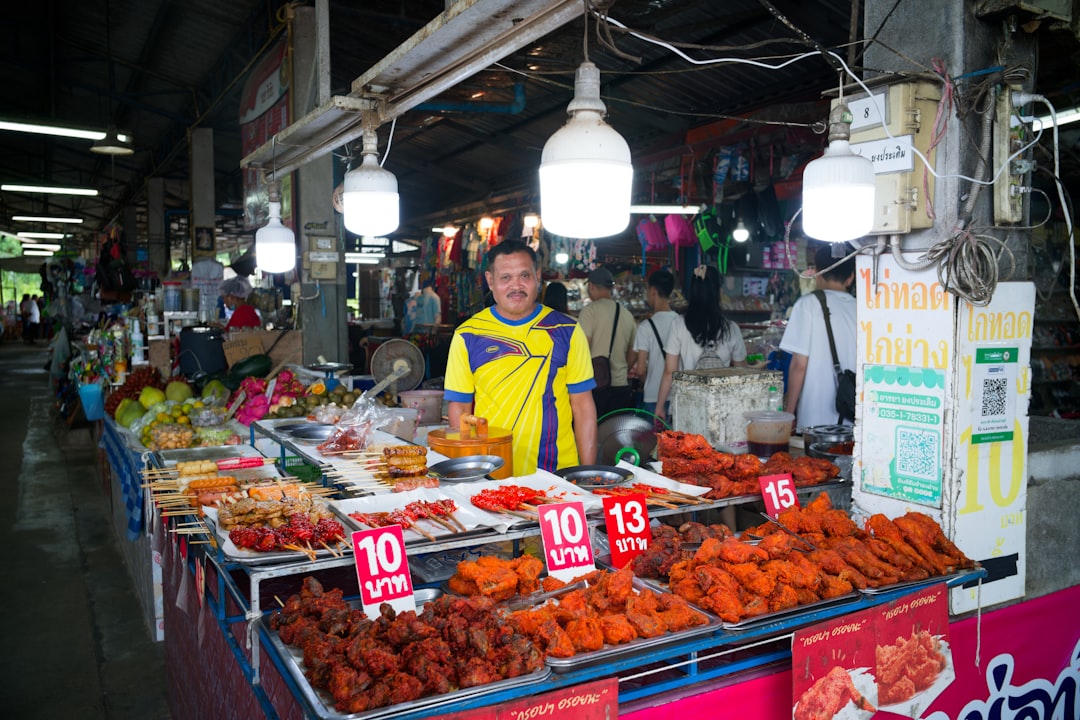
Why Korean Street Food Markets Are the Ultimate Foodie Adventure
I still remember my first bite of hotteok on a freezing January night in Myeongdong. The crispy exterior shattered, releasing a river of molten brown sugar and crushed peanuts that burned my tongue — and I didn’t care one bit. That single $1 pancake changed the way I thought about street food forever. Korean street food markets aren’t just places to grab a quick snack. They’re living, breathing cultural institutions where grandmothers who’ve been perfecting their recipes for 40 years serve dishes that no Michelin-starred restaurant can replicate.
If you’ve been planning a trip to South Korea and wondering where to eat, Korean street food markets by city should be at the very top of your research list. Every major city — from Seoul to Busan, Daegu to Jeonju — has its own unique market culture, signature dishes, and atmosphere. Think of it like comparing New York pizza joints to Chicago deep-dish spots. Same country, completely different food universes.
In this guide, I’m breaking down the best Korean street food markets by city, covering what to eat, how to get there, what you’ll spend, and the insider tricks that took me years of living in Korea to figure out. Whether you’re a first-time visitor flying into Incheon or a returning K-culture enthusiast, this is the only street food market guide you’ll need for 2026.
Seoul: The Street Food Capital of South Korea

Seoul is home to more than 400 traditional markets, and the street food scene here is unmatched anywhere in Asia. The sheer variety is staggering — you can eat your way through an entire market and never try the same dish twice. Here are the absolute must-visit spots.
Gwangjang Market (광장시장) — The OG Street Food Market
Gwangjang Market is the oldest and most iconic food market in Seoul, established in 1905. If you’ve watched any Korean variety show or Netflix’s Street Food Asia, you’ve seen this place. The famous Mayak Gimbap Alley (literally “drug kimbap” because it’s so addictive) is here, and the tiny seaweed rice rolls cost just $2.50 per plate.
Must-try dishes at Gwangjang Market:
- Bindaetteok (mung bean pancakes) — crispy, savory, and best dipped in soy sauce ($3-4 each)
- Mayak Gimbap — bite-sized rice rolls with sesame oil and mustard dipping sauce ($2.50)
- Yukhoe (Korean beef tartare) — raw seasoned beef with egg yolk, surprisingly safe and incredibly fresh ($8-12)
- Tteokbokki — spicy rice cakes in gochujang sauce ($3-4)
- Jeon (Korean savory pancakes) — seafood, kimchi, or green onion varieties ($4-6)
Getting there: Take Seoul Metro Line 1 to Jongno 5-ga Station, Exit 8. The market is a 2-minute walk. Open daily from 9:00 AM to 11:00 PM (food stalls); fabric and vintage sections close earlier.
Pro tip: Go between 10:30 AM and 11:30 AM to beat the lunch rush. By noon, every stall has a 20-minute wait. The aisle closest to Exit 8 has the most tourist-friendly vendors who speak basic English.
Myeongdong Street Food Alley — Tourist-Friendly and Over-the-Top
Myeongdong is Seoul’s shopping mecca, and the street food stalls lining the main road are a spectacle. This isn’t a traditional market — it’s more like a Korean street food carnival. Vendors compete with increasingly creative and Instagram-worthy creations.
Expect to find egg bread (gyeran-bbang, $1.50), tornado potatoes on a stick ($3), giant fried chicken skewers ($4-5), and the famous 10cm ice cream cones ($4). Prices here run about 20-30% higher than traditional markets, but the experience is worth it for first-timers.
Getting there: Seoul Metro Line 4 to Myeongdong Station, Exit 6 or 7. Stalls operate from approximately 11:00 AM to 10:00 PM daily. The heaviest concentration is between Myeongdong Station and Euljiro entrances.
While you’re in Myeongdong, the area is also Korea’s beauty shopping capital — perfect for picking up skincare products. Korean Skincare Routine Steps for Beginners 2026
Mangwon Market (망원시장) — The Local’s Secret
If Gwangjang is for tourists and Mangwon is for locals, I’d pick Mangwon every time. Located in the hip Mangwon-dong neighborhood near Hongdae, this market has exploded in popularity among young Koreans but remains relatively unknown to international visitors.
The star here is the croquette shops — golden-fried potato and cream croquettes for $1.50 that rival anything you’d find in Tokyo. The gimbap stalls serve oversized rolls packed with bulgogi or tuna for under $3. And the fresh juice bars press seasonal Korean fruit (hallabong oranges, Korean strawberries) right in front of you for $3-4.
Getting there: Seoul Metro Line 6 to Mangwon Station, Exit 2. Walk 5 minutes straight. Open 9:00 AM to 9:00 PM; best visited on weekday afternoons.
Tongin Market (통인시장) — The Lunchbox Café Experience
Tongin Market near Gyeongbokgung Palace offers something totally unique: the Dosirak (Lunchbox) Café. You purchase brass coins for $5 (10 coins), then walk through the market selecting individual dishes from each vendor using your coins. It’s like a Korean food court meets a choose-your-own-adventure game.
Each dish costs 1-2 coins, so your $5 gets you a full tray of 5-7 different items — from fried shrimp to japchae to the market’s signature gireum tteokbokki (oil-fried rice cakes instead of the usual spicy sauce version). Add a cup of rice for 1 coin, and you’ve assembled a legitimate feast.
Getting there: Seoul Metro Line 3 to Gyeongbokgung Station, Exit 2. Walk 10 minutes west. Lunchbox Café operates 11:00 AM to 5:00 PM (closed Mondays). Arrive by 11:30 AM — coins sell out fast on weekends.
Explore more Seoul markets on VisitSeoulBusan: Seafood Street Food Paradise
If Seoul is the heart of Korean street food culture, Busan is its soul. Korea’s second-largest city sits on the southeastern coast, and the ocean influence means the street food here is dominated by some of the freshest, most affordable seafood you’ll ever taste. When exploring Korean street food markets by city, Busan deserves its own dedicated day — or three.
Jagalchi Fish Market (자갈치시장) — Asia’s Largest Seafood Market
Jagalchi Market is not just a market — it’s an experience that will fundamentally change how you think about seafood. This is the largest seafood market in all of Asia, stretching along Busan’s waterfront with hundreds of vendors selling everything from live octopus to king crab to sea squirts.
Here’s how it works: you browse the ground-floor vendors, pick your seafood while it’s still swimming, negotiate a price, and they prepare it for you on the spot. Alternatively, head to the second-floor restaurants where your freshly purchased seafood gets turned into sashimi, grilled dishes, or spicy stews.
Typical prices at Jagalchi:
- Sashimi platter (assorted raw fish for 2 people) — $20-30
- Grilled shellfish set — $12-18
- Live octopus (sannakji) — $10-15 per plate
- Fish cake soup (eomuk-guk) — FREE at most stalls (complimentary with purchase) or $1-2 standalone
- Grilled eel — $15-20
Getting there: Busan Metro Line 1 to Jagalchi Station, Exit 10. The market building is directly in front of you. Open 5:00 AM to 10:00 PM; outdoor stalls start earlier. Best visited before 9:00 AM for the freshest selection and best photo opportunities.
BIFF Square (부산국제영화제 거리) — Busan’s Hotteok Heaven
Named after the Busan International Film Festival, BIFF Square in the Nampo-dong area is ground zero for Busan’s most famous street snack: ssiat hotteok (seed-filled sweet pancakes). Unlike Seoul’s brown sugar version, Busan hotteok is stuffed with a mix of sunflower seeds, pumpkin seeds, and peanuts, creating a nutty, crunchy, sweet experience that’s completely different.
The line at the original Ssiat Hotteok stall can stretch 30 minutes on weekends, but it moves fast and costs only $1 per piece. Grab one (or five — no judgment) and explore the surrounding alleys for fish cake bars, tornado potatoes, and dak-gangjeong (sweet crispy chicken).
Getting there: Busan Metro Line 1 to Jagalchi Station, Exit 7, or Nampo Station, Exit 1. BIFF Square is a 3-minute walk. Open from 10:00 AM to 10:00 PM.
Gukje Market (국제시장) — The War-Era Market That Endures
Adjacent to BIFF Square, Gukje (International) Market has been operating since the Korean War era in the 1950s. It’s more of a general market with street food scattered throughout, but the bibim dangmyeon (spicy glass noodles, $3) and sundae (Korean blood sausage, $4) here are legendary.
The market also has an excellent vintage goods section and is the filming location for the hit Korean movie Ode to My Father. Walking through its narrow alleys genuinely feels like stepping back in time.
If you’re visiting Busan in autumn, combine your market trip with the stunning fall foliage at nearby Beomeosa Temple or Taejongdae Park. Korea Autumn Foliage Best Time 2026: Top 7 Spots
Daegu: The Spicy Food Capital’s Hidden Gems

Daegu, South Korea’s fourth-largest city, is known as the hottest city in Korea — both in temperature and spice level. The local palate skews significantly spicier than Seoul or Busan, and the street food reflects this beautifully. When mapping Korean street food markets by city, Daegu is the underdog that consistently surprises visitors.
Seomun Market (서문시장) — Daegu’s 350-Year-Old Food Hub
Seomun Market dates back to the Joseon Dynasty and is one of Korea’s three largest traditional markets. The dedicated night market section (operating Thursday through Saturday, 7:00 PM to midnight) is where the real magic happens.
Must-try dishes:
- 납작만두 (Napjak Mandu) — flat, pan-fried dumplings unique to Daegu, crispy on the outside and juicy inside ($3 for 5 pieces)
- 칼국수 (Kalguksu) — hand-cut knife noodles in rich anchovy broth ($4-5)
- 막창 (Makchang) — grilled pork intestines, Daegu’s signature dish, served with salt and sesame oil dipping sauce ($8-10 per serving)
- 떡볶이 (Tteokbokki) — noticeably spicier than Seoul versions ($3)
- 꽈배기 (Kkwabaegi) — twisted fried doughnuts, light and slightly sweet ($1)
Getting there: Daegu Metro Line 3 to Seomun Market Station, Exit 2. From Seoul, take the KTX high-speed train from Seoul Station to Dongdaegu Station (1 hour 40 minutes, $30-45). Use the KORAIL app to book tickets in advance.
Dongseongno Food Street — The Young and Trendy Strip
Daegu’s main shopping and entertainment district, Dongseongno, has a concentrated strip of street food vendors along the pedestrian street. The vibe is similar to Myeongdong but with lower prices and fewer tourists. Look for giant squid skewers ($4), cheese corn dogs ($2.50), and the local specialty: 납작 hotdog (flat pressed hot dogs, $2).
Getting there: Daegu Metro Line 1 to Jungangno Station, Exit 3. Walk 2 minutes into the pedestrian area.
Jeonju: Bibimbap City’s Gourmet Market Scene
Jeonju is designated a UNESCO Creative City of Gastronomy, and its food markets are a testament to why. This small city in North Jeolla Province punches way above its weight when it comes to culinary culture.
Jeonju Nambu Market (전주남부시장) — Night Market Excellence
The Nambu Market night market (Friday and Saturday evenings, 6:00 PM to midnight) has been voted one of Korea’s best night markets multiple times. What sets it apart is the quality-to-price ratio — this is a food-first city, and vendors take enormous pride in their craft.
Signature dishes include:
- Jeonju-style bibimbap in a stone pot — the real deal, with bean sprouts grown in Jeonju’s famously clean water ($6-8)
- PNB Choco Pie — Jeonju’s legendary chocolate pie bakery has a market stall ($1 per pie)
- Kongnamul gukbap — bean sprout and rice soup, Jeonju’s hangover cure ($5)
- Grilled skewers — from chicken hearts to cheese-wrapped rice cakes ($2-3 each)
Jeonju is also the birthplace of Korean bibimbap, so if you love the dish, this is a pilgrimage you need to make. The authentic Jeonju version uses over 30 ingredients and tastes nothing like what you’ve had at Korean restaurants abroad.
Getting there: From Seoul, take the KTX to Jeonju Station (1 hour 35 minutes, $25-35). From the station, take bus 119 or 142 to Nambu Market (20 minutes). Alternatively, a taxi costs about $5.
Authentic Kimchi Recipe From Scratch: Step-by-Step Guide 2026Incheon, Gyeongju & Jeju: Regional Specialties Worth the Detour

Incheon — Chinatown’s Jajangmyeon Alley
Most visitors pass through Incheon Airport without realizing the city itself has Korea’s only official Chinatown, home to the birthplace of jajangmyeon (black bean noodles). The Chinatown street food scene features giant Chinese-Korean dumplings ($3 for 4), tangsuyuk (sweet and sour pork, $8), and jajang rice cakes — a fusion of Korean tteokbokki and Chinese black bean sauce ($4).
Getting there: From Incheon Airport, take the Airport Railroad (AREX) to Incheon Station (50 minutes, $4). Chinatown is directly outside the station. This is a perfect first-day or last-day activity since it’s so close to the airport.
Gyeongju — The Ancient Capital’s Traditional Snacks
Gyeongju, the former capital of the Silla Dynasty (57 BC – 935 AD), has a charming market street near Daereungwon Tomb Complex. The signature snack is hwangnam-ppang — a red bean-filled pastry that’s been made since 1939 ($0.80 each). The Gyeongju Jungang Market also serves excellent ssambap (lettuce wrap rice sets) and hand-pulled noodles.
Getting there: KTX from Seoul to Singyeongju Station (2 hours, $35-45), then bus 700 to downtown Gyeongju (20 minutes).
Jeju Island — Seafood Meets Subtropical Vibes
Jeju Dongmun Market is the island’s premier food market, and it’s spectacular. The star attraction is fresh tangerines (Jeju’s signature fruit, $2-3 per bag), grilled abalone ($5-8 per shell), black pork skewers ($4), and hallabong juice ($3). The night market section runs Friday through Sunday and is packed with creative fusion street food.
Getting there: Fly from Seoul Gimpo to Jeju (1 hour, $40-80 on budget airlines). Dongmun Market is a 15-minute taxi ride from Jeju Airport ($5). Open 8:00 AM to 9:00 PM daily; night market until 11:00 PM.
Korea Tourism Organization official travel guideBudget Breakdown: What You’ll Actually Spend at Korean Street Food Markets
One of the best things about exploring Korean street food markets by city is how affordable the experience is. Here’s a realistic breakdown of what you’ll spend per market visit:
| Expense | Budget ($) | Mid-Range ($) | Splurge ($) |
|---|---|---|---|
| Street food snacks (3-5 items) | $5-8 | $10-15 | $20-25 |
| Full market meal | $6-10 | $12-18 | $25-35 |
| Drinks (soju, makgeolli, juice) | $2-4 | $5-8 | $10-15 |
| Metro/Bus transport | $1-2 | $1-2 | $5-10 (taxi) |
| Total per market visit | $14-24 | $28-43 | $60-85 |
For context, a comparable food market experience at Pike Place Market in Seattle or Chelsea Market in New York would easily run $40-60 per person for a similar amount of food. Korea’s street food scene offers genuinely world-class flavors at a fraction of the cost.
Money tip: Most traditional market stalls are cash-only. While Seoul’s trendy markets are increasingly accepting credit cards and Samsung/Kakao Pay, carry at least 30,000-50,000 KRW ($20-35) in cash per market visit. ATMs in every convenience store (CU, GS25, 7-Eleven) accept international cards.
If you love Korean food and want to recreate market flavors at home, check out our guide on the best Korean instant noodles — the perfect airplane snack for your return flight. Best Korean Ramyeon Flavors Ranked 2026: Top 15
Getting There: Flights, Transport & Essential Travel Logistics

Flights from the US
Direct flights to Incheon International Airport (ICN) operate daily from major US hubs:
- LAX to ICN: 12-13 hours direct (Korean Air, Asiana, Delta, United) — $600-1,200 round trip
- JFK to ICN: 14-15 hours direct (Korean Air, Asiana) — $650-1,300 round trip
- SFO to ICN: 12-13 hours direct (Korean Air, Asiana, United) — $600-1,100 round trip
Visa info: US citizens enjoy visa-free entry for up to 90 days, but you’ll need a K-ETA (Korea Electronic Travel Authorization) — apply online at least 72 hours before departure ($10 fee). Processing usually takes 24 hours.
Getting Around Korea
Korea’s public transportation is world-class and incredibly affordable:
- T-money Card: Purchase at any convenience store for $3 (2,500 KRW). Works on all subways, buses, and even taxis in Seoul, Busan, and most major cities. Reload at convenience stores or subway stations. This single card will handle 90% of your transportation needs.
- KTX (Korea Train Express): High-speed rail connecting Seoul to Busan (2.5 hours), Daegu (1 hour 40 minutes), Jeonju (1.5 hours), and Gyeongju (2 hours). Book through the KORAIL app or at stations. Prices range from $25-55 depending on distance.
- Airport to Seoul: The AREX (Airport Railroad Express) runs from Incheon Airport to Seoul Station in 43 minutes for $9. The all-stop version takes 66 minutes for $5. Both connect to the Seoul Metro system.
Essential Apps for Market Exploration
Download these before you land:
- Naver Map: Far more accurate than Google Maps in Korea. Shows real-time bus/subway schedules, walking directions inside markets, and user reviews in Korean (use Papago to translate)
- Papago: Korea’s best translation app (by Naver). The camera translation feature lets you point your phone at Korean menus and see instant English translations
- KakaoTalk: Korea’s universal messaging app. Many market vendors post daily specials on their KakaoTalk channels
- KORAIL: For booking KTX and intercity train tickets
- Kakao T: Korea’s Uber equivalent for taxis
Insider Tips: How to Eat Like a Local at Korean Markets
After spending years exploring Korean markets, here are the tips I wish someone had given me on Day 1:
1. Follow the Koreans, not the English signs. If a stall has a long line of Korean customers and zero English on the menu, that’s probably the best food in the market. Use Papago’s camera to translate the menu.
2. Eat in rounds, not in one sitting. Korean market eating is a marathon, not a sprint. Buy one item from a stall, eat it while walking, then move to the next. Plan for 3-4 “rounds” across 2-3 hours. Sharing portions with a travel partner doubles what you can try.
3. Visit both day and night markets. Many markets (Seomun in Daegu, Nambu in Jeonju, Dongmun in Jeju) have separate night market operations with completely different vendors and menus. The night markets tend to be more creative and festive.
4. Learn these three Korean phrases:
- “이거 주세요” (ee-geo ju-se-yo) — “This one, please” (point and say it)
- “얼마예요?” (eol-ma-ye-yo) — “How much?”
- “맛있어요!” (ma-shi-sseo-yo) — “It’s delicious!” (vendors love hearing this)
5. Timing is everything. Weekday mornings (9:00-11:00 AM) offer the freshest food with zero crowds. Weekend evenings (6:00-8:00 PM) offer the best atmosphere but the longest waits. Choose based on your priority.
6. Bring your own wet wipes and hand sanitizer. Market eating is messy. Many stalls provide napkins, but wet wipes are a lifesaver after tackling sticky hotteok or saucy tteokbokki.
7. Ask for “deokeum” (덜 매운, less spicy). If you can’t handle Korean heat levels, saying “deol maeun-geo” (덜 매운 거) tells vendors to tone down the spice. No shame in it — even some Koreans do this.
8. Seasonal market visits are next-level. Spring markets feature strawberry desserts and flower teas. Summer brings patbingsu (shaved ice) stalls. Autumn markets overflow with roasted chestnuts, sweet potatoes, and hotteok. Winter markets serve bungeoppang (fish-shaped pastry) and steaming odeng (fish cake broth) — served free from street carts where you take a cup, eat, and honor-system pay 1,000 KRW ($0.70).
If you’re visiting during cherry blossom season (late March to mid-April), combine your market tour with Korea’s spectacular spring scenery. The combination of market street food and cherry blossom picnics is one of Korea’s greatest travel experiences. suggested topic — Best Cherry Blossom Spots in Korea 2026
Cultural Etiquette: Do’s and Don’ts at Korean Markets
Korean markets are welcoming to foreigners, but knowing a few cultural norms will earn you better service and warmer interactions:
DO:
- Receive food and change with both hands (or right hand supported by left) — this is a universal Korean respect gesture
- Clean up after yourself — dispose of skewers, cups, and wrappers in the designated bins near each stall
- Eat at or near the stall that sold you the food — don’t carry food from one stall and eat it at another vendor’s seating area
- Try everything offered — if a vendor gives you a free sample (시식, shishik), taste it enthusiastically even if you don’t buy
- Compliment the food — a sincere “맛있어요!” goes incredibly far
DON’T:
- Don’t haggle on food prices — unlike some Southeast Asian markets, Korean food stall prices are fixed. Haggling is considered rude
- Don’t tip — tipping is not customary in Korea and can actually cause confusion
- Don’t stick your chopsticks upright in rice — this resembles funeral incense and is considered very bad luck
- Don’t blow your nose loudly at the eating area — step away if needed
- Don’t photograph vendors without permission — a quick smile and gesture asking “photo okay?” is all it takes
Frequently Asked Questions About Korean Street Food Markets
What is the best Korean street food market for first-time visitors?
Gwangjang Market in Seoul is the best starting point for first-timers. It’s centrally located, easy to navigate on the subway (Line 1, Jongno 5-ga Station), has the widest variety of classic Korean street foods, and many vendors speak basic English. The Dosirak Café at Tongin Market is a close second for its unique coin-based lunchbox experience.
Are Korean street food markets safe for people with food allergies?
Korean street food commonly contains sesame, soy, wheat, shellfish, and eggs. Unfortunately, allergy labeling at market stalls is rare. Your best strategy is to use the Papago translation app to show vendors a written note explaining your allergy in Korean. Carry an allergy card (available as printable PDFs on allergy travel sites) and be especially cautious with soups and sauces, which often contain hidden soy and sesame oil.
How much cash should I bring to a Korean street food market?
Bring 30,000-50,000 KRW ($20-35) per market visit. While an increasing number of stalls accept card payments, many traditional vendors remain cash-only. Most convenience stores (CU, GS25, 7-Eleven) have international ATMs. For a full day of market-hopping across two or three markets, budget 80,000-100,000 KRW ($55-70) in cash to be comfortable.
What are the best months to visit Korean street food markets?
The best months are April-May (spring) and September-November (autumn). Spring brings pleasant temperatures and seasonal strawberry/cherry blossom treats. Autumn is peak food season with harvest specials, roasted chestnuts, and gorgeous weather. Summer (July-August) is hot and humid but brings excellent patbingsu (shaved ice) stalls. Winter (December-February) is cold but perfect for steaming hotteok, fish cake broth, and the cozy atmosphere of enclosed market halls.
Can I find vegetarian or vegan food at Korean street food markets?
Vegetarian options exist but require effort to find. Look for japchae (glass noodles — ask for no meat), hotteok (sweet pancakes), gimbap (specify “yachae gimbap” for vegetable only), tteok (rice cakes), and hodugwaja (walnut cakes). Be aware that many seemingly vegetable dishes use anchovy or beef broth. Learn the phrase “고기 빼주세요” (gogi bbae-ju-se-yo) meaning “please remove the meat.” Gwangjang Market in Seoul and Jeonju Nambu Market have the widest vegetarian-friendly options.
Is it okay to eat while walking in Korean markets?
Yes — Korean markets are one of the few places in Korea where eating while walking is completely normal and expected. In fact, it’s part of the experience. Just be mindful of crowded aisles: step to the side if you need to stop and eat something messy. Outside of markets, eating while walking is considered slightly less polished, but inside a market, go for it.
Related Posts You’ll Love
If you’re planning a Korea food trip, these guides will help you make the most of your culinary adventure:
- Best Korean Instant Ramyeon Flavors Ranked 2026 — Stock up on Korea’s best instant noodles to bring home as souvenirs
- Authentic Kimchi Recipe From Scratch: Step-by-Step Guide 2026 — Learn to make the real thing after tasting it fresh at the markets
- Korea Autumn Foliage Best Time 2026: Top 7 Spots — Combine your market tour with Korea’s most beautiful season
Suggested future articles:
- suggested topic — Ultimate Korea Food Trip Itinerary: 7-Day City-by-City Guide
- suggested topic — Korean Convenience Store Food Ranking: Top 30 Must-Try Items
Start Planning Your Korean Street Food Adventure
Exploring Korean street food markets by city is hands-down the most delicious, affordable, and culturally immersive way to experience South Korea. From the century-old stalls of Gwangjang Market in Seoul to the seafood-drenched aisles of Jagalchi in Busan, from Daegu’s fiery night markets to Jeonju’s UNESCO-recognized food culture — every city tells a different story through its food.
My biggest advice? Don’t overthink it. Show up hungry, point at things that look good, smile at the ahjumma (market grandmother) behind the counter, and let the food guide you. Some of the greatest meals of my life have come from stalls with no English signage, no Instagram presence, and no Michelin stars — just decades of perfected recipes served with genuine warmth.
Your turn: Have you been to a Korean street food market? What was the dish that blew your mind? Drop a comment below — I read every single one and love hearing about your experiences. If this guide helped you plan your trip, share it with a friend who’s been talking about visiting Korea. And if you want more Korea travel and food guides like this, bookmark this page — we publish new content every week.
See you at the market. Bring an appetite. 🇰🇷