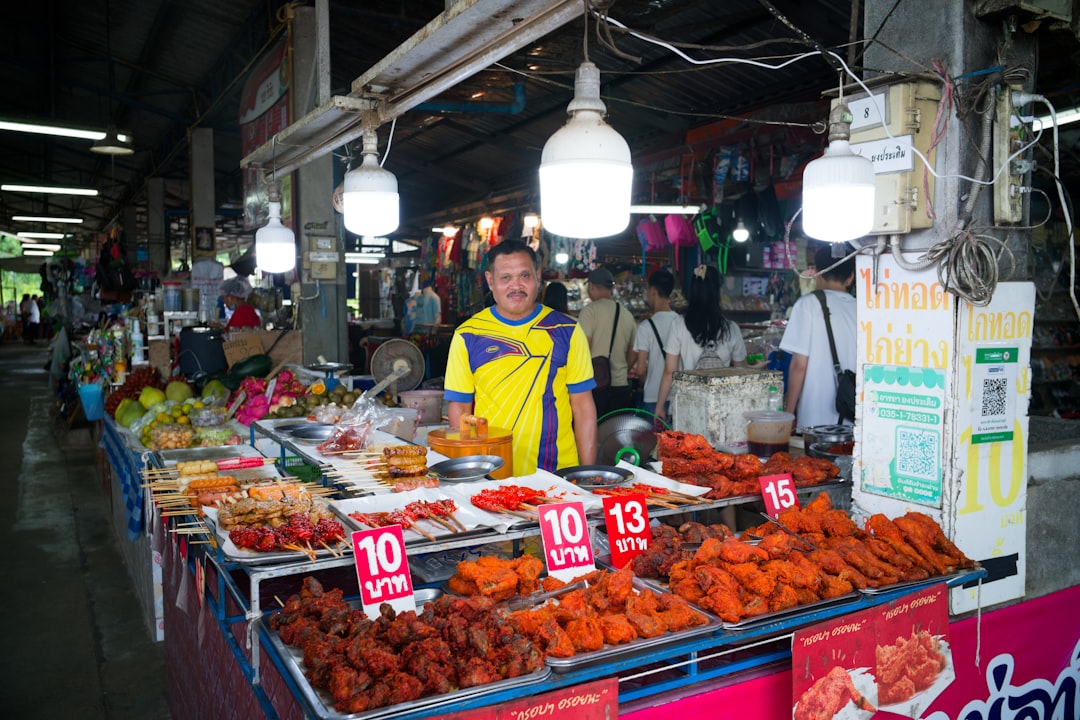
Why Korean Street Food Markets Are the Ultimate Foodie Pilgrimage
I still remember the exact moment I fell in love with Korean street food. It was 11 PM on a frigid December night in Seoul’s Gwangjang Market, and a halmeoni (grandmother) in a tiny stall handed me a plate of bindaetteok — a crispy mung bean pancake sizzling with pork and kimchi — for just $3. Steam rose from the golden disc as I bit into it, the crunch giving way to a savory, almost custard-like center. Around me, office workers in suits loosened their ties over bowls of mayak gimbap (literally “drug kimbap,” because it’s that addictive), couples shared tteokbokki from paper cups, and a group of tourists fumbled with chopsticks while laughing at themselves. That single bite changed every travel plan I’ve made since.
Here’s what most guides won’t tell you: Korean street food markets by city are wildly different from one another. Seoul’s markets skew historic and tourist-friendly. Busan’s are seafood-obsessed and gloriously chaotic. Daegu’s are spicy enough to make you question your life choices. And Jeonju? It’s a quiet masterpiece of traditional flavors that most international visitors never discover.
This guide breaks down the best Korean street food markets by city — not just what to eat, but exactly how to get there, what to budget, and which cultural mistakes to avoid so you don’t accidentally insult someone’s grandmother. Whether you’re planning your first trip or your fifth, bookmark this one. First Time Seoul Itinerary 5 Days: 2026 Guide
Seoul: The Street Food Capital of South Korea

Seoul is home to over 300 traditional markets, but only a handful deliver the full-spectrum street food experience that travelers crave. The city’s markets range from 600-year-old trading hubs to neon-lit late-night alley stalls. The sheer density means you can hit three world-class markets in a single day without breaking a sweat — or your budget.
Gwangjang Market (광장시장) — The Undisputed King
Gwangjang Market is the oldest continuously operating market in South Korea, founded in 1905. It became a global sensation after appearing on Netflix’s Street Food: Asia, and for good reason. The market’s “Meokja Golmok” (food alley) packs over 200 food vendors into a space the size of a football field.
Must-eat items:
- Bindaetteok (mung bean pancake) — $3–4 per piece. Get it from the stalls near the east entrance where the ajummas fry them to order.
- Mayak gimbap — $2.50 for a plate of 10 mini rice rolls with sesame oil and mustard dipping sauce. The nickname “drug kimbap” exists because you literally cannot stop eating them.
- Yukhoe (Korean steak tartare) — $8–12 per plate. Raw beef seasoned with sesame oil, pear, and egg yolk. It sounds intimidating but tastes like the best beef carpaccio you’ve ever had.
- Knife-cut noodles (kalguksu) — $5–6 per bowl. Thick, chewy noodles in anchovy broth, perfect for cold weather.
Getting there: Take Seoul Metro Line 1 to Jongno 5-ga Station, Exit 7. The market entrance is a 2-minute walk. Open daily 9 AM–11 PM (some stalls stay open until midnight on weekends). Closed on Sundays.
Budget breakdown: Plan $15–25 per person for a full market crawl with 4–5 dishes and a makgeolli (rice wine, $3–4 per bowl).
Myeongdong Street Food Alley — The Tourist-Friendly Starting Point
If Gwangjang is the seasoned veteran, Myeongdong is the flashy newcomer designed to overwhelm your senses. The main shopping street transforms into an open-air food festival every afternoon, with vendors lining both sides for nearly a kilometer.
Myeongdong is where you’ll find Korea’s most Instagram-famous street foods: tornado potatoes (spiral-cut potatoes deep-fried on a stick, $3), egg bread (gyeran-ppang, $1.50), and 10cm ice cream cones that tower above your head ($4). Is it authentic? Debatable. Is it delicious and wildly fun? Absolutely.
Pro tip: Visit Myeongdong between 4–6 PM when stalls are freshly set up and lines are shortest. After 7 PM, wait times for popular items like lobster tails ($8–10) can hit 20 minutes.
Getting there: Seoul Metro Line 4, Myeongdong Station, Exit 6 or 7. Open daily 11 AM–10 PM. VisitSeoul Myeongdong Guide
Tongin Market (통인시장) — The Lunchbox Market
Tongin Market near Gyeongbokgung Palace offers something no other market in Korea does: the Dosirak Café (lunchbox) experience. You buy a tray and old-fashioned brass coins ($5 for 10 coins) at the café entrance, then wander the market trading coins for small portions from any vendor. Fill your tray with japchae, fried dumplings, tteokbokki, and whatever catches your eye, then sit down in the communal dining area upstairs with a bowl of rice and soup included.
It’s essentially a Korean street food buffet, and it’s brilliant. You’ll spend $5–8 total for a tray overflowing with 8–10 different dishes. This market is smaller and calmer than Gwangjang, making it ideal for families and first-timers who feel overwhelmed by the chaos of bigger markets.
Getting there: Seoul Metro Line 3, Gyeongbokgung Station, Exit 2. Walk 10 minutes west. Open 11 AM–5 PM (lunchbox service). Closed Mondays.
Busan: Seafood Heaven on the Southern Coast
Busan is Korea’s second-largest city and its undisputed seafood capital. The port city’s markets don’t just sell street food — they sell an experience that’s part culinary adventure, part theater. If Seoul’s markets feel curated, Busan’s Korean street food markets feel wild, raw, and thrillingly alive.
Jagalchi Fish Market (자갈치시장) — The Largest Seafood Market in Korea
Jagalchi Market is massive — an eight-story building plus sprawling outdoor stalls along the waterfront. The ground floor is a wet market where you can pick live fish, octopus, crab, abalone, and sea urchin from tanks, then have it prepared on the spot. The upper floors house sit-down restaurants that will cook your selections as sashimi, grilled, or in spicy stews.
Must-try experiences:
- Live octopus (sannakji) — $10–15 per plate. The tentacles still wriggle on the plate. Chew thoroughly (this is not a joke — it’s a choking hazard if swallowed whole).
- Raw crab marinated in soy sauce (ganjang gejang) — $15–20. Called “rice thief” because the sauce is so good you’ll eat three bowls of rice with it.
- Grilled shellfish platter — $12–18 for a mix of scallops, clams, and mussels grilled tableside.
- Fish cake skewers (eomuk) — $1 each from outdoor vendors. Busan invented Korea’s fish cake, and they take it personally.
Budget breakdown: Expect $20–40 per person for a full seafood experience. The outdoor vendors offer fish cake skewers and tempura for $1–3 if you’re on a tight budget.
Getting there: Busan Metro Line 1, Jagalchi Station, Exit 10. Open 5 AM–10 PM daily. The outdoor stalls are best visited early morning (6–8 AM) for the freshest catch and the fewest crowds.
BIFF Square & Gukje Market (국제시장) — Busan’s Soul Food District
BIFF Square (Busan International Film Festival Square) and the adjacent Gukje Market form a sprawling food-and-shopping district that’s been feeding Busan residents since the Korean War. The signature dish here is ssiat hotteok — a sweet pancake stuffed with brown sugar, cinnamon, and a mix of seeds (sunflower, pumpkin, sesame). It costs $1.50 and is arguably the most perfect street food snack ever invented.
The line at the famous “Original Ssiat Hotteok” stall can stretch 30 people deep on weekends, but it moves fast — each hotteok takes about 90 seconds to press and fry. Beyond hotteok, look for bibim dangmyeon (spicy glass noodles, $3), twigim (Korean-style tempura, $2–4), and sundae (Korean blood sausage, $3–5). Don’t let the name fool you — sundae is savory, stuffed with glass noodles and pork blood, and absolutely delicious when dipped in salt and pepper.
Getting there: Busan Metro Line 1, Jagalchi Station, Exit 7, or Nampo Station, Exit 1. BIFF Square is the open plaza between the two stations. Open 10 AM–10 PM. Visit Korea — Gukje Market Guide
Daegu: Korea’s Spice Capital

Daegu is the hottest city in Korea — literally (summer temperatures regularly exceed 100°F) and culinarily. The city’s signature flavor profile leans aggressively spicy, and its markets reflect that fearless approach. If you think you can handle Korean spice because you survived a plate of buldak (fire chicken), Daegu will humble you.
Seomun Market (서문시장) — Night Market Excellence
Seomun Market has operated for over 350 years, but its modern night market (open Friday–Sunday, 7 PM–11:30 PM) is what put it on the international food map. Over 80 food stalls line a covered alley, each competing for your attention with sizzling woks and megaphone-wielding vendors.
Must-try items:
- Napjeok mandu (flat dumplings) — $3 for 5 pieces. Thin-skinned dumplings pressed flat on the griddle until crispy on both sides.
- Daegu-style tteokbokki — $3–4. Noticeably spicier than Seoul versions, with a darker, more complex sauce.
- Makchang gui (grilled pork intestines) — $8–10. Daegu’s signature BBQ. The intestines are grilled until crispy outside and chewy inside, then dipped in a salt-and-pepper seasoning. Think of it as Korea’s answer to chitlins, but elevated.
- Chicken gizzard skewers — $2–3. Tender, smoky, and surprisingly addictive.
Getting there: Daegu Metro Line 3, Seomun Market Station, Exit 2. From Seoul, take the KTX (bullet train) from Seoul Station — it’s only 1 hour 40 minutes and costs $25–35 one way. Use the KORAIL app to book tickets in advance.
Budget breakdown: $12–20 per person for a night market feast. Beer from convenience stalls runs $2–3.
Jeonju: The Traditional Food Capital
Jeonju is to Korean food what Lyon is to French cuisine — a smaller city with an outsized culinary reputation that the entire nation respects. Designated a UNESCO Creative City of Gastronomy in 2012, Jeonju is where you go when you want to understand Korean food at its deepest, most refined level. The city’s markets balance tradition with innovation in ways that constantly surprise.
Nambu Market (남부시장) — Korea’s Best Night Market for Foodies
Nambu Market’s Night Market (Friday–Saturday, 6 PM–midnight) is consistently ranked the best night market in South Korea. It’s smaller and more curated than Seomun or Gwangjang, but every stall delivers. The atmosphere feels like a neighborhood block party — local families bring folding chairs, college students crowd the picnic tables, and live music echoes off the market walls.
Signature foods:
- Jeonju-style bibimbap — $6–8. This is the city that invented bibimbap, and the market versions use raw beef, a fried egg, and gochujang made from locally produced peppers. It’s a completely different experience from the instant bibimbap you’ve had at home.
- Choco pie variations — $1–2. Local bakeries make artisan choco pies with matcha, strawberry, and even makgeolli flavors.
- PNB Bakery’s original choco pie (from a nearby shop, not the market) — $1 each, and a mandatory side trip.
- Kongnamul gukbap (bean sprout rice soup) — $4–5. Jeonju’s hangover cure and comfort food staple.
Getting there: From Seoul, take the KTX from Yongsan Station to Jeonju (1 hour 30 minutes, $20–30). From Jeonju Station, take Bus 109 or 142 to Nambu Market (20 minutes). Or use a taxi ($4–5 from the station). Nami Island Rail Bike Day Trip: 2026 Complete Guide
Jeonju Hanok Village Food Streets
While technically not a “market,” the food streets winding through Jeonju Hanok Village deserve inclusion because they offer the most photogenic street food experience in Korea. Imagine eating skewered dumplings and hand-pulled candy while walking past 700 traditional Korean hanok houses with curved tile roofs. It’s the kind of experience that makes you put your phone down and just soak it in — before picking it back up for one more photo.
Top picks here include hand-pulled yeot gangjeong (rice puff candy, $2), grilled skewered dumplings ($2.50), and makgeolli ice cream ($3).
Incheon and Sokcho: Hidden Gems Worth the Detour

Incheon — Chinatown & Sinpo International Market
Most visitors only see Incheon Airport, but the city itself — just 40 minutes from central Seoul on the Airport Railroad Express (AREX) — hides two fantastic food destinations. Incheon Chinatown serves Korea’s unique Chinese-Korean fusion cuisine: jajangmyeon (black bean noodles, $5–7) and tangsuyuk (sweet and sour pork, $12–15 for a shareable plate).
A 15-minute walk south, Sinpo International Market is famous for dakgangjeong — fried chicken coated in a sticky sweet-spicy glaze. A box costs $8–12 and feeds two people easily. If you love Korean fried chicken, this is its spiritual birthplace in market form. Korean Fried Chicken Recipe: Crispy Double-Fried Method (2026)
Sokcho — Jungang Market & Fresh Seafood
Sokcho, the gateway city to Seoraksan National Park on Korea’s northeast coast, has a market scene that’s criminally underrated. Sokcho Jungang Market has its own enclosed food court called the “Sokcho Tourist & Fishery Market” where the signature dish is sundae gukbap (blood sausage soup, $5) and fresh squid sundae — squid stuffed with glass noodles and vegetables, then steamed ($5–7).
The adjacent Daepo Port area sells freshly grilled red snow crab for $15–25 per crab (prices negotiable). During autumn foliage season (mid-October to early November), combining a Seoraksan hike with a Sokcho market crawl is one of the greatest one-day experiences in all of Korea.
Getting there: Express bus from Seoul’s Dong Seoul Terminal (2.5 hours, $15–18). No KTX service yet, but express buses run every 30 minutes.
Getting There: Transport and Logistics for Market-Hopping
South Korea’s public transport system is world-class and absurdly affordable. Here’s how to navigate the country’s Korean street food markets by city efficiently.
Arriving in Korea
Flights from the US: Direct flights operate from LAX, JFK, and SFO to Incheon International Airport (ICN). Flight time is 12–14 hours. Budget $600–1,200 round-trip depending on season. Korean Air and Asiana offer the best direct routes. Spring (April–May) and fall (September–November) offer both pleasant weather and lower fares than summer peak season.
Visa: US citizens enjoy visa-free entry for up to 90 days. However, you must register for K-ETA (Korea Electronic Travel Authorization) at least 72 hours before departure ($10 fee). Apply online at k-eta.go.kr.
From the airport: Buy a T-money card ($3 for the card, then load money) at any convenience store in the arrival hall. This rechargeable transit card works on all subways, buses, taxis, and even some vending machines nationwide.
Intercity Travel
| Route | Transport | Time | Cost (USD) |
|---|---|---|---|
| Seoul → Busan | KTX | 2 hr 30 min | $40–50 |
| Seoul → Daegu | KTX | 1 hr 40 min | $25–35 |
| Seoul → Jeonju | KTX | 1 hr 30 min | $20–30 |
| Seoul → Sokcho | Express Bus | 2 hr 30 min | $15–18 |
| Seoul → Incheon (city) | AREX/Metro | 40 min | $2–4 |
Essential apps: Download Naver Map (Google Maps is unreliable in Korea for transit directions), Papago (translation), KakaoTalk (messaging, used for reservations), and the KORAIL app for booking KTX tickets. All are free and work in English.
Budget Breakdown: What to Expect at Korean Street Food Markets

One of the best things about Korean street food is how ridiculously affordable it is. Here’s a realistic budget breakdown based on current 2026 prices.
| Item | Average Price (USD) |
|---|---|
| Tteokbokki (spicy rice cakes) | $2.50–4 |
| Gimbap (rice roll, full size) | $2.50–4 |
| Fish cake skewer (eomuk) | $1 |
| Hotteok (sweet pancake) | $1–2 |
| Bindaetteok (mung bean pancake) | $3–4 |
| Tornado potato | $3 |
| Sundae (blood sausage) | $3–5 |
| Dakgangjeong (fried chicken) | $8–12 |
| Makgeolli (rice wine, bowl) | $3–4 |
| Soju (bottle) | $2–3 |
Daily street food budget: $15–25 will keep you happily stuffed. Splurge days at seafood markets may hit $30–40. Compare that to similar food experiences in Tokyo ($40–60) or New York ($30–50), and Korea’s value becomes crystal clear.
Cultural Etiquette and Insider Tips
Market Manners That Matter
- Don’t walk and eat. While Myeongdong and tourist areas tolerate it, traditional markets consider it rude. Find a bench or stand at the vendor’s counter to eat.
- Accept food with two hands. When a vendor hands you a plate or cup, receive it with both hands or your right hand supported by the left. This is a basic Korean courtesy gesture.
- Don’t haggle for food. Unlike clothing or souvenir stalls, food prices in Korean markets are fixed. Asking for a discount on your tteokbokki is considered disrespectful.
- Clean up after yourself. Return trays and dishes to the vendor, throw away trash in designated bins, and leave your eating area tidy. Markets that cater to tourists have noticed an uptick in messes, and keeping things clean helps preserve the experience for everyone.
- Cash is still king. While Korea is rapidly going cashless, many market vendors — especially older ones — only accept cash. Keep 30,000–50,000 KRW ($20–35) in small bills. ATMs in every convenience store (CU, GS25, 7-Eleven) accept international cards.
Pro Tips From 15+ Market Visits
- Go hungry. This sounds obvious, but I mean really hungry. Skip breakfast and lunch before an evening market visit. You’ll want to try at least 6–8 stalls.
- Visit weekday evenings. Weekend markets are packed. Tuesday–Thursday evenings offer the same food with 60% fewer crowds.
- Follow the locals. If a stall has a line of Korean ajummas (middle-aged women), that’s the stall. They don’t wait in line for mediocre food.
- Learn three phrases: “Igeo juseyo” (this one please), “Mashisseoyo” (it’s delicious), and “Eolmayeyo?” (how much?). Vendors will love you for trying.
- Use Naver Map’s Korean name. Every market has a Korean name. Search the Korean name (e.g., 광장시장) on Naver Map for accurate directions. Google Maps often gives wrong transit info in Korea.
- Seasonal strategy: Visit during cherry blossom season (late March–April) for special seasonal street foods, or during autumn foliage (October–November) when markets add warm soups and hotteok to their lineups.
- Bring wet wipes. Many market stalls don’t have napkins. A travel pack of wet wipes is your best friend.
And if you’re visiting in winter (December–February), Korean street food markets transform into wonderlands of warm comfort food — steaming fish cakes, hotteok fresh off the griddle, and bungeoppang (fish-shaped waffles filled with sweet red bean paste). There’s nothing quite like warming your hands around a paper cup of eomuk broth on a snowy Seoul evening. 7 Fashion Trends K-Pop Idols Started in 2026
Frequently Asked Questions About Korean Street Food Markets
What are the best Korean street food markets for first-time visitors?
For first-timers, Gwangjang Market in Seoul and Tongin Market (with its lunchbox system) are the easiest starting points. Both are well-organized, located near major subway stations, and offer English-friendly signage. Gwangjang has the widest variety of traditional foods, while Tongin’s coin-based system removes the intimidation of ordering in Korean.
Are Korean street food markets safe for people with food allergies?
Korean street food commonly contains sesame, soy, wheat, shellfish, and eggs. Allergen labeling is minimal at market stalls. Your best strategy is to use the Papago translation app to show vendors a written note explaining your allergy in Korean. For severe allergies, stick to items you can visually identify and avoid soup-based dishes (broths often contain hidden allergens like anchovy and shrimp).
How do I pay at Korean street food markets?
Carry Korean won in cash (small bills: 1,000 and 5,000 won notes). Many vendors in tourist-heavy markets now accept credit cards and T-money cards, but smaller traditional stalls remain cash-only. ATMs at CU, GS25, and 7-Eleven convenience stores accept Visa, Mastercard, and most international cards with a small withdrawal fee ($2–3).
What time should I visit Korean street food markets?
Traditional daytime markets (Gwangjang, Jagalchi, Tongin) are best visited 10 AM–2 PM for fresh food and manageable crowds. Night markets (Seomun in Daegu, Nambu in Jeonju) open around 6–7 PM and run until 11 PM–midnight. Avoid Saturday afternoons at any market — that’s peak crowd time.
Can I find vegetarian or vegan street food at Korean markets?
Vegetarian options exist but require effort. Look for japchae (glass noodles, though often contains beef), hobak jeon (zucchini fritter), gamja twigim (potato tempura), hotteok (sweet pancake), and tteok (rice cakes). Be warned that many seemingly vegetable-based dishes use anchovy or beef broth. The Korean phrase “gogi eopsi” (without meat) is helpful but won’t always account for fish-based broths.
Is Korean street food halal-friendly?
Most Korean street food is not halal-certified, and pork is extremely common (often mixed into dishes that don’t appear to contain meat). Seoul’s Itaewon neighborhood has several halal-certified Korean restaurants, but market stalls rarely carry certification. The Korea Muslim Food app can help identify halal-friendly options near you.
Related Posts You’ll Love
- First Time Seoul Itinerary 5 Days: 2026 Guide
- Korean Fried Chicken Recipe: Crispy Double-Fried Method (2026)
- Nami Island Rail Bike Day Trip: 2026 Complete Guide
Suggested new articles:
- Best Korean BBQ Restaurants in Seoul: Local Favorites 2026
- Korean Convenience Store Food Guide: What to Buy at CU, GS25, and 7-Eleven
- How to Use T-Money Card in Korea: Complete Guide for Tourists
Start Planning Your Korean Street Food Market Adventure
Korea’s street food markets aren’t just places to eat — they’re living museums of Korean culture, history, and community. Every city brings something different to the table (literally), and the best way to understand Korea is through its markets. Whether you’re crushing tteokbokki in a Seoul back alley, cracking snow crab legs in Sokcho, or biting into the world’s crispiest hotteok in Busan, these experiences will stay with you long after you’ve landed back at LAX or JFK.
Your next step: Bookmark this guide, download Naver Map and Papago, and start mapping your market itinerary. If you’ve already visited any of these Korean street food markets by city, drop your favorite market and must-eat dish in the comments below — your recommendations help other travelers discover hidden gems.
Have a question about a specific market, budget, or dietary restriction? Leave it in the comments and I’ll answer from personal experience. And if this guide helped you plan your trip, share it with a friend who’s been talking about visiting Korea — they’ll thank you when they’re elbow-deep in a plate of bindaetteok at midnight in Gwangjang Market.
Planning your first trip? Don’t miss our First Time Seoul Itinerary 5 Days: 2026 Guide for a day-by-day breakdown of everything you need to know.