If you’ve ever scrolled through social media and wondered how Korean women achieve that impossibly clear, luminous complexion, you’re not alone. Korean skincare for acne-prone skin has become one of the most searched beauty topics worldwide — and for good reason. According to a 2025 Statista report, the global K-Beauty market surpassed $13.2 billion, with acne-fighting products representing the fastest-growing segment among Western consumers. The secret isn’t a single miracle product. It’s a carefully layered Korean skincare routine for acne prone skin that prioritizes barrier repair, gentle exfoliation, and targeted treatment over the harsh, stripping approaches that dominated Western dermatology for decades. Whether you’re battling hormonal breakouts, stubborn blackheads, or painful cystic acne aggravated by dry winter air and central heating, this guide breaks down exactly how to build a K-Beauty routine that clears your skin without destroying it.
Why Korean Skincare Works Better for Acne-Prone Skin Than Western Approaches
For years, the Western approach to acne was simple: nuke it. Benzoyl peroxide at maximum strength, alcohol-based toners, and aggressive physical scrubs were the standard playbook. The problem? These methods often damage the skin barrier, trigger rebound oil production, and leave skin red, flaky, and still breaking out.
The Korean philosophy takes the opposite approach. K-Beauty treats acne as a symptom of an imbalanced skin barrier, not an enemy to destroy. By focusing on hydration, gentle active ingredients, and multi-step layering, a Korean skincare routine for acne prone skin addresses the root causes — excess sebum, inflammation, bacterial overgrowth, and impaired barrier function — simultaneously.
The Skin Barrier Connection
Research published in the Journal of Clinical and Aesthetic Dermatology confirms that a compromised moisture barrier increases transepidermal water loss (TEWL), which signals your sebaceous glands to produce more oil. This creates a vicious cycle: stripped skin overproduces sebum, clogs pores, and triggers new breakouts. Korean skincare breaks that cycle by restoring barrier integrity first.
Key barrier-repairing ingredients you’ll find in K-Beauty products include ceramides, panthenol (vitamin B5), centella asiatica, and hyaluronic acid. These ingredients soothe inflammation while locking in moisture — giving your skin the foundation it needs to heal. Snail Mucin vs Centella Asiatica Benefits: Which Is Better in 2026?
Gentle Actives Over Harsh Chemicals
Another major difference: K-Beauty formulations tend to use lower concentrations of active ingredients delivered consistently over time, rather than high-dose shock treatments. For example, instead of a 10% benzoyl peroxide wash, you might use a 0.5% BHA toner twice daily alongside a centella serum. The results are comparable — a 2024 study in Dermatologic Therapy showed that low-dose BHA combined with niacinamide reduced acne lesions by 62% over 8 weeks — but with far less irritation.
This matters especially if you live in Western climates with harsh winters, hard water, and indoor heating, all of which already stress your skin barrier before you even apply a single product.
The Complete Korean Skincare Routine for Acne Prone Skin: Step-by-Step

Building an effective Korean skincare routine for acne prone skin doesn’t mean you need 10 or 12 steps. The modern K-Beauty approach is about strategic layering — using the right products in the right order. Here’s the essential routine, morning and evening. Glass Skin Routine for Beginners: 7-Step Guide (2026)
Evening Routine (7 Steps)
Your PM routine is where the heavy lifting happens. This is when you cleanse away the day’s grime, treat active breakouts, and give your skin the ingredients it needs to repair overnight.
- Oil Cleanser — Dissolves sunscreen, makeup, and sebum plugs without stripping. Look for non-comedogenic oils like grape seed or jojoba. Top pick: Banila Co Clean It Zero Cleansing Balm ($19, Sephora)
- Water-Based Cleanser — Removes remaining impurities at a low pH (5.0–6.0) to protect your acid mantle. Top pick: COSRX Low pH Good Morning Gel Cleanser ($12, Amazon)
- Exfoliant (2-3x/week) — Chemical exfoliation with BHA (salicylic acid) penetrates oil-filled pores to dissolve clogs from the inside. Top pick: COSRX BHA Blackhead Power Liquid ($26, Ulta)
- Toner — A hydrating, pH-balancing toner preps skin for maximum absorption. Top pick: Klairs Supple Preparation Unscented Toner ($22, Amazon)
- Essence/Serum — This is the treatment step. Choose based on your primary concern: niacinamide for oil control, snail mucin for healing, or propolis for antibacterial action. Top pick: COSRX Advanced Snail 96 Mucin Power Essence ($25, Sephora)
- Moisturizer — Even oily, acne-prone skin needs moisture. Gel-cream formulas deliver hydration without heaviness. Top pick: COSRX Oil-Free Ultra-Moisturizing Lotion with Birch Sap ($22, Amazon)
- Spot Treatment — Target active pimples with pimple patches or a concentrated tea tree/centella treatment. Top pick: COSRX Acne Pimple Master Patch ($6, Amazon)
Morning Routine (5 Steps)
The AM routine is lighter and focused on protection. You don’t need to double cleanse in the morning — a gentle water-based cleanser or even just a splash of lukewarm water is enough.
- Water-Based Cleanser (or lukewarm water rinse)
- Hydrating Toner — Pat 2-3 layers for extra hydration (the “7-skin method” in K-Beauty)
- Serum — Niacinamide or vitamin C for brightening and oil regulation
- Lightweight Moisturizer — Gel or lotion formula
- Sunscreen (SPF 50+ PA++++) — Non-negotiable. UV exposure darkens acne scars and triggers post-inflammatory hyperpigmentation. Top pick: Beauty of Joseon Relief Sun SPF50+ ($16, Amazon)
Top 10 Korean Skincare Products for Acne-Prone Skin in 2026
Not all K-Beauty products are created equal when it comes to acne. Here are the 10 best Korean skincare products for acne-prone skin, vetted by dermatologists and backed by ingredient science. Each one is available from major US retailers. See Allure’s full K-Beauty bestsellers list
| Product | Key Ingredients | Best For | Price |
|---|---|---|---|
| COSRX BHA Blackhead Power Liquid | 4% Betaine Salicylate | Blackheads, clogged pores | $26 |
| Some By Mi AHA BHA PHA 30 Days Miracle Toner | AHA, BHA, PHA, Tea Tree | Overall acne + texture | $18 |
| COSRX Advanced Snail 96 Mucin Essence | 96% Snail Secretion Filtrate | Acne scars, hydration | $25 |
| Beauty of Joseon Calming Serum | Green Tea + Panthenol | Sensitive acne-prone skin | $16 |
| Innisfree Bija Trouble Facial Foam | Torreya Seed Oil, Salicylic Acid | Inflammatory acne | $14 |
| SKIN1004 Centella Ampoule | Madagascar Centella Asiatica | Redness, calming | $20 |
| Banila Co Clean It Zero | Vitamin C, Acerola | Oil cleansing step | $19 |
| COSRX Acne Pimple Master Patch | Hydrocolloid | Active pimples, whiteheads | $6 |
| Purito Centella Green Level Buffet Serum | Centella, Niacinamide, Peptides | Multi-concern treatment | $19 |
| Beauty of Joseon Relief Sun SPF50+ | Rice Bran, Probiotics | Daily sun protection | $16 |
Key Ingredients to Look For (and Avoid) in Korean Acne Products

Understanding ingredients is the single most powerful skill in building an effective Korean skincare routine for acne prone skin. Here’s your cheat sheet for what to seek out and what to steer clear of.
Ingredients That Fight Acne (Backed by Science)
- Salicylic Acid (BHA) — Oil-soluble, so it penetrates into pores. Dissolves dead skin cells and sebum plugs. The Korean formulation often uses betaine salicylate, a gentler derivative that still delivers results. Studies show 2% BHA reduces comedones by up to 45% in 6 weeks.
- Niacinamide (Vitamin B3) — Regulates sebum production, reduces pore size, and fades post-acne dark spots. A concentration of 4-5% is the sweet spot — enough to work without irritation. The Purito Centella Buffet Serum contains 2%, while standalone serums like the One Thing Niacinamide Serum deliver 10%.
- Tea Tree Oil — A natural antibacterial that targets Cutibacterium acnes (the bacteria behind inflammatory pimples). A 5% tea tree oil solution was shown to be as effective as 5% benzoyl peroxide in a randomized trial, with fewer side effects.
- Centella Asiatica (Cica) — Contains madecassoside, asiaticoside, and madecassic acid — a trio of compounds that reduce inflammation, promote collagen synthesis, and accelerate wound healing. This is why “cica” products are K-Beauty’s go-to for calming angry, inflamed acne.
- Propolis — Bee-derived ingredient with potent anti-inflammatory and antibacterial properties. The COSRX Full Fit Propolis Light Ampoule ($25) is a cult favorite for healing active acne without drying.
- Snail Mucin — Rich in glycoproteins, hyaluronic acid, and glycolic acid. Helps repair damaged skin and fade acne scars. Not just hype — a clinical study showed 2x faster wound healing with snail secretion filtrate.
Ingredients to Avoid If You’re Acne-Prone
- Coconut oil and coconut derivatives — Highly comedogenic (pore-clogging rating of 4 out of 5)
- Isopropyl myristate — Common emollient that can trigger closed comedones
- Artificial fragrance — Can cause contact dermatitis and exacerbate inflamed acne
- Denatured alcohol (SD alcohol) — Strips the skin barrier and increases TEWL
- Heavy silicones in high concentrations — Dimethicone is generally fine, but heavily silicone-based primers can trap bacteria
Pro tip: Use websites like INCI Decoder or the EWG Skin Deep database to check ingredient safety before purchasing any new product. Korean product labels can be challenging to read if you don’t speak Korean, but most K-Beauty brands sold through Sephora and Amazon provide full English ingredient lists.
Korean Skincare for Different Types of Acne
Not all acne is created equal, and a one-size-fits-all routine won’t cut it. Here’s how to customize your Korean skincare routine for acne prone skin based on the specific type of breakouts you’re dealing with.
Hormonal Acne (Jawline, Chin, Cheeks)
Hormonal acne shows up as deep, painful cysts along the lower face and jawline, often flaring before menstruation. K-Beauty alone won’t cure hormonal acne — you may need to consult a dermatologist about spironolactone or oral contraceptives — but the right routine can dramatically reduce severity.
Key additions: Focus on centella-based serums (SKIN1004 Centella Ampoule) to calm deep inflammation, and mugwort products (I’m From Mugwort Essence, $32) which contain anti-inflammatory compounds traditionally used in Korean herbal medicine. Apply hydrocolloid patches overnight on surfacing cysts to draw out fluid without picking.
Blackheads and Whiteheads (Comedonal Acne)
If your T-zone is covered in tiny bumps and clogged pores rather than red, inflamed pimples, you’re dealing with comedonal acne. This is where BHA (salicylic acid) truly shines.
Key additions: Use COSRX BHA Blackhead Power Liquid every other evening. Pair with a weekly clay mask — Innisfree Super Volcanic Pore Clay Mask ($15) absorbs excess sebum from pores. Follow with a generous layer of hydrating toner to prevent rebound oil production. The oil cleansing step is especially critical here: massaging an oil cleanser for 60 seconds dissolves sebaceous filaments and prevents new comedones from forming.
Inflammatory Acne (Red, Swollen Pimples)
Red, angry papules and pustules need calming first and treating second. The worst thing you can do is layer harsh actives on already-inflamed skin.
Key additions: Temporarily simplify your routine to cleanser, centella serum, moisturizer, and sunscreen. Add propolis (COSRX Propolis Light Ampoule) for its antibacterial properties. Use pimple patches on whiteheads — COSRX patches contain hydrocolloid that absorbs pus and protects the wound from bacteria. Once inflammation subsides (usually 3-5 days), gradually reintroduce your BHA and other actives.
Fungal Acne (Pityrosporum Folliculitis)
This is one of the most commonly misdiagnosed skin conditions. Fungal acne looks like clusters of uniform, itchy bumps — typically on the forehead, chest, or back. It’s caused by Malassezia yeast overgrowth, not bacteria, so traditional acne treatments don’t work.
Key additions: Switch to fungal acne-safe products — meaning no fatty acids, esters, or oils that feed Malassezia. The Purito Defence Barrier pH Cleanser and Klairs Supple Preparation Unscented Toner are both fungal acne-safe. Check every product on the website “folliculitisscout.com” before purchasing. Look for products containing zinc pyrithione or use a ketoconazole shampoo as a short-contact face mask (leave on for 3-5 minutes, rinse).
Common Mistakes When Starting a Korean Skincare Routine for Acne

Even with the best products, you can sabotage your results with these common errors. Avoid these pitfalls and you’ll see clearer skin faster.
Mistake #1: Starting Everything at Once
The biggest mistake newcomers make is buying 8 products and starting them all on the same night. If you break out or have a reaction, you won’t know which product caused it. Introduce one new product every 1-2 weeks. Start with your cleanser and moisturizer, then add actives one at a time.
Mistake #2: Skipping Sunscreen
If you’re using BHA, AHA, niacinamide, or retinol, your skin is more sensitive to UV damage. Skipping SPF means those dark acne marks (post-inflammatory hyperpigmentation) will get worse, not better. Korean sunscreens have the best cosmetic elegance in the world — they’re lightweight, invisible, and don’t leave a white cast. Beauty of Joseon Relief Sun at $16 is the gold standard for acne-prone skin.
Mistake #3: Over-Exfoliating
BHA works. AHA works. PHA works. But using all three every single day will destroy your skin barrier faster than you can say “moisture surge.” Stick to chemical exfoliation 2-3 times per week maximum. On off days, let your skin rest and focus on hydration with your toner and essence.
Mistake #4: Picking and Popping
We know — it’s tempting. But picking at acne pushes bacteria deeper into the dermis, spreads infection to neighboring pores, and dramatically increases scarring risk. Instead, slap a COSRX Pimple Patch on it. The hydrocolloid draws out the contents overnight without any tissue damage. Your future self will thank you.
Building a Budget-Friendly Korean Acne Routine Under $100
One of the best things about K-Beauty is that effective products don’t require a luxury budget. Here’s a complete, highly effective Korean skincare routine for acne prone skin that costs under $100 total — enough products to last 2-3 months.
| Step | Product | Price | Where to Buy |
|---|---|---|---|
| Oil Cleanser | Banila Co Clean It Zero | $19 | Sephora, Amazon |
| Water Cleanser | COSRX Low pH Good Morning Gel Cleanser | $12 | Amazon, Ulta |
| Exfoliant | Some By Mi AHA BHA PHA Toner | $18 | Amazon |
| Essence | COSRX Snail 96 Mucin Essence | $25 | Sephora, Amazon |
| Moisturizer | COSRX Oil-Free Birch Sap Lotion | $22 | Amazon |
| Sunscreen | Beauty of Joseon Relief Sun SPF50+ | $16 | Amazon |
| Total | $96 | ||
That’s a complete 6-step routine for under a hundred dollars. Compare that to a single prescription retinoid cream that can cost $300+ without insurance, or high-end Western brands charging $65 for a moisturizer. K-Beauty gives you dermatologist-grade results at drugstore prices.
Lifestyle Tips That Supercharge Your Korean Skincare Results

Products are only half the equation. Your daily habits have a massive impact on acne. Korean dermatology emphasizes a holistic approach — treating skin from the inside out as well as the outside in.
Diet and Gut Health
Korean dermatologists frequently recommend reducing dairy and high-glycemic foods. A 2023 meta-analysis in JAMA Dermatology confirmed that high-glycemic diets increase acne severity by up to 30%. Incorporate fermented foods like kimchi, which are rich in probiotics that support gut-skin axis health. Green tea — a Korean daily staple — contains EGCG, a potent anti-inflammatory compound shown to reduce sebum production by up to 70% in vitro studies. suggested topic: Best Korean Foods for Clear Skin: A Dermatologist’s Guide
Pillow Hygiene and Environment
Change your pillowcase every 2-3 days. Switch to a silk or satin pillowcase — they harbor fewer bacteria than cotton and cause less friction on inflamed skin. Keep your phone screen clean (it touches your cheek more than you think), and avoid touching your face throughout the day.
If you live in a dry climate or run central heating in winter, invest in a humidifier. Korean beauty experts recommend maintaining indoor humidity between 40-60% to prevent transepidermal water loss. This single change can reduce flaking from active ingredients like BHA and retinol.
Stress Management
Cortisol (the stress hormone) directly stimulates sebaceous glands. Chronic stress = more oil = more breakouts. Korean wellness culture integrates skincare as a self-care ritual — the multi-step routine isn’t just for your skin, it’s a nightly de-stress practice. Take your time with each step. The 60-second oil cleansing massage, the gentle patting of toner — these moments of mindfulness add up. Korean Dating Culture: 7 Things Foreigners Should Expect in 2026
Frequently Asked Questions About Korean Skincare for Acne
Is the 10-step Korean skincare routine too much for acne-prone skin?
No — but you don’t need all 10 steps. The “10-step routine” is a framework, not a prescription. For acne-prone skin, a 5-7 step routine is ideal: double cleanse, toner, treatment serum, moisturizer, and sunscreen (AM). The key is choosing products with acne-fighting ingredients and skipping unnecessary steps like heavy creams or facial oils that can clog pores. Start minimal, then add products as your skin adjusts.
How long does it take to see results from a Korean skincare routine for acne prone skin?
Expect to see initial improvement in 2-4 weeks and significant results by 8-12 weeks. Your skin’s natural cell turnover cycle is approximately 28 days, so it takes at least one full cycle for new products to show their effects. Some people experience a brief “purging” period in weeks 1-3 when using BHA or AHA — this means the product is accelerating turnover and bringing existing clogs to the surface faster. Purging typically resolves within 4-6 weeks. If new breakouts continue after 6 weeks, the product may not be right for your skin.
Can I use Korean skincare products with prescription acne medication like tretinoin?
Yes, and K-Beauty products are actually an excellent complement to prescription retinoids. Tretinoin is notoriously drying and irritating. Pairing it with a hydrating Korean toner (like Klairs Supple Preparation), a barrier-repairing essence (like COSRX Snail Mucin), and a gentle moisturizer dramatically reduces retinoid side effects. However, avoid layering BHA or AHA on the same nights you use tretinoin — this can cause excessive irritation. Alternate nights instead.
Are Korean sunscreens good for acne-prone skin?
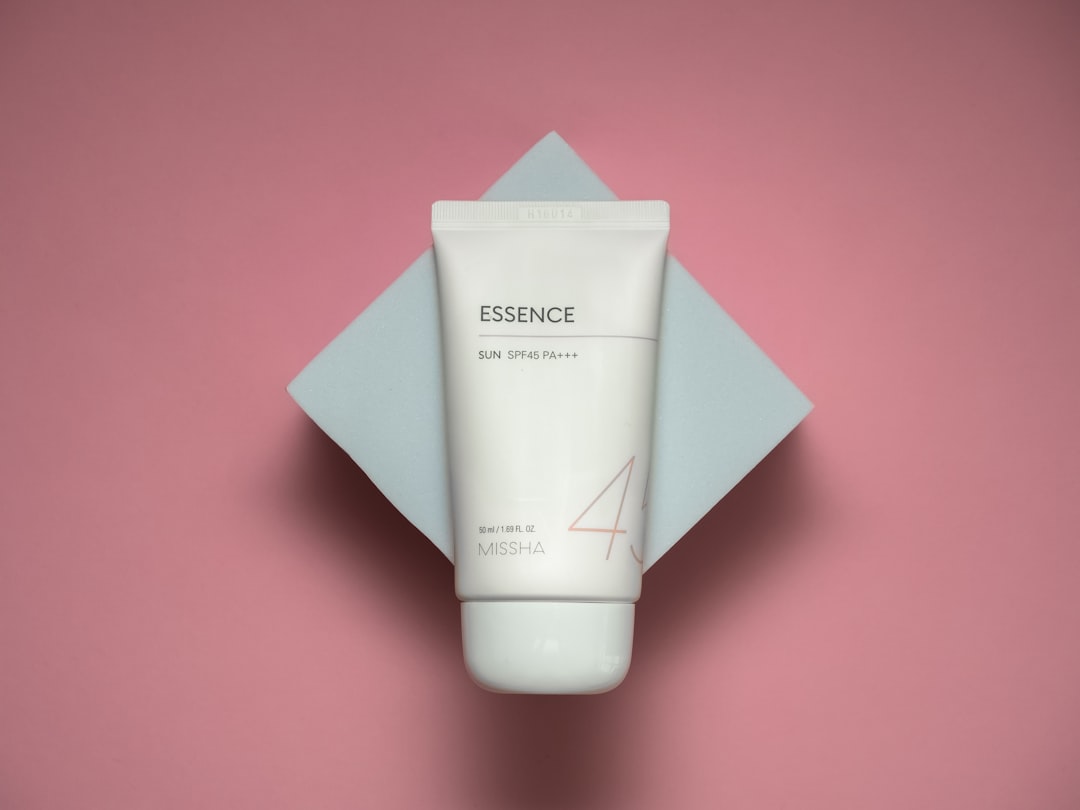
Korean sunscreens are arguably the best in the world for acne-prone skin. While many Western sunscreens use heavy, pore-clogging formulations, Korean sunscreens prioritize lightweight, fast-absorbing textures that feel like skincare rather than paint. Look for formulas labeled “sebum control,” “oil-free,” or “for oily skin.” Beauty of Joseon Relief Sun, Missha All Around Safe Block Essence Sun, and Purito Daily Go-To Sunscreen are all non-comedogenic, cosmetically elegant options under $20.
What’s the difference between purging and a breakout from a new product?
Purging only happens with actives that increase cell turnover — BHA, AHA, retinol, and vitamin C. Purging appears in areas where you already break out, consists of smaller bumps that heal faster than usual, and resolves within 4-6 weeks. A reaction breakout happens in new areas, feels itchy or inflamed, and doesn’t improve. If you’re getting breakouts in unusual spots or the irritation lasts beyond 6 weeks, discontinue the product.
Related Posts
If you enjoyed this guide, check out these related articles on our site:
- Glass Skin Routine for Beginners: 7-Step Guide (2026)
- Snail Mucin vs Centella Asiatica Benefits: Which Is Better in 2026?
- suggested topic: Best Korean Moisturizers for Oily Skin 2026
Start Your Clear Skin Journey Today
Building a Korean skincare routine for acne prone skin isn’t about buying the most expensive products or following the most complicated regimen. It’s about understanding your skin, choosing the right ingredients, and being consistent. The K-Beauty philosophy of gentle, barrier-first care has helped millions of people worldwide achieve the clear, healthy skin they thought was impossible.
Start with just three products — a gentle cleanser, a BHA treatment, and a lightweight moisturizer with SPF. Give it 4-6 weeks. We’re confident you’ll see a difference.
Have you tried Korean skincare for your acne? Which products worked (or didn’t work) for you? Drop a comment below — we read and respond to every single one. Your experience could help someone else find their holy grail routine.
If this guide helped you, share it with a friend who’s struggling with breakouts. And don’t forget to subscribe to our newsletter for weekly K-Beauty tips, product reviews, and exclusive deals delivered straight to your inbox.
suggested topic: Korean Skincare Routine for Dry Skin: Complete 2026 Guide | suggested topic: Best Korean Foods for Clear Skin: A Dermatologist’s Guide