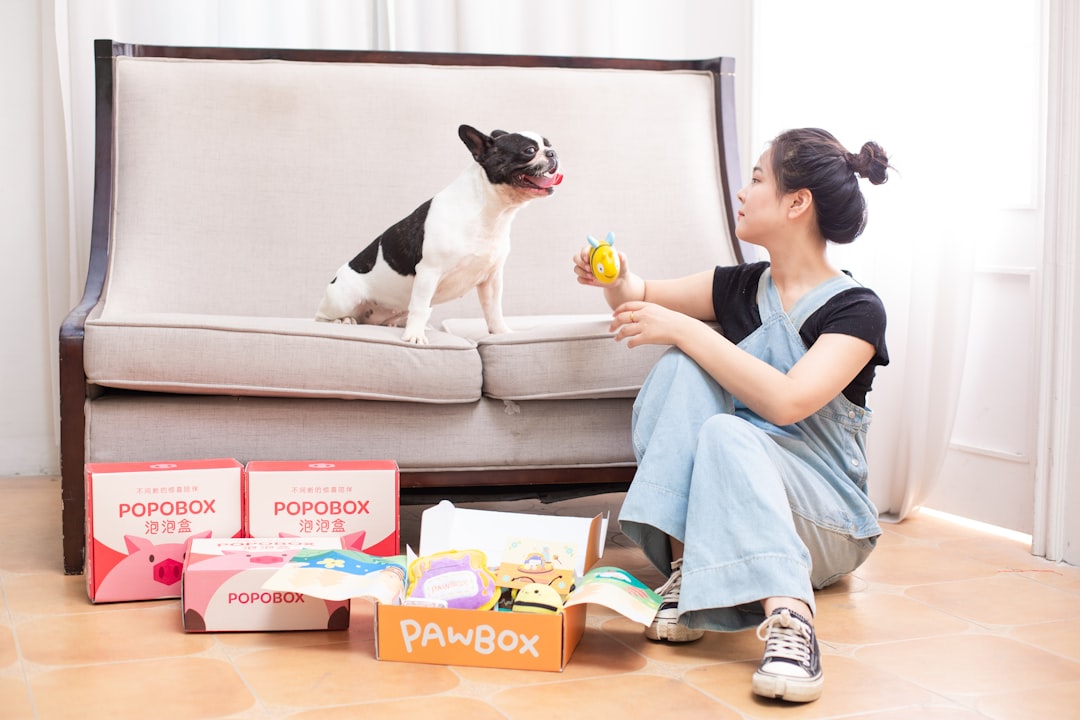
Why Korean Pet Products Are Taking Over the American Market
Watch: DOG GROOMING TUTORIAL – Step by Step Maltese haircut
If you’ve ever wondered why your Golden Retriever’s skin looks dull despite expensive shampoos, or why your French Bulldog keeps scratching after meals, the answer might be sitting on the shelves of a Korean pet store thousands of miles away. Korean pet products have quietly revolutionized the way pet parents in Seoul, Busan, and Jeju care for their furry companions — and now, American pet owners are catching on.
South Korea’s pet industry hit an estimated $3.4 billion in 2025, driven by one of the world’s most passionate communities of pet owners. In Korea, pets aren’t just animals — they’re family members, often referred to as “반려동물” (banryeo dongmul), which literally translates to “companion animals.” This cultural shift has fueled an explosion of innovative, high-quality products that prioritize gentle ingredients, functional design, and that signature Korean attention to detail.
Think of it this way: the same country that brought you 10-step skincare routines and world-class beauty innovation has turned that same meticulous R&D approach toward pet care. From Korean pet products featuring snail mucin-infused paw balms to probiotic dental chews backed by veterinary science, the innovation is real — and it’s available to you right now on Amazon, Chewy, and specialty retailers.
In this comprehensive guide, we’ll walk you through the best categories of Korean pet products you can buy online in 2026, complete with specific recommendations, price comparisons, and practical tips for every type of pet parent. Whether you own a tiny Chihuahua, a massive Great Dane, or a curious Bengal cat, there’s something here for you.
Korean Pet Skincare and Grooming: The K-Beauty Effect for Pets
It was only a matter of time before K-Beauty principles crossed over into the pet world. Korean pet grooming products use many of the same philosophies that made Korean skincare a global phenomenon: gentle formulations, natural botanical ingredients, and a focus on barrier repair rather than harsh cleansing. If you’ve explored human K-Beauty trends, you’ll recognize the approach immediately. Top 5 K-Beauty Trends of 2026: Expert Guide for Beginners
Shampoos and Conditioners With Botanical Ingredients
Korean pet shampoos stand apart from typical American options because they tend to avoid sulfates, parabens, and artificial fragrances. Brands like Forcans, Pet Kingdom, and Dr. Holi have become cult favorites among Korean pet owners, and they’re now available on Amazon with Prime shipping.
Forcans Aloe Moisturizing Shampoo ($12–$15 on Amazon) uses certified organic aloe vera and green tea extract to soothe dry, irritated skin. It’s particularly popular with owners of breeds prone to skin issues like Bulldogs, Pit Bulls, and Shih Tzus. The pH is calibrated specifically for canine skin (around 6.5–7.5), unlike many drugstore pet shampoos that run too acidic.
Dr. Holi Sensitive Skin Formula ($18–$22) goes even further with a ceramide-enriched formula that strengthens the skin barrier. If your pet suffers from seasonal allergies or hot spots, this is worth trying before jumping to medicated options. Korean pet dermatology research has shown that barrier-strengthening ingredients can reduce scratching behavior by up to 40% in mild cases.
- Best for dry skin: Forcans Aloe Moisturizing Shampoo — gentle, affordable, and effective
- Best for sensitive breeds: Dr. Holi Ceramide Sensitive Formula — veterinarian-developed in Seoul
- Best for puppies: Pet Kingdom Mild Puppy Wash — tear-free, fragrance-free, safe for dogs 8 weeks and older
- Best for cats: Forcans Cat-Specific Waterless Shampoo — no-rinse foam ideal for cats who hate baths
Paw Care and Nose Balms
Here’s where Korean innovation really shines. While American pet stores offer basic petroleum-based paw balms, Korean brands have developed multi-functional paw care products that borrow directly from K-Beauty ingredient science. K-Beauty Ingredients: Snail Mucin, Centella & Rice Guide
Arrr Urban Paw Balm ($14 on Amazon) contains shea butter, centella asiatica (the same ingredient in your favorite CICA cream), and beeswax. It creates a protective barrier against hot pavement in summer and road salt in winter. Dog owners in cities like New York, Chicago, and Denver have started swearing by it.
For noses, Pet Kingdom Snout Soother uses rice bran oil — another K-Beauty staple — to heal cracked, dry noses common in brachycephalic breeds like Pugs, Boston Terriers, and Bulldogs. Apply a thin layer before bedtime and you’ll see improvement within 3–5 days.
Dental and Oral Care Products
Dental disease affects an estimated 80% of dogs over age three, according to the American Veterinary Medical Association. Korean brands have attacked this problem with characteristic thoroughness. Forcans Denti Fresh Toothpaste uses enzyme-based cleaning rather than abrasive scrubbing, making it gentler on gums while still breaking down plaque effectively.
The Bow Wow Dental Chew line ($8–$12 for a pack of 7) combines chlorophyll, green tea catechins, and a unique twisted stick shape that reaches back molars most treats miss. They’re available in sizes from XS (for Yorkies and Maltese) to XL (for Labs and German Shepherds), and they’re grain-free — a major plus for dogs with food sensitivities.
Korean Pet Food and Treats: What Makes Them Different
Korean pet food philosophy differs significantly from the American approach. While US brands have historically focused on protein content and grain-free formulas, Korean pet products in the food category emphasize ingredient diversity, functional additions, and fresh preparation methods. It’s a food culture difference that mirrors what you see in human cuisine. Korean Cuisine 2026: 6 Insights for Global F&B Brands
Freeze-Dried and Air-Dried Treats
Korean treat manufacturers have perfected freeze-drying and air-drying techniques that preserve nutrients without the need for artificial preservatives. This matters because many conventional treats use BHA, BHT, or ethoxyquin — chemicals that some veterinary nutritionists have raised concerns about with long-term use.
Bow Wow Freeze-Dried Chicken Breast ($9–$13) is a single-ingredient treat that’s become one of the best-selling Korean pet treats on Amazon. It contains nothing but chicken breast — no fillers, no added salt, no glycerin. Trainers love it because it breaks apart easily into small pieces for reward-based training sessions.
Meowstard Cat Treats ($7–$10) offer freeze-dried fish options including salmon, tuna, and pollock. They’re especially popular with picky eaters. The brand reports that 94% of cats in their feeding trials accepted the treats on the first offering — an impressive number for any cat product.
- Check the ingredient list — quality Korean treats typically have 1–3 ingredients maximum
- Look for HACCP certification — this Korean food safety standard is rigorous and indicates proper manufacturing
- Store properly — freeze-dried treats absorb moisture quickly, so reseal bags tightly after each use
- Start with small portions — introduce any new treat gradually to avoid digestive upset
- Match the protein to your pet’s preferences — Korean brands often offer duck, venison, and even kangaroo options that American brands rarely stock
Functional Health Supplements
This is arguably where Korean pet products are most ahead of the curve. Korean pet supplement brands combine traditional herbal medicine knowledge with modern veterinary science. The result? Products that Western pet parents are discovering actually work.
Natural Core Probiotics for Dogs ($16–$20) contains 10 billion CFU per serving with strains specifically researched for canine gut health. Unlike generic pet probiotics that use human strains, Natural Core partnered with the Seoul National University veterinary department to identify the most effective bacterial strains for dogs.
Zeal Pet Joint Support Chews ($22–$28) combine glucosamine with green-lipped mussel extract and turmeric — a formulation that addresses joint health from multiple angles. Owners of large breeds like Golden Retrievers, German Shepherds, and Labrador Retrievers often notice improved mobility within 4–6 weeks of daily use.
Fresh and Gently Cooked Meal Options
The fresh pet food movement in Korea is about five years ahead of the US market. Brands like Petoria and Dr. Holi Fresh offer subscription-based, human-grade meals cooked at low temperatures to preserve nutrients. While most Korean fresh food brands don’t yet ship internationally, several have launched US-focused websites in 2025 and 2026.
In the meantime, you can find Korean-inspired fresh food toppers on Amazon. These are dehydrated meal mixes that you rehydrate with warm water, turning kibble into a complete, nutrient-rich meal. They typically include sweet potato, pumpkin, chicken, and medicinal mushrooms like reishi — ingredients that Korean veterinary nutritionists consider foundational for canine wellness.
Korean Pet Fashion and Accessories: Style Meets Function
Walk through the streets of Gangnam or Hongdae in Seoul and you’ll see something remarkable: dogs dressed in meticulously coordinated outfits, carried in designer bags, and sporting accessories that rival human fashion. Korean pet fashion isn’t just about looking cute — though it absolutely delivers on that front. It’s about functional design, quality materials, and comfort-first construction.
Harnesses and Leashes Designed for Comfort
Korean pet harness brands have addressed a problem that frustrates many American dog owners: harnesses that chafe, restrict movement, or cause matting in long-haired breeds. Arrr (pronounced “아르르”) is perhaps the best-known Korean pet accessory brand internationally, and their harness line demonstrates why.
The Arrr Adjustable Mesh Harness ($25–$35 on Amazon) uses a breathable 3D mesh fabric that distributes pressure across the chest rather than concentrating it on the throat. It comes in over 15 colorways and features reflective stitching for nighttime visibility. Owners of small breeds like Pomeranians, Maltese, and Toy Poodles — breeds especially popular in Korea — particularly appreciate the lightweight design.
For medium to large breeds, Puppia (a Korean brand that’s become widely available at PetSmart and Chewy) offers the RiteFit Harness ($20–$30) with dual adjustability at both the neck and chest. This solves the common complaint that one-size harnesses never truly fit breeds with deep chests like Dachshunds or Corgis.
Seasonal Clothing and UV Protection
Korean pet clothing goes far beyond novelty costumes. Korean pet products in the apparel category often include functional features like UPF 50+ sun protection for dogs prone to sunburn (yes, light-colored and thin-coated breeds like Dalmatians and Whippets absolutely can get sunburned), cooling vests with evaporative technology for summer, and genuine down-filled jackets for winter.
Mandarine Brothers Korea ($30–$50) makes Instagram-famous matching owner-pet outfits, but their real innovation is in their UV Shield Rashguard for Dogs. It’s made from the same UPF-rated fabric used in Korean sun-protection clothing for humans — a natural extension of Korea’s famously sun-conscious culture. Best Korean Sunscreens 2024: Top K-Beauty SPF Picks
| Brand | Best For | Price Range | Where to Buy |
|---|---|---|---|
| Arrr | Small breed harnesses & accessories | $15–$40 | Amazon |
| Puppia | All-size harnesses & outerwear | $15–$35 | Chewy, PetSmart, Amazon |
| Mandarine Brothers | Fashion-forward apparel | $25–$55 | Amazon, brand website |
| Touchdog Korea | Winter coats & rain jackets | $20–$45 | Amazon |
| PINKAHOLIC | Female dog dresses & bows | $18–$40 | Chewy, Amazon |
Korean Pet Tech and Smart Gadgets Worth Your Money
South Korea is one of the most technologically connected countries on earth, and that tech-forward mentality absolutely extends to pet care. Korean pet products in the technology category include smart feeders, AI-powered cameras, and health monitoring devices that would feel right at home in a sci-fi movie — except they’re real, affordable, and available for shipping to the US right now.
Smart Automatic Feeders
PETKIT (originally Chinese but with significant Korean market presence and R&D partnerships) and DOGNESS have popularized app-controlled feeders that let you schedule meals, control portions, and even dispense treats remotely via your smartphone. But the truly Korean innovation in this space comes from smaller brands.
PLUTO Pet Feeder ($89–$120 on Amazon) stands out with its anti-clogging mechanism — a rotating agitator that prevents kibble from jamming, which is a common complaint with cheaper smart feeders. It holds up to 6 liters of food and connects to both 2.4GHz and 5GHz Wi-Fi networks. The companion app lets you set up to 10 meals per day with portion control down to a single gram.
For cat owners, the CATLINK Smart Feeder ($95–$130) adds RFID tag recognition so that in multi-cat households, each cat only gets access to their specific food. This is a game-changer for families where one cat needs a prescription diet — no more guarding food bowls or separate feeding rooms.
Pet Cameras and Monitoring Systems
Furbo may dominate the American market, but Korean alternatives offer compelling features at lower prices. The SKYMEE Petalk AI Camera ($65–$85) features 1080p HD video, two-way audio, a treat launcher, and — here’s the Korean twist — an AI bark detection system that sends you notifications categorized by bark type (alert, anxiety, playful, or demanding).
The Enabot Ebo SE ($149), popular in the Korean market, takes things further with a self-driving robot camera that follows your pet around the house. It maps your floor plan using LiDAR (the same technology in self-driving cars) and lets you drive it remotely to check on your pet in any room. Owners of anxious breeds like Cavalier King Charles Spaniels and Vizslas love it for separation anxiety monitoring.
Health Monitoring Wearables
Korean tech companies are leading the charge in pet health wearables. PetPace and Korean-developed alternatives offer collar-mounted sensors that track heart rate, respiration, temperature, activity levels, calories burned, and even sleep quality. Think of it as a Fitbit for your dog or cat.
These devices connect to smartphone apps that use AI to detect early signs of illness — subtle changes in activity patterns or vital signs that might indicate pain, infection, or developing chronic conditions. Early detection can mean the difference between a simple treatment and a costly emergency visit. Some devices even share data directly with your veterinarian’s practice management software.
Korean Cat Products: A Special Category of Innovation
Korea has one of the highest cat ownership growth rates in Asia, and the cat product market there has exploded with creativity. If you’re a cat parent, this section is going to make your shopping cart overflow.
Litter and Litter Box Solutions
Korean tofu cat litter has become a phenomenon in the American market, and for good reason. Made from soybean fiber, it’s biodegradable, flushable (in most municipal systems), virtually dust-free, and clumps harder than traditional clay litters. Brands like pidan and Clean Bean have earned thousands of five-star reviews on Amazon.
Clean Bean Original Tofu Litter ($18–$22 for a 6-pack) weighs about 60% less than clay litter — a major perk if you live in a walk-up apartment and hate lugging 40-pound boxes up stairs. It’s also naturally odor-absorbing thanks to the soybean’s porous structure, and it won’t track dusty pawprints across your hardwood floors the way clay does.
On the litter box side, CATLINK Scooper Luxury Pro ($380–$450) is a self-cleaning robot litter box that’s wildly popular in Korean households. It automatically sifts waste into a sealed compartment after each use, deodorizes with a UV-C light, and sends your phone a notification with data about your cat’s litter box usage — information that veterinarians say can be critical for early detection of urinary issues, the number one reason cats visit the emergency vet.
Cat Furniture and Scratching Solutions
Korean cat furniture prioritizes aesthetics alongside function — reflecting the Korean design philosophy that pet products should complement your home decor, not clash with it. KASENTEX and FUKUMARU offer cat trees and wall-mounted shelves in minimalist Scandinavian-Korean fusion styles with natural wood, clean lines, and neutral colors.
The FUKUMARU Wall-Mounted Cat Steps ($45–$65 for a set of 3) install in minutes and turn any wall into a vertical playground. They’re made from solid rubberwood with sisal-wrapped edges for scratching. For cat owners in small apartments — and Korean apartment living has driven incredible space-efficient design — these are transformative.
How to Shop for Korean Pet Products Safely Online
Not all Korean pet products sold online are created equal. As the market has grown, so has the number of knockoffs and misleading listings. Here’s how to shop smart and ensure you’re getting authentic, safe products for your pet.
Trusted Platforms and Verified Sellers
- Amazon (with caveats) — Look for listings sold directly by the brand or by Amazon itself. Check seller ratings and read recent reviews specifically. Brands like Puppia, Arrr, and Bow Wow have verified brand stores on Amazon.
- Chewy — Chewy’s buying team vets products before listing them, making it one of the safest platforms. Their Korean product selection is smaller but reliably authentic. Puppia and select Korean treat brands are well-stocked.
- PetSmart — Both in-store and online, PetSmart carries Puppia and a growing selection of Korean grooming products. Staff in urban locations are increasingly knowledgeable about Korean brands.
- Specialty Korean retailers — Sites like KoreaDepart, Gmarket Global, and Coupang (Korea’s Amazon equivalent, which has started international shipping on select items) offer the widest selection but longer shipping times (7–14 business days).
Red Flags to Watch For
- Prices that seem too good to be true — A $5 Arrr harness is almost certainly counterfeit. Check the brand’s official pricing for reference.
- Missing or blurry packaging images — Authentic Korean pet products have bilingual (Korean and English) packaging with clear ingredient lists and certification marks.
- No HACCP, MAFRA, or KFDA certification — Korean pet food and treat products should display certification from the Korean Ministry of Agriculture, Food, and Rural Affairs.
- Vague ingredient lists — Legitimate Korean brands are proud of their ingredients and list them precisely. If a listing says “natural ingredients” without specifics, move on.
- Reviews that all sound similar — AI-generated fake reviews are a growing problem. Look for reviews with specific details and photos of the actual product.
Shipping and Import Considerations
Most Korean pet products sold through Amazon and Chewy ship from US-based warehouses, so delivery times are standard (2–5 business days with Prime). However, if you’re ordering directly from Korean retailers, factor in 7–14 days for shipping and possible customs duties on orders over $800.
Pet food and treats imported from Korea must comply with FDA regulations for animal feed. Established brands already meet these standards, but if you’re ordering from a lesser-known brand on Gmarket, verify that the product has been cleared for US import. When in doubt, stick with brands available on Chewy or Amazon’s verified brand stores.
The Korean “Pet Humanization” Trend and What It Means for You
To truly understand why Korean pet products are so innovative, you need to understand the cultural context behind them. Korea is experiencing what sociologists call “pet humanization” at a scale and speed that’s remarkable even compared to the American market.
The Demographics Driving Innovation
South Korea has one of the lowest birth rates in the world (0.72 in 2024), and a growing number of young Koreans are choosing pets over children. The term “펫팸족” (pet-fam-jok, meaning “pet family tribe”) describes Millennials and Gen Z Koreans who treat their pets as children, spending accordingly on premium food, healthcare, fashion, and experiences.
This demographic reality means Korean companies are designing for consumers who are willing to spend $200–$500+ per month on their pets. The result is a market where quality, innovation, and design aesthetics are rewarded — and where cheap, low-quality products can’t compete. This is a similar cultural dynamic to what drove K-Beauty to global dominance. 10-Step Korean Skincare Routine: K-Beauty for Beginners
Pet Cafes, Pet Hotels, and the Experience Economy
Korea has over 1,000 pet cafes and a booming luxury pet hotel industry. These businesses have become testing grounds for new products — if a pet cafe’s 50 resident cats prefer a particular litter or treat brand, that endorsement drives massive consumer adoption. Many Korean pet product brands partner with pet cafes for real-world testing and user feedback loops that would be difficult to replicate in a traditional retail environment.
This “experience-first” approach to product development is now influencing how Korean brands market to American consumers. Instead of just listing features, they show how products fit into a lifestyle — a marketing approach that K-Pop and K-Beauty pioneered and that Korean pet brands are now mastering. 2026 K-Pop Predictions: Comebacks, Debuts & Trends
Price Comparison: Korean Pet Products vs. American Alternatives
One of the most common questions we hear is: “Are Korean pet products more expensive?” The answer is nuanced. Some categories offer significant savings, while others command a premium that’s justified by superior ingredients or design.
| Product Category | Korean Brand (Price) | American Equivalent (Price) | Value Assessment |
|---|---|---|---|
| Pet Shampoo (16 oz) | Forcans Aloe ($12–$15) | Burt’s Bees for Pets ($8–$10) | Korean is pricier but has superior ingredients |
| Freeze-Dried Treats (3 oz) | Bow Wow Chicken ($9–$13) | PureBites ($12–$15) | Korean is comparable or cheaper |
| Mesh Harness (Small) | Puppia ($18–$25) | Frisco Mesh ($12–$15) | Korean costs more but lasts 3x longer |
| Tofu Cat Litter (6L) | Clean Bean ($18–$22) | World’s Best Corn ($15–$18) | Korean is slightly more; less tracking and dust |
| Dental Chews (7-pack) | Bow Wow Dental ($8–$12) | Greenies (6-pack) ($8–$10) | Comparable price, Korean is grain-free |
| Smart Feeder | PLUTO ($89–$120) | PetSafe Smart Feed ($150–$180) | Korean offers more features for less money |
The bottom line: Korean pet products generally offer better value when you factor in ingredient quality, design innovation, and durability. The initial price may be slightly higher in some categories, but pet parents consistently report that Korean products last longer and deliver better results — meaning fewer repurchases and fewer vet visits for skin or digestive issues caused by inferior products.
Frequently Asked Questions About Korean Pet Products
Are Korean pet products safe for my dog or cat?
Yes, when purchased from reputable brands and verified sellers. Korean pet food and treat manufacturers must comply with regulations from the Korean Ministry of Agriculture, Food, and Rural Affairs (MAFRA), and products exported to the US must additionally meet FDA standards for animal feed. Major brands like Forcans, Bow Wow, and Puppia have established safety track records spanning 10–20+ years. Always check for HACCP certification on food products and buy from trusted platforms like Amazon (verified brand stores), Chewy, or PetSmart.
Where can I buy authentic Korean pet products in the United States?
The easiest options are Amazon (look for verified brand storefronts), Chewy, and PetSmart. For a wider selection, Korean e-commerce platforms like Gmarket Global and Coupang now offer international shipping. Specialty Korean pet boutiques have also started appearing in cities with large Korean-American populations, including Los Angeles (Koreatown), New York (Flushing), and Atlanta (Duluth). Always verify seller authenticity by checking reviews, brand authorization, and certification marks on packaging.
How do Korean pet food ingredients differ from American brands?
Korean pet food tends to emphasize ingredient diversity and functional additions. You’ll commonly find ingredients like sweet potato, pumpkin, reishi mushroom, green tea extract, and fermented vegetables — ingredients rooted in Korean dietary traditions. Korean brands also tend to avoid common controversial additives like BHA, BHT, artificial colors, and excessive salt. The focus is on whole, recognizable ingredients rather than meat meals and by-product concentrates. Many Korean brands also incorporate probiotics and prebiotics directly into their foods, reflecting the Korean understanding that gut health is foundational to overall wellness.
Can Korean pet products help with my dog’s skin allergies?
Many pet owners report significant improvement in skin conditions after switching to Korean grooming products, particularly shampoos formulated with ceramides, centella asiatica, and gentle botanical extracts. Korean pet dermatology has focused heavily on barrier repair and gentle cleansing — the same approach that makes K-Beauty so effective for sensitive human skin. However, skin allergies can have many causes (environmental, food-based, genetic), so Korean products should be part of a comprehensive approach that includes veterinary consultation, not a replacement for professional diagnosis and treatment.
What is tofu cat litter and is it actually better than clay?
Tofu cat litter is made from soybean fiber (the byproduct of tofu production) and has become enormously popular in Korea and increasingly in the US. Compared to traditional clay litter, tofu litter is 50–60% lighter, virtually dust-free (better for cats and humans with respiratory sensitivities), biodegradable, and generally flushable. It clumps firmly, controls odor naturally, and tracks significantly less than clay. The main trade-off is price — tofu litter costs roughly 15–25% more per pound than premium clay litters. However, many cat owners find they use less product per refill because of the superior clumping, which offsets the higher per-unit cost.
Do Korean pet harnesses work for American breed sizes?
Most Korean pet harness brands now offer full size ranges from XXS to XL, accommodating everything from Teacup Chihuahuas to large breeds like Labrador Retrievers. However, Korean sizing can run slightly smaller than American sizing, so always measure your pet’s chest girth and compare it to the brand’s specific size chart rather than guessing based on your dog’s weight. Puppia and Arrr both provide detailed sizing guides on their Amazon listings. If your dog is between sizes, sizing up is generally the safer choice — you can always tighten the adjustable straps.
Related Posts You’ll Love
- K-Pop Groups in 2026: BTS, BLACKPINK & What’s Next — Discover how K-Pop idols are influencing pet culture and adoption trends across Korea and the US.
- Korean Cuisine 2026: 6 Insights for Global F&B Brands — The same food philosophy driving Korean pet nutrition innovation is reshaping human dining worldwide.
- 10-Step Korean Skincare Routine: K-Beauty for Beginners — See how K-Beauty principles translate directly into the Korean pet grooming products we covered in this guide.
Suggested future articles:
- Korean Pet Cafe Culture: A Complete Guide for Animal Lovers
- Best Korean Dog Breeds: Jindo, Sapsali & Nureongi Explained
- Korean Pet Tech Startups Revolutionizing Animal Healthcare in 2026
Join the Korean Pet Products Revolution
The wave of Korean pet products reaching American shores is just getting started. As more pet parents discover the quality, innovation, and thoughtfulness behind these products, the brands we’ve covered in this guide will only become more widely available and competitively priced.
Whether you start with something small — a bag of tofu litter, a pack of freeze-dried chicken treats, or a beautifully designed mesh harness — you’ll quickly understand why millions of Korean pet owners swear by these products. Your dog, cat, or other furry companion deserves the same level of care and innovation that Korean culture brings to everything it touches.
We want to hear from you! Have you tried any Korean pet products? Which ones are your favorites? Are there Korean brands we missed that deserve a spot on this list? Drop your experience in the comments below — your recommendations help other pet parents make confident choices.
If you found this guide helpful, share it with a fellow pet parent who’d love to discover these products. And don’t forget to subscribe to our newsletter for more in-depth guides on Korean culture, products, and trends delivered straight to your inbox every week.
Last updated: February 2026. Prices and availability are subject to change. We recommend checking current listings on Amazon, Chewy, and PetSmart for the most up-to-date pricing.