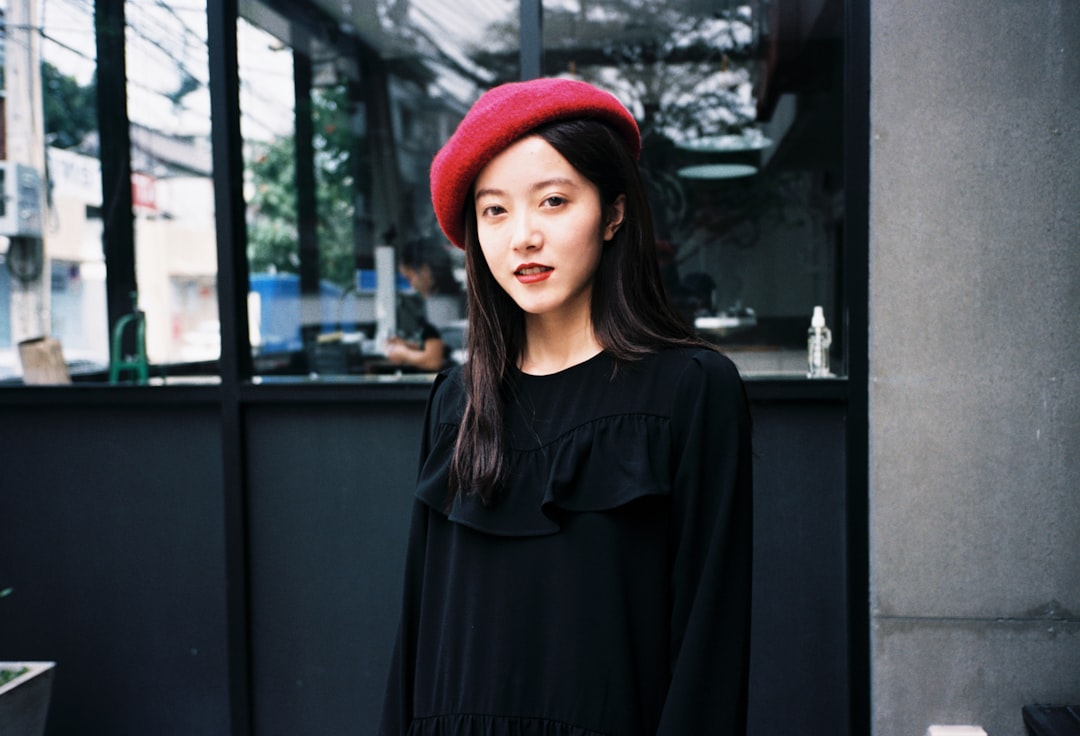
Imagine opening your closet every morning and feeling zero stress. No frantic outfit changes, no “I have nothing to wear” panic — just a curated collection of versatile, beautifully crafted pieces that all work together. That’s the promise of a Korean minimalist fashion capsule wardrobe, and it’s transforming how millions of people around the world get dressed. South Korea — a country that generated over $4.7 billion in fashion exports in 2025 — has quietly become the global epicenter of effortless, pared-back style. While Western minimalism often leans cold and utilitarian, Korean minimalism brings warmth, subtle texture, and an almost architectural sense of proportion to everyday dressing. Whether you’re a college student in Chicago, a remote worker in Austin, or a creative professional in New York, this guide will show you exactly how to build a Korean minimalist fashion capsule wardrobe that looks expensive, feels intentional, and simplifies your life.
What Makes Korean Minimalist Fashion Different from Western Minimalism?
Before you start shopping, it’s important to understand why Korean minimalist fashion feels so distinct from the Scandinavian or American minimalism you might already know. The differences are rooted in cultural philosophy, body-conscious tailoring, and an obsessive attention to fabric quality that sets Korean brands apart.
The Cultural Roots: “Jeong” and Quiet Confidence
Korean aesthetics draw heavily from the concept of 여백 (yeobaek), meaning “white space” or “the beauty of emptiness.” This philosophy shows up in traditional Korean pottery, hanok architecture, and — more recently — fashion. Where Western minimalism was born from industrial design and Bauhaus principles, Korean minimalism is rooted in a Confucian appreciation for restraint and the emotional warmth of jeong (정), a uniquely Korean sense of deep affection and attachment.
In practical terms, this means Korean minimalist outfits rarely feel sterile or severe. You’ll notice soft, rounded silhouettes instead of sharp, rigid lines. Cream replaces stark white. Warm gray replaces cold charcoal. The overall effect is polished yet approachable — like a warm hug disguised as an outfit.
Silhouette vs. Logo: The Korean Approach to Luxury
While American streetwear culture often revolves around visible logos and brand recognition, Korean minimalist fashion prioritizes silhouette and proportion above all else. Korean fashion influencers on platforms like Musinsa and W Concept consistently demonstrate that a $40 oversized blazer with the perfect drop shoulder can look more luxurious than a $400 logo-covered hoodie.
This is why Korean capsule wardrobes tend to be remarkably affordable to build. You’re investing in fit and fabric, not brand names. Brands like DEPOUND, MARDI MERCREDI, ADER ERROR, and LOW CLASSIC have built cult followings by offering exceptional construction at mid-range prices — most pieces fall between $50 and $200.
| Feature | Western Minimalism | Korean Minimalism |
|---|---|---|
| Color palette | Black, white, gray | Cream, beige, warm gray, muted pastels |
| Silhouette | Fitted, structured | Relaxed, oversized with intentional drape |
| Key fabric | Wool, cotton, leather | Modal blends, organic cotton, light wool |
| Styling philosophy | “Less is more” | “Less, but warmer” |
| Price range (capsule) | $1,500–$5,000+ | $500–$2,000 |
| Influence | Bauhaus, Scandi design | Hanbok lines, K-drama styling |
The Essential Korean Minimalist Capsule Wardrobe: 25 Pieces for Every Season

A Korean minimalist fashion capsule wardrobe typically consists of 25–30 pieces that mix and match to create 60+ outfits across all four seasons. The secret is choosing pieces with neutral tones, versatile silhouettes, and quality fabrics that layer effortlessly. Here’s the exact breakdown Korean style consultants recommend.
Tops (8 Pieces)
Korean minimalist wardrobes lean heavily on relaxed-fit tops in muted tones. Unlike the skin-tight basics of Western capsule wardrobes, Korean basics have a gentle ease — think a crewneck tee that skims the body rather than clinging to it.
- 3 oversized crewneck tees — white, cream, light gray (look for 220gsm+ cotton weight)
- 1 half-zip knit polo — beige or oatmeal (a K-fashion staple since 2024)
- 1 striped long-sleeve Breton top — navy/cream (the Korean take is slightly boxy)
- 1 crisp oversized button-down — white or pale blue Oxford cloth
- 1 lightweight knit vest — cream or charcoal for layering
- 1 mock-neck long-sleeve — black or dark navy for cooler months
Pro tip: Korean brands like 8SECONDS (Samsung’s fashion label) and SPAO offer these basics at $15–$35 each and ship internationally. Their cotton quality rivals brands charging three times the price.
Bottoms (5 Pieces)
The bottom half of a Korean minimalist wardrobe is all about wide-leg and straight-leg silhouettes. Skinny jeans have been effectively retired in Korean fashion since 2022. The emphasis is on creating a balanced, elongated line from hip to hem.
- 1 wide-leg cream trouser — the single most essential piece in Korean minimalism
- 1 straight-leg dark denim — raw or one-wash finish, no distressing
- 1 tailored pleated pant — charcoal or navy, wool-blend for structure
- 1 cotton A-line midi skirt — beige or black (works year-round with boots or sandals)
- 1 relaxed bermuda short — khaki or cream for summer
Outerwear (4 Pieces)
Korean minimalist outerwear is where the magic really happens. A single well-chosen coat can elevate a basic tee-and-trouser combo into something that looks editorial-worthy. Korean outerwear tends to run longer — mid-thigh to below the knee — creating that signature dramatic silhouette you see all over Gangnam and Hongdae.
- 1 oversized single-breasted blazer — cream or light beige, unlined for spring/fall
- 1 long wool coat — camel or charcoal, knee-length minimum
- 1 lightweight trench coat — classic khaki with a relaxed belt
- 1 padded vest or light puffer — matte black or olive for layering
Shoes (4 Pairs) and Accessories (4 Items)
Korean minimalism extends to footwear with an emphasis on clean lines and neutral tones. Chunky sneakers (popularized by brands like MLB Korea) have given way to slimmer, more refined silhouettes in the minimalist space.
- Shoes: White leather sneakers, black loafers, suede ankle boots (beige or black), one pair of simple leather sandals
- Accessories: Canvas tote in cream, minimal silver jewelry (thin chain necklace + small hoop earrings), a quality leather belt in brown, and a structured crossbody bag in black
The Korean Color Theory: Building a Palette That Actually Works
One reason many Western capsule wardrobes fail is they rely too heavily on black. The resulting outfits feel monotonous and heavy. A Korean minimalist fashion capsule wardrobe follows a different color philosophy — one that’s warmer, more versatile, and far more flattering across different skin tones.
The 60-30-10 Rule, Korean Edition
Korean stylists recommend building your palette around a 60-30-10 distribution:
- 60% warm neutrals — cream, beige, oatmeal, sand, warm white
- 30% cool anchors — charcoal, navy, muted gray, black
- 10% muted accent — dusty rose, sage green, powder blue, lavender
This distribution means virtually every piece in your wardrobe pairs with every other piece. You can get dressed in the dark and still look coordinated — which is exactly the point.
Why Cream Is the New Black in Korean Fashion
Walk down any street in Seongsu-dong (Seoul’s trendiest neighborhood) and you’ll notice an ocean of cream, ivory, and ecru. There’s a practical reason for this: Korean beauty culture emphasizes bright, clear skin, and warm neutrals create a flattering glow effect that black simply cannot achieve. If you’re building your first Korean capsule wardrobe, start with cream as your primary neutral — not black.
This connects beautifully with the Korean skincare philosophy of achieving luminous, healthy-looking skin. For the complete guide to that glowing base, check out Korean Skincare Routine for Acne-Prone Skin: 2026 Guide and Best Korean Sheet Masks for Glass Skin 2026: Top 12 Ranked — because Korean minimalist fashion works best when your skin is the star.
Where to Shop: Best Korean Minimalist Brands Available in the US

One of the biggest barriers to building a Korean minimalist fashion capsule wardrobe used to be accessibility. Not anymore. Thanks to global e-commerce expansion and K-fashion’s explosive popularity (driven by K-dramas and K-pop), dozens of Korean brands now ship directly to the US with reasonable shipping costs and return policies.
Budget-Friendly (Under $50 per piece)
- UNIQLO x Korean Styling — While technically Japanese, UNIQLO’s oversized basics are a Korean capsule wardrobe staple. Nearly every Korean fashion YouTuber features UNIQLO pieces. Available at 50+ US locations.
- 8SECONDS — Samsung’s fast-fashion brand offers trendy Korean basics at H&M prices. Ships internationally via their website.
- SPAO — Known for incredibly soft cotton basics and popular collaboration pieces. Available on global platforms like YesStyle.
- MIXXMIX — Great for the younger demographic, offering clean-cut Korean basics with slightly more playful details.
Mid-Range ($50–$200 per piece)
- DEPOUND — The quintessential Korean minimalist brand. Their canvas bags alone have over 2 million units sold worldwide. Available on their global website.
- LOW CLASSIC — Architectural, gender-neutral silhouettes favored by Korean art directors and architects. Stocked at SSENSE and Net-a-Porter.
- MARDI MERCREDI — Famous for their flower-embroidered sweatshirts, but their plain basics are equally stellar. Ships to US via Musinsa Global.
- ADER ERROR — Slightly more avant-garde but still rooted in minimalism. Stocked at Nordstrom and SSENSE.
Investment Pieces ($200+)
- AURALEE (Korean-influenced Japanese brand) — Exceptional fabrics, particularly their superfine wool knits
- LEMAIRE (Korean-influenced French brand) — Creative director Christophe Lemaire has deep ties to Korean fashion culture
- THE ROW — While not Korean, this brand perfectly complements a Korean minimalist aesthetic
Shopping tip: Musinsa Global (global.musinsa.com) is the single best platform for Korean fashion shopping from the US. Think of it as Korea’s answer to ASOS — over 7,000 Korean brands, international shipping, and frequent 20–40% sales.
K-Drama Styling Secrets: How to Steal the Look
Let’s be honest — much of the global fascination with Korean minimalist fashion started with K-dramas. Shows like My Love from the Star, Crash Landing on You, Hometown Cha-Cha-Cha, and the 2025 mega-hit Queen of Tears have functioned as two-hour fashion lookbooks, sending specific items viral within hours of airing.
The “Chaebol Daughter” Aesthetic
The most influential K-drama fashion archetype for minimalism is the “chaebol daughter” look — understated luxury that whispers rather than shouts. Think Kim Ji-won in Queen of Tears: structured camel coats, cream wide-leg trousers, simple gold jewelry, and pristine white sneakers. No visible logos. No loud prints. Just impeccable fabric, perfect tailoring, and a muted color palette.
To recreate this look on a budget, focus on these three elements: an oversized blazer in cream or beige ($40–$80 on Musinsa), straight-leg trousers in a complementary neutral ($30–$60), and one piece of delicate gold jewelry ($15–$40 from Korean accessory brands like NUMBERING or NONENON).
The “Seoul Street” Casual Uniform
For a more casual take, look at how everyday Koreans style their minimalist capsule wardrobes on the streets of Hongdae, Gangnam, and Seongsu. The uniform typically consists of an oversized tee or sweatshirt, wide-leg pants, and clean sneakers — but the proportions and fabric choices make it look infinitely more polished than the American equivalent.
The key difference? Proportion play. Korean street style almost always pairs something oversized on top with something slightly more structured on the bottom (or vice versa). A voluminous sweatshirt gets tucked into high-waisted wide trousers. A fitted mock-neck goes under a dramatically oversized coat. This creates visual interest without any patterns or colors doing the work.
Seasonal Styling: Adapting Your Korean Capsule Wardrobe Year-Round

Korea experiences four distinct seasons — from humid 95°F summers to freezing 10°F winters — so Korean minimalist fashion is inherently designed for layering versatility. This makes a Korean-inspired capsule wardrobe exceptionally practical for most US climates.
Spring (March–May)
Spring in Korea is all about light layers in soft tones. This is peak Korean minimalist season — cherry blossoms provide the backdrop, and the fashion follows suit with cream, pale pink, and soft sage. If you’re planning a trip, 7 Best Cherry Blossom Spots in Korea 2026: Hidden Gems pairs perfectly with this spring wardrobe planning.
Key formula: Oversized blazer + striped Breton top + wide-leg cream trouser + white sneakers. Add a cotton scarf on cooler mornings.
Summer (June–August)
Korean summers are brutally humid, so minimalist summer dressing prioritizes breathable fabrics and loose silhouettes. Linen-blend trousers, oversized short-sleeve shirts, and cotton midi skirts dominate. Colors shift to white, light beige, and pale blue to reflect heat.
Key formula: Oversized linen shirt (unbuttoned over a tank) + bermuda shorts or A-line skirt + leather sandals. Keep accessories to an absolute minimum.
Fall (September–November)
Autumn is when the Korean minimalist fashion capsule wardrobe truly shines. The layering possibilities are endless, and the rich, warm tones of Korean fall fashion — camel, burgundy, forest green, rust — create stunning looks. If you’re visiting Korea during this season, Korea Autumn Foliage Best Time 2026: Top 7 Spots will help you time your trip perfectly.
Key formula: Long wool coat + mock-neck top + pleated trousers + suede ankle boots. Layer a knit vest for extra warmth and visual depth.
Winter (December–February)
Korean winter style centers on one hero outerwear piece that does all the heavy lifting. A knee-length wool coat in camel or charcoal becomes the foundation. Underneath, you layer a mock-neck, a knit vest, and straight-leg wool trousers. The padded vest goes under the coat on the coldest days. Scarves are oversized and in matching neutrals.
Key formula: Long coat + mock-neck + knit vest + pleated pant + ankle boots. Add a cashmere scarf and leather gloves in matching tones.
Korean Minimalism Beyond Clothes: The Total Lifestyle Approach
True Korean minimalism extends far beyond your closet. In Korea, the concept of “정리정돈” (jeongni jeongdon) — organizing and putting things in order — is deeply cultural. A Korean minimalist fashion capsule wardrobe is just one expression of a broader philosophy that touches skincare, home organization, food, and even pet care.
The Skincare Connection
Korean minimalist fashion works best with the famous “glass skin” look — dewy, luminous, and natural. This is why Korean fashion influencers invest as much in their skincare routine as their wardrobe. The philosophy aligns perfectly: fewer products, better quality, consistent routine. For a deep dive into ingredients that actually deliver results, see Snail Mucin vs Centella vs Rice: Which K-Beauty Ingredient Wins in 2026?.
The Food Philosophy
Korean minimalism even shows up at the dining table. The Korean approach to meals — one main dish with several small banchan (side dishes) — mirrors the capsule wardrobe philosophy. Variety through simplicity. If you’re curious about Korean food culture, Authentic Korean Kimchi Recipe for Beginners (2026 Guide) and Best Korean Instant Noodles Ranked 2026: Top 15 are great starting points.
Even Pet Fashion Goes Minimalist
Korea’s pet fashion industry is booming, and the minimalist trend has absolutely reached the pet world. Korean pet owners coordinate their outfits with their dogs’ wardrobes — but in the minimalist way, of course. Simple, well-made basics in matching neutrals. For the best options available online, check out 7 Best Korean Dog Fashion Brands to Shop Online in 2026 and treat your furry friend to healthy snacks with Homemade Korean Sweet Potato Dog Treats: 5 Easy Recipes (2026).
Common Mistakes to Avoid When Building Your Korean Capsule Wardrobe

Even with the best intentions, many people stumble when translating Korean minimalist fashion to their own closets. Here are the five most common pitfalls — and how to sidestep them.
Mistake #1: Going Too Dark
The biggest mistake Westerners make is defaulting to an all-black wardrobe and calling it minimalist. Korean minimalism is fundamentally about warm, light neutrals. If your capsule wardrobe is more than 30% black, you’re drifting away from the Korean aesthetic. Start adding cream, beige, and oatmeal pieces immediately.
Mistake #2: Ignoring Fabric Weight
A $15 polyester blazer and a $60 cotton-blend blazer may look identical online. In person, the difference is immediately visible. Korean minimalism relies on fabric quality to create that “quiet luxury” effect. Always check fabric composition — aim for natural fibers (cotton, wool, linen) or high-quality blends with at least 60% natural content.
Mistake #3: Buying Too Tight
Korean minimalist fashion almost always has a relaxed, slightly oversized fit. If you’re used to Western fitted clothing, size up one size for tops and outerwear. Pants should have a comfortable rise and a straight or wide leg — never skinny.
Mistake #4: Over-Accessorizing
In Korean minimalism, accessories are the punctuation, not the sentence. One or two delicate pieces — a thin chain necklace, small hoop earrings, a simple watch — is the maximum. Stacking rings, layering necklaces, and statement earrings belong to a different aesthetic entirely.
Mistake #5: Neglecting Grooming
Korean minimalist fashion is inseparable from grooming. Clean skin, well-maintained hair, and neat nails are non-negotiable elements of the look. A perfectly curated outfit loses its impact with unkempt hair or dry, neglected skin. This is why Korean fashion influencers often spend more on skincare than clothing.
Frequently Asked Questions About Korean Minimalist Fashion
How much does it cost to build a Korean minimalist fashion capsule wardrobe from scratch?
A complete 25-piece Korean minimalist fashion capsule wardrobe can be built for $500–$2,000 depending on your brand choices. Using budget-friendly Korean brands like 8SECONDS and SPAO, you can assemble a solid foundation for under $600. Mid-range brands like DEPOUND and LOW CLASSIC will push the total closer to $1,500. The beauty of this approach is that it actually saves money long-term — you stop impulse-buying trendy pieces that gather dust after one season.
Can Korean minimalist fashion work for plus-size bodies?
Absolutely. In fact, the oversized, relaxed silhouettes central to Korean minimalism are incredibly flattering on plus-size bodies. The key is ensuring the oversized fit is intentional — not just “too big.” Look for pieces with structured shoulders, defined seams, and quality drape. Brands like ADER ERROR and some Musinsa labels now offer extended sizing. US-based brands like Everlane and COS also carry Korean-influenced minimalist pieces in full size ranges.
Is Korean minimalist fashion only for women?
Not at all. Korean minimalism is arguably even more popular among Korean men. Male K-pop idols and actors have been championing the clean, oversized, neutral-toned aesthetic for years. The 25-piece capsule wardrobe outlined in this guide is almost entirely gender-neutral — the same cream blazer, wide-leg trousers, and white sneakers work across all genders. This is one of the great strengths of minimalist fashion.
How do I maintain and care for a minimalist capsule wardrobe?
Because you’re wearing each piece more frequently, care is critical. Korean fashion experts recommend washing in cold water, air-drying whenever possible, and investing in a good fabric shaver ($10–$15) to keep knits looking fresh. Steam your outerwear instead of dry cleaning — it’s gentler on fabrics and more cost-effective. Store off-season pieces in breathable garment bags with cedar blocks.
What’s the difference between Korean minimalism and Japanese minimalism in fashion?
While both emphasize simplicity, Japanese minimalism (think Muji, COMME des GARÇONS) tends toward more structural, deconstructed, and sometimes avant-garde designs. Korean minimalism is warmer, softer, and more commercially wearable. Japanese minimalism often plays with asymmetry and raw edges; Korean minimalism favors symmetry, clean lines, and a polished finish. Both are beautiful — Korean minimalism is simply more accessible for everyday dressing.
Related Posts
If you enjoyed this guide to building a Korean minimalist fashion capsule wardrobe, you’ll love these related reads:
- Best Korean Sheet Masks for Glass Skin 2026: Top 12 Ranked — Complete your minimalist look with the perfect Korean skincare routine
- Busan Beach Street Food Itinerary: 5-Day Guide 2026 — Explore Korean coastal culture and fashion inspiration from Busan’s stylish beach neighborhoods
- 7 Best Korean Dog Fashion Brands to Shop Online in 2026 — Extend the minimalist aesthetic to your four-legged companion
Suggested future reads: Korean Minimalist Home Decor: A Room-by-Room Guide, Best Korean Gender-Neutral Fashion Brands 2026, How to Style Korean Oversized Blazers: 10 Outfit Ideas
For more inspiration, explore Korea’s fashion districts and cultural landmarks through Visit Korea’s official guide — their Seongsu-dong and Garosu-gil neighborhood guides are especially useful for fashion-focused travelers.
Start Your Korean Minimalist Journey Today
Building a Korean minimalist fashion capsule wardrobe isn’t about throwing everything away and starting from scratch. It’s about making intentional choices — choosing warmth over severity, quality over quantity, and timeless silhouettes over fleeting trends. Start with just five pieces: a cream oversized tee, a white button-down, wide-leg cream trousers, a structured blazer, and clean white sneakers. Wear those five pieces for a week and see how it transforms your mornings, your confidence, and your relationship with clothing.
The Korean approach to fashion isn’t about deprivation — it’s about freedom. Freedom from decision fatigue, from cluttered closets, from the endless cycle of buying and discarding. It’s the most liberating fashion choice you’ll ever make.
What’s in your minimalist wardrobe? Drop your must-have pieces in the comments below — we’d love to hear what Korean minimalist basics you can’t live without. If this guide helped you rethink your closet, share it with a friend who needs a wardrobe reset. And don’t forget to subscribe to our newsletter for weekly Korean lifestyle content delivered straight to your inbox.