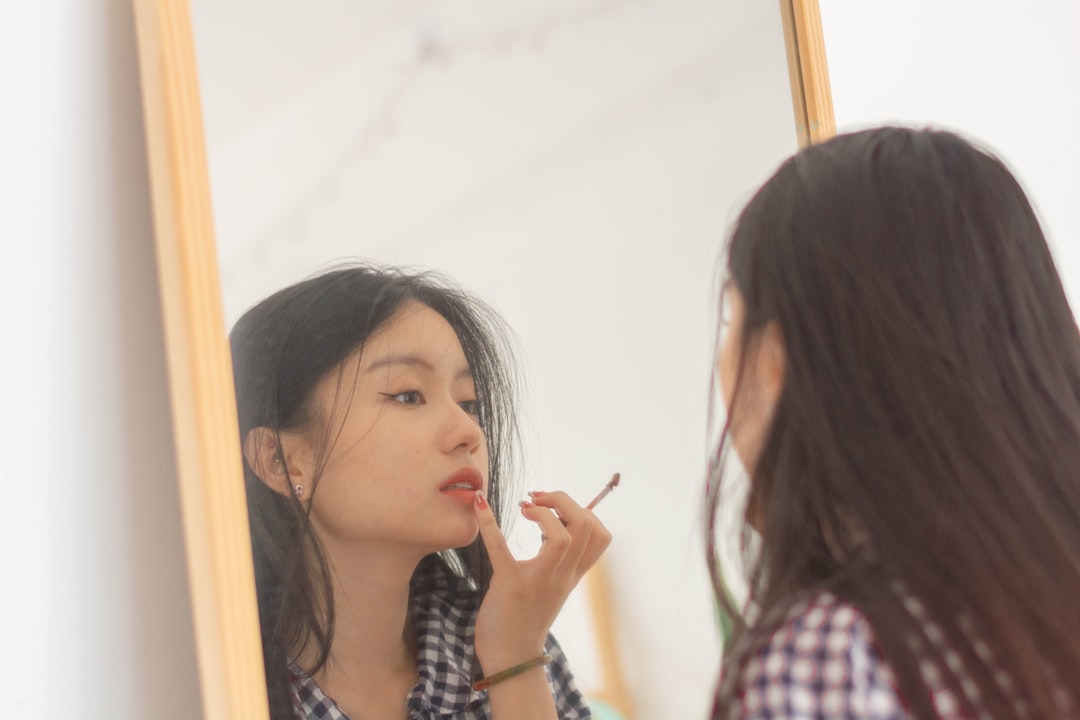
Korean Makeup vs Western Makeup: Why These Two Beauty Philosophies Are Completely Different
If you’ve ever scrolled through Instagram and noticed that Korean beauty influencers look like they’re glowing from within while Western beauty gurus are serving sharp contour and bold lips, you’re not imagining things. The korean makeup vs western makeup differences go far deeper than just product choices — they reflect entirely different cultural philosophies about what “beautiful” means.
In South Korea, the ideal is youthful, dewy, “glass skin” that looks effortless. In the West, makeup is often about transformation, self-expression, and drama. Neither approach is better — they’re just different tools for different goals. And honestly? The smartest beauty lovers in 2026 are blending both.
I’ve spent over eight years testing products from both worlds, from Innisfree cushion compacts in Myeongdong to Charlotte Tilbury palettes at Sephora. In this comprehensive guide, I’ll break down every major difference between Korean and Western makeup — from base products to lips, from application techniques to ingredient philosophy — so you can build a routine that actually works for your skin, your style, and your climate.
Let’s get into it.
Philosophy and Beauty Standards: The Foundation of Every Difference

The Korean Ideal: “No-Makeup” Makeup and Youthful Radiance
Korean beauty culture centers on one word: 피부 (pibu), meaning “skin.” The goal isn’t to cover your face — it’s to have skin so healthy and luminous that you barely need makeup at all. When Korean women do wear makeup, the aesthetic leans toward looking naturally pretty, like you just woke up with perfect skin and a soft flush on your cheeks.
This philosophy directly influences product formulation. Korean base products are lightweight, hydrating, and packed with skincare ingredients like hyaluronic acid, centella asiatica, and niacinamide. A 2024 survey by the Korea Consumer Agency found that 73% of Korean women aged 20-35 prioritize skin health over makeup coverage — a stat that surprises most Western beauty enthusiasts.
The result? Products like cushion compacts (invented in Korea by AmorePacific in 2008) that deliver sheer-to-medium coverage with SPF protection and a dewy finish. The entire product category didn’t exist in Western markets until Korean brands popularized it globally.
The Western Ideal: Full Coverage, Bold Expression, and Transformation
Western makeup culture — particularly in the US, UK, and Europe — historically celebrates makeup as an art form and a tool for transformation. Think full-coverage foundation, sharp contour, dramatic smokey eyes, and statement lips. The Instagram “beat face” era (2015-2020) pushed this to its extreme, with baking, cutting creases, and heavy highlight becoming mainstream techniques.
While the trend has shifted somewhat toward “clean girl” and “skin tint” aesthetics in recent years (largely influenced by K-beauty, ironically), Western products still tend to be more pigmented, longer-wearing, and designed for higher coverage. Brands like Fenty Beauty, MAC, and NARS formulate for diverse skin tones across a wide shade range — something Korean brands are still catching up on.
Understanding these korean makeup vs western makeup differences in philosophy helps explain why the products, techniques, and even the tools used are so distinct.
Base Makeup: Dewy Cushions vs Full-Coverage Foundations
Korean Base Products: Skin First, Coverage Second
The Korean approach to base makeup follows a strict hierarchy: skincare → sun protection → light coverage → natural finish. Most Korean women layer multiple lightweight products rather than relying on one heavy foundation.
A typical Korean base routine looks like this:
- Primer or tone-up cream — brightens and evens skin tone (e.g., Laneige Glowy Makeup Serum, ~$34 at Sephora)
- Cushion compact or BB cream — sheer-to-medium coverage with SPF (e.g., Missha M Perfect Covering BB Cream SPF 42, ~$13 on Amazon)
- Concealer — only where needed, blended with fingertips for a natural finish (e.g., The Saem Cover Perfection Tip Concealer, ~$7 on Amazon)
- Setting — minimal or no powder; Koreans often prefer to stay dewy
Key ingredients in Korean base products frequently include centella asiatica for calming redness, rice extract for brightening, and snail mucin for hydration. The COSRX Advanced Snail 92 All in One Cream (~$25 at Ulta) is often used as a makeup base for its smoothing properties. Best Korean Beauty Products
Western Base Products: Coverage, Longevity, and Shade Range
Western foundations prioritize coverage level and wear time. Products like Estée Lauder Double Wear (~$48 at Sephora) or Fenty Beauty Pro Filt’r (~$40 at Sephora) are designed to last 12-24 hours without fading, creasing, or transferring.
The Western base routine typically involves:
- Primer — smoothing, pore-filling, or mattifying (e.g., Smashbox Photo Finish, ~$39)
- Foundation — medium-to-full coverage, applied with a beauty sponge or brush
- Concealer — often applied generously under eyes in an inverted triangle
- Setting powder + setting spray — to lock everything in place
Where Western brands truly excel is shade range. Fenty Beauty launched with 40 shades in 2017 (now 50+), and brands like NARS, Too Faced, and Maybelline have followed suit. Most Korean cushions offer 3-8 shades — a significant limitation for anyone outside the light-to-medium spectrum.
| Feature | Korean Base Makeup | Western Base Makeup |
|---|---|---|
| Coverage | Sheer to medium | Medium to full |
| Finish | Dewy, glass-skin | Matte, satin, or natural |
| SPF included | Almost always (SPF 30-50+) | Sometimes (SPF 15-25) |
| Shade range | 3-8 shades typical | 20-50+ shades |
| Key ingredients | Skincare actives (HA, centella, niacinamide) | Silicones, pigments, polymers |
| Wear time | 4-8 hours | 8-24 hours |
| Application tool | Cushion puff, fingertips | Brush, beauty sponge |
| Best for | Dry/normal skin, humid climates | Oily skin, dry Western climates |
Korean Minimalist Fashion Basics for Beginners 2026 — If you’re into the K-beauty “less is more” philosophy, you’ll love how Korean fashion follows the same minimalist principles.
Eye Makeup: Soft Gradients vs Sharp Drama

Korean Eye Looks: The “Puppy Eye” and Gradient Shadows
Korean eye makeup is all about making your eyes look bigger, rounder, and more youthful. The signature look is the “puppy eye” — where eyeliner follows the natural downward curve of the outer eye rather than flicking up into a wing. This creates a softer, more approachable expression compared to the Western cat eye.
Korean eyeshadow application typically involves:
- One-shadow looks using a warm, neutral shimmer patted onto the center of the lid
- Gradient technique — a darker shade on the outer third, blended inward with a lighter shade, creating dimension without harsh lines
- Glitter and shimmer on the inner corner and center of the lid (K-beauty brands like ROM&ND and CLIO are famous for their shimmer formulas)
- Minimal or no eyeliner — or a thin brown line that “tightlines” the lash line
Popular Korean eyeshadow palettes like the CLIO Pro Eye Palette (~$23 on Amazon) feature predominantly warm, neutral tones — pinks, peaches, soft browns, and champagne shimmers. You won’t find many bold blues, greens, or purples in a typical Korean palette.
For lashes, Korean women generally prefer natural-looking extensions or wispy, thin false lashes on the outer corners only. Mascara is applied lightly, often using a curling wand to lift straight Asian lashes rather than adding heavy volume.
Western Eye Looks: Cat Eyes, Smokey Eyes, and Color Play
Western eye makeup embraces boldness and precision. The iconic winged eyeliner (cat eye), smokey eye, and cut crease are techniques that have defined Western beauty for decades. Products are formulated for intense pigmentation and blendability.
Western eyeshadow palettes — think Urban Decay Naked, Anastasia Beverly Hills Modern Renaissance, or Pat McGrath Mothership — offer a wide range of finishes and colors, from deep mattes to metallic foils to duochrome shimmers. The emphasis is on creating dimension through contrast: dark crease shades, bright lid colors, and precise highlight placement.
Key differences in eye makeup tools also stand out. Western beauty relies on multiple brushes — a flat shader brush, a fluffy blending brush, a pencil brush for the crease, and an angled liner brush. Korean application? Often just fingertips and one dual-ended brush.
For brows, the contrast is stark. Western brows in 2026 trend toward fluffy, defined arches using products like Benefit Precisely My Brow Pencil (~$26) or soap brows. Korean brows are straight, soft, and slightly rounded — the “straight brow” trend that’s been a K-beauty staple since the early 2010s. Products like the Innisfree Auto Eyebrow Pencil (~$8 on Amazon) are designed for gentle, hair-like strokes rather than sharp definition.
Lip Products: The Gradient Lip vs the Statement Lip
Korean Lips: Soft, Bitten, and Effortlessly Blurred
If there’s one technique that perfectly captures the korean makeup vs western makeup differences, it’s the lip. Korean lip makeup centers on the “gradient lip” (그라데이션 입술) — a technique where a deeper color is concentrated at the inner center of the lips and faded outward, creating the effect of just-bitten, naturally flushed lips.
To achieve this look, Korean women typically:
- Apply concealer or foundation over the lip line to mute the natural lip border
- Dab a lip tint or velvet lipstick on the inner lips only
- Blend outward with fingertips or a lip brush
- The result is a soft, youthful, “just ate a popsicle” effect
Product-wise, Korean lip tints are a category unto themselves. The ROM&ND Juicy Lasting Tint (~$12 on Amazon) is one of the best-selling lip products in Asia, delivering vibrant stain that lasts through meals. The Peripera Ink Airy Velvet (~$10 on Amazon) offers a mouse-like formula perfect for gradient application.
Korean lip colors lean heavily toward coral, peach, MLBB (my lips but better) shades, and soft reds. You’ll rarely see a Korean beauty look featuring a dark burgundy or a bold fuchsia.
Western Lips: Full Coverage, Defined Edges, and Bold Color
Western lip application is about precision and saturation. The standard technique involves lining the lips with a pencil (slightly overlining for fullness is common), then filling in with a lipstick or liquid lip for complete, even coverage.
Western lip products tend to be more opaque and long-wearing. The MAC Ruby Woo (~$21 at Ulta) — a blue-red matte that’s been a bestseller for over two decades — exemplifies the Western approach: bold, precise, and unapologetic. Liquid lipsticks from brands like Rare Beauty and NYX are formulated to last 8+ hours without feathering.
The color range in Western lip products is dramatically broader: nudes, berries, deep plums, bright oranges, unconventional shades like black and blue — everything is on the table. This reflects the Western emphasis on self-expression and individuality over adherence to a single beauty standard.
Skincare Integration: Where K-Beauty Truly Stands Apart

Korean Makeup = Skincare + Makeup Hybrid
One of the most significant korean makeup vs western makeup differences is how deeply skincare is integrated into Korean cosmetics. In Korea, makeup is viewed as an extension of your skincare routine — not a separate category.
This means Korean makeup products frequently contain:
- Hyaluronic acid — for hydration (found in cushion compacts, lip tints)
- Niacinamide (Vitamin B3) — for brightening and pore refinement
- Centella asiatica (Cica) — for calming sensitive, irritated skin
- Snail mucin — for moisture and repair
- Green tea extract — for antioxidant protection
- Rice water — for gentle brightening
Take the Laneige Neo Cushion Glow (~$38 at Sephora) — it contains blue hyaluronic acid for hydration and delivers a skin-like finish. Or the Sulwhasoo Perfecting Cushion (~$50), which incorporates traditional Korean herbal ingredients (hanbang) like ginseng and peony root for anti-aging benefits while providing coverage.
This approach makes particular sense for those dealing with dry Western climates. If you live in Colorado, Arizona, or anywhere with low humidity and harsh winters, a Korean-style hydrating base can be transformative compared to a Western matte foundation that might emphasize flakiness and fine lines.
Western Makeup: Performance-Focused Formulation
Western makeup formulation prioritizes wear, coverage, and color payoff. While “skincare makeup” is becoming more popular in the West — brands like ILIA, Kosas, and Saie lead this hybrid trend — the majority of Western products are engineered for cosmetic performance first.
That said, Western brands are increasingly borrowing from K-beauty’s skincare-first approach. The ILIA Super Serum Skin Tint SPF 40 (~$48 at Sephora) combines niacinamide, hyaluronic acid, and squalane with sheer coverage — a product that could easily sit in a Korean lineup. This cross-pollination is one of the most exciting developments in global beauty right now.
Contouring and Blush: Sculpting vs Softening
Korean Approach: Strategic Shading and “Drunk Blush”
Koreans don’t really contour — at least not in the Western sense. Instead of using dark bronzer to sculpt cheekbones and jawlines, Korean contouring (called “shading” in K-beauty) involves a subtle, cool-toned shadow along the sides of the nose and under the jawline. The goal is a smaller, V-shaped face rather than dramatic bone structure.
Blush, on the other hand, is a star player in Korean makeup. The 2024-2026 “drunk blush” trend — applying blush high on the cheeks, across the nose bridge, and even on the forehead — creates a flushed, sun-kissed look that radiates youthful health. Products like 3CE Mood Recipe Face Blush (~$16) and ROM&ND Better Than Cheek (~$10 on Amazon) deliver the soft, buildable pigmentation this technique requires.
Popular Korean blush shades include soft pink, peach, lavender, and warm coral — always applied with a light hand for a “just blushed” effect.
Western Approach: Contour, Bronze, and Highlight
Western contouring is a three-step sculpting process: contour (shadows), bronzer (warmth), and highlight (luminance). This technique, popularized by Kim Kardashian and makeup artist Mario Dedivanovic around 2012-2014, creates dramatic facial definition that photographs beautifully but requires skill to look natural in person.
Products like the Fenty Beauty Match Stix (~$28), Benefit Hoola Bronzer (~$32 at Ulta), and Dior Backstage Glow Face Palette (~$45 at Sephora) are staples in the Western contour kit. The key difference is intensity — Western contour products are more pigmented and designed for visible sculpting rather than subtle facial refinement.
Western blush placement also differs. It’s typically applied on the apples of the cheeks or swept along the cheekbones — a more structured, intentional placement compared to the diffused Korean approach.
Product Packaging, Price Points, and Accessibility

Korean Products: Cute, Affordable, and Fast-Moving
Korean makeup is known for adorable packaging, affordable prices, and rapid product cycles. Brands like Etude House, Holika Holika, and Tony Moly release new collections almost monthly, keeping up with fast-moving K-beauty trends. The average Korean eyeshadow palette costs $12-25, compared to $40-65 for comparable Western palettes.
This affordability is partly due to the intensely competitive Korean beauty market. With over 18,000 registered cosmetics companies in South Korea (a country of 52 million people), brands compete fiercely on both innovation and price. This competition drives constant product improvement and keeps prices consumer-friendly.
In the US, Korean makeup is widely available on Amazon, Ulta (which expanded its K-beauty section significantly in 2025), Sephora, and specialty retailers like YesStyle, StyleKorean, and Olive Young Global.
Western Products: Premium Positioning and Heritage Branding
Western prestige makeup — Dior, Tom Ford, Pat McGrath, Charlotte Tilbury — commands premium pricing backed by decades of brand heritage, celebrity partnerships, and luxury positioning. A single Pat McGrath lipstick runs $38; a Mothership palette costs $128.
However, Western drugstore brands like Maybelline, NYX, e.l.f., and Wet n Wild offer excellent products at Korean-competitive prices. The e.l.f. Camo CC Cream (~$14) and NYX Butter Gloss (~$5) prove that affordable excellence exists in both beauty worlds.
7 Best Apps to Learn Korean for Beginners in 2026 — Learning Korean opens up a whole new world of K-beauty content, product reviews, and brand launches that aren’t yet available in English.
Climate Considerations: Why Your Location Matters More Than You Think
Korean Formulas in Western Climates
This is something most “Korean vs Western makeup” articles miss — climate dramatically affects how products perform. Korean makeup is formulated for South Korea’s climate: humid summers, cold but damp winters. If you live in a similar climate (Pacific Northwest, UK, Southeast US), Korean dewy products will feel fantastic.
But if you’re in dry, arid climates (Southwest US, mountain states, heated indoor environments during winter), Korean dewy bases can actually work beautifully because they add the moisture your skin is craving. Conversely, the same products in hot, humid Southern summers might slide right off your face.
For those dealing with common Western skin concerns like:
- Winter dryness and flakiness — Korean cushion compacts with hyaluronic acid outperform matte Western foundations
- Oily T-zone in summer — Western long-wear foundations with mattifying primers provide better oil control
- Hard water damage — Korean skincare-infused makeup helps counteract the drying effects of mineral-heavy tap water
- Central heating/air conditioning — Both dehydrate skin; Korean hydrating bases can combat this
Building a Climate-Adapted Hybrid Routine
The smartest approach in 2026 is to mix and match based on your environment. Here’s what I recommend:
- Winter: Korean hydrating primer + Korean cushion compact + Western setting spray for longevity
- Summer: Western mattifying primer + lightweight Korean BB cream + Western waterproof mascara
- Year-round: Korean lip tints (they survive everything) + Western brow products (better shade range) + Korean blush (more natural finish)
How to Start a K-Pop Fan Account in 2026: Complete Guide — K-pop fans often pioneer the latest K-beauty trends on social media — follow fan accounts for real-time makeup inspiration straight from Seoul.
How to Build the Best of Both Worlds: A Hybrid Routine
The Ultimate K-Beauty Meets Western Routine
Now that you understand the major korean makeup vs western makeup differences, here’s how to combine the best of both worlds into one routine that maximizes skin health, longevity, and natural beauty.
Step-by-step hybrid routine:
- Skincare base (Korean): Lightweight moisturizer + SPF sunscreen — COSRX Aloe Soothing Sun Cream SPF 50 (~$16 on Amazon)
- Primer (Western): Target-specific primer for your concern — Milk Makeup Hydro Grip Primer (~$38 at Sephora) for grip, or Tatcha Silk Canvas for pore-blurring
- Base (Korean): Cushion compact for skin-like coverage — Laneige Neo Cushion or Missha BB Cream
- Concealer (Western): Full-coverage where needed — NARS Radiant Creamy Concealer (~$32) for unbeatable coverage and shade range
- Eyes (Hybrid): Korean shimmer shadow on the lid (CLIO Pro palette) + Western eyeliner for precision (Stila Stay All Day liner, ~$23)
- Brows (Western): Benefit or Anastasia brow products for better shade matching
- Blush (Korean): ROM&ND or 3CE blush applied high on cheeks for a youthful flush
- Lips (Korean): Gradient lip using ROM&ND Juicy Lasting Tint, or full lip with a Western lipstick for evening looks
- Set (Western): Charlotte Tilbury Airbrush Flawless Setting Spray (~$38) to lock everything down
This routine gives you Korean skin-like radiance with Western longevity and color precision — truly the best of both beauty philosophies.
Budget-Friendly Hybrid Kit Under $100
You don’t need to spend a fortune to get started. Here’s a complete hybrid kit:
- Missha M Perfect Covering BB Cream — $13
- The Saem Tip Concealer — $7
- CLIO Pro Eye Palette — $23
- ROM&ND Juicy Lasting Tint — $12
- ROM&ND Better Than Cheek — $10
- Maybelline Lash Sensational Mascara — $9
- NYX Micro Brow Pencil — $10
- e.l.f. Power Grip Primer — $10
Total: $94 — and you’ve got a complete, high-performing routine blending Korean and Western products.
Frequently Asked Questions About Korean vs Western Makeup
Is Korean makeup better than Western makeup?
Neither is objectively “better” — they serve different goals. Korean makeup excels at natural, skin-focused looks with skincare benefits, while Western makeup excels at high coverage, bold expression, and inclusive shade ranges. The best approach for most people in 2026 is a hybrid routine that draws from both traditions based on your skin type, climate, and personal style.
Can I use Korean makeup if I have darker skin?
This has been a legitimate challenge, as many Korean brands historically offered limited shade ranges (typically 3-8 shades skewing light). However, brands are improving — CLIO, Laneige, and Innisfree have expanded their ranges in recent years. For base products, you may need to stick with Western brands for an accurate shade match, but Korean lip tints, blushes, eyeshadows, and skincare-makeup hybrids work beautifully on all skin tones. The ROM&ND and Peripera lip tints, in particular, look stunning across diverse complexions.
Why do Korean makeup looks seem more “natural” than Western looks?
This comes down to cultural beauty standards and product formulation. Korean beauty culture values youthful, “barely there” makeup that enhances natural features. Products are formulated with lower pigment loads, dewier finishes, and softer textures. Western products tend to have more pigment, higher coverage, and stronger staying power — which naturally creates a more “done” look. The techniques also differ: Korean application uses fingertips for a diffused effect, while Western application uses brushes and sponges for more precise placement.
How long does Korean makeup last compared to Western makeup?
In general, Korean base products last 4-8 hours before needing a touch-up (which is easy with a cushion compact), while Western foundations can last 8-16+ hours. However, Korean lip tints often outperform Western lipsticks — a good Korean lip tint can stain your lips for 6-10 hours and survive meals, which most Western lipsticks can’t match. It depends heavily on the specific product category.
What are the best Korean makeup brands for beginners?
If you’re new to K-beauty makeup, start with these widely available, affordable brands: ROM&ND (lip tints and blush), CLIO (eyeshadow palettes), Missha (BB cream and base products), Innisfree (setting powder and skincare-makeup hybrids), and Peripera (lip tints and multi-use color). All are available on Amazon with Prime shipping, and most products fall in the $7-25 range.
Related Posts
If you enjoyed learning about the korean makeup vs western makeup differences, you’ll love these related guides:
- Korean Minimalist Fashion Basics for Beginners 2026 — The same “less is more” philosophy extends to Korean fashion
- How to Start a K-Pop Fan Account in 2026: Complete Guide — K-pop stans are the biggest K-beauty trendsetters
- 7 Traditional Korean Desserts to Try in 2026 — Explore another delicious side of Korean culture
Suggested future articles:
- Best Korean Sunscreens for Every Skin Type 2026
- 10-Step Korean Skincare Routine Explained for Beginners
- K-Beauty Dupes for Popular Western Makeup Products 2026
Final Thoughts: Embrace Both Worlds
The korean makeup vs western makeup differences aren’t about choosing sides — they’re about expanding your toolkit. Korean beauty teaches us that healthy skin is the best foundation. Western beauty reminds us that makeup can be bold, expressive, and transformative. The most exciting beauty routines in 2026 borrow freely from both traditions.
Whether you’re reaching for a dewy Korean cushion compact on a lazy Sunday or a full-coverage Western foundation for a night out, what matters most is that your makeup routine makes you feel confident, comfortable, and beautiful.
Now I’d love to hear from you! Are you Team K-Beauty, Team Western, or a hybrid enthusiast like me? Have you tried any of the products mentioned in this guide? Drop your thoughts, recommendations, and questions in the comments below — I read and respond to every single one.
And if this guide helped you understand the world of Korean vs Western makeup, please share it with a friend who’s curious about K-beauty. You can also subscribe to our newsletter for weekly beauty guides, product reviews, and insider tips delivered straight to your inbox.
Happy glowing! ✨