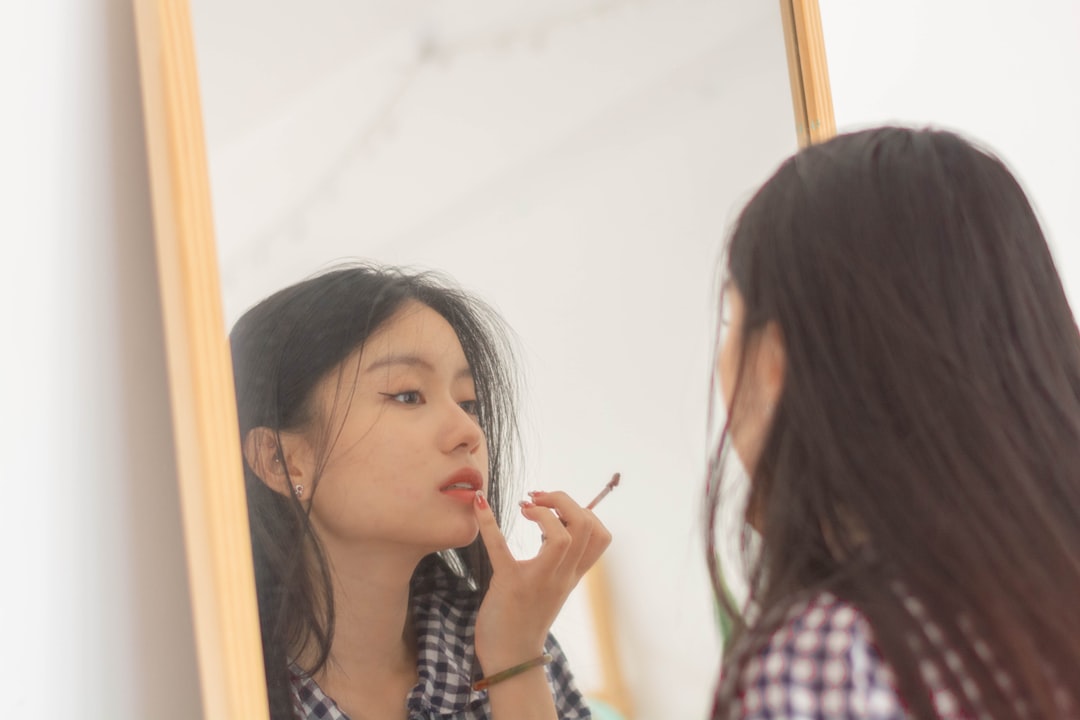
Why the Korean Makeup vs Western Makeup Debate Is Bigger Than You Think
Walk into any Sephora in New York, and you’ll notice something fascinating: an entire aisle dedicated to K-Beauty brands that didn’t exist five years ago. Korean makeup vs Western makeup differences go far beyond just packaging — they represent two fundamentally different philosophies about what beauty means, how skin should look, and what role cosmetics play in daily life.
According to Statista, the global K-Beauty market reached $13.2 billion in 2025 and is projected to hit $18.3 billion by 2028. Meanwhile, Western beauty giants like L’Oréal and Estée Lauder have been quietly reformulating their products to incorporate Korean innovations like cushion compacts, glass skin primers, and centella asiatica extracts.
Whether you’re a devoted K-Beauty enthusiast or a ride-or-die MAC girl, understanding these differences between Korean and Western makeup can completely transform your routine — and help you cherry-pick the best of both worlds. Let’s break it all down.
1. Philosophy: “No-Makeup” Glow vs Full-Glam Impact

The single biggest distinction when comparing Korean makeup vs Western makeup differences comes down to philosophy. These two beauty cultures approach the mirror with completely different goals in mind.
The Korean Approach: Skin First, Makeup Second
Korean beauty culture treats makeup as an extension of skincare. The goal isn’t to transform your face — it’s to enhance your natural features while maintaining that coveted “glass skin” or “chok-chok” (dewy, bouncy) finish. A typical Korean makeup look prioritizes luminous, almost translucent skin with subtle eye definition and a gradient lip.
This philosophy is deeply rooted in Korean cultural values. The concept of “saeng-eol” (생얼), meaning “bare face,” is aspirational rather than something to hide. Korean women often spend 10-12 steps on skincare and only 3-5 minutes on actual makeup application. The idea is that if your skin looks incredible, you need very little product on top.
Key characteristics of Korean makeup philosophy:
- Lightweight, buildable coverage that lets skin texture show through
- Focus on hydration and luminosity over mattifying and full coverage
- Youthful, “innocent” aesthetic — think soft gradients rather than sharp lines
- SPF integrated into nearly every base product (crucial year-round)
- Monochromatic color coordination — same shade family on lips, cheeks, and eyes
The Western Approach: Artistry and Self-Expression
Western makeup culture, particularly in the United States, celebrates transformation and artistry. From the sculpted contour made famous by Kim Kardashian to the bold lip pioneered by Pat McGrath, Western makeup is about making a statement. Coverage tends to be fuller, pigmentation more intense, and techniques more architectural.
This doesn’t mean Western makeup is “heavier” by default — the industry has evolved dramatically. But the underlying philosophy remains different: makeup is a form of self-expression, creativity, and even empowerment. A smoky eye, a bold red lip, or a dramatic wing isn’t hiding anything — it’s saying something.
Key characteristics of Western makeup philosophy:
- Full-coverage foundations designed to create a “flawless canvas”
- Emphasis on contouring, sculpting, and defining facial structure
- Highly pigmented eyeshadows, lipsticks, and blushes
- Bold brow definition (think Anastasia Beverly Hills)
- Matte finishes historically preferred, though dewy trends are growing
2. Base Makeup: Cushion Compacts vs Full-Coverage Foundations
If there’s one product category where Korean makeup vs Western makeup differences are most visible, it’s base makeup. The two approaches couldn’t be more different in formulation, application, and desired finish.
Korean Base Products: Lightweight and Multi-Functional
Korean base products are engineered for skin-like finishes. The cushion compact — invented by AmorePacific in 2008 — revolutionized how the world thinks about foundation. These products typically offer SPF 50+ PA++++, light-to-medium coverage, and a dewy finish in a portable format.
Popular Korean base products include:
- LANEIGE Neo Cushion Glow ($38, Sephora) — Niacinamide + hyaluronic acid for radiant, hydrated coverage. Best for normal to dry skin.
- Missha M Perfect Covering BB Cream ($13, Amazon) — A cult classic with SPF 42, ceramides, and hyaluronic acid. Incredible value for medium coverage.
- COSRX Full Fit Propolis Synergy Liquid Foundation ($22, Amazon) — Contains 73.5% propolis extract for anti-inflammatory benefits while providing sheer coverage.
- Romand Glasting Melting Balm Foundation ($18, Amazon) — Squalane-enriched stick foundation that melts into skin for a second-skin effect.
Notice the pattern: nearly every Korean base product doubles as skincare. Ingredients like niacinamide, centella asiatica, snail mucin, and propolis are standard, not special editions.
Western Base Products: Coverage and Longevity
Western foundations prioritize coverage, wear time, and shade range. When Fenty Beauty launched with 40 shades (now 50+), it set a new industry standard. Western consumers also tend to deal with different climate challenges — harsh winters, central heating, and high humidity summers — that demand long-wear formulas.
Top Western foundation picks include:
- Fenty Beauty Pro Filt’r Soft Matte Foundation ($42, Sephora) — 50 shades, oil-free, designed for 12-hour wear in humid climates.
- MAC Studio Fix Fluid ($40, Ulta) — The industry workhorse with buildable-to-full coverage and a natural matte finish.
- NARS Light Reflecting Foundation ($49, Sephora) — Bridges the gap with a luminous finish that appeals to the K-Beauty-influenced consumer.
| Feature | Korean Base Makeup | Western Base Makeup |
|---|---|---|
| Coverage | Sheer to medium | Medium to full |
| Finish | Dewy, luminous, glass-skin | Matte, satin, or natural |
| SPF | Almost always included (SPF 30-50+) | Rarely included or low SPF |
| Skincare Ingredients | Standard (niacinamide, HA, centella) | Occasionally featured |
| Shade Range | Limited (5-15 shades typically) | Extensive (30-50+ shades) |
| Price Range | $8-$38 | $30-$65 |
3. Eye Makeup: Soft Gradient vs Bold Drama

The eye area is where the Korean makeup vs Western makeup differences become most dramatically visible. Walk through Myeongdong in Seoul, then stroll through Times Square in New York, and you’ll see two entirely different approaches to eye makeup on display.
Korean Eye Makeup: Subtle Warmth and Sparkle
Korean eye makeup focuses on enlarging the appearance of eyes through soft, warm-toned shadows and strategic shimmer placement. The gradient eye technique — applying darker color along the lash line and blending upward into lighter shades — creates a soft, diffused effect that looks effortless.
Key techniques and products include:
- Glitter and shimmer placement on the center of the lid and inner corner to catch light and create a “puppy eye” effect
- Undereye shimmer (aegyo-sal) to make the under-eye area look plump and youthful, not concealed
- Straight or slightly downturned eyeliner for a softer, more approachable look
- Brown or burgundy tones rather than black for liner and mascara
Recommended products: Romand Better Than Eyes palette ($12, Amazon) features buttery matte and shimmer shades in warm milk-tea tones. Peripera Ink Fitting Color Eyeliner in Brown ($8, Amazon) gives that soft, puppy-eye line. Etude House Lash Perm Curl Fix Mascara ($12, Amazon) delivers natural, curled lashes without clumping.
Western Eye Makeup: Sculpted and Defined
Western eye makeup embraces depth, definition, and drama. Techniques like the cut crease, halo eye, and classic smoky eye are designed to sculpt the eye socket and create dimension. Eyeshadow palettes typically include 12-18 shades spanning mattes, shimmers, and metallics for maximum versatility.
Western eyeliner tends to be jet black with a sharp, flicked wing — a stark contrast to the softer Korean approach. False lashes or dramatic lash extensions are common for evening looks, whereas Korean consumers tend to favor natural lash curling and tinting.
Recommended products: Urban Decay Naked palette series ($54, Sephora) remains the gold standard for versatile neutral smoky eyes. Charlotte Tilbury Pillow Talk eyeshadow quad ($55, Sephora) bridges East-meets-West with wearable, sculpting shades. Stila Stay All Day Waterproof Eyeliner ($24, Ulta) delivers the precise wing that lasts 12+ hours in Western climates.
7 K-Pop Idols With the Best K-Drama Roles in 20264. Lip Products: Gradient Tints vs Bold Statements
Perhaps nowhere are the differences between Korean and Western makeup more iconic than on the lips. The Korean gradient lip and the Western bold lip are practically cultural symbols at this point.
The Korean Gradient Lip (Ombré Lip)
The Korean gradient lip applies concentrated color to the inner center of the lips, then blurs outward toward the edges. The result is a “just-bitten” or “popsicle-stained” effect that looks youthful and effortless. Korean lip tints are formulated to stain the lips rather than sit on top, which means they last through meals and don’t transfer heavily.
Top Korean lip products:
- Romand Juicy Lasting Tint ($10, Amazon) — The #1 selling lip tint in Korea for three consecutive years. Glossy, juicy finish with 8+ hour stain. Key ingredient: jojoba seed oil for moisture.
- Peripera Ink Mood Glowy Tint ($9, Amazon) — Glass-like finish with plumping hyaluronic acid. Perfect for the “glazed lip” trend.
- 3CE Velvet Lip Tint ($18, Amazon) — Matte-but-comfortable formula with a curated shade range of dusty roses, MLBB (my-lips-but-better) shades, and trendy brick reds.
The Western Bold Lip
Western lip products are designed for full, even coverage with a defined lip line. Whether it’s a classic red, a deep berry, or a nude, the color is applied edge-to-edge, often with a lip liner to define and prevent feathering. Formulas prioritize pigmentation intensity and staying power.
Top Western lip products:
- MAC Ruby Woo ($23, Ulta) — The world’s best-selling red lipstick. Retro matte finish, universally flattering blue-red undertone.
- Pat McGrath MatteTrance Lipstick ($39, Sephora) — Luxury pigmentation with a comfortable, non-drying matte formula. Shade “Elson” is iconic.
- Rare Beauty Soft Pinch Liquid Blush & Kind Words Matte Lipstick ($25, Sephora) — Selena Gomez’s brand bridges both worlds with comfortable, buildable formulas.
An interesting crossover trend: Western brands are now launching “tint” and “stain” products inspired by K-Beauty, while Korean brands like Romand are expanding their full-coverage lipstick ranges. The lines are blurring — in the best way possible.
5. Contouring and Blush: Sculpted Angles vs Soft Flush

The way each culture approaches facial sculpting reveals yet another fundamental difference in the Korean makeup vs Western makeup debate.
Korean Approach: Strategic Shading and Natural Flush
Korean contouring is minimal and strategic. Instead of heavy sculpting, Korean makeup uses soft, cool-toned shading along the nose bridge, jawline, and hairline to subtly slim the face. The technique is virtually invisible — the goal is that no one can tell you contoured at all.
Korean blush application has become an art form in itself. The trend of “hangover blush” or “sunburned blush” — applying color across the nose bridge and high on the cheeks — creates a youthful, flushed-from-exercise look. Cream and liquid blushes dominate, applied with fingers for a naturally diffused effect.
Try: Too Cool For School Art Class By Rodin Shading ($12, Amazon) — A universally flattering cool-toned contour. Romand See-Through Veiltight ($9, Amazon) for that lit-from-within cheek flush.
Western Approach: Sculpt, Highlight, Define
Western contouring is a multi-step process involving bronzer, contour, highlighter, and blush — each with a distinct purpose. The technique, popularized by makeup artists like Mario Dedivanovic (Kim Kardashian’s longtime MUA), uses warm bronzer to add dimension and a cooler contour shade to create shadows that reshape facial structure.
Highlighter is applied to the high points of the face — cheekbones, brow bone, cupid’s bow, and nose tip — to catch light and create a dimensional, sculpted effect. Western blush sits below the cheekbone in a swept-back motion, adding warmth without the rounded, youthful placement Korean techniques favor.
Try: Fenty Beauty Match Stix Shimmer Skinstick ($29, Sephora) for precise highlight and contour. Charlotte Tilbury Cheek to Chic blush ($47, Sephora) for buildable, long-wearing color.
Best Korean Beauty Products According to Allure6. Skincare-Makeup Hybrid Products: Where K-Beauty Leads
One area where Korean beauty undeniably leads the Korean makeup vs Western makeup differences conversation is in skincare-makeup hybrids. Korean brands have been blending these categories for over a decade, and Western brands are only now catching up.
Korean Innovations That Changed the Game
Korean brands pioneered several product categories that didn’t exist in Western beauty:
- BB Creams (Blemish Balm): Originally developed for post-procedure skin in Korean dermatology clinics, then adapted for everyday wear with SPF, coverage, and skincare benefits.
- Cushion Compacts: Invented by AmorePacific’s IOPE brand in 2008, now copied by every major Western brand including Lancôme, Dior, and MAC.
- Tone-Up Creams: Tinted moisturizers with light-diffusing particles and niacinamide that brighten skin tone without heavy pigment. COSRX Aloe Soothing Sun Cream ($16, Amazon) doubles as a subtle tone-up.
- Skin Tints with Active Ingredients: Products like Purito Cica Clearing BB Cream ($15, Amazon) contain centella asiatica (93.4%) to calm redness while providing sheer coverage — ideal for sensitive, acne-prone skin common in harsh winter climates.
How Western Brands Are Responding
Western brands have taken note and are rapidly incorporating K-Beauty innovations. ILIA Super Serum Skin Tint ($50, Sephora) combines skincare actives with sheer coverage — a concept borrowed directly from Korean BB and CC creams. Kosas Revealer Skin-Improving Foundation ($42, Sephora) contains niacinamide, peptides, and arnica — ingredient stacking that was a K-Beauty trademark.
The biggest lesson Western brands have learned from Korean beauty? Consumers don’t want to choose between skincare and makeup. They want products that do both, and they’re willing to pay for it.
First Time Visiting Seoul Itinerary: 7-Day Guide 20267. Price Point and Accessibility: Affordable Innovation vs Luxury Prestige

The pricing structure is another major factor in the Korean makeup vs Western makeup differences equation, and it often surprises first-time K-Beauty shoppers.
K-Beauty: High Quality at Accessible Prices
Korean beauty operates on a high-volume, accessible-pricing model. Competition in Korea’s domestic beauty market — one of the most saturated in the world with over 2,000 active cosmetics brands — drives constant innovation at lower price points. A full Korean makeup routine (base, eyes, lips, blush) can cost as little as $40-$60 total.
Brands like Innisfree, Etude House, The Face Shop, and Missha are positioned as affordable daily-wear options, while brands like Sulwhasoo, Hera, and NARS Korea (yes, they reformulate for the Korean market) serve the prestige segment. This tiered system means there’s a Korean product for virtually every budget.
For Western consumers, Amazon, YesStyle, Olive Young Global, and StyleKorean offer direct access to Korean products with shipping times of 3-10 days. Sephora now carries over 30 K-Beauty brands in-store, making accessibility better than ever.
Western Makeup: The Prestige Premium
Western beauty has traditionally operated on a prestige model where higher prices signal quality and exclusivity. A single MAC lipstick ($23), a Charlotte Tilbury palette ($55), or a Tom Ford lip color ($58) each cost more than an entire Korean lip collection.
However, the Western drugstore segment — led by brands like NYX, e.l.f., and Maybelline — has responded to K-Beauty’s pricing pressure by dramatically improving quality at the $5-$15 range. e.l.f. Cosmetics, in particular, has become known for creating near-dupes of high-end products at a fraction of the cost, a strategy that mirrors K-Beauty’s accessibility ethos.
8. Brow Trends: Straight and Soft vs Arched and Defined
Eyebrows frame the entire face, and the differences between Korean and Western makeup brow trends perfectly encapsulate each culture’s beauty ideals.
Korean Brows: Straight, Soft, and Youthful
Korean brow trends favor a straight, slightly flat brow shape with soft, feathered edges. This shape is considered youthful and approachable in Korean beauty standards. The technique involves filling brows with light, hair-like strokes using a fine pencil or brow mascara, never creating harsh or blocky lines.
Product pick: Innisfree Auto Eyebrow Pencil ($6, Amazon) — Ultra-fine 1.5mm tip for natural hair-stroke filling. Available in ash brown, grey-brown, and espresso shades that suit a wide range of hair colors.
Western Brows: Arched, Bold, and Groomed
Western brow trends have evolved significantly — from the ultra-thin brows of the early 2000s to the thick, sculpted “Instagram brows” of the mid-2010s to today’s more natural but still defined look. The key difference remains: Western brows typically feature a defined arch and a more structured, groomed appearance.
Product pick: Anastasia Beverly Hills Brow Wiz ($25, Sephora) remains the industry gold standard for Western brow work. Benefit Precisely My Brow Pencil ($26, Ulta) is another excellent option with a 12-hour wear formula.
Korean Dating Culture: 7 Things Foreigners Should Expect in 2026The Best of Both Worlds: How to Combine Korean and Western Makeup
Here’s the good news: you don’t have to choose. The smartest beauty consumers in 2026 are mixing Korean and Western makeup techniques to create looks that are uniquely their own. Here’s a practical routine that combines the best of both approaches:
- Prep with Korean skincare — Double cleanse, tone, essence, serum, moisturizer. This is non-negotiable for glass skin. Best Korean Sheet Masks for Dry Skin: 2026 Ultimate Ranking
- Apply a Korean cushion or BB cream for a lightweight, luminous base with built-in SPF.
- Spot conceal with a Western concealer (like NARS Radiant Creamy Concealer, $32, Sephora) for targeted, full-coverage correction where you actually need it.
- Use Korean gradient eye technique with a Western palette — apply the deepest shade at the lash line and blend upward with a warm transition shade.
- Apply Western mascara on top lashes for volume, then use a Korean brown mascara on bottom lashes for a softer, more natural effect.
- Contour subtly using the Korean shading technique (cool tones, diffused edges), then add a Western highlighter on the cheekbone peaks.
- Finish with a Korean lip tint for daytime or a bold Western lipstick for evening — or layer a tint underneath a sheer gloss for a hybrid finish.
This combination approach gives you the skin-loving benefits and natural finish of K-Beauty with the coverage, longevity, and drama of Western makeup exactly where and when you want it.
Frequently Asked Questions About Korean Makeup vs Western Makeup
Is Korean makeup better for sensitive skin than Western makeup?
Generally, yes. Korean makeup formulations tend to include more skin-soothing ingredients like centella asiatica, green tea extract, and snail mucin. Korean brands also tend to avoid heavy fragrances and harsh preservatives more consistently than Western mass-market brands. However, many Western brands (particularly clean beauty lines like ILIA, Kosas, and Tower 28) have adopted similar standards. Always check ingredient lists regardless of origin — your skin doesn’t care about geography.
Why do Korean makeup brands have limited shade ranges?
Korea’s domestic market is relatively homogeneous in skin tone compared to the United States, so many brands historically developed products in 3-8 shades. However, this is changing rapidly as brands like LANEIGE, Innisfree, and Sulwhasoo expand globally. Brands entering Sephora and Ulta are now required to offer expanded shade ranges. If you have a deeper skin tone, brands like Fenty Beauty, Pat McGrath, and NARS still offer the most inclusive options while K-Beauty catches up.
Can I use Korean skincare with Western makeup, or should I stick to one system?
Absolutely mix them. In fact, most beauty professionals recommend exactly this approach. Korean skincare excels at prep — hydrating, protecting, and priming your skin so that any makeup (Korean or Western) applies more smoothly, wears longer, and looks better. The “10-step Korean skincare routine” paired with a Western foundation and eye look is one of the most popular hybrid approaches worldwide.
What Korean makeup products should a beginner try first?
Start with three gateway products: a Missha M Perfect Covering BB Cream ($13, Amazon) for the base, a Romand Juicy Lasting Tint ($10, Amazon) for the lips, and an Etude House Lash Perm Curl Fix Mascara ($12, Amazon) for the lashes. Total cost: under $35 for three products that will genuinely change how you think about makeup. These are the products that convert the most Western beauty fans to K-Beauty enthusiasts.
Do Korean makeup products work well in dry Western climates?
Korean dewy-finish products are excellent for dry climates like those in Colorado, Arizona, or Northern Europe. The hydrating formulas combat the matte, tight feeling that dry air creates. However, in humid climates (Southeast US, coastal areas), you may want to set Korean base products with a light dusting of setting powder. The trick is using a finely milled Korean setting powder like Innisfree No-Sebum Mineral Powder ($9, Amazon) rather than a heavy Western baking powder — you keep the glow without the slide.
Related Posts You’ll Love
- Best Korean Sheet Masks for Dry Skin: 2026 Ultimate Ranking
- First Time Visiting Seoul Itinerary: 7-Day Guide 2026
- Jeju Island Hidden Gems 2026: Complete Guide
Suggested future articles:
- Best K-Beauty Dupes for Western Luxury Makeup 2026
- 10-Step Korean Skincare Routine for Beginners: Complete Guide
- How to Shop K-Beauty at Olive Young Seoul: Tourist Guide 2026
Final Thoughts: Which Is Right for You?
The truth about Korean makeup vs Western makeup differences is that there’s no winner — only different tools for different goals. Korean makeup excels at creating natural, skin-first, everyday looks that enhance rather than transform. Western makeup shines when you want drama, bold color, full coverage, and artistic expression.
The most exciting trend in beauty right now? The lines between these two worlds are dissolving. Korean brands are launching bolder, more pigmented collections. Western brands are embracing dewy finishes, skincare hybrids, and minimalist aesthetics. The consumer wins either way.
Now I want to hear from you: Are you Team K-Beauty, Team Western, or Team Hybrid? What’s the one Korean or Western product that completely changed your routine? Drop your answer in the comments below — I read every single one.
If this guide helped you understand the differences between Korean and Western makeup, share it with a friend who’s curious about K-Beauty. And don’t forget to subscribe to our newsletter for weekly beauty deep-dives, product reviews, and exclusive discount codes from both Korean and Western beauty brands. Your inbox deserves better than spam — it deserves beauty intel.