
In today’s fast-paced world, the concept of work-life balance is often debated as either a luxury or a necessity. However, recent trends suggest that it’s becoming an essential part of modern society. In Korea, where many people struggle with long working hours and intense competition, achieving this equilibrium has become more than just a perk—it’s now seen as a fundamental aspect of health and well-being.
Is Work-Life Balance Still a Myth in Korean Society?
Watch: Living Alone in Korea | 7AM to 9PM typical office day VLOG |
Quick Answer: No. While it remains challenging, there’s growing recognition that work-life balance is essential for mental and physical health.
The debate around work-life balance isn’t new, but recent developments have shifted the conversation towards more concrete solutions and policies. In Korea, where the traditional emphasis on hard work often leads to long hours and burnout, the need for a balanced lifestyle has become increasingly urgent. According to a report by PulseZ, people are starting to treat work-life balance not as an optional perk but as essential infrastructure.
Understanding Work-Life Balance in Korean Society
- Cultural Context: Korea’s Confucian roots emphasize hierarchy and diligence, making it challenging for many to prioritize personal time over professional duties.
- Economic Pressures: High unemployment rates among young adults and intense competition have led to a culture of long working hours and minimal downtime.
- Mental Health Concerns: A growing number of studies highlight the link between prolonged work stress and mental health issues such as anxiety and depression. Learn more about mental health in Korea.
To address these challenges, organizations are beginning to implement policies that support better work-life balance. For example, companies like SK Group have introduced flexible working hours and remote work options to help employees manage their schedules more effectively.
Key Takeaway: Work-life balance is no longer a myth; it’s becoming a priority in Korean society, driven by cultural shifts and economic realities.
The Rise of Work from Anywhere (WFA) in Korea
In recent years, the concept of working remotely has gained significant traction. The global pandemic accelerated this trend, but even before then, many professionals were advocating for more flexible work arrangements. In Korea, Work from Home (WFH) and Work from Anywhere (WFA) have emerged as viable options for balancing professional responsibilities with personal well-being.
| Feature | Work From Home (WFH) | Work From Anywhere (WFA) |
|---|---|---|
| Schedule Flexibility | Moderate: Fixed working hours but can be adjusted. | High: No fixed schedule, work when and where it’s convenient. |
| Location Independence | Low: Limited to home only. | High: Anywhere with internet access. |
| Productivity | Moderate: Effective for routine tasks but may lack spontaneous collaboration. | High: Encourages creativity and innovation through varied environments. |
Key Takeaway: WFA offers greater flexibility and independence, making it a preferred option for achieving better work-life balance in Korea.
The Role of Emotional Intelligence (EI) in Achieving Balance
In Korean culture, the concept of Kreng Jai—consideration for others—is deeply ingrained. While this trait fosters harmonious relationships and teamwork, it also leads to overcommitment and burnout when boundaries are not set. For employees, setting clear limits is crucial for maintaining mental health and productivity.
- Setting Boundaries: Learn how to say no politely without offending others (Korean cultural context).
- Practical Tips:
- Communicate expectations clearly with colleagues and supervisors.
- Negotiate flexible schedules where possible.
- Set boundaries between work and personal life.
- Prioritize self-care activities such as exercise and hobbies.
- What are the main challenges facing work-life balance in Korea?Korea’s cultural emphasis on hard work and diligence, combined with economic pressures, creates significant barriers to achieving a balanced lifestyle.
- How can I set boundaries effectively?Communicate your needs clearly and be assertive without being aggressive.
Key Takeaway: Emotional intelligence is key to navigating Korean work culture while preserving personal well-being.
Pension Systems and Retirement Security
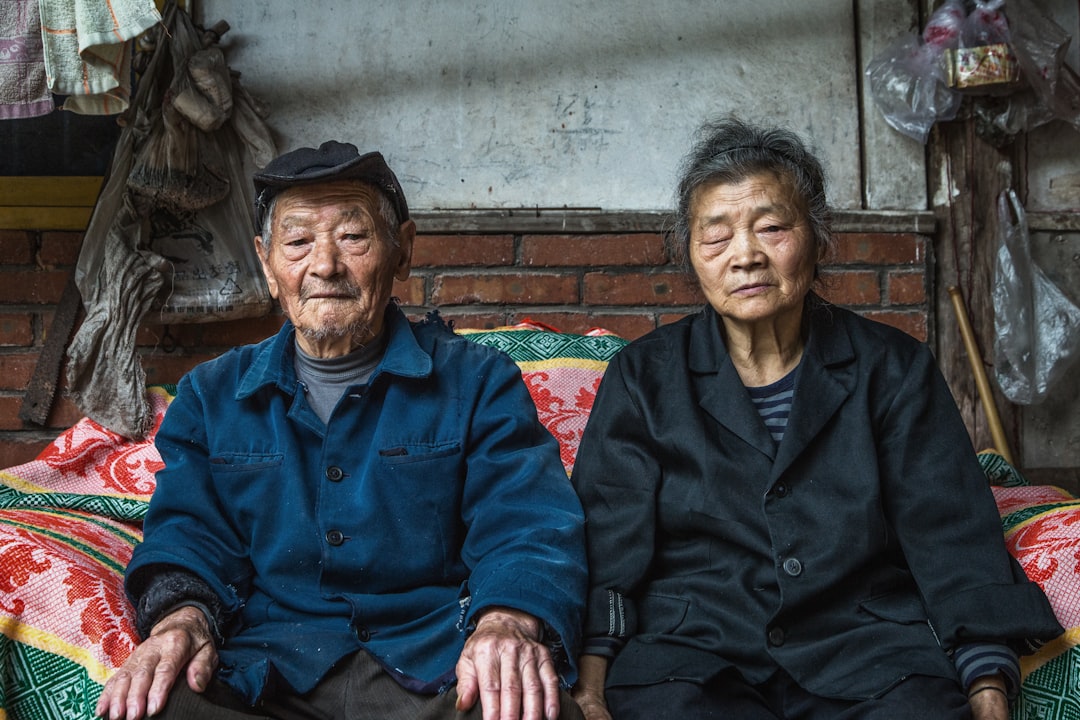
The national pension scheme in Korea includes four categories of insured persons, each with different eligibility criteria and benefits. The old-age pension covers individuals aged 60 or older if they have at least 20 years of coverage beforehand.
| Category | Description |
|---|---|
| Workplace-based Insured | Covered through employment and employer contributions. |
| Individually Insured | Self-employed individuals who voluntarily enroll. |
| Voluntarily Insured | Those who choose to join outside of employment requirements. |
| Continuously Voluntarily Insured | Individuals who maintain continuous voluntary coverage. |
Key Takeaway: Understanding the pension system is crucial for financial planning and retirement security in Korea.
The Impact of WFH on Mental Health
Remote work has its pros and cons, but one significant benefit is improved mental health outcomes. According to a study by the Korean Psychological Association, employees who work from home report lower stress levels and higher job satisfaction compared to those in traditional office settings.

Key Takeaway: WFH can positively impact mental health, making it an attractive option for many professionals seeking balance.
Tips for Managing Work-Life Balance
Key Takeaway: Practical strategies can help you achieve a healthier work-life balance in today’s fast-paced society.
The Future of Work-Life Balance in Korea
The future looks promising for individuals striving to find equilibrium between their professional and personal lives. With growing awareness and supportive policies, the trend towards better work-life balance is likely to continue.
Key Takeaway: The future of work-life balance in Korea is hopeful as more companies adopt flexible working models.
Frequently Asked Questions (FAQ)
For more in-depth information on work-life balance strategies, check out our guide on achieving equilibrium.