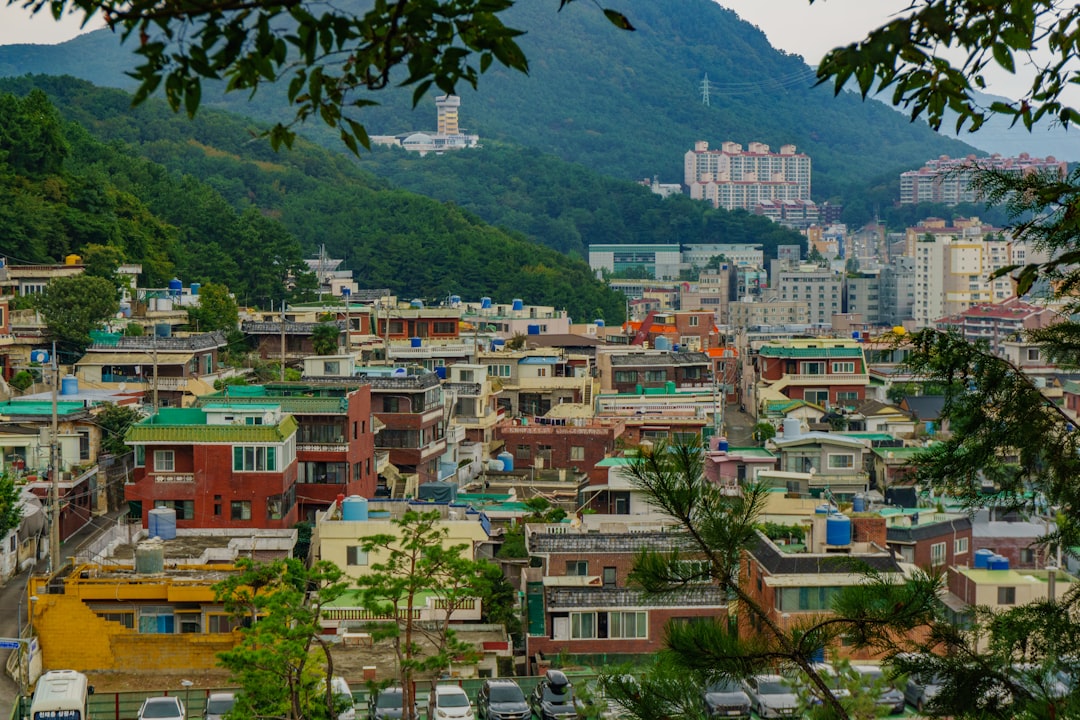
Imagine moving into a brand-new apartment in Seoul — without paying a single dollar in monthly rent. Sounds impossible, right? Welcome to the Korean jeonse deposit system explained in full detail. This uniquely Korean housing arrangement has baffled expats, fascinated economists, and powered one of Asia’s most dynamic real estate markets for decades. Whether you’re planning a move to South Korea, studying Korean culture, or simply curious about how 51 million people approach housing differently from the West, this guide breaks down everything you need to know about jeonse — from its historical roots to its modern-day risks and rewards.
In the United States, renting means writing a check every month to your landlord. In Korea, there’s a radically different option. With jeonse (전세), tenants hand over a massive lump-sum deposit — often 50% to 80% of the property’s market value — and pay zero monthly rent. The landlord invests that deposit, earns returns, and gives the full amount back when the lease ends. It’s a system built on trust, real estate economics, and Korea’s unique financial culture. Let’s dive deep into how it actually works.
What Is Jeonse? Understanding Korea’s Unique Deposit Rental System
The Korean jeonse deposit system explained simply: it’s a lease arrangement where the tenant provides a large refundable deposit instead of monthly rent. The Korean word “전세” (jeonse) literally translates to “full lease” or “charter,” and it has been a cornerstone of Korean housing for over 60 years.
How Does Jeonse Work Step by Step?
Here’s the basic process of a jeonse transaction:
- Finding a property: The tenant searches for an apartment, typically through a licensed Korean real estate agent (부동산, “budongsan”). Most listings clearly state whether a unit is available for jeonse or wolse (monthly rent).
- Negotiating the deposit: Jeonse deposits in Seoul typically range from ₩200 million to ₩800 million ($150,000–$600,000 USD) depending on the neighborhood, apartment size, and building age. In smaller cities like Daejeon or Gwangju, deposits can be significantly lower — sometimes ₩80–150 million ($60,000–$110,000).
- Signing the contract: Both parties sign a standardized lease (전세계약서). The contract is usually for two years, which is the legal minimum under Korea’s Housing Lease Protection Act.
- Registering the lease: The tenant registers the lease at the local district office (동사무소) to gain legal protection. This step is critical — it establishes the tenant’s priority claim on the deposit if the landlord faces financial trouble.
- Paying the deposit: The deposit is typically paid in stages — 10% at signing, and the remaining 90% on move-in day.
- Living rent-free: For the next two years (or longer), the tenant pays no monthly rent. Utility bills and maintenance fees (관리비) are the tenant’s only regular housing costs.
- Lease expiration: When the contract ends, the landlord returns 100% of the deposit. The tenant moves out, and the cycle can begin again with a new tenant.
Why Do Landlords Agree to This?
This is the question every Westerner asks first. The answer lies in Korea’s historically high interest rates and rising property values. Landlords take the jeonse deposit and invest it — traditionally in banks offering 5–10% annual interest, or in additional real estate purchases. During Korea’s rapid economic growth from the 1970s through the 2000s, this was an incredibly profitable arrangement.
A landlord receiving a ₩500 million jeonse deposit could earn ₩25–50 million per year in interest alone. Compare that to collecting ₩1–2 million per month in wolse rent (₩12–24 million annually), and the math clearly favored jeonse. Many landlords used jeonse deposits to purchase additional apartments, creating a leveraged real estate portfolio — a practice known as “갭투자” (gap investment).
Jeonse vs. Wolse vs. Western Rent: A Complete Comparison

To truly understand the Korean jeonse deposit system explained in context, you need to see how it compares to other rental models — both Korean and Western.
| Feature | Jeonse (전세) | Wolse (월세) | US/Western Rent |
|---|---|---|---|
| Upfront deposit | 50–80% of property value | Small deposit + monthly rent | 1–2 months’ rent (security deposit) |
| Monthly rent | ₩0 (zero) | ₩500K–₩2M+/month | $1,500–$3,500+/month (varies by city) |
| Typical lease length | 2 years (renewable) | 1–2 years | 12 months |
| Deposit return | Full refund at lease end | Partial refund (minus damages) | Partial refund (minus damages) |
| Who benefits most? | Tenants with capital | Tenants with less savings | Landlords (steady cash flow) |
| Risk level | Medium-High (deposit loss risk) | Low | Low |
| Unique to | South Korea | South Korea (similar to rent globally) | Global standard |
The Hybrid Option: “Semi-Jeonse” (반전세)
There’s a popular middle ground called 반전세 (ban-jeonse) or semi-jeonse. In this arrangement, the tenant pays a smaller lump-sum deposit plus reduced monthly rent. For example, instead of a pure jeonse of ₩400 million, a tenant might pay ₩200 million deposit plus ₩800,000 per month. This hybrid model has become increasingly popular as interest rates have dropped and pure jeonse becomes harder for landlords to justify economically.
What Americans Find Most Surprising
For Americans accustomed to paying first month, last month, and a security deposit totaling maybe $5,000–$10,000, the idea of handing over $200,000+ just to rent an apartment is genuinely shocking. But consider this: that jeonse money comes back to you. Over a two-year lease in the US, a renter paying $2,500/month spends $60,000 with zero return. A jeonse tenant spends $0 in rent and gets their entire deposit back. When you factor in opportunity cost and inflation, the Korean system can actually be more financially efficient — if you have the upfront capital.
The History and Cultural Roots of Jeonse
The jeonse system didn’t appear out of nowhere. Its origins stretch back to Korea’s post-war reconstruction era of the 1950s and 1960s, when the country was rebuilding from the devastation of the Korean War.
Post-War Housing Shortage
After the Korean War (1950–1953), the country faced a catastrophic housing shortage. Banks were underdeveloped, mortgage lending barely existed, and millions of people needed homes. Jeonse emerged as a grassroots financial solution: property owners who needed cash to build or expand could access it through tenant deposits rather than bank loans. Tenants, meanwhile, got affordable housing without monthly rent obligations during a time when steady employment was scarce.
Korea’s Apartment Culture Boom
From the 1970s through the 1990s, Korea experienced explosive urbanization. The government-backed construction of massive apartment complexes (아파트 단지) — those iconic rows of high-rise towers you see across Seoul, Busan, and every Korean city — created millions of new housing units. Jeonse became the dominant rental model in these complexes. By the 1990s, an estimated 60–70% of Korean renters were on jeonse contracts.
Korean apartment living is itself a fascinating cultural phenomenon. Unlike the Western association of apartments with temporary or lower-income housing, Korean apartments (especially in prestigious complexes like those in Gangnam, Songpa, or Sejong City) are status symbols. The jeonse system is deeply tied to this culture — families save for years, sometimes decades, to accumulate enough for a jeonse deposit in a desirable neighborhood with top-rated schools.
If you’re fascinated by Korean living culture, you’d enjoy learning about other uniquely Korean spaces. Korean Cafe Study Rooms: Complete Guide for 2026 offers a look at how Koreans have turned cafés into productivity hubs, while Traditional Hanok Stay Booking Guide 2026: 7 Best Picks explores the traditional side of Korean architecture.
How to Get a Jeonse Apartment: A Practical Step-by-Step Guide

Whether you’re an expat relocating to Korea or a Korean-American considering a move to Seoul, understanding the practical mechanics of securing a jeonse lease is essential. Here’s your detailed roadmap.
Step 1: Determine Your Budget and Eligibility
First, assess how much capital you can access. Remember, jeonse deposits in Seoul typically start at ₩150–200 million ($110,000–$150,000) for a small studio (원룸) and can exceed ₩1 billion ($750,000) for a large family apartment in premium districts like Gangnam or Seocho. Outside Seoul, deposits drop significantly — a decent two-bedroom in Daejeon might require only ₩100–150 million ($75,000–$110,000).
If you don’t have the full amount, Korea’s government-backed Jeonse Loan (전세자금대출) programs can help. Major banks like KB Kookmin, Shinhan, and Hana offer jeonse-specific loans with favorable terms:
- Interest rates: Typically 3.5–5.5% annually (as of 2026), significantly lower than standard personal loans
- Loan-to-deposit ratio: Banks may lend up to 80% of the jeonse deposit amount
- Government subsidies: Young adults (ages 19–34), newlyweds, and low-income households may qualify for subsidized rates as low as 1.5–2.5%
- Eligibility for foreigners: Foreign residents with an Alien Registration Card (ARC) and stable income can apply, though approval rates and maximum amounts may be lower
Step 2: Find a Licensed Real Estate Agent (부동산)
In Korea, nearly all property transactions go through licensed real estate agents, called 공인중개사 (gong-in jung-gae-sa). You’ll find their offices — small storefronts plastered with listings — on virtually every commercial street in Korea. Online platforms like Zigbang (직방), Dabang (다방), and Naver Real Estate (네이버 부동산) are also excellent starting points.
Agent commissions are regulated by law and based on the transaction value. For jeonse contracts, the commission rate is typically 0.3–0.4% of the deposit amount. On a ₩300 million jeonse, you’d pay roughly ₩900,000–₩1.2 million ($670–$900) in agent fees.
Step 3: Due Diligence — Protecting Your Deposit
This is the most critical step and where many tenants — especially first-timers and foreigners — make costly mistakes. Before signing any jeonse contract, you must:
- Check the property registration (등기부등본): This public document shows the property’s legal owner, any outstanding mortgages, liens, or seizure orders. You can obtain it online from the Supreme Court’s Internet Registry (대법원 인터넷등기소) for about ₩1,000.
- Verify the landlord’s identity: Confirm the person signing the contract matches the registered property owner. Scams involving fake landlords, while rare, do happen.
- Calculate the “safe deposit ratio”: Financial experts recommend your jeonse deposit should not exceed 60–70% of the property’s estimated market value. If an apartment is worth ₩500 million and the jeonse is ₩400 million (80%), that’s a red flag — the landlord has very little equity, increasing your risk.
- Check for existing tenants: If the property already has a jeonse tenant whose deposit hasn’t been returned, your deposit could be at risk. The registration documents will show this.
- Get jeonse insurance (전세보증보험): Korea’s Housing and Urban Guarantee Corporation (HUG) and the Seoul Guarantee Insurance Company (SGI) offer jeonse deposit insurance. For a modest annual premium (roughly 0.1–0.2% of the deposit), this insurance guarantees your deposit return even if the landlord defaults. This is arguably the single most important protection a jeonse tenant can have.
The Risks: Why the Jeonse System Has Come Under Pressure
While the Korean jeonse deposit system explained above sounds elegant in theory, recent years have exposed serious vulnerabilities. Understanding these risks is essential for anyone considering a jeonse contract in 2026.
The Jeonse Fraud Crisis (전세사기)
In 2022–2023, Korea was rocked by a massive jeonse fraud scandal that affected thousands of tenants across the country. Unscrupulous landlords and building owners — most infamously a figure known as “Villain Landlord” (빌라왕) — accumulated dozens or hundreds of properties using jeonse deposits as down payments for new purchases, creating a house-of-cards structure.
When property values dropped and interest rates rose in 2022, these landlords couldn’t repay deposits. Thousands of young tenants — many of them in their 20s and 30s who had taken out jeonse loans — lost their life savings. The crisis was so severe that it became a major political issue, leading to emergency government measures including:
- Expanded jeonse deposit insurance coverage
- Stricter regulations on landlord obligations to register deposits
- Criminal penalties for jeonse fraud (up to 10 years imprisonment)
- Government emergency funds to partially reimburse affected tenants
- New requirements for real estate agents to warn tenants about high-risk properties
Low Interest Rates Changed the Game
The fundamental economics of jeonse depend on interest rates. When Korea’s base rate dropped to historic lows (0.5% in 2020), landlords could no longer earn meaningful returns on jeonse deposits sitting in bank accounts. This made wolse (monthly rent) more attractive for landlords, and the share of jeonse contracts has been declining — from roughly 60% of all rentals in the 2000s to around 40–45% by 2025.
With rates recovering somewhat in 2025–2026 (hovering around 3–3.5%), jeonse has stabilized but is unlikely to return to its former dominance. The trend is clearly toward more wolse and semi-jeonse arrangements, especially among younger renters.
What Happens If Your Landlord Can’t Pay You Back?
If a landlord cannot return your jeonse deposit at the end of the lease, you have several legal options under Korean law:
- Right of continued occupancy: You can legally remain in the apartment until your deposit is returned.
- Court-ordered auction: You can petition the court to auction the property, with your registered jeonse claim taking priority over most other creditors.
- Insurance claim: If you purchased jeonse deposit insurance through HUG or SGI, you can file a claim for the full deposit amount.
- Mediation: The Korea Legal Aid Corporation and local government dispute resolution centers offer free or low-cost mediation services.
Jeonse for Expats and Foreigners: What You Need to Know

If you’re a foreigner living in Korea — whether teaching English, working in tech, or stationed at a US military base — jeonse is absolutely an option, though it comes with extra considerations.
Can Foreigners Sign Jeonse Contracts?
Yes. There is no legal restriction preventing foreigners with valid visas and an Alien Registration Card (ARC) from entering jeonse contracts. However, practical challenges include:
- Language barrier: Contracts are in Korean. Hire a bilingual real estate agent or bring a Korean-speaking friend. Some agents near international areas (Itaewon, Hannam, Pangyo) are accustomed to foreign clients.
- Banking requirements: You’ll need a Korean bank account to transfer the deposit. Opening one requires your ARC, passport, and sometimes proof of employment.
- Loan access: Jeonse loans for foreigners are available but may require more documentation, including proof of income and employment contract. Approval rates are lower than for Korean nationals.
- Cultural expectations: Some landlords may be hesitant to rent to foreigners due to perceived language difficulties or concerns about lease duration. Working with an experienced agent helps significantly.
Popular Expat Neighborhoods with Jeonse Options
International-friendly neighborhoods where jeonse apartments are commonly available include Itaewon/Hannam-dong (Seoul), Pangyo (tech hub south of Seoul), Songdo (Incheon’s international city), and Haeundae (Busan’s beachfront district). Expect higher jeonse deposits in these areas due to their premium locations and amenities.
While you’re exploring Korean neighborhoods, check out Hongdae Best Cafes and Bars Nightlife Guide 2026 to discover the vibrant culture around one of Seoul’s most exciting areas, or Nami Island Rail Bike Day Trip 2026: Complete Guide for weekend escapes from apartment life. Visit Korea’s official city guides also provide excellent neighborhood overviews.
Jeonse vs. Buying: When Does Each Make Sense?
One of the most common questions about the Korean jeonse deposit system explained in financial planning contexts is: should you jeonse or buy? The answer depends on your timeline, financial situation, and the state of the market.
When Jeonse Makes More Sense
- Short-term plans (2–5 years): If you’re not sure you’ll stay in the same city or neighborhood, jeonse gives you housing flexibility without the transaction costs of buying and selling property (which include a 1–3% acquisition tax in Korea).
- Rising interest rate environment: When mortgage rates are high, jeonse loans may offer better terms than home purchase loans.
- Saving for a down payment: Many young Koreans use jeonse as a stepping stone — living rent-free while saving additional funds toward eventually purchasing their own apartment.
- Market uncertainty: If you believe property prices may fall, jeonse lets you wait without being locked into ownership.
When Buying Makes More Sense
- Long-term stability (7+ years): If you’re settled in Korea for the long haul, buying builds equity and shields you from rising jeonse deposits.
- Strong market growth areas: In neighborhoods with consistent appreciation (Gangnam, Mapo, Sejong City), ownership has historically outperformed the opportunity cost of jeonse.
- Government incentives: Korea offers various tax benefits and subsidized mortgage programs for first-time homebuyers, newlyweds, and multi-child families that can make buying very attractive.
The Future of Jeonse: Is Korea’s Iconic System Dying?

Media headlines regularly declare the death of jeonse, but the reality is more nuanced. While the system is evolving, it’s far from disappearing.
Key Trends Shaping Jeonse in 2026 and Beyond
Government regulation is tightening. Post-fraud reforms have made jeonse safer but also more complex. Mandatory insurance requirements, stricter landlord disclosures, and enhanced tenant protections are raising the bar for participation on both sides.
The shift toward semi-jeonse continues. More contracts now feature a moderate deposit plus monthly rent, reflecting a compromise between the pure jeonse and wolse models. This hybrid is especially common in newer apartment complexes and among younger landlords.
Technology is transforming the process. Digital platforms like Zigbang and Naver Real Estate now offer jeonse-specific tools including automated property registration checks, deposit insurance integration, and AI-powered risk assessments. Blockchain-based lease registration pilots have also launched in several districts.
International interest is growing. As Korean culture continues to captivate the world through K-Pop, K-Dramas, and K-Beauty, more foreigners are moving to Korea and encountering jeonse for the first time. 7 Best K-Pop Albums to Buy for Beginners in 2026 and 7 Best Korean Lip Tints for Dry Lips in 2026 reflect this growing global fascination with all things Korean — and increasingly, that interest extends to how Koreans actually live.
Could the Jeonse Model Work in Other Countries?
Economists have debated whether jeonse could be exported to other housing markets. The honest answer: probably not in its current form. The system requires a unique combination of high savings rates, cultural trust in large lump-sum transactions, government-backed deposit insurance infrastructure, and a banking system willing to extend jeonse-specific loans. Most Western housing markets lack several of these ingredients.
However, elements of the jeonse concept — like larger security deposits in exchange for lower monthly rent — have appeared in modified forms in some Asian markets, including parts of China and Japan. And in the US, some fintech startups are experimenting with “deposit-for-discount” rental models that echo jeonse’s basic principle.
Living in a Korean Apartment: What Daily Life Actually Looks Like
Understanding jeonse is one thing — understanding daily life inside a Korean apartment is another. Whether you’re on jeonse or wolse, Korean apartment living has its own distinct culture and rhythm.
Apartment Complex Culture (아파트 단지)
Korean apartments are typically clustered in large complexes of 10–30+ buildings, each 15–35 stories tall. These complexes function like self-contained villages with playgrounds, fitness centers, community rooms, underground parking, convenience stores, and sometimes even academies (학원) and medical clinics. The complex management office (관리실) handles building maintenance, security, and community rules.
Noise rules are taken extremely seriously. Korea’s “층간소음” (inter-floor noise) issue is a frequent topic on Korean news. Most complexes have strict quiet hours, and disputes between upstairs/downstairs neighbors over noise are so common that the government operates a dedicated mediation hotline. Korean apartments use ondol (온돌) radiant floor heating, which means floors are warm — and sound-conductive. Padded floor mats and indoor slippers are standard.
What’s Included (and What’s Not)
Korean jeonse apartments typically come unfurnished but with built-in fixtures. Standard inclusions are air conditioning units (wall-mounted), a refrigerator space (sometimes with the fridge itself), a built-in gas range or induction cooktop, a washing machine hookup, and built-in wardrobes. You’ll generally need to supply your own bed, sofa, dining table, and washing machine — though this varies by property.
Monthly maintenance fees (관리비) typically run ₩100,000–₩350,000 ($75–$260) per month and cover elevator maintenance, common area cleaning, security, garbage collection, and shared utilities. Individual utility bills (electricity, gas, water, internet) are separate and usually modest by American standards — expect ₩100,000–₩200,000 ($75–$150) total per month for a family.
For a truly immersive Korean living experience, don’t miss First Time Jjimjilbang Etiquette Tips: 2026 Complete Guide — many Korean apartments are located near these incredible bathhouses, and visiting your neighborhood jjimjilbang is a beloved weekend ritual. Cat lovers should also explore Why Koreans Love Cats So Much: 7 Cultural Reasons (2026) to understand the growing pet culture within apartment complexes.
Frequently Asked Questions About the Korean Jeonse System
Is jeonse really rent-free? What’s the catch?
Yes, pure jeonse means zero monthly rent. The “catch” is the enormous upfront deposit — often hundreds of thousands of dollars. You’re also accepting the risk that the landlord may have difficulty returning your deposit. However, with proper due diligence (checking property registration, verifying the landlord, and purchasing jeonse insurance), the risk can be managed effectively. You’ll still pay monthly maintenance fees and utilities, but no rent.
How much money do I need for a jeonse deposit in Seoul?
In 2026, expect minimum jeonse deposits of ₩150–250 million ($110,000–$185,000) for a studio or small one-bedroom in average Seoul neighborhoods. Two-bedroom apartments in family-friendly areas like Songpa, Mapo, or Nowon typically require ₩300–500 million ($220,000–$370,000). Premium areas like Gangnam, Seocho, and Yongsan can easily exceed ₩700 million–₩1 billion ($520,000–$750,000). Outside Seoul, deposits are 30–50% lower.
Can I get a loan to cover my jeonse deposit?
Absolutely. Jeonse loans (전세자금대출) are a well-established product at every major Korean bank. Interest rates in 2026 range from 3.5–5.5% for standard applicants, with government-subsidized rates as low as 1.5–2.5% for eligible young adults, newlyweds, and low-income earners. Banks typically lend 60–80% of the deposit amount. Foreigners with an ARC and stable employment can also apply, though terms may be less favorable.
What happens to my jeonse deposit if the landlord goes bankrupt?
If you registered your lease at the district office (which you absolutely should), you have a priority claim on the property. In a bankruptcy auction, registered jeonse tenants are paid before most other creditors. If you also purchased jeonse deposit insurance from HUG or SGI, the insurance company will reimburse your full deposit and pursue the landlord separately. Without insurance, recovery can take months or years through the court system.
Is jeonse available for foreigner expats in Korea?
Yes, foreigners with valid visas and an Alien Registration Card (ARC) can sign jeonse contracts. There are no legal restrictions based on nationality. However, foreigners may face practical challenges including language barriers, limited access to jeonse loans, and occasional landlord reluctance. Working with an experienced bilingual real estate agent and having all documents properly translated are strongly recommended.
How is jeonse different from a security deposit in the US?
The scale is completely different. A US security deposit is typically 1–2 months’ rent ($2,000–$7,000) and exists to cover potential damage. A jeonse deposit is 50–80% of the property’s total market value ($100,000–$750,000+) and replaces monthly rent entirely. The US deposit is a small safety net; the Korean jeonse deposit is the entire financial basis of the lease agreement. Both are refundable, but the economic function is fundamentally different.
Related Posts You’ll Love
Exploring Korean culture goes far beyond housing. Here are some related guides to deepen your understanding of Korean daily life:
- Nami Island & Gangchon Rail Bike Day Trip Guide 2026 — The perfect weekend escape from your jeonse apartment
- 7 Hardest K-Pop Choreographies to Learn in 2026 — What your Korean apartment neighbors might be practicing upstairs
- Korean Cafe Study Rooms: Complete Guide for 2026 — Where Koreans go when they need a break from apartment life
Suggested future articles:
- Korean Moving Day Traditions: Jjajangmyeon and Truck Etiquette Guide
- Best Korean Interior Design Trends for Small Apartments 2026
- Understanding Korean Apartment Maintenance Fees: Complete Breakdown
Final Thoughts: Should You Try the Jeonse System?
The Korean jeonse deposit system explained in this guide represents one of the most creative solutions to housing affordability in the world. It’s not without risks — the 2022–2023 fraud crisis proved that painfully — but with proper precautions, it remains an extraordinary opportunity to live rent-free in one of Asia’s most exciting countries.
Whether you’re a K-culture enthusiast dreaming of life in Seoul, an expat preparing for a company transfer, or simply someone who finds global housing systems fascinating, jeonse is a concept worth understanding. It tells you something profound about Korean society: the value placed on savings, the willingness to trust in long-term financial arrangements, and the creative pragmatism that has powered Korea’s transformation from war-torn nation to global cultural powerhouse.
Have you lived in a Korean apartment? Experienced jeonse firsthand? Or do you have questions about how it all works? Drop a comment below — we love hearing from readers with personal stories and insider tips. If this guide helped you understand Korean housing culture better, share it with friends who are curious about life in Korea. And don’t forget to subscribe to our newsletter for more deep dives into Korean culture, travel, and daily life delivered straight to your inbox every week.