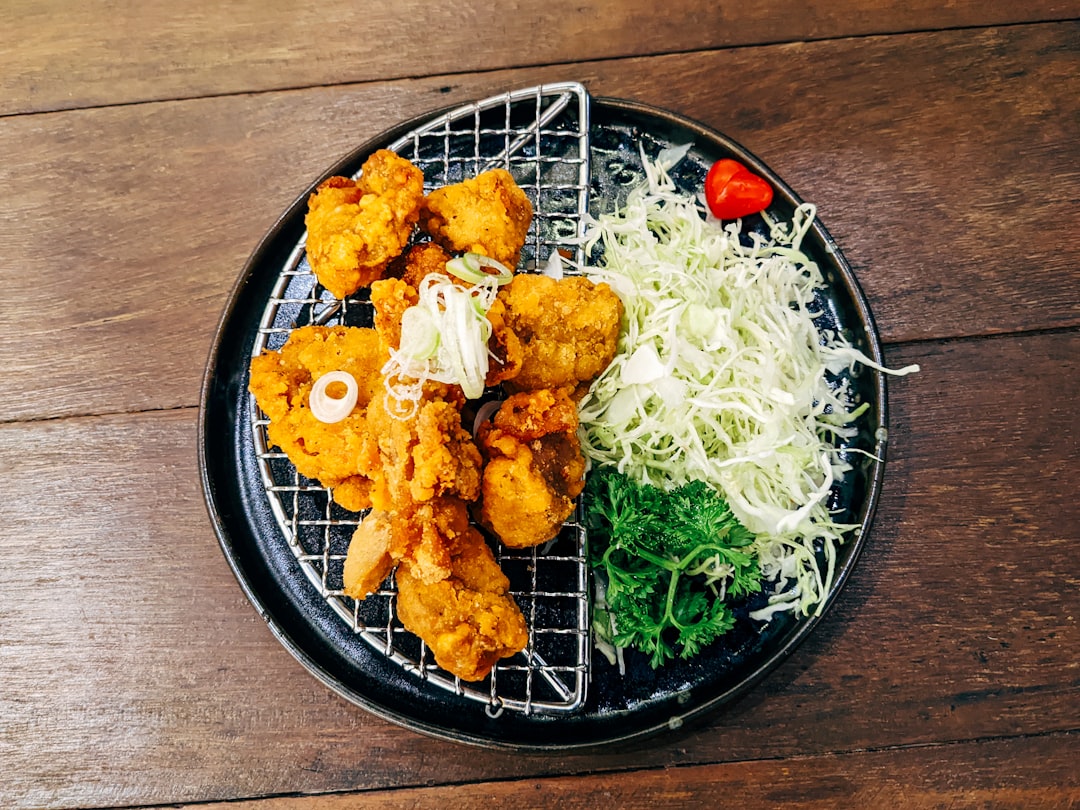
There’s a reason Korean fried chicken has taken over the world — and it’s not just the crunch. Walk into any chimaek (치맥) joint in Seoul at 9 PM on a Friday, and you’ll find every table packed with golden-brown, double-fried perfection paired with ice-cold beer. In 2025 alone, South Korea’s fried chicken industry generated over $8.5 billion in revenue, with more than 87,000 chicken restaurants operating nationwide — that’s more chicken shops per capita than almost any country on earth. But here’s the secret most home cooks don’t know: the Korean fried chicken recipe crispy secret isn’t about a single magic ingredient. It’s about a technique — one that transforms ordinary chicken into the crunchiest, juiciest, most addictive fried bird you’ve ever tasted. Whether you’ve fallen in love with KFC (Korean Fried Chicken, not the Colonel’s) through K-dramas, mukbang videos, or a late-night craving at your local Bonchon, this ultimate guide will teach you everything: the history, the science, the recipe, and the insider tricks that Korean grandmothers have been passing down for decades.
What Makes Korean Fried Chicken Different From American Fried Chicken?
If you’ve ever bitten into a piece of Korean fried chicken and thought, “Why is this so much crunchier?” — you’re not imagining things. The difference is real, and it comes down to three fundamental factors: the batter, the frying method, and the finishing technique.
The Double-Fry Technique: Korea’s Crispy Secret
American Southern-style fried chicken typically uses a thick, seasoned flour dredge fried once in a cast-iron skillet. The result is hearty and satisfying but tends to lose its crunch within 15–20 minutes as steam from the meat softens the coating.
Korean fried chicken flips the script entirely. The batter is ultra-thin — often just a light dusting of potato starch or a watery mixture of flour and cornstarch. The chicken is fried at a moderate temperature (around 325°F / 160°C) for 8–10 minutes, removed and rested for 5 minutes, then fried again at a higher temperature (375°F / 190°C) for another 5–7 minutes. This Korean fried chicken recipe crispy secret — the double-fry — is what creates that signature glass-like shatter when you bite through.
The science is straightforward: the first fry cooks the chicken through and begins rendering fat from the skin. The rest period allows moisture to migrate to the surface. The second fry then blasts away that surface moisture, creating an incredibly thin, dehydrated shell that stays crispy for hours — even under a heavy coating of sauce.
Batter vs. Dredge: Why Thin Wins
Where American fried chicken relies on a thick, buttermilk-soaked flour crust for flavor and texture, Korean fried chicken keeps the coating paper-thin. Most Korean recipes use one of these three approaches:
- Potato starch only — the lightest option, producing an almost translucent, crackly shell
- Flour + cornstarch mix (1:1 ratio) — the most common home-cook method, balancing crunch with slight body
- Rice flour batter — used by some restaurants for an extra-shatterproof coating that holds up beautifully under wet sauces
The thin batter is intentional. It lets the chicken skin itself become part of the crispy exterior, rather than hiding it under a thick shell. That’s why well-made Korean fried chicken has a distinctly different mouthfeel — you taste the meat and skin simultaneously with the crunch, not a bready layer on top.
Side-by-Side Comparison
| Feature | American Fried Chicken | Korean Fried Chicken |
|---|---|---|
| Coating | Thick seasoned flour dredge | Thin starch-based batter |
| Frying Method | Single fry (12–15 min) | Double fry (8–10 min + 5–7 min) |
| Crunch Duration | 15–20 minutes | 1–3 hours |
| Sauce | Usually unsauced or gravy | Tossed in sauce after frying |
| Serving Style | Individual pieces, sides | Whole or half chicken, shared |
| Traditional Pairing | Coleslaw, biscuits, mashed potatoes | Beer (chimaek), pickled radish (치킨무) |
The History of Korean Fried Chicken: From Post-War Streets to Global Phenomenon

Korean fried chicken didn’t appear out of nowhere. Its story is deeply tied to Korea’s modern history, American military presence, and an extraordinary economic boom that transformed a war-torn nation into a global cultural powerhouse.
The 1960s: American Influence Meets Korean Innovation
After the Korean War, American GIs stationed in South Korea brought their love of fried chicken with them. Street vendors near military bases began selling fried chicken seasoned with Korean spices. But whole chickens were expensive, and deep-frying oil was a luxury. Early Korean fried chicken was often rotisserie-roasted (통닭, tongdak) rather than fried — a whole chicken turning on a spit, crispy-skinned and served with salt.
The first dedicated fried chicken restaurant in Korea, Lim’s Chicken, opened in 1977 in Seoul’s Sinseol-dong neighborhood. It served simple, unsauced fried chicken pieces — a novelty at the time. By the early 1980s, chains like Pelicana (founded 1982) and Mexicana (founded 1985) began standardizing the recipe and spreading across the country.
The 1990s–2000s: Chimaek Culture Explodes
The real transformation came in the late 1990s, when Korean chicken chains began experimenting with sauced varieties. Yangnyeom chicken (양념치킨) — coated in a sweet, spicy, sticky gochujang-based sauce — became an instant cultural phenomenon. The pairing of fried chicken with beer (chimaek = chicken + maekju/beer) became a national ritual, especially during the 2002 FIFA World Cup co-hosted by Korea and Japan.
During the tournament, millions of Koreans gathered in public squares and bars to watch the national team’s historic run to the semifinals. What did they eat? Chimaek. Fried chicken delivery orders surged by over 300% during World Cup matches, and the cultural association between fried chicken, beer, and communal celebration was cemented forever. Korea Tourism Organization – Food Guide
The 2010s–2020s: K-Drama Hallyu Effect
Korean fried chicken went fully global thanks to the Hallyu wave. The 2014 K-drama My Love from the Star featured a famous scene where the lead character declares her love of chimaek — “How can you eat fried chicken without beer?” — and searches for Korean fried chicken spiked across Asia overnight. Restaurants in China, Southeast Asia, and the U.S. reported sudden surges in demand.
Today, Korean fried chicken chains like bb.q Chicken (over 3,500 locations worldwide), Bonchon (over 400 locations), and Kyochon operate on every continent. The global Korean fried chicken market is projected to exceed $15 billion by 2027. 7 New K-Pop Groups on Billboard 2026 You Need to Know
The Ultimate Korean Fried Chicken Recipe: Step-by-Step
This is the Korean fried chicken recipe crispy secret that took me three years of testing to perfect. It combines the double-fry technique used by Seoul’s best chicken joints with a vodka-spiked batter trick borrowed from tempura masters. The result is shatteringly crispy chicken that stays crunchy for hours. Maangchi’s Korean Fried Chicken Recipe
Ingredients (Serves 4)
For the chicken:
- 3 lbs (1.4 kg) chicken wings or drumettes (about 24 pieces) — available at H-Mart, Whole Foods, or any grocery store
- 1 tablespoon kosher salt
- 1 teaspoon black pepper
- 1 tablespoon minced garlic
- 1 tablespoon minced ginger
- 1 tablespoon soy sauce
- 1 tablespoon rice wine (mirin) or dry sherry
For the batter:
- ¾ cup (90g) all-purpose flour
- ¾ cup (90g) cornstarch (or potato starch for extra crunch)
- 1 teaspoon baking powder
- ½ teaspoon salt
- ¾ cup (180ml) ice-cold water
- 2 tablespoons vodka (optional — evaporates faster than water, creating extra crispiness)
For frying:
- 2 quarts (about 2 liters) neutral oil — peanut oil or vegetable oil (avoid olive oil)
Step-by-Step Instructions
- Marinate the chicken (30 minutes to overnight): Pat chicken pieces dry with paper towels — this step is critical. Combine salt, pepper, garlic, ginger, soy sauce, and rice wine in a large bowl. Toss the chicken to coat evenly. Cover and refrigerate for at least 30 minutes, or ideally overnight for deeper flavor penetration.
- Prepare the batter: In a medium bowl, whisk together flour, cornstarch, baking powder, and salt. Add ice-cold water and vodka (if using). Stir gently until just combined — small lumps are fine and actually desirable. Over-mixing develops gluten, which makes the coating chewy instead of crispy. Keep the batter cold.
- Heat oil for the first fry: Pour oil into a large Dutch oven or deep heavy-bottomed pot. Attach a deep-fry thermometer and heat to 325°F (160°C). The lower temperature is essential for the first fry — it gently cooks the chicken through without browning the exterior too quickly.
- First fry (8–10 minutes): Working in batches of 6–8 pieces (never crowd the pot), dip each piece in batter, let excess drip off, and carefully lower into the oil. Fry for 8–10 minutes, turning occasionally, until the chicken is cooked through but only lightly golden. Internal temperature should reach at least 165°F (74°C). Transfer to a wire rack set over a baking sheet.
- Rest (5–10 minutes): Let all the chicken rest on the wire rack while you bring the oil temperature up. This rest period is the Korean fried chicken recipe crispy secret — moisture from inside migrates to the surface, ready to be blasted away by the second fry.
- Second fry (5–7 minutes): Increase oil temperature to 375°F (190°C). Fry the chicken again in batches for 5–7 minutes until deep golden brown and audibly crackling. The exterior should look almost lacquered. Transfer to a clean wire rack.
- Sauce and serve immediately: Toss in your chosen sauce (recipes below) within 30 seconds of removing from oil, or serve plain (huraideu/후라이드) with pickled radish on the side.
Pro Tips From Korean Chicken Masters
- Use a thermometer. Temperature control is everything. If oil is too hot on the first fry, the outside burns before the inside cooks. If too cool on the second fry, the coating absorbs oil and turns greasy.
- Pat the chicken obsessively dry before marinating. Surface moisture is the enemy of crispiness.
- Keep the batter thin. It should be the consistency of heavy cream, not pancake batter. If it’s too thick, add a tablespoon of ice water at a time.
- Don’t skip the rest between fries. This 5–10 minute window is where the magic happens.
- Fry on a wire rack, not paper towels. Paper towels trap steam against the bottom of the chicken, making it soggy.
5 Iconic Korean Fried Chicken Sauces You Need to Master

Plain (huraideu) Korean fried chicken is glorious on its own, but the sauce game is where Korean chicken truly separates itself from every other fried chicken tradition on earth. Here are the five essential sauces, ranked by popularity in Korea.
1. Yangnyeom (Sweet-Spicy Sauce)
The undisputed king. Yangnyeom sauce is a glossy, sticky coating that balances sweet, spicy, tangy, and savory in every bite. It’s the sauce that made Korean fried chicken famous worldwide.
Recipe: Combine ¼ cup gochujang (Korean red pepper paste), 3 tablespoons ketchup, 2 tablespoons honey, 1 tablespoon soy sauce, 1 tablespoon rice vinegar, 1 tablespoon minced garlic, 1 tablespoon sesame oil, and 1 teaspoon gochugaru (Korean red pepper flakes). Heat in a saucepan over medium heat for 2–3 minutes until bubbling and glossy. Toss with freshly fried chicken immediately.
Where to buy ingredients: Gochujang and gochugaru are available at H-Mart, most Asian grocery stores, and increasingly at Whole Foods and Target. The CJ Haechandle brand (about $6–8 for 500g) is the most popular in Korean households.
2. Ganjang (Soy-Garlic Sauce)
If yangnyeom is the loud, bold friend, ganjang sauce is the sophisticated one. This soy-garlic glaze is savory, slightly sweet, and deeply umami-rich. It’s the second most ordered flavor at every Korean chicken chain.
Recipe: In a small saucepan, combine ¼ cup soy sauce, 2 tablespoons brown sugar, 2 tablespoons honey, 1 tablespoon minced garlic (use at least 6 cloves — Koreans don’t hold back on garlic), 1 tablespoon butter, and 1 teaspoon black pepper. Simmer for 3–4 minutes until slightly thickened. Toss with chicken and garnish with toasted sesame seeds.
3. Honey Butter Sauce
Korea went through a honey butter craze around 2014–2015 when Haitai’s Honey Butter Chips caused literal stampedes in convenience stores. The flavor migrated to fried chicken almost immediately and has stayed ever since.
Recipe: Melt 3 tablespoons unsalted butter in a saucepan. Add 3 tablespoons honey, 1 tablespoon condensed milk, a pinch of salt, and ½ teaspoon vanilla extract. Whisk until smooth and warm. Drizzle over fried chicken — don’t toss, just drizzle — and sprinkle with powdered sugar and crushed honey butter chips if you can find them.
4. Mala (Sichuan Numbing Spice)
A newer trend driven by Korea’s growing obsession with Chinese mala flavors. Mala chicken (마라치킨) exploded in popularity around 2019–2020 and remains a top seller at chains like bb.q and Kyochon. It features Sichuan peppercorns that create a tingling, numbing sensation alongside fiery heat.
Recipe: Toast 1 tablespoon Sichuan peppercorns and 4–5 dried red chilies in a dry pan until fragrant (about 1 minute). Grind coarsely. Mix with 2 tablespoons chili oil, 1 tablespoon soy sauce, 1 teaspoon sugar, and ½ teaspoon five-spice powder. Toss with fried chicken and garnish with sliced scallions.
5. Snow Cheese (Parmesan-Style)
Snow cheese chicken (스노윙치킨) arrived via chains like bb.q Chicken and became an instant favorite with younger Koreans. Freshly fried chicken is dusted with a generous snowfall of fine cheese powder, creating a savory, slightly funky coating over the crispy shell.
Recipe: Combine ½ cup finely grated Parmesan cheese, 2 tablespoons powdered white cheddar (or use cheddar cheese powder from H-Mart, about $4–5), and 1 teaspoon garlic powder. Toss freshly fried chicken in the mixture while still hot so the cheese adheres. The heat slightly melts the cheese into the crust — absolutely irresistible.
How to Get the Crispiest Korean Fried Chicken: 7 Science-Backed Secrets
Understanding why these techniques work will make you a better cook, not just a better recipe follower. Here are seven evidence-based secrets behind the Korean fried chicken recipe crispy secret that separates amateurs from masters.
Secret #1: Cornstarch Creates a Crispier Shell Than Flour Alone
Pure wheat flour contains gluten proteins that can create a slightly chewy, bread-like coating. Cornstarch (or potato starch) contains no gluten — it crisps up into a lighter, more brittle shell. The ideal ratio for most home cooks is a 1:1 mix of all-purpose flour to cornstarch. The flour provides structure and browning (via the Maillard reaction), while the starch provides the shatter.
Secret #2: Vodka in the Batter Evaporates Faster
This trick comes from Japanese tempura technique. Alcohol evaporates at a lower temperature (173°F / 78°C) than water (212°F / 100°C). When you replace some of the water in your batter with vodka, the batter dries out faster during frying, creating a crispier result with less residual moisture. Use 2 tablespoons per batch — the alcohol cooks off completely, so there’s no flavor impact.
Secret #3: Baking Powder Creates Micro-Bubbles
Adding just 1 teaspoon of baking powder to your batter creates tiny carbon dioxide bubbles during frying. These bubbles expand, creating a lacy, porous texture in the coating that amplifies crunchiness. Be precise — too much baking powder leaves a metallic, soapy aftertaste.
Secret #4: Cold Batter + Hot Oil = Maximum Crunch
The greater the temperature differential between your batter and oil, the more dramatic the moisture evaporation. Keep your batter ice cold — some Korean chefs even add a few ice cubes directly into the batter bowl. When cold batter hits 325°F oil, the rapid temperature change creates an instant steam explosion at the surface that puffs the coating.
Secret #5: Air-Drying in the Fridge Removes Surface Moisture
For the absolute crispiest results, place marinated chicken uncovered on a wire rack in the refrigerator for 4–12 hours before frying. The dry fridge air wicks away surface moisture from the skin. Drier skin = less steam during frying = crispier coating. This technique is used by restaurants across Seoul and is the single biggest upgrade most home cooks can make.
Secret #6: Oil Choice Matters More Than You Think
Peanut oil is the gold standard for Korean fried chicken. Its high smoke point (450°F / 232°C) means it stays stable through both fry cycles, and its subtle nutty flavor complements the chicken without competing with sauces. Vegetable oil or canola oil are acceptable alternatives at about $4–6 per quart. Avoid olive oil (too low smoke point) and coconut oil (too much competing flavor).
Secret #7: Sauce the Chicken While It’s Screaming Hot
Timing is everything when saucing Korean fried chicken. The chicken must be tossed in sauce within 30 seconds of leaving the oil. The residual heat helps the sauce caramelize slightly onto the shell, creating a thin, lacquered layer that adds another dimension of crunch rather than making it soggy. If the chicken cools first, the sauce sits on top like a wet blanket.
Where to Eat Korean Fried Chicken: Best Chains and Hidden Gems

Whether you’re planning a trip to Seoul or hunting for the best spot near you in the U.S., here’s your definitive guide. Hongdae Best Cafes and Bars at Night: 2026 Guide
Top Korean Fried Chicken Chains in the U.S.
| Chain | U.S. Locations | Known For | Price Range (half chicken) |
|---|---|---|---|
| Bonchon | 100+ | Soy garlic wings, thin ultra-crispy coating | $14–18 |
| bb.q Chicken | 200+ | Golden Original, Snow Cheese, Olive oil frying | $15–20 |
| Pelicana | 30+ | OG Korean chain (est. 1982), classic flavors | $13–17 |
| Kyochon | 15+ | Honey Series, consistent quality nationwide | $16–20 |
| Choongman Chicken | 20+ | Massive portions, variety of unique flavors | $14–18 |
Must-Visit Spots in Seoul
- Hanchu (한추통닭), Mapo-gu: Famous for their whole crispy fried chicken served with draft beer in a retro atmosphere. About ₩18,000 ($13) for a whole chicken.
- Gyeol Chimaek (결치맥), Yeonnam-dong: Trendy spot near Hongdae known for creative seasonal flavors and craft beer pairings.
- Two Two Chicken (투투치킨), nationwide: One of Korea’s most beloved delivery chains — the yangnyeom here is the benchmark against which all others are measured.
- Kkanbu Chicken (깐부치킨), Gangnam: Go for the garlic soy half-and-half (반반) — half yangnyeom, half huraideu — the most popular order in all of Korean chicken culture.
If you’re traveling to Seoul, fried chicken delivery is a quintessential Korean experience. Download the Baedal Minjok (배달의민족) or Coupang Eats app, and you can have fresh chimaek delivered to your hotel or Airbnb within 30–40 minutes, usually for under $15 including delivery.
Essential Equipment and Ingredients: Where to Buy Everything
You don’t need a professional kitchen to make restaurant-quality Korean fried chicken at home. Here’s exactly what you need and where to find it.
Must-Have Equipment
- Dutch oven or heavy-bottomed pot (5-quart minimum): Lodge 5-quart enameled Dutch oven ($50–70 at Target or Amazon) is the home-cook standard. The heavy walls maintain oil temperature better than thin pots.
- Deep-fry/candy thermometer: Non-negotiable. The ThermoPro TP-02S ($10 on Amazon) is reliable and affordable. Without precise temperature control, you’re guessing.
- Wire cooling rack + sheet pan: For resting between fries and draining after. Never use paper towels — they trap steam and kill your crunch.
- Spider strainer or slotted spoon: For safely lowering and retrieving chicken from hot oil.
- Large mixing bowls (2–3): One for marinating, one for batter, one for tossing in sauce.
Korean Ingredients Shopping Guide
| Ingredient | Where to Buy | Approximate Price | Substitution |
|---|---|---|---|
| Gochujang | H-Mart, Whole Foods, Target | $6–8 / 500g | Sriracha + miso (not ideal) |
| Gochugaru | H-Mart, Amazon | $8–12 / 1lb | Crushed red pepper (less flavor) |
| Potato starch | H-Mart, Asian grocery | $3–5 / 12oz | Cornstarch (slightly less crispy) |
| Rice wine (mirin) | Any grocery store | $4–6 / bottle | Dry sherry |
| Pickled radish (치킨무) | H-Mart (refrigerated section) | $3–4 / pack | Quick-pickle daikon at home |
| Korean soy sauce | H-Mart, Whole Foods | $5–7 / bottle | Regular soy sauce works fine |
Pro tip: If you don’t have an H-Mart nearby, Amazon carries virtually every Korean ingredient with Prime delivery. The brands to look for are CJ Haechandle (gochujang), Taekyung (gochugaru), and Sempio (soy sauce). You can also find complete “Korean cooking starter kits” on Amazon for about $25–30 that include gochujang, gochugaru, sesame oil, and soy sauce.
Korean Fried Chicken and K-Culture: The Chimaek Connection

Korean fried chicken isn’t just food — it’s a cultural institution deeply woven into modern Korean life. Understanding chimaek culture helps you appreciate why this dish means so much more than the sum of its ingredients.
Chimaek: The Ultimate Korean Social Ritual
Chimaek (치맥) is a portmanteau of “chicken” (치킨) and “maekju” (맥주, beer). It’s not just a meal — it’s a social event. In Korea, fried chicken is almost always a shared, communal experience. You order a whole or half chicken for the table, crack open beers, and settle in for a long evening of conversation, games, and snacking.
The chimaek ritual typically happens after work (around 7–10 PM) and often extends late into the night. It’s one of the most important social bonding activities in Korean culture, alongside noraebang (karaoke) and soju nights. For Koreans, suggesting chimaek to a friend or colleague is equivalent to saying, “Let’s hang out and really talk.” Korean Dating Culture: 7 Things Foreigners Should Expect in 2026
Korean Fried Chicken in K-Dramas and Pop Culture
K-dramas have been the single biggest driver of Korean fried chicken’s global fame. Notable moments include:
- My Love from the Star (2014): Jun Ji-hyun’s character’s chimaek obsession made “chicken and beer” a viral phrase across Asia
- Goblin (2016): Multiple chimaek scenes cemented the association between romantic moments and fried chicken
- Itaewon Class (2020): The main character’s dream of opening a restaurant chain resonated with Korea’s real-world chicken franchise culture
- Crash Landing on You (2020): North-South cultural exchange scenes prominently featured chimaek as a symbol of South Korean pop culture
K-pop idols regularly post chimaek photos on social media, and mukbang creators have built entire channels around elaborate Korean fried chicken feasts. The cultural impact is real: Google Trends data shows that global searches for “Korean fried chicken” have increased by over 400% since 2014. 7 K-Pop Idols With the Best K-Drama Roles in 2026
The Perfect Chimaek Pairing Guide
In Korea, the beer choice matters almost as much as the chicken flavor. Here’s how Koreans pair them:
- Yangnyeom chicken + Cass Fresh: Korea’s #1 selling beer (light lager) cuts through the sweetness and heat
- Huraideu (plain) chicken + Terra: Clean, crisp lager lets the chicken’s natural flavor shine
- Soy garlic chicken + Kloud: Slightly maltier beer complements the umami-rich glaze
- Snow cheese chicken + IPA: The hoppy bitterness balances the rich cheese coating beautifully
Non-alcoholic pairing: Koreans also love pairing chicken with Chilsung Cider (a lemon-lime soda similar to Sprite, but better) or Milkis (a creamy carbonated yogurt drink). Both are available at H-Mart for about $1.50–2 per can.
Frequently Asked Questions About Korean Fried Chicken
What is the Korean fried chicken recipe crispy secret that makes it stay crunchy so long?
The primary secret is the double-fry technique. The chicken is fried once at 325°F (160°C) to cook through, rested for 5–10 minutes, then fried again at 375°F (190°C) to create an ultra-crispy shell. Combined with a thin cornstarch-based batter (instead of thick flour dredge), this method produces a coating that stays shatteringly crispy for 1–3 hours — even under heavy sauce. The batter’s thinness allows the chicken skin to become part of the crispy exterior, and the second fry dehydrates the surface completely.
Can I make Korean fried chicken in an air fryer?
Yes, but with caveats. Air fryer Korean fried chicken won’t achieve the exact same glass-like crunch as the traditional double-fry method, but it can get surprisingly close. Coat your chicken in a thin layer of cornstarch (skip the wet batter — it drips in air fryers), spray generously with cooking oil, and air fry at 370°F for 20 minutes, flipping halfway, then increase to 400°F for 5–8 minutes to simulate the second fry. You’ll save about 1,500 calories worth of oil per batch, but the texture will be more “crispy-baked” than “deep-fried shatter.”
What’s the difference between gochujang and gochugaru, and which do I need?
Gochujang is a fermented red pepper paste — thick, sticky, slightly sweet, and deeply umami. Gochugaru is dried red pepper flakes — bright, mildly hot, and smoky. For yangnyeom sauce, you need gochujang as the base and gochugaru for added texture and heat. They’re not interchangeable. Both are available at H-Mart ($6–12 each) or on Amazon. If you can only buy one, get gochujang — it’s the more versatile ingredient for Korean cooking overall.
How do Korean restaurants keep their chicken crispy under all that sauce?
Three reasons: First, the double-fry creates a shell so dehydrated that sauce sits on top rather than soaking in. Second, restaurants sauce the chicken to order — it’s tossed in sauce seconds before serving, not sitting in a pool. Third, Korean sauces are formulated to be high in sugar, which means they caramelize slightly on the hot shell, forming a candy-like layer that actually adds another dimension of crunch rather than creating sogginess. This is why yangnyeom chicken from a good Korean restaurant stays crispy for 30+ minutes even drenched in sauce.
Is Korean fried chicken gluten-free?
Traditional Korean fried chicken is not gluten-free due to the wheat flour in the batter and soy sauce in the marinade and sauces. However, you can easily make a gluten-free version by using 100% potato starch or tapioca starch for the batter and substituting tamari or coconut aminos for soy sauce. Many Korean restaurants in the U.S. now offer gluten-free options — Bonchon, for example, has a dedicated gluten-free menu at select locations. The result is actually very close to the original since the crispiness comes primarily from starch, not gluten.
How many calories are in Korean fried chicken?
A serving of 6 Korean fried chicken wings (plain/huraideu) contains approximately 450–550 calories. Adding yangnyeom sauce increases this to about 600–700 calories due to the sugar content. For context, the same amount of American-style fried chicken wings is roughly 500–650 calories. Korean fried chicken is marginally lighter per piece due to the thinner batter, but the difference is modest. A typical chimaek session (half chicken + 2 beers) runs about 1,200–1,400 calories total — which is why Koreans consider chimaek a “cheat meal” treat, not an everyday dinner.
Related Posts You’ll Love
If you enjoyed this deep dive into Korean fried chicken, check out these other guides on our site:
- Hongdae Best Cafes and Bars at Night: 2026 Guide — The perfect spots to grab chimaek in Seoul’s trendiest neighborhood
- Korean Dating Culture: 7 Things Foreigners Should Expect in 2026 — Chimaek dates are a Korean classic; learn the cultural nuances
- How to Buy K-Pop Concert Tickets in Korea (2026 Guide) — Plan your Seoul trip and pair it with a chimaek crawl
Topics we’re working on next:
- Best Korean BBQ Marinades: Bulgogi, Galbi, and Samgyeopsal Recipes
- Korean Street Food Guide: 15 Must-Try Snacks From Myeongdong to Gwangjang Market
- Tteokbokki Recipe: How to Make Authentic Korean Spicy Rice Cakes at Home
Ready to Fry? Let’s Hear From You!
You now have everything you need to make restaurant-quality Korean fried chicken at home — the history, the science, the technique, the sauces, and the cultural context that makes this dish one of the most beloved foods on the planet.
The Korean fried chicken recipe crispy secret isn’t complicated, but it does require patience and precision. Double-fry. Keep the batter thin. Control your oil temperature. Sauce it hot. Follow these principles, and you’ll be making chicken that rivals anything from Bonchon or bb.q.
Now it’s your turn. Have you tried making Korean fried chicken at home? Which sauce is your favorite — yangnyeom, soy garlic, or something else entirely? Drop a comment below and let us know! If you found this guide helpful, share it with a friend who needs to discover the magic of chimaek. And if you want more K-Food recipes, Korean travel tips, and K-culture deep dives delivered to your inbox, subscribe to our newsletter — we publish new guides every week.
Happy frying, and remember: the crunch never lies. 🍗