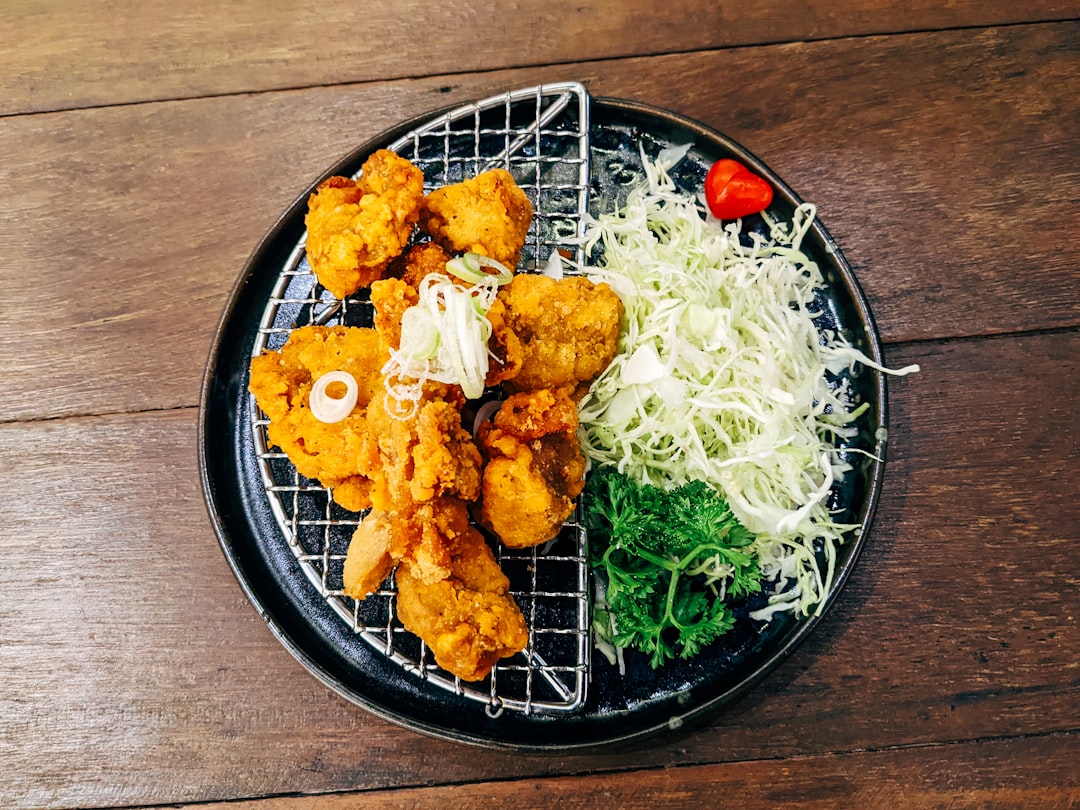
Why Korean Fried Chicken Is the Crispiest Fried Chicken You’ll Ever Taste
Picture this: you’re sitting in a bustling Seoul chicken shop at midnight, cold beer in hand, and a platter of glistening, impossibly crispy fried chicken arrives at your table. You bite through a shell so crunchy it shatters audibly — yet the meat inside is juicy, tender, and bursting with flavor. This is Korean fried chicken, and once you’ve tasted it, every other version feels like a rough draft.
The secret? A technique called double frying — a method that Korean cooks have perfected over decades. Unlike American Southern-style fried chicken, which relies on a thick, heavily seasoned batter, Korean fried chicken uses a thin, almost translucent coating that fries up into a glass-like crunch. The double-fry method renders out subcutaneous fat, dehydrates the skin, and creates a crust that stays crispy for hours — even under a heavy glaze of sticky-sweet yangnyeom sauce.
In this ultimate guide, you’ll learn the authentic Korean fried chicken recipe with the crispy double fry technique that restaurants use, the science behind why it works, and every tip you need to nail it at home. Whether you’re a first-timer or a seasoned cook looking to level up, this is the only guide you’ll need.
The History and Cultural Significance of Korean Fried Chicken

From American Military Bases to a $5 Billion Industry
Korean fried chicken — known locally as chikin (치킨) — has a fascinating origin story. During the Korean War in the 1950s, American soldiers introduced fried chicken to Korea. But Koreans didn’t just adopt the dish; they completely reinvented it. By the 1970s and 1980s, small chicken shops began experimenting with thinner batters, double-frying techniques, and bold Korean seasonings.
The real explosion came in the late 1990s and early 2000s, when chains like Kyochon (교촌), BBQ Chicken, and BHC transformed fried chicken into a cultural institution. Today, South Korea has more fried chicken restaurants per capita than almost any country on Earth — over 87,000 chicken shops nationwide, more than the number of McDonald’s locations worldwide.
The industry generates an estimated $5 billion annually in South Korea alone, and the “chimaek” (치맥) culture — chicken paired with beer (maekju) — is practically a national pastime. It’s the go-to food for watching sports, celebrating with friends, or simply ending a long workday.
Chimaek Culture: Chicken and Beer, the Korean Way
Chimaek (치맥) isn’t just a meal — it’s a social ritual. Koreans gather at outdoor pojangmacha tents, rooftop bars, and delivery-friendly living rooms to share platters of fried chicken alongside cold lagers. The tradition surged during the 2002 FIFA World Cup when fans flooded public viewing areas, and chicken shops saw record sales.
If you ever visit Seoul, head to the Hongdae or Gangnam neighborhoods for some of the best chimaek experiences. Hongdae Nightlife & Cafe Guide 2026: 15 Hidden Gems You’ll find that most chicken joints deliver until well past midnight — a testament to how deeply fried chicken is woven into daily Korean life.
The Science Behind the Crispy Double Fry Technique
Why Double Frying Creates Superior Crunch
The magic of a Korean fried chicken recipe with crispy double fry comes down to moisture science. Here’s what happens during each fry:
First fry (160°C / 320°F for 8-10 minutes): This lower-temperature fry gently cooks the chicken through. The moderate heat slowly renders subcutaneous fat from beneath the skin and begins gelatinizing the starch in the coating. Most of the internal moisture converts to steam, which escapes through the thin batter. The chicken comes out pale and only slightly crispy.
Rest period (5-10 minutes): During the rest, residual moisture from the meat’s interior migrates outward to the surface. This is the crucial step most home cooks skip. The moisture redistribution sets up the second fry for maximum crunch.
Second fry (180°C / 355°F for 5-7 minutes): The higher temperature rapidly evaporates the surface moisture that migrated outward during the rest. The starch coating undergoes a second round of Maillard reaction, creating a deeper golden color and a glass-like shell that stays crispy far longer than single-fried chicken.
Korean vs. American Fried Chicken: A Comparison
| Feature | Korean Fried Chicken | American Southern Fried Chicken |
|---|---|---|
| Coating | Thin (potato starch or cornstarch) | Thick (seasoned flour, sometimes buttermilk) |
| Frying Method | Double-fried at two temperatures | Single-fried, typically at 350°F |
| Texture | Glass-like, shatteringly crispy | Crunchy, bready, thick crust |
| Crunch Duration | Stays crispy 2-3 hours, even under sauce | Softens within 30-45 minutes |
| Flavor Style | Sauce-forward (yangnyeom, soy garlic) | Seasoning-in-batter approach |
| Typical Sides | Pickled radish (chicken mu), beer | Coleslaw, biscuits, mashed potatoes |
Essential Ingredients for Korean Fried Chicken

The Chicken: Choosing the Right Cuts
In Korea, whole chickens are typically used — broken down into small, bone-in pieces for maximum surface-area-to-meat ratio (more crunch per bite). However, for the home cook, here are the best options:
- Whole wings (flats and drumettes): The most popular choice for home cooks. High skin-to-meat ratio means maximum crispiness. About $3.50-$5.00/lb at most grocery stores.
- Bone-in thighs: Richer flavor and very forgiving — almost impossible to overcook. Around $2.50-$4.00/lb.
- Boneless thigh pieces: Best for yangnyeom-style sauced chicken. Cut into 2-inch chunks. Same price range as bone-in.
- Drumsticks: Kid-friendly and easy to eat. Budget-friendly at $1.50-$3.00/lb.
Pro tip: Avoid boneless, skinless chicken breast for this recipe. It dries out too quickly during the double-fry process. If you must use breast meat, cut it into small nugget-sized pieces and reduce frying times by 2-3 minutes per round.
The Coating: Starch Is King
The coating is what separates Korean fried chicken from every other style. Forget heavy flour batters — Korean recipes use starch-based coatings that fry up incredibly thin and crispy:
- Potato starch (감자전분): The gold standard. Creates the crispiest, most glass-like coating. Available at H-Mart ($3-4 for a large bag) or online.
- Cornstarch: A widely available substitute. About 90% as effective as potato starch. Find it at any grocery store for under $3.
- Rice flour: Some recipes mix in a tablespoon for extra texture. Available at H-Mart, Whole Foods, or Asian grocery stores.
- All-purpose flour: Used sparingly (typically 20-30% of the total coating mix) to help the starch adhere. Too much flour and you lose the signature crunch.
The ideal ratio for a crispy Korean fried chicken coating is: 70% potato starch (or cornstarch) + 30% all-purpose flour. This gives you maximum crunch with enough gluten structure to hold the coating together.
Seasonings and Sauce Ingredients
For the basic marinade, you’ll need:
- Fresh ginger (1 tablespoon, grated)
- Garlic (4-5 cloves, minced)
- Soy sauce (1 tablespoon)
- Salt and white pepper
- Rice wine or mirin (1 tablespoon) — tenderizes the meat and removes gaminess
For the yangnyeom (sweet-spicy) sauce:
- Gochujang (Korean red pepper paste) — 3 tablespoons. $5-8 at H-Mart or Whole Foods.
- Gochugaru (Korean red pepper flakes) — 1 tablespoon for extra heat
- Ketchup — 2 tablespoons (yes, really — it adds tomato sweetness and color)
- Rice syrup or corn syrup — 3 tablespoons for that sticky glaze
- Soy sauce — 1 tablespoon
- Minced garlic — 1 tablespoon
- Sesame oil — 1 teaspoon
Maangchi’s yangnyeom chicken recipe
The Ultimate Korean Fried Chicken Recipe: Step-by-Step
Step 1: Marinate the Chicken (30 Minutes to Overnight)
Pat 2 lbs of chicken wings or thighs completely dry with paper towels. This step is non-negotiable — surface moisture is the enemy of crispiness. Combine the marinade ingredients in a large bowl, add the chicken, toss to coat evenly, and refrigerate for at least 30 minutes. Overnight marination yields the best flavor penetration.
Pro tip: Add a pinch of baking powder (not baking soda) to your marinade — about ½ teaspoon per pound of chicken. It raises the skin’s pH, which accelerates browning and boosts crunchiness. This trick alone can take your results from good to restaurant-quality.
Step 2: Prepare the Coating
In a large bowl, whisk together:
- ¾ cup potato starch or cornstarch
- ¼ cup all-purpose flour
- ½ teaspoon salt
- ¼ teaspoon white pepper
- ½ teaspoon garlic powder
Remove chicken from the marinade and shake off excess liquid. Dredge each piece thoroughly in the starch mixture, pressing gently to ensure even coverage. Place coated pieces on a wire rack and let them sit for 10-15 minutes. This short rest allows the coating to hydrate slightly from the chicken’s surface moisture, creating a paste-like layer that fries up extra crispy.
Step 3: First Fry — Low and Slow (320°F / 160°C)
Fill a heavy-bottomed pot or Dutch oven with oil to a depth of at least 3 inches. Peanut oil or vegetable oil work best — they have high smoke points and neutral flavors. Heat the oil to 320°F (160°C). Use a thermometer; guessing the temperature is the #1 reason home cooks fail at fried chicken.
Working in batches of 5-6 pieces (never overcrowd), gently lower the chicken into the oil. Fry for 8-10 minutes for wings or 12-14 minutes for thighs. The chicken should be cooked through but only lightly golden — almost pale. Remove with a spider strainer and place on a wire rack set over a baking sheet.
Critical detail: Let the oil temperature recover to 320°F between batches. Adding cold chicken drops the oil temperature by 20-30°F, which leads to greasy, soggy results.
Step 4: Rest Period (5-10 Minutes)
Rest the first-fried chicken on the wire rack for at least 5 minutes, ideally 10. During this time, internal moisture migrates to the surface, where the second fry will blast it away. You’ll notice the coating looks slightly damp — that’s exactly what you want. The chicken should be at an internal temperature of about 155°F (68°C) at this stage.
While the chicken rests, increase your oil temperature to 355-375°F (180-190°C) for the second fry.
Step 5: Second Fry — Hot and Fast (355°F / 180°C)
This is where the magic happens. Return the chicken to the hot oil in the same batch sizes. Fry for 5-7 minutes until deeply golden brown and audibly crackling. The coating should look almost like thin amber glass.
Remove to a clean wire rack. You’ll hear the coating crackle and pop as it cools — that’s the sound of success. The Korean fried chicken recipe crispy double fry technique produces chicken that will stay crunchy for up to 3 hours, even sitting out on the counter.
Temperature check: Internal temperature should read 165°F (74°C) or above for safe consumption.
Step 6: Sauce and Serve
If making yangnyeom chicken, toss the hot chicken in your prepared sauce immediately. The residual heat helps the sauce caramelize and cling to the coating. For huraideu (plain/original) style, serve unsauced with a side of salt-pepper seasoning and pickled radish.
Garnish with toasted sesame seeds and thinly sliced scallions. Serve with chicken mu (sweet pickled radish cubes) — the tangy crunch is the perfect counterpoint to the rich, crispy chicken.
The 5 Most Popular Korean Fried Chicken Flavors

1. Yangnyeom (양념) — Sweet, Spicy, and Sticky
The most iconic flavor. Yangnyeom sauce combines gochujang’s fermented heat with rice syrup sweetness, creating a glossy red coating that’s addictive beyond reason. The sauce caramelizes against the hot, crispy coating, forming a sticky-sweet-spicy shell. This is the flavor that put Korean fried chicken on the global map.
Heat level: Medium (adjustable with more or less gochugaru). Pairs beautifully with an ice-cold Korean lager like Cass or Hite.
2. Ganjang (간장) — Soy Garlic
The more refined, umami-forward option. A reduction of soy sauce, garlic, sugar, and mirin creates a savory-sweet glaze with deep, almost caramel-like complexity. Soy garlic Korean fried chicken is often the choice of those who want big flavor without the heat. Kyochon made this style legendary — their soy garlic recipe is a closely guarded secret.
3. Huraideu (후라이드) — Original Crispy
Purists love it plain. Huraideu (from the English word “fried”) lets the double-fry technique speak for itself. Served with nothing but a light dusting of salt and a side of pickled radish, this style showcases the coating’s crunch and the chicken’s natural juiciness. Many Korean fried chicken connoisseurs consider this the true test of a chicken shop’s quality.
4. Cheese Sauce (치즈)
A newer innovation that’s wildly popular with younger Koreans. Crispy fried chicken is served with a warm, pourable cheese sauce — think nacho cheese but slightly more refined. The combination of shattering crunch and gooey, salty cheese is indulgent and Instagram-worthy.
5. Bburinkle (뿌링클) — Seasoning Powder
Popularized by BHC Chicken, bburinkle is a proprietary cheese-and-onion seasoning powder dusted over freshly fried chicken. It’s savory, slightly sweet, and incredibly addictive. You can approximate it at home by mixing Parmesan powder, onion powder, garlic powder, sugar, and a pinch of MSG.
Expert Tips for Restaurant-Quality Results at Home
Equipment That Makes a Difference
You don’t need a commercial fryer, but a few affordable tools will dramatically improve your results:
- Deep-fry thermometer ($10-15): Non-negotiable. Clip-on candy thermometers work perfectly. Without one, you’re guessing — and guessing means soggy or burnt chicken.
- Dutch oven or heavy pot: Cast iron or enameled cast iron retains heat best, preventing temperature drops when chicken is added. A 5.5-quart Lodge Dutch oven ($50 at Target) is ideal.
- Wire cooling rack: Always rest fried chicken on a rack, never paper towels. Paper towels trap steam against the bottom of the chicken, creating a soggy spot.
- Spider strainer ($8-10): A wide mesh strainer lets oil drain away quickly. Available at H-Mart or any Asian grocery.
Common Mistakes and How to Avoid Them
- Not drying the chicken thoroughly. Pat each piece with paper towels until bone-dry. Surface moisture creates steam bubbles that prevent the coating from adhering.
- Overcrowding the pot. Fry no more than 5-6 pieces at a time in a standard Dutch oven. Overcrowding drops the oil temperature dramatically, resulting in greasy, pale chicken.
- Skipping the rest between fries. That 5-10 minute rest isn’t optional. It’s what redistributes moisture for the crunchiest possible second fry.
- Using too much flour in the coating. Keep it starch-dominant (70/30 ratio). Too much flour creates a thick, bready crust instead of the signature thin, glass-like shell.
- Saucing too late. If making yangnyeom, toss the chicken in sauce immediately after the second fry while it’s still piping hot. The heat caramelizes the sauce and creates better adhesion.
Make-Ahead and Meal Prep Tips
Korean fried chicken is best eaten fresh, but here’s how to work ahead:
- Marinate overnight: Season and refrigerate the chicken the night before. This saves 30+ minutes on cooking day and deepens the flavor.
- First fry in advance: You can complete the first fry up to 2 hours ahead. Keep the par-fried chicken on a wire rack at room temperature. When ready to serve, heat oil to 375°F and do the second fry.
- Reheat in oven, never microwave: If you have leftovers, reheat at 400°F on a wire rack for 10-12 minutes. The oven re-crisps the coating surprisingly well. Microwaving turns it rubbery.
- Sauce separately: Make yangnyeom sauce up to 3 days ahead and refrigerate. Warm gently before tossing with freshly fried chicken.
Where to Buy Ingredients and What to Look For

Korean Grocery Stores
H-Mart is your one-stop shop for authentic Korean fried chicken ingredients. With over 90 locations across the United States, it’s the most accessible Korean grocery chain. Look for:
- Korean potato starch (감자전분) — usually in the baking aisle, $3-4 per bag
- Gochujang — Sunchang or CJ Haechandle brands are excellent ($5-8)
- Gochugaru — buy the coarse flake variety for sauce, not fine powder ($6-10)
- Korean corn syrup (물엿) — thicker than American corn syrup, creates a better glaze ($4)
- Chicken mu (치킨무) — pre-made pickled radish cubes, sold near the deli or refrigerated section ($3)
If you don’t have an H-Mart nearby, Whole Foods now carries gochujang and gochugaru in most locations. Amazon also has comprehensive Korean ingredient selections with Prime delivery.
Best Brands to Look For
Not all Korean ingredients are created equal. Here are the brands Korean home cooks actually use:
- Gochujang: Sunchang (순창) or CJ Haechandle — avoid generic “hot pepper paste” labels
- Soy sauce: Sempio (샘표) 501 — this is the standard Korean soy sauce, slightly different from Japanese-style
- Sesame oil: Ottogi (오뚜기) — toasted sesame oil with deep, nutty aroma
- Potato starch: Any Korean brand works; look for 감자전분 on the label
If you’re exploring Korean food culture further, consider a culinary trip to Seoul. Immersive cooking experiences are available through cultural programs, and a temple stay can also include traditional vegetarian Korean meals. Korean Temple Stay: How to Book as a Foreigner (2026)
Perfect Korean Fried Chicken Side Dishes
Classic Pairings
No Korean fried chicken experience is complete without the right sides. Here’s what every chicken shop in Seoul serves alongside their birds:
- Chicken mu (치킨무): Sweet-and-sour pickled daikon radish cubes. These tangy bites cut through the richness of fried chicken and cleanse your palate between pieces. You can buy them pre-made or make your own with daikon, rice vinegar, sugar, and salt.
- Coleslaw (Korean-style): Sweeter and simpler than American coleslaw — just shredded cabbage, mayo, sugar, and a splash of rice vinegar.
- Pickled jalapeños: Increasingly common at Korean chicken shops, especially with yangnyeom chicken.
- French fries or tteokbokki: Some modern chicken shops serve thick-cut fries or even chewy rice cakes as sides.
Drinks That Pair Best
Following the chimaek tradition, beer is the classic pairing. Korean lagers like Cass Fresh, Hite Extra Cold, and Terra are light, crisp, and refreshing — designed to complement fried food without competing. For craft beer fans, a crisp pilsner or wheat beer works beautifully.
Non-alcoholic options include Korean barley tea (boricha) served cold, Milkis (a Korean milk soda), or simply sparkling water with lemon. If you’re hosting a Korean-themed dinner party, set up a self-serve drink station with these options alongside the chicken. suggested topic: Best Korean Drinks to Pair with K-Food: From Soju to Boricha
Frequently Asked Questions About Korean Fried Chicken
What makes Korean fried chicken different from regular fried chicken?
Korean fried chicken uses a thin starch-based coating (potato starch or cornstarch) instead of a thick flour batter, and it’s fried twice — once at a lower temperature to cook through, then again at a higher temperature for maximum crispiness. This crispy double fry technique creates a glass-like, shatteringly crunchy coating that stays crispy for hours, even when tossed in sauce. Traditional Southern fried chicken uses a thick flour coating fried only once, which softens much faster.
Why is my Korean fried chicken not crispy enough?
The most common culprits are: (1) oil temperature too low — always use a thermometer and maintain 320°F for the first fry and 355-375°F for the second; (2) too much flour in the coating — keep the ratio at 70% starch to 30% flour; (3) skipping the rest between fries — the 5-10 minute rest lets moisture migrate to the surface where the second fry can blast it away; (4) overcrowding the pot, which drops oil temperature and creates steam instead of frying. Fix these four issues and your results will improve dramatically.
Can I make Korean fried chicken in an air fryer?
You can get a reasonable approximation in an air fryer, but it won’t match the crunch of traditional double-frying. For best air fryer results: spray the coated chicken generously with cooking oil, air fry at 375°F for 12 minutes, flip and spray again, then increase to 400°F for 8-10 minutes. The texture will be crispy but thinner and less glass-like than deep-fried. Many Korean fried chicken fans consider air frying a weeknight shortcut but deep frying the method for special occasions.
How long does Korean fried chicken stay crispy?
When properly double-fried, Korean fried chicken stays crispy for 2-3 hours at room temperature — significantly longer than single-fried chicken. This is one of the key reasons delivery chicken is so popular in Korea; it survives the 30-45 minute delivery window with crunch intact. Even sauced yangnyeom chicken maintains its crunch for about 1-2 hours because the thin starch coating is more resistant to moisture than flour-based batters.
What oil is best for Korean fried chicken?
Peanut oil is the top choice for its high smoke point (450°F) and clean, neutral flavor. Vegetable oil or canola oil are excellent, budget-friendly alternatives. Some Korean restaurants use soybean oil, which is traditional and adds a subtle nutty undertone. Avoid olive oil (smoke point too low and flavor too strong) and coconut oil (imparts coconut flavor). Plan on using about 6-8 cups of oil for deep-frying in a Dutch oven. You can strain and reuse the oil 2-3 times for fried chicken specifically.
Is Korean fried chicken gluten-free?
It can be. If you use 100% potato starch or cornstarch for the coating (skip the flour entirely) and ensure your soy sauce is tamari (gluten-free), the recipe becomes naturally gluten-free. The texture will be slightly more delicate without the flour, but still very crispy. Many Korean fried chicken restaurants in the US now offer gluten-free options — ask about their coating ingredients when ordering.
Related Posts You’ll Love
If you enjoyed this guide to Korean fried chicken, check out these related articles:
- 10-Step Korean Skincare Routine for Beginners (2026) — Discover another beloved Korean export that’s taken the world by storm.
- K-Drama Filming Locations Seoul Map: 2026 Guide — Plan your Seoul food tour around iconic filming locations.
- 7 Best Cherry Blossom Spots in Korea 2026 (Local Tips) — The perfect time to visit Korea and eat fried chicken under the cherry blossoms.
Suggested new articles:
- suggested topic: Korean Street Food Guide: 25 Must-Try Dishes and Where to Find Them
- suggested topic: Korean BBQ at Home: Equipment, Cuts, and Technique Guide
Ready to Make the Crispiest Fried Chicken of Your Life?
Now you have everything you need to master the Korean fried chicken recipe with the crispy double fry technique that restaurants use. From the science behind the double fry to the exact temperatures, timings, and ingredient brands — this guide gives you a genuine advantage over every generic recipe out there.
Here’s my challenge to you: make this recipe this weekend. Start with the classic huraideu (plain) version to really appreciate the crunch, then try the yangnyeom sauce the second time around. Take a photo of that golden, crackling chicken and share it in the comments below — I’d love to see your results.
Have a question about the recipe? Drop it in the comments and I’ll personally respond with tips. If this guide helped you, share it with a friend who loves fried chicken — they’ll thank you later.
And if you want more Korean food guides, K-culture tips, and travel advice delivered straight to your inbox, subscribe to our newsletter. We publish new, in-depth guides every week covering everything from K-Beauty routines to the best hidden gems in Seoul.
Happy frying! 🍗