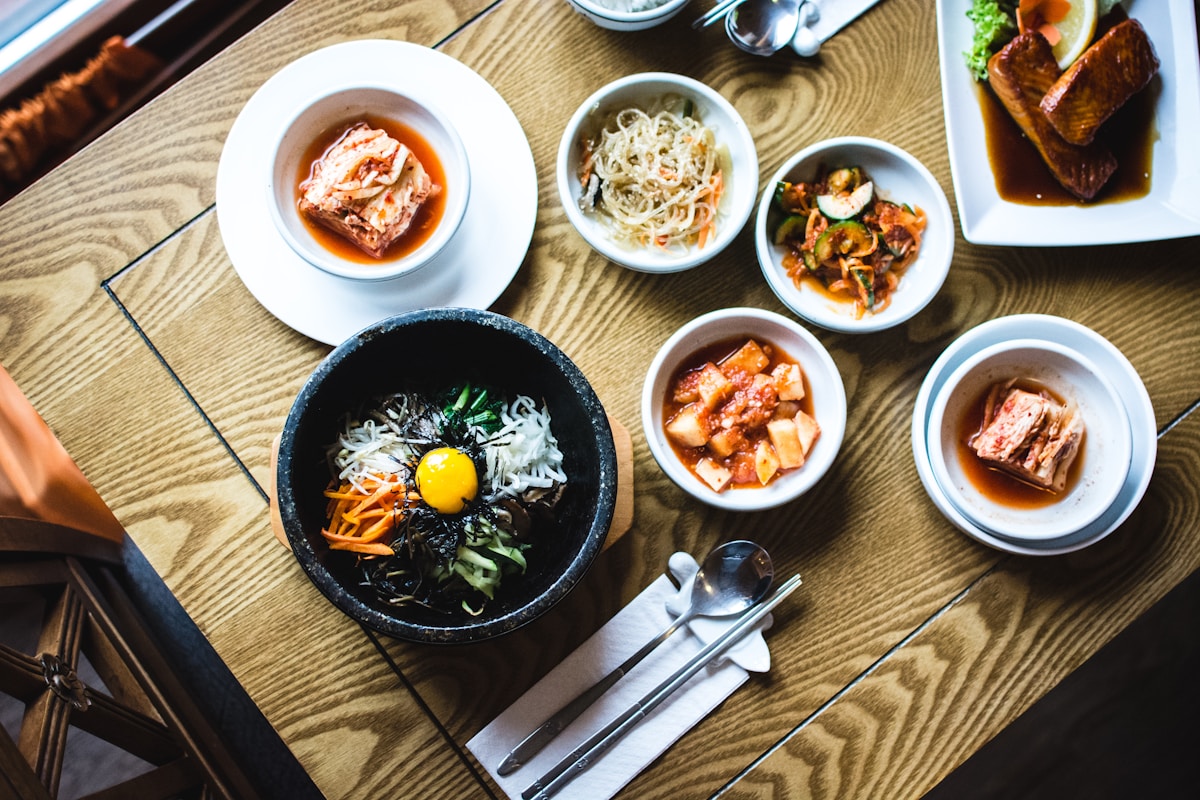
Korean cuisine has been captivating taste buds worldwide, and 2026 is no exception. From the bustling streets of Seoul to Michelin-starred establishments, Korean food is making waves globally. This culinary phenomenon matters because it not only highlights Korea’s rich culinary traditions but also its innovative fusion techniques. In this article, we’ll explore the latest trends in Korean food, delve into traditional recipes, and uncover how this cuisine is breaking barriers and earning international acclaim.
Korean Cuisine’s Michelin Star Rise
Watch: A Beginner’s Guide to Korean Cooking
Quick Answer: Korean cuisine has gained Michelin recognition due to its unique flavors and innovative approaches that blend tradition with modernity.
The Michelin Guide, a prestigious award in the culinary world, has been increasingly spotlighting Korean restaurants. In 2026, several Korean establishments have been awarded Michelin stars, a testament to their exceptional culinary artistry. According to a report by the Korean Ministry of Culture, Sports and Tourism, the number of Michelin-starred Korean restaurants has doubled over the past five years.
One shining example is Mingles in Seoul, where Chef Mingoo Kang blends traditional Korean ingredients with modern techniques. His restaurant has maintained its two-star rating by delivering dishes that are both visually stunning and deeply rooted in Korean culinary heritage.
For those seeking to experience similar flavors at home, consider experimenting with hansik (Korean traditional food) recipes. Incorporating ingredients like gochujang (red chili paste) and doenjang (fermented soybean paste) can elevate your dishes to new heights.
Key Takeaway: Korean cuisine’s ascent in the Michelin Guide highlights its global culinary appeal and innovative fusion techniques.Explore Korean fine dining for more insights.
The Street Food Phenomenon
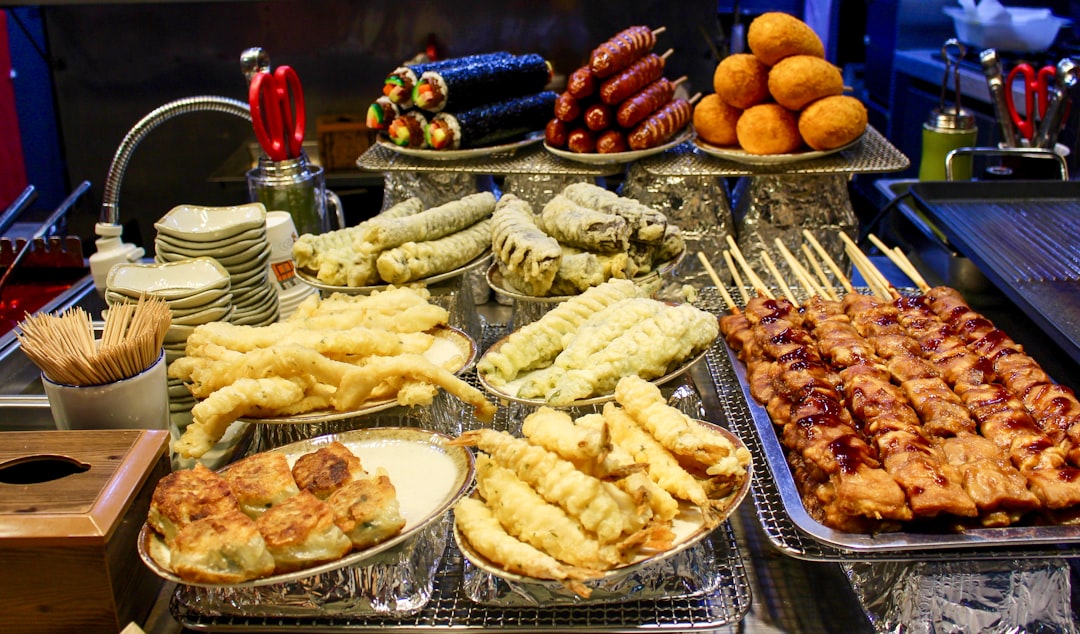
Korean street food, with its vibrant flavors and affordable prices, has captured the hearts of foodies worldwide. Dishes such as tteokbokki (spicy rice cakes) and hotteok (sweet pancakes) are not only popular in Korea but are trending on social media platforms like TikTok, where users share their culinary adventures.
A recent survey by the Korea Tourism Organization revealed that 70% of international tourists in Korea cite street food as a must-try experience. This growing popularity has led to the proliferation of Korean street food vendors in cities like New York and Los Angeles.
If you’re eager to try making Korean street food at home, start with simple recipes like kimchi pancakes or kimbap (Korean sushi rolls). These dishes are not only delicious but also fun to prepare with family and friends.
Key Takeaway: Korean street food’s global popularity reflects its irresistible flavors and social media influence.Discover Korean street food recipes for a taste of Korea at home.
Traditional Meets Modern: Fusion Cuisine
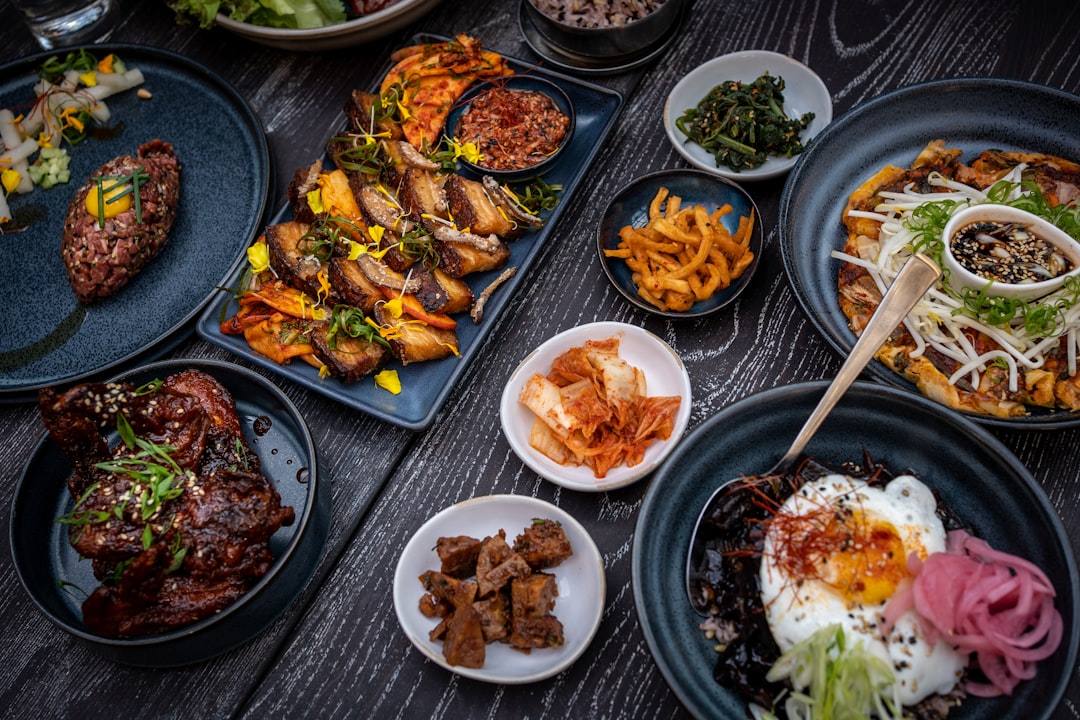
Korean fusion cuisine is where tradition meets innovation. Chefs are blending classic Korean ingredients with international flavors, creating new and exciting dishes. According to the Korean Culinary Association, fusion cuisine is a significant trend in 2026, with a 30% increase in fusion restaurants opening across the globe.
An example of this trend is the Korean-Mexican fusion, popularized by food trucks in the United States. Dishes like kimchi tacos and bulgogi burritos have become fan favorites, drawing long lines and rave reviews.
For a fusion cooking adventure at home, try combining Korean spices with your favorite international dishes. Think gochujang-glazed chicken wings or kimchi pizza for a flavorful twist.
Key Takeaway: Fusion cuisine showcases the versatility of Korean ingredients and their ability to complement global flavors.Learn more about Korean fusion cuisine for innovative recipes.
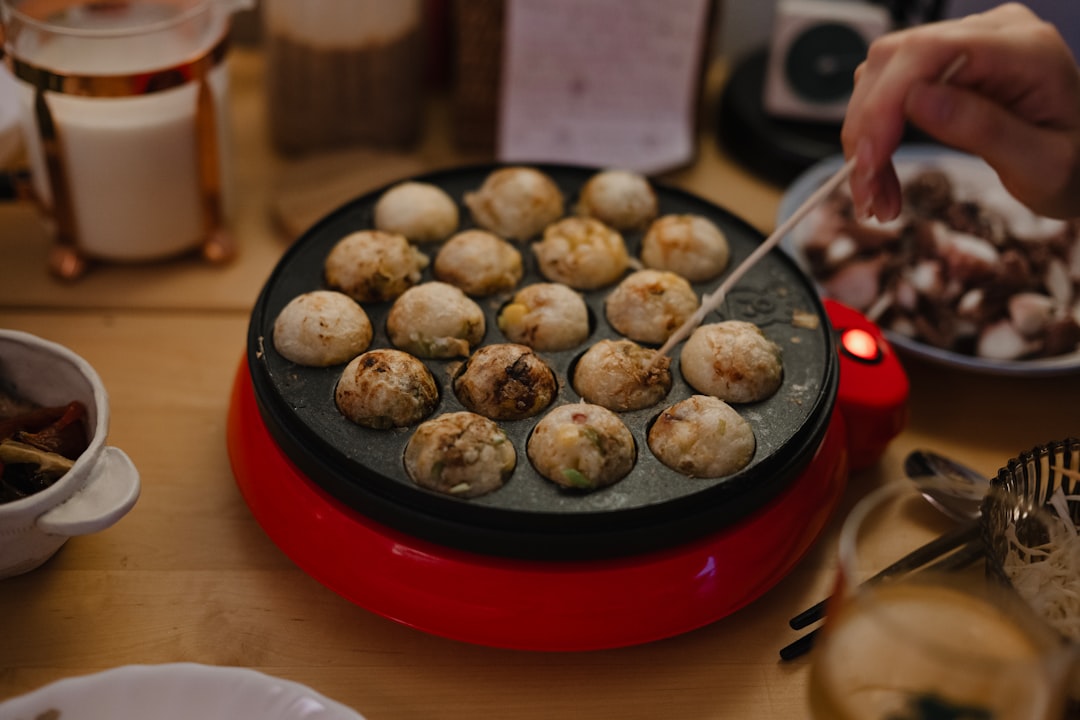
Home Cooking: Rediscovering Korean Recipes
In 2026, the trend of cooking at home has surged, with Korean recipes at the forefront. Social media platforms are flooded with videos and posts of home cooks trying their hand at traditional Korean dishes like bibimbap (mixed rice) and jjigae (stew).
Statistics from the Korean Food Promotion Institute indicate a 40% increase in online searches for Korean recipes. This growing interest is fueled by the accessibility of online tutorials and the availability of Korean ingredients on platforms like Amazon.
For those new to Korean cooking, start with simple dishes like japchae (stir-fried glass noodles) or pajeon (scallion pancakes). These recipes are beginner-friendly and require minimal ingredients.
Key Takeaway: The resurgence of home cooking is bringing traditional Korean recipes to kitchens worldwide.Explore Korean home cooking for easy-to-follow recipes.
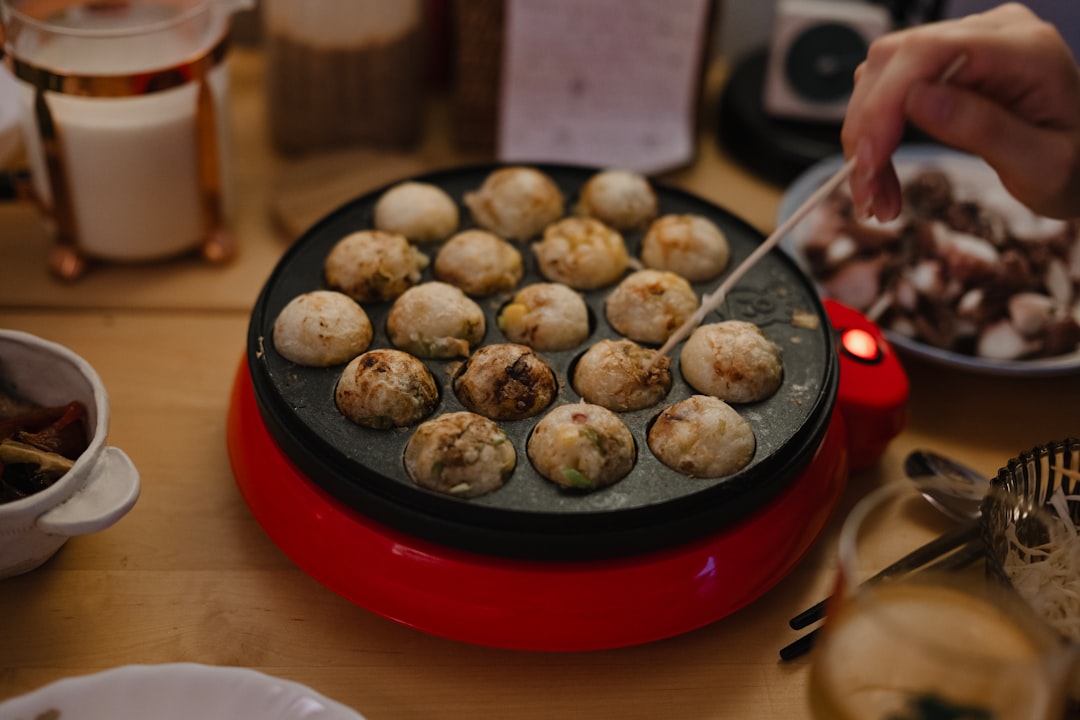
Comparing Korean Ingredients
Korean cuisine is renowned for its unique ingredients, each adding depth and character to dishes. Let’s compare some staple Korean ingredients and their uses:
| Ingredient | Flavor Profile | Common Uses |
|---|---|---|
| Gochujang | Spicy, savory | Marinades, sauces |
| Doenjang | Earthy, salty | Soups, stews |
| Kimchi | Fermented, tangy | Side dish, stir-fries |
| Perilla Oil | Nuttiness | Dressings, dipping sauces |
Understanding these ingredients can greatly enhance your Korean cooking experience. For those looking to stock their pantry, find authentic Korean ingredients on Amazon and elevate your dishes with genuine flavors.
Key Takeaway: Familiarizing yourself with Korean ingredients is essential for authentic cooking and flavor mastery.Read our guide on Korean ingredients for more information.
Korean Food in Popular Culture
The influence of Korean food extends beyond the kitchen; it has permeated popular culture, particularly in the United States. From Korean dramas to K-pop, food is often featured, enticing viewers to try the dishes themselves.
According to Nielsen, Korean dramas have seen a 50% increase in viewership since 2020, with shows like “Crash Landing on You” showcasing iconic Korean dishes. This exposure has led to increased curiosity and demand for Korean food in the U.S.
Embrace this cultural phenomenon by hosting a Korean-themed dinner party. Prepare dishes featured in your favorite dramas and share the experience with friends and family.
Key Takeaway: Korean food’s presence in popular culture fuels its intrigue and popularity worldwide.Discover Korean food in media for more insights.
FAQ
What makes Korean cuisine unique?
Korean cuisine is unique due to its bold flavors, use of fermented ingredients, and emphasis on balance and harmony in dishes.
How can I start cooking Korean food at home?
Begin with simple recipes like kimchi jjigae or bibimbap, and gradually explore more complex dishes as you become familiar with Korean ingredients.
Where can I find Korean ingredients?
Many Korean ingredients are available on Amazon, making it easy to stock your pantry and start cooking authentic dishes.
What are some popular Korean street foods?
Popular Korean street foods include tteokbokki, hotteok, and odeng (fish cake skewers), each offering a unique taste experience.
How has Korean food influenced global cuisine?
Korean food has influenced global cuisine through fusion dishes, incorporating Korean flavors into international recipes.
Are there any health benefits to Korean food?
Yes, Korean food often includes fermented ingredients like kimchi, which are rich in probiotics and beneficial for gut health.
What is the significance of kimchi in Korean culture?
Kimchi is a staple in Korean cuisine, symbolizing tradition and cultural identity, and is served with almost every meal.
How has Korean food trended on social media?
Platforms like TikTok have popularized Korean food by showcasing easy-to-make recipes and food challenges, increasing its global appeal.
Conclusion
Korean cuisine’s journey from street food stalls to Michelin-starred restaurants showcases its versatility and global appeal. As you explore Korean recipes and ingredients, you’ll discover a world of flavors that blend tradition with modern innovation. Whether you’re a seasoned chef or a home cook, there’s something for everyone to enjoy and experiment with in Korean food. Dive into the rich culinary landscape of Korea and let your taste buds embark on an unforgettable journey.