Exploring the vibrant world of Korean food and cuisine has never been more exciting, especially as Hong Kong prepares to welcome new culinary experiences from Korea this March. In a city bustling with diverse dining options, Um Yong Baek’s arrival in Central is poised to make waves with its signature dwaeji-gukbap, a comforting pork-and-rice soup that promises both soul-soothing flavors and an energetic K-BBQ atmosphere at dinner time. This article delves into the rich tapestry of Korean culinary traditions, from street food favorites to fine dining experiences.
Why Korean Cuisine is Taking Over Hong Kong
Watch: JJIMDAK – Korean Braised Chicken
The influx of new Korean restaurants in Hong Kong highlights a growing trend towards adopting Korean flavors and dishes. With Um Yong Baek’s innovative approach to dwaeji-gukbap, diners can now enjoy this beloved Busan staple in a whole new light.
Korean cuisine has been gaining popularity globally due to its unique blend of bold flavors, healthy ingredients, and diverse culinary techniques. In Hong Kong, the trend is driven by both expats and local food enthusiasts who are eager to explore the rich cultural heritage behind Korean dishes. As more restaurants open their doors in key locations such as Central and Causeway Bay, it’s clear that this appetite for Korean cuisine isn’t just a passing fad.
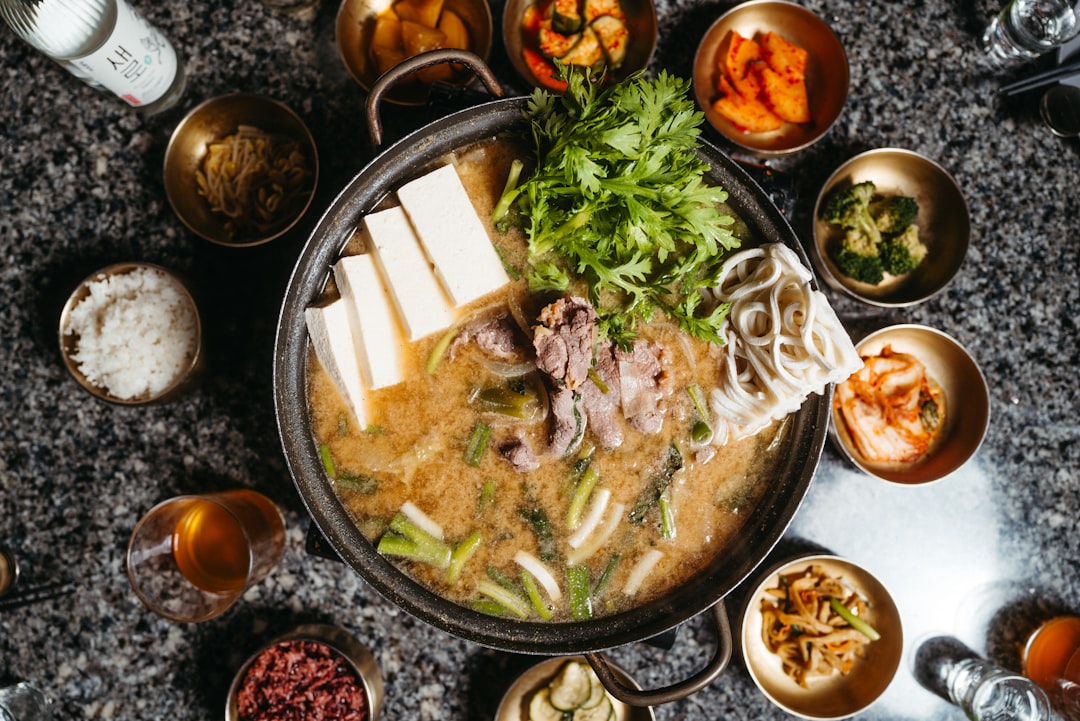
One of the most anticipated openings is Um Yong Baek, which brings its signature dish dwaeji-gukbap to Hong Kong. This traditional soup offers diners two choices: a clear broth or a thick, hearty version. The restaurant also transforms into an energetic K-BBQ venue in the evenings, offering a full range of Korean barbecue options.
According to Korean culinary experts, this dual concept is part of a broader trend towards more versatile dining experiences. Restaurants are increasingly looking to offer multiple styles and dishes within one establishment, catering to the diverse tastes and schedules of today’s diners.
Key Takeaway: Korean restaurants in Hong Kong are evolving beyond traditional concepts to provide unique and varied culinary experiences.
The Must-Try Dishes When Visiting a Korean Restaurant
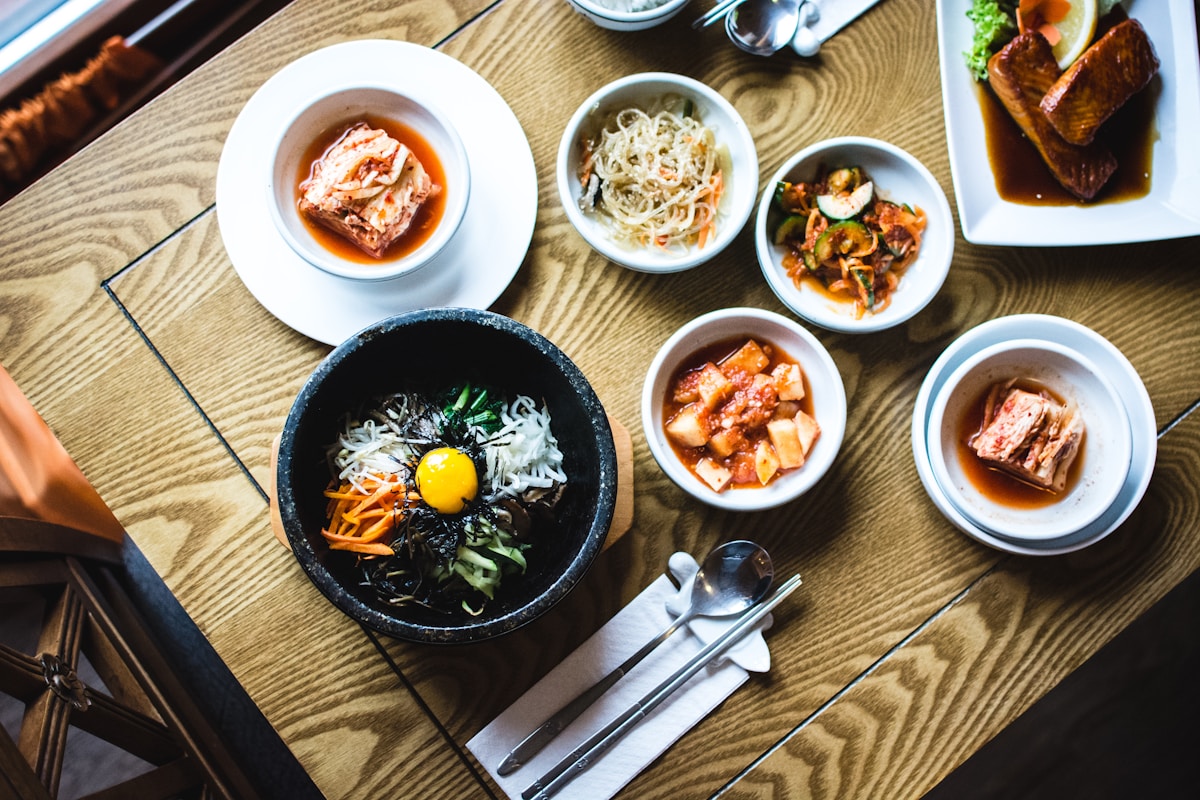
- Bibimbap: A classic rice bowl topped with an assortment of vegetables, meat (usually beef), and a dollop of spicy gochujang sauce.
- Samgyeopsal: Grilled pork belly served with lettuce leaves, garlic, and chili paste for wrapping into tasty rolls.
- Tteokbokki: A popular street food consisting of chewy rice cakes in a spicy sauce made with gochujang. Often accompanied by hard-boiled eggs and fish cake slices.
Bibimbap is one of the most recognizable Korean dishes, known for its colorful presentation and nutritional balance. It’s often customized to individual tastes, making it a versatile choice for diners looking to try something new or stick with familiar flavors. Similarly, samgyeopsal (grilled pork belly) is a favorite among meat lovers due to its tender texture and rich flavor when paired with condiments like garlic and chili paste.
Tteokbokki, on the other hand, offers an exciting taste of Korean street food culture. Its spicy kick and chewy rice cakes make it a must-try for those who enjoy bold flavors. This dish is also incredibly versatile; many restaurants offer variations with different ingredients or serving styles.
Key Takeaway: Diners should look out for bibimbap, samgyeopsal, and tteokbokki when exploring Korean cuisine in Hong Kong.
Korean Cuisine’s Health Benefits
| Dish | Calories per Serving | Main Ingredients |
|---|---|---|
| Bibimbap (small) | 300-450 kcal | Rice, assorted vegetables, beef or pork, gochujang |
| Tteokbokki (medium portion) | 250-350 kcal | Rice cakes, gochujang sauce, hard-boiled eggs, fish cake slices |
| Samgyeopsal (per 100g) | 300-400 kcal | Pork belly, garlic, chili paste, lettuce leaves |
Korean cuisine is not only delicious but also offers numerous health benefits due to its emphasis on fresh vegetables and lean meats. Dishes like bibimbap are nutrient-dense, providing a balanced mix of carbohydrates, proteins, vitamins, and minerals in each serving. Similarly, tteokbokki, despite being spicy, is relatively low in calories thanks to its reliance on rice cakes over heavy ingredients.
A key aspect of Korean cuisine’s health benefits lies in the use of gochujang (red pepper paste), which contains capsaicin that boosts metabolism and aids digestion. Another staple ingredient, garlic, adds flavor while offering antibacterial properties.
Key Takeaway: Opt for dishes like bibimbap or tteokbokki to enjoy both great taste and health benefits.
Exploring the Flavor Profiles of Korean Cuisine
- Sweetness: Often from honey, brown sugar, or fruit-based condiments.
- Sourness: Commonly comes from vinegar, lemon juice, or fermented ingredients like kimchi.
- Bitterness: Less common but found in certain vegetables and teas.
- Umami (savory): Dominated by soy sauce, miso paste, fish sauce, and seaweed.
The flavor profile of Korean cuisine is characterized by a harmonious balance between sweet, sour, salty, umami, and spicy notes. This complexity makes every dish unique and memorable. For instance, kimchi, the iconic fermented cabbage side dish, offers a tangy kick that complements the richness of meats or seafood.
Another important flavor component is sweetness, which can come from ingredients like honey or brown sugar in desserts and snacks. The use of fruit-based condiments also adds a natural sweetness to dishes without overpowering other flavors.
Key Takeaway: Appreciate the intricate balance of sweet, sour, salty, umami, and spicy flavors that make Korean cuisine so captivating.
Korean Cuisine Across Asia
The popularity of Korean food is spreading beyond Korea’s borders, with major cities in Southeast Asia seeing an influx of Korean restaurants. In Singapore, Captain Kim has gained a strong following for its combination of K-BBQ and hotpot options.
In Hong Kong, the trend is mirrored by an increasing number of diners seeking out authentic Korean flavors. This cultural exchange enriches local dining scenes, introducing new dishes and cooking techniques that cater to diverse palates.
As seen with Um Yong Baek’s innovative approach in Central, there’s a growing emphasis on providing unique culinary experiences rather than sticking strictly to traditional formats. This trend reflects broader shifts in how people consume food today—demanding convenience, variety, and quality all at once.
Key Takeaway: Korean cuisine is becoming increasingly diverse and innovative as it spreads across Asia.
The Role of Fermented Foods in Korean Cuisine
| Fermented Food | Description |
|---|---|
| Kimchi (fermented cabbage) | Served with most meals, offering a tangy contrast to other dishes. |
| Maeun kimchi (cucumber kimchi) | A crisp variation of kimchi made from fermented cucumbers. |
| Jeotgal (fermented seafood) | Includes various types, such as oyster jeotgal or shrimp jeotgal. |
Fermented foods play a crucial role in Korean cuisine, not just for their distinctive flavors but also for the health benefits they provide. Kimchi is arguably the most famous of these items; its tangy taste and probiotic properties make it an essential accompaniment to almost every meal.
Maeun kimchi offers another variation on this theme, using cucumbers instead of cabbage. This results in a crisper texture that pairs well with lighter dishes or as a refreshing snack between meals. Similarly, jeotgal (fermented seafood) adds depth and complexity to traditional Korean dishes.
Key Takeaway: Incorporating fermented foods like kimchi and jeotgal can enhance both the flavor and nutritional value of your meals.
Understanding Gochujang: The Key Ingredient in Many Dishes
- Gochujang: A thick, spicy paste made from red chili powder, fermented soybeans, glutinous rice, and salt.
- Differences: Other similar pastes like gochugaru (red pepper flakes) lack the depth of flavor that comes from fermentation.
Gochujang is a staple condiment in Korean cuisine, widely used to add heat and complexity to dishes. This unique paste combines sweet, spicy, and savory flavors through its base ingredients: red chili powder, fermented soybeans, glutinous rice, and salt. The fermentation process imparts gochujang with distinctive notes that set it apart from mere chili pastes.
While similar condiments exist—such as gochugaru, which are simply dried and ground red pepper flakes—none match the depth of flavor found in authentic gochujang. This makes it a versatile ingredient for enhancing everything from soups to marinades.
Key Takeaway: Gochujang is more than just heat; its complex flavors make it indispensable in Korean cooking.
Where to Find the Best Korean Cuisine in Hong Kong
- Causeway Bay: Home to several popular K-beauty shops like Sasa and Bonjour.
- Tsim Sha Tsui East: Features trendy cafes and restaurants with unique twists on traditional dishes.
- Mong Kok: Offers a variety of affordable options, from street vendors to cozy eateries.
Hong Kong offers numerous spots for enjoying Korean cuisine, each with its own unique character. Causeway Bay is not only known for its K-beauty stores such as Sasa and Bonjour but also houses several restaurants serving up delicious Korean dishes.
Tsim Sha Tsui East stands out for its blend of traditional flavors with modern twists. Here, diners can find innovative interpretations of classic Korean favorites alongside trendy cafes that cater to younger crowds seeking a hip dining experience.
Key Takeaway: Causeway Bay and Tsim Sha Tsui East offer diverse options for those looking to explore Korean cuisine in Hong Kong.
Finding the Best Ingredients for Authentic Dishes
- Sasa (Hong Kong): A popular shopping destination offering a wide range of beauty products from Korea.
- Bonjour (Hong Kong): Known for its K-beauty and fashion items, also stocks some food-related items.
- HKTVmall: Online marketplace with a dedicated section for Korean groceries and ingredients.
To recreate authentic Korean dishes at home in Hong Kong, sourcing quality ingredients is crucial. Sasa and Bonjour are well-known for their beauty products but also carry select food items that cater to enthusiasts looking to cook traditional meals. For a broader range of options, online platforms like HKTVmall offer dedicated sections for importing Korean groceries.
HKTVmall’s extensive inventory includes everything from dried kimchi to fresh gochujang paste and other essential spices needed for authentic recipes.
Key Takeaway: Sourcing quality ingredients is key to preparing authentic Korean dishes at home.
The Future of Korean Cuisine in Hong Kong
- Innovative concepts like Um Yong Baek continue to set trends.
- Increased interest from younger demographics driving growth.
- Cultural exchange leading to fusion cuisines and new creations.
The future of Korean cuisine in Hong Kong looks promising, driven by innovative restaurant concepts and growing interest among young diners. New openings like Um Yong Baek exemplify how traditional dishes can be reimagined for contemporary audiences.
Furthermore, cultural exchanges between Korea and other Asian countries are influencing the development of fusion cuisines that blend elements of different culinary traditions into exciting new creations.
Key Takeaway: The future of Korean cuisine in Hong Kong is bright with room for innovation and cross-cultural influences.
Frequently Asked Questions About Korean Cuisine
- Q: What are the key ingredients used in Korean cooking?
-
A: Key ingredients include gochujang (red pepper paste), soy sauce, rice vinegar, sesame oil, and various types of kimchi.
- Q: How spicy is typical Korean food compared to other cuisines?
-
A: While some dishes can be quite spicy, many offer milder alternatives depending on personal preference. It’s all about balance in the traditional sense.