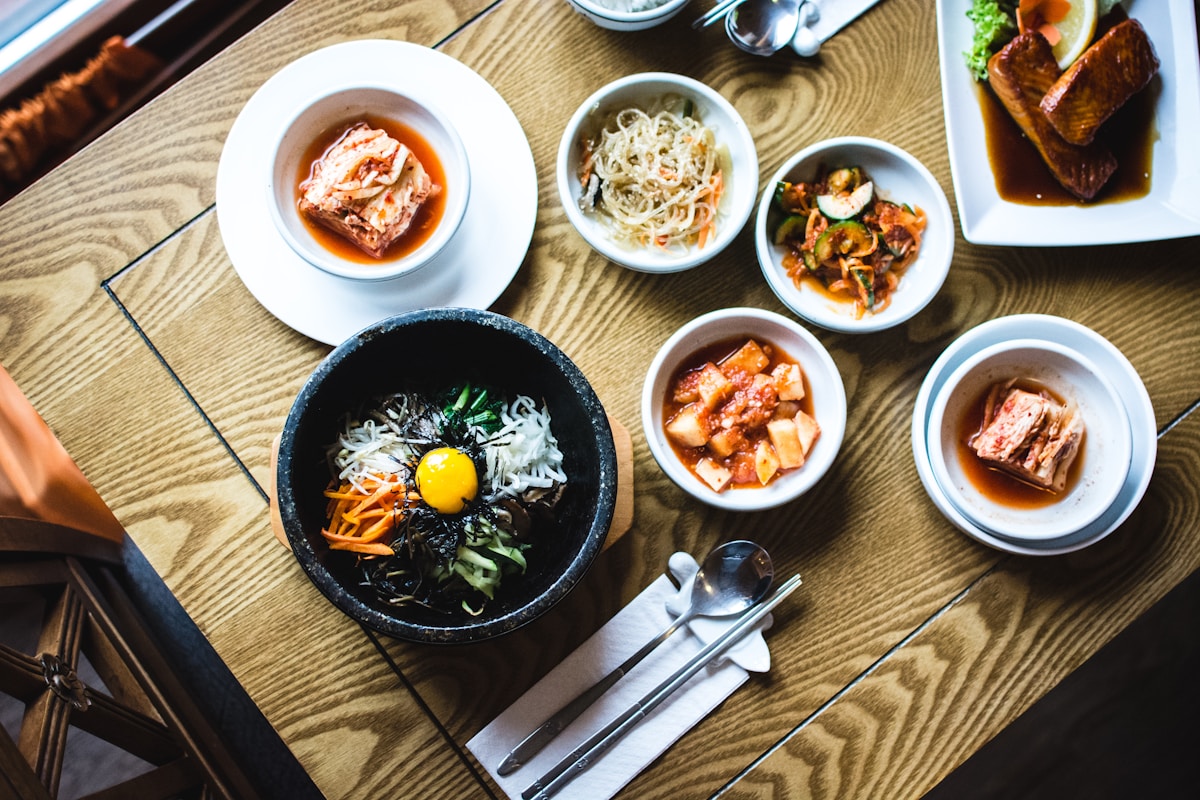
Imagine walking down a bustling street in Seoul, the air filled with the tantalizing aroma of sizzling meats and spicy sauces. Korean cuisine, long celebrated for its rich flavors and unique textures, is making waves on the global stage in 2026. From humble street vendors to high-end Michelin-starred restaurants, Korean food has captured the hearts of foodies worldwide. This growing trend reflects not only the global palate’s evolution but also the cultural exchange facilitated through food. In this article, we will explore the latest trends in Korean cuisine, delve into the traditional dishes that are gaining new life through modern fusion techniques, and provide you with a guide to trying these culinary delights at home.

Korean Cuisine Trends 2026
Quick Answer: In 2026, Korean food trends range from Michelin-star recognition to viral street food, emphasizing both traditional recipes and modern fusion.
Korean cuisine continues to evolve with a fascinating blend of tradition and innovation. In 2026, Korean food is not just about kimchi and bulgogi; it’s about the entire culinary experience that spans from street stalls to elegant dining establishments. According to the Korean Ministry of Food and Agriculture, the popularity of Korean food has increased by 30% globally over the past five years, driven by its health benefits and diverse flavors.
One of the most exciting developments is the recognition of Korean restaurants in the Michelin Guide. In the past few years, several Korean chefs have received Michelin stars, highlighting the sophistication and quality of Korean fine dining. For instance, Gaon and La Yeon in Seoul have been praised for their exquisite presentation and innovative use of traditional ingredients.
On the other end of the spectrum, street food remains a vital part of Korean food culture. Social media platforms like TikTok have propelled dishes like tteokbokki (spicy rice cakes) and hotteok (sweet pancakes) to viral status, making them must-try items for food enthusiasts around the world.
Key Takeaway: Korean cuisine in 2026 offers a diverse experience from street food to Michelin-starred dining, driven by global interest and social media trends.Learn more about Korean street food
The Rise of Korean Fusion Cuisine
Korean fusion cuisine has become a culinary phenomenon, blending traditional Korean flavors with elements from other global cuisines. This trend is particularly popular in the United States, where chefs are experimenting with dishes like Korean tacos and kimchi burgers. According to a survey by the National Restaurant Association, fusion cuisine is one of the top trends in 2026, with Korean-inspired dishes leading the charge.
Fusion cuisine not only appeals to adventurous eaters but also serves as a gateway for introducing Korean flavors to a broader audience. By incorporating familiar elements, such as tortillas or buns, chefs are making Korean flavors more accessible and appealing to those who might be hesitant to try something entirely new.
To try your hand at Korean fusion cooking, consider starting with simple recipes that combine Korean ingredients with your favorite dishes. For example, add kimchi to your grilled cheese sandwich for a spicy kick, or use gochujang (Korean chili paste) as a marinade for your next BBQ.
Key Takeaway: Korean fusion cuisine is thriving in 2026, making Korean flavors accessible through creative culinary blends.Explore Korean fusion recipes
Traditional Korean Dishes Making a Comeback
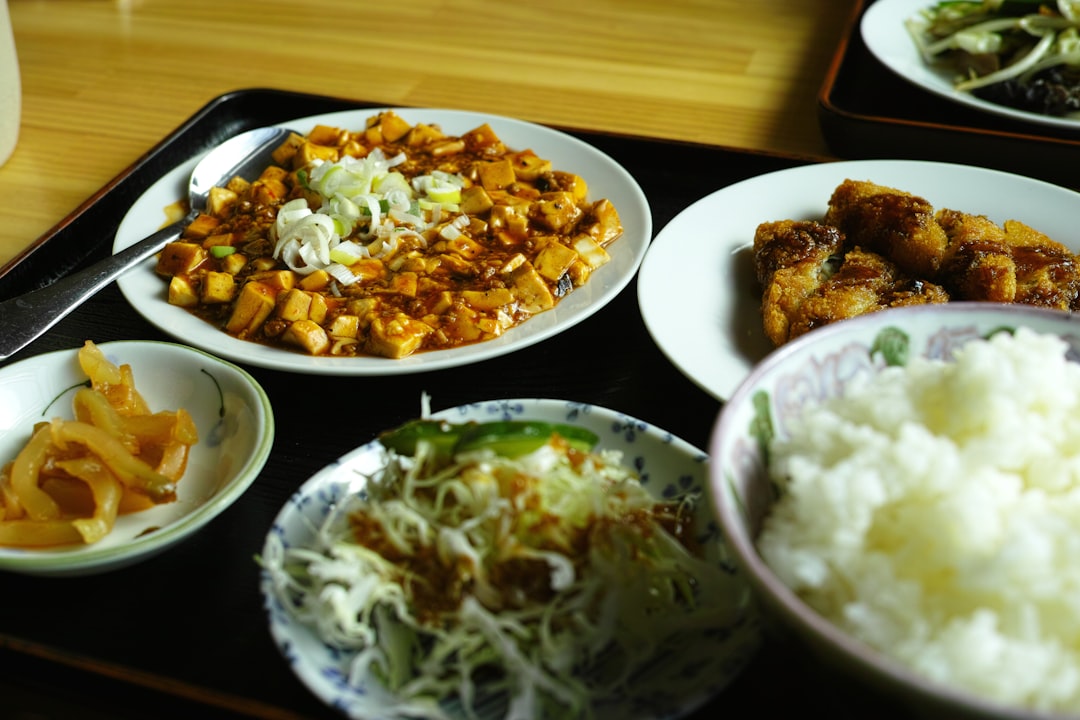
While modern innovations are exciting, there’s also a strong resurgence in traditional Korean dishes. Classic recipes like kimchi jjigae (kimchi stew) and samgyeopsal (grilled pork belly) are gaining popularity as more people seek comfort in familiar flavors. These dishes are not only delicious but also offer a sense of nostalgia and cultural connection for many Koreans living abroad.
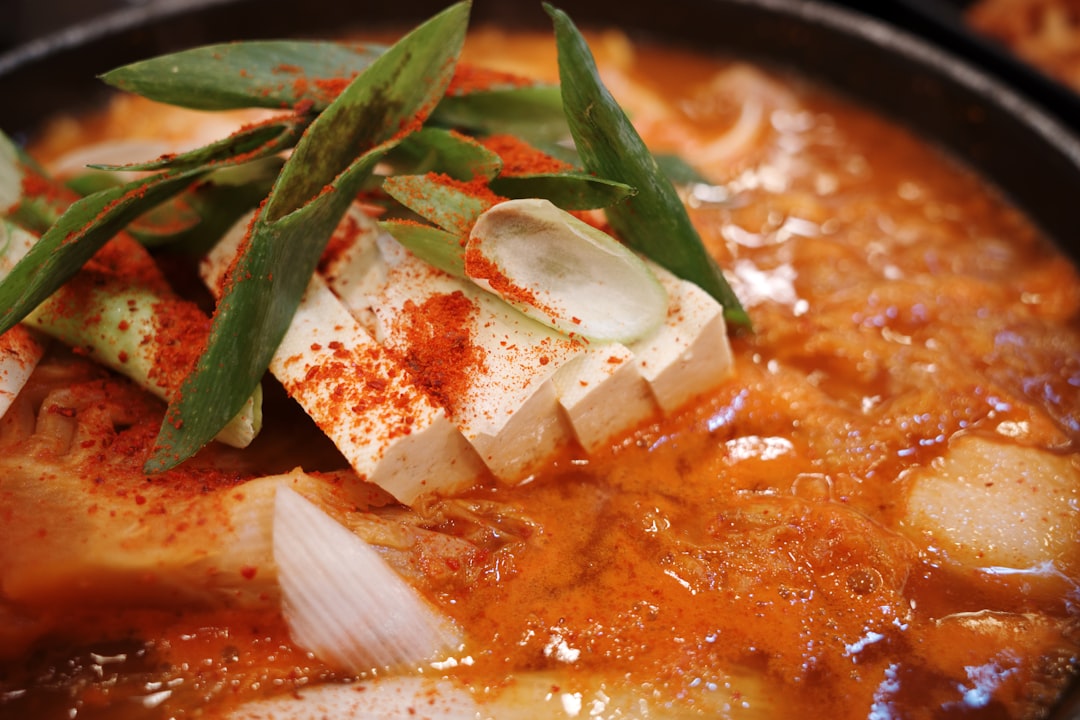
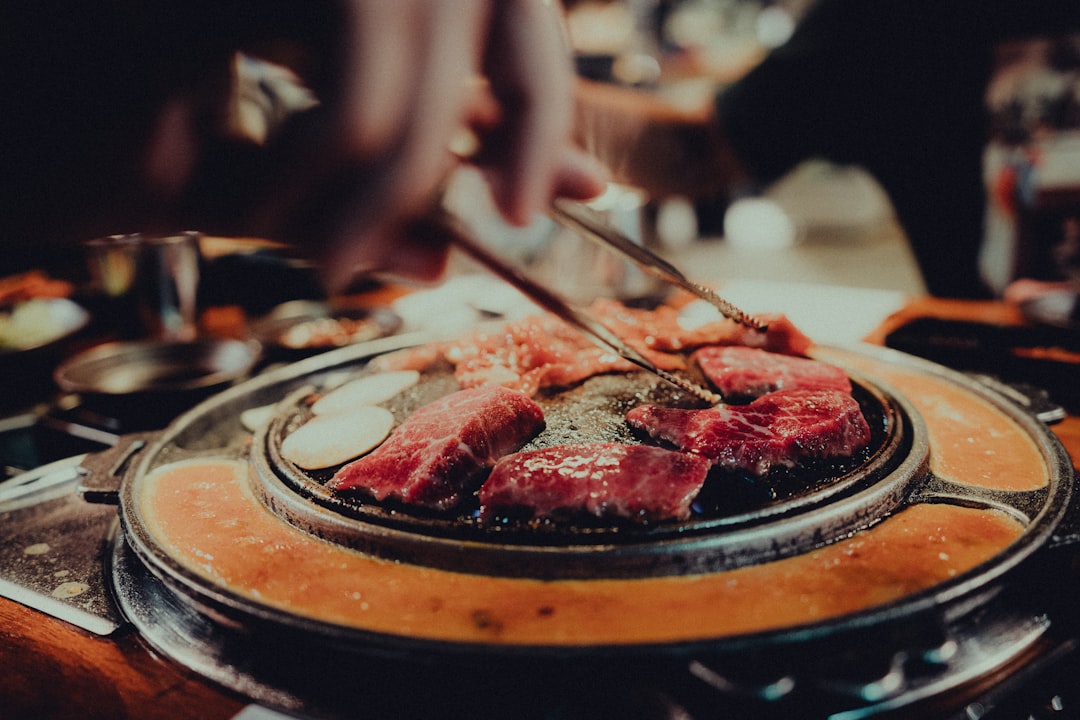
Kimchi jjigae, for example, is a staple in Korean households, known for its spicy and savory taste. Made with aged kimchi, tofu, and pork, this stew is perfect for cold weather and is often considered a soul-warming dish. Similarly, samgyeopsal has become a favorite at social gatherings, where friends and family come together to grill meat at the table, creating an interactive dining experience.
For those interested in trying these dishes at home, there are plenty of resources available online, including video tutorials and recipe blogs. Additionally, many grocery stores now carry essential Korean ingredients, making it easier than ever to recreate these traditional flavors.
Key Takeaway: Traditional Korean dishes like kimchi jjigae and samgyeopsal are experiencing a revival, appealing to both nostalgia and the desire for hearty, comforting meals.Find traditional Korean recipes
Comparison of Popular Korean Dishes
When exploring Korean cuisine, it’s helpful to know the differences between some of the most popular dishes. Below is a comparison table to guide you through a few must-try Korean meals.
| Dish | Main Ingredients | Flavor Profile |
|---|---|---|
| Bibimbap | Rice, vegetables, egg, beef | Savory, spicy |
| Bulgogi | Marinated beef, onions | Sweet, savory |
| Kimchi | Napa cabbage, radish, chili | Spicy, tangy |
| Tteokbokki | Rice cakes, spicy sauce | Spicy, sweet |
Bibimbap is a colorful dish featuring a mix of rice, vegetables, and proteins, often topped with a fried egg. Bulgogi, on the other hand, is known for its sweet and savory marinated beef, grilled to perfection. Kimchi, the iconic Korean side dish, is a fermented vegetable mix that adds a spicy and tangy punch to any meal. Finally, tteokbokki offers a chewy texture paired with a sweet and spicy sauce, making it a popular street food choice.
Key Takeaway: Understanding the key ingredients and flavor profiles of popular Korean dishes can enhance your dining experience and help you choose the perfect meal.Discover more Korean dishes
Health Benefits of Korean Cuisine
One of the reasons behind the global popularity of Korean food is its health benefits. Many Korean dishes are rich in vegetables, fermented foods, and lean proteins, contributing to a balanced diet. According to a study by the World Health Organization, diets high in fermented foods, like kimchi, can improve gut health and boost the immune system.
Fermented foods, such as kimchi and doenjang (fermented soybean paste), are staples in Korean cuisine. These foods not only enhance the flavors of dishes but also offer probiotics that aid in digestion and promote a healthy microbiome. Additionally, Korean meals often include a variety of vegetables, providing essential vitamins and nutrients.
For health-conscious individuals, incorporating Korean dishes into your diet can be a delicious way to enjoy nutritious meals. Try starting with simple recipes like bibimbap or kimchi jjigae, which are packed with wholesome ingredients.
Key Takeaway: Korean cuisine is not only flavorful but also offers numerous health benefits, making it a great addition to a balanced diet.Learn about the health benefits of Korean food
How to Cook Korean Food at Home
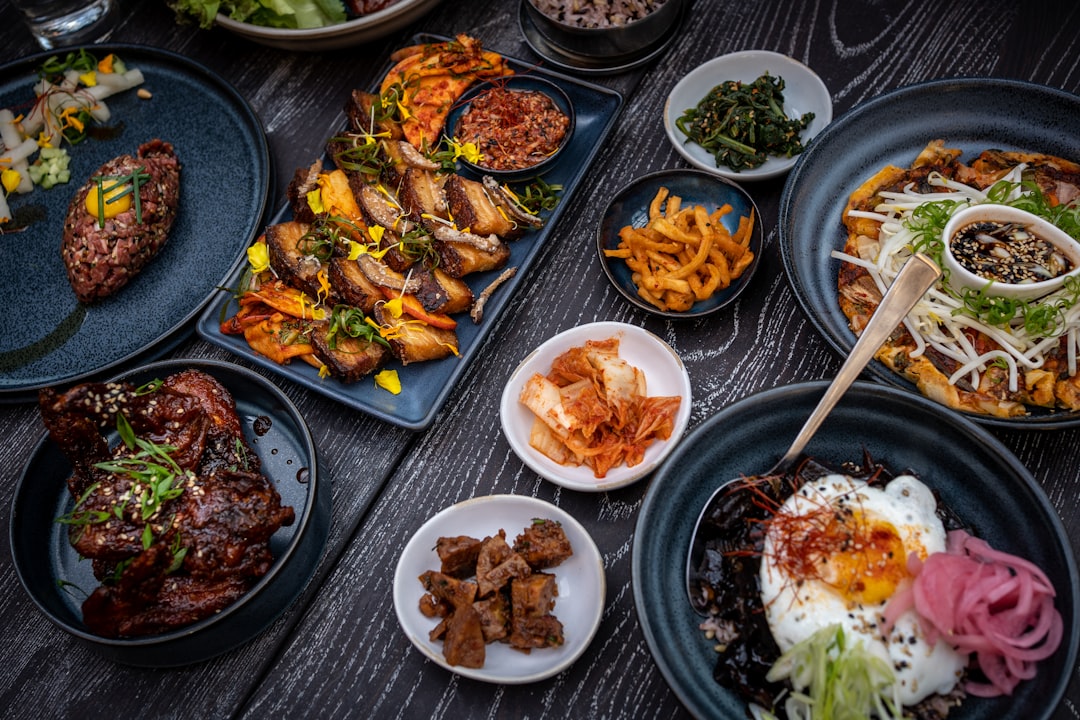
Cooking Korean food at home can be a rewarding experience, allowing you to explore new flavors and techniques. The key to mastering Korean cuisine is understanding its essential ingredients and cooking methods. Some of the must-have ingredients include gochujang, soy sauce, sesame oil, and garlic.
To get started, consider investing in a few Korean cooking essentials, such as a rice cooker and a Korean BBQ grill. These tools will make it easier to prepare dishes like bibimbap and samgyeopsal. Additionally, online resources and cookbooks can provide step-by-step guidance and inspiration for your culinary journey.
For a beginner-friendly recipe, try making bulgogi. This dish involves marinating thinly sliced beef in a mixture of soy sauce, sugar, sesame oil, and garlic, then grilling or stir-frying it to perfection. Serve it with steamed rice and a side of kimchi for a complete meal.
Key Takeaway: With the right ingredients and tools, cooking Korean food at home can be an enjoyable and delicious experience.Start cooking Korean food at home
FAQ
What are the most popular Korean dishes in 2026?
Some of the most popular Korean dishes in 2026 include bibimbap, bulgogi, kimchi, tteokbokki, and kimchi jjigae. These dishes are loved for their rich flavors and cultural significance.
How has social media influenced Korean food trends?
Social media platforms like TikTok and Instagram have played a significant role in popularizing Korean food trends. Viral videos and posts showcasing Korean dishes have increased their global visibility and demand.
Are Korean dishes healthy?
Yes, many Korean dishes are considered healthy due to their use of fresh vegetables, fermented foods, and lean proteins. These elements contribute to a balanced diet and offer various health benefits.
What is the difference between Korean BBQ and American BBQ?
Korean BBQ focuses on grilling marinated meats like beef and pork at the table, often accompanied by side dishes like kimchi and rice. In contrast, American BBQ typically involves smoking or grilling larger cuts of meat with a focus on sauces.
Can I find Korean ingredients at local grocery stores?
Many local grocery stores now carry Korean ingredients, such as gochujang, kimchi, and sesame oil. Additionally, online retailers like Amazon offer a wide range of Korean products.
What is the significance of fermentation in Korean cuisine?
Fermentation is a traditional method used in Korean cuisine to preserve foods and enhance their flavors. Fermented foods, such as kimchi and doenjang, are rich in probiotics and are known for their health benefits.
How can I start cooking Korean food as a beginner?
Begin with simple recipes like bulgogi or bibimbap, and familiarize yourself with essential Korean ingredients. Online tutorials and cookbooks can provide helpful guidance for beginners.
Conclusion
Korean cuisine in 2026 is a vibrant tapestry of tradition and innovation, offering a wide range of flavors and experiences. Whether you’re enjoying a Michelin-starred meal or indulging in street food, Korean food continues to captivate global audiences with its unique appeal. By exploring the diverse dishes and cooking methods, you can bring the taste of Korea into your own home. Ready to embark on a culinary adventure? Start by trying out these recipes and savor the rich flavors of Korean cuisine.