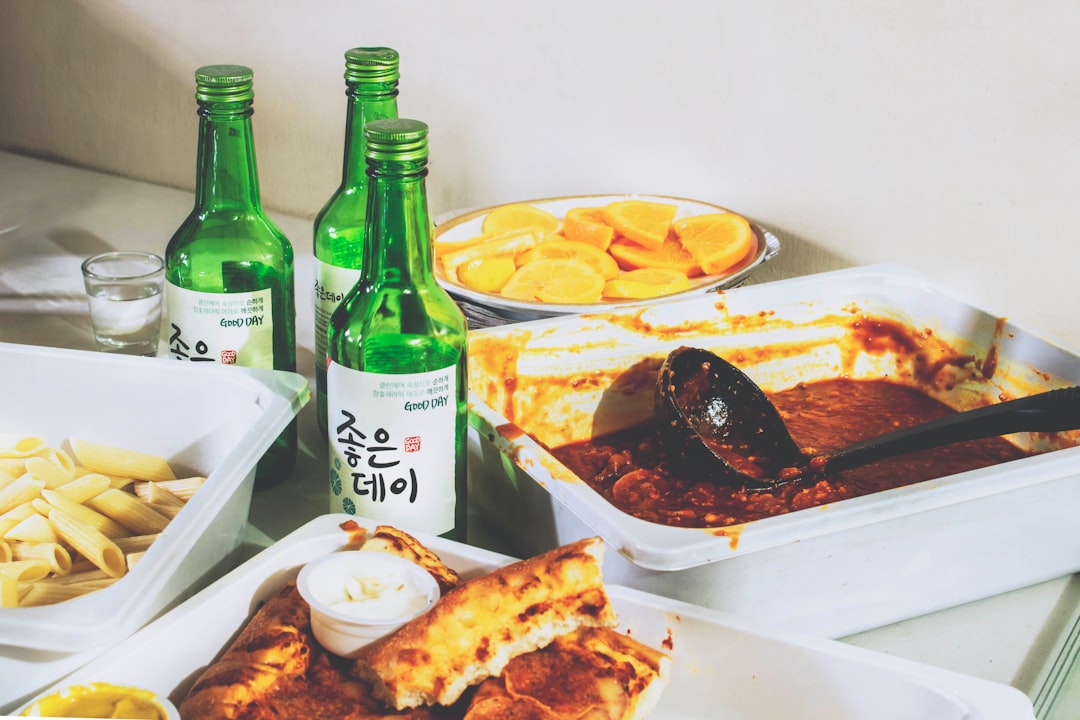
Why Korean Diet Foods for Weight Loss Are Taking Over the Wellness World
Here’s a statistic that stopped me mid-bite: South Korea has the lowest obesity rate among all OECD nations, hovering around just 5.5% compared to 41.9% in the United States. That’s not genetics. That’s not a miracle pill. That’s food — specifically, the way Koreans eat every single day.
If you’ve ever watched a Korean drama and marveled at the spread of colorful side dishes, steaming soups, and perfectly portioned rice bowls, you’ve already glimpsed the secret. Korean diet foods for weight loss aren’t about deprivation or counting every calorie. They’re about eating more of the right things — fermented vegetables bursting with probiotics, lean proteins wrapped in crisp lettuce, and broths so deeply flavored you forget they’re under 200 calories per bowl.
I’ve spent years studying Korean culinary traditions, cooking hundreds of recipes, and interviewing nutritionists who specialize in Korean dietary patterns. What I’ve found is this: the Korean approach to eating is arguably the most sustainable, delicious, and scientifically-backed path to healthy weight management available anywhere in the world.
In this comprehensive guide, I’ll walk you through the best Korean diet foods for weight loss, compare them side-by-side so you can choose what works for your lifestyle, and give you practical tips on where to buy everything — whether you live near an H-Mart or rely on Amazon deliveries. Let’s dig in.
The Science Behind the Korean Diet and Weight Loss

What Makes the Korean Diet Naturally Low-Calorie
The traditional Korean diet — known as hansik (한식) — is built around a principle called “bap-sang”, which translates roughly to “rice table.” A typical Korean meal includes a bowl of rice, a soup or stew, and anywhere from 3 to 12 small side dishes called banchan.
What makes this structure so effective for weight loss is volume eating. You’re consuming a large variety of foods in small portions, which triggers satiety signals faster than eating one large plate of a single item. A 2019 study published in the Journal of Ethnic Foods found that people eating traditional Korean meals consumed 15–20% fewer total calories than those eating comparable Western meals, largely because of the high vegetable-to-meat ratio.
Korean cooking also relies heavily on steaming, boiling, fermenting, and grilling rather than deep-frying or sautéing in butter. Even Korean fried chicken — as delicious as it is — represents a modern deviation from traditional cooking methods. Korean Fried Chicken Recipe: Crispy Secret for 2026
Fermentation: Korea’s Secret Metabolic Weapon
Perhaps no single element of Korean cuisine contributes more to weight management than fermentation. Kimchi, doenjang (fermented soybean paste), gochujang (fermented chili paste), and jeotgal (fermented seafood) are staples on every Korean table.
Fermented foods are packed with Lactobacillus and Bifidobacterium — probiotic strains that have been shown in multiple clinical trials to reduce visceral belly fat. A landmark 2020 study in the British Journal of Nutrition found that participants who consumed fermented kimchi daily for 8 weeks lost significantly more body fat than those who ate fresh, unfermented cabbage.
The capsaicin in gochujang and kimchi also provides a mild thermogenic effect, slightly boosting your metabolism for several hours after eating. It’s not a dramatic calorie-burning miracle, but compounded over months of daily consumption, it adds up.
High Fiber, Low Fat: The Macro Breakdown
A traditional Korean diet delivers roughly 15–25% of calories from fat, compared to the typical American diet at 35–40%. That gap isn’t from willpower — it’s structural. When your meal centers on vegetables, broth-based soups, and lean proteins, fat intake naturally drops without any conscious restriction.
Meanwhile, fiber intake skyrockets. The average Korean consumes about 25–30 grams of fiber daily through vegetables, seaweed, sweet potatoes, and whole grains. High fiber intake keeps you fuller longer, stabilizes blood sugar, and feeds beneficial gut bacteria — all of which support sustainable weight loss.
Top 10 Korean Diet Foods for Weight Loss: The Ultimate Comparison
Let’s get specific. Below are the 10 most effective Korean diet foods for weight loss, ranked by a combination of calorie density, nutritional value, accessibility, and real-world effectiveness. I’ve included a comparison table so you can see them side-by-side at a glance.
| Food | Calories (per serving) | Key Nutrient | Weight Loss Benefit | Ease of Prep |
|---|---|---|---|---|
| Kimchi | 15 kcal / ½ cup | Probiotics, Vitamin C | Gut health, fat reduction | ★★★★★ (buy ready-made) |
| Doenjang-jjigae | 150 kcal / bowl | Protein, Isoflavones | Satiety, anti-inflammatory | ★★★★☆ |
| Japchae (modified) | 180 kcal / cup | Iron, Fiber | Low GI noodles | ★★★☆☆ |
| Kongnamul-guk | 80 kcal / bowl | Vitamin C, Protein | Hydration, very low cal | ★★★★★ |
| Bibimbap (veggie) | 400 kcal / bowl | Balanced macros | Complete meal, portion control | ★★★☆☆ |
| Gim (roasted seaweed) | 30 kcal / 10 sheets | Iodine, Omega-3 | Snack replacement | ★★★★★ (no prep) |
| Hobak-juk (pumpkin porridge) | 120 kcal / bowl | Beta-carotene, Fiber | Filling, gentle on stomach | ★★★★☆ |
| Ssam (lettuce wraps) | 50 kcal / wrap | Protein, Fiber | Bread replacement | ★★★★★ |
| Miyeok-guk (seaweed soup) | 90 kcal / bowl | Calcium, Iodine | Detox, thyroid support | ★★★★☆ |
| Oi-sobagi (cucumber kimchi) | 10 kcal / piece | Hydration, Vitamin K | Near-zero calories | ★★★★☆ |
Now let’s dive deep into each of these korean diet foods for weight loss and explore exactly how to incorporate them into your daily routine.
Kimchi: The Probiotic Powerhouse That Burns Fat

Why Kimchi Is the #1 Korean Diet Food for Weight Loss
At just 15 calories per half-cup serving, kimchi delivers an absurd amount of nutritional value for virtually zero caloric cost. Each bite gives you probiotics, vitamins A, B, and C, fiber from the napa cabbage, and capsaicin from the gochugaru (Korean red pepper flakes).
The weight loss mechanism is threefold. First, the probiotics rebalance your gut microbiome, which research increasingly shows is a major factor in weight regulation. Second, the fiber fills you up. Third, the spice gently elevates your metabolic rate.
A practical tip: eat kimchi at the beginning of your meal, not as an afterthought. Starting with a fermented, fiber-rich food primes your digestive system and creates an early sense of fullness, naturally causing you to eat less of the higher-calorie main dishes.
Best Kimchi Brands Available in the US
Not all store-bought kimchi is created equal. For the best probiotic content, look for refrigerated, unpasteurized kimchi — the kind found in the cold section, never shelf-stable jars.
- Chongga Mat Kimchi — Available at H-Mart and most Asian grocery stores. Consistent quality, authentic flavor, about $6.99 for 14 oz.
- Mother In Law’s Kimchi — Found at Whole Foods and specialty grocers. Premium price ($9.99/16 oz) but exceptional taste and small-batch fermentation.
- Wildbrine Korean Kimchi — Available at Trader Joe’s, Sprouts, and Whole Foods. Raw, vegan-friendly, about $5.99/18 oz.
- Costco’s Jongga Cut Cabbage Kimchi — Best value at approximately $8.49 for 2.2 lbs. Perfect for daily consumption.
For the adventurous, making your own kimchi is surprisingly straightforward and dramatically cheaper at scale. Maangchi’s Traditional Kimchi Recipe
How to Eat Kimchi for Maximum Weight Loss
- Morning scramble: Dice aged kimchi and stir-fry with eggs and a drizzle of sesame oil. Under 250 calories, incredibly satisfying.
- Pre-meal appetizer: Serve a small bowl (¼ cup) of cold kimchi 10 minutes before your main meal to activate digestion.
- Kimchi soup (kimchi-jjigae): Use well-fermented kimchi, soft tofu, and a small amount of pork belly or tuna. One bowl clocks in around 200 calories and can serve as a complete meal with rice.
- Kimchi salad topper: Chop kimchi and add to any green salad for instant flavor without calorie-dense dressings.
Korean Soups and Stews: Your Secret Weapon for Staying Full
Doenjang-jjigae: The Fermented Soybean Stew
Doenjang-jjigae might be the single most underrated weight loss food in all of Korean cuisine. This bubbling, deeply savory stew is built on doenjang — fermented soybean paste that’s essentially Korea’s answer to Japanese miso, but funkier, bolder, and richer in probiotics.
A standard bowl of doenjang-jjigae comes in at roughly 150–200 calories and contains tofu (protein), zucchini, onions, mushrooms, and sometimes potato. The combination of fermented soybean protein and vegetables creates a remarkably complete nutritional profile that keeps you full for 3–4 hours.
Pro tip for weight loss: Skip the potato and add extra mushrooms instead. Shiitake and king oyster mushrooms are virtually zero-calorie, add incredible umami depth, and provide beta-glucans that support immune function.
Kongnamul-guk: Bean Sprout Soup at 80 Calories
If doenjang-jjigae is the hearty comfort option, kongnamul-guk (soybean sprout soup) is the lightweight champion. At just 80 calories per generous bowl, this clear, delicate soup is what many Koreans eat when they want to feel light and cleansed.
Soybean sprouts are nutritional overachievers: high in vitamin C, folate, and plant-based protein, with almost no fat. The soup takes about 15 minutes to make — boil anchovy or kelp broth, add soybean sprouts, garlic, and a splash of soy sauce. That’s it.
Many Koreans swear by kongnamul-guk as a hangover cure, but its real superpower is as a daily weight-loss meal starter. Having a bowl before your main dish can reduce your total calorie intake by 20% or more, according to the volumetrics research from Penn State University.
Miyeok-guk: Birthday Seaweed Soup for Everyday Wellness
In Korea, miyeok-guk (seaweed soup) is traditionally eaten on birthdays and by new mothers after childbirth — it’s considered deeply nourishing and restorative. But there’s no rule against eating it year-round, and for weight loss purposes, you absolutely should.
Wakame seaweed contains a compound called fucoxanthin, which researchers at Hokkaido University found stimulates a protein (UCP1) that causes fat oxidation in the abdominal area. While you’d need to eat quite a lot of seaweed to match the study doses, regular consumption contributes to the effect over time.
A bowl of miyeok-guk made with a beef or anchovy broth base runs about 90 calories. The seaweed also provides iodine, which supports thyroid function — your thyroid being the master regulator of your metabolism.
Banchan: Small Side Dishes That Add Up to Big Weight Loss

Why Banchan Is the Ultimate Portion Control System
The Korean banchan system is, in my professional opinion, the most elegant solution to portion control ever devised by any food culture. Instead of one large plate of food, you get 5, 7, or even 12 tiny dishes — each offering different flavors, textures, and nutrients.
This variety does something remarkable to your brain: it satisfies your desire for novelty without requiring large quantities of any single food. Research from Cornell University’s Food and Brand Lab showed that variety in small portions increases meal satisfaction by up to 40% compared to the same calories served as one dish. 7 Easy Korean Banchan Recipes for Beginners (2026)
Most traditional banchan are vegetable-based and come in at 20–60 calories per small dish. Spinach namul (seasoned spinach), kongnamul (seasoned bean sprouts), doraji (bellflower root), and gosari (fernbrake fiddleheads) are all virtually calorie-free but packed with micronutrients.
The 5 Best Banchan for Weight Loss
- Sigeumchi-namul (seasoned spinach) — 30 calories per serving. Blanched spinach dressed with sesame oil, garlic, and soy sauce. Iron-rich, takes 5 minutes to make.
- Oi-muchim (spicy cucumber salad) — 25 calories per serving. Crunchy, refreshing, loaded with hydration. Perfect summer banchan.
- Musaengchae (radish salad) — 35 calories per serving. Shredded Korean radish with gochugaru. The peppery crunch aids digestion.
- Kongnamul-muchim (seasoned bean sprouts) — 40 calories per serving. A protein-rich sprout side that appears at virtually every Korean meal.
- Miyeok-muchim (seaweed salad) — 20 calories per serving. Chewy, mineral-rich, deeply satisfying for its calorie count.
Building a Weight-Loss Banchan Spread at Home
One of the best strategies for using korean diet foods for weight loss is batch-prepping banchan on Sunday and storing them in small containers for the week. Most banchan keep for 3–5 days refrigerated, and some (like kimchi) actually improve with age.
Here’s my recommended weekly banchan prep plan:
- Sunday: Make 3–4 vegetable banchan (30 minutes total), cook a batch of brown rice
- Monday–Friday: Assemble meals from your banchan stash with a fresh protein (grilled fish, tofu, or lean meat)
- Budget: Approximately $25–30 per person per week if shopping at H-Mart
This approach mimics how actual Korean households operate. Home cooks don’t make every banchan fresh for every meal — they prepare a rotation and refresh dishes as needed.
Korean Proteins That Support Lean Muscle and Fat Loss
Ssam: Lettuce Wraps That Replace Bread and Tortillas
Ssam (쌈) literally means “wrapped” and refers to the Korean practice of wrapping grilled meat, rice, and ssamjang (a thick, savory dipping paste) in fresh lettuce leaves or perilla (sesame) leaves. This single habit can slash hundreds of calories from your daily intake.
Think about it: a typical flour tortilla has 150 calories. Two slices of bread add 160–200 calories. A large lettuce leaf? 5 calories. If you replace bread or tortillas with ssam leaves for just one meal a day, that’s a deficit of roughly 150–200 calories — enough to lose a pound every 2.5–3 weeks without changing anything else.
Korean-style grilled chicken breast ssam is the ultimate weight-loss power meal: 4 oz grilled chicken (180 cal) + 4 lettuce leaves (20 cal) + ssamjang (30 cal) + sliced garlic and peppers (10 cal) = approximately 240 calories for a deeply satisfying meal.
Sundubu-jjigae: Silken Tofu Stew for High Protein, Low Calories
Sundubu-jjigae (soft tofu stew) is a fiery, bubbling pot of silken tofu in a spicy broth with vegetables and sometimes seafood or a cracked egg. It’s one of the most popular dishes in Korean restaurants and one of the most effective korean diet foods for weight loss.
A typical bowl contains 250–300 calories with an impressive 18–22 grams of protein. The silken tofu provides plant-based protein with minimal fat, while the gochugaru-laced broth delivers capsaicin’s metabolism-boosting benefits.
Order it at any Korean restaurant or make it at home with Soondubu Jjigae paste (available at H-Mart for about $3.99), a package of silken tofu ($1.99), and whatever vegetables you have on hand. Total cost per serving: approximately $2.50. That’s less than a gas station protein bar with ten times the nutritional value.
Grilled Fish: Godeungeo-gui and Galmachi-gui
Korean cuisine features an impressive array of grilled fish dishes that are staples of home cooking. Godeungeo-gui (grilled mackerel) and galmachi-gui (grilled hairtail/cutlassfish) are among the most common.
A single fillet of grilled mackerel provides about 230 calories with 21 grams of protein and 15 grams of healthy omega-3 fats. These fats aren’t the enemy — omega-3 fatty acids actually reduce inflammation, support hormone regulation, and have been linked to reduced belly fat storage in multiple studies.
Frozen mackerel fillets are available at H-Mart and most Asian grocery stores for about $5.99–7.99 per pack of 2–3 fillets. Simply salt both sides, let sit for 20 minutes, and broil or pan-grill for 4–5 minutes per side. Serve with rice, kimchi, and a couple of banchan for a perfect Korean weight-loss meal.
Korean Superfoods and Snacks for Healthy Weight Management

Gim (Roasted Seaweed): The Zero-Guilt Snack
If there’s one Korean snack that belongs in every dieter’s pantry, it’s gim — thin sheets of roasted seaweed seasoned with sesame oil and salt. A full pack of 10 sheets contains just 30 calories, yet delivers a satisfying crunch and deeply savory umami flavor.
Korean-brand seaweed snacks have exploded in American grocery stores. You can now find them at Costco (Kirkland Signature Organic Roasted Seaweed, ~$11.99 for 40 packs), Trader Joe’s ($3.49), Whole Foods, Target, and Walmart. There’s genuinely no excuse not to have these on hand.
Keep a few packs in your desk drawer, car, or gym bag. When the 3 PM snack craving hits, reaching for gim instead of chips or crackers saves you 120–200 calories while actually providing meaningful nutrition — iodine for thyroid health, iron, and omega-3 fatty acids.
Hobak-juk (Pumpkin Porridge): The Comfort Food That Won’t Wreck Your Diet
Hobak-juk is a silky, golden porridge made from sweet pumpkin (kabocha squash). At 120 calories per bowl, it’s a gentle, warming meal that satisfies your craving for something sweet and creamy without any added sugar or cream.
The natural sweetness comes entirely from the kabocha squash itself, which is also loaded with beta-carotene, vitamin A, and dietary fiber. Many Koreans eat hobak-juk for breakfast or as a light dinner, and it’s a common recovery food when someone is feeling under the weather.
You can make it from scratch (roast kabocha, blend with water, simmer with a pinch of salt and small rice flour balls) or buy instant hobak-juk packets at H-Mart for about $2.99–4.99 per serving. The instant versions aren’t quite as good as homemade, but they’re perfectly acceptable for a weekday morning when you’re short on time.
Sweet Potatoes (Goguma): Korea’s Favorite Healthy Carb
Koreans are obsessed with sweet potatoes — and for good reason. Goguma (고구마) are sold roasted by street vendors all winter, baked in convenience stores, and eaten as a snack, side dish, or dessert. The Korean variety tends to be drier and chestnut-like compared to American sweet potatoes, making them even more satisfying as a standalone snack.
A medium roasted sweet potato contains about 110 calories, 4 grams of fiber, and zero fat. It scores lower on the glycemic index than white rice or bread, meaning it provides sustained energy without the blood sugar spike and crash that triggers hunger.
Many Korean women specifically cite goguma as their go-to diet replacement for rice. K-pop idols like IU have publicly shared their weight management diets that feature sweet potatoes as the primary carbohydrate source, though I’d caution against the extreme restriction of celebrity diets and instead suggest simply substituting sweet potato for white rice at one meal per day.
A Sample 7-Day Korean Diet Meal Plan for Weight Loss
Putting it all together, here’s a realistic 7-day meal plan using the Korean diet foods for weight loss we’ve discussed. Each day targets approximately 1,400–1,600 calories, which creates a moderate deficit for most adults while still providing complete nutrition.
Day 1–3: Getting Started
Day 1:
- Breakfast: Hobak-juk (pumpkin porridge) + roasted gim (150 cal)
- Lunch: Veggie bibimbap with brown rice, half portion of rice (400 cal)
- Snack: Roasted seaweed + roasted sweet potato half (90 cal)
- Dinner: Doenjang-jjigae + 3 banchan + small rice (450 cal)
- Total: ~1,090 cal (add a piece of fruit or extra banchan to reach 1,400)
Day 2:
- Breakfast: Kimchi scrambled eggs + mixed grain rice (300 cal)
- Lunch: Miyeok-guk + grilled mackerel + banchan (400 cal)
- Snack: Gim + oi-muchim cucumber side (50 cal)
- Dinner: Sundubu-jjigae + brown rice (500 cal)
- Total: ~1,250 cal
Day 3:
- Breakfast: Kongnamul-guk + rice + kimchi (250 cal)
- Lunch: Chicken ssam wraps with ssamjang + radish salad (350 cal)
- Snack: Roasted goguma, medium (110 cal)
- Dinner: Kimchi-jjigae + tofu + banchan spread (450 cal)
- Total: ~1,160 cal
Day 4–7: Building the Habit
By Day 4, you should be hitting your stride. Rotate the same base recipes with different proteins — swap mackerel for salmon, chicken for tofu, pork for shrimp — to keep things interesting. The beauty of Korean cooking is that the banchan and condiment system stays constant while the center of the plate changes.
Key principles for the full week:
- Start every meal with soup or kimchi to reduce total intake
- Use half-portions of rice (about ½ cup cooked) or substitute sweet potato
- Eat at least 3 different colored vegetables per meal
- Keep gim and goguma on hand as snack replacements
- Drink barley tea (boricha) instead of sweetened beverages — it’s zero calories and mildly nutty
7 Healthy Korean Meals for Weight Loss in 2026
Where to Buy Korean Diet Foods in the US
In-Store Options
Your best bet for authentic Korean ingredients at reasonable prices is always a Korean or pan-Asian grocery store. Here are the major chains:
- H-Mart — The largest Korean grocery chain in the US with 90+ locations. Best selection, best prices, and usually has a food court where you can try dishes before buying ingredients. Found primarily in major metro areas.
- Zion Market — Concentrated in Southern California. Excellent produce section and competitive prices on staples like doenjang and gochugaru.
- Lotte Plaza — East Coast chain with locations in Maryland, Virginia, and New York. Great prepared food section.
- Whole Foods — Increasingly stocking Korean items like gochujang, kimchi, and roasted seaweed. Expect to pay a 30–50% premium over Korean grocery stores.
- Trader Joe’s — Budget-friendly Korean-inspired options including frozen bibimbap bowls, kimchi, and seaweed snacks.
Online Options
If you don’t live near a Korean grocery store, online shopping has made korean diet foods for weight loss accessible to everyone:
- Amazon — Widest selection. Search for specific brands like CJ, Sempio, and Daesang for authentic Korean products.
- Weee! — Asian grocery delivery service operating in most major US cities. Competitive prices and good selection.
- HMart.com — H-Mart’s online store ships nationwide. More limited than in-store but covers all the essentials.
- Gochujar.com — Boutique Korean ingredient shop with curated selections and helpful recipe suggestions on each product page.
Korea Tourism Organization – Korean Food Guide
Frequently Asked Questions About Korean Diet Foods for Weight Loss
Is the Korean diet actually effective for weight loss?
Yes. Multiple studies confirm that traditional Korean dietary patterns are associated with lower BMI, reduced body fat percentage, and lower rates of metabolic syndrome. A 2021 meta-analysis in Nutrients reviewed 15 studies and found that adherence to a Korean dietary pattern was consistently linked to a 23–31% lower risk of obesity. The combination of high vegetable intake, fermented foods, lean proteins, and broth-based meals creates a naturally calorie-controlled yet highly satisfying way of eating.
How many calories does a typical Korean meal contain?
A standard Korean home meal — consisting of rice, one soup or stew, and 3–5 banchan — typically ranges from 400 to 600 calories. This is notably lower than the average American restaurant meal (800–1,200 calories) or fast food meal (700–1,500 calories). The key is that Korean meals achieve satisfaction through variety and flavor complexity rather than sheer volume of any one dish. Restaurant Korean meals, especially ones involving Korean BBQ with unlimited meat, can be significantly higher in calories, so focus on home-cooking-style dishes for weight loss.
Can I follow a Korean diet if I’m vegetarian or vegan?
Absolutely. While traditional Korean cuisine does include meat and seafood, the banchan system is overwhelmingly plant-based. Many Korean Buddhist temple cuisines (사찰음식, sachal eumsik) are entirely vegan and considered some of the most refined cooking in the country. Swap anchovy-based broth for kelp (dashima) broth, replace fish sauce with soy sauce, and choose tofu-based stews like sundubu-jjigae without the seafood. The core weight-loss foods — kimchi (check it’s vegan, as some contain shrimp paste), namul vegetables, seaweed, and sweet potatoes — are all naturally plant-based.
Is white rice bad for weight loss on a Korean diet?
Not necessarily, but portion size matters enormously. A standard Korean rice serving is about ¾ cup cooked (roughly 170 calories), which is significantly smaller than what most Americans put on their plate. For accelerated weight loss, consider substituting with mixed grain rice (japgok-bap), which includes barley, millet, and black rice for higher fiber content, or reduce your rice portion to ½ cup and fill the gap with extra banchan and soup. Some people swap rice entirely for roasted sweet potato on weight loss days.
How much kimchi should I eat per day for weight loss benefits?
Most Korean nutrition studies showing positive effects used doses of 100–200 grams per day, which is roughly ½ to 1 cup. This aligns with typical Korean consumption — the average Korean adult eats about 200 grams of kimchi daily. Start with a smaller amount (¼ cup) if you’re new to fermented foods, as jumping straight to large quantities can cause temporary bloating as your gut microbiome adjusts. Within 1–2 weeks, most people can comfortably eat ½ cup per meal.
What Korean foods should I avoid if I’m trying to lose weight?
While most traditional Korean foods support weight management, a few popular modern Korean dishes are calorie bombs: tteokbokki (spicy rice cakes — about 400 cal per serving, mostly simple carbs), jajangmyeon (black bean noodles — 700+ cal), chimaek (fried chicken + beer — 1,000+ cal), and samgyeopsal (thick pork belly slices — extremely high fat). These are perfectly fine as occasional treats, but they shouldn’t be your daily go-to if weight loss is the goal. Stick with the soups, stews, banchan, and lean proteins outlined in this article.
Related Posts You’ll Love
If you’re building a healthier lifestyle with Korean food and culture at the center, these articles are perfect next reads:
- 7 Easy Korean Banchan Recipes for Beginners (2026) — Master the side dishes that make every Korean weight-loss meal complete.
- Korean Fried Chicken Recipe: Crispy Secret for 2026 — For those cheat-day cravings, learn to make it at home with less oil.
- 7 Healthy Korean Meals for Weight Loss in 2026 — More detailed meal plans and recipes specifically designed for fat loss.
Suggested new articles we should write:
- Korean Temple Food: The Ultimate Clean Eating Guide
- Korean Fermented Foods Ranked: Best to Worst for Gut Health
- Barley Tea vs Green Tea: Which Korean Drink Is Better for Weight Loss
Start Your Korean Diet Journey Today
The evidence is overwhelming: korean diet foods for weight loss work — not because they’re a fad diet, but because they represent thousands of years of culinary wisdom that happens to align perfectly with modern nutritional science. High fiber, abundant probiotics, lean proteins, minimal processed ingredients, and a built-in portion control system through banchan.
You don’t need to overhaul your entire kitchen overnight. Start with one change this week: buy a jar of kimchi and eat a small serving before dinner every night. Next week, try making kongnamul-guk. The week after that, prep a batch of banchan on Sunday. Before you know it, you’ll have built a sustainable, delicious eating pattern that supports your weight goals without ever feeling like a “diet.”
I’d love to hear from you: Have you tried any of these Korean foods for weight loss? What’s your favorite Korean dish that keeps you feeling full and healthy? Drop a comment below — I read and respond to every single one.
And if this guide helped you, please share it with a friend who’s been looking for a sustainable, enjoyable approach to weight loss. Sometimes the best diet isn’t a diet at all — it’s just a better way of eating. 🇰🇷