
Are you planning a trip to South Korea? With the Korean Embassy’s recent updates on visa requirements and the expansion of simplified rules, traveling to this vibrant country has never been easier. In this comprehensive guide, we will cover everything from visa application processes to must-visit attractions in Seoul and beyond.
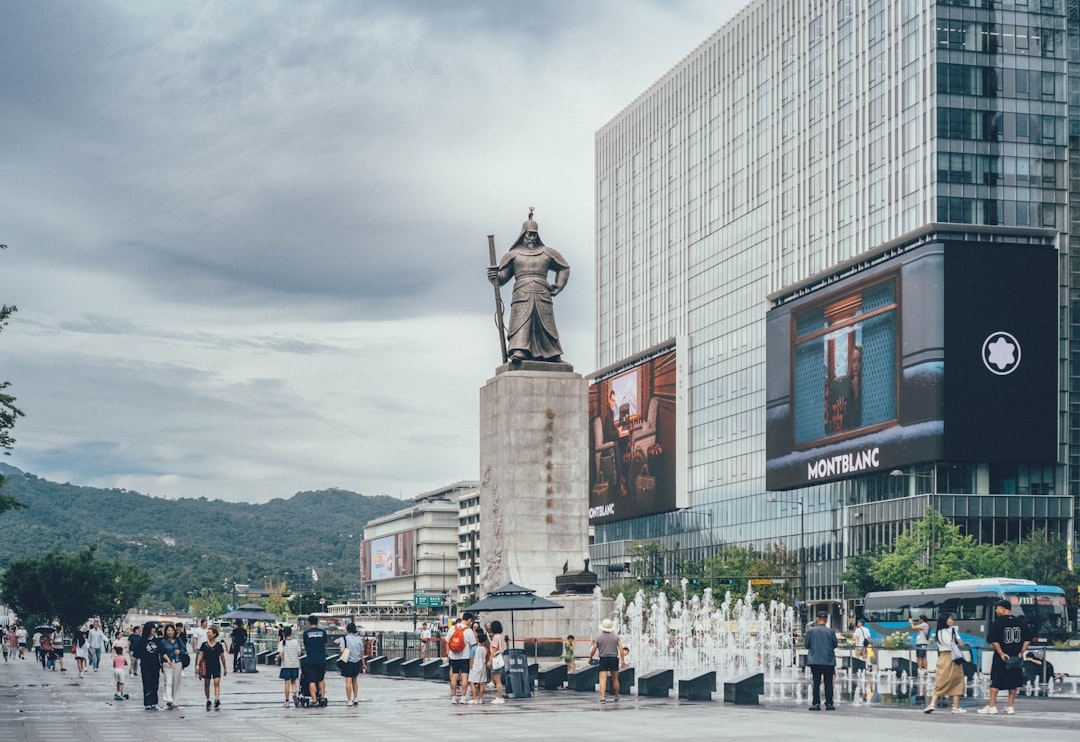
Introduction to Traveling to South Korea
Watch: Korea 2026 Travel Guide: Best Places to Visit & Things to Do
Quick Answer: Filipino travelers can now apply for simplified visas through the digitalized Korea Visa Application Center (KVAC), making it easier than ever to explore the country’s rich culture and attractions.
South Korea, or officially known as the Republic of Korea, is a popular destination among Filipinos due to its unique blend of modern technology and traditional Korean culture. From bustling cities like Seoul to serene countryside villages, South Korea offers something for every traveler.
According to data from the Henley Passport Index, Filipino citizens can currently access 65 countries without a visa or with visa on arrival, ranking the Philippine passport at number 68 globally. However, there are specific rules and requirements that travelers need to be aware of when planning their trip.
Key Takeaway: Understanding the latest visa policies is crucial for hassle-free travel.
Learn more about the Korea Visa Application Center.
Visa Requirements and Simplified Processes
The recent updates to South Korea’s visa requirements have made it easier for certain categories of travelers, including professionals with valid Philippine Regulation Commission or Integrated Bar of the Philippines IDs. The new rules also extend to immediate family members, such as parents, spouses, minor children, student adult children, and the spouse’s parents.
| Category | Eligibility Criteria |
|---|---|
| Professionals | Holders of valid Philippine professional licenses from specific fields (e.g., medicine, law) |
| Gold/Elite Credit Card Holders | Active cardholders from BDO, BPI, RCBC, Metrobank, and PNB (excluding supplementary cardholders) |
| Immediate Family Members | Parents, spouse, minor children, student adult children, and spouse’s parents of eligible travelers |
Effective February 20, 2026, the KVAC will waive the requirement for three months’ bank statements for all visa types. This change is expected to streamline the process further.
Key Takeaway: Professionals and immediate family members with valid credentials now have an easier path to obtaining a South Korean visa.
Planning Your Trip: Essential Information
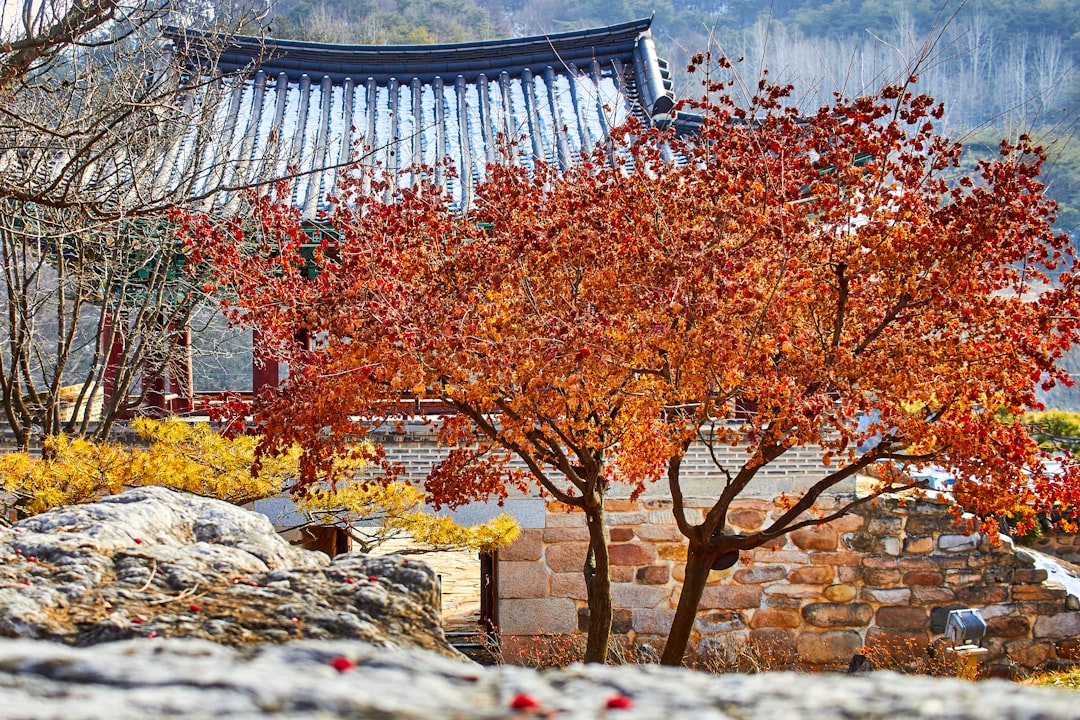
Once you’ve secured your visa, it’s time to plan your trip. Start by deciding on the best time of year for travel based on weather conditions and cultural events. Spring (March to May) is ideal if you want to enjoy cherry blossoms while autumn offers clear skies and vibrant foliage.
- Spring: March to May
- Summer: June to August
- Fall: September to November
- Winter: December to February
Additionally, consider booking your accommodation early. Seoul has a variety of options ranging from budget-friendly guesthouses to luxury hotels.
Key Takeaway: Booking accommodations in advance is crucial for securing the best deals.
Tips for Navigating South Korea’s Public Transport
South Korea boasts an efficient public transport system that includes subways, buses, and taxis. For tourists visiting Seoul or other major cities, purchasing a T-money card is highly recommended as it offers discounts on all modes of transportation.
Key Takeaway: Utilize the T-money card for seamless travel experiences in South Korea.
Cultural Etiquette and Local Customs
To ensure a respectful visit to South Korea, it’s essential to be aware of local customs. Bowing is a common form of greeting, especially when meeting elders or in formal settings. Additionally, removing your shoes before entering someone’s home or traditional Korean restaurants is customary.
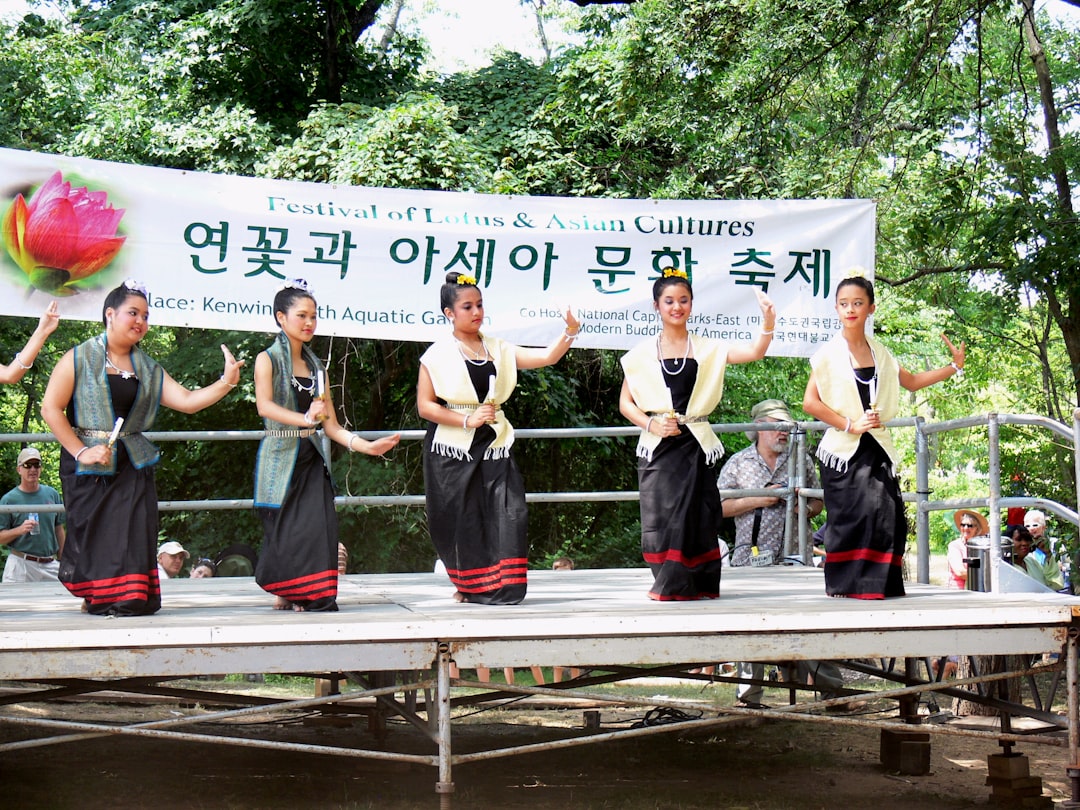
Key Takeaway: Show respect by following cultural practices such as bowing and shoe removal.
Top Attractions to Visit in South Korea
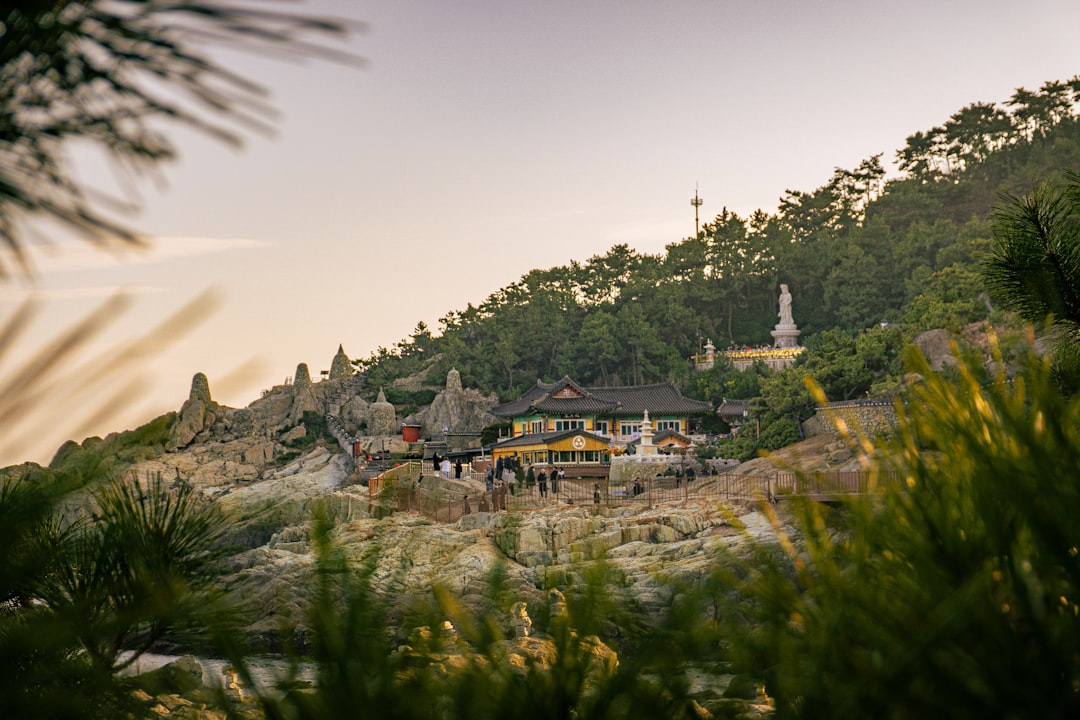
No trip to South Korea would be complete without exploring iconic landmarks like Gyeongbokgung Palace, Namsan Tower, and Myeongdong Shopping District. Each of these locations offers unique insights into Korean history and modern culture.
| Attraction | Description |
|---|---|
| Gyeongbokgung Palace | Historic royal palace built during the Joseon Dynasty in 1395 |
| Namsan Tower (N Seoul Tower) | A landmark offering panoramic views of Seoul and surrounding mountains |
| Myeongdong Shopping District | Packed with fashion boutiques, beauty shops, and street food stalls |
Key Takeaway: Experience the blend of history and modernity in Seoul’s top attractions.
Tips for Staying Healthy During Your Stay
While South Korea is generally a safe country to visit, it’s important to take precautions such as getting travel vaccinations before your trip. Also, be mindful of dietary restrictions and carry any necessary medications.
Key Takeaway: Prioritize your health by taking preventive measures against illnesses.
Dining in South Korea: A Culinary Adventure
The culinary landscape of South Korea is diverse, ranging from street food stalls to high-end restaurants. Don’t miss out on trying dishes like bulgogi, bibimbap, and kimchi jjigae during your stay.
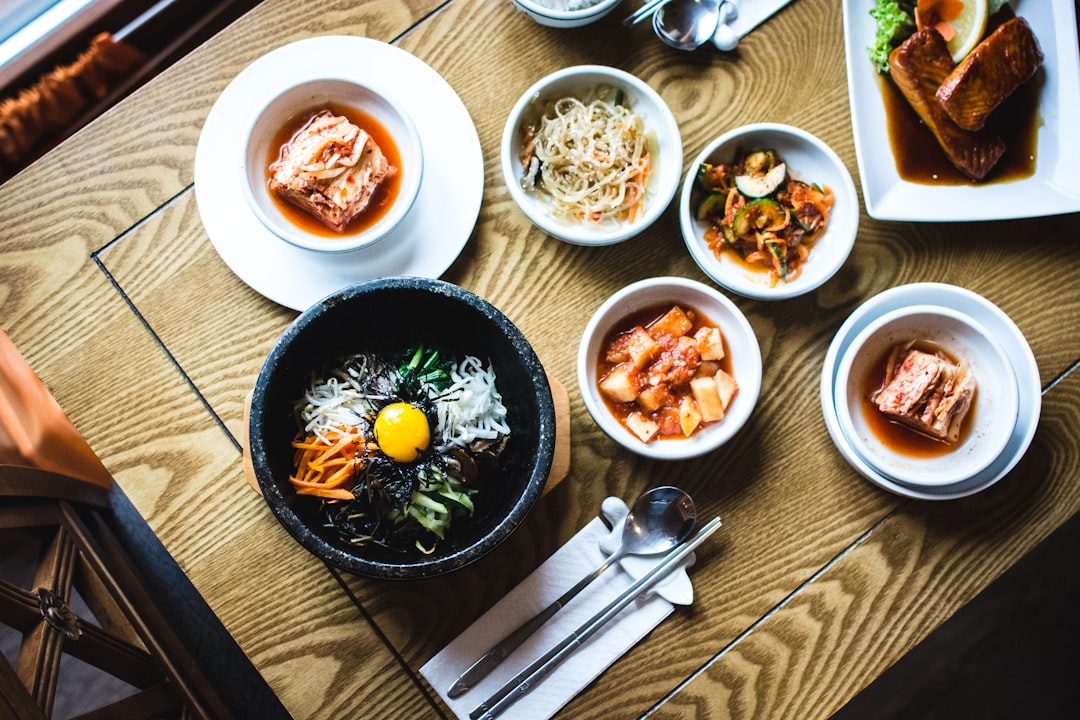
Key Takeaway: Dive into the vibrant world of Korean cuisine by exploring local eateries.
Finding Souvenirs and Local Artifacts
To bring back a piece of South Korea, consider purchasing traditional handicrafts or modern gadgets. Markets like Insadong and Dongdaemun offer a wide range of items to choose from.
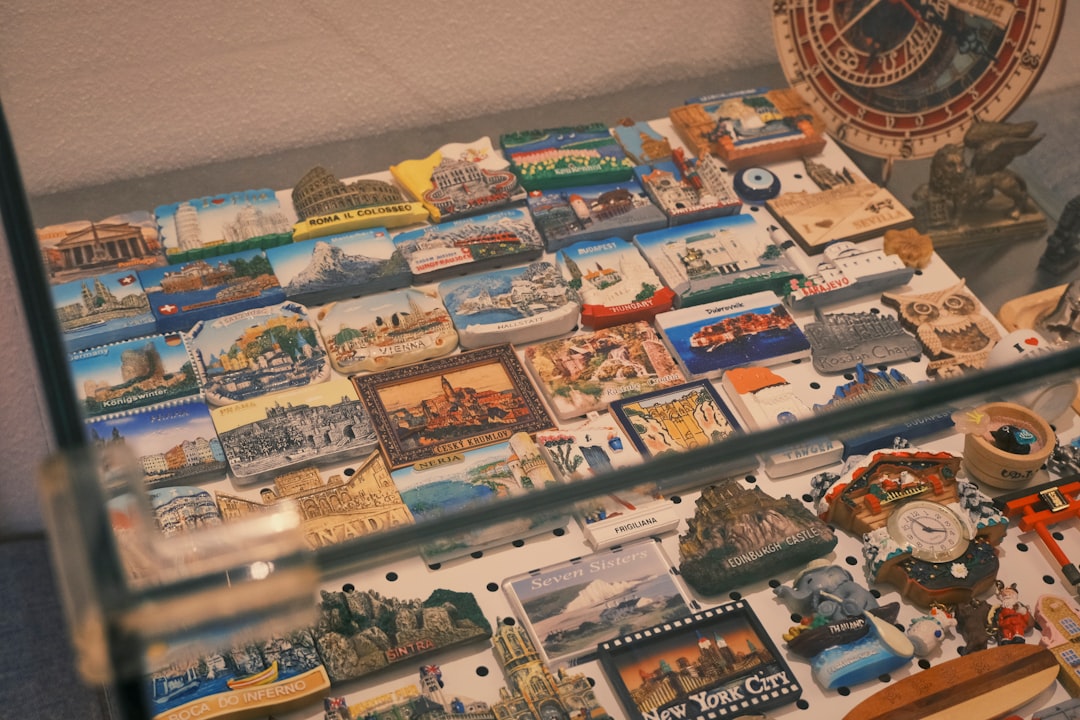
Key Takeaway: Shop for unique souvenirs that capture the essence of your trip.
Closing Thoughts: Making the Most of Your Visit
South Korea is a treasure trove of cultural experiences and modern wonders. By familiarizing yourself with visa requirements, transportation options, local customs, and top attractions, you can ensure an unforgettable journey.
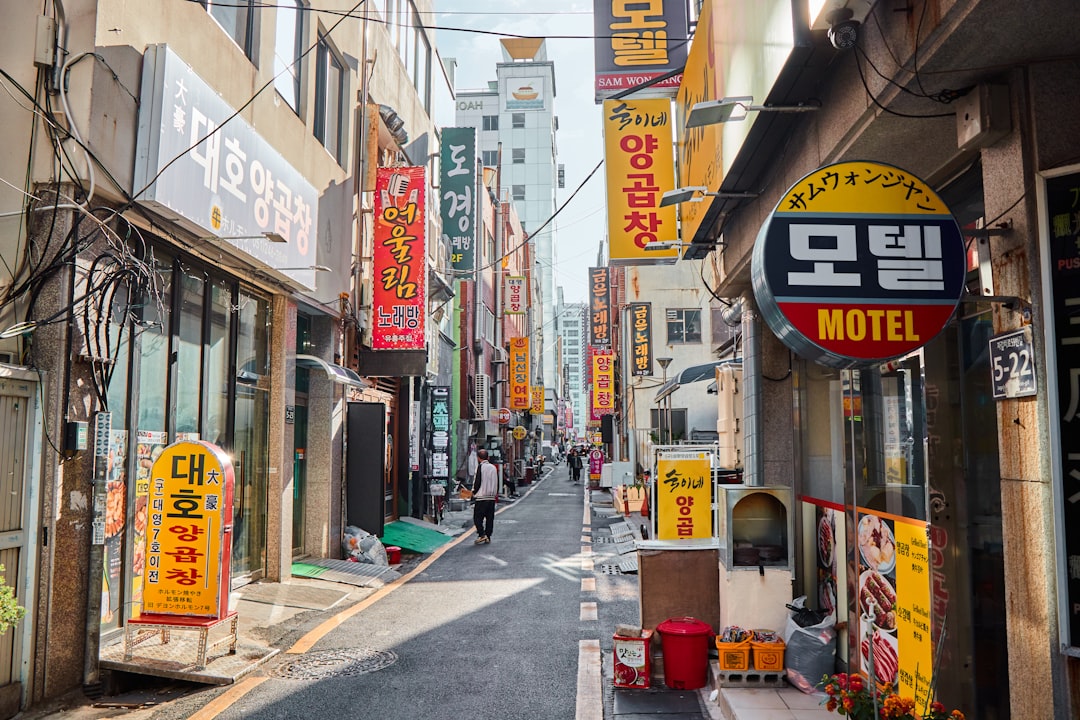
Key Takeaway: Embrace every moment to create lasting memories in South Korea.
Frequently Asked Questions
- What are the visa requirements for Filipinos traveling to South Korea?
- How can I navigate Seoul’s public transport system?
- Are there any cultural customs I should be aware of in South Korea?
- What are some must-visit attractions in South Korea?
- How can I stay healthy during my trip to South Korea?
- Where should I go for dining and souvenirs?