
As we look towards 2026, Korea is poised for an exciting tourism resurgence, offering a blend of traditional charm and modern attractions. Whether you’re drawn to the bustling streets of Seoul, the serene landscapes of Jeju, or the hidden gems scattered across the peninsula, there’s something for everyone. This guide will provide you with insights into the best times to visit, top destinations, and budget-friendly tips to make the most of your Korean adventure. From the vibrant cherry blossom season to the breathtaking autumn foliage, Korea promises a year-round travel experience like no other.
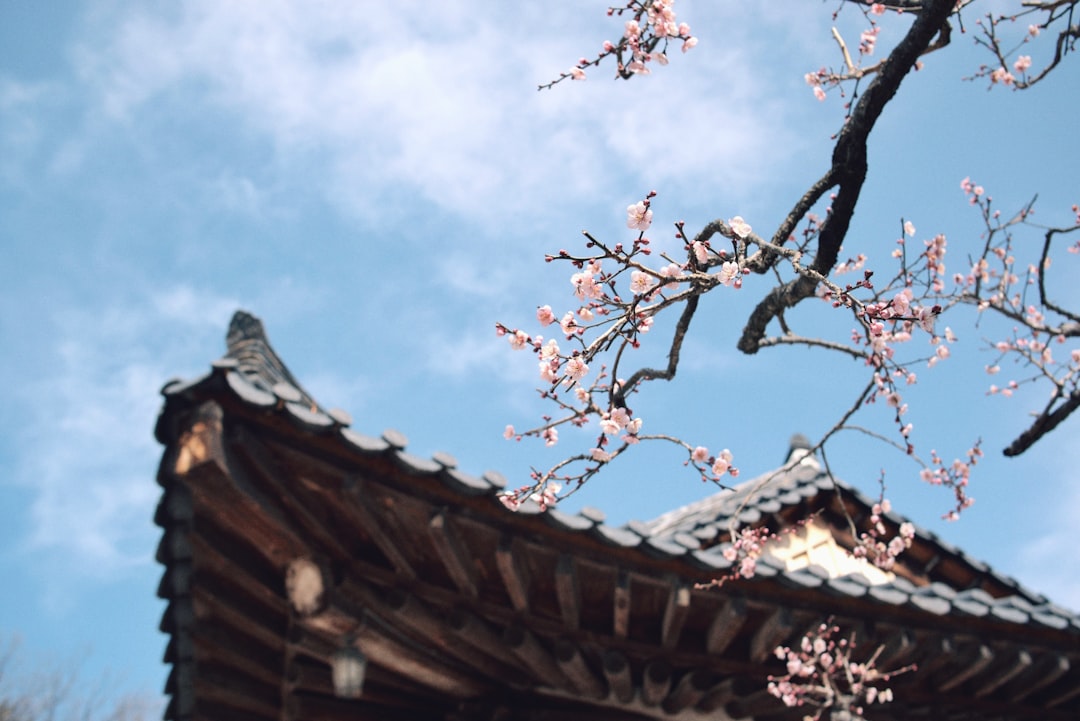
Why Visit Korea in 2026?
Quick Answer: Korea in 2026 offers new attractions, seasonal festivals, and a blend of cultural and modern experiences, making it a must-visit destination.
Korea has always been a fascinating destination, but 2026 is set to be a particularly special year for tourism. According to the Korean Ministry of Culture, Sports and Tourism, the country is introducing several new attractions aimed at enhancing the visitor experience. These include innovative theme parks, expanded cultural festivals, and upgraded infrastructure designed to accommodate the increasing number of international tourists. The blend of these new developments with Korea’s rich history and natural beauty makes it an irresistible destination.
For Singaporean travelers, Korea offers a perfect balance of familiar comforts and exotic experiences. With direct flights from Singapore to major Korean cities and the convenience of the local MRT system, navigating Korea has never been easier. Moreover, the country’s commitment to sustainability and eco-tourism aligns with global trends, providing travelers with guilt-free travel options.
Key Takeaway: Korea’s unique mix of new attractions and cultural heritage makes it a compelling destination for 2026. Plan your itinerary to make the most of these offerings.
Best Time to Visit Korea: Seasons & Festivals
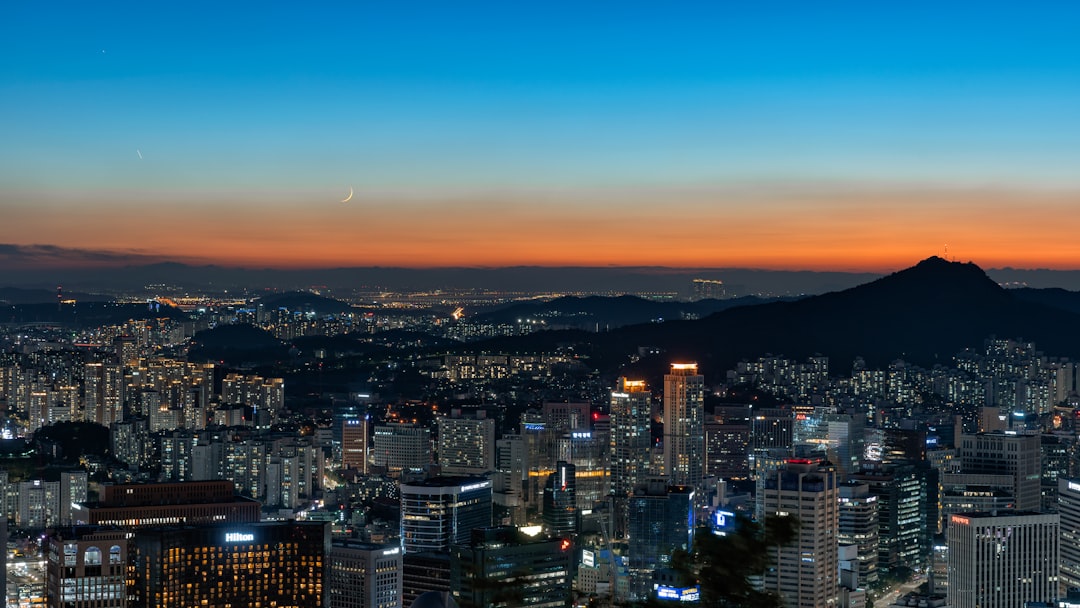
Korea is a year-round destination, each season offering its own unique charm. Spring (March to May) is arguably the most popular time, with cherry blossoms painting the country in shades of pink. Seoul’s Yeouido Park and Jinhae’s Cherry Blossom Festival are must-visit spots for blossom enthusiasts.
Summer (June to August) brings vibrant cultural festivals like the Boryeong Mud Festival, where visitors can immerse themselves in therapeutic mud baths. Autumn (September to November) is perfect for those who wish to witness Korea’s stunning fall foliage, particularly in Seoraksan National Park.
Winter (December to February) transforms Korea into a snowy wonderland, with ski resorts like Yongpyong offering world-class slopes. The Pyeongchang Trout Festival is another winter highlight, offering ice fishing, snow sledding, and more.
Key Takeaway: Each season in Korea offers distinct experiences. Time your visit to coincide with events that interest you most for an unforgettable trip.
Seoul: The Heartbeat of Korea
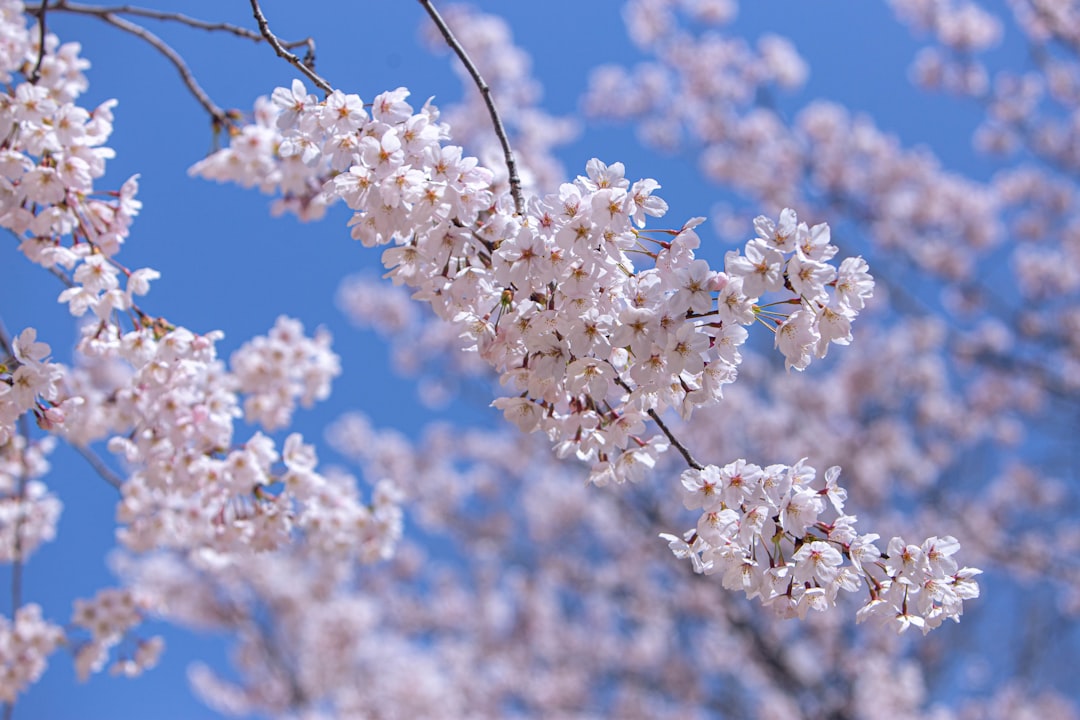
No visit to Korea would be complete without a stop in Seoul, the country’s vibrant capital. This bustling metropolis is a testament to Korea’s rapid modernization, yet it remains deeply rooted in its traditional past. From the bustling streets of Myeongdong to the serene temples of Jogyesa, Seoul is a city of contrasts.
The newly opened Seoul Sky Observatory offers breathtaking views of the cityscape, while the Dongdaemun Design Plaza showcases cutting-edge architecture and design. For a taste of history, head to Gyeongbokgung Palace, where you can witness the Changing of the Guard ceremony.
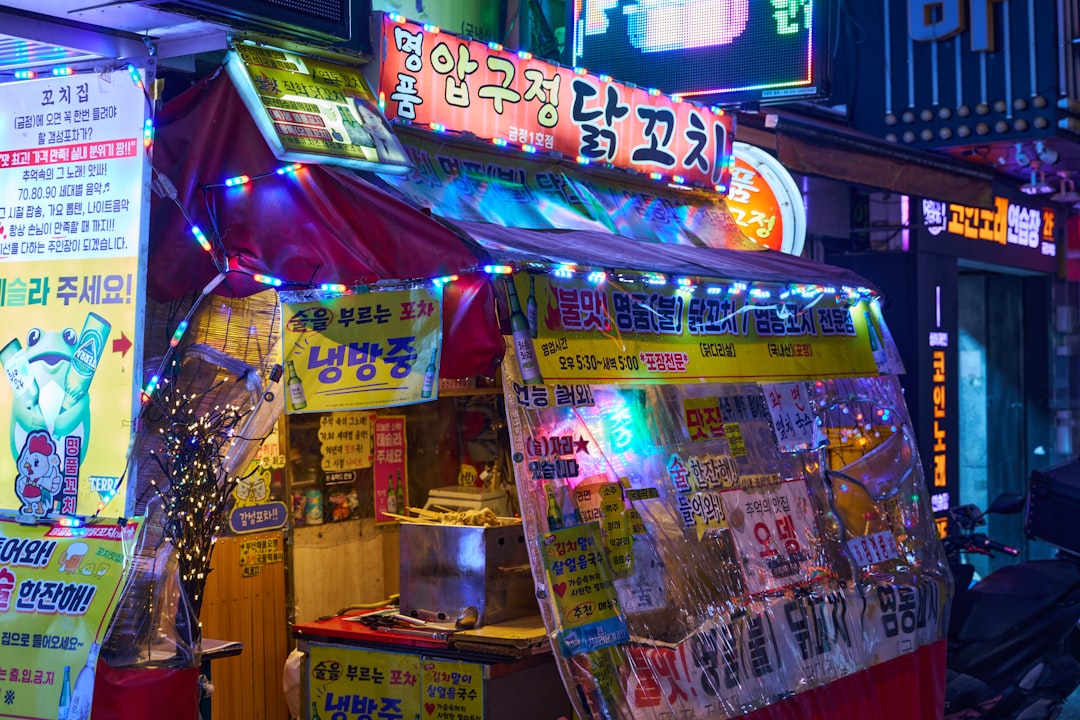
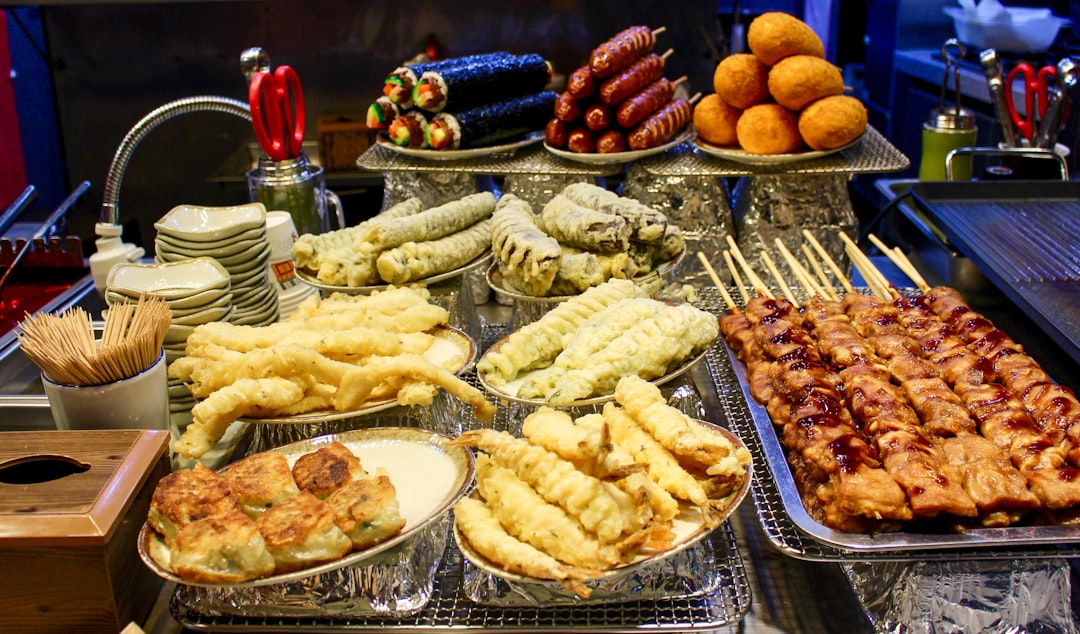
Shopping enthusiasts will find a paradise in Seoul’s numerous shopping districts. For K-Beauty lovers, a visit to Olive Young or the flagship stores along Orchard Road is a must. Don’t forget to explore the local food scene, with street markets offering everything from spicy tteokbokki to savory bibimbap.
Key Takeaway: Seoul is a dynamic city that offers a perfect blend of tradition and modernity. Prioritize your interests to make the most of your visit.
Jeju Island: Korea’s Natural Paradise
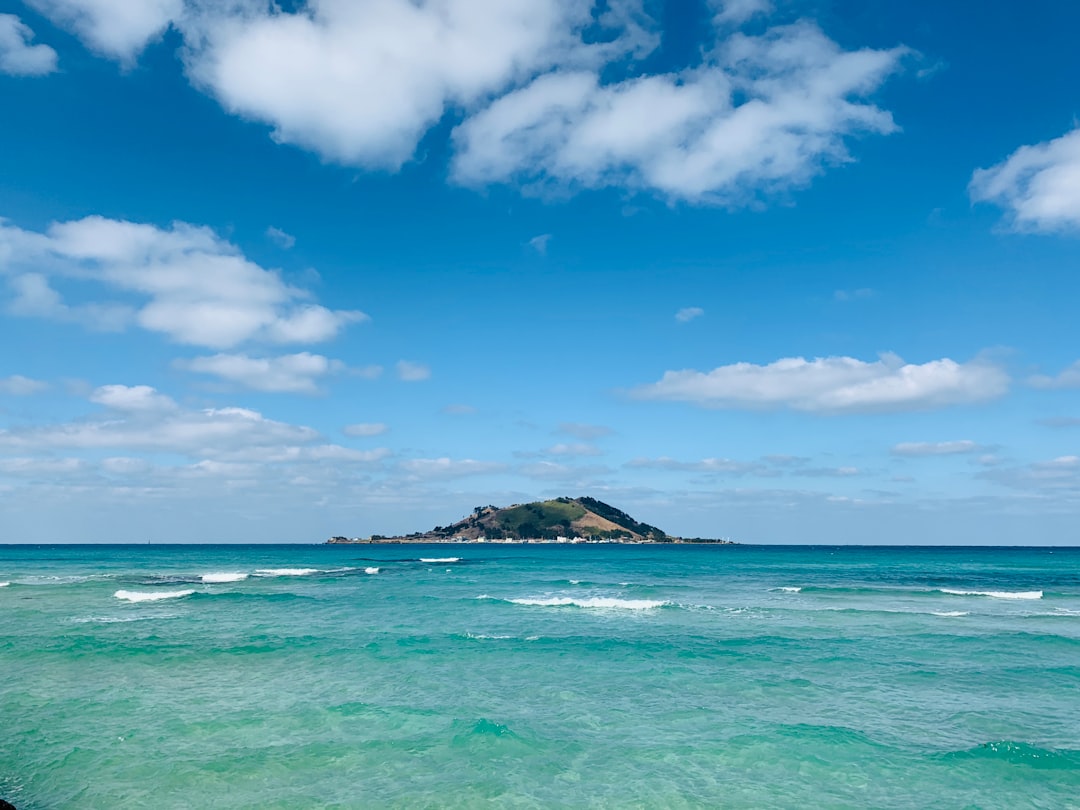
Known as Korea’s ‘Hawaii,’ Jeju Island is a natural wonder that offers a refreshing contrast to the urban hustle of Seoul. The island is famous for its stunning landscapes, including the UNESCO World Heritage Site Hallasan Mountain and the picturesque Jeju Olle Trail.
Jeju is also home to unique attractions like the Manjanggul Lava Tube and the Seongsan Ilchulbong Peak, known for its breathtaking sunrise views. The island’s beaches, such as Hyeopjae and Jungmun, are perfect for relaxation and water sports.
For those interested in local culture, Jeju’s folk villages and museums offer insights into the island’s rich history and traditions. The Jeju Fire Festival is a unique cultural event celebrating the island’s agricultural heritage with traditional games, performances, and bonfires.
Key Takeaway: Jeju Island is a must-visit for nature lovers and those seeking a tranquil escape. Plan your activities to cover both natural and cultural attractions.
Hidden Gems of Korea: Off the Beaten Path
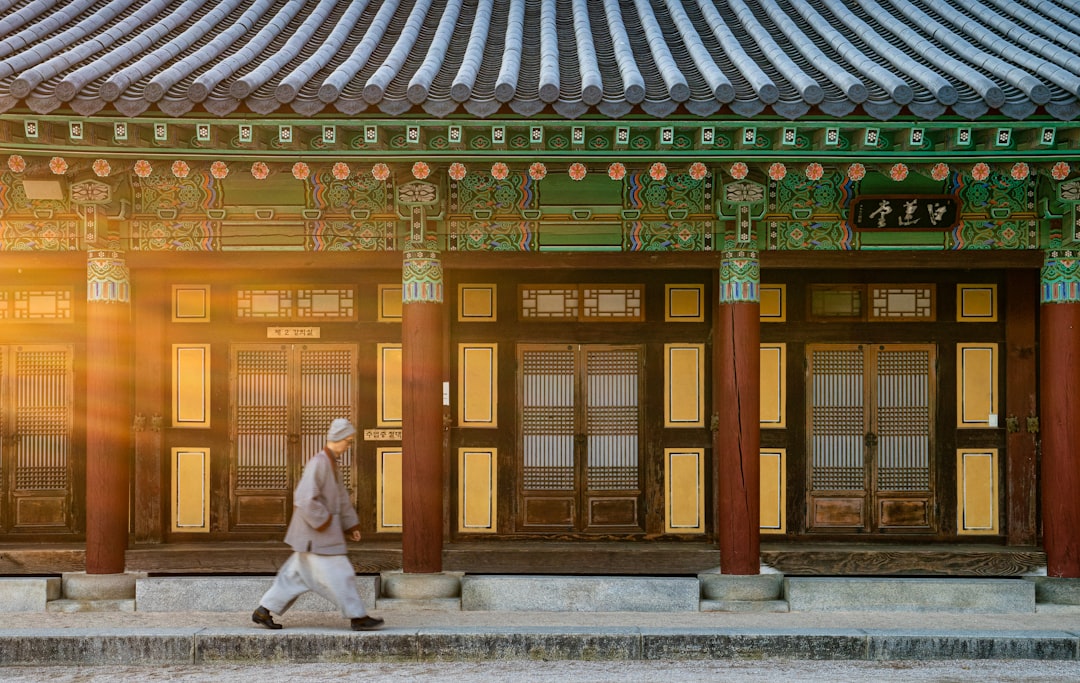
While Seoul and Jeju are well-trodden paths, Korea is home to numerous hidden gems that offer a glimpse into the country’s lesser-known treasures. One such place is Gyeongju, known as ‘the museum without walls.’ This ancient city is rich in history, with sites like Bulguksa Temple and Seokguram Grotto offering a peek into Korea’s past.
The picturesque village of Bukchon Hanok in Seoul offers a unique experience with its traditional Korean houses, while the tranquil Boseong Green Tea Fields in Jeollanam-do provide a refreshing retreat.
For a unique cultural experience, visit the Andong Hahoe Folk Village, where you can witness traditional mask dances and explore the well-preserved Joseon-era architecture. The village is a UNESCO World Heritage Site and offers an immersive cultural experience.
Key Takeaway: Exploring Korea’s hidden gems offers a deeper understanding of the country’s rich history and culture. Include these destinations in your itinerary for a well-rounded trip.
Budget Travel Tips for Korea
Traveling to Korea doesn’t have to break the bank. With some strategic planning, you can enjoy a memorable trip without overspending. One of the best ways to save money is by using Korea’s efficient public transportation system. The T-Money card is a convenient option for using buses and subways, offering discounts on fares.
When it comes to accommodation, consider staying at guesthouses or hanok stays for an authentic experience at a lower cost. Booking early can also snag you great deals on hotels, especially during off-peak seasons.
For meals, try local eateries and street food stalls, which offer delicious Korean dishes at affordable prices. Additionally, many attractions offer free or discounted entry on certain days, so plan your visits accordingly.
Key Takeaway: With careful planning and smart choices, you can explore Korea on a budget while still enjoying its rich offerings.
Travel Essentials for Singaporeans Visiting Korea
For Singaporean travelers, visiting Korea is an exciting opportunity to explore a new culture while enjoying some familiar comforts. Before you go, ensure your passport is valid for at least six months from your date of entry. Singaporeans do not need a visa for short visits of up to 90 days.
Ensure you have travel insurance that covers medical expenses and trip cancellations. It’s also advisable to have a small amount of Korean Won for initial expenses, though credit cards are widely accepted.
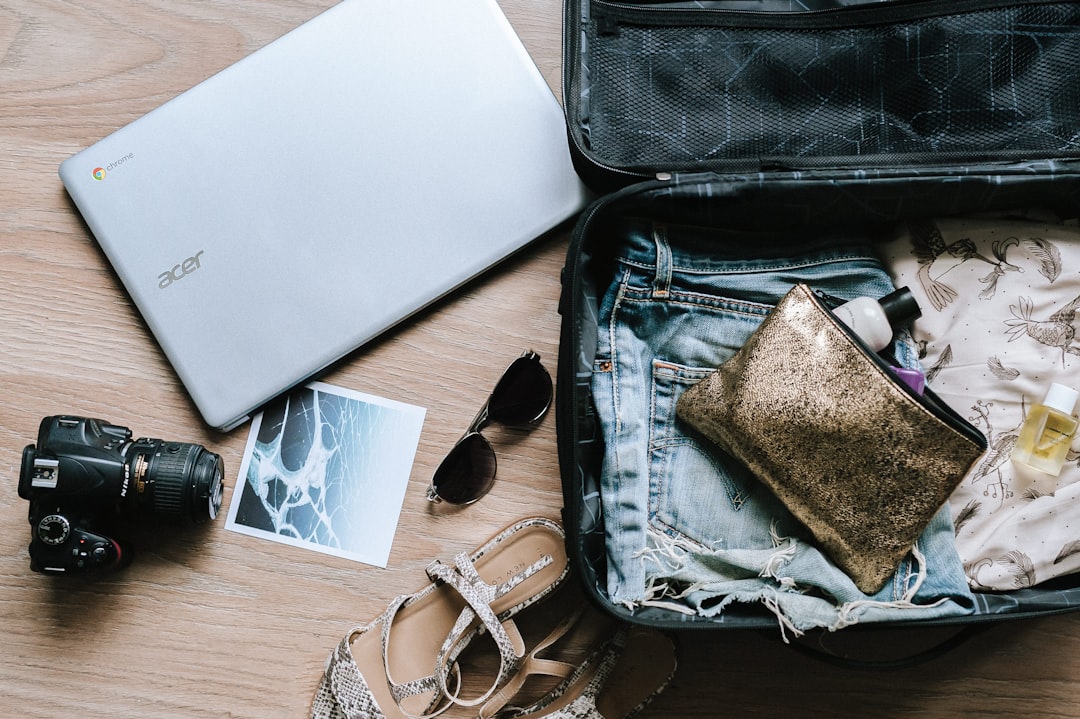
When packing, consider the season you’re visiting. Lightweight clothing is ideal for summer, while winters require warm layers and a good coat. Don’t forget essentials like power adapters for Korea’s 220V outlets and a portable Wi-Fi device to stay connected.
Key Takeaway: Proper preparation ensures a smooth and enjoyable trip. Check your travel documents, pack appropriately, and plan for connectivity needs.
FAQ
What is the best time to visit Korea?
The best time to visit Korea depends on your interests. Spring (March to May) is ideal for cherry blossoms, while autumn (September to November) offers stunning foliage. Each season has its unique attractions.
How can I travel around Korea on a budget?
Utilize public transportation like buses and subways, and consider getting a T-Money card for discounts. Stay in guesthouses or hanok accommodations and dine at local eateries for affordable options.
Do I need a visa to visit Korea from Singapore?
No, Singaporeans do not require a visa for short visits to Korea of up to 90 days. Ensure your passport is valid for at least six months from your date of entry.
Are there any must-visit attractions in Seoul?
Yes, iconic attractions include Gyeongbokgung Palace, Namsan Seoul Tower, and the bustling streets of Myeongdong. Don’t miss the cultural and modern experiences the city offers.
What cultural experiences should I not miss in Korea?
Consider attending cultural festivals, trying traditional Korean foods, and visiting historical sites like temples and folk villages for a deeper understanding of Korean culture.
Where can I find affordable Korean beauty products?
For K-Beauty products, visit Olive Young stores or check prices on Shopee SG. You can also find a wide selection at stores along Orchard Road in Singapore.
How can I stay connected while traveling in Korea?
Rent a portable Wi-Fi device or purchase a local SIM card upon arrival. Many accommodations offer free Wi-Fi, and public areas often have Wi-Fi access as well.
Conclusion: Korea in 2026 offers a wealth of experiences, from vibrant cities to tranquil natural landscapes. Prepare for your trip with our comprehensive guide, and don’t forget to check out exclusive deals on Shopee SG for all your travel essentials. Enjoy your journey through this captivating country!