
Are you planning a trip to Korea in 2026? Whether it’s your first time or you’re returning to the Land of the Morning Calm, this comprehensive travel guide will help you make the most out of your visit. From must-see attractions and cultural experiences to budget-friendly tips, we’ve got everything covered for your Korean adventure.
Best Time to Visit Korea
Quick Answer: The best times to visit Korea are spring (March-May) and autumn (September-November), but it’s a year-round destination with unique attractions for every season.
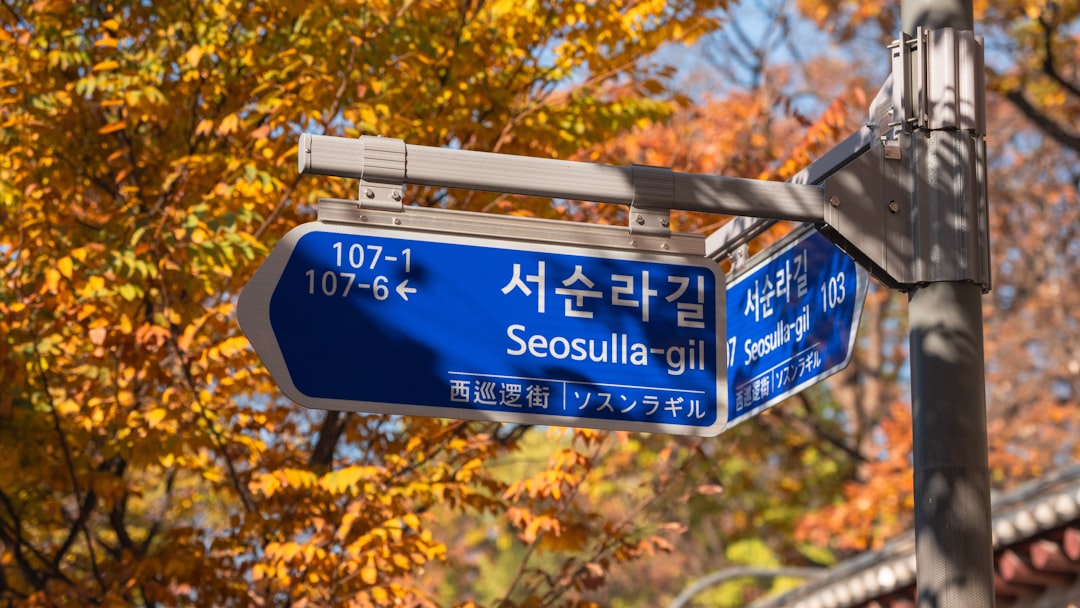
The Korean climate offers four distinct seasons, each with its own charm. Spring is the perfect time for cherry blossom viewing, while autumn brings stunning foliage across the country. Summer can be hot and humid, but it’s also when major festivals like Boryeong Mud Festival take place. Winter is cold but not as extreme as some might think, and you can enjoy winter sports or visit traditional Korean markets.
According to a survey conducted by the Korea Tourism Organization (KTO), 70% of international tourists prefer visiting Korea during spring or autumn due to pleasant weather conditions.Korea Tourism Organization
Top Destinations in Korea 2026: Seoul and Beyond
Seoul, the bustling capital of South Korea, is a must-visit destination with its mix of ancient temples and modern skyscrapers. Visitors can explore Gyeongbokgung Palace, the largest royal palace in Seoul, or wander through the vibrant Myeong-dong shopping district.
Jeju Island, known as The Hawaii of Korea, offers a tranquil escape with its beautiful beaches and volcanic landscapes. In 2026, Jeju plans to introduce new eco-friendly attractions such as solar-powered transportation systems and sustainable resort developments.Jeju Island Tourism
Other hidden gems include the historic city of Gyeongju with its ancient Buddhist temples and royal tombs, and Busan, a coastal city famous for its beaches and seafood.
Budget-Friendly Tips for Traveling to Korea
- Purchase a T-Money card for easy public transportation access.
- Enjoy free admission days at major museums like the National Museum of Korea.
- Cook your own meals in guesthouses or hostels with kitchen facilities.
In 2026, Klook will offer special deals for budget-conscious travelers, including combo passes and package tours to popular destinations.Klook Travel Deals
Getting Around Korea: Transportation Options
- Subway: Extensive network covering most major cities.
- Buses: More affordable but less frequent than the subway.
- Taxis: Reliable, though pricier for long distances.
The Korean government has invested heavily in public transportation infrastructure over the past decade. In 2026, expect to see new subway lines and bus routes connecting previously underserved areas of Seoul.Korean Transport Ministry
Accommodation Choices: Hotels vs Guesthouses
| Hotel Chains | Guesthouses/Hostels |
|---|---|
| Comfortable beds and high-end amenities. | Personalized service, often with free breakfast included. |
| Located in tourist hotspots for easy access to attractions. | More affordable rates compared to hotels. |
| Room service and concierge services available. | Guests can use shared kitchen facilities. |
In 2026, many guesthouses in Seoul will offer English-speaking staff to cater to an increasing number of international tourists.Seoul Accommodation Guide
Cultural Experiences and Festivals
- Cherry Blossom Festival (March-May)
- Boryeong Mud Festival (July-August)
- Suncheon Bay Duck Festival (September-October)
Korea’s cultural festivals draw millions of visitors annually. The Boryeong Mud Festival, for instance, attracts over 3 million participants each year.Korean Culture Festivals
Food and Drink: Korean Cuisine Guide
- Bibimbap: A bowl of rice topped with various vegetables and meat.
- Tteokbokki: Spicy stir-fried rice cakes.
- Kimchi: Fermented cabbage served as a side dish in most meals.
According to the Korean Food Foundation, 95% of Koreans eat kimchi daily. Visitors can try making their own at cooking classes available throughout Seoul.Korean Food Foundation
Pet-Friendly Travel Tips in Korea
- Book hotels with pet-friendly policies.
- Carry a portable water bowl for your furry companion.
- Dentisoft Toothbrush: Keep your pet’s teeth clean on the go. Available on Shopee Singapore/Thailand/Malaysia.
Korea is becoming more pet-friendly, with many hotels now offering amenities for travelers with pets. Junglemonster offers a range of products to keep your furry friend comfortable during travel.Junglemonster Pet Care Products
FAQ Section
What are the best times to visit Korea?
The best time to visit Korea is spring (March-May) and autumn (September-November), when temperatures are mild and there’s less chance of rain. However, summer offers unique festivals like Boryeong Mud Festival.
How can I save money while traveling in Korea?
Purchase a T-Money card for transportation discounts, cook your own meals using guesthouse facilities, and take advantage of free admission days at museums.
What are some must-see attractions in Seoul?
Seoul boasts numerous historical sites such as Gyeongbokgung Palace and Bukchon Hanok Village. Don’t miss modern landmarks like the N Seoul Tower and Dongdaemun Design Plaza.
Are there any eco-friendly accommodations on Jeju Island in 2026?
In 2026, Jeju Island will introduce several sustainable resorts featuring solar-powered transportation systems and environmentally friendly practices. Look for eco-certified hotels when booking your stay.
What are some popular Korean festivals to attend?
Korea hosts numerous cultural festivals throughout the year, including cherry blossom events in spring, Boryeong Mud Festival in summer, and Suncheon Bay Duck Festival in autumn.