
In recent years, South Korea has become an increasingly popular destination for Filipinos, drawn by the allure of K-pop, K-beauty, and the rich cultural tapestry the country offers. In a significant move, South Korea has eased visa requirements for Filipino travelers starting February 2026, making it easier than ever to explore this vibrant country. This article will guide you through the new visa policies, travel tips, and must-see attractions in Korea, ensuring your journey is as seamless as possible.
Understanding the New Visa Policies for Filipinos
Watch: Korea 2026 Travel Guide: Best Places to Visit & Things to Do
Quick Answer: Starting February 20, 2026, South Korea has waived certain visa requirements for Filipinos, including the need for three-month bank statements, making travel more accessible.
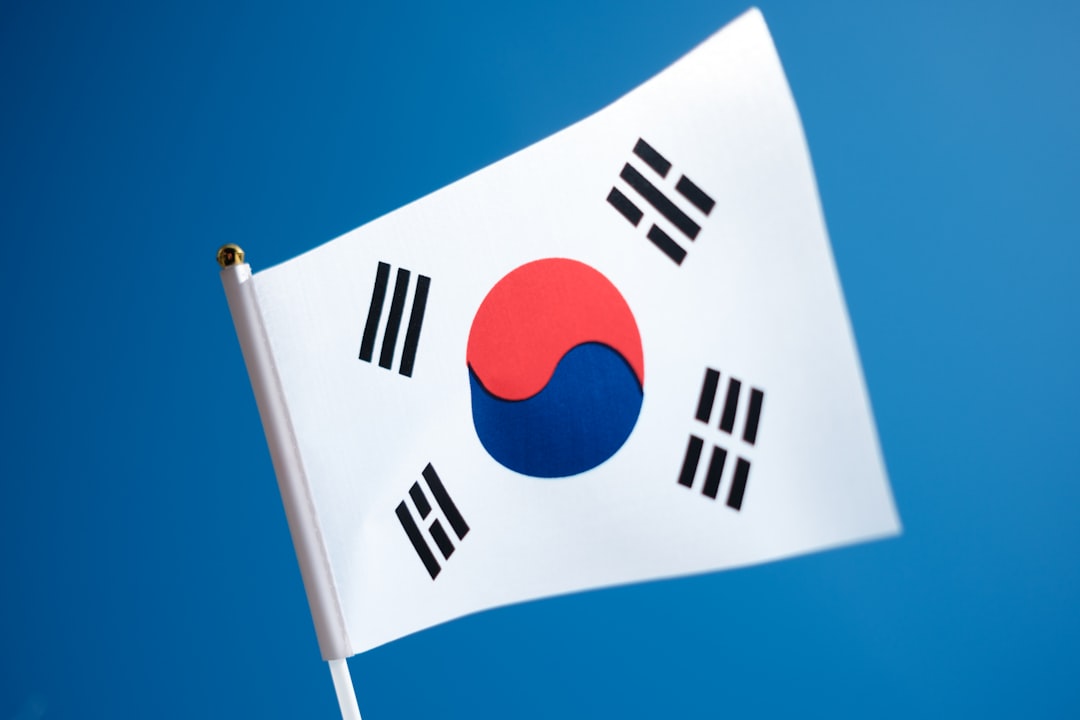
With the new regulations in place, Filipinos no longer need to provide three-month bank statements when applying for a South Korean visa. This easing of requirements also extends to students and employed individuals, simplifying the application process. According to the Korea Visa Application Center (KVAC), these changes are expected to increase the number of Filipino visitors by reducing document-related barriers.
For teachers from the Philippines looking to work in South Korea, discussions are underway to expand E-2 visas to more countries, though a timeline has yet to be confirmed. This potential expansion highlights South Korea’s commitment to fostering better bilateral relations with the Philippines.
Key Takeaway: The simplified visa process is a boon for Filipinos eager to travel to South Korea, offering a more streamlined application experience.
Learn more about South Korea’s visa requirements
Top Destinations to Explore in South Korea
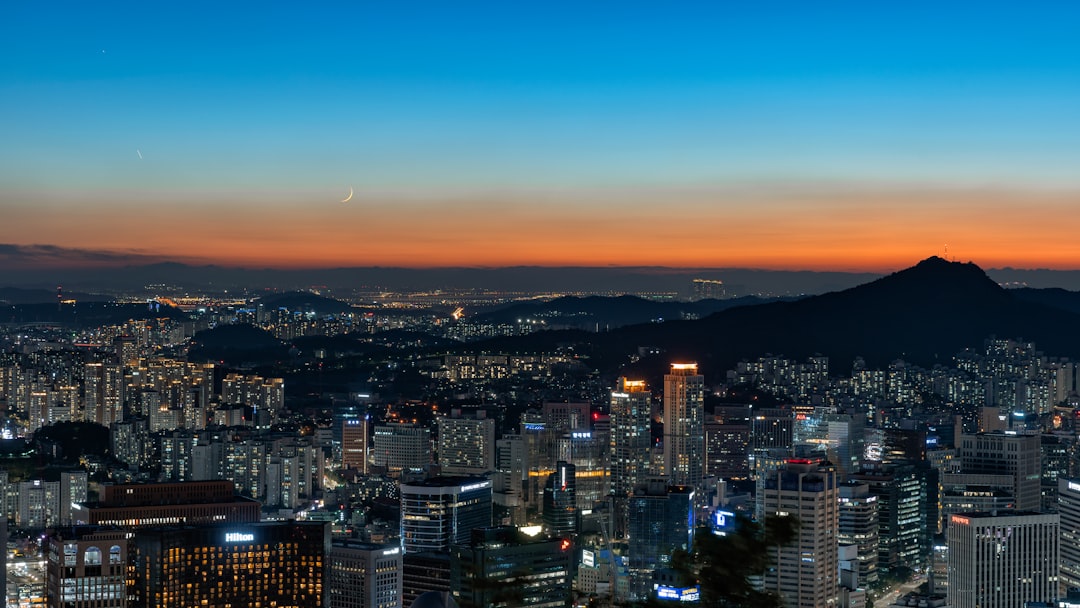
Korea’s picturesque landscapes and bustling cities offer something for every traveler. From the modern metropolis of Seoul to the historic city of Gyeongju, there’s plenty to explore.
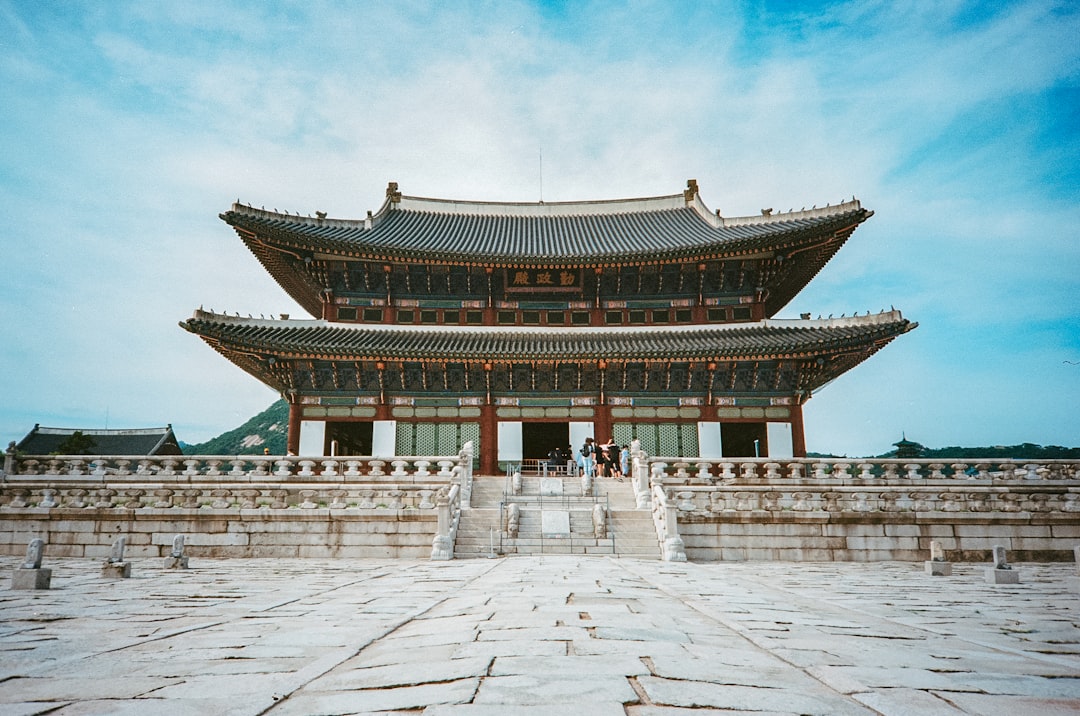
- Seoul: As the heart of South Korea, Seoul is a must-visit. Home to iconic landmarks like Gyeongbokgung Palace and the bustling Myeongdong shopping district, it’s a city that seamlessly blends tradition with modernity.
- Busan: Known for its stunning beaches and the bustling Jagalchi Fish Market, Busan offers a more relaxed vibe compared to Seoul. Don’t miss the scenic views from Taejongdae Park and the colorful Gamcheon Culture Village.
- Jeju Island: A natural wonder, Jeju Island is famous for its volcanic landscapes, waterfalls, and the mysterious Manjanggul Lava Tube. It’s an ideal destination for nature lovers.
Key Takeaway: Whether you’re interested in vibrant city life or tranquil nature, South Korea offers diverse attractions to suit all preferences.
Sampling Korea’s Culinary Delights
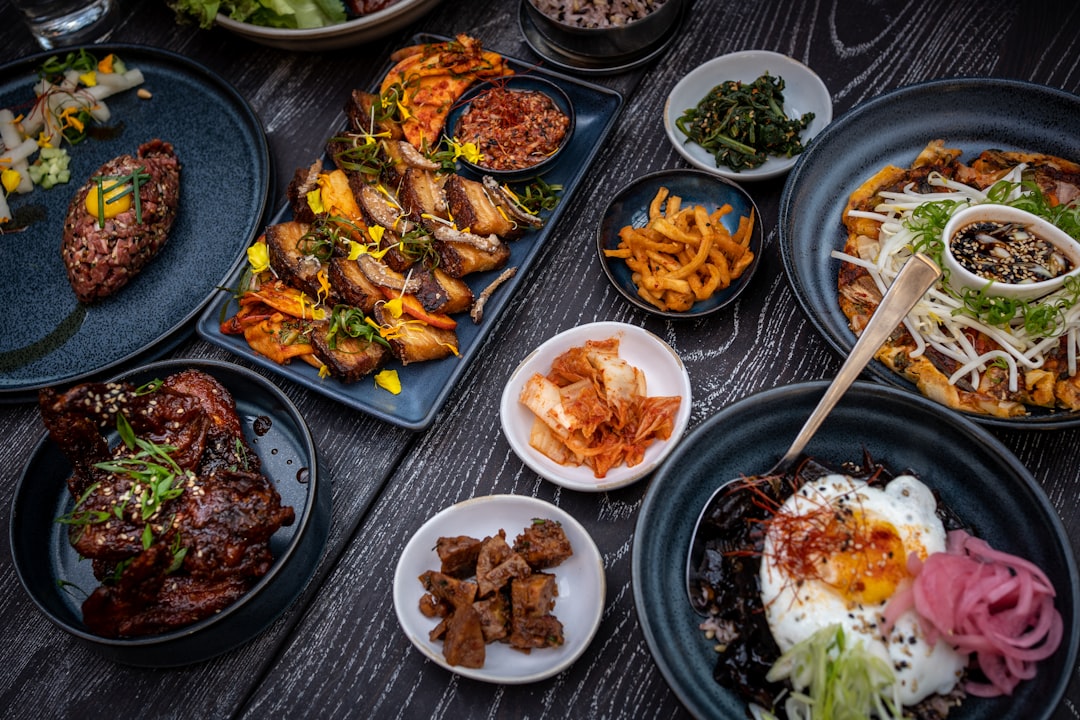
Korean cuisine is a feast for the senses, offering a range of flavors that are both bold and comforting. From street food to fine dining, there’s something to satisfy every palate.
Must-Try Dishes:
- Bibimbap: A rice dish topped with mixed vegetables, meat, and a spicy sauce, it’s a staple of Korean cuisine.
- Korean BBQ: Experience the interactive dining style where you grill your own meat at the table, often accompanied by a variety of side dishes known as banchan.
- Kimchi: No Korean meal is complete without this fermented cabbage dish, known for its tangy, spicy flavor.
According to a study on Korean food culture, the global popularity of Korean cuisine has been on the rise, with dishes like kimchi and Korean BBQ gaining international acclaim.
Key Takeaway: Korean cuisine offers a rich and varied dining experience that should not be missed during your visit.
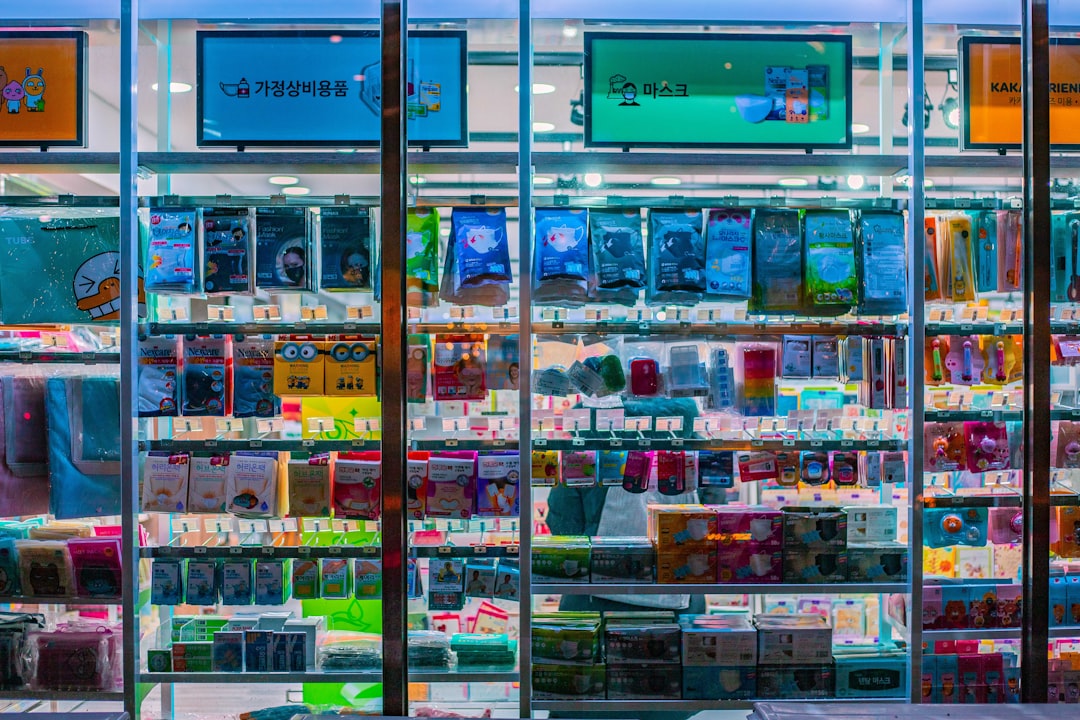
Shopping in Korea: A Paradise for Fashion and Beauty Lovers
South Korea is a shopping haven, particularly for fashion and K-beauty enthusiasts. The country’s shopping districts offer a wide array of products, from high-end brands to unique local finds.
Where to Shop:
- Myeongdong: This bustling district is famous for its beauty stores and street food. It’s the perfect place to stock up on K-beauty products.
- Dongdaemun: Known for its wholesale fashion markets, Dongdaemun is a must-visit for fashion lovers looking for trendy and affordable clothing.
- Insadong: For traditional Korean crafts and souvenirs, Insadong offers a charming shopping experience.
According to Korean skincare routine guides, products from brands like Innisfree and Etude House are highly sought after by international shoppers.
Key Takeaway: From cutting-edge fashion to innovative beauty products, South Korea’s shopping scene is vibrant and diverse, offering something for everyone.
Experiencing Korean Culture: Festivals and Traditions
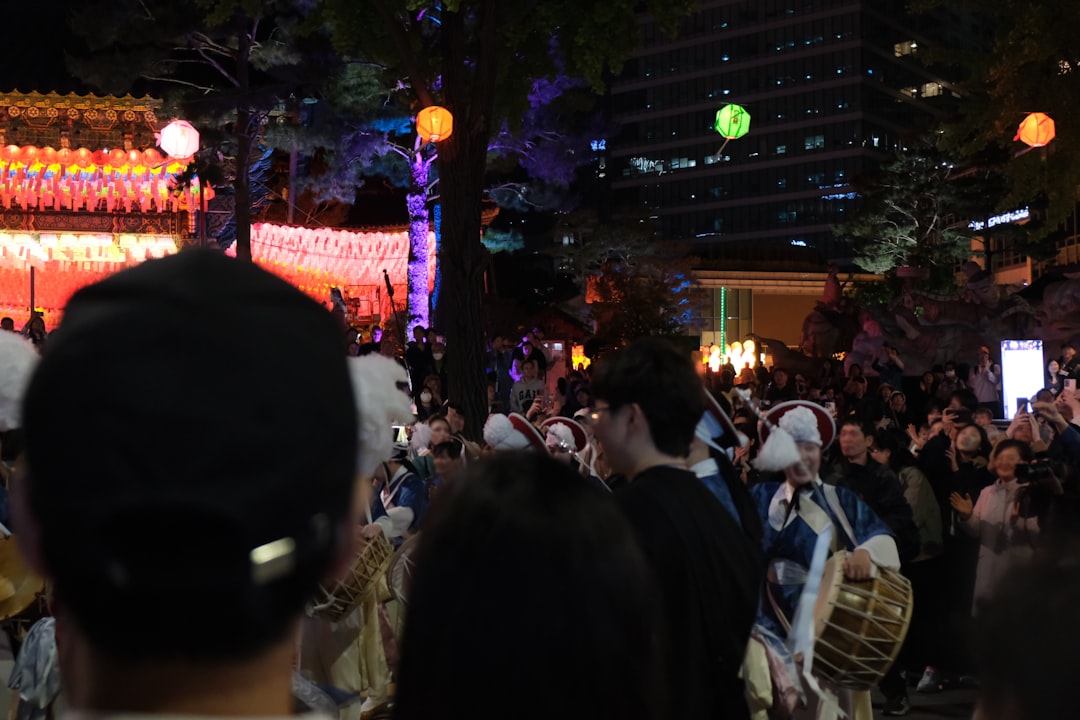
Korea’s rich cultural heritage is celebrated through various festivals and traditions that offer a deep dive into the country’s history and customs.
Notable Festivals:
- Chuseok: Often referred to as the Korean Thanksgiving, this harvest festival is a time for families to gather and pay respects to their ancestors.
- Boryeong Mud Festival: Held annually in July, this unique festival invites visitors to enjoy mud baths, mud wrestling, and other fun activities.
- Seollal: The Korean New Year is celebrated with traditional games, food, and the wearing of hanbok, the traditional Korean attire.
According to the Korean Tourism Organization, these festivals attract thousands of visitors each year, eager to participate in and learn about Korean culture.
Key Takeaway: Participating in Korean festivals offers a unique opportunity to immerse yourself in the country’s vibrant culture and traditions.
Travel Tips for a Seamless Korean Adventure
Traveling to South Korea can be an exciting adventure, but preparation is key to ensuring a smooth experience. Here are some practical tips for your journey:
- Learn Basic Korean Phrases: While many Koreans speak English, knowing a few basic phrases can enhance your travel experience.
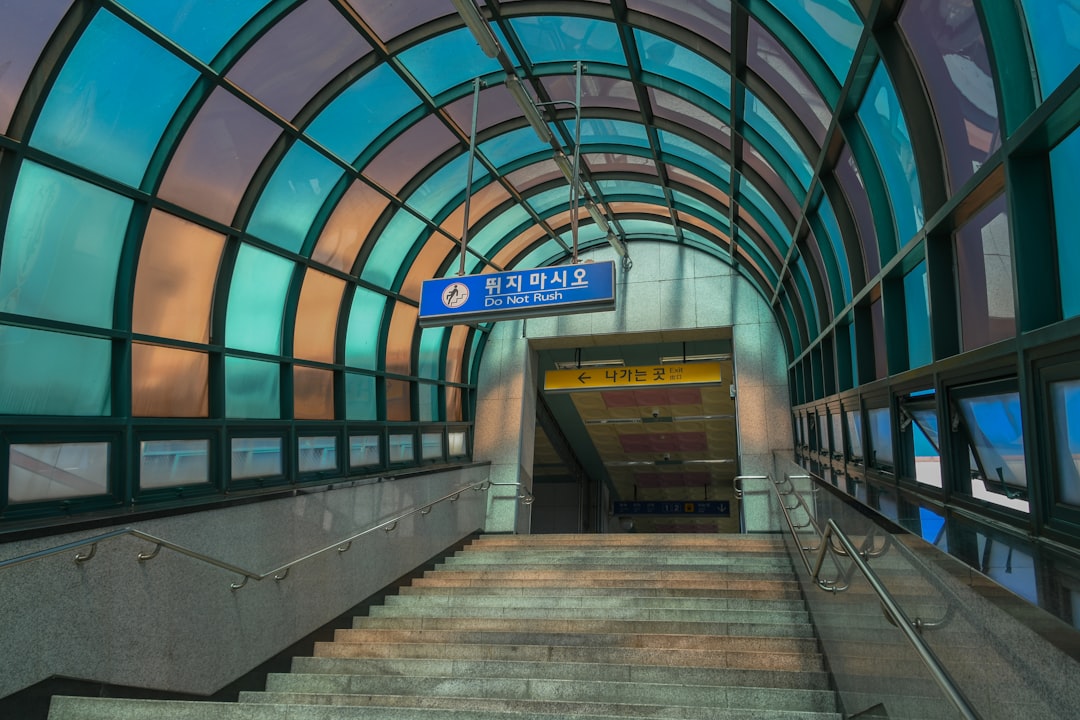
- Use Korea’s Efficient Public Transport: The subway and bus systems are affordable and convenient, making it easy to explore cities like Seoul and Busan.
- Stay Connected: Consider renting a portable Wi-Fi device or purchasing a local SIM card to stay connected during your trip.
Key Takeaway: With a bit of preparation, you can make the most of your trip to South Korea and enjoy all the country has to offer.
Accommodation Options: Where to Stay in Korea
Choosing the right accommodation can greatly impact your travel experience. South Korea offers a wide range of options to suit different budgets and preferences.
| Accommodation Type | Features | Price Range (per night) |
|---|---|---|
| Hotels | Comfortable, convenient locations, amenities like gyms and pools | ₱5,000 – ₱20,000 |
| Guesthouses | Budget-friendly, social atmosphere, often includes breakfast | ₱1,500 – ₱5,000 |
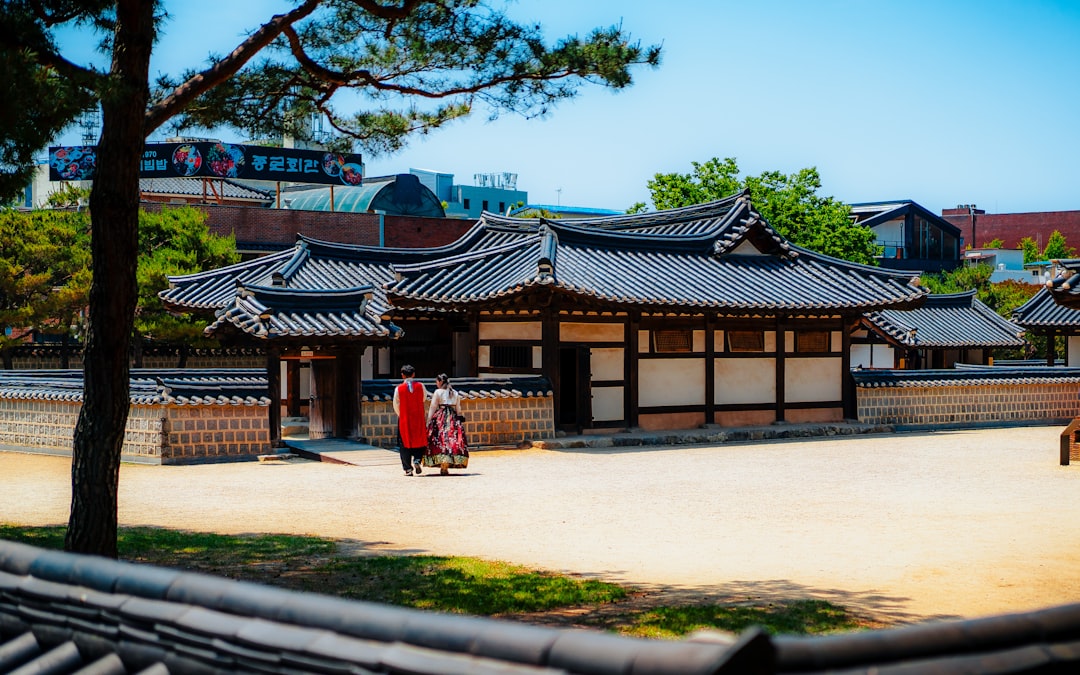
| Hanok Stays | Traditional Korean houses, cultural experience | ₱3,000 – ₱10,000 |
According to Booking.com, Seoul’s accommodations range from luxury hotels to traditional hanok stays, offering something for every traveler.
Key Takeaway: Whether you prefer modern hotels or traditional hanoks, South Korea has accommodation options to suit all tastes and budgets.
FAQ
What are the new visa requirements for Filipinos traveling to South Korea in 2026?
Filipinos no longer need to provide three-month bank statements, and the process has been simplified for students and employees.
What is the best time to visit South Korea?
Spring (April to June) and autumn (September to November) are ideal for pleasant weather and beautiful scenery.
Are there direct flights from the Philippines to South Korea?
Yes, several airlines offer direct flights from Manila and Cebu to Seoul and Busan.
How can I stay connected in South Korea?
Rent a portable Wi-Fi device or purchase a local SIM card for internet access during your trip.
What are some must-try Korean dishes?
Bibimbap, Korean BBQ, and kimchi are essential dishes to try while visiting Korea.
Is it easy to get around South Korea?
Yes, South Korea’s public transportation system is efficient, affordable, and easy to navigate.
Can I use my credit card in South Korea?
Credit cards are widely accepted, but it’s advisable to carry some cash for small vendors and rural areas.
What should I pack for a trip to South Korea?
Pack according to the season, and include comfortable shoes for walking and exploring.
Conclusion
With the recent easing of visa requirements, traveling to South Korea has become more accessible for Filipinos. From vibrant cities and stunning landscapes to delicious cuisine and rich cultural experiences, South Korea is a destination that promises unforgettable memories. Start planning your adventure today and discover all that this incredible country has to offer.
Start planning your Korea trip