
Welcome to the ultimate Korea travel guide for 2026! Whether you’re planning your first trip or a return visit, this comprehensive guide will help you make the most of your stay. From iconic landmarks and bustling markets to traditional experiences like Hanbok rentals, we’ve got everything covered.
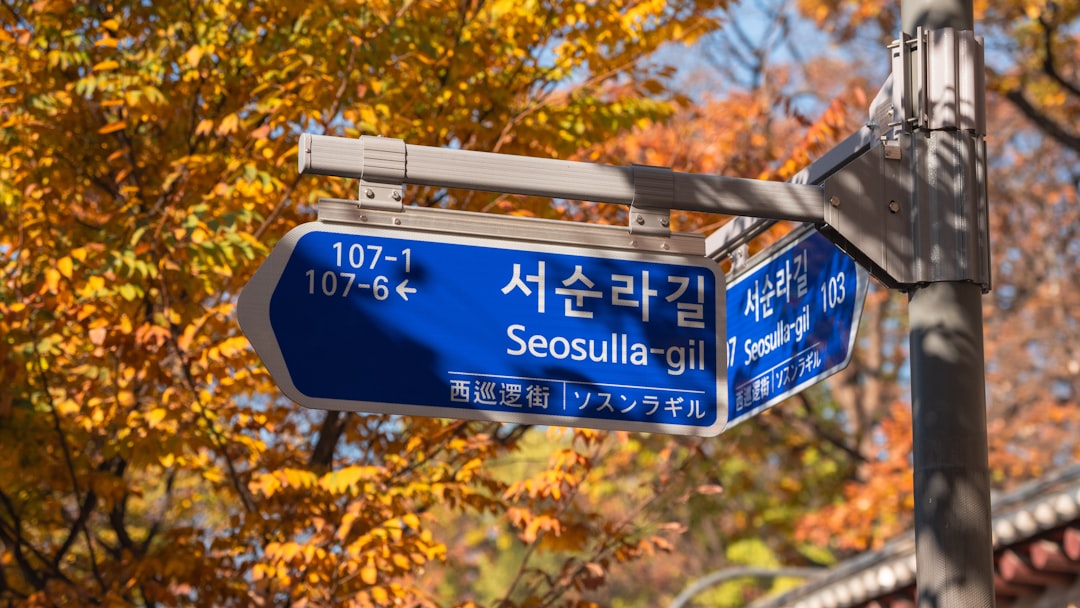
Why Visit Korea?
Watch: Korea 2026 Travel Guide: Best Places to Visit & Things to Do
A quick answer: Korea offers a unique blend of ancient traditions and modern trends, making it an enchanting destination for travelers seeking both cultural immersion and contemporary experiences. Book your trip today to experience the best of Seoul and beyond.
Korea is not just another tourist hotspot; it’s a melting pot of history and modernity that captivates every visitor. From the ancient palaces of Gyeongbokgung to the cutting-edge technology in Gangnam, Korea offers something for everyone. The country’s rich cultural heritage combined with its vibrant fashion scene makes it an ideal destination for those interested in exploring both traditional and contemporary aspects of Korean life.
Must-Visit Landmarks
- Gyeongbokgung Palace: This is the most iconic palace in Seoul, home to the National Folk Museum where visitors can explore Korea’s cultural history through exhibits ranging from traditional clothing to everyday artifacts. Gyeongbokgung offers a glimpse into the Joseon Dynasty and its influence on Korean culture.
- Dongdaemun Design Plaza (DDP): A striking architectural marvel that houses Seoul’s largest fashion market. DDP is a must-visit for those interested in design, architecture, or just shopping for trendy outfits.
Gyeongbokgung Palace stands as the epitome of Korea’s historical grandeur and is an essential stop on any tourist itinerary. The palace grounds are expansive, with each corner revealing more stories from the past. Visitors can explore pavilions like Geunjeongjon (the throne hall) where important state affairs were conducted.
Exploring Seoul
- Namdaemun Market: Dive into one of Korea’s oldest markets for a taste of traditional Korean street food and shopping. From dried seafood to handmade crafts, Namdaemun Market is a treasure trove of local flavors and souvenirs.
- Myeongdong Street: Known for its bustling shopping scene and delicious snacks, Myeongdong is the go-to destination for young shoppers looking to buy Korean fashion trends.
Seoul offers a plethora of experiences that cater to every type of traveler. One such experience is the Hanbok Rental, where visitors can dress up in traditional Korean attire and capture memorable moments at iconic sites like Gyeongbokgung Palace or Bukchon Hanok Village.
Traditional Clothing: Hanbok Rentals
- Hanbok That Day: A popular choice for tourists looking to experience traditional Korean culture. This service includes outfit selection, photoshoot at historical sites like Gyeongbokgung Palace or National Folk Museum.
Hanbok rentals have become increasingly popular among both domestic and international travelers. Not only do they provide a unique cultural experience but also offer beautiful photo opportunities that are sure to be cherished for years to come. Many rental shops in Seoul, such as Hanbok That Day, allow visitors to choose from a variety of traditional and modern Hanbok styles.
Key Takeaway: Renting a hanbok is an enriching cultural experience that allows you to immerse yourself in Korea’s rich history and traditions.
Fashionable Shopping Spots
- Gangnam Fashion District: Home to luxury brands like Louis Vuitton, Dior, and Gucci. It’s also the birthplace of K-Pop fashion trends.
- Myeongdong Street: Known for its trendy clothing stores and beauty shops offering the latest Korean skincare products.
Gangnam is synonymous with luxury shopping and cutting-edge fashion in Seoul. The district houses high-end boutiques, department stores, and designer outlets. Myeongdong, on the other hand, caters to a younger demographic looking for more affordable but stylish clothing options.
Cultural Experiences
- Traditional Tea Ceremony: Learn about Korean tea culture by participating in a traditional tea ceremony at one of Seoul’s many tea houses. These ceremonies are not only educational but also serene and relaxing.
Apart from the bustling markets and shopping districts, visitors can engage in various cultural activities that give insights into Korea’s traditions. Traditional tea ceremonies are an excellent way to learn about Korean hospitality and etiquette while enjoying a cup of green or herbal tea.
Key Takeaway: Engaging in traditional cultural experiences like the tea ceremony provides a deeper understanding of Korean customs and values.
Foodie Delights
- Gwangjang Market: Famous for its street food such as bindaetteok (mung bean pancakes) and tteokbokki (spicy rice cakes).
- Dongdaemun Market: Offers a wide variety of Korean cuisine in its numerous restaurants.
Food lovers visiting Korea should definitely include Gwangjang Market on their list. It’s one of the oldest markets in Seoul and is renowned for its diverse range of street food that reflects local tastes and traditions. Another great spot to enjoy authentic Korean flavors is Dongdaemun Market, which boasts an array of restaurants serving dishes like bulgogi and samgyeopsal.
Nightlife & Entertainment
- Itaewon: Known for its vibrant nightlife with numerous bars, clubs, and live music venues. It’s a melting pot of international flavors and cultures.
The heart of Seoul’s nightlife lies in the Itaewon district. This area is popular among expatriates and locals alike, offering a diverse range of entertainment options from upscale lounges to cozy bars serving Korean beer. Itaewon also hosts various cultural events throughout the year, making it a must-visit for anyone interested in exploring Seoul’s nightlife scene.
Getting Around
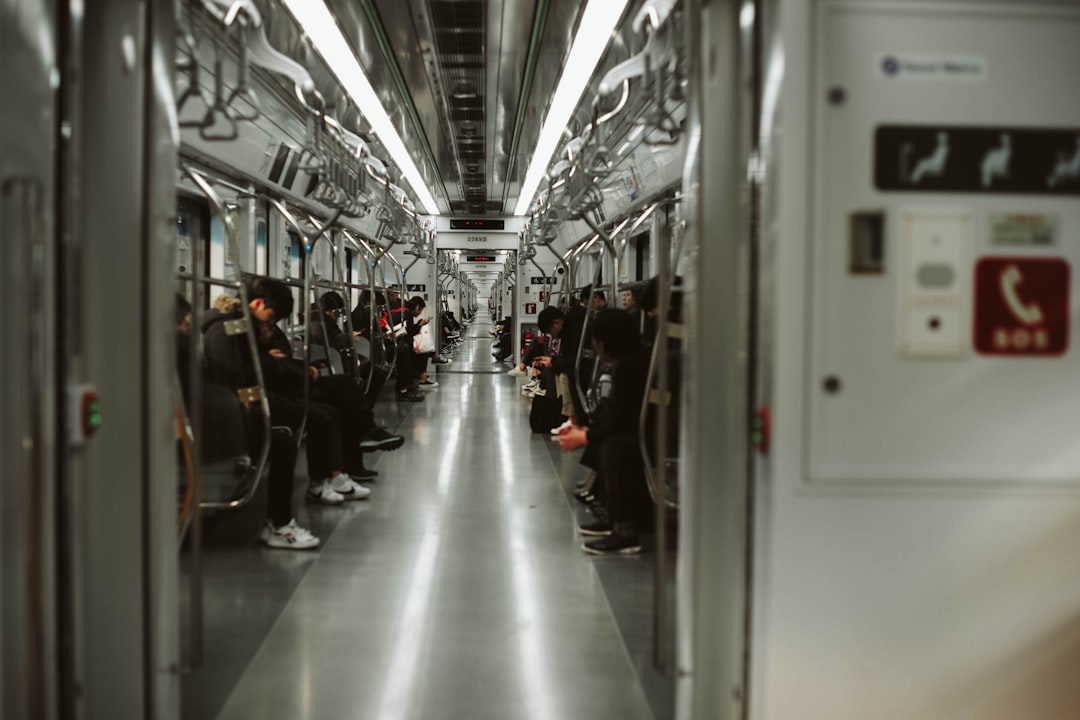
- Metro: The easiest way to navigate Seoul is through its extensive metro system which covers all major tourist spots and residential areas.
The metro in Seoul is one of the most efficient ways to get around the city. With multiple lines covering a vast network, it’s easy to reach any destination quickly and comfortably. Many visitors also use taxis or ride-sharing apps like Kakao T for shorter distances or when carrying luggage.
Accommodation
- Hotels: A range of options from luxury hotels in Gangnam to budget-friendly accommodations near Myeongdong and Hongdae.
Seoul offers a wide variety of accommodation choices suitable for every traveler’s needs. For those looking for comfort and convenience, the luxury hotels in Gangnam provide an excellent base with easy access to shops and restaurants. Alternatively, budget-conscious travelers might prefer staying near Myeongdong or Hongdae where there are plenty of guesthouses and hostels.
FAQs
- What is the best time to visit Korea?
The spring (March to May) and fall (September to November) seasons offer pleasant weather with fewer tourists. Summer can be hot and humid, while winter is cold but dry.
Korea experiences four distinct seasons, each with its unique charm. Spring and autumn are particularly favorable due to moderate temperatures and vibrant landscapes. However, the peak tourist season tends to be during these periods, so it might be beneficial to plan your visit slightly off-peak for a more serene experience.
- What should I pack?
Pack layers as weather can change rapidly between seasons. Don’t forget comfortable walking shoes and a good camera!
Dressing appropriately is key when visiting Korea. The country’s climate varies widely depending on the season, so it’s important to carry clothing that can be layered easily. Comfortable footwear like sneakers or flats is essential given how much walking you’ll do.
- Is English widely spoken?
While English isn’t as prevalent as in other Asian cities, most young people and those working in the tourism industry speak basic to intermediate levels of English.
English proficiency varies across different regions of Korea. Generally, younger generations are more likely to understand and converse in English due to their exposure through education or international travel. In tourist-heavy areas like Seoul, it’s common for staff at hotels, restaurants, and attractions to speak basic English.
Conclusion
With its rich history, vibrant culture, and modern amenities, Korea is a destination that continually surprises and delights visitors with new experiences. Whether you’re exploring ancient palaces or bustling markets, there’s always something fresh to discover in this dynamic country.