Why Korea’s Cherry Blossom Season Should Be on Your 2026 Bucket List
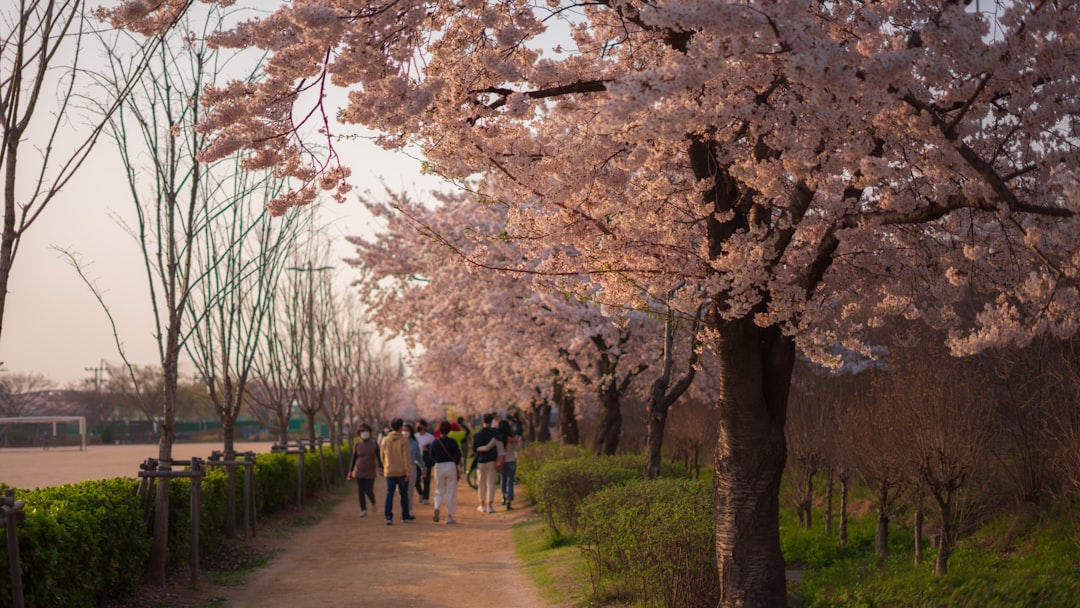
I still remember the first time I walked through Yeouido’s cherry blossom tunnel in Seoul — petals drifting down like pink snow, landing softly on my coffee cup, while thousands of Koreans picnicked under canopies of pale pink flowers. It was the kind of moment that makes you understand why the korea cherry blossom forecast 2026 generates millions of searches every single year. Cherry blossoms, or beot-kkot (벚꽃) in Korean, aren’t just flowers here. They’re a cultural event, a national mood shift, and honestly, one of the most visually stunning natural spectacles I’ve ever witnessed — and I’ve seen the cherry blossoms in Washington, D.C. and Tokyo.
But here’s what most travel guides won’t tell you: Korea’s cherry blossom season is dramatically shorter than Japan’s, lasting roughly 7–14 days per region, which means timing is everything. The bloom wave starts in the southern island of Jeju around late March and sweeps northward to Seoul by early-to-mid April. Miss your window by even three days, and you’ll arrive to bare branches or fallen petals.
In this guide, I’m breaking down the best cherry blossom spots in Korea for 2026 — from iconic Seoul locations to hidden gems in the countryside — complete with exact forecasted dates, transport directions, costs, and the insider tricks I’ve learned over five spring seasons in Korea. Whether you’re planning your first trip or your fifth, this is the only cherry blossom guide you’ll need.
Korea Tourism Organization Official SiteUnderstanding the Korea Cherry Blossom Forecast 2026: When and Where to Go

How the Cherry Blossom Forecast Works
Every year, the Korea Meteorological Administration (KMA) releases an official cherry blossom forecast in early March. This forecast predicts the first bloom date (when 3–4 flowers open on a sample tree) and the full bloom date (when 80%+ of buds have opened) for major cities across the country. For the korea cherry blossom forecast 2026, here’s what to expect based on historical trends and early climate data:
| Region | First Bloom (Est.) | Full Bloom (Est.) | Peak Viewing Window |
|---|---|---|---|
| Jeju Island | March 22–25 | March 28–31 | March 28 – April 3 |
| Busan / Gyeongju | March 26–29 | April 1–4 | April 1 – April 7 |
| Jinhae (Changwon) | March 27–30 | April 1–5 | April 1 – April 8 |
| Daegu / Gyeongsang | March 28 – April 1 | April 3–6 | April 3 – April 9 |
| Seoul / Gyeonggi | April 3–7 | April 8–12 | April 8 – April 14 |
| Chuncheon / Gangwon | April 8–12 | April 13–16 | April 13 – April 18 |
Pro Strategy: Chase the Bloom Wave
Seasoned cherry blossom chasers in Korea use a strategy I call “riding the bloom wave.” Since blossoms open south to north over roughly two to three weeks, you can plan a route that follows the wave: start in Jeju or Busan in late March, move to Jinhae and Gyeongju in early April, and finish in Seoul by mid-April. This way, you virtually guarantee peak blooms at every stop.
The KTX high-speed train makes this incredibly practical. Seoul to Busan takes just 2 hours 30 minutes ($45–60 USD one way via the KORAIL app), and Busan to Jinhae is a quick 40-minute bus ride. Download the KORAIL app to book KTX tickets in advance — seats sell out fast during cherry blossom season, especially on weekends.
Key tip: Bookmark the KMA’s official forecast page (released early March) and check Naver Map for real-time bloom status updates. Koreans obsessively track this, and local blogs on Naver will have neighborhood-level bloom reports updated daily.
Top 8 Cherry Blossom Spots in Korea for 2026
1. Jinhae Gunhangje Festival (Changwon) — The Undisputed Champion
If you see only one cherry blossom spot in Korea, make it Jinhae. This former naval port city (now part of Changwon) hosts the Jinhae Gunhangje Festival, Korea’s largest cherry blossom festival with over 350,000 cherry trees and 2+ million visitors annually. Think of it as Korea’s answer to Japan’s Yoshino — but with far fewer international tourists and significantly lower costs.
The two must-see spots within Jinhae are Yeojwacheon Stream and Gyeonghwa Station. Yeojwacheon is a winding stream flanked by hundreds of cherry trees whose branches arch over the water, creating a pink tunnel effect that’s unbelievably photogenic — especially at night when the trees are lit up. Gyeonghwa Station is a decommissioned train station where a single rail track stretches through a corridor of blossoms. It’s the single most photographed cherry blossom location in all of Korea.
Getting there: Take the KTX from Seoul Station to Changwon (~2 hours 40 minutes, $50 USD). From Changwon Station, shuttle buses run directly to Jinhae during the festival (about 30 minutes, $2 USD). Alternatively, express buses depart from Seoul Express Bus Terminal to Jinhae ($20–25 USD, 4 hours).
Cost: The festival itself is free. Budget around $30–50 per day for meals and local transport. Street food stalls sell everything from hotteok (sweet pancakes, $1.50) to dakkochi (chicken skewers, $3).
2026 festival dates: Expected April 1–10, 2026 (official dates announced in February).
2. Yeouido Spring Flower Festival (Seoul) — The Convenient Urban Classic
For visitors based in Seoul, Yeouido Hangang Park’s cherry blossom tunnel is the quintessential experience. The Yeouido Spring Flower Festival (영등포 여의도 봄꽃축제) lines the back street behind the National Assembly with approximately 1,800 cherry trees forming a 1.7-kilometer canopy. At full bloom, it genuinely feels like walking inside a cloud of cotton candy.
The street is closed to vehicles during the festival, and food vendors, buskers, and photo booths line both sides. It gets extremely crowded on weekends — I’m talking shoulder-to-shoulder for the entire stretch. My advice: go on a weekday morning before 9 AM or visit at night (after 7 PM) when the trees are illuminated and the crowds thin out considerably.
Getting there: Take Seoul Metro Line 5 or 9 to Yeouinaru Station (Exit 1). It’s a 5-minute walk to the festival entrance. Use your T-money card — subway fare is about $1.20 USD.
Cost: Free admission. Budget $10–15 for street food and drinks. Convenience stores along the river sell soju, beer, and snacks if you want to picnic under the blossoms like locals do.
VisitSeoul Cherry Blossom Guide3. Gyeongju — Ancient Capital Meets Cherry Blossoms
Gyeongju is often called “the museum without walls,” and during cherry blossom season, it transforms into something almost surreal. Imagine 1,000-year-old Silla Dynasty tombs and Buddhist temples framed by cascading pink blossoms — it’s a photographer’s paradise. The key spot is Bomun Lake Resort, where a 6-kilometer lakeside path is lined with cherry trees, and Bulguksa Temple, a UNESCO World Heritage Site where blossoms frame ancient stone pagodas.
What makes Gyeongju special is the combination of culture, nature, and fewer crowds compared to Jinhae or Seoul. You can rent a bicycle (about $5–8 USD for a full day) and ride between the royal tombs at Daereungwon, Cheomseongdae (the oldest surviving astronomical observatory in Asia), and the various cherry-lined paths without fighting for space.
Getting there: KTX from Seoul to Singyeongju Station (2 hours, $40–50 USD), then local bus 700 to Gyeongju city center (30 minutes, $1.50 USD). Alternatively, you can combine Gyeongju with a Busan trip since they’re only 30 minutes apart by KTX.
Cost: Bulguksa Temple entrance is $4 USD. Daereungwon Tomb Complex is $3 USD. Bike rental runs $5–8 per day. A full day exploring Gyeongju with meals costs around $40–60 USD.
4. Seokchon Lake (Seoul) — Lotte World’s Pink Paradise
Seokchon Lake in the Songpa district is Seoul’s other blockbuster cherry blossom location. The 1,000+ cherry trees encircling the lake create a stunning loop walk, and the backdrop of Lotte World Tower (Korea’s tallest building at 555 meters) gives you that perfect “ancient-meets-modern” photo. The annual Seokchon Lake Cherry Blossom Festival features light installations, food markets, and cultural performances.
This spot is more manageable than Yeouido for families and first-timers. The flat, paved path around the lake is stroller-friendly, and the adjacent Lotte World theme park and aquarium offer backup entertainment if you’re traveling with kids or the weather doesn’t cooperate.
Getting there: Seoul Metro Line 2 or 8, Jamsil Station (Exit 2 or 3). The lake is literally outside the station exit.
Cost: Free. Lotte World admission is $40–50 USD if you want the theme park add-on.
5. Hadong Ssanggyesa Temple Road (Gyeongnam) — The Romantic Hidden Gem
This is the spot I recommend to couples and anyone seeking a more serene, off-the-beaten-path experience. The 6-kilometer “Simni (10-ri) Cherry Blossom Road” leading to Ssanggyesa Temple in Hadong County is one of Korea’s designated scenic roads. The trees here are wild cherry varieties — their blossoms are slightly smaller and more delicate than the Yoshino cherries found in cities, and local legend says that couples who walk this road together will stay in love forever.
The road winds along the Seomjin River through a quiet, mountainous landscape. Street vendors sell fresh Hadong green tea (the region is Korea’s oldest tea-growing area) and local rice cakes. It’s the polar opposite of the crowded Seoul festivals — peaceful, romantic, and deeply Korean.
Getting there: This one requires more effort. Take the KTX to Jinju Station (3 hours from Seoul, $45 USD), then a local bus to Hadong (1 hour, $5 USD). From Hadong bus terminal, take bus 21 to Ssanggyesa (30 minutes, $2 USD).
Cost: Temple entrance is $2.50 USD. The walk is free. Budget a full day including transport.
Korean Dating Culture: 7 Things Foreigners Should Expect in 20266. Jeju Island — The First Blooms and Canola Flower Combos
Jeju blooms first because of its subtropical climate, making it ideal for travelers who want to beat the crowds and extend their season. The magic of Jeju’s cherry blossoms is the co-blooming with bright yellow canola flowers (yuchae), creating stunning pink-and-yellow color contrasts you won’t find anywhere else in Korea.
The best spots on Jeju include Jeonnong-ro (전농로) in Jeju City — a kilometer-long street tunnel of king cherry trees (a species unique to Jeju called wangbeonnamu) — and Noksan-ro near Seogwipo, where canola fields meet cherry trees with Hallasan Mountain in the background. The Jeju Cherry Blossom Festival along Jeonnong-ro features live music, food stalls, and traditional performances.
Getting there: Flights from Seoul Gimpo to Jeju take just 1 hour and cost $50–80 USD round trip on Jeju Air or T’way Air if booked early. From the airport, bus 365 reaches Jeonnong-ro in 15 minutes.
Cost: Free viewing everywhere. Jeju accommodation ranges from $40/night (guesthouses) to $150+ (resorts). Rent a car ($30–40/day) for flexibility — Jeju’s bus system is limited compared to the mainland.
7. Hwagae Market Cherry Blossom Road (Gurye/Hadong Border)
Straddling the border of Gurye and Hadong counties, the Hwagae Market cherry blossom road runs alongside the Seomjin River and is famous as a traditional market dating back centuries. During bloom season, the trees lining the road from Hwagae Market to Ssanggyesa Temple create a breathtaking natural arch. This area is particularly popular with Korean domestic tourists and offers an authentic countryside atmosphere.
Stop at Hwagae Market itself for fresh river fish, wild herbs, and handmade tofu. The area is also renowned for Jirisan Mountain hiking if you want to combine cherry blossom viewing with a trek. Think of it as Korea’s version of a New England autumn drive — scenic, unhurried, and full of local character.
Getting there: Express bus from Seoul to Gurye (3.5 hours, $22 USD). Local bus from Gurye to Hwagae Market (40 minutes).
8. Incheon Grand Park — The Family-Friendly Wildcard
If you’re arriving at Incheon Airport and want cherry blossoms without trekking into Seoul, Incheon Grand Park is a sleeper pick with over 7,000 cherry trees. The park also features a zoo, botanical garden, and cycling paths — perfect for jet-lagged families looking for a gentle first-day activity. Most international tourists skip this entirely, so it’s blissfully uncrowded.
Getting there: Incheon Metro Line 1 to Incheon Grand Park Station. The park entrance is a 5-minute walk from the station.
Cost: Free park admission. Zoo entrance is $1.50 USD. You can rent tandem bikes for $6/hour.
Getting There: Your Korea Cherry Blossom Trip Logistics

Flights from the US
Direct flights to Incheon International Airport (ICN) are available from LAX (~12 hours), JFK (~14 hours), and SFO (~12.5 hours) on Korean Air, Asiana, Delta, and United. For the korea cherry blossom forecast 2026 season (late March to mid-April), expect round-trip fares between $800–1,400 USD from major US cities. Book by January for the best deals — prices spike dramatically after February.
Budget hack: Check Jeju Air and T’way Air for connecting flights through Tokyo Narita — sometimes routing through Japan saves $200–300 on trans-Pacific fares.
Visa and Entry Requirements
US citizens enjoy visa-free entry to South Korea for up to 90 days. However, you must apply for a K-ETA (Korea Electronic Travel Authorization) at least 72 hours before departure. The K-ETA costs approximately $10 USD and is valid for 2 years. Apply online at the official K-ETA website — it takes about 10 minutes and approval usually comes within 24 hours.
Getting Around Korea
Korea’s transport infrastructure is world-class and remarkably affordable compared to the US or Western Europe. Here’s your transport toolkit:
- T-money Card: Buy one at any convenience store in the airport ($3 USD for the card, then load money). Works on all subways, buses, and even taxis across the country. Think of it as Korea’s Oyster Card or MetroCard, but universal.
- KTX (High-Speed Train): Korea’s bullet train connecting major cities at speeds up to 190 mph. Book via the KORAIL app (available in English). Seoul to Busan: 2.5 hours, $45–60 USD.
- Seoul Metro: 23 lines covering 730+ stations. Rides average $1.20 USD. Use Naver Map (NOT Google Maps — it’s unreliable in Korea) for directions.
- Express Buses: Comfortable, affordable ($15–30 USD for intercity routes), and they go everywhere the KTX doesn’t.
- Taxi: Cheap by American standards. A 30-minute ride in Seoul runs about $10–15 USD. Use KakaoTalk’s taxi feature (KakaoT) — it’s Korea’s Uber equivalent.
Essential apps to download before your trip:
- Naver Map — Navigation and transit (far superior to Google Maps in Korea)
- Papago — Naver’s translation app (better than Google Translate for Korean)
- KakaoTalk — Korea’s universal messaging app + taxi service
- KORAIL — KTX train booking
- Creatrip or Klook — Tours and activity bookings with English support
Budget Breakdown: How Much Does a Korea Cherry Blossom Trip Cost?
One of the best things about Korea as a travel destination is that it’s significantly cheaper than Japan for a comparable experience. Here’s a realistic daily budget breakdown for cherry blossom season 2026:
| Category | Budget ($) | Mid-Range ($) | Comfort ($) |
|---|---|---|---|
| Accommodation (per night) | $25–40 (hostel/guesthouse) | $60–100 (hotel/Airbnb) | $150–250 (4-star hotel) |
| Meals (3 per day) | $15–25 | $30–50 | $60–100 |
| Local Transport | $5–10 | $10–20 | $20–40 |
| Activities/Entrance Fees | $5–10 | $15–30 | $30–60 |
| Daily Total | $50–85 | $115–200 | $260–450 |
For a 7-day cherry blossom trip from the US: Budget travelers can do it for under $1,500 total (including flights), mid-range for $2,500–3,500, and comfort travelers for $4,000–5,000. Compare that to a similar Japan cherry blossom trip, which typically runs 30–50% more expensive.
Don’t miss the iconic Korean fried chicken and beer (chimaek) combo under the blossoms — it’s practically a national tradition during spring. A whole fried chicken costs $12–18 at chains like BBQ Chicken or BHC, and a bottle of soju runs $3–4 at convenience stores.
Korean Fried Chicken Recipe: Crispy Secret for 2026Cultural Etiquette: How to Enjoy Cherry Blossoms Like a Local

Picnic Rules and Public Space Manners
Cherry blossom viewing (꽃구경, kkot-gugyeong) is deeply social in Korea. Families, friend groups, and couples spread out mats under the trees for elaborate picnics. If you want to join in, here are the cultural norms Americans should know:
- Never shake or climb the trees. This is considered extremely disrespectful and can get you publicly scolded. Koreans are protective of their cherry trees.
- Clean up everything. Korea has a strong communal responsibility culture. Bring a bag and take all trash with you — you’ll notice how impeccably clean these festival sites are despite millions of visitors.
- Remove shoes on picnic mats. If someone invites you to sit on their mat (which happens — Koreans are wonderfully hospitable), always remove your shoes first.
- Don’t block photo spots. Be mindful of the unspoken queuing system at popular photo locations. Take your shots quickly and move on.
- Alcohol is fine. Unlike many US parks, drinking in public parks is perfectly legal and normal in Korea. Soju and beer under cherry blossoms is a beloved tradition. Just don’t get rowdy — Korean drinking culture values composure.
Photography Etiquette
Koreans take their cherry blossom photography very seriously. You’ll see people in coordinated outfits, professional camera setups, and even rented hanbok (traditional Korean clothing) for the perfect shot. A few tips:
- Don’t walk into others’ shots. Pay attention to cameras and wait for a clear moment.
- Ask before photographing people — especially children. This is a universal courtesy but particularly important in Korea.
- Rent a hanbok for $15–25 near major sites. Many temples and palaces offer free admission if you’re wearing hanbok, and the photos are absolutely stunning against cherry blossoms.
Insider Tips: Cherry Blossom Secrets Most Tourists Miss
After five springs in Korea, here are my hard-won insider strategies for the korea cherry blossom forecast 2026 season:
- Check the “Blossom Map” on Naver, not Western sources. Search “벚꽃 개화” on Naver for real-time, neighborhood-level bloom updates. Korean bloggers post daily updates with exact photos from specific streets. Western travel sites often recycle generic dates.
- Visit palace grounds at cherry blossom time. Changdeokgung, Gyeongbokgung, and Deoksugung palaces all have cherry trees, and the combination of Joseon-era architecture with blossoms is breathtaking. Changdeokgung’s Secret Garden (requires separate timed ticket, $5 USD) is especially magical.
- Hit the Han River cycling path. Rent a bike ($4/hour from any Ttareungyi Seoul Bike station using the app) and ride the Yeouido-to-Banpo section during bloom. You’ll pass under cherry tunnels with far fewer people than the main festival area.
- Night viewing (야경) is underrated. Many spots — including Yeouido, Seokchon Lake, and Jinhae’s Yeojwacheon Stream — illuminate their trees at night. The atmosphere is completely different: romantic, less crowded, and photographically stunning with reflections on water.
- Combine with K-pop pilgrimage spots. Many cherry blossom locations are near iconic K-pop filming spots. The area around HYBE headquarters in Yongsan blooms beautifully, and Hongdae’s tree-lined streets are gorgeous in spring.
- Book the SRT instead of KTX. Korea’s second high-speed rail (departing from Suseo Station in southern Seoul) often has better availability and slightly lower prices than the KTX for Busan/Gyeongju routes.
- Avoid weekends at all costs. Korean cherry blossom spots on Saturday and Sunday are crushingly packed. Tuesday through Thursday mornings are the sweet spot — you’ll feel like you have the place to yourself.
- Bring a portable mat and convenience store snacks. The local move is buying gimbap ($2.50), tteokbokki ($3), and canned coffee from CU or GS25 convenience stores, then spreading out under the trees. It’s the most authentically Korean cherry blossom experience you can have.
What Else to Do During Cherry Blossom Season in Korea

Spring Festival Calendar
Cherry blossom season overlaps with several other incredible events across Korea. If you’re already making the trip, try to catch:
- Yeouido Spring Flower Festival (early-mid April) — Seoul’s biggest, with 1,800+ trees and food markets
- Jinhae Gunhangje Festival (early April) — 350,000 trees, parades, and the famous Yeojwacheon night lights
- Gyeongju Cherry Blossom Marathon (early April) — Run a 10K or half-marathon through blooming ancient ruins
- Jeju Canola and Cherry Blossom Festival (late March) — Pink and yellow double bloom unique to Jeju
- Hwagae Cherry Blossom Festival (early April) — Traditional market along a riverside cherry road
Beyond Blossoms: Spring Activities
Spring is arguably the best overall season to visit Korea. Beyond cherry blossoms, you can explore vibrant night markets in Hongdae and Myeongdong, visit K-beauty flagship stores for the latest spring skincare launches, sample seasonal strawberry desserts (Korea goes strawberry-crazy in spring), and catch outdoor K-pop busking performances.
For nature lovers, the azalea blooms on Biseulsan Mountain (near Daegu) and the green tea fields of Boseong (south coast) are both spectacular in April and pair perfectly with a cherry blossom itinerary.
Snail Mucin vs Centella Asiatica Benefits: Which Is Better in 2026? suggested topic — Best Korean Street Food Guide for Spring 2026 suggested topic — Seoul to Busan: The Ultimate KTX Day Trip GuideFrequently Asked Questions About Korea Cherry Blossom Season 2026
When is the best time to see cherry blossoms in Korea in 2026?
Based on the korea cherry blossom forecast 2026, the best time varies by region. Jeju Island blooms first around late March (March 25–31). Southern cities like Busan and Jinhae reach full bloom in early April (April 1–7). Seoul peaks around April 8–14. For the widest window, plan your trip between March 28 and April 14 and travel south to north.
How long do cherry blossoms last in Korea?
At any single location, cherry blossoms last approximately 7–10 days from first bloom to petal fall, with the peak (full bloom) lasting only 3–5 days. However, since the bloom wave moves south to north across the country over about three weeks, you can extend your viewing by visiting multiple cities. Heavy rain or strong winds can shorten the bloom period significantly — always have a backup plan.
Is it worth visiting Jinhae for cherry blossoms, and how crowded is it?
Absolutely worth it — Jinhae is the single best cherry blossom destination in Korea, bar none. The 350,000+ trees create an experience that surpasses even Kyoto. That said, it draws over 2 million visitors during the 10-day festival. Go on a weekday morning (Tuesday–Thursday, before 10 AM) for manageable crowds. Weekends are extremely packed, especially the first Saturday of the festival. The night illumination at Yeojwacheon Stream is stunning and slightly less crowded than daytime.
Do I need to book accommodation in advance for cherry blossom season?
Yes, absolutely. Cherry blossom season is peak travel time in Korea, and hotels in popular areas (Yeouido, Jamsil, Jinhae, Gyeongju) book up fast. I recommend reserving accommodation at least 2–3 months in advance, especially for weekends. For Jinhae specifically, many visitors base themselves in Busan or Changwon since Jinhae has limited hotel options. Seoul has plenty of capacity, but prices rise 20–40% during peak bloom week. Consider Airbnb or guesthouses in residential neighborhoods like Mapo-gu or Seongsu-dong for better rates.
Can I see cherry blossoms at night in Korea?
Yes, and I highly recommend it! Several locations offer spectacular night cherry blossom viewing (야간 벚꽃) with illuminated trees. The top night spots include: Yeojwacheon Stream in Jinhae (pink lights reflecting in the water), Seokchon Lake in Seoul (with Lotte World Tower lit up behind), Yeouido (the tunnel is lit until late), and Gyeongju Bomun Lake (lantern reflections on the water). Night viewing is typically less crowded and more romantic — it’s a local favorite for date nights.
What should I wear for cherry blossom viewing in Korea?
Early April in Korea is transitional weather — daytime temperatures range from 50–65°F (10–18°C), but mornings and evenings can dip to 40°F (5°C). Dress in layers: a light jacket or trench coat, comfortable walking shoes (you’ll walk 10,000–20,000 steps easily), and bring a compact umbrella for spring showers. Many Koreans wear pastel colors or white to match the blossoms for photos — it’s not required, but you’ll blend in. If renting hanbok, the shop provides the full outfit.
Visit Korea Cherry Blossom ForecastRelated Posts You’ll Love
Planning the rest of your Korea trip? Don’t miss these guides:
- Hongdae Best Cafes and Bars at Night: 2026 Guide — Perfect for winding down after a day of cherry blossom viewing
- 7 K-Pop Idols With the Best K-Drama Roles in 2026 — Queue up some K-dramas filmed at cherry blossom spots before your trip
- Korean Fried Chicken Recipe: Crispy Secret for 2026 — Master the art of chimaek before your hanami picnic
suggested topic — Complete 7-Day Korea Spring Itinerary for First-Timers 2026
Start Planning Your Korea Cherry Blossom Adventure
The korea cherry blossom forecast 2026 points to another breathtaking spring season, and whether you chase the first blooms in Jeju or catch the peak in Seoul, you’re in for an unforgettable experience. Korea offers something Japan can’t quite match — the combination of world-class blossoms with K-pop culture, incredible food, affordable prices, and a transport system that makes exploring multiple cities effortless.
My top recommendation for first-timers: Fly into Incheon, spend 3 days in Seoul (Yeouido + Seokchon Lake + palace blossoms), take the KTX to Jinhae for 2 days, and finish with a day in Gyeongju. That gives you the full spectrum of Korea’s cherry blossom magic in under a week.
Have you visited Korea during cherry blossom season? Drop your favorite spots and tips in the comments below — I’m always looking for new hidden gems! And if this guide helped you plan your trip, share it with friends who are dreaming of a spring Korea adventure. Every share helps us keep creating free, in-depth travel guides.
Got questions about the 2026 cherry blossom season? Ask away in the comments — I personally respond to every question and I’m happy to help you fine-tune your itinerary. Don’t forget to bookmark this page, as I’ll update the forecast dates once the KMA releases the official 2026 predictions in early March. Happy blossom chasing! 🌸