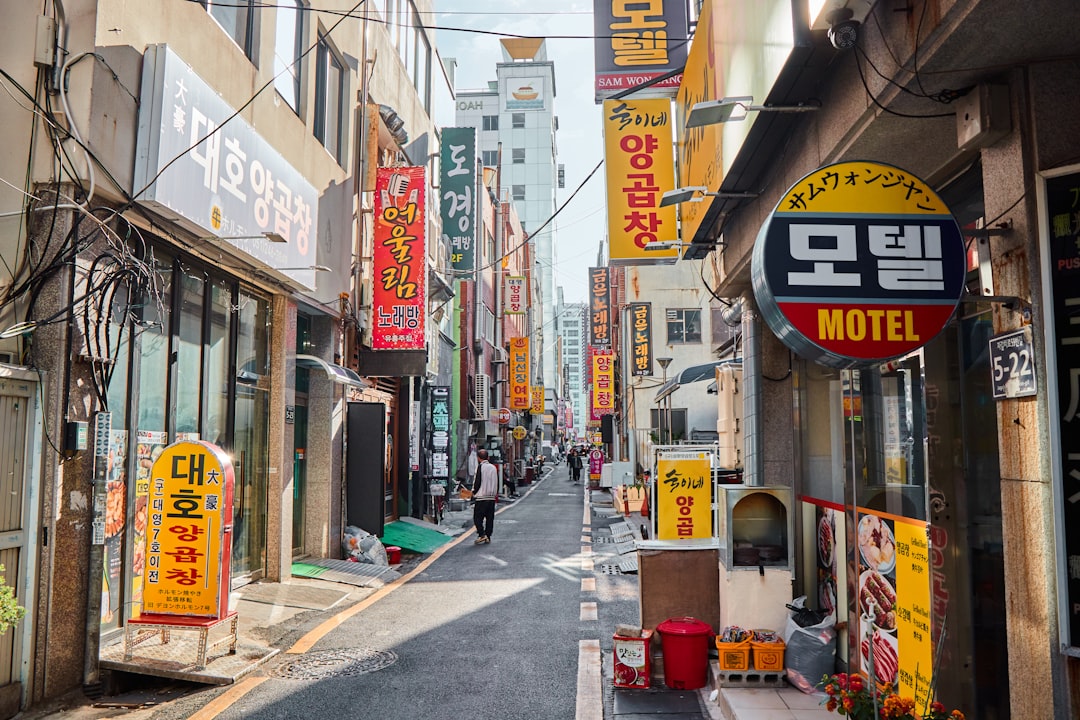
Why Korea Is the Best-Kept Budget Travel Secret in Asia
I still remember standing in the middle of Gwangjang Market in Seoul, holding a plate of freshly made bindaetteok (mung bean pancakes) that cost me exactly $2.50. Around me, locals and travelers alike were devouring steaming bowls of kalguksu noodles for $4, washing it down with makgeolli rice wine at $3 a bottle. That moment crystallized something I’d been suspecting throughout my trip: Korea budget travel tips 2026 aren’t just about cutting corners — they’re about discovering that the most authentic Korean experiences are often the cheapest ones.
Here’s a fact that surprises most American travelers: South Korea can actually be less expensive than a weekend trip to New York City. A filling meal at a local restaurant costs $5–8. A pristine subway ride across Seoul is $1.30. A night in a stylish guesthouse runs $25–40. And some of the country’s most jaw-dropping experiences — hiking Bukhansan’s granite peaks, wandering Gyeongbokgung Palace grounds, soaking in free public foot spas — cost absolutely nothing.
Whether you’re a college student planning your first international trip or a seasoned traveler looking to stretch your dollars further, this guide covers every single thing you need to know about traveling Korea on a budget in 2026. I’ve broken down real costs, shared the apps that will save you money daily, and included insider tricks that most travel blogs skip entirely. Let’s dive in.
Getting There: Flights, Visas, and Arrival on a Budget

Finding Cheap Flights from the US
The single biggest expense for any Korea trip is your flight, but 2026 is actually an excellent year for affordable airfare to Seoul. Round-trip flights from LAX to Incheon (ICN) regularly drop to $550–750 on carriers like Korean Air, Asiana, and budget-friendly options like Zipair and Air Premia. From JFK, expect $600–850 round trip. SFO travelers often find the best deals, sometimes snagging fares under $500 on Zipair’s direct routes.
Booking strategies that actually work:
- Book 8–12 weeks in advance for the sweet spot on pricing. Last-minute deals to Asia are rare.
- Use Google Flights with flexible date searches — shifting your departure by just 2–3 days can save $200+.
- Set price alerts on Hopper and Scott’s Cheap Flights (now Going.com) for Korea-specific deals.
- Consider flying midweek (Tuesday/Wednesday departures) for consistently lower fares.
- Zipair from LAX or SFO offers no-frills flights starting around $400 one-way — bring your own food and entertainment and you’ll save a bundle.
Pro tip: If you’re flexible, look for flights into Busan (PUS) via connecting flights. Sometimes routing through Tokyo or Osaka and hopping a budget carrier to Busan saves $100–200 over direct Seoul flights.
Visa-Free Entry and K-ETA
Great news for American passport holders: US citizens can enter South Korea visa-free for up to 90 days. However, as of 2026, you do need a K-ETA (Korea Electronic Travel Authorization) before boarding your flight. It costs $10, takes about 10 minutes to complete online, and is typically approved within 24 hours — though I recommend applying at least 72 hours before departure to be safe.
Apply at the official K-ETA website only. Watch out for third-party sites charging $30–50 for the same service. Your K-ETA is valid for two years, so if you fall in love with Korea (you will), your return trip is already covered. Korea Tourism Organization official site
Navigating Incheon Airport Like a Pro
Incheon International Airport (ICN) is consistently ranked among the world’s best airports, and it’s also fantastically budget-friendly to get from there into the city. Here are your options from cheapest to fastest:
| Transport | Cost | Time to Seoul Station | Best For |
|---|---|---|---|
| Airport Railroad (AREX) All-Stop | $4.50 | ~66 min | Budget travelers |
| Airport Railroad (AREX) Express | $8.00 | ~43 min | Speed + value balance |
| Airport Limousine Bus | $12–16 | ~70–90 min | Direct hotel drop-off |
| Taxi | $55–80 | ~60 min | Groups of 3–4 splitting cost |
My recommendation: Take the AREX All-Stop train for $4.50. It’s clean, air-conditioned, has luggage racks, and connects directly to Seoul’s subway system. Pick up a T-money card at the convenience store in the arrivals hall before you board — this rechargeable transit card will become your best friend for the entire trip.
Accommodation: Where to Sleep Without Breaking the Bank
Guesthouses and Hostels ($15–40/night)
Korea’s guesthouse scene is leagues ahead of what most Americans expect from budget accommodation. These aren’t dingy backpacker joints — many Korean guesthouses are beautifully renovated hanok (traditional houses) or sleek modern spaces with free breakfast, fast Wi-Fi, laundry facilities, and communal kitchens.
In Seoul, dorm beds run $15–25 per night, while private rooms at guesthouses cost $30–45. Top neighborhoods for budget stays include:
- Hongdae — backpacker central with nightlife, street food, and subway access
- Jongno/Insadong — traditional hanok guesthouses near palaces and cultural sites
- Myeongdong — shopping central, slightly pricier but unbeatable location
- Mapo/Hapjeong — trendy cafes, lower prices than Hongdae, same subway line
Book through Booking.com or Agoda (Agoda often has better Asia-specific deals). For the absolute cheapest rates, check Korean platforms like Yanolja or Goodchoice — they frequently have same-day discounts of 30–50% that Western booking sites don’t list.
Jjimjilbangs: Korea’s $10 Overnight Experience
Here’s a budget travel hack that’s uniquely Korean: spend a night at a jjimjilbang (Korean spa/bathhouse). For just $8–15, you get access to hot baths, saunas, themed rooms (ice room, salt room, jade room), a sleeping area with mats and pillows, and often a cafeteria serving cheap Korean comfort food.
Major chains like Dragon Hill Spa near Yongsan Station or Siloam Sauna near Seoul Station are open 24 hours. You’ll be given pajama-like clothes, a locker, and free reign of the facility. It’s the most “Korean” thing you can do, and it doubles as both entertainment AND accommodation. I saved over $120 during my last two-week trip by doing jjimjilbang nights three times instead of booking a hotel.
Templestays: Cultural Immersion for $30–50
For a truly unforgettable budget experience, consider a templestay at one of Korea’s hundreds of Buddhist temples. Programs start at $30–50 per night and include meals (temple food is incredible), meditation sessions, tea ceremonies, and a sleeping room in the temple grounds. It’s like a wellness retreat that costs less than a single night at a US motel. Book through the official Templestay.com program — it’s a government-supported initiative designed specifically for international visitors.
Getting Around: Transportation That Won’t Drain Your Wallet

The T-money Card: Your All-in-One Transit Pass
The T-money card is the single most important thing to buy when you land in Korea. This rechargeable IC card works on virtually every form of public transit in the country — Seoul subway, buses, intercity buses, taxis, convenience store purchases, and even vending machines.
Buy one for $3 at any convenience store (CU, GS25, 7-Eleven) and load it with cash at subway station machines. Every ride gives you a small transfer discount when you tap between subway and bus within 30 minutes — saving roughly $0.20 per transfer. Over a two-week trip with 4–5 rides per day, that adds up to $20+ in savings versus buying single tickets.
Seoul subway fares start at just $1.30 for the first 10 km, making it one of the cheapest metro systems in any developed nation. Compare that to NYC’s $2.90 or London’s £2.80. The system is also immaculately clean, perfectly punctual, and has station signage in English, Korean, Chinese, and Japanese.
KTX and Intercity Trains
Korea’s KTX bullet train is the equivalent of Japan’s Shinkansen — but significantly cheaper. A Seoul-to-Busan ticket (the most popular route, covering 325 km in just 2.5 hours) costs $42–52 one-way. Compare that to Japan’s equivalent Shinkansen route at $120+.
Budget alternatives for intercity travel:
- ITX-Saemaeul trains — slightly slower than KTX but 30% cheaper ($30–35 Seoul to Busan)
- Mugunghwa trains — the economy option at $22–28, taking about 5.5 hours for the same route
- Express buses — often the cheapest option at $18–25 for Seoul-Busan, departing from Express Bus Terminal every 15–20 minutes
Book KTX tickets through the KORAIL app (available in English). If you’re planning multiple KTX trips, look into the KR Pass — a rail pass for foreigners offering unlimited KTX travel for 2–5 days starting at about $80. Three or more KTX rides and the pass pays for itself. Visit Korea transportation guide
Essential Apps for Navigation
Download these before you leave home — they’ll save you money, time, and confusion daily:
- Naver Map — THE map app for Korea. Google Maps works poorly here. Naver shows real-time bus/subway schedules, walking routes through alleyways, and even indoor floor plans of malls.
- Papago — Naver’s translation app. Superior to Google Translate for Korean. Use the camera feature to translate menus in real-time.
- KakaoTalk — Korea’s WhatsApp. Every Korean uses it. Essential for restaurant reservations and communicating with guesthouse hosts.
- KORAIL — Book KTX and intercity trains at the best prices.
- Subway Korea — Offline subway maps with fare calculators and route planning.
Eating Like a Local: Korea’s Incredible $3–8 Meal Culture
Where Locals Actually Eat (and You Should Too)
Korean food culture is inherently budget-friendly, and that’s not an exaggeration. Unlike many tourist destinations where “cheap food” means sacrificing quality, Korea’s most affordable meals are often the most delicious. The secret? Korea has a deep cultural tradition of communal, homestyle cooking, and many restaurant owners take immense pride in offering generous portions at fair prices.
Here’s what real meals cost at local Korean restaurants in 2026:
| Meal | Average Cost | What You Get |
|---|---|---|
| Kimbap (rice roll) | $2.50–3.50 | A full roll + often soup |
| Bibimbap | $5–7 | Rice, vegetables, egg, sauce + banchan sides |
| Kimchi jjigae (stew) | $5–6 | Stew + rice + 3–5 banchan |
| Samgyeopsal (BBQ pork belly) | $8–12 | Meat, lettuce, sauces, banchan — per person |
| Tteokbokki (street food) | $2–4 | Spicy rice cakes, generous serving |
| Korean fried chicken + beer | $12–15 | Full chicken + draft beer (serves 2) |
| Convenience store meal | $3–5 | Triangle kimbap + ramen + drink |
Every Korean restaurant serves banchan (side dishes) for free — and they’re unlimited refills. You’ll get kimchi, pickled radish, seasoned spinach, bean sprouts, and more without paying a single extra cent. This concept doesn’t really exist in American dining, and it means your $5 stew comes with what amounts to a full table of food. Best Korean Instant Ramyeon Ranking 2026: Top 15 Picks
Street Food Markets to Hit
Korean street food markets are budget travel paradise. My top picks:
- Gwangjang Market (Seoul) — Korea’s oldest market. Famous for bindaetteok ($2.50), mayak kimbap ($3), and raw beef yukhoe ($8). Go hungry.
- Namdaemun Market (Seoul) — street food alley has hotteok (sweet pancakes, $1), fish cakes ($1.50), and galchi jorim (braised cutlassfish, $6).
- Tongin Market (Seoul) — unique “lunch box cafe” system where you buy coins ($5) and exchange them for different dishes at each vendor to build your own custom lunch box.
- Jagalchi Market (Busan) — the biggest seafood market in Korea. Eat an entire fresh sashimi platter for $15–20 that would cost $60+ at a US restaurant.
- Seomun Market (Daegu) — flat dumplings (납작만두) for $2 and udon for $3 in Korea’s hottest city.
How to Make Tteokbokki at Home: Easy Recipe 2026
7 Best Korean Desserts to Try at Home in 2026
Convenience Store Hacks
Korean convenience stores — CU, GS25, 7-Eleven, Emart24 — are genuinely amazing. Unlike their American counterparts, Korean convenience stores stock fresh kimbap, hot stews, restaurant-quality ramyeon stations (with free hot water and utensils), salads, fresh fruit cups, and craft-level sandwiches.
A convenience store breakfast of a triangle kimbap ($1) + hot coffee ($1.50) + banana ($0.50) comes to just $3. Many stores have seating areas and even microwave/hot water stations. Korean convenience store ramyeon at midnight — cooked fresh at the in-store station — is an experience every budget traveler needs at least once. 7 Traditional Korean Desserts to Try First Time in 2026
Free and Cheap Things to Do in Korea

Free Attractions Worth a Full Day
Korea has a staggering amount of completely free attractions that rival paid experiences in most countries. Here are the highlights:
- Gyeongbokgung Palace — free entry if you wear hanbok (traditional Korean dress), which you can rent nearby for $10–15 for 2 hours. Even without hanbok, admission is just $2.50.
- Bukhansan National Park — world-class granite peak hiking just 40 minutes from downtown Seoul by subway. Free entry, stunning views, and you’ll see Korean hikers sharing trail snacks with strangers.
- Ihwa Mural Village — an entire hillside neighborhood turned into an open-air art gallery. Free to wander.
- Han River Parks — 12 parks stretching along the Han River with free exercise equipment, bike paths, and picnic areas. Rent a bike for $3/hour or just spread a mat and enjoy the scene like locals do. Han River Picnic Spot Guide 2026: 7 Best Parks
- National Museum of Korea — one of Asia’s finest museums. Permanent collection is 100% free.
- Starfield Library (COEX Mall) — a breathtaking two-story library inside a mall. Instagram-worthy and completely free.
- Namsan Tower trail — skip the cable car ($8) and hike up instead. The 30-minute trail through the forest is arguably better than the cable car ride.
Budget Activities Under $10
Even the paid attractions in Korea are remarkably affordable compared to Western equivalents:
- Jjimjilbang visit — $8–15 for hours of sauna, bath, and relaxation (beats any US spa at $80+)
- Noraebang (karaoke room) — $5–8/hour for a private room. Way more fun than American karaoke bars, and you control the song list.
- PC bang (gaming cafe) — $1/hour for high-end gaming rigs. Even non-gamers should experience this cultural phenomenon.
- Korean cooking class — budget group classes start at $15–25 (check through Airbnb Experiences or Trazy.com)
- DMZ tour — available from $35–45 including transport from Seoul, which is incredible value for visiting one of the most historically significant borders on Earth
Why Do Korean Couples Wear Matching Outfits? 2026 Guide
Seasonal Experiences That Cost Nothing
Korea’s four distinct seasons each offer unforgettable free experiences that rival paid attractions in other countries:
Spring (March–May): Cherry blossom season is absolutely magical. Yeouido’s cherry blossom festival along the Han River, Gyeongju’s Bomun Lake trail, and Jinhae’s famous cherry blossom tunnel — all free. Time your trip for early-to-mid April for peak blooms.
Summer (June–August): Beach season at Busan’s Haeundae and Gwangalli beaches (free). Night markets multiply. Boryeong Mud Festival in July is one of Korea’s most famous events.
Autumn (September–November): Korea’s fall foliage rivals Vermont and costs nothing to enjoy. Seoraksan National Park, Naejangsan, and even Seoul’s Namsan trail explode in red, orange, and gold. Late October to early November is peak.
Winter (December–February): Ski resorts like Yongpyong and High1 offer lift tickets for $40–60 — less than half of comparable US resorts. Seoul’s Christmas markets and holiday light festivals are free to attend.
Budget Breakdown: What a Week in Korea Actually Costs
Let’s get specific with a realistic daily budget for a budget-conscious traveler. These are real numbers based on my 2026 experiences, not the wishful-thinking figures some blogs publish:
Daily Budget Estimates
| Category | Budget ($) | Mid-Range ($) |
|---|---|---|
| Accommodation | $20–35 (hostel/guesthouse) | $50–80 (hotel) |
| Food | $15–25 (local restaurants + street food) | $30–50 |
| Transport | $5–8 (subway + bus) | $10–20 |
| Activities | $0–10 (free sites + 1 paid) | $15–30 |
| Misc (SIM, snacks, souvenirs) | $5–10 | $10–20 |
| Daily Total | $45–88 | $115–200 |
That means a 7-day budget trip to Korea costs roughly $315–615 excluding flights. Even at the mid-range level, a full week with comfortable hotels and regular restaurant meals comes to $805–1,400. Add a $600 round-trip flight from LAX and your total all-in Korea trip is $900–1,200 on a budget. That’s less than many domestic US vacations.
Where to Save vs. Where to Splurge
Save on: Accommodation (guesthouses are wonderful), transit (public transport is cheap and excellent), breakfast/lunch (convenience stores and market food are delicious).
Splurge on: One Korean BBQ dinner with friends ($15–20 per person is a splurge by Korea standards but an incredible experience). One KTX ride for the bullet-train experience. One quality hanbok rental for Gyeongbokgung photos.
Cultural Etiquette Tips That Save You Money (and Embarrassment)

Dining Etiquette
Understanding Korean dining culture doesn’t just earn you respect — it helps you navigate budget eating more effectively:
- Never tip. Tipping is not customary in Korea and can even be considered rude. This alone saves you 15–20% compared to dining in the US.
- Banchan are free and refillable. Don’t be shy about asking for more. Say “banchan deo juseyo” (반찬 더 주세요).
- Water is always free at restaurants — usually self-serve from a dispenser.
- Use both hands when receiving items or pouring drinks for someone older. It shows respect.
- Don’t blow your nose at the table. Step away if needed.
- The oldest person eats first. Wait until the eldest picks up their chopsticks before you start.
10-Step Korean Skincare Routine for Beginners (2026 Guide)
General Money-Saving Culture Tips
Shoes off indoors. Always remove shoes when entering guesthouses, temples, and traditional restaurants (look for raised floor seating). Wear clean socks — Koreans notice.
Bowing is free goodwill. A slight bow when greeting someone goes a long way. You don’t need to go deep — a 15-degree head nod works perfectly and will immediately earn you warmer treatment at shops and restaurants.
Learn 5 Korean phrases and watch prices drop at markets. “Eolmayeyo?” (얼마예요? — How much?), “Kamsahamnida” (감사합니다 — Thank you), and “Mashisseoyo” (맛있어요 — Delicious) will get you smiles, extra banchan, and occasionally a free sample from a street food vendor who appreciates the effort.
Cash still matters in traditional markets. While Korea is incredibly card-friendly in most places, traditional markets and small vendors often prefer cash. Keep 50,000–100,000 won ($35–70) in cash for market runs.
Insider Tips: Budget Hacks Most Blogs Won’t Tell You
After multiple extended trips to Korea, here are the korea budget travel tips 2026 that go beyond the basics:
- Visit “Set Meal” restaurants (백반, baekban). These homestyle Korean restaurants serve a full meal — rice, soup, main dish, and 5–8 banchan — for $5–7. They’re everywhere but rarely mentioned in English guides. Look for the characters 백반 on signs.
- Use the Coupang Eats / Baedal Minjok apps for delivery discounts. First-time user coupons often give $3–5 off, and late-night delivery combos are absurdly cheap.
- Free airport shuttle hack: Some airport limousine buses offer free returns within 14 days if you keep your ticket. Check the specific bus line’s policy when you buy your ticket at ICN.
- Daiso Korea is your best friend. This $1–5 store has everything: adapters, travel toiletries, umbrellas, phone accessories, snacks. There’s one in virtually every subway station area.
- Get a Korean SIM or eSIM, not pocket Wi-Fi. Prepaid SIMs from Chingu Mobile or eSIMs from Airalo cost $15–25 for 10 days of unlimited data. Pocket Wi-Fi is bulkier and costs twice as much.
- Drink in Korea is absurdly cheap. A bottle of soju (Korea’s national spirit) costs $1.50 at any convenience store. A pint of draft beer at a bar runs $3–5. Compare that to $8–15 per drink in US cities.
- Take advantage of free cultural programs. The Korean government funds incredible free experiences for tourists: hanbok wearing at palaces, K-beauty workshops through the Seoul Global Center, and free Korean language mini-classes at several community centers. Check VisitSeoul for current programs.
- Shopping tip: For K-beauty products, skip Myeongdong’s tourist trap prices and head to Olive Young flagship stores in Gangnam or Hongdae — same products, frequent 1+1 (buy-one-get-one) deals, and tourist tax refund available. Korean Makeup vs Western Makeup: 7 Key Differences (2026)
Frequently Asked Questions
How much money do I need per day in Korea on a budget?
A comfortable budget traveler can get by on $50–70 per day in Korea, covering accommodation (guesthouse or hostel), three meals at local restaurants and street food stalls, public transportation, and one or two activities. If you’re willing to do jjimjilbang nights and convenience store meals occasionally, you can push it as low as $35–45 per day. Korea’s strong public infrastructure and affordable food culture make it one of the most budget-friendly developed countries to visit in 2026.
Is Korea cheaper than Japan for tourists?
Yes, Korea is generally 20–35% cheaper than Japan for tourists in 2026. Accommodation, food, and transportation are all noticeably more affordable. A bowl of ramyeon in Korea costs $4–6 versus $8–12 in Japan. Seoul subway rides start at $1.30 versus Tokyo’s $1.70+. The KTX bullet train is roughly half the price of Japan’s Shinkansen for comparable distances. The one exception is flights — airfare from the US is similar to both destinations.
Do I need to speak Korean to travel in Korea on a budget?
Not at all, though learning 10–15 basic phrases helps enormously. Seoul and Busan have excellent English signage on all public transit, and most restaurants in tourist areas have picture menus or English translations. The Papago app handles real-time camera translation for menus and signs. Younger Koreans often speak conversational English. In more rural areas, communication can be trickier, but pointing at menu photos and using Papago gets you through every situation.
What is the best time of year to visit Korea on a budget?
Shoulder seasons — late March to mid-April and October to mid-November — offer the best combination of pleasant weather, beautiful scenery (cherry blossoms in spring, foliage in autumn), and reasonable accommodation prices. Peak summer (July–August) and Korean holidays like Chuseok and Seollal see price spikes. Winter (December–February) is cold but offers the lowest accommodation rates and excellent ski conditions.
Is it safe to travel alone in Korea on a budget?
Korea is one of the safest countries in the world for solo travelers, including solo female travelers. Violent crime rates are extremely low, public transport runs late into the night (and 24-hour options exist), and convenience stores and jjimjilbangs are always open as safe havens. Seoul regularly ranks in the top 5 safest major cities globally. The biggest “risk” for budget travelers is honestly just eating too much incredible street food.
Can I use credit cards everywhere in Korea?
Korea is one of the most cashless societies on Earth — credit and debit cards (Visa and Mastercard) are accepted at virtually all restaurants, stores, cafes, and transit systems. However, carry some cash ($35–70 worth of Korean won) for traditional markets, small street food vendors, and older neighborhood shops that still prefer cash. ATMs at convenience stores accept international cards with reasonable fees.
Related Posts You’ll Love
- Han River Picnic Spot Guide 2026: 7 Best Parks
- 7 Best Korean Desserts to Try at Home in 2026
- 15 Most Iconic K-Pop Choreographies of All Time (2026)
Suggested new articles:
- Best Day Trips from Seoul on a Budget 2026
- Complete Guide to Korean Street Food for First-Timers
- How to Use T-money Card in Korea: Complete 2026 Guide
Start Planning Your Budget Korea Trip Today
Korea is proof that incredible travel doesn’t require incredible budgets. A country where $5 buys you a feast, $1.30 takes you across a megacity, and the best experiences — hiking ancient mountains, wandering palace grounds, soaking in neighborhood bathhouses — cost nothing at all.
I’ve traveled to 30+ countries, and Korea consistently delivers the highest value-for-money travel experience I’ve ever encountered. The food alone is worth the flight. Add in the world-class transit, spotlessly clean cities, rich cultural experiences, and the genuine warmth of Korean hospitality, and you have a destination that punches so far above its budget weight class it’s almost unfair to other countries.
Your next step? Set a Google Flights alert for Incheon right now. Download Naver Map and Papago. Start dreaming about which market you’ll eat your first bindaetteok in. And when you get back — stuffed, inspired, and with money still in your pocket — come back here and tell us about it.
Have you traveled Korea on a budget? Drop your best money-saving tips in the comments below! If this guide helped you plan your trip, share it with a friend who’s been wanting to visit Korea. And if you have questions about anything I didn’t cover, ask away — I respond to every comment.