Why Korea’s Autumn Foliage Should Be on Every Traveler’s Bucket List in 2026
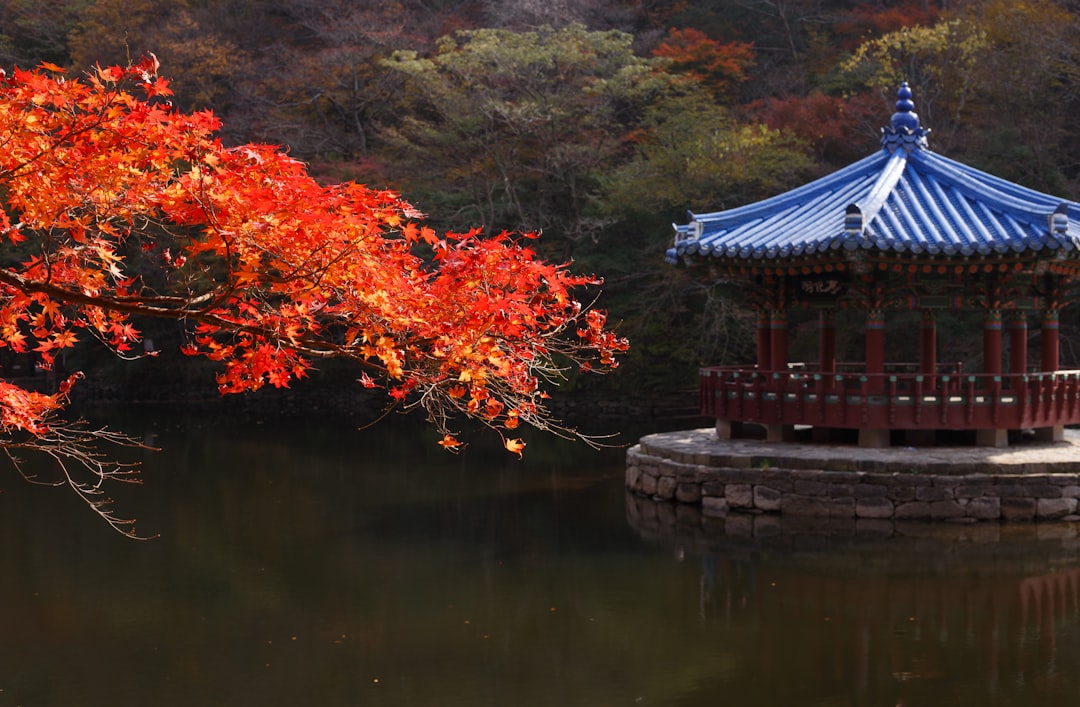
I still remember the exact moment I fell in love with Korean autumn. It was a cool October morning at Naejangsan National Park, and the entire mountain looked like it had been set on fire — blazing reds, burnt oranges, and golden yellows reflected perfectly in a still pond below a traditional pavilion. I stood there, coffee in hand, genuinely unable to believe that a place this beautiful existed outside of a screensaver.
If you’ve ever seen photos of New England fall foliage and thought “that’s peak autumn,” I’m here to tell you that Korea autumn foliage is an entirely different experience — and in many ways, more spectacular. The combination of ancient temples nestled in mountainsides, mirror-like lakes surrounded by maple forests, and an incredibly efficient transport system that gets you to these places in under two hours from Seoul makes South Korea arguably the best autumn foliage destination in Asia.
The korea autumn foliage best time 2026 window is surprisingly short — roughly four to six weeks from late September through early November — and the peak varies dramatically depending on where you go. Miss it by a week, and you’ll see bare branches instead of fiery canopies. That’s why I’ve put together this comprehensive guide: so you can plan your 2026 trip with precision and hit every single stunning spot at exactly the right moment.
Whether you’re flying in from LAX, JFK, or SFO, this guide covers everything — the best destinations ranked by beauty and accessibility, exact timing forecasts, transport logistics, costs, and insider tips that most travel blogs won’t tell you. Let’s dive in.
When Is the Best Time for Korea Autumn Foliage in 2026?

Understanding the korea autumn foliage best time 2026 requires knowing how the colors move across the country. Unlike North America, where fall colors feel somewhat unpredictable, Korea’s foliage follows a remarkably consistent north-to-south pattern each year. The Korea Meteorological Administration (KMA) releases official foliage forecasts every September, and they’re shockingly accurate.
The Foliage Timeline: North to South
Autumn leaves in Korea begin changing at the highest elevations in the north and sweep southward over about six weeks. Here’s the typical progression for 2026, based on historical averages and early climate data:
| Region | First Color Change | Peak Foliage | Key Destinations |
|---|---|---|---|
| Seoraksan (Northeast) | Sept 28 – Oct 2 | Oct 15 – Oct 22 | Seoraksan National Park |
| Central (Seoul Area) | Oct 10 – Oct 15 | Oct 25 – Nov 3 | Namsan, Bukhansan, Nami Island |
| Central-South (Gyeongju) | Oct 15 – Oct 20 | Oct 28 – Nov 5 | Bulguksa, Gyeongju Historic Area |
| Southwest (Naejangsan) | Oct 18 – Oct 23 | Nov 1 – Nov 10 | Naejangsan National Park |
| Jeju Island (South) | Oct 22 – Oct 28 | Nov 5 – Nov 15 | Hallasan, Bijarim Forest |
How to Track the 2026 Foliage Forecast
The Korea Meteorological Administration typically publishes its first foliage forecast in mid-September. Bookmark their site and check it a few weeks before your trip. Korean media outlets like KBS and Arirang also publish English-language foliage updates throughout October.
A pro trick: download Naver Map (Korea’s Google Maps equivalent) and search for any national park. User-uploaded photos are tagged by date, so you can see real-time foliage conditions from people who were literally there that morning. This is far more reliable than any forecast.
Korea Tourism Organization Autumn Guide
Weather During Foliage Season
Korean autumns are genuinely perfect weather — think 55–70°F (13–21°C) during the day with clear blue skies and minimal rain. It’s drier than the Korean summer monsoon season and warmer than the bitter winters. Nights can drop to 40–50°F (5–10°C), especially in mountain areas, so layering is essential.
Pack a light down jacket, a flannel or fleece mid-layer, and a waterproof shell just in case. Comfortable hiking shoes are non-negotiable — the best foliage spots require at least some walking on mountain trails. If you’re coming from Southern California, think of it as similar to a Yosemite fall trip, but with better public transit and far better food at the trailhead.
Top 8 Korea Autumn Foliage Destinations Ranked
I’ve visited every major foliage destination in Korea across multiple seasons. Here are my top eight picks, ranked by a combination of visual impact, accessibility, and overall experience. Each one is worth a dedicated day trip or overnight stay.
1. Naejangsan National Park — The Crown Jewel
Naejangsan is universally considered Korea’s #1 autumn destination, and after four visits, I couldn’t agree more. The park’s signature feature is a tunnel of maple trees lining the road from the entrance to Naejangsa Temple — during peak foliage, walking through this corridor feels like being inside a kaleidoscope. The reds here are unreal, almost neon, thanks to the specific single-seed maple (Acer mono) variety that dominates the park.
The Uhwajeong Pavilion reflected in a small pond is the most photographed spot in the entire park — arrive before 8:00 AM to beat the crowds and get mirror-still water for photos. The cable car ride to Yeonjaebong peak offers a bird’s-eye view of the entire valley ablaze in color.
- Peak foliage: November 1–10 (typically the last major park to peak)
- Entry fee: Free (cable car ~$7 USD round trip)
- Getting there: KTX from Seoul’s Yongsan Station to Jeongeup Station (1 hr 40 min, ~$25 USD), then bus #171 to the park entrance (20 min)
- Time needed: 4–6 hours for the main trail loop
- Difficulty: Easy to moderate — the maple tunnel walk is flat; the peak hike is steeper
Insider tip: Visit on a weekday if at all possible. Weekend crowds during peak foliage can mean waiting 30+ minutes just for the cable car. The Naejangsan Maple Festival (usually late October to mid-November) adds traditional performances and food stalls but also more visitors.
2. Seoraksan National Park — First Colors in Korea
If you want to be among the first people in Korea to see autumn foliage each year, head to Seoraksan in the northeastern Gangwon Province. As the highest peak in the Taebaek Mountain Range at 1,708 meters (5,604 feet), the summit starts turning as early as late September. It’s Korea’s most dramatic mountain landscape — think granite spires rising above a sea of orange and red, with Buddhist temples tucked into rocky valleys.
The Gwongeumseong cable car takes you 700 meters up in about 10 minutes and offers jaw-dropping panoramic views of the foliage below. The Biseondae trail follows a crystal-clear stream through a narrow valley lined with maples — it’s one of the most photogenic walks I’ve ever done anywhere in the world.
- Peak foliage: October 15–22
- Entry fee: Free (cable car ~$9 USD round trip)
- Getting there: Express bus from Seoul’s Dong Seoul Terminal to Sokcho (2.5 hrs, ~$17 USD), then local bus #7 to the park
- Time needed: Full day minimum; overnight in Sokcho recommended
- Difficulty: Easy (cable car area) to challenging (Daecheongbong summit, 10+ hours round trip)
While in Sokcho, don’t miss the Abai Village for fresh squid sundae (Korean blood sausage — not ice cream!) and the lively Sokcho Tourist & Fishery Market for the freshest raw fish you’ll find in Korea. Myeongdong Best Street Food Stores: 2026 Ultimate Guide
3. Nami Island — The Iconic K-Drama Setting
You’ve probably seen Nami Island without even knowing it — it’s the filming location of the legendary K-drama “Winter Sonata” and has since become one of Korea’s most iconic destinations. The island’s trademark metasequoia tree-lined paths are breathtaking year-round, but in autumn, they transform into golden-amber tunnels that look almost computer-generated.
Nami Island is technically a separate “country” called the Naminara Republic (yes, they have their own stamps and currency — it’s charmingly quirky). The island is small enough to walk around in 2–3 hours, making it perfect to combine with other nearby attractions like the Gangchon Rail Bike or the Garden of Morning Calm.
- Peak foliage: October 25 – November 5
- Entry fee: ~$10 USD (includes ferry)
- Getting there: ITX-Cheongchun train from Yongsan or Cheongnyangni Station to Gapyeong (1 hr 10 min, ~$7 USD), then shuttle bus to the ferry dock
- Time needed: 3–4 hours for the island; full day if combined with Gangchon Rail Bike
Nami Island & Gangchon Rail Bike Day Trip 2026
4. Gyeongju — Ancient Capital Meets Autumn Gold
Gyeongju is often called the “museum without walls” — the entire city is a UNESCO World Heritage Site filled with thousand-year-old Silla Dynasty tombs, temples, and ruins. In autumn, the combination of ancient architecture and golden foliage creates an atmosphere that’s hard to find anywhere else on Earth.
The Bulguksa Temple surrounded by maples in full color is one of Korea’s most iconic autumn images. Bomun Lake offers a peaceful 8-km walking and cycling path lined with cherry trees that turn brilliant orange in late October. And the Cheomseongdae observatory area at sunset, with its rolling grass-covered tombs backlit by autumn trees, is pure magic.
- Peak foliage: October 28 – November 5
- Entry fee: Bulguksa Temple ~$4 USD; most outdoor sites free
- Getting there: KTX from Seoul Station to Singyeongju (2 hrs, ~$35 USD), then bus #700 to Gyeongju city center
- Time needed: 2 days minimum to see major sites
Insider tip: Rent a bicycle from any guesthouse in Gyeongju (~$8 USD/day) and ride between the tombs and temples. The city is remarkably flat, and the bike paths are excellent. This is the best way to experience autumn foliage here because you can stop wherever the light and colors catch your eye.
5. Bukhansan National Park — Seoul’s Backyard Mountain
You don’t even need to leave Seoul to see incredible autumn foliage. Bukhansan National Park sits on the city’s northern border and is accessible by subway — making it probably the most convenient national park foliage experience in all of Asia. Over 10 million visitors hike Bukhansan every year, making it one of the most visited national parks per square foot in the world.
The Bukhansanseong Trail passes through fortress walls dating to 132 AD while winding through mixed deciduous forest that explodes with color in late October. For a more relaxed experience, the Dulle-gil (둘레길) circumnavigation trail follows the park’s perimeter at lower elevation — it’s flatter, less crowded, and equally beautiful during foliage season.
- Peak foliage: October 25 – November 3
- Entry fee: Free
- Getting there: Seoul Subway Line 3 to Gupabal Station, then bus #34 or #704 to the trailhead
- Time needed: 4–8 hours depending on trail choice
- Difficulty: Moderate to challenging (rocky sections with rope assists near the summit)
After your hike, the Hongdae neighborhood is just a 30-minute subway ride south — perfect for a well-earned craft beer and street food dinner. Hongdae Best Cafes and Bars at Night: 2026 Guide
6. Hallasan National Park, Jeju — Korea’s Highest Peak
Hallasan (1,950 meters / 6,398 feet) on Jeju Island is Korea’s tallest mountain and its last major destination to see fall foliage. The volcanic peak offers something no other Korean foliage spot can: elevation-based color gradients. During the transition period, you can literally watch the colors change from green at the base to orange in the middle to red and bare branches at the summit — all in a single hike.
The Seongpanak Trail (9.6 km one way) is the most popular autumn route, passing through temperate forest, subalpine scrub, and finally rocky volcanic terrain at the top. The Eorimok Trail is shorter (4.7 km) but doesn’t reach the summit — however, it passes through the densest deciduous forest and is ideal for pure foliage viewing.
- Peak foliage: November 5–15 (the latest in Korea)
- Entry fee: Free
- Getting there: Fly from Seoul Gimpo to Jeju (1 hr, ~$50–80 USD one way on budget carriers), then bus #281 to the Seongpanak trailhead
- Time needed: Full day for summit; half day for Eorimok Trail
7. Deoksugung Stonewall Road, Seoul — Urban Autumn Romance
Not everyone wants to hike a mountain to see fall colors, and that’s perfectly fine. Deoksugung Stonewall Road (돌담길) in central Seoul is a 900-meter path lined with ginkgo and zelkova trees that turn vivid yellow and orange in late October. It runs alongside the ancient stone walls of Deoksugung Palace and is considered one of the most romantic walks in Korea.
Combine it with a visit to Deoksugung Palace itself (~$1 USD entry), where the changing of the guard ceremony happens three times daily. Then walk to nearby Jeongdong-gil for cafes and galleries housed in beautiful colonial-era buildings. The entire area is supremely walkable and Instagram-ready during foliage season.
- Peak foliage: Late October – early November
- Getting there: Subway Line 1 or 2 to City Hall Station, Exit 2
- Time needed: 1–2 hours for the walk; half day with palace and cafes
- Cost: Free (palace entry ~$1 USD)
VisitSeoul Official Autumn Guide
8. Garden of Morning Calm, Gapyeong — A Landscaped Masterpiece
The Garden of Morning Calm is a meticulously landscaped botanical garden about 1.5 hours east of Seoul that becomes genuinely otherworldly in autumn. Over 5,000 species of plants across 20 themed gardens create layered, multi-colored landscapes that are almost impossibly photogenic. It’s like visiting Butchart Gardens in Victoria, BC — but draped in Korean maple reds instead of Pacific Northwest greens.
The garden hosts a Starlight Garden Festival from late October through March, where millions of LED lights illuminate the autumn foliage after dark. Visiting at dusk lets you see both the natural daytime colors and the illuminated nighttime display in a single trip.
- Peak foliage: October 20 – November 5
- Entry fee: ~$8 USD (daytime), ~$10 USD (Starlight Festival evening)
- Getting there: ITX train to Cheongpyeong Station, then shuttle bus (often paired with Nami Island day trip packages)
- Time needed: 2–3 hours
Getting There: Flights, Trains, and Transport for Foliage Season

International Flights
October is peak travel season for Korea, so book flights early — ideally 3–4 months in advance. Round-trip fares from major US cities to Incheon International Airport (ICN) typically range as follows during autumn 2026:
- LAX to ICN: $650–$950 USD (direct, 12–13 hrs on Korean Air, Asiana, or Delta)
- JFK to ICN: $700–$1,000 USD (direct, 14 hrs on Korean Air or Asiana)
- SFO to ICN: $600–$900 USD (direct, 12 hrs on Asiana, United, or Korean Air)
Budget hack: Check flights to Tokyo Narita (NRT) or Osaka Kansai (KIX) and then grab a budget carrier hop to ICN on airlines like T’way, Jin Air, or Jeju Air — sometimes this combo is $200+ cheaper than a direct US-Korea ticket.
US citizens enjoy visa-free entry for up to 90 days with a K-ETA (Korea Electronic Travel Authorization). Apply online at least 72 hours before departure — it costs about $9 USD and is valid for two years. Korea Tourism Organization Travel Info
Getting Around Korea
Korea’s domestic transport is world-class and absurdly affordable compared to US equivalents. Here’s your cheat sheet:
- KTX (Korea Train Express): Korea’s bullet train connects Seoul to Busan (2.5 hrs), Gyeongju (2 hrs), Jeongeup/Naejangsan (1.5 hrs), and most major cities. Book through the KORAIL app or website. Prices range from $20–$50 USD one way depending on distance. This is your primary tool for reaching foliage destinations outside Seoul.
- Express/Intercity Buses: Cheaper than KTX (~$10–$20 USD) and often more frequent. The Dong Seoul, Nambu, or Central City bus terminals connect to virtually every town in Korea. Book via the Kobus app.
- Seoul Metro: 23 lines covering the entire metropolitan area. Get a T-money card at any convenience store (~$3 USD for the card, then load with cash) — it works on subways, buses, and even taxis. A single ride is about $1–$1.50 USD.
- Taxis: Remarkably cheap by US standards. A 20-minute taxi ride in Seoul costs about $7–$10 USD. Use KakaoTalk’s taxi feature (KakaoT) to hail rides — it works exactly like Uber.
Essential apps to download before arrival: Naver Map (navigation — Google Maps is unreliable in Korea), Papago (translation), KakaoTalk (messaging + taxi), and KORAIL (train booking).
Budget Breakdown: How Much Does a Korea Foliage Trip Cost?
Korea offers exceptional value compared to Japan or Western Europe for autumn travel. Here’s a realistic daily budget breakdown for a foliage-focused trip in October 2026:
| Category | Budget ($) | Mid-Range ($) | Comfort ($) |
|---|---|---|---|
| Accommodation | $25–40 (hostel/guesthouse) | $60–100 (hanok/3-star hotel) | $150–250 (4-5 star hotel) |
| Food (3 meals) | $15–20 | $30–50 | $60–100 |
| Transport | $5–10 (metro/bus) | $15–30 (KTX day trip) | $30–50 (taxi + KTX) |
| Activities | $0–5 (free parks) | $10–20 | $20–40 |
| Daily Total | $45–75 | $115–200 | $260–440 |
For a 10-day foliage trip (flights not included), budget travelers can get by on $500–$750, mid-range travelers should plan for $1,200–$2,000, and comfort seekers will spend $2,600–$4,400. Compare that to a 10-day fall trip through New England or the Canadian Rockies — Korea delivers equal or better scenery at roughly half the cost once you factor in food and transport.
A traditional hanok stay (Korean traditional house) is the quintessential autumn lodging choice, especially in cities like Jeonju and Gyeongju where entire hanok villages exist. Prices range from $50–$150 per night, and the experience — sleeping on heated ondol floors under heavy blankets, waking up to a courtyard view of maple trees — is unforgettable. How to Book a Hanok Stay in Seoul: 2026 Complete Guide
Best Autumn Foods to Pair with Your Foliage Trip

Korean autumn isn’t just a visual feast — it’s a literal one. October and November bring some of the best seasonal foods you’ll find anywhere in the world, and many are tied directly to the regions you’ll be visiting for foliage.
Must-Try Autumn Dishes
- Ganjang Gejang (간장게장): Raw crab marinated in soy sauce — autumn is blue crab season and the absolute best time to eat this. Try it in Sokcho after visiting Seoraksan. Around $15–$25 USD for a full set meal.
- Pajeon (파전): Korean scallion pancake, perfect with makgeolli (rice wine) on a cool autumn evening. Available everywhere, about $8–$12 USD.
- Roasted Sweet Potatoes and Chestnuts: Street vendors sell these from charcoal carts all over Seoul starting in October. A bag of roasted chestnuts costs about $3 USD and is the perfect hiking snack.
- Persimmons (감): Korea’s quintessential autumn fruit. Dried persimmon (gotgam) is incredibly sweet and available at every traditional market. Think of it as Korean candy.
- Korean BBQ after hiking: There’s an unwritten rule in Korea that every hike must end with Korean BBQ. Samgyeopsal (thick-cut pork belly) grilled tableside after a day on the mountain trails is close to a religious experience. Korean BBQ at Home Beginners Guide: 7 Easy Steps (2026)
Autumn Desserts and Cafe Culture
Korea’s cafe scene is world-class, and autumn brings special seasonal menus everywhere. Look for sweet potato lattes, injeolmi (rice cake) desserts, and bungeo-ppang (fish-shaped pastries filled with red bean paste) from street vendors starting in late October. Seoul’s cafe culture rivals Melbourne and Portland — but with more creative pastries and about half the price. 7 Best Korean Desserts to Try in 2026: A Sweet Guide
Cultural Etiquette Tips for Foliage Season
Korean national parks and temples during foliage season attract millions of domestic visitors, and understanding a few cultural norms will make your experience smoother and more respectful.
Temple Etiquette
Many of Korea’s best foliage spots are at or near Buddhist temples. These are active places of worship, not just tourist attractions. Remove your shoes before entering any building, speak quietly in meditation halls, and ask permission before photographing monks. Most temples welcome visitors warmly, but showing respect is important.
If you’re interested, many temples offer Templestay programs ($40–$80 USD per night) where you can sleep at the temple, eat Buddhist vegetarian meals, and join morning meditation. Doing a Templestay during peak foliage at a mountain temple like Beopjusa or Magoksa is a bucket-list experience.
Hiking Culture
Koreans take hiking extremely seriously — don’t be surprised to see retirees in full North Face gear summiting peaks faster than you. On the trail, greet other hikers with a simple “annyeonghaseyo” (안녕하세요) — it’s customary and appreciated. Stay on marked trails to protect fragile vegetation, and carry out all your trash.
One quirk Americans love: at the base of most popular hiking mountains, you’ll find “mountain restaurants” selling makgeolli, pajeon, and dotorimuk (acorn jelly) to hikers. It’s like having a gastropub at every trailhead — except the food costs $5–$10 USD instead of $25.
Photography Etiquette
During peak foliage, popular photo spots can get crowded. Be mindful of other visitors waiting for their turn. Drone flying is prohibited in most national parks and near military installations (which are more common than you’d think in Korea). Always check local regulations before flying any drone.
Insider Tips for Korea Autumn Foliage in 2026

After multiple foliage trips to Korea, here are the tips I wish I’d known from the start:
- Weekdays are game-changers. Korean foliage destinations on weekends are packed. If you can shift your trip to arrive Monday and leave Friday, you’ll have half the crowds and better photo opportunities. Seoraksan on a Tuesday feels like a private park compared to Saturday.
- Start early, stay late. The best light for autumn photography is within one hour of sunrise and one hour before sunset. Most Korean hikers start early too, so trailhead parking lots fill by 9 AM at popular parks. Aim to be at the trailhead by 7:00 AM.
- Layer with a plan. Mountain weather changes fast. Mornings at trailheads can be 45°F, summits can be windy and near freezing, and sunny valleys can hit 65°F by noon. A packable down jacket + moisture-wicking base layer + waterproof shell covers all scenarios.
- Book KTX tickets 2 weeks ahead. October weekends on routes like Seoul–Jeongeup (for Naejangsan) sell out fast on the KORAIL app. Standing-room tickets are available, but 2+ hours standing gets old quickly.
- Use Naver Map’s photo timeline. Search any park on Naver Map, tap “Photos,” and filter by date. You’ll see user-uploaded photos from specific dates — this is the most accurate real-time foliage tracker in Korea. Better than any weather forecast.
- Pack a headlamp for late returns. Korean mountains get dark fast in October (sunset around 5:45 PM), and some trails aren’t lit. A small headlamp weighs nothing and could save your hike.
- Visit less famous spots too. While the big parks are gorgeous, smaller destinations like Daedunsan Provincial Park (famous for a terrifying cloud bridge between peaks) and Juwangsan National Park (dramatic cliff faces and waterfalls) offer equally stunning foliage with a fraction of the crowds.
- Combine foliage with K-Pop events. October and November are packed with K-Pop concerts and music shows in Seoul. If you’re a fan, check Melon Music Awards, MAMA Awards, or individual group concert schedules — your foliage trip could double as a K-Pop pilgrimage. How to Buy K-Pop Concert Tickets in Korea (2026 Guide)
Frequently Asked Questions About Korea Autumn Foliage
What is the best time to see autumn foliage in Korea in 2026?
The korea autumn foliage best time 2026 depends on the region. In general, the nationwide peak falls between mid-October and early November. Seoraksan in the northeast peaks earliest (around October 15–22), Seoul peaks in late October, and southern destinations like Naejangsan and Jeju peak in early to mid-November. Check the Korea Meteorological Administration’s forecast released each September for exact dates.
Can I see autumn foliage without leaving Seoul?
Absolutely. Bukhansan National Park, Namsan Tower area, Deoksugung Stonewall Road, Olympic Park, and the Seoul Forest all offer excellent foliage viewing within the city. Bukhansan is the most dramatic, but even a walk along the Cheonggyecheon Stream in central Seoul is lovely during late October. Seoul’s foliage typically peaks from October 25 to November 3.
Is Korea expensive to visit during foliage season?
Korea is surprisingly affordable compared to other top foliage destinations like Japan, the US Northeast, or Canada. Budget travelers can manage on $50–$75 per day (excluding flights), and mid-range travelers on $120–$200 per day. Most national parks are free to enter, public transit is cheap, and excellent meals cost $5–$15 USD. The biggest expense is the international flight, which typically runs $600–$1,000 round trip from the US.
Do I need to speak Korean to navigate foliage destinations?
Not at all, but a few tools make life much easier. Download Papago (the best Korean-English translator, far better than Google Translate for Korean), Naver Map (has English mode for navigation), and KakaoTalk (Korea’s essential messaging app that also hails taxis). Major tourist areas, KTX stations, and national park signs all have English signage. Most young Koreans speak some English, and Koreans are genuinely among the most helpful people you’ll meet when you look lost.
What should I pack for a Korea autumn foliage trip?
Essential packing for korea autumn foliage best time 2026 travel includes: a light packable down jacket (nights drop to 40°F in the mountains), waterproof hiking shoes (trail conditions vary), moisture-wicking layers, a portable battery pack (you’ll be taking hundreds of photos), sunscreen (autumn sun is deceptively strong at altitude), and a reusable water bottle. Korean convenience stores (GS25, CU, 7-Eleven) are everywhere and sell anything you forget, including surprisingly good hiking snacks for under $2 USD.
Is K-ETA still required for US citizens in 2026?
As of early 2026, US citizens need a K-ETA (Korea Electronic Travel Authorization) for visa-free entry up to 90 days. Apply online at the official K-ETA website at least 72 hours before departure. It costs approximately $9 USD and is valid for 2 years. Check the latest requirements before travel, as Korea has periodically suspended and reinstated the K-ETA requirement. Visit Korea Travel Info
Suggested Itineraries for Korea Autumn Foliage 2026
7-Day Classic Foliage Itinerary (Late October)
- Day 1: Arrive Incheon → Seoul. Pick up T-money card, explore Myeongdong. Myeongdong Best Street Food Stores: 2026 Ultimate Guide
- Day 2: Bukhansan National Park hike → Hongdae dinner and nightlife. Hongdae Best Cafes and Bars at Night: 2026 Guide
- Day 3: Nami Island + Garden of Morning Calm day trip. Nami Island & Gangchon Rail Bike Day Trip 2026
- Day 4: KTX to Gyeongju → Bulguksa Temple → Bomun Lake cycling
- Day 5: Gyeongju historic area → Cheomseongdae → KTX to Seoul
- Day 6: KTX to Jeongeup → Naejangsan National Park → return to Seoul
- Day 7: Deoksugung Stonewall Road → Namsan Tower → departure
10-Day Extended Itinerary (Early-Mid October)
Add Seoraksan (2 days with an overnight in Sokcho), a day trip to Jeonju Hanok Village for bibimbap and hanok architecture, and end with 2 days on Jeju Island for Hallasan and coastal drives. This extended route lets you chase the foliage as it moves south throughout your trip.
Related Posts
If you’re planning your Korea autumn trip, these guides will help you fill in the gaps:
- How to Book a Hanok Stay in Seoul: 2026 Complete Guide
- Nami Island & Gangchon Rail Bike Day Trip 2026
- Myeongdong Best Street Food Stores: 2026 Ultimate Guide
Suggested future articles:
- Best Korean Hiking Trails for Beginners: 2026 Guide
- Jeonju Hanok Village Complete Travel Guide 2026
- Korea Temple Stay Guide: Best Temples and How to Book
Start Planning Your Korea Autumn Foliage Trip Now
Korea’s autumn foliage season is genuinely one of the most beautiful natural spectacles in Asia — and with the country’s unbeatable combination of ancient culture, incredible food, efficient transport, and affordable prices, there’s never been a better time to experience it.
The korea autumn foliage best time 2026 window is narrow, so start planning now: book your flights, download the essential apps (Naver Map, Papago, KORAIL, KakaoTalk), apply for your K-ETA, and build your itinerary around the foliage timeline above. Whether you’re hiking the granite peaks of Seoraksan, walking the crimson maple tunnel at Naejangsan, or sipping a sweet potato latte in a Seoul cafe as golden ginkgo leaves drift past the window — you’re in for something unforgettable.
Have you been to Korea in autumn? Which foliage spot is on your bucket list? Drop a comment below — I personally respond to every question and love helping fellow travelers plan their trips. And if you found this guide useful, share it with a friend who needs their next fall travel destination. Trust me, they’ll thank you.
Pin this guide for later, bookmark it, and come back in September 2026 when the Korea Meteorological Administration drops the official forecast — I’ll update this article with the latest predicted dates.