Why Tteokbokki Has Taken Over the World — And Your Kitchen Is Next
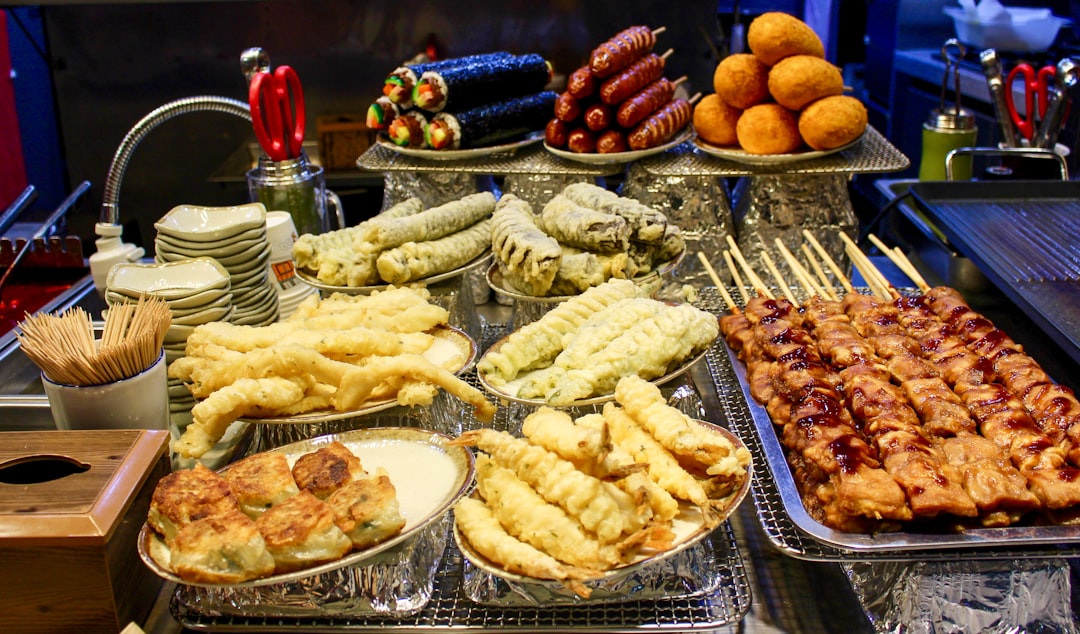
Picture this: you’re walking down a narrow alley in Seoul’s Myeongdong district, and the air hits you — a sweet, spicy, slightly smoky aroma that makes your stomach growl before your brain even registers what’s happening. You follow your nose to a street vendor’s cart, where thick, cylindrical rice cakes are tumbling in a bubbling crimson sauce, glistening under the fluorescent lights. That, right there, is tteokbokki (떡볶이) — Korea’s undisputed king of street food.
What started as a humble snack sold from metal carts in post-war Korea has exploded into a global food phenomenon. According to the Korea Agro-Fisheries & Food Trade Corporation, exports of tteokbokki-related products surged over 40% between 2022 and 2025. TikTok videos tagged #tteokbokki have racked up over 8 billion views. And the best part? Learning how to make tteokbokki at home is genuinely one of the easiest entry points into Korean cooking.
Whether you’ve been obsessed since your first K-drama mukbang scene or you just discovered it through a friend, this guide will walk you through everything — the history, the ingredients, the technique, and the creative variations that’ll keep you coming back to your stovetop again and again.
What Exactly Is Tteokbokki? A Deep Dive Into Korea’s Iconic Dish

The Basics: Ingredients and Flavor Profile
At its core, tteokbokki is a dish of garaetteok (가래떡) — chewy, cylindrical rice cakes — simmered in a sauce built on gochugaru (Korean red pepper flakes) or gochujang (fermented red pepper paste). The result is a dish that’s simultaneously sweet, spicy, savory, and deeply umami.
The texture is what hooks people. Those rice cakes have a satisfying chew — somewhere between gnocchi and mochi — that’s completely unlike anything in Western cuisine. They absorb the sauce as they cook, so every bite delivers a burst of flavor followed by that addictive, bouncy resistance.
A standard recipe includes rice cakes, gochujang, gochugaru, soy sauce, sugar (or corn syrup), garlic, and anchovy or kelp broth. But here’s the thing about tteokbokki: it’s a canvas. Fish cakes (eomuk), boiled eggs, scallions, cabbage, ramen noodles — the add-ins are limited only by your imagination.
Tteokbokki vs. Other Korean Rice Cake Dishes
Don’t confuse tteokbokki with tteokguk (떡국), the sliced rice cake soup traditionally eaten on Lunar New Year, or songpyeon (송편), the stuffed rice cakes of Chuseok. While they all use rice as the base, the preparation and cultural context are completely different.
Tteokbokki also has a lesser-known cousin: gungjung tteokbokki (궁중떡볶이), the royal court version that uses soy sauce instead of gochujang and includes vegetables and beef. It’s milder, more refined, and historically predates the spicy version most of us know today.
| Feature | Spicy Tteokbokki (Modern) | Gungjung Tteokbokki (Royal) |
|---|---|---|
| Base Sauce | Gochujang + Gochugaru | Soy sauce + Sesame oil |
| Heat Level | Medium to very spicy | Mild, savory |
| Protein | Fish cakes, boiled eggs | Beef, mushrooms |
| Origin | 1950s street food stalls | Joseon Dynasty royal court |
| Typical Price (Seoul) | $2.50–$5.00 | $8.00–$15.00 (restaurant) |
The Surprising History of Tteokbokki: From Royal Courts to Street Carts
The Joseon Dynasty Origins
Tteokbokki’s story begins in the Joseon Dynasty (1392–1897), but not as the fiery red dish you’re imagining. The original version was a stir-fried dish seasoned with soy sauce, sesame oil, and vegetables — a refined, mild preparation fit for royalty. Historical records from the Siuijeonseo, a late-Joseon cookbook, describe this soy-sauce-based rice cake dish as a favorite among the upper class.
Korea Tourism Organization — Korean Food Culture
The 1950s Transformation
The spicy tteokbokki we know today was reportedly invented in the 1950s by a woman named Ma Bok-rim in Seoul’s Sindang-dong neighborhood. As the story goes, she accidentally dropped a rice cake into a bowl of jjajang (black bean) sauce, tasted it, and started experimenting. She eventually developed the gochujang-based sauce that became the template for modern tteokbokki.
Sindang-dong became known as “Tteokbokki Town” — and it still operates today with dozens of tteokbokki restaurants lining the streets. If you ever visit Seoul, it’s an absolute must. The area was officially designated a food theme street by the Seoul Metropolitan Government.
The K-Wave and Global Explosion
The Korean Wave (Hallyu) of the 2010s and 2020s brought tteokbokki to global attention. K-dramas like Crash Landing on You, Itaewon Class, and Reply 1988 featured characters devouring tteokbokki in scenes that became iconic. Mukbang YouTubers turned the dish into ASMR content, with creators like Zach Choi and Boki generating hundreds of millions of views.
By 2025, you could find tteokbokki on menus in New York, London, Sydney, and Bangkok. Brands like Yopokki, Dongwon, and CJ Bibigo now sell instant tteokbokki kits in mainstream grocery stores across North America and Europe.
How to Make Tteokbokki at Home: The Complete Step-by-Step Guide

Here’s the truth: once you learn how to make tteokbokki at home, you’ll wonder why you ever ordered takeout. The entire dish comes together in about 25 minutes, requires one pot, and costs roughly $8–$12 to make 4 servings from scratch.
Essential Ingredients (Serves 4)
- 1 lb (450g) Korean rice cakes (garaetteok) — fresh or frozen cylindrical type
- 3 tablespoons gochujang (Korean red pepper paste)
- 1 tablespoon gochugaru (Korean red pepper flakes) — adjust to taste
- 1 tablespoon soy sauce
- 2 tablespoons sugar (or 1.5 tablespoons corn syrup for glossier sauce)
- 3 cups anchovy-kelp broth (or dashida stock, or plain water in a pinch)
- 4 sheets fish cake (eomuk), cut into triangles
- 2 hard-boiled eggs
- 3 cloves garlic, minced
- 2 stalks green onion, cut into 2-inch pieces
Easy Tteokbokki Recipe From Scratch (2026 Guide)
Step-by-Step Instructions
- Prepare the rice cakes. If using frozen rice cakes, soak them in room-temperature water for 20–30 minutes until they soften and separate easily. Fresh rice cakes from a Korean market can go straight into the pot. Do not over-soak — mushy rice cakes lose their signature chew.
- Make the broth. In a wide, shallow pan or pot, bring 3 cups of anchovy-kelp broth to a boil. (Quick broth hack: simmer 6 dried anchovies and a 4-inch piece of dried kelp in water for 10 minutes, then strain.) If you don’t have these, dissolve 1 teaspoon of Korean dashida powder in 3 cups of water.
- Build the sauce. Once the broth is boiling, whisk in the gochujang, gochugaru, soy sauce, sugar, and minced garlic. Stir until the paste dissolves completely. Taste the broth — it should be noticeably sweet and spicy. Adjust sugar or gochugaru now, because once the rice cakes go in, the sauce will reduce and concentrate.
- Add the rice cakes and fish cakes. Drop in the drained rice cakes and fish cake triangles. Stir gently to coat everything in sauce. Bring to a medium-high simmer — not a rolling boil, which can break the rice cakes apart.
- Cook for 8–12 minutes. Stir frequently to prevent sticking. The sauce will thicken as the starch from the rice cakes releases. You’re looking for a glossy, clingy sauce that coats each piece. The rice cakes should be soft and chewy, not hard in the center.
- Add the finishing touches. Nestle in the hard-boiled eggs and green onions during the last 2 minutes. Give everything a final toss.
- Serve immediately. Tteokbokki waits for no one — the rice cakes harden as they cool. Serve in a hot stone pot or a wide bowl. Garnish with sesame seeds and an extra sprinkle of green onion.
Pro Tips From Korean Home Cooks
Tip #1: The broth makes or breaks it. Water-based tteokbokki tastes flat. Spend the extra 10 minutes making an anchovy-kelp broth, or at minimum use dashida. The umami depth is what separates good tteokbokki from great tteokbokki.
Tip #2: Mix gochujang AND gochugaru. Many beginners use only gochujang, which makes the sauce too sweet and paste-like. Adding gochugaru gives you that vibrant red color and a more complex, layered heat.
Tip #3: Add corn syrup for that street-food gloss. Korean street vendors use mulyeot (물엿, Korean corn syrup) to create the shiny, almost lacquered look you see in photos. Substitute with regular corn syrup — about 1 tablespoon does the trick.
Tip #4: Don’t skip the fish cakes. Eomuk fish cakes aren’t just filler — they absorb the sauce beautifully and add a subtle seafood sweetness that balances the heat. The flat, sheet-style fish cakes (not the cylinder type) work best.
Maangchi’s Classic Tteokbokki Recipe
Where to Buy Tteokbokki Ingredients in the US
Korean Grocery Stores
Your best bet is always a Korean or Asian grocery store. Chains like H-Mart (70+ locations across the US), Zion Market, Lotte Plaza, and Hannam Chain carry fresh and frozen rice cakes year-round. Fresh garaetteok is usually in the refrigerated section near tofu and noodles, typically priced at $3–$5 per pound.
Look for rice cakes labeled “tteokbokki tteok” (떡볶이 떡) specifically — these are the short, cylindrical cuts designed for this dish. Avoid the thin, sliced tteok meant for soup (tteokguk).
Mainstream Grocery Stores
Whole Foods and Trader Joe’s have expanded their Korean food sections significantly. Trader Joe’s launched its own tteokbokki kit in 2024, which includes rice cakes and sauce for about $4.49. Whole Foods carries the CJ Bibigo brand in the international aisle.
Walmart and Target now stock instant tteokbokki cups from brands like Yopokki and Samyang, typically in the ramen or international foods aisle. These range from $3.00–$5.00 per cup.
Online Options
If you don’t have a Korean store nearby, Amazon and specialty sites like Weee!, Hmart.com, and Maangchi’s own shop ship fresh and frozen rice cakes nationwide. Expect to pay $6–$10 for 2 lbs plus shipping. For pantry staples like gochujang and gochugaru, Amazon carries major brands like CJ Haechandle and Sunchang at competitive prices.
A 1 lb tub of gochujang runs about $6–$8 and will last you dozens of batches. Gochugaru (1 lb bag) is around $8–$12 — invest in the good stuff from a Korean brand, not a generic “chili flakes” substitute.
7 Creative Tteokbokki Variations You Need to Try

Once you’ve mastered the classic version, the real fun begins. Korean home cooks and restaurants have invented dozens of tteokbokki variations — here are the most popular ones worth trying when you make tteokbokki at home.
1. Cheese Tteokbokki (치즈떡볶이)
Top your finished tteokbokki with a generous blanket of shredded mozzarella, cover the pan, and let it melt for 2 minutes. The cheese creates a gooey, stretchy layer that tempers the spice. This is the #1 variation in Korean restaurants and the most popular K-drama version. For extra indulgence, use a combination of mozzarella and mild cheddar.
2. Rabokki (라볶이) — Ramen + Tteokbokki
Add a package of Korean instant ramen noodles (Shin Ramyun works perfectly) to your tteokbokki during the last 3 minutes of cooking. The noodles soak up the sauce and add a satisfying slurp factor. Use slightly more broth (an extra cup) to account for noodle absorption. This is the ultimate Korean comfort food mashup — cheap, filling, and devastatingly good.
3. Cream Sauce Tteokbokki (크림떡볶이)
Replace the gochujang sauce entirely with a cream-based sauce: heavy cream, butter, garlic, parmesan, and a touch of gochugaru for color. This fusion version, popularized by trendy Seoul restaurants, tastes like spicy Korean Alfredo. It’s perfect for people who love tteokbokki’s texture but can’t handle intense heat.
4. Jjajang Tteokbokki (짜장떡볶이)
Use Korean black bean paste (chunjang) as the base instead of gochujang. The result is a sweet, savory, slightly smoky tteokbokki that’s entirely non-spicy. Add diced pork belly, onions, and zucchini for the full jjajangmyeon experience in rice cake form.
5. Rose Tteokbokki (로제떡볶이)
The biggest tteokbokki trend of 2024–2026, rosé tteokbokki combines gochujang with tomato sauce and heavy cream to create a pink, creamy, mildly spicy sauce. It went viral on Korean social media and spawned an entire sub-genre of convenience store products. Brands like Yopokki and Buldak now sell rosé-flavored instant versions.
6. Seafood Tteokbokki (해물떡볶이)
Elevate your tteokbokki with shrimp, squid, mussels, and clams. The seafood releases juices into the sauce, creating an incredibly rich, ocean-tinged broth. This is a popular restaurant style — use a seafood broth base instead of anchovy for even deeper flavor.
7. Carbonara Tteokbokki (까르보나라떡볶이)
Think of it as Korean-Italian fusion: a creamy egg-and-cheese sauce with bacon, tossed with chewy rice cakes and a hint of gochugaru. It was one of the top-selling convenience store items in Korea in 2025, and for good reason — it’s rich, comforting, and completely addictive.
Korean BBQ at Home for Beginners: Complete Guide 2026
Tteokbokki and Korean Food Culture: More Than Just a Snack
The Social Ritual of Bunsikjip
In Korea, tteokbokki isn’t just food — it’s a shared experience. It’s the centerpiece of bunsikjip (분식집), casual snack restaurants that are a cornerstone of Korean social life. Students crowd into bunsikjip after school. Office workers grab tteokbokki with kimbap for a quick $5 lunch. Friends share a bubbling plate over soju on Friday nights.
The typical bunsikjip order goes: tteokbokki + sundae (Korean blood sausage) + twigim (fried vegetables) + kimbap. The total rarely exceeds 10,000 won ($7–$8), making it one of the most affordable meals in Seoul.
Tteokbokki in K-Dramas and Pop Culture
K-dramas use tteokbokki as a storytelling device — it symbolizes nostalgia, comfort, and everyday Korean life. In Reply 1988, tteokbokki scenes evoke the warmth of neighborhood bonds. In Goblin, the lead characters bond over street food including tteokbokki. These scenes have directly driven international interest in Korean cuisine.
K-pop idols frequently mention tteokbokki as their favorite food in interviews and variety shows. BTS’s RM and BLACKPINK’s Jennie have both been spotted eating tteokbokki on camera, generating instant spikes in search traffic and convenience store sales.
7 K-Pop Idols With the Best K-Drama Roles in 2026
Pairing Tteokbokki Like a Local
Koreans rarely eat tteokbokki alone. Here are the classic pairings:
- Kimbap — rice rolls that balance the spice with mild, vinegary rice
- Sundae (순대) — Korean blood sausage, dipped in the tteokbokki sauce
- Twigim (튀김) — Korean tempura, especially sweet potato and squid
- Odeng/Eomuk tang — fish cake skewers in warm broth, a soothing spice-chaser
- Danmuji (단무지) — pickled yellow radish to cleanse the palate
7 Easy Korean Banchan Recipes for Beginners (2026)
Nutrition, Dietary Concerns, and Healthier Alternatives
Standard Nutritional Profile
A typical serving of tteokbokki (about 250g, or one street-food portion) contains approximately:
- Calories: 350–450 kcal
- Carbohydrates: 70–80g (rice cakes are almost pure carbs)
- Protein: 8–12g (mostly from fish cakes and eggs)
- Fat: 3–6g
- Sodium: 800–1,200mg
- Sugar: 15–25g (from the sauce)
Tteokbokki is not a low-calorie food — it’s a carb-heavy comfort dish. But it’s also naturally low in fat and can be part of a balanced diet when portion-controlled.
Making It Healthier
Reduce sugar: Cut the sugar in half and add a tablespoon of rice vinegar for brightness. You won’t miss the sweetness once the vinegar adds its tangy complexity.
Add vegetables: Throw in cabbage, carrots, mushrooms, and zucchini. They bulk up the dish with fiber and nutrients without adding many calories.
Use less sauce, more broth: Keep the dish more soupy than sticky. You’ll use less gochujang per bite, reducing sodium and sugar.
Try whole grain rice cakes: Some Korean brands now make brown rice tteok or multigrain tteok. They have a slightly nuttier flavor and more fiber. Check H-Mart’s frozen section.
Dietary Compatibility
| Diet | Compatible? | Notes |
|---|---|---|
| Vegetarian | ✅ With modifications | Skip fish cakes, use kelp/mushroom broth |
| Vegan | ✅ With modifications | Skip fish cakes + eggs, check gochujang label for shrimp paste |
| Gluten-free | ⚠️ Check labels | Pure rice cakes are GF, but some brands add wheat flour. Fish cakes often contain wheat. |
| Keto / Low-carb | ❌ Not recommended | Rice cakes are 80%+ carbohydrates |
| Dairy-free | ✅ Classic version | Standard tteokbokki has no dairy (skip cheese/cream variations) |
Frequently Asked Questions About Tteokbokki
What does tteokbokki taste like?
Tteokbokki has a sweet, spicy, and savory flavor profile. The dominant taste is gochujang — a fermented chili paste that’s more complex than simple hot sauce. Imagine a sweet chili glaze with deep umami undertones. The rice cakes themselves are mild-flavored, acting as a chewy, starchy vehicle for the sauce. Most people describe the overall experience as addictively spicy-sweet with an incredibly satisfying bouncy texture.
How do you pronounce tteokbokki?
It’s pronounced “tok-BOK-ee” (떡볶이). The double “tt” in Korean is a tense consonant — harder than a regular “t” but not quite a “d.” The “eo” in “tteok” sounds like the “o” in “son,” not like “ee-oh.” Don’t stress about getting it perfect — even Koreans have regional variations. Most Korean restaurant staff will understand you if you say “tok-bok-ee.”
How long does leftover tteokbokki last?
Leftover tteokbokki keeps for 2–3 days in the refrigerator in an airtight container. However, the rice cakes will harden significantly as they cool. To reheat, add 2–3 tablespoons of water or broth to the pan, cover, and warm over medium heat until the sauce loosens and the rice cakes soften again (about 5 minutes). Microwaving works but can make the rice cakes rubbery — stovetop reheating is always better. Do not freeze leftover tteokbokki with sauce, as the texture becomes unpleasant.
Is tteokbokki gluten-free?
Traditional rice cakes made with 100% rice flour are naturally gluten-free. However, many commercial brands add wheat starch for texture, and fish cakes almost always contain wheat. If you’re celiac or gluten-sensitive, read labels carefully. Brands like Assi and Pulmuone offer certified gluten-free rice cakes. For fish cakes, either skip them or look for wheat-free versions at specialty stores.
Can I make tteokbokki less spicy?
Absolutely. Here are five ways to reduce the heat while keeping the flavor: (1) Cut the gochugaru in half or eliminate it entirely — gochujang alone is milder. (2) Add more sugar or corn syrup — sweetness counteracts heat. (3) Stir in a tablespoon of cream cheese or heavy cream at the end. (4) Use more broth for a thinner, less concentrated sauce. (5) Try the gungjung (royal court) version with soy sauce instead of gochujang for a completely non-spicy alternative.
What’s the best brand of rice cakes for tteokbokki?
For fresh rice cakes, look for locally made ones at H-Mart’s refrigerated section — they have the best texture. For frozen brands, Assi Brand and Wang Korea are consistently reliable and widely available. CJ Bibigo’s tteokbokki kits are excellent for beginners because they include pre-portioned sauce. Avoid rice cakes that have been frozen for a very long time (check dates) — older frozen rice cakes crack and don’t cook evenly.
Related Posts You’ll Love
If you enjoyed learning how to make tteokbokki at home, you’ll love these guides:
- Korean BBQ at Home for Beginners: Complete Guide 2026 — Master another iconic Korean dish with our step-by-step walkthrough.
- 7 Easy Korean Banchan Recipes for Beginners (2026) — Complete your Korean meal with delicious side dishes that pair perfectly with tteokbokki.
- Easy Tteokbokki Recipe From Scratch (2026 Guide) — Our detailed recipe card version with printable instructions and ingredient substitutions.
Suggested future articles:
- Best Korean Instant Noodle Brands Ranked: 2026 Taste Test
- Korean Street Food Guide: 15 Must-Try Dishes in Seoul
- How to Make Korean Fish Cake Soup (Eomuk Tang) at Home
Your Turn: Make Tteokbokki Tonight!
There’s a reason 50 million Koreans consider tteokbokki their go-to comfort food — and now you have everything you need to join them. Whether you go classic with gochujang and fish cakes, trendy with the rosé cream variation, or indulgent with a mountain of melted cheese, learning how to make tteokbokki at home is one of the most rewarding 25 minutes you’ll ever spend in the kitchen.
The ingredients are accessible (thank you, H-Mart and Amazon), the technique is forgiving, and the results are restaurant-quality from your very first batch. Those chewy, saucy, glistening rice cakes are waiting for you.
So here’s what I want you to do:
- Try the classic recipe above this week. Seriously — pick up rice cakes and gochujang on your next grocery run.
- Drop a comment below telling me which variation you’re most excited to try. Cheese? Rabokki? Rosé? I read every single comment.
- Share this article with a friend who’s been curious about Korean food — they’ll thank you after their first bite.
- Subscribe to our newsletter for weekly Korean food guides, recipes, and K-culture deep dives delivered straight to your inbox.
Happy cooking — and don’t forget the extra gochugaru. 🌶️