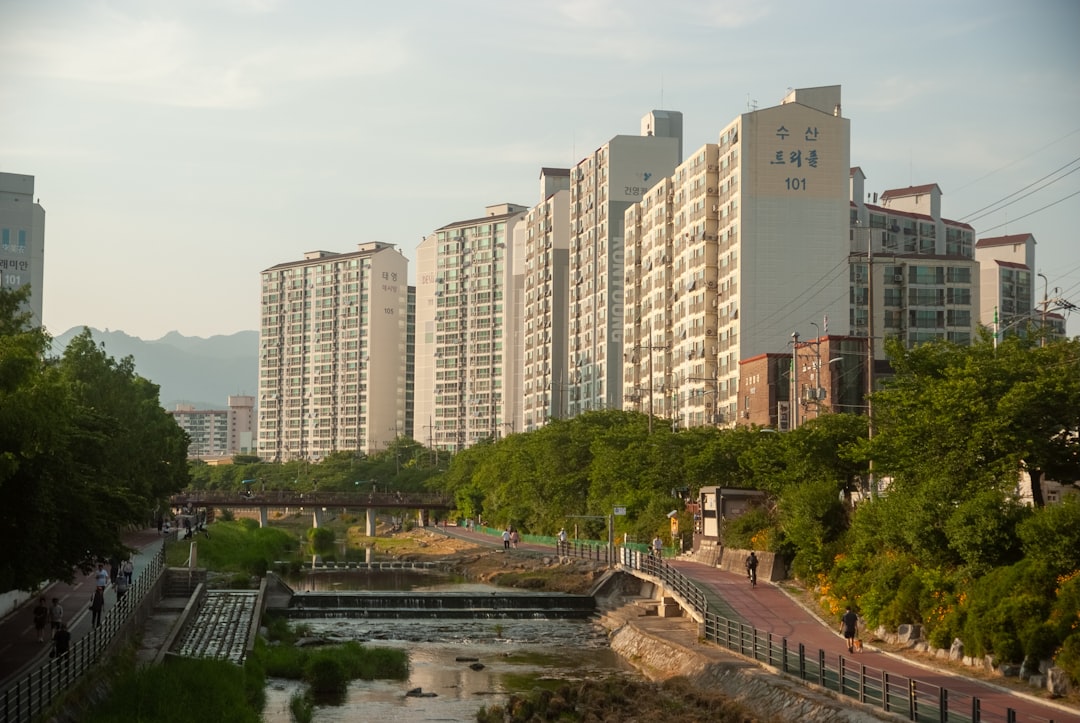
Imagine moving into a beautiful apartment in Seoul — without paying a single dollar in monthly rent. Sounds impossible, right? Yet millions of Koreans do exactly this every single day through a unique housing system called jeonse (전세). If you’ve ever watched a K-Drama where characters casually mention putting down a massive deposit instead of paying rent, you’ve glimpsed this fascinating system in action. Understanding how does jeonse deposit system work is essential for anyone considering living in Korea, investing in Korean real estate, or simply curious about why Korean housing culture is so radically different from anything in the West. In the United States, the idea of handing your landlord $200,000 instead of paying $1,500 a month sounds absurd — but in Korea, it’s not only normal, it’s often the preferred way to rent. Let’s break down every detail of this system, compare it to Western alternatives, and give you the practical knowledge you need.
What Is the Jeonse System? A Complete Overview
The Basic Concept Behind Jeonse
Jeonse (전세), sometimes romanized as “chonsei” or “key money deposit,” is a unique Korean rental system where a tenant pays a large lump-sum deposit to the landlord — typically 50% to 80% of the property’s market value — instead of paying monthly rent. The landlord holds this deposit for the duration of the lease (usually two years), invests it or earns interest on it, and returns the full amount to the tenant when the lease ends.
No monthly rent payments. No deductions. The entire deposit comes back to you. That’s the core promise of jeonse, and it’s why the system has been a cornerstone of Korean housing for over 60 years.
To put this in perspective: a typical two-bedroom apartment (around 60㎡) in Seoul’s Gangnam district might have a jeonse deposit of ₩500 million to ₩800 million (approximately $370,000 to $590,000 USD as of 2026). In less central neighborhoods like Nowon or Dobong, that figure drops to ₩200 million to ₩350 million ($148,000–$260,000).
How the Landlord Makes Money
If the landlord isn’t collecting rent, how do they profit? Historically, landlords deposited jeonse funds into high-interest savings accounts or reinvested them into additional real estate. During Korea’s economic boom of the 1980s and 1990s, bank interest rates reached 15–20%, making jeonse deposits an extremely lucrative passive income source.
Today, with Korea’s base interest rate hovering around 2.5–3.5% (Bank of Korea, 2026), the math has shifted. Many landlords now use jeonse deposits as leverage to purchase additional properties — a practice called “gap investing” (갭투자). This strategy has drawn regulatory scrutiny in recent years, but it remains widespread.
Why Tenants Prefer Jeonse
From the tenant’s perspective, jeonse is essentially a zero-cost housing arrangement. Yes, you need a large amount of capital upfront. But consider this:
- No monthly rent drain — your money isn’t “lost” to a landlord each month
- Forced savings — the deposit acts as a large savings account you get back
- Jeonse loans — Korean banks offer special low-interest loans (전세자금대출) specifically for jeonse deposits, often at 2–3% interest
- Tax benefits — jeonse deposit interest payments are tax-deductible for eligible tenants
- Stability — two-year minimum leases with strong tenant protections under the 2020 Housing Lease Protection Act
Jeonse vs. Monthly Rent vs. Buying: A Side-by-Side Comparison

The Three Korean Housing Options
Korea actually has three main rental/ownership options. Understanding all three helps clarify how does jeonse deposit system work in context:
| Feature | Jeonse (전세) | Wolse / Monthly Rent (월세) | Buying (매매) |
|---|---|---|---|
| Upfront Cost | 50–80% of property value | Small deposit + monthly rent | Full purchase price |
| Monthly Payment | ₩0 | ₩500K–₩2M+ / month | Mortgage payments |
| Deposit Return | 100% returned at lease end | Small deposit returned | N/A (you own it) |
| Typical Lease | 2 years (renewable) | 1–2 years | Permanent |
| Best For | Those with capital but not ready to buy | Foreigners, students, short-term | Long-term residents |
| Risk Level | Medium (deposit recovery risk) | Low | Market-dependent |
How This Compares to Western Rental Systems
In the United States, the standard rental model involves a security deposit (typically one to two months’ rent) plus monthly payments. The security deposit is returned minus any damages. The total financial commitment over two years looks dramatically different:
Example: A comparable apartment in Seoul vs. New York City
- Seoul Jeonse: ₩400M deposit ($296,000), ₩0/month rent, total cost over 2 years = interest on jeonse loan (~$15,000/year) = ~$30,000
- NYC Monthly Rent: $3,200/month × 24 months = $76,800 (gone forever)
- Seoul Wolse: ₩10M deposit ($7,400) + ₩1.2M/month ($890) × 24 = ~$28,760 (deposit partially returned)
When you run the numbers, jeonse can be significantly cheaper than traditional renting — if you can access the capital. The UK, Australia, and most European countries have nothing comparable. The closest Western equivalent might be a lease-to-own arrangement, but even that involves monthly payments.
How Does the Jeonse Deposit System Work Step by Step?
Step 1: Finding a Jeonse Property
Most jeonse listings are found through Korean real estate apps like Zigbang (직방), Dabang (다방), and Naver Real Estate (네이버 부동산). These platforms list properties with clear jeonse pricing. You can also work with a licensed real estate agent (공인중개사), which is standard practice in Korea.
Real estate agents in Korea charge a legally regulated commission. For jeonse transactions, the fee is typically 0.3–0.8% of the deposit amount, split between tenant and landlord. On a ₩400 million deposit, expect to pay around ₩1.6–3.2 million ($1,200–$2,400) in agent fees.
Step 2: Securing a Jeonse Loan
Most tenants don’t have hundreds of thousands of dollars sitting in their bank accounts. This is where jeonse loans (전세자금대출) come in. Korean banks — including Kookmin Bank, Shinhan Bank, and Woori Bank — offer specialized jeonse loans at favorable rates.
Key details about jeonse loans:
- Interest rates: 2.0–4.0% (as of early 2026), significantly lower than mortgage rates
- Loan-to-deposit ratio: Banks typically lend up to 80% of the jeonse deposit
- Government-backed programs: The Korea Housing Finance Corporation (HF) offers subsidized jeonse loans for young people (ages 19–34) and newlyweds at rates as low as 1.2–1.5%
- Eligibility: Proof of income, credit score check, and the property must meet certain valuation standards
- Foreigners: F-2 (resident) and F-5 (permanent resident) visa holders can qualify; E-series (work) visa holders may face restrictions
Step 3: Signing the Contract and Registration
Once you’ve agreed on terms, you sign a jeonse contract (전세계약서) at the real estate agent’s office. This is a critical step. The contract specifies the deposit amount, lease duration, move-in date, and conditions for deposit return.
After signing, you must register your lease at the local district office (주민센터). This step — called 확정일자 (hwakjeong-ilja) — gives you legal priority over other creditors if the landlord goes bankrupt or the property is auctioned. Never skip this step. It’s the single most important tenant protection in the jeonse system.
Step 4: Moving In and Living Rent-Free
Once your deposit is transferred and the lease is registered, you move in. For the next two years (or longer if renewed), you pay zero rent. You’re only responsible for utilities (electricity, gas, water, internet) and building maintenance fees (관리비), which typically run ₩100,000–₩300,000/month ($74–$222).
Korean apartments, especially in modern complexes (아파트 단지), come with amenities that rival luxury Western buildings — heated floors (ondol), built-in appliances, underground parking, fitness centers, and communal gardens. If you’re curious about Korean living spaces and daily culture, check out Korean Cafe Study Rooms: How to Use Them in 2026 for a look at how Koreans blend study, work, and community spaces.
Step 5: Getting Your Deposit Back
When your lease ends, the landlord returns your full deposit. In a healthy market, this is straightforward — the next tenant’s jeonse deposit funds your return. However, deposit recovery has become a significant concern in recent years (more on the risks below).
The Risks of Jeonse: What Can Go Wrong

The Jeonse Fraud Crisis of 2022–2024
Korea experienced a devastating jeonse fraud scandal between 2022 and 2024, often called the “전세사기” (jeonse-sagi) crisis. Unscrupulous landlords and organized crime networks exploited the gap-investing model to collect jeonse deposits on overvalued properties, then deliberately defaulted or disappeared.
Key statistics from the crisis:
- Over 14,000 victims reported nationwide
- Estimated total damages exceeded ₩1.5 trillion ($1.1 billion USD)
- Incheon and parts of outer Seoul were hardest hit
- Several victims took their own lives, prompting national outrage and emergency legislation
The Korean government responded with the Jeonse Fraud Prevention Act (2023) and enhanced the Housing Deposit Guarantee Insurance system. But the scars remain, and younger Koreans have become notably more cautious about jeonse.
Common Risks Tenants Should Know
Even without fraud, there are legitimate risks to understand:
- Deposit non-return: If property values drop significantly, the landlord may not have enough equity to return your deposit
- Auction risk: If the landlord’s property is seized, your deposit priority depends on your registration date and any existing mortgages
- Gap investing collapse: Landlords who over-leveraged through gap investing may go bankrupt in a downturn
- Currency risk (for foreigners): If you deposit in KRW and the won weakens, your returned deposit is worth less in your home currency
- Opportunity cost: Tying up $300,000+ in a jeonse deposit means that money isn’t invested elsewhere
How to Protect Yourself
Essential precautions for any jeonse tenant:
- Get 전세보증보험 (Jeonse Deposit Guarantee Insurance) through the Housing and Urban Guarantee Corporation (HUG) or the Seoul Guarantee Insurance Company (SGI). This insures your deposit against landlord default. Premiums are typically 0.1–0.2% of the deposit annually.
- Check the property registry (등기부등본) before signing. This document reveals existing mortgages, liens, and seizure orders on the property.
- Verify the landlord’s identity matches the registered property owner.
- Ensure your jeonse deposit doesn’t exceed 80% of the property’s appraised value.
- Register your lease (확정일자) on move-in day — don’t delay.
Jeonse in 2026: Current Market Trends
Rising Jeonse Deposits
Despite the fraud crisis dampening enthusiasm, jeonse deposits have actually risen sharply in prime Seoul districts during 2025–2026. According to the Korea Real Estate Board (한국부동산원), the average jeonse deposit for a 84㎡ apartment in Seoul reached ₩620 million ($459,000) in January 2026 — a 12% increase year-over-year.
Several factors are driving this trend:
- Housing supply shortages in central Seoul
- Young professionals choosing jeonse over buying due to skyrocketing purchase prices
- Government jeonse loan subsidies making large deposits more accessible
- The “jeonse-to-purchase” pipeline — many Koreans use jeonse as a stepping stone, saving for a down payment while living rent-free
The Shift Toward Wolse (Monthly Rent)
Interestingly, the jeonse market share has been gradually declining. In 2010, jeonse accounted for roughly 62% of Korean rental transactions. By 2025, that figure dropped to approximately 45%, with wolse (monthly rent) and “semi-jeonse” (반전세 — a hybrid with a smaller deposit plus reduced monthly rent) gaining popularity.
Low interest rates in the 2010s made jeonse less profitable for landlords. Many converted to wolse arrangements. The fraud crisis accelerated this shift, as tenants became wary of large deposit exposure. However, with interest rates rising again in 2025–2026, jeonse is experiencing a modest renaissance among landlords who can earn better returns on deposits.
Can Foreigners Use the Jeonse System?

Visa Requirements and Eligibility
Yes, foreigners can enter jeonse contracts in Korea — but with some caveats. There’s no law preventing non-citizens from signing a jeonse lease. However, practical barriers include:
- Jeonse loans: Most banks require an F-2 (resident) or F-5 (permanent resident) visa. E-series work visa holders can sometimes qualify through the National Housing Fund (국민주택기금) but at lower loan-to-deposit ratios.
- Language barrier: Contracts are in Korean. Hire a bilingual attorney or use the Korea Legal Aid Corporation’s free translation service.
- Alien registration: You need a valid 외국인등록증 (Alien Registration Card) to register your lease at the district office.
- Landlord hesitancy: Some landlords prefer Korean tenants due to perceived ease of legal recourse. Working with an experienced agent helps.
Practical Tips for Expats
If you’re an expat considering jeonse in Korea, here’s expert advice:
- Start with a Korean co-signer if your visa status limits loan eligibility
- Use the HUG insurance system — it’s available to foreign nationals with valid registration
- Consider semi-jeonse (반전세) as a middle ground: smaller deposit (₩50–100M) plus modest monthly rent (₩300–500K)
- Join expat communities like Seoul Global Center, InterNations Seoul, and Reddit’s r/korea for firsthand experiences
- Budget for 3–6 months of lead time to secure loans and find suitable properties
Planning to visit Korea and experience the culture firsthand? Our guide on Gyeongju Day Trip From Seoul Itinerary 2026 is perfect for understanding Korean living beyond the city, and Visit Korea Official Guide has comprehensive resources for travelers transitioning to residents.
Cultural Context: Why Jeonse Exists Only in Korea
Historical Origins
Jeonse emerged in the 1960s and 1970s during Korea’s rapid industrialization. The government needed to mobilize capital for economic development, but formal banking infrastructure was underdeveloped. Jeonse deposits served as an informal capital market — landlords essentially functioned as mini-banks, collecting deposits and reinvesting them.
At the time, commercial interest rates exceeded 20%. A landlord receiving a ₩10 million jeonse deposit could earn ₩2 million per year in interest alone — far more than monthly rent would have generated. This economic incentive, combined with Korea’s collectivist culture of long-term trust relationships between landlords and tenants, cemented jeonse as the dominant rental model.
The Cultural Meaning of Homeownership
To understand jeonse, you need to understand Korea’s deep cultural attachment to homeownership. Owning an apartment in Korea isn’t just financial security — it’s a social status marker, a prerequisite for marriage in many families, and a reflection of one’s life success.
The typical Korean housing ladder looks like this:
- 고시원 (goshiwon): Tiny study rooms for students and young workers ($300–500/month)
- 원룸 월세 (one-room wolse): Small studio with monthly rent
- 전세 (jeonse): Larger apartment with lump-sum deposit — the “I’m getting serious” stage
- 매매 (purchase): Buying your own apartment — the ultimate goal
Jeonse occupies a critical middle step in this ladder. It signals financial stability without the full commitment of buying. Many young Korean couples specifically seek jeonse housing before or immediately after marriage — it’s practically expected by both families.
This cultural weight is reflected in K-Dramas and Korean media constantly. Characters’ housing situations are shorthand for their social standing. If you’ve been exploring Korean pop culture through music, check out 7 Best K-Pop Albums for New Listeners in 2025 and 7 K-Pop Rookie Groups Debuting 2026 You Need to Know for more cultural context on modern Korean life.
Jeonse-Inspired Concepts in the West and Around the World

Similar Systems Globally
While jeonse is unique to Korea, some countries have loosely similar concepts:
- Bolivia’s “anticrético”: A deposit-based rental system where tenants provide a large sum instead of monthly rent — the closest global equivalent to jeonse
- Japan’s “reikin” (礼金) and “shikikin” (敷金): Key money and deposits, but tenants still pay monthly rent
- UK’s “premium” on commercial leases: Large upfront payments for business properties, but not residential
- US lease-to-own: Part of monthly payments go toward purchase, but the structure is fundamentally different
Could Jeonse Work in the United States?
It’s a thought-provoking question. Several factors make jeonse impractical in the US:
- Legal framework: US tenant protection laws vary wildly by state, and there’s no federal infrastructure for deposit guarantee insurance
- Cultural expectations: Americans expect monthly payments; a $300K deposit would feel like buying a house
- Interest rates: US savings interest rates have been historically low (though recent hikes have changed this somewhat)
- Investor behavior: US landlords prefer predictable monthly cash flow over lump-sum capital management
That said, with rising rent prices in major US cities like New York, San Francisco, and Austin, some fintech startups have explored “deposit-heavy, low-rent” models. While none have replicated jeonse exactly, the economic logic — tenants building equity-like savings while landlords access investment capital — resonates increasingly with American renters frustrated by the “throwing money away” feeling of traditional renting.
Practical Guide: Jeonse Checklist for 2026
Before You Sign
- ☑️ Pull the 등기부등본 (property registry) — check for mortgages, liens, and the actual owner’s name
- ☑️ Verify the building’s assessed value through the Ministry of Land’s Real Estate Transaction Platform (실거래가 공개시스템)
- ☑️ Ensure your deposit is no more than 80% of the appraised value
- ☑️ Confirm your jeonse loan pre-approval from your bank
- ☑️ Check if the landlord has multiple properties with jeonse tenants — a red flag for gap investing overextension
- ☑️ Visit the property in person, checking for water damage, mold, and noise levels
On Signing Day
- ☑️ Review every clause with a bilingual attorney if you don’t read Korean fluently
- ☑️ Confirm the exact deposit amount and payment schedule (usually 10% at signing, 90% at move-in)
- ☑️ Set the lease start and end dates explicitly
- ☑️ Specify conditions for early termination and deposit return timeline
- ☑️ Get the agent’s commission receipt
After Moving In
- ☑️ Register your lease (확정일자) at the district office within the first week — ideally on move-in day
- ☑️ Purchase 전세보증보험 (deposit guarantee insurance) through HUG or SGI
- ☑️ Document the property condition with timestamped photos and videos
- ☑️ Set a calendar reminder 6 months before lease end to begin renewal negotiations or new property search
Living in a Korean apartment also means embracing unique lifestyle elements. Heated ondol floors, communal recycling stations, and neighborhood culture are part of daily life. For more on Korean daily lifestyle, see Korean Minimalist Fashion Essentials 2026: Style Guide and 7 Korean Diet Foods for Weight Loss Beginners (2026 Guide) — they capture the broader aesthetic and health-conscious culture that shapes Korean apartment living.
Frequently Asked Questions About Jeonse
How does jeonse deposit system work if I don’t have the full amount?
Most tenants don’t pay the full jeonse deposit out of pocket. Korean banks offer jeonse-specific loans (전세자금대출) covering up to 80% of the deposit at interest rates between 2.0% and 4.0%. For young adults under 34, government-subsidized programs through the Korea Housing Finance Corporation offer rates as low as 1.2%. You’ll typically need 20–30% of the deposit as your own funds, plus proof of income and a valid visa (F-2 or F-5 for foreigners).
What happens if my landlord can’t return my jeonse deposit?
If your landlord defaults, your recourse depends on two factors: whether you registered your lease (확정일자) and whether you purchased deposit guarantee insurance (전세보증보험). With registration, you have legal priority over unsecured creditors if the property is auctioned. With HUG insurance, the insurance company pays your deposit and pursues the landlord for recovery. Without either, you may need to file a civil lawsuit — a process that can take 1–2 years in Korean courts.
Can I negotiate the jeonse deposit amount?
Absolutely. Jeonse deposits are negotiable, just like purchase prices. In a tenant-friendly market (oversupply), you can often negotiate 5–10% below the listed deposit. In a landlord-friendly market (undersupply, like central Seoul in 2026), negotiation leverage is limited. You can also negotiate a semi-jeonse (반전세) arrangement — a lower deposit combined with modest monthly rent — if the full jeonse amount is beyond your reach.
Is jeonse better than buying an apartment in Korea?
It depends on your timeline and financial situation. Jeonse is better if you plan to stay 2–4 years, aren’t sure about your long-term location, or want to keep your capital liquid. Buying is better if you’re staying 5+ years and believe property values will appreciate. Historically, Seoul apartment prices have risen an average of 5–8% annually, making purchase a strong long-term investment. However, the 2022–2023 market correction saw prices drop 10–15% in some areas, reminding everyone that real estate isn’t risk-free.
Do I get any tax benefits from jeonse?
Yes. Korean tax law allows tenants to deduct jeonse loan interest payments from their taxable income, up to a maximum of ₩4 million ($2,960) per year. Additionally, tenants earning below a certain income threshold can claim a housing rent tax credit for the imputed rent value of their jeonse arrangement. Consult a Korean tax professional (세무사) or visit the National Tax Service (국세청) website for current year specifics.
Related Posts
If you found this guide on how does jeonse deposit system work helpful, explore more of Korean culture and lifestyle on our site:
- K-Drama Filming Locations Seoul Map: 2026 Guide — Visit the iconic Seoul locations from your favorite dramas
- Korean Cafe Study Rooms: How to Use Them in 2026 — Experience the unique Korean cafe culture that shapes daily life
- 7 Best Korean Smart Pet Gadgets 2026: Ultimate Guide — Discover how tech-savvy Korean apartment living extends to pet care
Suggested future articles:
- Korean Apartment Etiquette: Noise Rules and Neighbor Culture Guide
- How to Open a Korean Bank Account as a Foreigner 2026
- Seoul Neighborhood Guide: Best Areas to Live for Expats 2026
Final Thoughts: Is Jeonse Right for You?
The jeonse system is one of the most fascinating and uniquely Korean approaches to housing in the world. Whether you’re planning a long-term move to Seoul, researching Korean real estate for investment, or simply curious about how daily life works in one of Asia’s most dynamic cities, understanding how does jeonse deposit system work gives you a window into Korean economic culture that few outsiders ever explore.
The system isn’t perfect — the fraud crisis proved that. But with proper due diligence, deposit insurance, and legal registration, jeonse remains a powerful financial tool that lets millions of Koreans live comfortably while preserving their capital. No Western rental system offers anything quite like it.
Have you experienced the jeonse system firsthand? Are you considering it for your move to Korea? Drop your questions and experiences in the comments below — we love hearing from readers navigating Korean life. If this guide helped you, share it with friends who are curious about Korean housing, and subscribe to our newsletter for weekly deep dives into Korean culture, lifestyle, and travel that you won’t find anywhere else.