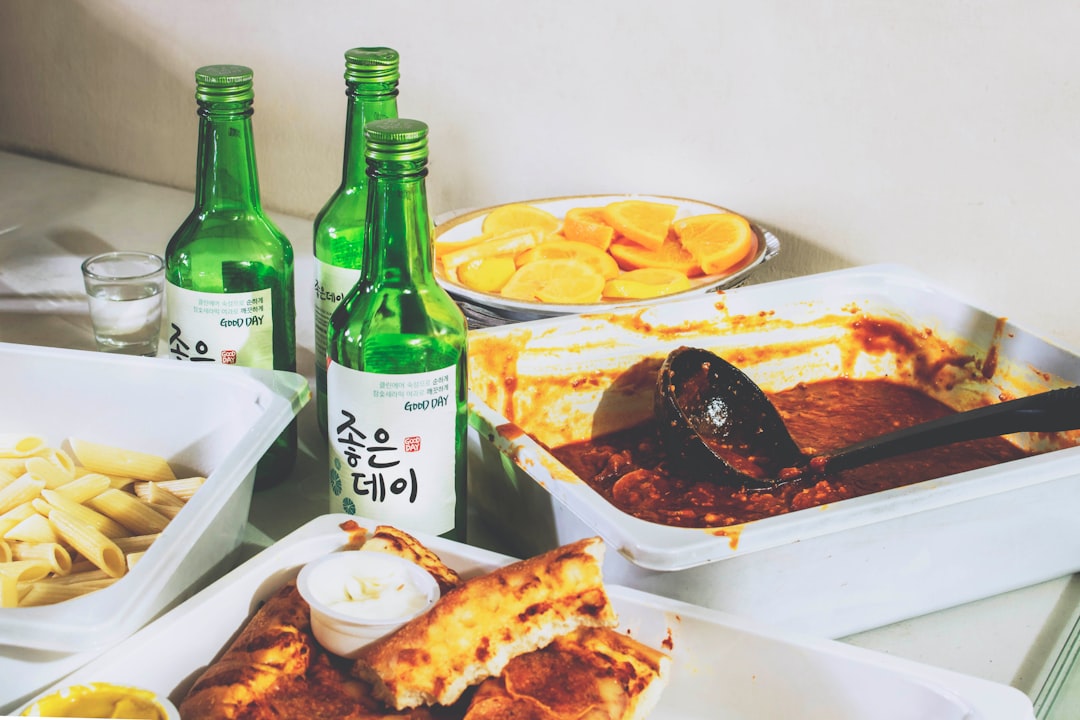
Why Korean Cuisine Is the Weight Loss Secret You’ve Been Missing
Here’s a surprising fact that might change the way you think about dieting: South Korea has one of the lowest obesity rates among developed nations, hovering around just 5.5% compared to over 40% in the United States. And it’s not because Koreans eat less — it’s because they eat differently. The traditional Korean diet is built around fermented vegetables, lean proteins, complex carbohydrates, and an incredible variety of side dishes called banchan that naturally control portions while delivering maximum nutrition.
If you’ve ever sat down at a Korean restaurant and marveled at the rainbow of small dishes arriving at your table, you’ve already witnessed the philosophy behind healthy Korean meals for weight loss. Unlike Western diets that often revolve around a single large entrée, Korean eating culture emphasizes variety, balance, and the communal experience of sharing many small plates.
I spent three years living in Seoul, and without even trying, I dropped 15 pounds in my first six months. I wasn’t counting calories or restricting food groups — I was simply eating the way Koreans eat. In this guide, I’ll share the specific foods, recipes, and strategies that make Korean cuisine one of the most effective (and delicious) approaches to sustainable weight loss in 2026.
The Science Behind Korean Diet and Weight Loss

Why Traditional Korean Meals Are Naturally Low-Calorie
The traditional Korean meal structure — called bapsang — is fundamentally different from Western eating patterns. A typical Korean meal includes rice, soup, and 3-5 side dishes (banchan), most of which are vegetable-based. This structure naturally limits calorie intake while maximizing nutrient density.
According to research published in the Journal of Ethnic Foods, a standard Korean home-cooked meal averages between 400-600 calories, compared to 700-1,200 calories for a typical American dinner. The secret lies in cooking methods: steaming, boiling, fermenting, and grilling dominate Korean cooking, while deep-frying is relatively rare in everyday home meals.
Fermentation is the real game-changer. Korea’s fermented foods — kimchi, doenjang (fermented soybean paste), gochujang (fermented chili paste), and jeotgal (fermented seafood) — are loaded with probiotics that support gut health. A growing body of research in 2025-2026 links a healthy gut microbiome directly to better weight management, reduced inflammation, and improved metabolism.
Explore traditional Korean food cultureKey Nutritional Principles of Korean Eating
Korean cuisine follows several principles that align perfectly with modern weight loss science:
- Obangsaek (Five Colors): Traditional meals aim to include five colors — white, black, green, red, and yellow — ensuring a wide range of vitamins and minerals.
- High fiber intake: Vegetables, legumes, and whole grains make up roughly 60-70% of a traditional Korean plate.
- Moderate protein: Small portions of fish, tofu, or lean meat complement vegetables rather than dominating the plate.
- Low dairy and sugar: Traditional Korean cooking uses almost no butter, cream, cheese, or refined sugar.
- Soup with every meal: Broth-based soups (guk) increase satiety and hydration with minimal calories.
These principles mean that when you eat healthy Korean meals for weight loss, you’re not depriving yourself — you’re simply shifting the composition of what’s on your plate toward nutrient-dense, low-calorie, high-volume foods that keep you full longer.
10 Best Healthy Korean Foods for Weight Loss
1. Kimchi — The Probiotic Powerhouse (15 Calories per Cup)
No list of healthy Korean meals for weight loss would be complete without kimchi. This iconic fermented vegetable dish — usually made from napa cabbage, radish, garlic, ginger, and gochugaru (Korean chili flakes) — is the cornerstone of Korean cuisine. Koreans eat an average of 40 pounds of kimchi per person per year.
From a weight loss perspective, kimchi is extraordinary. A full cup contains only about 15-20 calories, yet it delivers fiber, vitamins A and C, and billions of beneficial Lactobacillus bacteria. A 2024 study from Chung-Ang University found that participants who ate kimchi daily for 8 weeks showed significant reductions in body fat percentage and waist circumference compared to a control group.
Where to buy: H-Mart carries multiple brands (look for Mother-in-Law’s Kimchi or Jongga). Whole Foods and Trader Joe’s now stock kimchi in the refrigerated section. For the freshest option, make your own — it’s surprisingly easy. Maangchi’s easy kimchi recipe
Pro tip: Start with 2-3 tablespoons per meal if you’re new to kimchi. Your gut flora needs time to adjust to the influx of probiotics. Pair it with rice and grilled protein for a perfect balanced meal.
2. Doenjang Jjigae — Fermented Soybean Stew (~150 Calories per Bowl)
If kimchi is Korea’s most famous food, doenjang jjigae is its most comforting. This bubbling, earthy stew made with fermented soybean paste (doenjang), tofu, zucchini, onions, and chili is served in virtually every Korean household multiple times a week.
At roughly 150-200 calories per generous bowl, doenjang jjigae is a weight loss miracle. The fermented soybean paste provides protein, probiotics, and a deep umami flavor that satisfies cravings for rich, savory food. The tofu adds lean protein without excess fat, while the vegetables bulk up the stew with fiber and micronutrients.
Doenjang itself contains isoflavones — plant compounds that research suggests may help reduce visceral fat, the dangerous fat that accumulates around organs. A study in Nutrition Research and Practice found that regular doenjang consumption was associated with lower BMI in Korean adults.
How to make it: Dissolve 2-3 tablespoons of doenjang paste in anchovy or kelp broth. Add cubed tofu, sliced zucchini, diced onion, minced garlic, and a teaspoon of gochugaru. Simmer for 15 minutes. Serve bubbling hot with a bowl of rice. Total prep time: 20 minutes.
3. Bibimbap — The Balanced Bowl (~450 Calories)
Bibimbap literally means “mixed rice,” and it’s one of the most visually stunning dishes in Korean cuisine. A bowl of warm rice topped with sautéed spinach, bean sprouts, carrots, mushrooms, zucchini, a fried egg, and gochujang sauce — all mixed together just before eating.
What makes bibimbap ideal for weight loss is its incredible vegetable-to-rice ratio. A properly made bibimbap is about 60% vegetables, 20% rice, and 20% protein. You can easily make it even lighter by using cauliflower rice or brown rice and skipping the sesame oil drizzle (saving about 120 calories).
The best part? Bibimbap is infinitely customizable. Swap the beef for grilled chicken, shrimp, or extra tofu. Load up on whatever seasonal vegetables you have. The gochujang sauce — which contains capsaicin from chili peppers — may even provide a slight metabolic boost.
Must Try Korean Street Food Guide 2026: 15 Hidden Gems — street food bibimbap stalls are a must-try if you visit Korea.
4. Japchae — Sweet Potato Glass Noodles (~250 Calories per Serving)
Japchae features dangmyeon — translucent noodles made from sweet potato starch — stir-fried with spinach, carrots, mushrooms, bell peppers, and thin slices of beef in a light soy-sesame sauce. These noodles are naturally gluten-free and lower in calories than wheat pasta.
A typical serving of japchae comes in at around 250 calories, and because sweet potato noodles have a lower glycemic index than regular pasta, they cause a slower, steadier rise in blood sugar. This means less insulin spiking and fewer hunger crashes an hour after eating.
Weight loss hack: Increase the vegetable portion and reduce the noodles by half. You’ll barely notice the difference in volume but save 80-100 calories per serving. Use tamari instead of soy sauce for a gluten-free version.
5. Kongnamul Guk — Soybean Sprout Soup (~60 Calories per Bowl)
This humble, everyday soup is a secret weapon in healthy Korean meals for weight loss. Made from soybean sprouts simmered in a clear anchovy or kelp broth with garlic, scallions, and a touch of salt, kongnamul guk is incredibly light yet surprisingly filling.
At just 60 calories per bowl, drinking this before your main course can reduce overall meal intake by 15-20%. Soybean sprouts are rich in vitamin C, folate, and dietary fiber, and the warm broth triggers satiety signals in your stomach faster than solid food alone.
Koreans often drink this soup as a hangover cure (called haejangguk), but it’s equally effective as a pre-meal appetite suppressant. Keep a batch in your fridge and heat a bowl before lunch and dinner.
6. Grilled Fish (Saengseon Gui) — ~200 Calories per Fillet
Korean-style grilled fish — particularly mackerel (godeungeo gui) and corvina (gulbi) — is a staple protein source that’s rich in omega-3 fatty acids and naturally low in calories. Unlike deep-fried fish and chips, Korean grilled fish is simply seasoned with salt and cooked over high heat until the skin crisps.
Mackerel is particularly beneficial for weight loss because its high omega-3 content helps reduce inflammation and may improve leptin sensitivity — the hormone that tells your brain you’re full. A single grilled mackerel fillet provides roughly 200 calories and 20 grams of protein.
Where to buy: H-Mart sells whole frozen mackerel for about $3-4 per fish. Trader Joe’s carries frozen mackerel fillets as well. Defrost, sprinkle with coarse sea salt, and broil in your oven for 8-10 minutes per side. Serve with rice, kimchi, and a bowl of kongnamul guk for a complete Korean meal under 500 calories.
7. Hobak Juk — Pumpkin Porridge (~120 Calories per Bowl)
This silky, naturally sweet porridge made from kabocha squash (or sweet pumpkin) and glutinous rice flour is traditional Korean comfort food at its finest. Despite tasting rich and indulgent, a bowl of hobak juk contains only about 120 calories.
Kabocha squash is loaded with beta-carotene, fiber, and potassium while being remarkably low in calories (about 40 calories per cup). The porridge consistency means you eat it slowly, giving your brain time to register fullness. It’s particularly great as a breakfast replacement for calorie-dense options like pancakes or cereal.
8. Seasoned Vegetable Side Dishes (Namul) — 20-50 Calories Each
Namul refers to the entire category of seasoned vegetable side dishes that appear at every Korean meal. Spinach (sigeumchi namul), fernbrake (gosari namul), bean sprouts (kongnamul), radish (mu namul), and dozens more — each lightly blanched and dressed with sesame oil, garlic, soy sauce, and sesame seeds.
Most namul dishes range from just 20-50 calories per serving, yet they’re packed with vitamins, minerals, and fiber. Having 3-5 different namul dishes at your meal means you’re consuming an incredible variety of phytonutrients in tiny caloric packages.
Meal prep tip: Make a batch of 4-5 different namul on Sunday. Store in individual containers in the fridge. They keep for 3-5 days and make perfect low-calorie additions to any meal throughout the week. This single habit is one of the most effective strategies for building healthy Korean meals for weight loss into your daily routine.
9. Sundubu Jjigae — Soft Tofu Stew (~180 Calories)
This fiery, bubbling stew made with uncurdled soft tofu, vegetables, and gochugaru is one of the most satisfying low-calorie Korean dishes. The silky tofu practically melts in your mouth, delivering protein and calcium with almost no fat.
A standard restaurant bowl runs about 180-250 calories (depending on whether you add an egg or seafood). The capsaicin in the chili has a mild thermogenic effect, meaning your body burns slightly more calories digesting spicy food. Some studies suggest capsaicin may also temporarily suppress appetite.
Restaurant tip: Order sundubu jjigae at any Korean restaurant for typically $10-15. Choose the seafood version (haemul sundubu) over the pork version for fewer calories. Most restaurants serve it with rice and unlimited banchan refills.
10. Mul-Naengmyeon — Cold Buckwheat Noodles (~380 Calories)
This refreshing cold noodle soup, traditionally served in summer, features thin buckwheat noodles in an icy beef or dongchimi (radish water kimchi) broth, topped with sliced cucumber, pear, a hard-boiled egg, and thin slices of beef.
Buckwheat noodles are a weight loss–friendly carbohydrate. They contain rutin (a flavonoid that supports cardiovascular health), more protein than wheat noodles, and a lower glycemic index. The cold broth is virtually calorie-free, and the generous vegetable toppings add volume without calories.
At around 380 calories for a large bowl, mul-naengmyeon is a complete meal that’s especially satisfying on hot days when you want something light but filling.
Calorie Comparison: Korean Foods vs. Western Alternatives

To really understand why healthy Korean meals for weight loss are so effective, let’s compare common meals side by side:
| Korean Meal | Calories | Western Equivalent | Calories | Savings |
|---|---|---|---|---|
| Bibimbap with egg | 450 | Chipotle burrito bowl | 750 | 300 cal |
| Doenjang jjigae + rice | 350 | Beef stew with bread | 650 | 300 cal |
| Grilled mackerel set meal | 480 | Fish and chips | 900 | 420 cal |
| Sundubu jjigae + rice | 380 | Cream of mushroom soup + roll | 550 | 170 cal |
| Mul-naengmyeon | 380 | Spaghetti Bolognese | 700 | 320 cal |
Switching just one meal per day to a Korean-style meal could save you 200-400 calories daily — that’s 1,400-2,800 calories per week, or roughly half a pound of fat loss weekly without any additional exercise.
A Sample 7-Day Korean Meal Plan for Weight Loss
Here’s a realistic, practical weekly meal plan built around healthy Korean meals for weight loss. Total daily calories average 1,400-1,600 — a sustainable deficit for most adults.
Monday Through Wednesday: Foundation Days
Monday:
- Breakfast: Hobak juk (pumpkin porridge) with a handful of walnuts — 180 cal
- Lunch: Bibimbap with brown rice, extra vegetables, soft-boiled egg — 450 cal
- Dinner: Doenjang jjigae with rice and 3 namul side dishes — 420 cal
- Snack: Sliced Korean pear (bae) — 50 cal
- Daily total: ~1,100 cal
Tuesday:
- Breakfast: Kongnamul guk with a small bowl of rice — 200 cal
- Lunch: Japchae with grilled chicken — 350 cal
- Dinner: Grilled mackerel, rice, kimchi, spinach namul, radish namul — 500 cal
- Snack: Roasted seaweed snacks (gim) — 30 cal
- Daily total: ~1,080 cal
Wednesday:
- Breakfast: Soft tofu with soy sauce and scallions, rice — 250 cal
- Lunch: Sundubu jjigae with seafood — 380 cal
- Dinner: Mul-naengmyeon with extra cucumber — 400 cal
- Snack: Dried persimmon (gotgam) — 70 cal
- Daily total: ~1,100 cal
Thursday Through Sunday: Variety Days
For the remaining days, rotate through the 10 foods listed above and add variety with these additional options:
- Samgyetang (ginseng chicken soup): A whole small chicken stuffed with rice, ginseng, garlic, and jujubes. Rich in protein, about 350 calories per serving if you skip the skin.
- Haemul Pajeon (seafood green onion pancake): Share one as an appetizer — at roughly 150 calories per quarter of a pancake, it’s a tasty starter that won’t break your calorie budget.
- Gimbap (Korean rice rolls): Like sushi rolls but with sesame-seasoned rice, vegetables, and your choice of protein. One roll (8 pieces) averages 350 calories.
Korean Fried Chicken Recipe: Crispy Secret for 2026 — for those occasional indulgence days, enjoy Korean fried chicken as a treat meal.
Essential Korean Pantry Items for Weight Loss Cooking

Must-Have Fermented Ingredients
Building a Korean pantry doesn’t require a massive investment. Here are the essential items you need to start cooking healthy Korean meals for weight loss at home:
- Doenjang (fermented soybean paste): $5-7 at H-Mart. Look for Sempio or Haechandle brands. Lasts 6+ months refrigerated.
- Gochugaru (Korean chili flakes): $8-12 for a 1-pound bag. Essential for kimchi and stews. Not the same as regular red pepper flakes.
- Gochujang (fermented chili paste): $5-8. The sweet-spicy-savory base for bibimbap sauce and marinades.
- Soy sauce (ganjang): $4-6. Use regular soy sauce (yangjo ganjang) for cooking and soup soy sauce (guk ganjang) for lighter broths.
- Sesame oil (chamgireum): $6-10. A little goes a long way — use sparingly (1/2 teaspoon per namul serving) to keep calories in check.
Fresh Produce and Proteins
Stock these weekly for a full Korean meal prep routine:
- Napa cabbage: For fresh kimchi and stews ($2-3 per head)
- Korean radish (mu): For soups, kimchi, and namul ($2-3 each)
- Soybean sprouts and mung bean sprouts: For soups and namul ($1-2 per bag)
- Firm and soft tofu: Protein staple, $1-3 per block
- Frozen whole mackerel or mackerel fillets: $3-5 per fish
- Zucchini (hobak): For stews and namul ($1-2 each)
- Spinach: For sigeumchi namul, the most classic side dish ($2-3 per bunch)
Budget note: A full week of Korean meal prep ingredients costs approximately $35-50 at H-Mart — significantly less than eating out or buying pre-made diet meals. Whole Foods and regular grocery stores carry most of these items, though prices may be 20-30% higher than Asian supermarkets.
Common Mistakes to Avoid When Eating Korean for Weight Loss
Watch Out for Hidden Calorie Traps
Korean cuisine isn’t automatically low-calorie. Some popular Korean dishes are surprisingly high in calories, and certain eating habits can undermine your weight loss goals:
- Korean BBQ (samgyeopsal/galbi): While delicious, fatty pork belly (samgyeopsal) packs 500+ calories per 100 grams. If you eat Korean BBQ, choose lean cuts like chadolbaegi (brisket) or deungsim (sirloin) and fill up on the lettuce wraps and banchan.
- Tteokbokki (spicy rice cakes): Those chewy, addictive rice cakes in sweet-spicy sauce average 400+ calories per serving — mostly from refined carbohydrates and sugar in the sauce.
- Jjajangmyeon (black bean noodles): A generous portion can hit 700-900 calories due to the thick, oily black bean sauce and large noodle portion.
- Excess rice: Many Korean restaurants give large portions of white rice. Ask for half rice (bap ban gong gi) or substitute with multigrain rice (japgokbap) when available.
Sodium Awareness
One legitimate concern with Korean food is sodium content. Kimchi, doenjang, gochujang, and soy sauce are all high in sodium. While sodium doesn’t directly cause fat gain, excess sodium leads to water retention that can mask weight loss progress on the scale.
Solutions:
- Use reduced-sodium soy sauce (about 40% less sodium)
- Rinse canned or packaged kimchi briefly before eating
- Drink plenty of water — aim for 8-10 glasses daily
- Balance high-sodium meals with potassium-rich foods like bananas and sweet potatoes
- Weigh yourself at the same time each morning and track the weekly average, not daily fluctuations
First Time Jjimjilbang Etiquette Guide 2026: Step-by-Step — visiting a Korean spa is a great complement to your weight loss journey, with hot and cold therapy that can aid recovery and relaxation.
How K-Pop Idols Use Korean Diet Principles

There’s enormous interest in how K-Pop idols maintain their physiques, and while some idol diets are dangerously restrictive (and should never be followed), the general principles behind Korean celebrity nutrition align with what we’ve discussed here.
Many Korean celebrities and trainers advocate for what’s called the “1:2:3 ratio” — 1 part protein, 2 parts vegetables, 3 parts complex carbohydrates (rice or sweet potato). This isn’t extreme or restrictive; it’s simply the traditional Korean meal balance that’s been practiced for centuries.
Idols like BLACKPINK’s Jennie and BTS members have mentioned in interviews that their everyday meals include rice, kimchi, grilled protein, and multiple vegetable side dishes — exactly the healthy Korean meals for weight loss we’ve been describing. The key difference is portion control and consistent meal timing.
7 Fashion Trends K-Pop Idols Started in 2026 — K-Pop influence extends far beyond food into fashion and lifestyle trends.
Frequently Asked Questions
Is Korean food actually good for weight loss?
Yes — traditional Korean cuisine is naturally aligned with weight loss principles. The emphasis on vegetables, fermented foods, lean proteins, and broth-based soups creates meals that are high in volume and nutrients but relatively low in calories. Studies show that the traditional Korean diet is associated with lower BMI, lower body fat percentage, and reduced risk of metabolic syndrome compared to Western diets. The key is focusing on home-style Korean cooking (hansik) rather than modern Korean fast food or heavy BBQ-centered meals.
How many calories are in a typical Korean meal?
A traditional Korean home-cooked meal — consisting of rice, soup, and 3-5 banchan (side dishes) — typically ranges from 400 to 600 calories. Restaurant portions tend to run higher, around 500-800 calories, depending on the dish. For comparison, the average American dinner contains 700-1,200 calories. By eating Korean-style meals, most people naturally reduce calorie intake by 200-400 calories per meal without feeling hungry or deprived.
Can I lose weight eating rice every day?
Absolutely. Rice is a staple of the Korean diet, and Korea has one of the lowest obesity rates in the developed world. The key is portion control — a Korean serving of rice is typically 150-200 grams (about 200-260 calories), compared to the 300-400 gram portions common in many restaurants. You can further optimize by choosing multigrain rice (japgokbap) or brown rice (hyunmi bap), which have more fiber and a lower glycemic index than white rice. The vegetables and soup that accompany the rice in Korean meals also help control how much rice you actually eat.
What Korean foods should I avoid if I’m trying to lose weight?
Watch out for these higher-calorie Korean options: samgyeopsal (pork belly, 500+ cal/100g), tteokbokki (400+ cal/serving), jjajangmyeon (700-900 cal), Korean fried chicken (500-700 cal/serving), and cheese-topped dishes (add 200-300 cal). Also be cautious with Korean BBQ in general, as the all-you-can-eat format makes it easy to consume 1,500+ calories in a single sitting. These foods aren’t “bad” — they’re just better suited as occasional treats rather than everyday meals when you’re focused on weight loss.
Is kimchi really that good for weight loss?
The evidence is compelling. Kimchi is extremely low in calories (15-20 per cup), high in fiber, and rich in probiotics that support a healthy gut microbiome. Multiple studies from Korean universities have found associations between regular kimchi consumption and reduced body fat, particularly visceral fat. The capsaicin in the chili also provides a mild thermogenic effect. Most importantly, kimchi adds enormous flavor to meals without adding significant calories, making it easier to enjoy a calorie-reduced diet long-term. Aim for 1-3 servings daily for optimal benefits.
Related Posts You’ll Love
If you enjoyed this guide to healthy Korean meals for weight loss, check out these related articles:
- Must Try Korean Street Food Guide 2026: 15 Hidden Gems
- Korean Fried Chicken Recipe: Crispy Secret for 2026
- Gyeongju Day Trip From Seoul: 2026 Complete Itinerary
Suggested new articles we should cover:
- Best Korean Skincare Routine for Glowing Skin While Dieting
- Complete Guide to Korean Temple Food: Vegan Buddhist Cuisine
- Korean Fermented Foods Guide: Health Benefits and How to Make Them at Home
Start Your Korean Weight Loss Journey Today
The beauty of using healthy Korean meals for weight loss is that it doesn’t feel like dieting. You’re not counting every calorie, eliminating entire food groups, or eating bland “diet food.” You’re eating vibrant, flavorful, deeply satisfying meals rooted in a culinary tradition that has kept an entire nation lean for generations.
Here’s your action plan for this week:
- Visit H-Mart (or order online) and pick up doenjang paste, gochugaru, and a jar of kimchi.
- Make one batch of doenjang jjigae — it takes 20 minutes and feeds you for two days.
- Prep 3 namul side dishes on Sunday for the week ahead.
- Replace one Western meal per day with a Korean-style meal.
- Track your progress for 4 weeks and see the difference.
Thousands of readers have transformed their relationship with food by embracing Korean cooking. What’s your favorite Korean dish? Have you tried any of the meals on this list? Drop a comment below and share your experience — I read and respond to every single one.
If this article helped you, share it with a friend who’s been looking for a sustainable, delicious approach to weight loss. And don’t forget to bookmark this page — you’ll want to come back to the meal plan and shopping list as you build your Korean cooking routine.
Want more Korean food content delivered weekly? Subscribe to our newsletter for new recipes, restaurant reviews, and the latest K-Food trends straight to your inbox.