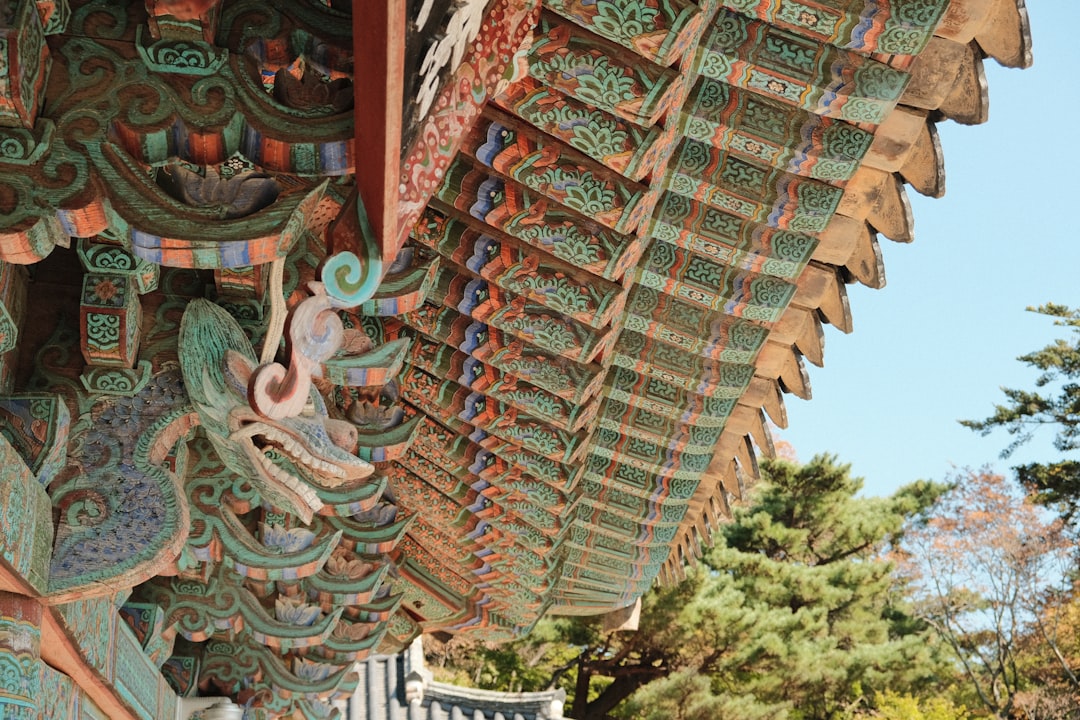
Why Gyeongju Deserves a Full Day on Your Korea Itinerary
I still remember the moment I stepped off the KTX train in Gyeongju and felt the air change. It wasn’t just the crisp breeze rolling off Bomun Lake — it was something deeper, almost ancestral. Here I was, standing in what was once the capital of the Silla Dynasty, a kingdom that ruled the Korean Peninsula for nearly a thousand years (57 BC – 935 AD). Imagine visiting a city where royal tombs sit casually in the middle of downtown, where UNESCO World Heritage sites outnumber Starbucks locations, and where you can literally walk across a landscape that hasn’t fundamentally changed in over a millennium.
Gyeongju is often called “the museum without walls,” and after spending a full day exploring its temples, tombs, and hidden alleyways, I can tell you that nickname barely scratches the surface. If you’re planning a Gyeongju day trip from Seoul itinerary, you’re in for one of the most rewarding side trips in all of East Asia — think of it as Korea’s answer to Kyoto, but with fewer crowds, lower prices, and arguably even more history per square mile.
Whether you’re visiting during cherry blossom season in April, catching the golden ginkgo trees in November, or exploring under summer’s bright blue skies, this guide covers every detail you need: train times, costs in USD, the exact walking routes I recommend, and the cultural etiquette tips that’ll earn you smiles from locals. Let’s dive in.
Getting There: Seoul to Gyeongju by KTX, Bus, and Car

The logistics of your Gyeongju day trip from Seoul itinerary start with one critical decision: how you’re getting there. The good news? Korea’s transportation infrastructure is world-class, and you have multiple options depending on your budget and schedule.
Option 1: KTX High-Speed Train (Recommended)
The KTX (Korea Train Express) is hands-down the best way to reach Gyeongju from Seoul. Departing from Seoul Station or Dongdaegu Station, the KTX whisks you to Singyeongju Station in approximately 2 hours and 10 minutes. That’s roughly the same time it takes to fly from New York to Washington, D.C. — except you skip the airport hassle entirely.
Cost: A one-way KTX ticket from Seoul Station to Singyeongju runs about $38–$45 USD for a standard seat. First-class upgrades are around $55 USD. Book through the KORAIL app (available in English) or at the ticket counters at Seoul Station. I strongly recommend booking at least 2–3 days in advance for weekend travel, as trains fill up fast during cherry blossom season (late March–mid April) and autumn foliage season (late October–mid November).
Pro tip: Singyeongju Station is about 20 minutes by bus from central Gyeongju. Take Bus 50, 51, or 60 from the station — fare is about $1.10 USD with your T-money card. Alternatively, a taxi from Singyeongju Station to the Tumuli Park area costs roughly $8–$12 USD.
Option 2: Express Bus
If you’re on a tighter budget, express buses depart from Seoul Express Bus Terminal (Gangnam) to Gyeongju Express Bus Terminal. The ride takes about 3.5–4 hours and costs approximately $22–$28 USD one-way. Buses run roughly every 30–60 minutes throughout the day, with the first departure around 6:00 AM and the last around 9:00 PM.
The Gyeongju Bus Terminal is more centrally located than Singyeongju Station, which is a nice perk. You can walk to several major sites from the terminal in under 15 minutes.
Option 3: Rental Car
Driving from Seoul to Gyeongju takes about 3.5–4 hours via the Gyeongbu Expressway. Rental cars in Korea start around $35–$50 USD/day from companies like Lotte Rent-a-Car or SK Rent-a-Car. Keep in mind that an International Driving Permit (IDP) is required, and Naver Map is far more reliable than Google Maps for Korean navigation. Parking in Gyeongju is generally easy and affordable ($1–$3 USD at most tourist sites).
Plan your train journey on KORAIL
The Perfect Gyeongju Day Trip From Seoul Itinerary: Hour by Hour
After dozens of visits, I’ve refined the ultimate Gyeongju day trip from Seoul itinerary that maximizes your time without feeling rushed. Here’s the schedule I personally follow and recommend to every traveler I meet.
6:00 AM – Catch the Early KTX
Board the 6:00 or 6:30 AM KTX from Seoul Station. Grab a kimbap roll and an iced Americano from the convenience store inside the station — Paris Baguette and CU are both right by the gates. You’ll arrive at Singyeongju Station around 8:10–8:40 AM, giving you a full day ahead.
8:30 AM – Bulguksa Temple
Take Bus 700 from Singyeongju Station directly to Bulguksa Temple (about 35 minutes, $1.10 USD with T-money). This UNESCO World Heritage Site, built in 528 AD and reconstructed in 751 AD, is the crown jewel of Silla Buddhist architecture. The stone staircases (Cheongungyo and Baegungyo bridges), the Dabotap and Seokgatap pagodas, and the serene courtyards will genuinely take your breath away.
Admission: Adults $5 USD (6,000 KRW). Hours: 7:00 AM – 5:30 PM (extended to 6:00 PM in summer). Budget about 1–1.5 hours here. Arrive early to beat the tour bus crowds — by 10:00 AM, the temple gets significantly busier.
Cultural etiquette: Remove your hat when entering temple buildings. Bow slightly toward the Buddha statue inside each hall as a sign of respect (you don’t need to be Buddhist — it’s simply polite). Photography is allowed outdoors but restricted inside some halls. Keep your voice low.
If you’re interested in deeper temple experiences, check out Korean Temple Stay: How to Book in 2026 (Step-by-Step) for overnight options at monasteries across Korea.
10:00 AM – Seokguram Grotto
From Bulguksa, take Bus 12 up the mountain to Seokguram Grotto (about 15 minutes). This artificial stone cave houses one of the most magnificent Buddha statues in all of Asia — a 3.5-meter-tall seated Sakyamuni Buddha carved from white granite, gazing serenely toward the East Sea. The grotto was designed in the 8th century with precise mathematical calculations so that sunlight hits the Buddha’s forehead at sunrise on the spring equinox.
Admission: $5 USD (6,000 KRW). Hours: 9:00 AM – 5:00 PM. The walk from the bus stop to the grotto entrance is about 700 meters uphill through a beautiful forest trail — wear comfortable shoes. Budget 30–45 minutes total.
Note: The Buddha statue is now behind glass to protect it from humidity, so you’re viewing it from about 3 meters away. It’s still incredibly powerful. Think of it as Korea’s equivalent of seeing Michelangelo’s David — a masterwork that transcends its medium.
11:30 AM – Lunch at Gyeongju Downtown
Head back down to central Gyeongju (Bus 700 or 10, about 40 minutes). For lunch, I have two strong recommendations:
- Gyeongju Ssambap Street (경주 쌈밥거리): Near the bus terminal, this alley is packed with restaurants serving ssambap — rice and banchan wrapped in leafy greens. Full set meals run $8–$12 USD per person and are incredibly filling.
- Hwangnam Bread (황남빵): Not a full meal, but an absolute must-try. These sweet red bean pastries have been Gyeongju’s signature snack since 1939. The original shop near Daereungwon is always packed. A box of 10 costs about $8 USD and makes a perfect souvenir.
- Gyeongju Hanu (Korean Beef): If you want to splurge, several restaurants near Wolji Pond serve premium Gyeongju hanu (Korean beef) BBQ for $25–$40 USD per person.
1:00 PM – Daereungwon (Tumuli Park)
Daereungwon is a sprawling park containing 23 massive burial mounds of Silla-era kings, queens, and nobles. These aren’t modest graves — they’re enormous grass-covered hills, some reaching 20 meters high, scattered across manicured lawns right in the heart of the city. Walking among them feels like stepping onto the set of a fantasy movie.
Admission: $2.50 USD (3,000 KRW). Hours: 9:00 AM – 10:00 PM (the park is stunning at night when softly illuminated). Budget 45–60 minutes.
The highlight is Cheonmachong (Heavenly Horse Tomb), the only tomb you can actually enter. Inside, you’ll see a replica of the excavated burial chamber and the famous painting of a heavenly horse on birch bark — the oldest painting ever discovered in Korea (dating to the 5th–6th century). The original golden crown found here is now in the Gyeongju National Museum.
2:15 PM – Cheomseongdae Observatory & Wolseong Area
A 5-minute walk south from Daereungwon brings you to Cheomseongdae, the oldest surviving astronomical observatory in East Asia, built around 632–647 AD during the reign of Queen Seondeok. It’s a modest stone tower — only about 9 meters tall — but its historical significance is enormous. The 362 stones represent the days of the lunar year, and its 27 layers correspond to Queen Seondeok being the 27th ruler of Silla.
Admission: Free (exterior viewing). The surrounding area is perfect for photos, especially during cherry blossom season in early April, when the rapeseed flowers bloom in brilliant yellow around the observatory. If you’re planning around seasonal events, Korea Autumn Foliage 2026: Best Time & Top 7 Spots has detailed timing for fall colors in this region too.
3:00 PM – Gyeongju National Museum
Just a 10-minute walk away, the Gyeongju National Museum houses over 100,000 artifacts from the Silla period. The star attractions include the massive Emille Bell (one of the largest and most beautiful bronze bells in Asia, cast in 771 AD), the golden crowns from the royal tombs, and exquisite jewelry that rivals anything from ancient Egypt or Rome.
Admission: Free! Yes, free. Hours: 9:00 AM – 6:00 PM (extended to 9:00 PM on Saturdays). Budget 1–1.5 hours. The museum is extremely well-organized with English signage throughout.
4:30 PM – Anapji Pond (Donggung Palace & Wolji Pond)
End your daytime sightseeing at Wolji Pond (also called Anapji), the former pleasure garden of the Silla royal family. The reconstructed palace buildings reflected in the still water create one of the most photographed scenes in all of Korea.
Admission: $2.50 USD (3,000 KRW). Hours: 9:00 AM – 10:00 PM. If your schedule allows, come back after dark — the illuminated pavilions reflecting off the pond are absolutely magical. This is consistently ranked as one of Korea’s top 5 night views.
6:00 PM – Dinner & Evening Stroll
Grab dinner at one of the restaurants along Hwangnidan-gil, Gyeongju’s trendy café street that’s been compared to Seoul’s Ikseon-dong. Old hanok-style buildings have been converted into hip cafés, restaurants, and boutiques. Try Gyeongju sundubu (soft tofu stew) at a local spot — meals average $7–$10 USD.
After dinner, take a final evening stroll through the illuminated tumuli park or Wolji Pond before catching your return train.
8:30 PM – Return KTX to Seoul
The last KTX trains from Singyeongju to Seoul depart around 9:00–9:30 PM. You’ll be back at Seoul Station by approximately 11:15 PM — tired, inspired, and loaded with Hwangnam bread.
Budget Breakdown: What a Gyeongju Day Trip Actually Costs

One of the best things about a Gyeongju day trip from Seoul itinerary is how affordable it is compared to similar historical excursions in Japan or Europe. Here’s a realistic cost breakdown for one person:
| Item | Budget ($) | Mid-Range ($) |
|---|---|---|
| KTX round-trip | $76 | $90 (first class) |
| Local buses (all day) | $5 | $12 (mix of bus + taxi) |
| Admission fees (all sites) | $15 | $15 |
| Lunch | $8 | $15 |
| Dinner | $10 | $25 |
| Snacks & Hwangnam bread | $5 | $10 |
| Total | ~$119 | ~$167 |
Compare that to a day trip from Tokyo to Kyoto ($200+ easily) or a similar excursion in Europe, and Gyeongju is an extraordinary value. The Gyeongju National Museum being free is a huge bonus — equivalent museums in Japan or Europe charge $15–$25 USD.
Seasonal Guide: When to Visit Gyeongju
Gyeongju is beautiful year-round, but each season offers a dramatically different experience. Timing your Gyeongju day trip from Seoul itinerary around the seasons can elevate your visit from great to unforgettable.
Spring (March–May): Cherry Blossoms & Rapeseed
Peak cherry blossom season in Gyeongju: Late March to early April. The trees around Bomun Lake, Bulguksa Temple, and the royal tomb area explode in delicate pink blooms, creating a fairytale atmosphere. The area around Cheomseongdae Observatory is especially spectacular, with golden rapeseed flowers blooming simultaneously — the contrast of yellow and pink against ancient stone is breathtaking.
The Gyeongju Cherry Blossom Marathon (early April) draws thousands of runners along a route lined with cherry trees. Even if you’re not running, the festival atmosphere is wonderful. Temperatures hover around 50–65°F (10–18°C), so bring a light jacket.
Summer (June–August): Lush Green & Fewer Crowds
Summer brings warmth (75–90°F / 24–32°C) and monsoon rains in July. The royal tombs are covered in vibrant green grass, and the temple grounds are lush. Early June and late August are the sweet spots — still warm but less rainy. Carry an umbrella and stay hydrated. The upside: summer is the least crowded season, so you’ll have many sites nearly to yourself.
Autumn (September–November): The Golden Season
Autumn in Gyeongju is magical. Peak foliage typically hits in late October to mid-November, when the entire city transforms into a canvas of red, orange, and gold. The ginkgo-lined roads near Bulguksa and the maple trees surrounding Seokguram are particularly stunning. Temperatures are perfect (50–70°F / 10–21°C), and the light is golden.
This is Gyeongju’s busiest season — book KTX tickets at least a week in advance. For more autumn foliage destinations across Korea, check out Korea Autumn Foliage 2026: Best Time & Top 7 Spots.
Winter (December–February): Quiet & Atmospheric
Winter in Gyeongju is cold (25–40°F / -4–4°C) but serene. Snow-dusted tomb mounds and frosty temple grounds have an ethereal quality. Tourist crowds are minimal, and you can often explore Bulguksa nearly alone. The Gyeongju Silla Cultural Festival sometimes extends winter events with traditional performances.
Essential Apps & Travel Tips for American Visitors

Before your Gyeongju day trip from Seoul itinerary, set up these essential tools on your phone:
Must-Have Apps
- Naver Map — Forget Google Maps in Korea; it doesn’t have transit data. Naver Map shows real-time bus arrivals, walking routes, and even tells you which exit to use at subway stations. It has an English interface and is absolutely essential for navigating Gyeongju’s bus system.
- Papago — Naver’s translation app. Point your camera at Korean signs for instant translation, or type/speak phrases. It’s significantly better than Google Translate for Korean.
- KORAIL — Book KTX tickets in English. Create an account before your trip so you can purchase tickets as soon as they become available (30 days in advance for popular routes).
- KakaoTalk — Korea’s universal messaging app (think WhatsApp but everyone uses it). Some restaurants and shops communicate via KakaoTalk, and Kakao T (a linked app) is how you hail taxis.
- T-money — While not an app per se, get a T-money card at any convenience store (CU, GS25, 7-Eleven) for $3 USD and load it with cash. It works on all buses, subways, and even convenience store purchases across Korea.
Visa & Entry for US Citizens
US citizens can enter South Korea visa-free for up to 90 days, but you’ll need a K-ETA (Korea Electronic Travel Authorization) — apply online at least 72 hours before departure. The fee is approximately $10 USD, and approval is usually instant. Flights from LAX to Incheon (ICN) run about 12–13 hours direct; from JFK, about 14–15 hours; from SFO, about 11.5–12.5 hours.
Once at Incheon Airport, grab your T-money card, take the Airport Railroad Express (AREX) to Seoul Station ($8 USD, 43 minutes), and you’re set for your Gyeongju trip the next morning.
Check visa requirements and K-ETA
Connectivity & SIM Cards
Pick up a prepaid SIM card or portable WiFi at Incheon Airport arrivals. Providers like KT, SKT, or LGU+ offer tourist SIM cards starting at about $25 USD for 5 days with unlimited data. Korea’s 5G/LTE coverage is among the fastest in the world — you’ll have full signal even inside Seokguram Grotto’s mountain setting.
Insider Tips From a Gyeongju Regular
After years of visiting Gyeongju across all seasons, here are my hard-won insider tips that most travel guides miss:
- Start with Bulguksa and Seokguram first. They’re the farthest from downtown, and doing them first while you’re fresh means you spend the afternoon walking the compact city center without backtracking.
- Rent a bicycle. Gyeongju is flat, and there’s an excellent network of bike paths connecting all major sites. Rental shops near the bus terminal charge about $5–$8 USD for a full day. The ride from Daereungwon to Wolji Pond to Cheomseongdae is flat, scenic, and takes about 10 minutes total.
- Visit Wolji Pond twice — once in the afternoon for photos in natural light, and once after sunset for the illuminated reflection shots. The nighttime view is genuinely one of Korea’s most beautiful scenes.
- Pack light layers. Gyeongju is slightly warmer than Seoul (being further south), but temple sites can be breezy. A packable rain jacket is wise in any season.
- Try the Gyeongju Chalboribbang (barley bread) at the traditional market. It’s a lesser-known local specialty — chewy barley bread filled with red bean paste, different from Hwangnam bread and equally delicious.
- Download the “Gyeongju Tour” audio guide app (available in English) before your visit. It provides GPS-triggered commentary at major sites — like having a free guided tour in your earbuds.
- The Gyeongju Historic Areas are a single UNESCO site designation that covers five separate zones. If you want to say you’ve visited a UNESCO site, congratulations — just walking around downtown Gyeongju counts.
- Skip the Gyeongju World theme park unless you’re traveling with kids who need a break from history. Your time is better spent at authentic sites.
- Hidden gem: Yangdong Folk Village (30 minutes by bus from Gyeongju center). This 500-year-old Joseon-era village is a separate UNESCO site with traditional houses still lived in by descendants of the original families. If you have extra time or plan an overnight trip, it’s worth the detour.
If you’re also planning to head further south, Busan Beach Street Food Itinerary: 5-Day Guide 2026 pairs perfectly with Gyeongju — Busan is only 30 minutes from Gyeongju by KTX.
Cultural Etiquette: How to Be a Respectful Visitor

Koreans are incredibly welcoming to foreign visitors, but a few cultural courtesies go a long way — especially at Gyeongju’s sacred and historical sites.
At Temples
- Remove shoes before entering any temple building (look for shoe racks at the entrance).
- Don’t point at Buddha statues — use an open palm gesture instead.
- Walk quietly and keep your voice low. Bulguksa is an active temple with monks in residence.
- Dress modestly. While there’s no strict dress code, bare shoulders and very short shorts may draw disapproving looks. A light cardigan in your day bag solves this.
- If you see monks or practitioners bowing, don’t walk between them and the altar.
General Korean Etiquette
- Use both hands (or your right hand supported by the left) when giving or receiving items, especially money and business cards.
- Bowing: A slight bow (15–30 degrees) is the standard greeting. You don’t need to bow as deeply as Japanese culture expects — a respectful nod is fine.
- Tipping is not expected in Korea. In fact, it can sometimes cause confusion at restaurants. Service charges are included.
- Take off your shoes when entering traditional restaurants with floor seating (ondol style). Look for raised platforms and shoes lined up at the entrance.
- When eating with Koreans, wait for the eldest person to begin eating first. Pour drinks for others before yourself, and never pour your own drink.
These small gestures will earn you genuine warmth from the people of Gyeongju. Koreans deeply appreciate when foreign visitors show respect for their culture and heritage.
Frequently Asked Questions
Is Gyeongju worth a day trip from Seoul, or should I stay overnight?
A Gyeongju day trip from Seoul itinerary is absolutely doable and satisfying — the KTX makes the journey fast and comfortable. However, if you want to visit Yangdong Folk Village, explore the Namsan hiking trails, or simply enjoy Wolji Pond at night without rushing to the last train, an overnight stay is worth considering. Budget hotels near the city center start at $40–$60 USD per night. For a day trip, the itinerary above covers all five “must-see” sites comfortably.
Can I use Google Maps in Gyeongju?
Google Maps works for general orientation in Korea, but it does not provide transit directions, bus schedules, or accurate walking routes due to South Korean mapping regulations. Download Naver Map before your trip — it’s available in English and is the only reliable navigation tool for Korean public transit. Kakao Map is another solid alternative.
What’s the best time of year to visit Gyeongju?
Spring (late March–April) for cherry blossoms and autumn (late October–November) for foliage are the most spectacular seasons. However, these are also the busiest periods. For a balance of good weather and fewer crowds, early June or late September are excellent choices. Winter offers the quietest experience but requires warm clothing.
Is Gyeongju safe for solo travelers?
Extremely safe. South Korea consistently ranks among the world’s safest countries, and Gyeongju is a small, tourist-friendly city. Violent crime is virtually nonexistent, and you can walk the streets comfortably at any hour. Solo female travelers will find Gyeongju very comfortable. That said, use normal travel common sense — keep your belongings secure and stay aware of your surroundings.
Do I need to speak Korean to visit Gyeongju?
Not at all, though a few basic phrases will delight locals. Major tourist sites have English signage, the KTX has English announcements, and the Papago app handles real-time translation. Younger Koreans in restaurants and shops often speak some English. At Bulguksa and the National Museum, English-language pamphlets and audio guides are available. Download Papago for situations where you need to communicate something specific.
Can I combine Gyeongju with Busan in one trip?
Absolutely — and I highly recommend it. Gyeongju to Busan is only 30 minutes by KTX or about 1 hour by express bus. Many travelers do 1–2 days in Gyeongju followed by 2–3 days in Busan. The KTX route from Seoul → Gyeongju → Busan → Seoul works perfectly. Check out Busan Beach Street Food Itinerary: 5-Day Guide 2026 for detailed Busan planning.
What should I wear to Gyeongju?
Comfortable walking shoes are non-negotiable — you’ll walk 15,000–20,000 steps easily. For Bulguksa and Seokguram, there are some hills and uneven stone paths. Dress in layers regardless of season. In spring and autumn, a light jacket is essential for morning and evening. In summer, breathable fabrics and sun protection. In winter, a warm coat, gloves, and a hat.
Related Posts You’ll Love
Planning more of your Korean adventure? These guides pair perfectly with your Gyeongju trip:
- Korean Temple Stay: How to Book in 2026 (Step-by-Step) — Take your Bulguksa experience further with an overnight temple stay.
- Korea Autumn Foliage 2026: Best Time & Top 7 Spots — Plan your trip around Korea’s most breathtaking fall colors.
- Busan Beach Street Food Itinerary: 5-Day Guide 2026 — Continue south from Gyeongju for beaches, seafood, and nightlife.
More topics we recommend exploring:
- Best Hanok Stays in Korea 2026: Traditional Guesthouses Guide
- Korea Rail Pass (KR Pass) Complete Guide 2026: Is It Worth It?
- Seoul to Busan KTX Guide: Tickets, Tips & Stops Along the Way
While you’re shopping in Gyeongju or Seoul, don’t miss Korea’s famous beauty products. Check out 7 Best Korean Lip Tints for Beginners in 2026 and How to Get Glass Skin at Home: 7-Step K-Beauty Routine 2026 for the best picks to bring home.
And if you’re traveling with a furry companion or want Korean pet products shipped home, 7 Best Korean Pet Products Online in 2026 and Korean Smart Pet Gadgets 2026: 7 Must-Have Tech Products have you covered.
Explore more Gyeongju travel info on Visit Korea
Plan your Seoul base camp on VisitSeoul
Your Gyeongju Adventure Starts Now
If you’ve read this far, you’re clearly serious about making this Gyeongju day trip from Seoul itinerary happen — and I promise you won’t regret it. Gyeongju is one of those rare destinations that delivers on every level: history that rivals Rome, landscapes that compete with Kyoto, food that costs a fraction of comparable cities, and a warmth from locals that makes you want to come back immediately.
Book that early morning KTX, pack your walking shoes, and charge your phone. One day in Korea’s ancient capital will redefine what you think a day trip can be.
Have you been to Gyeongju? Planning your first trip? Drop your questions in the comments below — I personally respond to every one and love helping travelers plan their perfect itinerary. If this guide helped you, share it with a friend who’s dreaming about Korea, and subscribe to our newsletter for weekly travel tips, K-beauty deals, and insider guides you won’t find anywhere else.
See you on the KTX! 🇰🇷