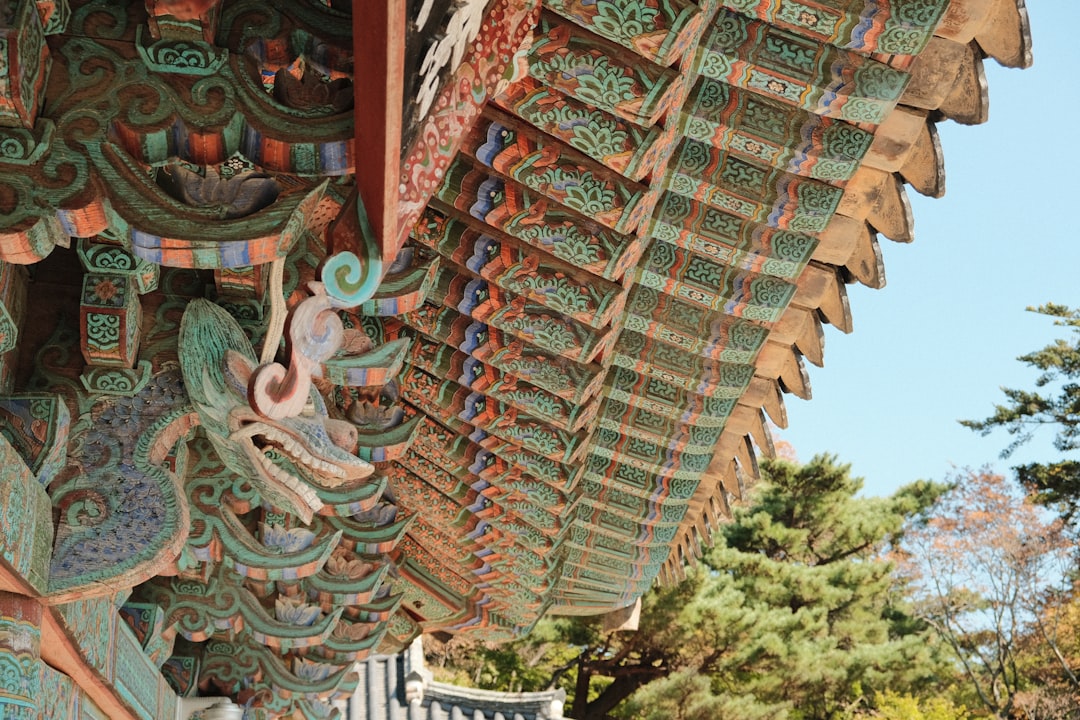
Why Gyeongju Deserves a Full Day on Your Korea Itinerary
I still remember stepping off the KTX train in Gyeongju for the first time and feeling like I’d walked through a time portal. One moment I was in ultra-modern Seoul, surrounded by neon signs and K-pop billboards. The next, I was standing in a city where thousand-year-old royal tombs rise like grassy hills right in the middle of downtown, where temple bells echo across misty mountain valleys, and where the ruins of an ancient observatory still point toward the same stars it tracked in the 7th century.
Gyeongju isn’t just another day trip — it’s Korea’s equivalent of Rome or Athens. As the capital of the Silla Dynasty for nearly a millennium (57 BC – 935 AD), this compact city in North Gyeongsang Province holds more UNESCO World Heritage Sites per square mile than almost anywhere else in Asia. And the best part? You can experience the highlights in a single, well-planned day trip from Seoul.
If you’re planning a Gyeongju day trip from Seoul itinerary, you’re in for one of the most rewarding travel days in all of South Korea. I’ve done this trip at least a dozen times across every season, and I’m going to walk you through exactly how to make the most of it — from the 6 AM KTX departure to the late-night return, with every cost, timing detail, and insider shortcut I’ve learned along the way.
Best Day Trips From Seoul by Train 2026: Top 10 SpotsGetting There: Seoul to Gyeongju Transport Options

The logistics of your Gyeongju day trip from Seoul itinerary start with one critical decision: how you get there. Fortunately, Korea’s transport infrastructure makes this surprisingly easy.
Option 1: KTX High-Speed Train (Recommended)
The KTX bullet train is hands-down the best way to reach Gyeongju from Seoul. It’s fast, comfortable, and drops you right where you need to be. Here’s what you need to know:
- Departure station: Seoul Station (서울역) — take subway Line 1 or 4 to get there
- Arrival station: Singyeongju Station (신경주역) — note: this is NOT the old Gyeongju Station
- Travel time: Approximately 2 hours and 10 minutes
- Cost: ₩59,800 one-way (~$43 USD) for a standard seat; ₩83,700 (~$60 USD) for first class
- First train: 5:40 AM from Seoul Station
- Last return train: Around 9:30 PM from Singyeongju (check the KORAIL app for exact times on your travel date)
- Frequency: Roughly every 30–60 minutes during peak hours
Pro tip: Book your KTX tickets through the KORAIL app (available in English) at least 2–3 days in advance, especially for weekend travel. Early bird tickets can save you up to 10%. You can also buy tickets at Seoul Station’s automated kiosks using a credit card — look for the machines with English language options near the main hall.
From Singyeongju Station, you’ll need to take Bus 700 or 203 into central Gyeongju, which takes about 20 minutes and costs ₩1,400 (~$1 USD). Tap your T-money card — the same transit card you use for Seoul’s subway — and you’re set. Alternatively, a taxi from the station to Daereungwon Tomb Complex costs roughly ₩15,000–18,000 (~$11–13 USD).
Option 2: Express Bus
If you’re on a tighter budget, the express bus from Seoul Express Bus Terminal (Gangnam) to Gyeongju Intercity Bus Terminal is a solid alternative.
- Travel time: 3.5 to 4 hours
- Cost: ₩23,000–₩34,000 (~$17–25 USD) depending on standard or premium class
- Advantage: Drops you directly in downtown Gyeongju, no connecting bus needed
- Disadvantage: Significantly longer travel time eats into your sightseeing hours
For a day trip, I strongly recommend the KTX. The extra $20 buys you nearly two additional hours of exploration time, which matters enormously when you’re trying to fit Gyeongju’s highlights into one day.
Option 3: Renting a Car
Renting a car gives you maximum flexibility, but I generally don’t recommend it for first-time visitors. Korean highway driving can be intense, parking in Gyeongju’s historic district is limited during peak season, and you’ll miss the chance to nap on the KTX after a full day of walking. That said, if you have an International Driving Permit (IDP) and want to combine Gyeongju with nearby Ulsan or Busan, a rental from Seoul Gimpo or Incheon Airport through Lotte Rent-a-Car or SK Rent-a-Car runs about $40–60 USD per day.
Korea Tourism Organization official transport guide
The Perfect Gyeongju Day Trip From Seoul Itinerary: Hour by Hour
Here’s the optimized itinerary I’ve refined over years of visits. This Gyeongju day trip from Seoul itinerary maximizes your time while maintaining a comfortable pace — no sprint-walking required.
6:00 AM – Depart Seoul Station via KTX
Grab a convenience store breakfast at Seoul Station (the GS25 near Gate 3 has great kimbap rolls for ₩2,500) and settle into your KTX seat. The train is smooth, quiet, and has power outlets at every seat. Use this time to download the Naver Map app with the Gyeongju area cached for offline use — cell signal can get spotty around some of the more remote temple areas.
8:15 AM – Arrive Singyeongju, Bus to Downtown
Exit the station, tap your T-money card on Bus 700 outside the main entrance, and ride into the heart of the historic district. Aim to get off at the Daereungwon (대릉원) stop. If you’re using Naver Map, it’ll show you the exact stop in real time.
9:00 AM – Daereungwon Tomb Complex (대릉원)
Start your day at Gyeongju’s most iconic site. Daereungwon is a sprawling park containing 23 enormous burial mounds of Silla kings and nobles. These aren’t flat graves — they’re massive, perfectly rounded grass-covered hills, some reaching 20 meters high. Walking among them at dawn, when the morning mist is still clinging to the grass, is genuinely magical.
The star attraction inside is Cheonmachong (Heavenly Horse Tomb), the only tomb you can actually enter. Inside, you’ll see a replica of the golden crown and the famous painting of a galloping horse (the original “Heavenly Horse”) discovered during excavation. The real artifacts are in the Gyeongju National Museum, which you’ll visit later.
- Hours: 9:00 AM – 10:00 PM (last entry 9:30 PM)
- Admission: ₩3,000 (~$2.20 USD) for adults
- Time needed: 45–60 minutes
10:00 AM – Cheomseongdae Observatory (첨성대)
A 5-minute walk south from the tombs brings you to Cheomseongdae, the oldest surviving astronomical observatory in East Asia, built around 634 AD during Queen Seondeok’s reign. It’s smaller than most people expect — about 9 meters tall — but its historical significance is staggering. The structure contains exactly 362 stones, representing the days of the lunar year, and its engineering precision rivals anything from the same era in Europe.
The surrounding area, Wolseong Park, is a lovely open green space perfect for photos. In spring (late March through mid-April), the entire area erupts in cherry blossoms, making it one of Korea’s most photographed spring destinations.
- Hours: Open 24 hours (free-standing outdoor monument); lit up beautifully at night
- Admission: Free
- Time needed: 20–30 minutes
10:45 AM – Anapji Pond / Donggung Palace (동궁과 월지)
Walk 10 minutes east to Donggung Palace and Wolji Pond (formerly called Anapji). This was the royal banquet garden of the Silla kings, and the perfectly maintained lotus pond reflecting the reconstructed palace pavilions is straight out of a historical K-drama. Think of it as Korea’s Versailles gardens, but with a 1,300-year head start.
While stunning any time of day, Anapji is legendary at night when the illuminated pavilions reflect in the still water. For a day trip, the daytime visit is still beautiful, and you’ll have thinner crowds.
- Hours: 9:00 AM – 10:00 PM (last entry 9:30 PM)
- Admission: ₩3,000 (~$2.20 USD)
- Time needed: 30–45 minutes
11:30 AM – Lunch at Gyeongju Gyodong Area
Head to the Gyodong traditional village area for lunch. This neighborhood is packed with restaurants serving Gyeongju’s signature dishes. My top recommendations:
- Ssambap (쌈밥): A Gyeongju specialty — rice wrapped in fresh lettuce and perilla leaves with an array of side dishes. Try it at Gyeongju Ssambap (경주쌈밥) near the main intersection. About ₩10,000–12,000 (~$7–9 USD) per person.
- Sundubu-jjigae (순두부찌개): Soft tofu stew, especially good at the cluster of restaurants near Gyochon Village. About ₩8,000 (~$6 USD).
- Hwangnam-bbang (황남빵): Gyeongju’s famous red bean pastry — not a meal, but you absolutely must grab a box from the original Hwangnam-bbang bakery near the Daereungwon entrance. A box of 20 costs ₩18,000 (~$13 USD) and makes an incredible souvenir.
Korean Street Food Markets by City: 2026 Ultimate Guide
Must Try Korean Street Food Guide 2026: 15 Hidden Gems
1:00 PM – Bulguksa Temple (불국사)
Take Bus 10 or 11 from downtown Gyeongju to Bulguksa Temple, about 30 minutes east in the foothills of Tohamsan Mountain. This is the crown jewel of your Gyeongju day trip from Seoul itinerary and a UNESCO World Heritage Site since 1995.
Bulguksa dates to 528 AD and represents the pinnacle of Silla Buddhist architecture. The two stone pagodas in the main courtyard — Dabotap and Seokgatap — are so culturally significant that they appear on Korea’s ₩10 banknote. The Dabotap pagoda is ornate and complex; Seokgatap is elegantly simple. Together, they represent the balance of opposing forces, a core Buddhist principle.
As you climb the stone staircases leading up to the temple, notice that each stairway has a name and symbolic meaning. Cheongungyo and Baegungyo (Blue Cloud and White Cloud Bridges) represent the path from the earthly world to the Buddha’s realm. They’re not actually bridges over water — the metaphor is the journey itself.
- Hours: 9:00 AM – 5:30 PM (extended to 6:00 PM in summer)
- Admission: ₩6,000 (~$4.30 USD)
- Time needed: 60–90 minutes
Cultural etiquette: Bulguksa is an active Buddhist temple. Keep your voice low inside the prayer halls. Remove your hat before entering any building. Photography is generally fine outdoors but avoid flash photography inside the halls. If a prayer service is in progress, stand quietly at the back or wait outside.
2:30 PM – Seokguram Grotto (석굴암)
From Bulguksa, take the shuttle bus (Bus 12) that winds up Tohamsan Mountain to Seokguram Grotto, about 15 minutes away. This artificial stone cave houses a stunning 3.5-meter-tall seated Buddha carved from white granite, gazing out toward the East Sea. It was built around 774 AD and is considered one of the finest Buddhist sculptures in the world.
The approach involves a pleasant 700-meter forest walk from the parking area. The grotto itself is now protected by a glass barrier to preserve the delicate interior climate, so you can’t walk all the way inside, but the Buddha is clearly visible and genuinely awe-inspiring.
- Hours: 9:00 AM – 5:30 PM
- Admission: ₩6,000 (~$4.30 USD)
- Time needed: 45–60 minutes (including the walk)
On clear days, you can catch a glimpse of the East Sea (Sea of Japan) from the viewing area near the grotto — bring binoculars if you have them.
4:00 PM – Gyeongju National Museum
Take Bus 10 or 11 back to central Gyeongju and visit the Gyeongju National Museum. This is where the real Silla treasures live — the original golden crowns, jade ornaments, and ancient swords excavated from the tombs you walked through that morning. Seeing the actual artifacts after visiting the tombs gives the whole experience a powerful sense of completeness.
The museum’s highlights include the Emille Bell (one of the largest and most beautiful bronze bells in Asia), the gold crown from Cheonmachong, and the collection of Silla-era pottery that shows remarkable artistic sophistication.
- Hours: 10:00 AM – 6:00 PM (until 9:00 PM on Saturdays)
- Admission: Free!
- Time needed: 60–90 minutes
5:30 PM – Gyochon Hanok Village & Hwangnam-dong Shopping
Wind down your day with a stroll through Gyochon Hanok Village, a charming neighborhood of traditional Korean houses. Grab a cup of omija tea (five-flavor berry tea, a Gyeongju specialty) at one of the hanok cafes and browse the souvenir shops along Hwangnam-dong Street.
This area is also where you’ll find Gyeongju’s small but growing cafe culture scene — several renovated hanok buildings now house Instagram-worthy coffee shops that blend traditional architecture with modern aesthetics.
Korean Cafe Study Room Experience: Complete Guide 2026
6:30 PM – Dinner & Return to Seoul
Have an early dinner in downtown Gyeongju, then catch Bus 700 back to Singyeongju Station for a KTX departure between 7:30–9:30 PM. You’ll be back at Seoul Station by roughly 10:00 PM, tired but deeply enriched.
Visit Korea Official — Gyeongju travel informationBudget Breakdown: What a Gyeongju Day Trip Actually Costs

One of the best things about a Gyeongju day trip from Seoul itinerary is how affordable it is. Here’s a realistic budget breakdown for one person:
| Expense | Cost (KRW) | Cost (USD) |
|---|---|---|
| KTX round trip (Seoul ↔ Singyeongju) | ₩119,600 | ~$86 |
| Local bus rides (4 rides) | ₩5,600 | ~$4 |
| Daereungwon admission | ₩3,000 | ~$2.20 |
| Anapji Pond admission | ₩3,000 | ~$2.20 |
| Bulguksa Temple admission | ₩6,000 | ~$4.30 |
| Seokguram Grotto admission | ₩6,000 | ~$4.30 |
| Gyeongju National Museum | Free | Free |
| Lunch | ₩10,000 | ~$7 |
| Dinner | ₩12,000 | ~$9 |
| Snacks & Hwangnam-bbang | ₩5,000 | ~$3.60 |
| Total | ₩170,200 | ~$123 |
That’s a full day exploring one of Asia’s most historically significant cities for about $123 USD. If you take the express bus instead of KTX, you can cut the total closer to $80–90 USD.
Money-saving tips:
- Buy a KORAIL Pass if you’re doing multiple KTX trips during your Korea visit — the 3-day Flex Pass costs ₩138,000 (~$100) and covers unlimited KTX rides
- Bring water and snacks from a convenience store to avoid overpriced tourist area shops
- The Gyeongju National Museum is always free — don’t skip it
- Use your T-money card for local buses to get the transfer discount (free within 30 minutes between rides)
Best Time to Visit Gyeongju: A Seasonal Guide
Gyeongju is stunning year-round, but each season offers a completely different experience. Here’s how to choose the best time for your visit.
Spring (March – May): Cherry Blossom Paradise
Peak season for most visitors, and for good reason. In early to mid-April, Gyeongju transforms into one of Korea’s best cherry blossom destinations. The road circling Bomun Lake, about 15 minutes from downtown, becomes a tunnel of pink blossoms that rivals anything in Japan — without the crowds. The area around Cheomseongdae Observatory also fills with cherry trees and rapeseed flowers, creating a yellow-and-pink color palette that photographers adore.
Average daytime temperature: 55–70°F (13–21°C). Pack layers — mornings are chilly.
Autumn (September – November): The Golden Season
My personal favorite. The tomb mounds of Daereungwon glow against a backdrop of red and gold foliage, and the mountain trails around Bulguksa Temple become corridors of flame-colored maple trees. Late October to early November is peak foliage, and the temperature is ideal for walking — 50–65°F (10–18°C) with clear blue skies.
Summer (June – August): Warm and Green
Hot and humid (80–90°F / 27–32°C), with the monsoon season (Jangma) typically hitting in late June through mid-July. Not the most comfortable for walking, but the lotus flowers at Anapji Pond are in full bloom during July and August, creating postcard-worthy scenes. Start early and carry an umbrella.
Winter (December – February): Peaceful and Uncrowded
Cold (25–40°F / -4 to 4°C) but beautifully quiet. You’ll have the sites mostly to yourself, and a light dusting of snow on the burial mounds is hauntingly beautiful. The museum and indoor sites make winter visits more comfortable than you’d expect. Bundle up and enjoy hot Hwangnam-bbang straight from the bakery.
Cultural Etiquette: Respecting Gyeongju’s Heritage

Gyeongju isn’t a theme park — it’s a living city with deep cultural and religious significance. Showing respect will enhance your experience and earn you warmth from locals.
Temple Etiquette
- Remove shoes before entering any temple hall (look for the shoe rack outside)
- Bow slightly when passing through temple gates — it’s a sign of respect, not religious obligation
- Don’t touch any statues, bells, or artifacts unless explicitly invited to do so
- Speak quietly — temples are places of active worship, not just tourist attractions
- Dress modestly — shoulders and knees covered is appreciated (not strictly enforced, but respectful)
General Cultural Tips
- Don’t climb on the tombs at Daereungwon — they’re royal burial sites, not hills for picnics. Walking paths are clearly marked; stay on them
- Trash disposal: Korea takes recycling seriously. Carry a small bag for trash; public bins are scarce. Most convenience stores have bins outside
- Elderly courtesy: If an older Korean person is walking toward you on a narrow path, step aside and let them pass. A slight nod goes a long way
- Two hands: When handing money to a shopkeeper or receiving change, use both hands or support your right arm with your left hand — it’s a Korean sign of respect
- Photography permission: Always check for “no photography” signs inside museum galleries and temple halls. When in doubt, ask
Most Gyeongju locals are incredibly welcoming to foreign visitors. A simple “annyeonghaseyo” (hello) and “kamsahamnida” (thank you) will genuinely brighten interactions. Download the Papago translation app for anything more complex — it handles Korean-to-English far better than Google Translate.
Insider Tips From a Repeat Visitor
After countless trips, here are the things I wish someone had told me before my first Gyeongju day trip from Seoul itinerary:
- Rent a bike, not a car. Many of Gyeongju’s central sites are within a 2-kilometer radius. Bike rental shops near Daereungwon charge about ₩5,000–10,000 (~$4–7) for a full day. The flat terrain and dedicated bike paths make cycling the fastest and most enjoyable way to get between downtown sites. Only take the bus for Bulguksa/Seokguram, which are up a mountain.
- Visit Bulguksa first if it’s a weekend. Tour buses from Busan start arriving around 10:30 AM. If you take the earliest KTX and go straight to Bulguksa instead of the tombs, you’ll have the temple almost to yourself.
- Charge your T-money card before leaving Seoul. While you can charge T-money at Singyeongju Station convenience stores, it’s one less thing to worry about. Load at least ₩20,000 for the day.
- Bring a portable battery pack. You’ll be taking hundreds of photos. Naver Map running GPS all day drains battery fast. A 10,000mAh pack is essential.
- Download Naver Map, not just Google Maps. Google Maps in Korea is notoriously inaccurate for walking and bus routes. Naver Map (available in English) shows real-time bus arrivals, accurate walking paths, and even interior layouts of some sites. It’s the single most important app for navigating Korea.
- Skip the Bomun Lake tourist complex unless you love kitsch. It’s fine for families with kids, but the central historic district and Bulguksa are where the magic is. Don’t waste limited day-trip time on it unless cherry blossoms are in bloom.
- Bring cash for small vendors. While Korea is broadly cashless, some of Gyeongju’s traditional food stalls and small shops still prefer cash. ₩30,000 in small bills is enough.
- If you can extend to an overnight stay, Anapji Pond at night is a completely different (and arguably better) experience than during the day. The illuminated pavilions reflecting in the dark water are among the most beautiful sights in all of Korea. Many travelers plan their Gyeongju day trip from Seoul itinerary and then wish they’d stayed a night.
Essential Apps and Tools for Your Trip

Before you board that KTX, make sure these are on your phone:
- KORAIL app: Book and manage KTX tickets. Supports English. You can show the QR code on your phone instead of a paper ticket.
- Naver Map: Your primary navigation tool in Korea. Real-time bus schedules, walking directions, and restaurant reviews. Far superior to Google Maps for Korea.
- Papago: Naver’s translation app. Real-time camera translation of Korean signs and menus. The conversation mode is perfect for ordering at restaurants.
- KakaoTalk: Korea’s universal messaging app. Some smaller guesthouses and restaurants only take reservations via KakaoTalk.
- Naver Pay / KakaoPay: Mobile payment apps accepted almost everywhere. Set one up if you’re staying in Korea for more than a few days.
For US visitors: Make sure you’ve completed your K-ETA (Korea Electronic Travel Authorization) before departure — US citizens can enter Korea visa-free for up to 90 days, but the K-ETA registration ($10 USD) is required and should be applied for at least 72 hours before your flight. Apply online at k-eta.go.kr. (Note: K-ETA requirements change periodically — check the latest status before traveling.)
Direct flights to Incheon Airport (ICN) from LAX, JFK, and SFO run daily on Korean Air, Asiana, United, and Delta, typically ranging from $800–1,400 USD round trip depending on season. From Incheon Airport, you can take the Airport Railroad Express (AREX) directly to Seoul Station in 43 minutes for ₩9,500 (~$7), putting you steps from your KTX departure platform.
VisitSeoul — Getting around Seoul transport guideFrequently Asked Questions
Is a Gyeongju day trip from Seoul worth it, or should I stay overnight?
A day trip is absolutely worth it and covers the major highlights comfortably. However, if you have the flexibility, an overnight stay lets you experience Anapji Pond’s nighttime illumination and explore at a more relaxed pace. For most travelers on a tight Korea itinerary, the day trip hits the sweet spot — you’ll see 90% of the essential sites and be back in Seoul by bedtime. If this is your only chance to visit Gyeongju, do the day trip without hesitation.
Can I do Gyeongju and Busan in the same day from Seoul?
Technically possible but not recommended. Gyeongju to Busan is only 30 minutes by KTX, but trying to do both in a single day from Seoul means you’ll rush through everything. If you’re choosing between the two, Gyeongju offers a more unique cultural experience that you won’t find elsewhere in Korea. Busan deserves its own dedicated day (or two). Consider doing Gyeongju as a day trip and Busan as a separate overnight trip.
Do I need to speak Korean to navigate Gyeongju?
Not at all. Major signs at tourist sites are in English, the KTX system is bilingual, and most ticket counters have staff with basic English. The Papago app handles everything else — point your camera at a Korean menu and it translates in real time. That said, learning “annyeonghaseyo” (hello), “kamsahamnida” (thank you), and “eolma-yeyo?” (how much?) will make interactions smoother and earn you smiles.
Is Gyeongju accessible for people with mobility limitations?
Most of Gyeongju’s central sites (Daereungwon, Cheomseongdae, Anapji Pond, National Museum) are on flat ground with paved paths and are wheelchair accessible. However, Bulguksa Temple involves steep stone staircases, and Seokguram Grotto requires a 700-meter uphill walk. The museum and downtown sites alone make for a fulfilling visit for anyone who cannot manage the mountain terrain.
What should I do if it rains during my Gyeongju day trip?
Rain actually makes Gyeongju more atmospheric — the tombs and temples look beautiful in misty conditions. Shift your itinerary to spend more time at the Gyeongju National Museum (free and excellent) and the covered areas of Bulguksa. Bring a compact umbrella and waterproof shoes. If it’s a heavy monsoon rain (July), consider rescheduling — the mountain roads to Bulguksa and Seokguram can be slippery and unpleasant.
Are there guided tours available for Gyeongju?
Yes. Several companies offer guided day tours from Seoul that include KTX tickets, a local guide, lunch, and all admissions for about $150–200 USD. Klook and Viator list options with English-speaking guides. Alternatively, the Gyeongju city tourism office offers free volunteer guide services in English — check availability through the Visit Korea official site. Self-guided is completely doable and gives you more flexibility, but a guide adds historical depth that signs alone can’t match.
Related Posts You’ll Love
Planning more of your Korea adventure? These guides pair perfectly with your Gyeongju trip:
- Best Day Trips From Seoul by Train 2026: Top 10 Spots
- Korean Street Food Markets by City: 2026 Ultimate Guide
- Tteokbokki Recipe Easy at Home: Step-by-Step Guide 2026
Suggested future articles:
- Busan Day Trip From Seoul: Complete 2026 Guide
- Korea Temple Stay Experience: What to Expect and How to Book
- Best Cherry Blossom Spots in Korea 2026: Complete Festival Guide
Your Gyeongju Adventure Starts Now
A Gyeongju day trip from Seoul itinerary is one of those rare travel experiences that delivers on every level — stunning history, beautiful scenery, incredible food, and smooth logistics, all for about $120 for the entire day. Whether you’re a history buff, a photography enthusiast, or simply someone who wants to see a side of Korea that goes beyond Seoul’s neon skyline, Gyeongju will leave a lasting impression.
I’ve watched first-time visitors tear up inside Seokguram Grotto, seen couples fall silent walking among the ancient tombs at dawn, and eaten my weight in Hwangnam-bbang while watching the sun set over Wolji Pond. This city has a way of getting under your skin.
Have you visited Gyeongju? Planning your first trip? Drop your questions in the comments below — I personally respond to every one. If this guide helped you plan your day, share it with a friend who’s heading to Korea. And if you want more insider Korea travel tips delivered straight to your inbox, subscribe to our newsletter so you never miss a guide.
Safe travels, and enjoy every moment in Korea’s ancient capital. 🇰🇷