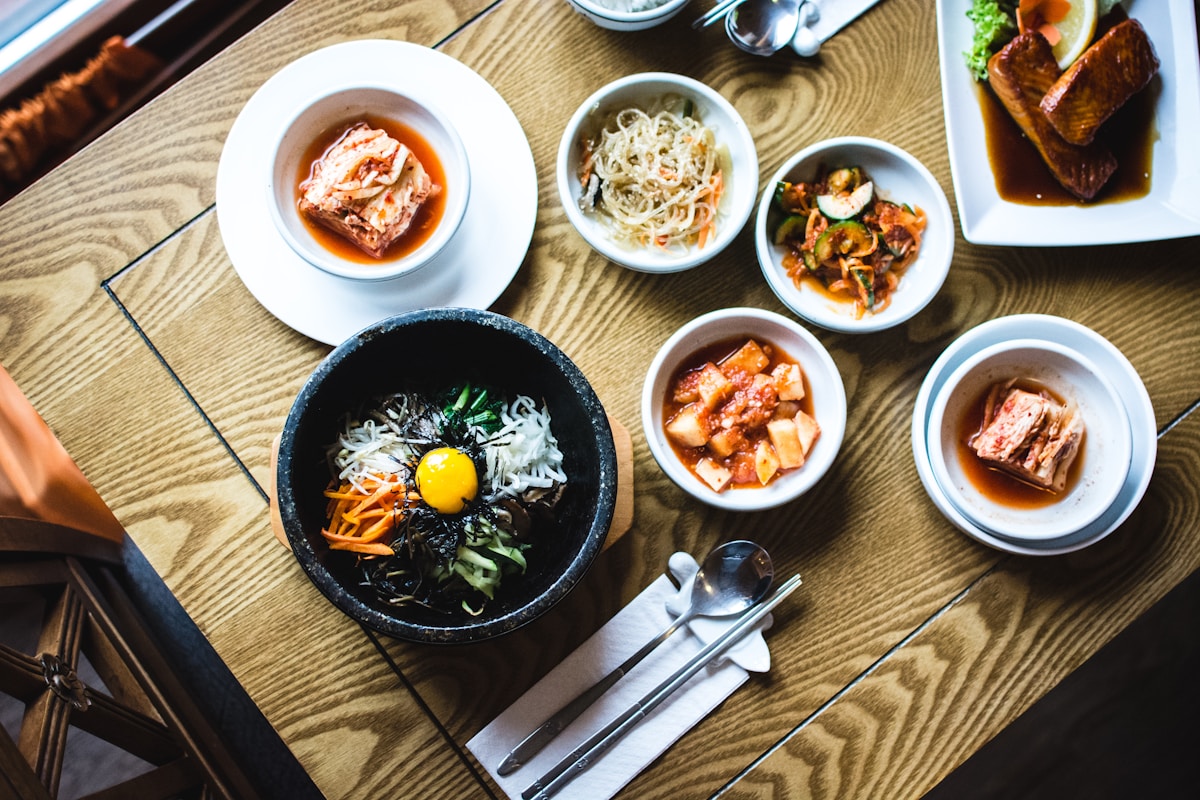
Korean cuisine has captured the hearts and palates of food lovers around the world, and its influence is only growing. With the global rise of K-Pop and K-Drama, more people are eager to explore the flavors of Korea. Whether it’s the spicy kick of kimchi or the comforting warmth of bibimbap, Korean food offers a delightful blend of flavors and textures that are both unique and satisfying. In this article, we’ll dive into the latest trends in Korean food for 2026, focusing on how you can easily make kimchi at home, and explore other popular dishes that are gaining traction in the United States.
Easy Kimchi Recipe for Beginners
Watch: A Beginner’s Guide to Korean Cooking
Quick Answer: To make kimchi, mix napa cabbage with a spicy paste made of gochugaru, garlic, ginger, and fish sauce. Let it ferment for a few days to develop its signature tangy flavor.
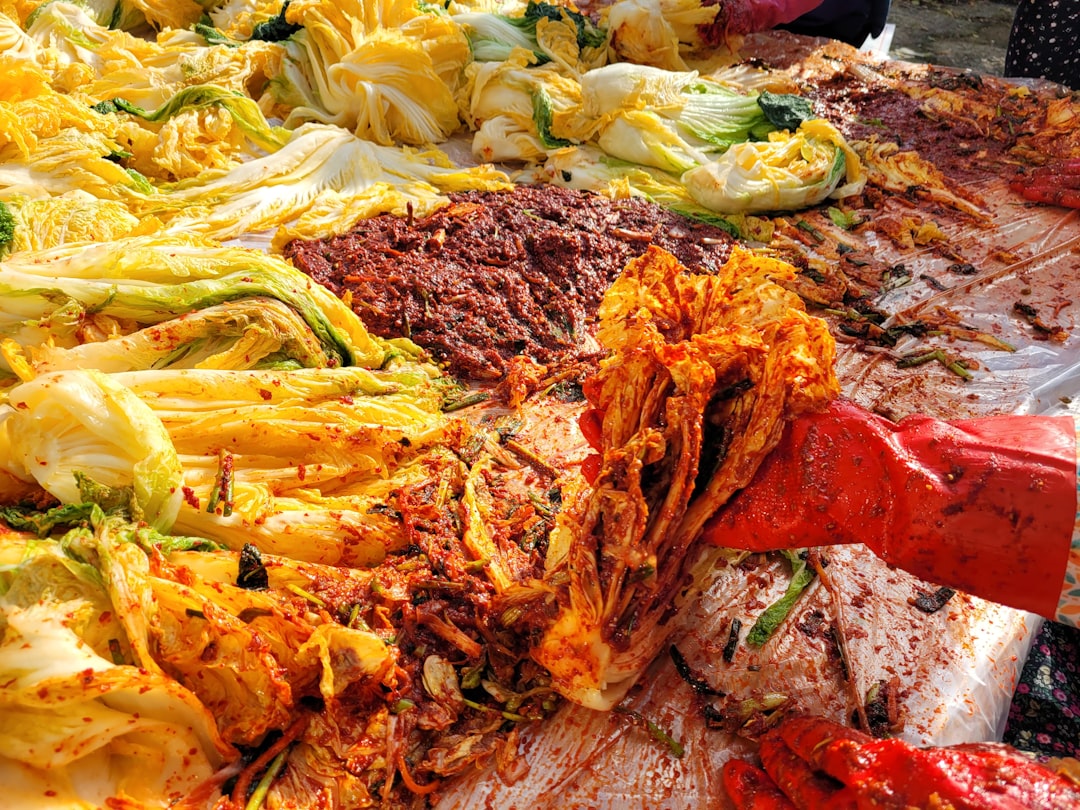
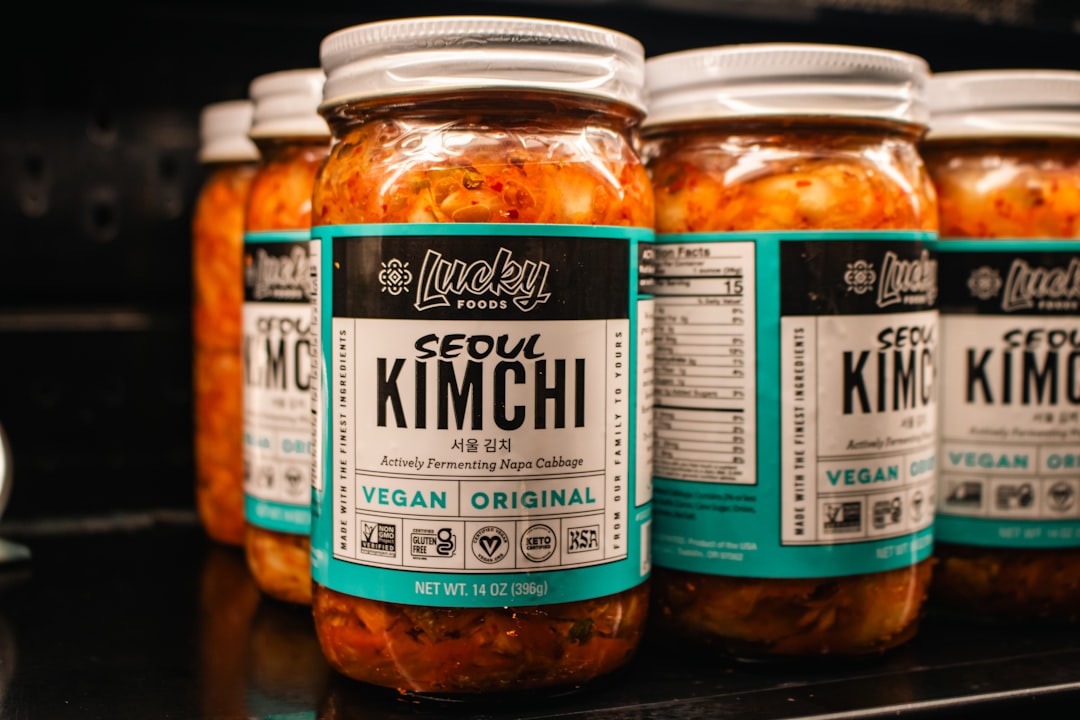
Kimchi is the quintessential Korean side dish made from fermented vegetables, most commonly napa cabbage and Korean radishes, with a variety of seasonings. In 2026, the trend of making kimchi at home continues to rise, especially among beginners looking to embrace Korean cuisine. According to a recent survey, over 60% of American households have tried making kimchi at least once.
To prepare kimchi, start by cutting the napa cabbage into halves or quarters, and soak it in a saltwater brine for several hours. This process helps to soften the cabbage. Meanwhile, prepare the spicy paste by blending together gochugaru (Korean chili powder), minced garlic, ginger, fish sauce, and sugar. Once the cabbage is ready, rinse it thoroughly and mix it with the spicy paste. Pack the seasoned cabbage tightly into a jar, leaving some space at the top for the gases that will be produced during fermentation. Store it at room temperature for 2-3 days, then transfer to the refrigerator to slow down the fermentation process. The result is a tangy, spicy, and slightly sweet dish that’s perfect as a side or topping.
Key Takeaway: Making kimchi at home is a simple process that allows you to control the ingredients and spiciness, leading to a healthier and customizable dish.
Popular Korean Dishes on the Rise
Beyond kimchi, several other Korean dishes are gaining popularity in the U.S., each offering a unique taste of Korea. Bibimbap, a mixed rice dish topped with vegetables, meat, and a fried egg, is a favorite for its versatility and balance of flavors. According to a 2025 report by the Korean Food Promotion Institute, bibimbap sales in the U.S. increased by 35% from the previous year.
Another dish gaining traction is tteokbokki, spicy stir-fried rice cakes, often seen in Korean street food markets. The combination of chewy rice cakes and a spicy, sweet sauce appeals to those who enjoy bold flavors. Additionally, Korean fried chicken, known for its crispy skin and flavorful sauces, has become a staple in many American households. With its double-frying technique, it offers a crunch that is hard to resist.
Key Takeaway: Korean cuisine offers a variety of dishes beyond kimchi, each with unique flavors and textures that cater to different palates.
Health Benefits of Korean Cuisine
Korean food is not only delicious but also packed with health benefits. Many dishes are rich in vegetables, fermented foods, and lean proteins, contributing to a balanced diet. Fermented foods like kimchi and doenjang (fermented soybean paste) are known for their probiotic content, which supports gut health and boosts the immune system.
According to the Korean Ministry of Food and Drug Safety, regular consumption of kimchi can reduce cholesterol levels and improve digestive health. Additionally, the use of ingredients such as garlic, ginger, and red pepper flakes provides antioxidant properties that can help reduce inflammation and support overall health.
Key Takeaway: Incorporating Korean dishes into your diet can offer numerous health benefits, making it a delicious and nutritious choice.
Understanding Korean Ingredients
To truly appreciate Korean cuisine, it’s essential to understand the key ingredients that define its flavors. Gochujang, a red chili paste, is a staple in many Korean dishes, providing a sweet and spicy kick. It’s often used in marinades, sauces, and soups.
Doenjang, a fermented soybean paste, is another crucial ingredient used in stews and soups. Its rich, umami flavor enhances the depth of dishes. Additionally, sesame oil, with its nutty aroma, is commonly used to finish dishes, adding a layer of flavor and aroma.
For those new to Korean cooking, these ingredients can be found in Asian grocery stores or online retailers like Amazon. They are essential for achieving authentic Korean flavors at home.
Key Takeaway: Familiarizing yourself with Korean ingredients is key to recreating authentic flavors and elevating your culinary experience.
Vegan and Vegetarian Korean Dishes
With the growing demand for plant-based diets, Korean cuisine offers a variety of vegan and vegetarian options. Dishes like bibimbap can easily be adapted by using tofu or mushrooms instead of meat. Japchae, a sweet potato noodle stir-fry, is another popular dish that is naturally vegetarian and can be made vegan by omitting the egg.
Kongguksu, a cold soybean noodle soup, is a refreshing summer dish that is both vegan and nutritious. It’s made with a creamy soybean broth, offering a unique taste that is both savory and satisfying.
The rise of veganism has led to creative adaptations of traditional dishes, allowing more people to enjoy the flavors of Korean cuisine without compromising their dietary preferences.
Key Takeaway: Korean cuisine offers a variety of plant-based options, making it accessible to those following vegan or vegetarian diets.
How Korean Food Is Influencing Global Cuisine
Korean cuisine’s impact on global food culture is undeniable. Its influence can be seen in the fusion dishes popping up in restaurants worldwide. From Korean tacos to kimchi burgers, chefs are creatively incorporating Korean flavors into Western dishes, creating a new wave of culinary innovation.
The popularity of Korean BBQ has also led to an increase in Korean-style grilling at home, with many people investing in tabletop grills to recreate the experience. According to a 2025 survey by the National Restaurant Association, Korean BBQ restaurants saw a 20% increase in popularity in the U.S.
This fusion of flavors not only introduces new tastes to global audiences but also showcases the versatility of Korean cuisine.
Key Takeaway: Korean food’s influence on global cuisine is expanding, leading to innovative dishes that blend traditional flavors with modern culinary techniques.
The Future of Korean Cuisine in the U.S.
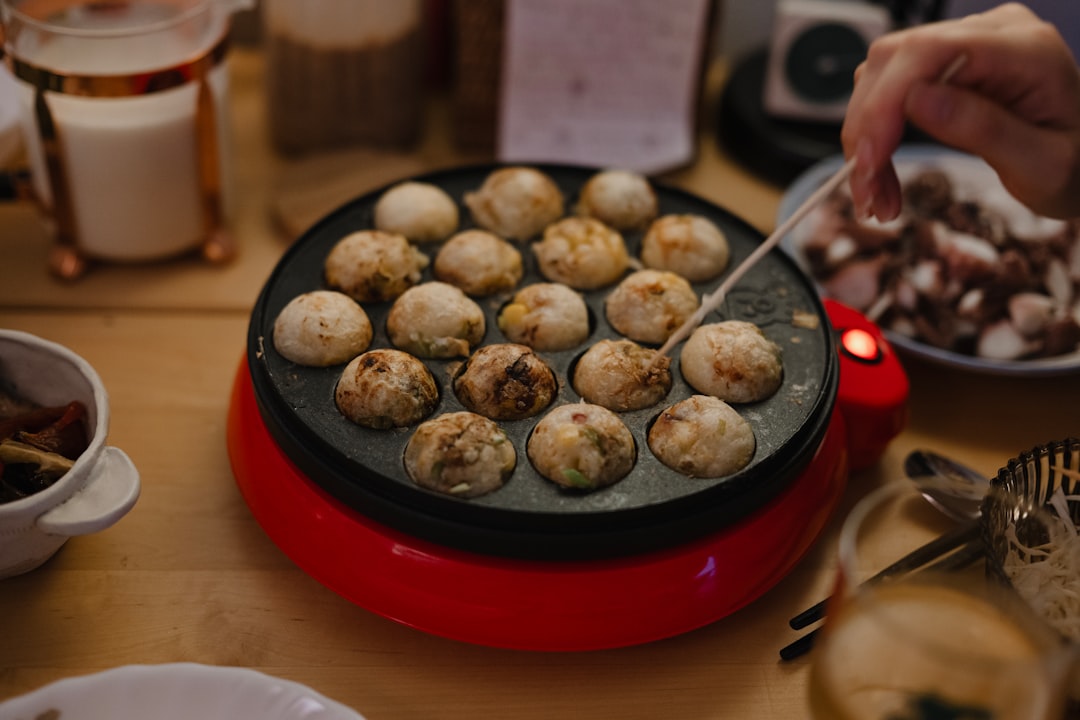
As we look to 2026, the future of Korean cuisine in the U.S. appears bright. With its rich flavors, health benefits, and adaptability, Korean food is poised to continue its rise in popularity. More Americans are exploring Korean cooking at home, driven by the availability of ingredients and easy-to-follow recipes.
Social media platforms like TikTok and Instagram are playing a significant role in spreading awareness and sparking interest in Korean dishes. Viral videos showcasing simple recipes and cooking tips have made it easier for home cooks to experiment with Korean flavors.
As the demand for Korean cuisine grows, so too will the availability of Korean restaurants and products, making it more accessible than ever before.
Key Takeaway: The growing interest in Korean cuisine in the U.S. is fueled by social media and the desire for diverse, flavorful dishes, ensuring its continued popularity.
FAQ
What is the best way to store kimchi?
Kimchi should be stored in an airtight container in the refrigerator to slow down the fermentation process. This helps maintain its flavor and prevents it from becoming too sour.
Can I make kimchi without fish sauce?
Yes, you can substitute fish sauce with soy sauce or a vegan fish sauce alternative to suit dietary preferences.
What are some easy Korean dishes for beginners?
For beginners, bibimbap, bulgogi, and japchae are great dishes to start with as they are straightforward and offer a taste of Korean flavors.
How long does it take to ferment kimchi?
Kimchi typically takes 2-3 days to ferment at room temperature. Once refrigerated, it will continue to ferment slowly and can last for several weeks.
Is Korean food spicy?
While many Korean dishes feature spicy elements, there are also plenty of mild options available, allowing for a wide range of flavor profiles.
Where can I buy Korean ingredients in the U.S.?
Korean ingredients can be found in Asian grocery stores and online on platforms like Amazon and iHerb.
What is the difference between gochujang and gochugaru?
Gochujang is a fermented red chili paste, while gochugaru is Korean red chili powder. Both are used to add heat and flavor to dishes.
Are there gluten-free Korean dishes?
Yes, many Korean dishes are naturally gluten-free, such as bibimbap and kimchi. Always check ingredient labels to ensure they meet dietary needs.
Conclusion
In conclusion, Korean cuisine offers a rich tapestry of flavors, health benefits, and culinary possibilities. Whether you’re new to Korean cooking or a seasoned enthusiast, there’s always something new to explore and enjoy. As interest in Korean food continues to grow, now is the perfect time to experiment with these delicious dishes at home. For authentic ingredients, you can easily shop on Amazon or check prices on iHerb. Happy cooking!