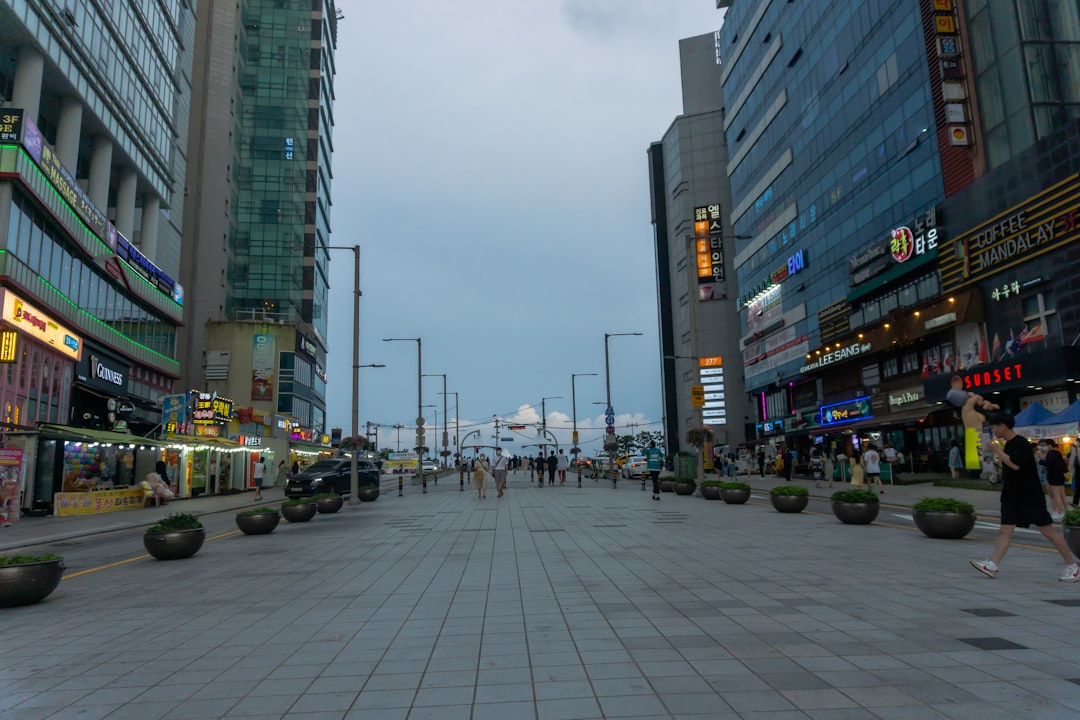
Why Busan Should Be Your Next Beach Destination in 2026
I still remember the first time I stepped off the KTX bullet train at Busan Station, dragging my suitcase through the humid summer air, completely unprepared for what this city would do to me. Within 24 hours, I’d eaten the best seafood of my life at Jagalchi Market, watched a sunset at Haeundae that made every California beach I’d ever visited feel ordinary, and stumbled into a hidden temple perched on ocean cliffs that looked like it belonged in a Studio Ghibli film. Busan isn’t just South Korea’s second city — it’s the country’s soul, wrapped in salt air and street food smoke.
If you’re planning a Busan beach hopping itinerary 2026, you’re making one of the smartest travel decisions of the year. While Seoul gets most of the international spotlight, seasoned travelers know that Busan delivers a completely different energy — one that blends world-class beaches, jaw-dropping temples, vibrant nightlife, and a food scene that rivals anything in Southeast Asia, all at a fraction of Tokyo or Hong Kong prices.
This guide covers everything you need: the best beaches in order, exactly how to get between them, what to eat at each stop, cultural do’s and don’ts, and a realistic budget breakdown so you know exactly what you’re spending. Whether you’ve got three days or a full week, consider this your definitive Busan beach hopping itinerary for 2026. Let’s dive in.
Getting There: How to Reach Busan from the US

Flights from Major US Cities
Most American travelers will fly into Incheon International Airport (ICN) near Seoul, then connect to Busan. Direct flights from LAX, JFK, and SFO to Incheon run daily on Korean Air, Asiana, Delta, and United. Round-trip fares typically range from $800–$1,200 in economy depending on season, with the best deals appearing 8–10 weeks before departure.
Alternatively, some budget carriers like T’way Air and Jin Air operate direct flights from select Asian hubs to Gimhae International Airport (PUS) in Busan itself. If you’re connecting through Tokyo, Osaka, or Taipei, this can save you the Seoul-to-Busan transit entirely.
Seoul to Busan by KTX
The KTX bullet train is the most popular way to reach Busan from Seoul, and honestly, it’s half the fun. The ride from Seoul Station to Busan Station takes just 2 hours and 30 minutes, hitting speeds up to 190 mph. Tickets cost around $45–$55 USD one way in standard class.
Book through the KORAIL app or website — it’s available in English and accepts international credit cards. Pro tip: book the left-side window seat (seats A or B) heading south for stunning countryside views, especially during cherry blossom season (late March–early April) or autumn foliage season (late October–mid November). Korea Autumn Foliage Best Time 2026: Top 7 Spots
Visa and Entry Requirements for US Citizens
Great news: US citizens can enter South Korea visa-free for up to 90 days. You will need a K-ETA (Korea Electronic Travel Authorization), which costs about $10 and should be applied for at least 72 hours before departure at k-eta.go.kr. Approval is usually instant but can take up to 24 hours.
Once you land at Incheon, grab a T-money card at any convenience store (CU, GS25, 7-Eleven) in the arrivals hall for about $3 USD. Load it with ₩50,000 (~$37) to start — it works on all subways, buses, taxis, and even vending machines across Korea. This single card will be your best friend for your entire Busan beach hopping itinerary 2026. Korea SIM Card for Tourists 2026: Complete Buying Guide
The Ultimate Busan Beach Hopping Itinerary: 6 Beaches in 3 Days
Busan’s coastline stretches over 70 kilometers, and the city has more than a dozen official beaches. But not all beaches are created equal. Here’s the optimal route that lets you hit the six best beaches without backtracking, organized by neighborhood clusters.
Day 1: Haeundae Beach and Songjeong Beach (East Busan)
Haeundae Beach is Busan’s most iconic stretch of sand — think South Korea’s answer to Miami Beach or Waikiki. The 1.5-kilometer crescent of fine white sand is framed by luxury hotels, buzzing cafés, and the futuristic Marine City skyline. During summer (June–August), it draws over 10 million visitors, so arrive before 9 AM to claim a decent spot.
Rent a beach umbrella and mat set for about $15–$20 USD for the day. The water is calm and shallow — perfect for families. Walk the entire length of the beachfront promenade, stopping at the Haeundae Traditional Market just two blocks inland for bindaetteok (mung bean pancakes, ~$3) and fresh-squeezed tangerine juice (~$2).
In the afternoon, take Bus 100 or 181 (15 minutes, ~$1 with T-money) east to Songjeong Beach. This is Busan’s surf beach — smaller, quieter, and beloved by locals. The vibes here are pure laid-back California with a Korean twist: think surf shops next to kimbap restaurants. Surfboard rentals run about $20–$30 for two hours, including a basic lesson from English-speaking instructors at shops like Surfholic or Moana Surf.
End your evening back at Haeundae for the Busan Seafood Alley experience. Raw fish (hoe) platters for two start at around $25–$40 and come with an overwhelming array of banchan side dishes. 7 Easy Korean Banchan Recipes for Beginners (2026)
Day 2: Gwangalli Beach and Dadaepo Beach (Central & West Busan)
Gwangalli Beach is where Busan gets romantic. The main attraction here isn’t just the sand — it’s the Gwangan Bridge (Diamond Bridge), a 7.4-kilometer illuminated suspension bridge that puts on a nightly light show after sunset. Grab a craft beer at one of the dozens of beachfront bars and watch the bridge cycle through rainbow colors. This is the beach for Instagram.
The beach itself is about 1.4 kilometers long and less crowded than Haeundae. Metro Line 2 to Gwangan Station, Exit 3, then a 5-minute walk gets you there. Morning is ideal for a jog along the waterfront; the café scene here is exceptional, with third-wave coffee shops charging $4–$6 for excellent pour-overs.
After lunch, take Metro Line 1 to Dadaepo Beach on Busan’s western edge (about 40 minutes). This beach is Busan’s best-kept secret for sunset watchers. The Dadaepo Sunset Fountain of Dreams runs free musical fountain shows from April through October, typically at 7:00 PM and 8:00 PM on weekdays, with extra shows on weekends. The display spans 180 meters and shoots water up to 55 meters high — it’s genuinely spectacular and completely free. Busan Metropolitan City Official Guide
Day 3: Songdo Beach and Ilgwang Beach (Hidden Gems)
Songdo Beach is Busan’s oldest public beach, opened in 1913, and it’s had a stunning revival. The Songdo Skywalk — a glass-bottomed overwater walkway extending 104 meters into the sea — is free to walk (open 9 AM–6 PM, closed Mondays). The Songdo Cable Car ($13 round trip) gives you aerial views of the entire coastline and connects to Amnam Park on the rocky peninsula opposite.
For your final beach, venture 30 minutes northeast by bus to Ilgwang Beach. This is where Busan locals go to escape tourists entirely. The sand is coarser, the waves are bigger, and the seafood restaurants lining the road are about 40% cheaper than Haeundae equivalents. A massive grilled shellfish platter here runs about $15 for two people. It’s the perfect “real Korea” ending to your Busan beach hopping itinerary 2026.
Busan Street Food: What to Eat and Where

Gukje Market and BIFF Square
Gukje International Market is Busan’s largest traditional market, and it’s a food lover’s paradise. Founded by war refugees in 1950, this sprawling covered market is where old Busan and new Busan collide. Here’s what to prioritize:
- Hotteok (sweet filled pancakes) at the famous “BIFF Square Hotteok” stall — filled with brown sugar, cinnamon, and seeds. $1 each. The line is always long. It’s always worth it.
- Ssiat Hotteok — Busan’s unique version stuffed with sunflower seeds and nuts. Only found here.
- Eomuk (fish cake) on sticks from any of the dozens of vendors — $0.50–$1 each. Dip in the free broth.
- Bindaetteok (mung bean pancake) — crispy, savory, and about $3–$4 for a plate.
- Tteokbokki (spicy rice cakes) — Busan-style is slightly sweeter than Seoul’s version. $2–$3 per serving.
Korean Fried Chicken Recipe: Crispy Secret for 2026
Jagalchi Fish Market
Jagalchi Market is the largest seafood market in all of South Korea, and it’s an experience that makes Pike Place in Seattle or Tsukiji’s outer market look tame. The ground floor is a live seafood arcade — tanks of octopus, sea squirt, abalone, king crab, and fish species you’ve never seen before.
Here’s how it works: choose your seafood on the first floor, pay, then take it to the second-floor restaurants where they’ll prepare it for a small cooking fee (~$5–$10). A full sashimi spread with soup course for two runs about $30–$50 depending on what you pick. The market opens at 5 AM daily and the freshest selection is before 8 AM.
Don’t miss dwaeji gukbap (pork bone soup) at the small eateries surrounding Jagalchi. This is Busan’s signature comfort food — rich, milky pork broth with tender meat and rice, served with fermented shrimp paste on the side. About $5–$6 per bowl. 7 Healthy Korean Meals for Weight Loss in 2026
Haeundae Night Market and Beyond
Every summer evening, Haeundae Traditional Market transforms into a buzzing night food scene. Korean fried chicken skewers, tornado potatoes, grilled squid, and craft beer stalls line the alleys. Budget $10–$15 per person for a filling street food dinner crawl.
For something more upscale, Millak Waterside Park’s Raw Fish Center lets you eat sashimi outdoors right on the waterfront — you buy a platter from the market vendors and eat it picnic-style with soju and beer from the adjacent convenience stores. It’s one of the most uniquely Busan experiences possible, and a full spread for two costs around $20–$30.
Beyond Beaches: Busan’s Must-See Cultural Sites
Haedong Yonggungsa Temple
Forget every landlocked temple you’ve ever seen — Haedong Yonggungsa is built directly on the ocean cliffs of Busan’s northeastern coast. Founded in 1376, this temple is one of the only seaside Buddhist temples in Korea, and the views are absolutely unreal. Free admission, open sunrise to sunset.
Take Bus 181 from Haeundae (20 minutes). Arrive before 8 AM to avoid tour groups and catch the morning light hitting the golden Buddha statue overlooking the East Sea. The 108-step staircase down to the temple is lined with stone lanterns and zodiac statues. On Buddha’s Birthday (May 12, 2026), the entire temple is draped in thousands of colorful paper lanterns — one of the most photogenic sights in all of Korea.
Gamcheon Culture Village
Often called the “Machu Picchu of Busan” or “Korea’s Santorini”, Gamcheon Culture Village is a hillside neighborhood of pastel-colored houses stacked dramatically up a steep mountainside. Originally a settlement for Korean War refugees, it’s been transformed into an open-air art gallery with murals, sculptures, and indie shops at every turn.
Pick up a stamp map ($2) at the village entrance and collect stamps at checkpoints throughout — complete the map and you get a free postcard. Budget 2–3 hours to explore properly. The famous Little Prince and Fox statue viewpoint always has a line, but it’s the panoramic rooftop cafés that truly steal the show. Get there via Bus 1-1 or 2-2 from Toseong Station (Metro Line 1).
Beomeosa Temple and Geumjeongsan Fortress
If you want to combine culture with a serious hike, head to Beomeosa Temple at the base of Geumjeongsan Mountain. This 1,300-year-old temple is one of Korea’s most important Zen Buddhist sites, and unlike the tourist-heavy temples in Seoul, it retains a deeply contemplative atmosphere.
From the temple, hike up to Geumjeong Fortress — the largest mountaintop fortress in Korea. The full ridge hike takes about 3–4 hours and rewards you with 360-degree views of Busan’s skyline meeting the ocean. Pack water and snacks; there are no convenience stores on the trail. Metro Line 1 to Beomeosa Station, Exit 5, then Bus 90 (10 minutes).
Essential Apps and Practical Tips for Busan

Must-Have Apps
Download these before you land — they’ll save you hours of confusion:
- Naver Map — Google Maps doesn’t work well in Korea due to national security mapping restrictions. Naver Map has English support and accurate public transit directions for Busan.
- Papago — Naver’s translation app. Far better than Google Translate for Korean. Use the camera feature to translate menus in real-time.
- KakaoTalk — Korea’s #1 messaging app (used by 95% of the population). Many restaurants and shops use it for reservations and promotions. KakaoTaxi (built in) is also essential for ridesharing.
- KORAIL — For booking KTX and regional train tickets. Essential for your Seoul-Busan connection.
- Coupang — Korea’s Amazon equivalent. Order anything for next-day delivery to your hotel, from sunscreen to phone chargers.
7 Best Apps to Learn Korean for Beginners in 2026
Getting Around Busan
Busan has an excellent 4-line metro system plus comprehensive buses. Your T-money card works everywhere. Single metro rides are about $1–$1.50, and bus fares are similar. For beach hopping specifically, Bus 1001 (the Haeundae Express) and Bus 100 are your most-used routes.
Taxis in Busan are affordable — a 20-minute ride typically costs $5–$8. Most drivers don’t speak English, so have your destination written in Korean (screenshot from Naver Map) or use KakaoTaxi. Late-night surcharges kick in after midnight (20% extra).
Cultural Etiquette in Busan
Busan locals (called “Busan saram”) are famously direct and warm — they’re often compared to New Yorkers in their bluntness but with Southern hospitality warmth. A few etiquette essentials:
- Shoes off when entering any traditional restaurant with floor seating (ondol). Look for shoe racks at the entrance.
- Receive with two hands — when someone gives you anything (change, a business card, a drink), accept it with both hands or your right hand supported by the left. This shows respect.
- Don’t tip. Tipping is not practiced in Korea and can actually cause confusion. Service is included.
- Pour for others first. At Korean barbecue or drinking gatherings, pour soju or beer for your companions before yourself. Turn slightly away from elders when drinking.
- Bow slightly when greeting people, especially older Koreans. A small head nod works in casual settings.
- Recycling is serious. Korea has strict waste separation. Follow the sorting labels on public bins — general waste, recyclables, and food waste are always separated.
Budget Breakdown: What Does a Busan Trip Actually Cost?
Here’s a realistic daily budget breakdown for a Busan beach hopping itinerary 2026, based on mid-range traveler spending:
| Category | Budget ($) | Mid-Range ($) | Luxury ($) |
|---|---|---|---|
| Accommodation (per night) | $15–$30 (hostels) | $60–$120 (boutique hotels) | $200–$400 (5-star beachfront) |
| Food (per day) | $10–$15 | $25–$40 | $60–$100+ |
| Transport (per day) | $3–$5 | $8–$15 | $20–$40 (taxis) |
| Activities (per day) | $0–$5 | $10–$25 | $30–$60 |
| Daily Total | $28–$55 | $103–$200 | $310–$600 |
For a 3-day Busan trip, most American travelers spend $350–$600 total (not including flights). That’s remarkably affordable compared to similar coastal destinations like the Amalfi Coast, Bali resort areas, or even Hawaii.
Where to stay: For beach hopping, base yourself in Haeundae or Gwangalli. Both have excellent metro access and are central to most beaches. Book on Agoda or Booking.com — they consistently have the best Korea hotel rates. Airbnb is available but tightly regulated in Busan, so check recent reviews.
Seasonal Guide: When to Visit Busan

Spring (March–May): Cherry Blossoms and Mild Beaches
Busan’s cherry blossom season hits in late March to early April — about a week before Seoul. The Samnak Ecological Park along the Nakdong River estuary has one of Korea’s longest cherry blossom paths. Temperatures hover around 55–68°F (13–20°C). Beaches are beautiful for walking but too cold for swimming. This is arguably the best season for a Busan beach hopping itinerary 2026 if you prefer photography and hiking over swimming.
Summer (June–August): Peak Beach Season
This is full beach mode. Water temperatures reach 75–80°F (24–27°C) by July. The Busan Sea Festival (August) features concerts, fireworks, and events across all major beaches. Expect crowds — Haeundae alone sees 800,000+ visitors on peak summer weekends. Book accommodation at least 4–6 weeks ahead. Monsoon season (late June–July) brings occasional heavy rain, but storms usually pass quickly.
Autumn (September–November): The Sweet Spot
October and early November are the secret best time. Crowds thin dramatically, temperatures are a perfect 60–72°F (15–22°C), and the autumn foliage transforms Geumjeongsan Mountain and Beomeosa Temple into a canvas of red and gold. The annual Busan International Film Festival (BIFF) in October brings star power and cultural events to the Haeundae area. Korea Autumn Foliage Best Time 2026: Top 7 Spots
Winter (December–February): Quiet and Atmospheric
Busan’s winters are much milder than Seoul’s — temperatures rarely drop below 30°F (-1°C). While beaches are empty, the seafood is at its peak freshness (cold water = better fish). The Busan Christmas Tree Festival along Gwangbok-ro is a dazzling winter attraction, and you’ll have temples and cultural sites nearly to yourself.
Insider Tips from a Busan Regular
After visiting Busan more than a dozen times across every season, here are the tips I wish someone had given me on my first visit:
- Skip Haeundae on weekends in summer. Visit Monday through Thursday and you’ll have three times more space. If you must go on a weekend, arrive before 7 AM.
- The Busan City Tour Bus is underrated. For about $12/day, the hop-on-hop-off bus connects Haeundae, Gwangalli, Haedong Yonggungsa, Gamcheon Village, and Jagalchi Market. It’s especially smart for solo travelers or first-timers.
- Learn three Korean phrases. “Annyeonghaseyo” (hello), “Kamsahamnida” (thank you), and “Igeo juseyo” (give me this one, while pointing at a menu). Busan locals light up when foreigners try Korean.
- Convenience store meals are no joke. CU and GS25 carry surprisingly excellent triangle kimbap ($1), cup ramyeon ($1.50), and even beer. Perfect for budget beach picnics.
- Download offline maps. Naver Map works great but eats data. Download the Busan area offline before heading out. And make sure to get a Korean SIM or eSIM at the airport — you’ll need mobile data for everything.
- Jjimjilbangs (Korean spas) are the ultimate jet lag cure. Haeundae’s Spa Land in Shinsegae Centum City ($15–$20 entry) has rooftop hot springs with ocean views. Go the night you arrive — it resets your body clock faster than any amount of coffee.
- Busan’s dialect is different from Seoul Korean. Don’t be alarmed if Papago struggles a bit with locals’ speech — Busan satoori (dialect) is famously gruff and fast. Locals aren’t being rude; it’s just how Busan rolls.
- Use the Oryukdo Skywalk for sunrise. This glass-bottomed cliff walk (free, opens 9 AM) faces due east and is far less crowded than Haedong Yonggungsa. Bus 131 from Kyungsung University Station.
Frequently Asked Questions About Busan Beach Hopping
How many days do I need for a Busan beach hopping itinerary?
A minimum of 3 full days lets you hit all six major beaches plus key cultural sites. If you want to add day trips (like Gyeongju, Korea’s “museum without walls,” just 1 hour by train), budget 4–5 days. A full week lets you slow down and truly experience the food scene, nightlife, and hidden neighborhoods most tourists miss. Nami Island & Gangchon Rail Bike Day Trip 2026 Guide
Is Busan safe for solo travelers and women traveling alone?
Extremely safe. South Korea consistently ranks among the world’s safest countries. Busan’s beaches are well-lit and patrolled, public transit runs late, and violent crime against tourists is virtually unheard of. Standard travel precautions apply — watch your belongings in crowded markets — but overall, Busan is safer than most major US cities.
Can I swim at Busan beaches year-round?
Official swimming season runs from July 1 to August 31, when lifeguards are on duty and safety buoys are set up. Outside these dates, you can still wade and enjoy the beaches, but swimming isn’t officially supervised. Water temperatures in spring and autumn hover around 55–65°F (13–18°C) — fine for surfers in wetsuits but chilly for casual swimmers.
What’s the best way to get between Busan’s beaches?
The metro + bus combo using your T-money card is the most efficient. Haeundae and Gwangalli are both on Metro Line 2. For beaches off the metro (Songjeong, Dadaepo, Songdo), local buses connect seamlessly — Naver Map gives exact bus numbers and real-time arrivals. Taxis between adjacent beaches run $5–$10 and are a great option for groups of 3–4 splitting the fare.
Do I need to speak Korean to enjoy Busan?
Not at all, but it helps. Haeundae and tourist areas have decent English signage and many restaurant staff speak basic English. However, once you venture to local neighborhoods like Dadaepo or Ilgwang, Papago’s camera translation is essential for reading menus and signs. KakaoTaxi works entirely through the app, so language isn’t a barrier for transportation. 7 Best Apps to Learn Korean for Beginners in 2026
What Korean beauty products should I buy in Busan?
Busan’s Seomyeon neighborhood is a K-Beauty paradise. Hit Olive Young (Korea’s Sephora equivalent) for sunscreens, sheet masks, and serums at prices 30–50% cheaper than US retailers. Top picks: Anua cleansing oil, Beauty of Joseon sunscreen, and COSRX Snail Mucin. The Nampodong shopping area near Jagalchi also has great beauty shops with tax-free options for foreign passport holders. Korean vs Western Makeup: 7 Key Differences in 2026
Related Posts You’ll Love
- Korea Autumn Foliage Best Time 2026: Top 7 Spots
- Korea SIM Card for Tourists 2026: Complete Buying Guide
- Nami Island & Gangchon Rail Bike Day Trip 2026 Guide
Suggested new articles:
- Seoul to Busan KTX Guide 2026: Tickets, Tips, and What to Know
- Best Jjimjilbangs in Korea 2026: A Complete Spa Guide for Foreigners
- Busan International Film Festival 2026: Complete Visitor Guide
Korea Tourism Organization Official Site
Visit Korea Travel Guide — Busan
Start Planning Your Busan Beach Hopping Adventure
If there’s one thing I hope this Busan beach hopping itinerary 2026 guide has shown you, it’s that Busan deserves so much more than a day trip from Seoul. This city serves up world-class beaches, food that will genuinely change your standards, temples that take your breath away, and a local culture that’s warm, loud, and unforgettable.
Book that KTX ticket. Pack your sunscreen. Download Naver Map. And when you’re sitting on Gwangalli Beach watching the Diamond Bridge light up while eating $5 sashimi with your feet in the sand — you’ll know exactly why Busan is the best-kept secret in Asian travel.
Have you been to Busan? Planning your first trip? Drop your questions, tips, or favorite Busan memories in the comments below — I read and respond to every single one. And if this guide helped you plan your trip, share it with a friend who needs some beach therapy. 🌊
Pin this guide, bookmark it, and come back when you’re ready to book. Busan isn’t going anywhere — but the best hotel deals for summer 2026 won’t last forever.