When planning your next adventure, timing is everything—especially when it comes to visiting a destination like South Korea. With its stunning landscapes and vibrant culture, knowing the best times to visit can make all the difference between an enjoyable trip and one that feels rushed or uncomfortable. In this comprehensive guide, we’ll explore the ideal seasons for exploring Seoul’s bustling streets, marveling at cherry blossoms in spring, and admiring autumn foliage. We’ll also cover practical tips on how to pack, where to stay, and what activities are best suited for each season.
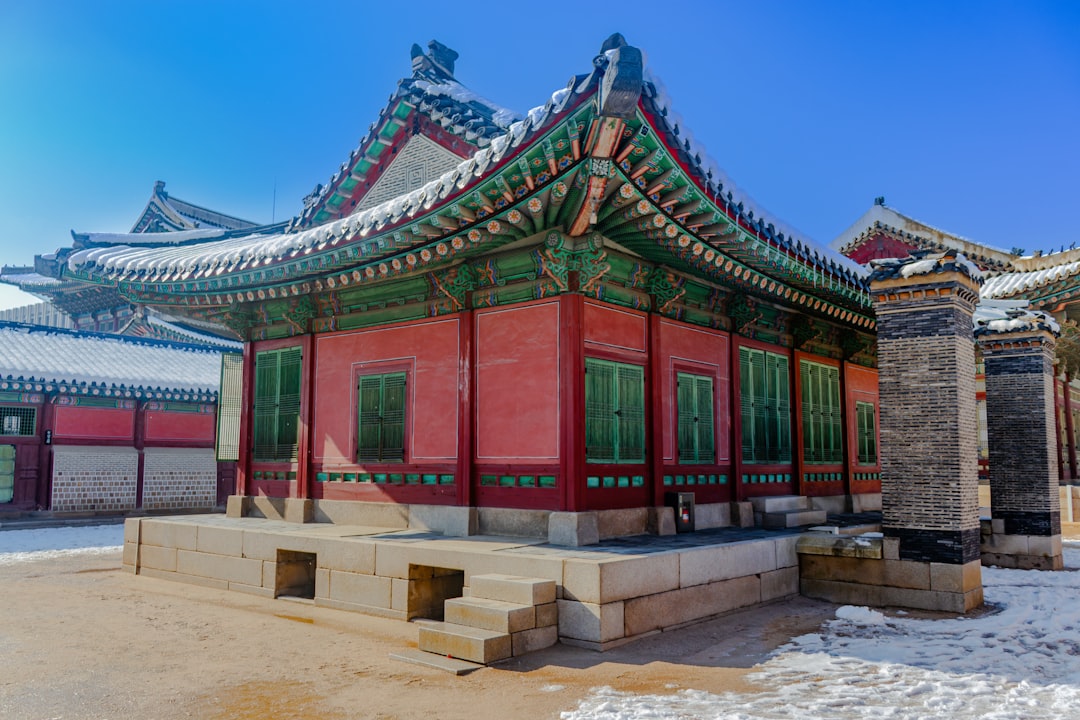
The Best Times to Visit South Korea
Watch: Korea 2026 Travel Guide: Best Places to Visit & Things to Do
According to experts, the best times to visit South Korea in 2026 are spring (March-May) and autumn (September-November).
South Korea is a country of contrasts, with four distinct seasons that each offer unique experiences. From blooming cherry blossoms in spring to colorful foliage in fall, there’s always something special happening throughout the year.
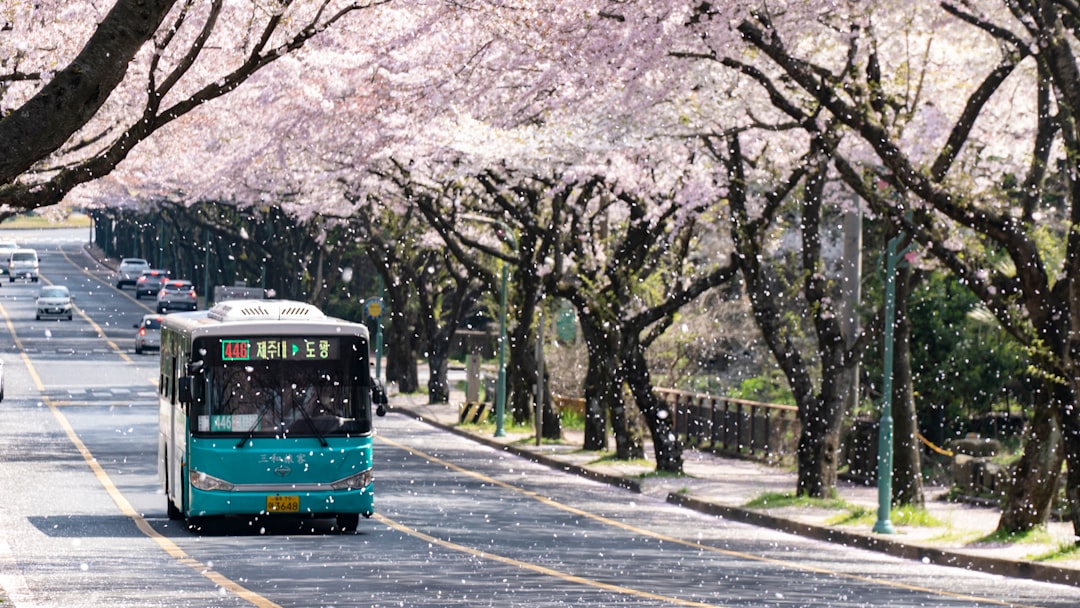
Spring (March–May): Cherry Blossom Time
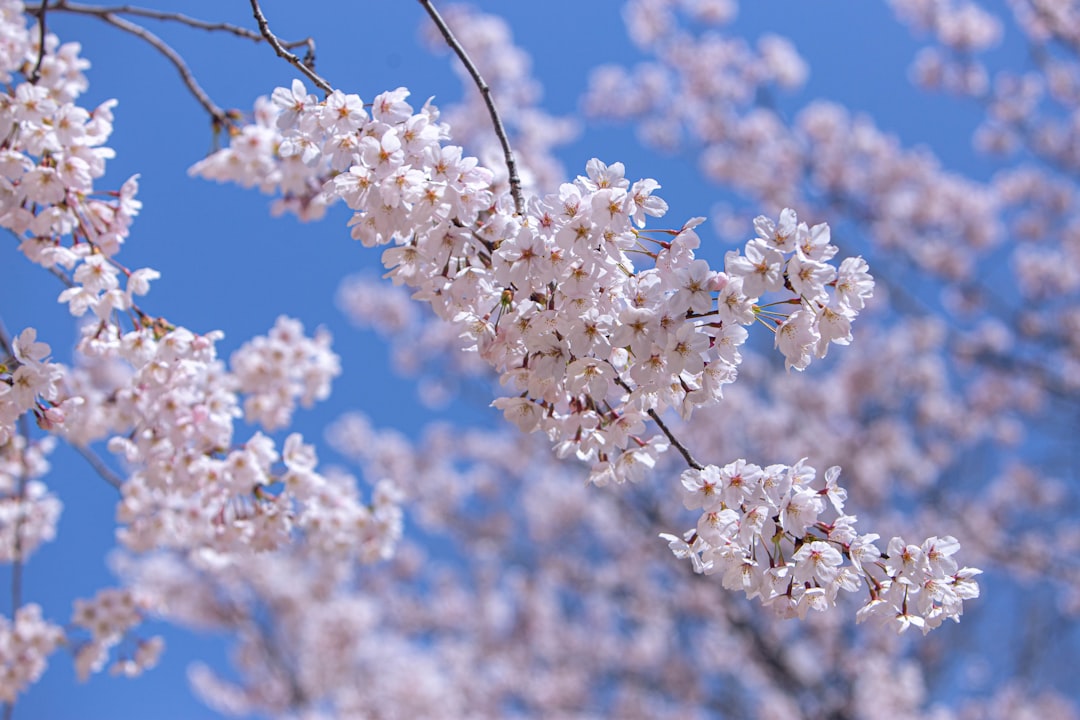
Spring is a magical time in South Korea as millions of cherry trees burst into bloom across the country. The months of March through May are when you’ll see these beautiful pink and white flowers dotting parks, mountains, and along rivers.
- March: Early spring brings mild temperatures with occasional rain showers.
- April: The peak of cherry blossom season occurs in April. Average temperatures range from 10°C to 20°C (50°F to 68°F).
- May: Warmer days and longer daylight hours make this a great time for outdoor activities.
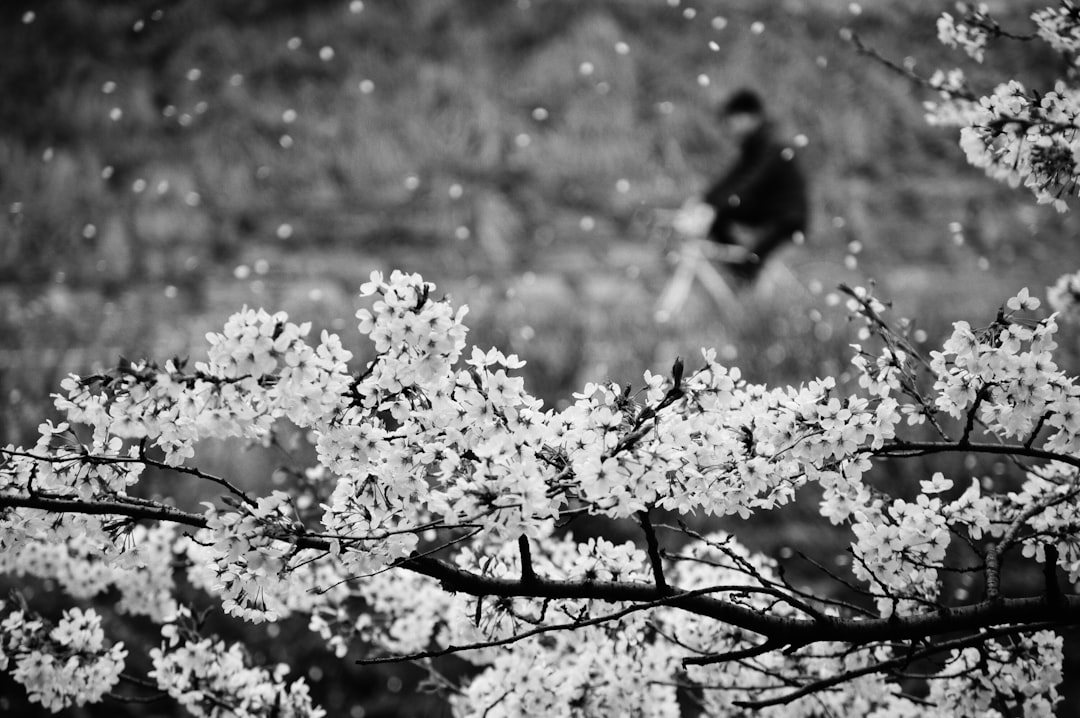
In Seoul, the capital city, you can explore some of the most famous cherry blossom spots like Gwanghwamun Square and Cheonggyecheon Stream. Beyond Seoul, the Jeju Cherry Blossom Festival takes place from late March to early April, offering stunning views along the island’s coastline.
Key Takeaway: Spring is an ideal time for nature lovers who want to experience South Korea’s iconic cherry blossoms.Discover more about Korean festivals and events.
Fall (September–November): Colorful Foliage Season
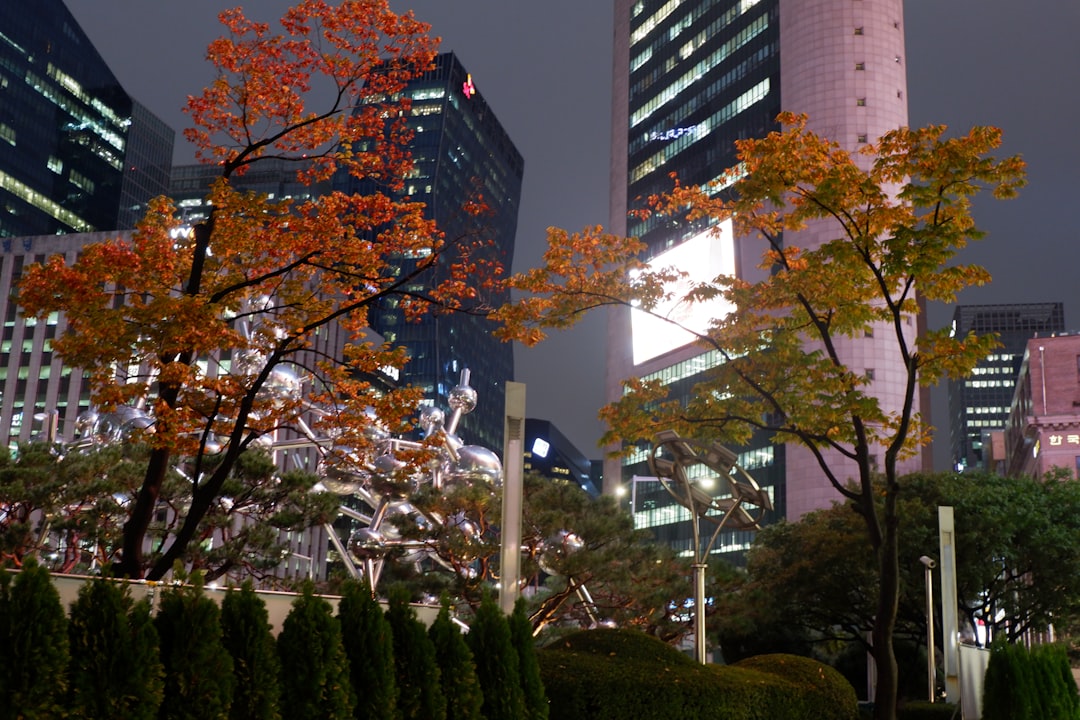
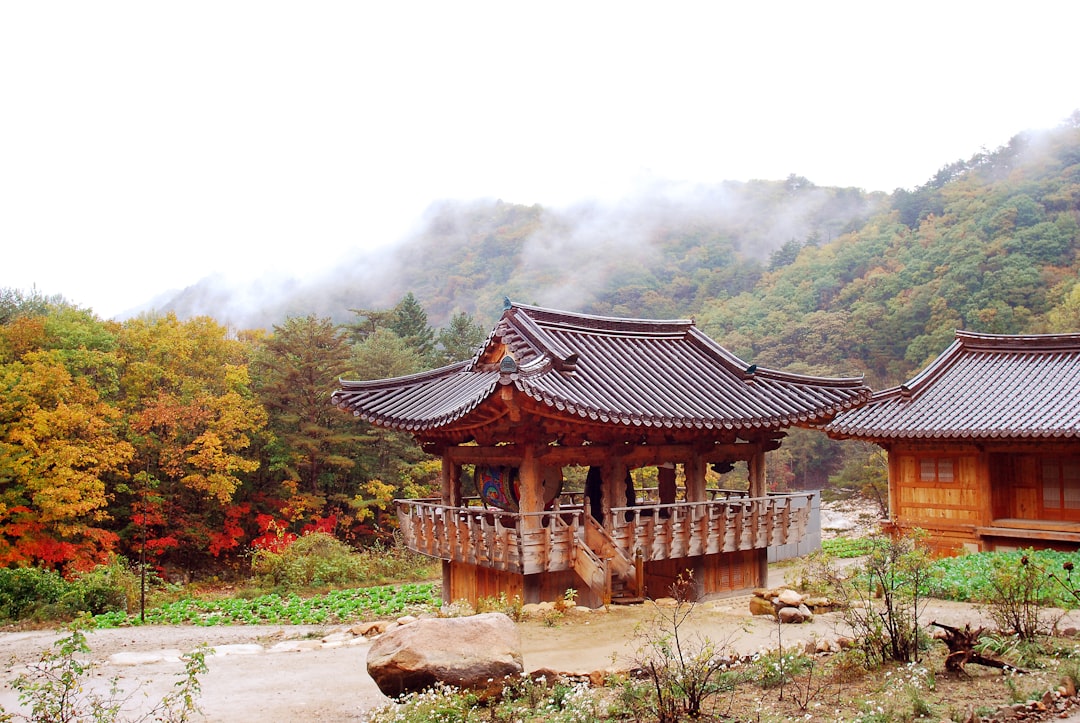
Fall in South Korea is another spectacular season, with autumn foliage painting the landscape in hues of red, orange, and gold. This period is particularly popular among tourists for its beautiful scenery.
- September: Early fall brings cooler temperatures (15°C to 20°C or 59°F to 68°F) with less rainfall compared to summer.
- October: Peak foliage season occurs in October when the leaves are at their most vibrant. Expect mild days and crisp nights.
- November: Late fall sees temperatures drop further (5°C to 12°C or 41°F to 54°F), but the weather remains comfortable for sightseeing.
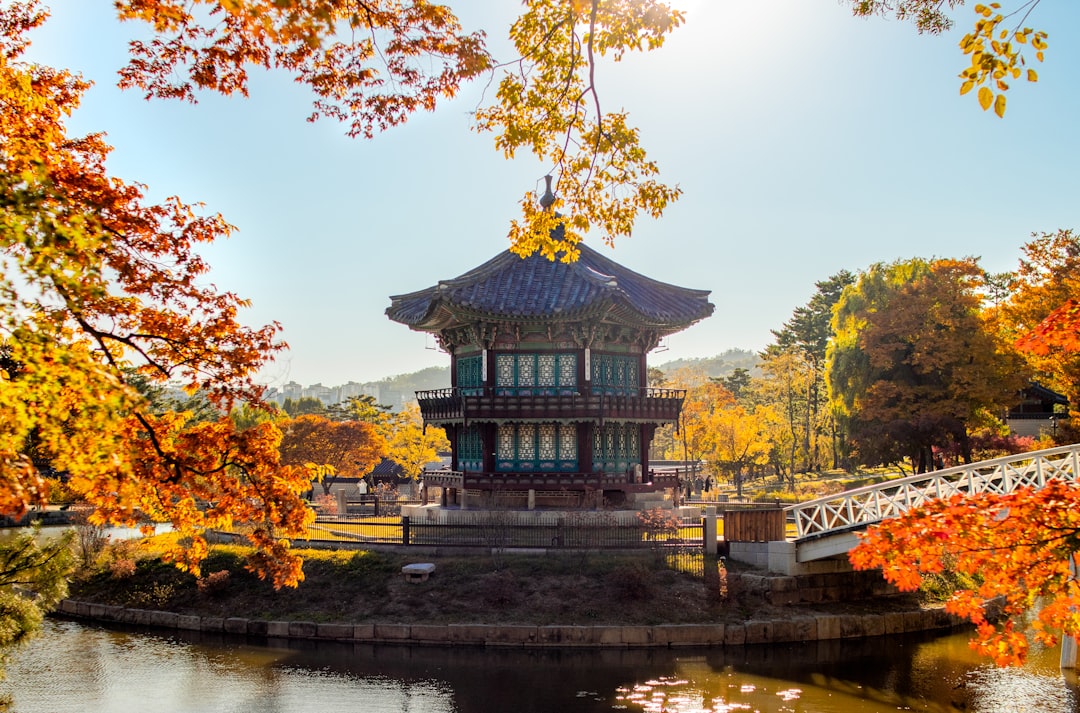
Seoul’s Namsan Park and Bukhansan National Park are among the top spots to see fall foliage. For a more remote experience, head to Jirisan National Park in Gyeongsangnam-do or Baekdudaegan Mountain Range.
Key Takeaway: Fall is perfect for those who enjoy hiking, photography, and immersing themselves in nature’s beauty.Learn more about Korean culture.
The Best Time to Visit South Korea During Summer (June–July)
Summer in South Korea can be a bit challenging due to its humid climate. However, if you’re someone who enjoys the warmth and social buzz of cities like Seoul, this season offers unique experiences.
- June: Early June marks a transition period between spring and summer with temperatures ranging from 20°C to 30°C (68°F to 86°F).
- July: Peak summer brings higher humidity levels and more rainfall, but also lively festivals and events.
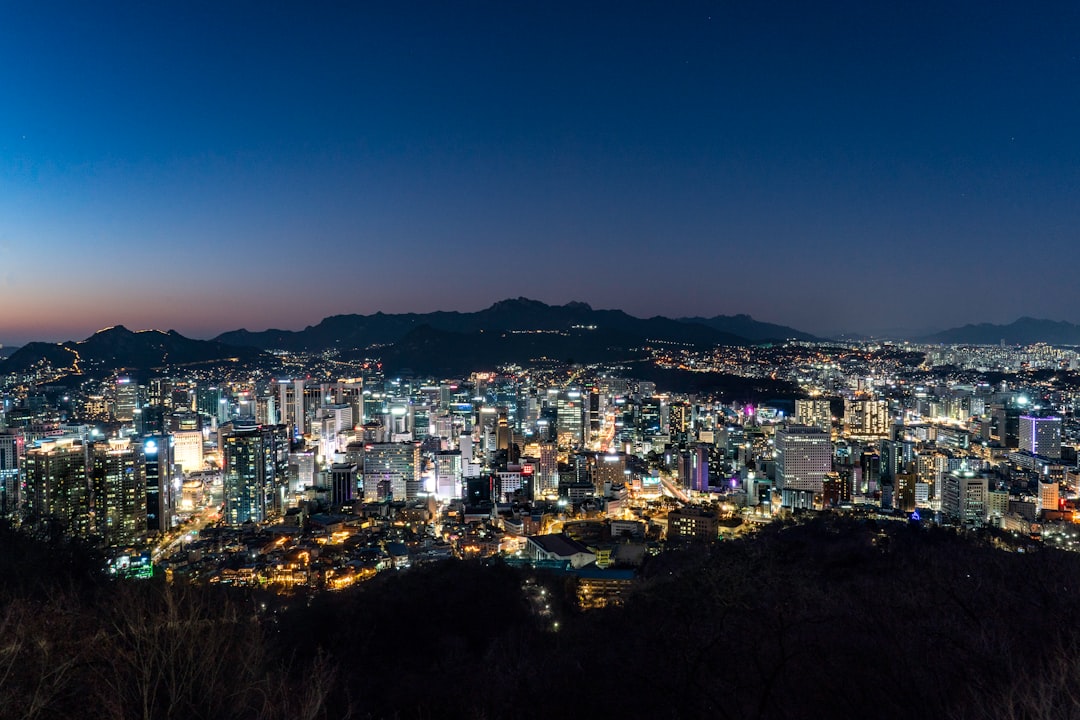
The best time within this period is June to early July when temperatures are still bearable, yet cultural activities such as the Seoul Lantern Festival (learn more) attract many visitors. During these months, you can enjoy a mix of city elegance and coastal breezes.
Key Takeaway: Plan your visit for early summer if you want to balance cultural activities with milder weather.
The Best Time to Visit South Korea During Winter (December–February)
Winter in South Korea is cold, but it offers unique experiences such as ice festivals and winter sports. If you’re a fan of winter wonderlands or the serene beauty of snow-covered landscapes, this season might be worth considering.
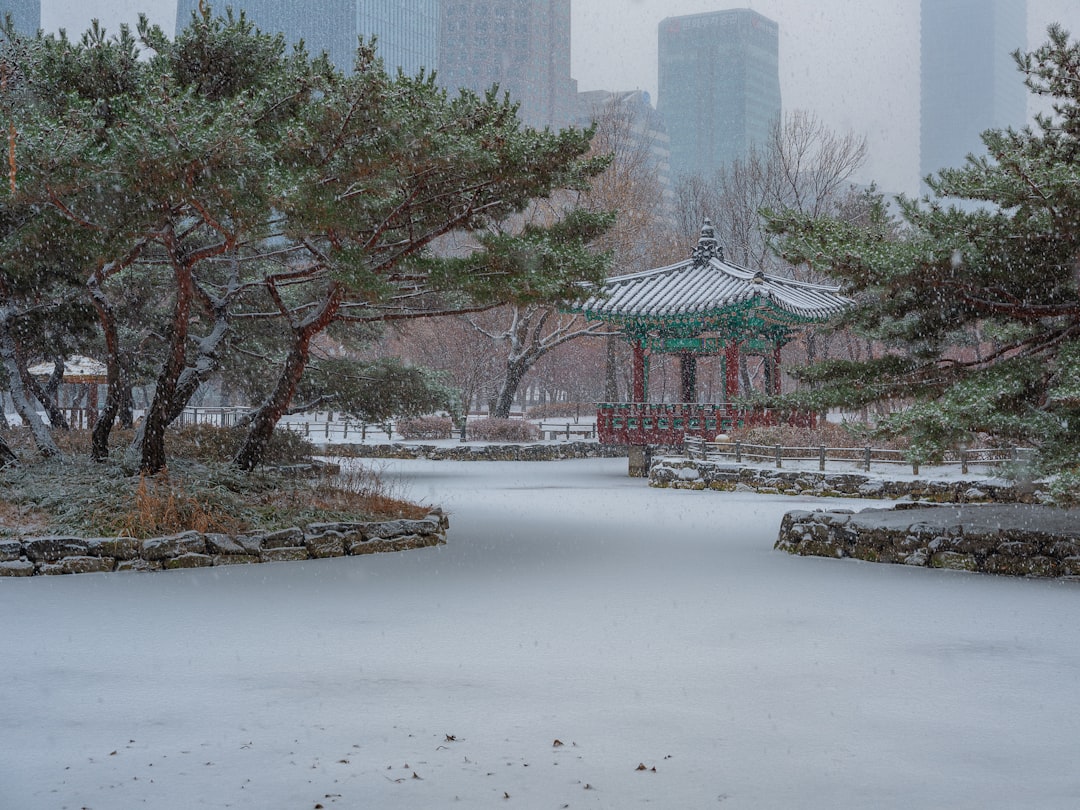
- December: Winter begins with temperatures dropping to around 0°C (32°F).
- January and February: These months are colder still, ranging from -5°C to 1°C (23°F to 34°F) in Seoul.
Jeju Island hosts the famous Jeju Winter Festival in January, featuring ice sculptures and other festive activities. Inland areas like Taebaek Mountain Range offer excellent skiing opportunities.
Key Takeaway: Winter is ideal for those who enjoy winter sports or are interested in unique cultural events.Explore more Korean winter festivals.
Packing Tips for Each Season
The right clothing and gear can make your trip to South Korea much more enjoyable. Here’s what you should consider packing based on the season:
- Spring:
- Light jackets or sweaters
- Dress pants or skirts for cooler evenings
- Rain gear (umbrellas, ponchos)
- Fall:
- Layered clothing
- Comfortable walking shoes
- Sweaters and jackets for chilly mornings
- Summer:
- Cooling wear (light cotton shirts, shorts)
- Sunscreen and hats
- Water bottles to stay hydrated
- Winter:
- Warm coats or parkas
- Gloves and scarves
- Thermal underwear and wool socks
- Spring:
- Seoul: Lotte Hotel World, Four Seasons Seoul
- Cheongju: Gyeongsang Art Center Guesthouse
- Fall:
- Jeonju: Jeonju Hanok Village Homestay
- Busan: Hotel Interciti Busan, Novotel Ambassador Busan Centum City
- Summer:
- Gangwon-do: Alpensia Resort Hotel
- Daejeon: Daejeon Marriott Hotel
- Winter:
- Jeju Island: Jeju Stay, Grand Hilton Jeju
- Taebaek Mountain Range: Taebaek Resort Hotel
- Spring:
- Hiking trails around Seoul, such as Bukhansan National Park
- Visiting cherry blossom festivals across the country
- Fall:
- Cultural tours in Gyeongju and Jeonju Hanok Village
- Hiking on Jirisan or Seoraksan national parks
- Summer:
- Attending the Seoul Lantern Festival
- Visiting local markets like Gwangjang Market for street food and souvenirs
- Winter:
- Participating in snow festivals on Jeju Island or Taebaek Mountain Range
- Skiing and other winter sports at various resorts
- Q: What is the best time to visit South Korea?
- A: The best times are spring (March-May) and autumn (September-November).
- Q: How do I prepare for winter in South Korea?
- A: Pack warm clothing, including thick coats, gloves, and thermal layers.
- Q: Are there any must-see festivals during summer?
- A: Yes! The Seoul Lantern Festival in June is a highlight of the season.
- Q: What are some good hotels for fall foliage viewing?
- A: Consider staying at Jeonju Hanok Village Homestay or Novotel Ambassador Busan Centum City.
- Q: Is South Korea safe to visit during any season?
- A: Yes, South Korea is generally very safe for tourists. Follow local guidelines and exercise caution as you would in any foreign country.
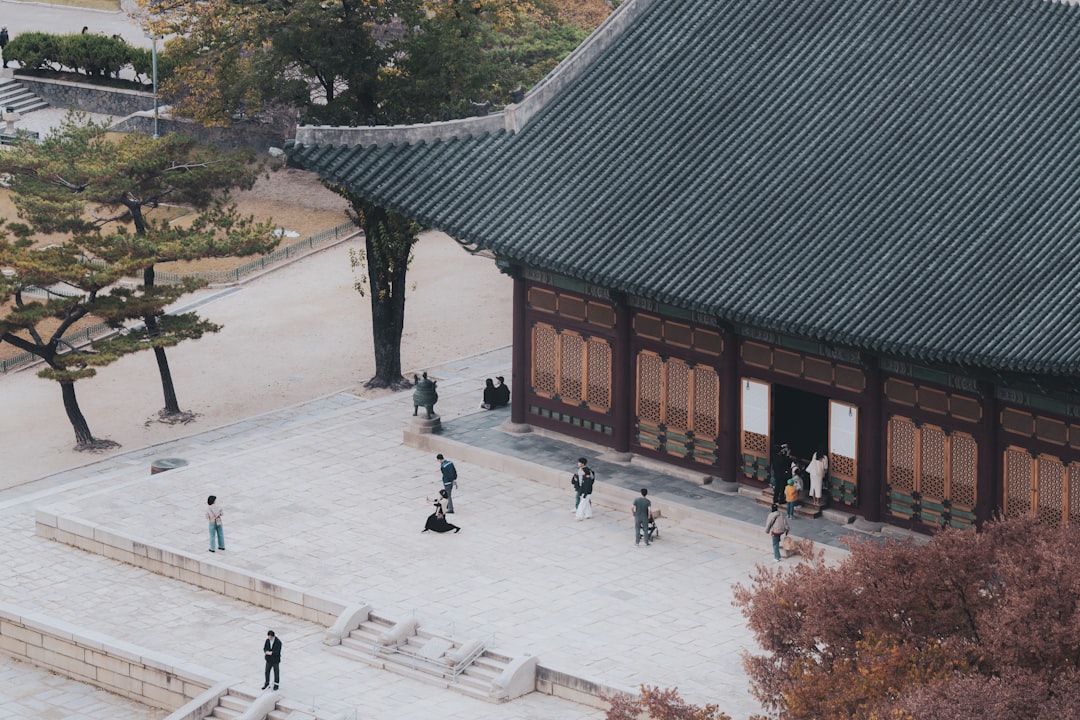
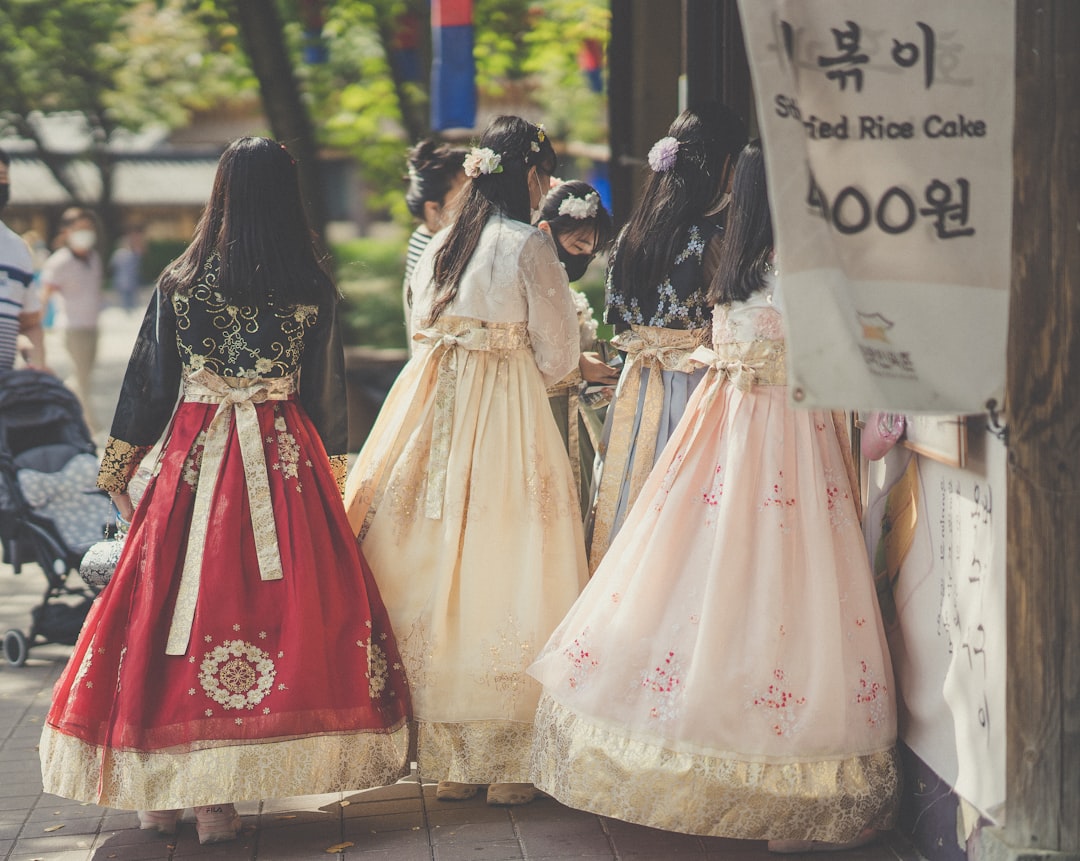
Key Takeaway: Packing appropriately for the season ensures you stay comfortable throughout your travels.
The Best Places to Stay in South Korea by Season
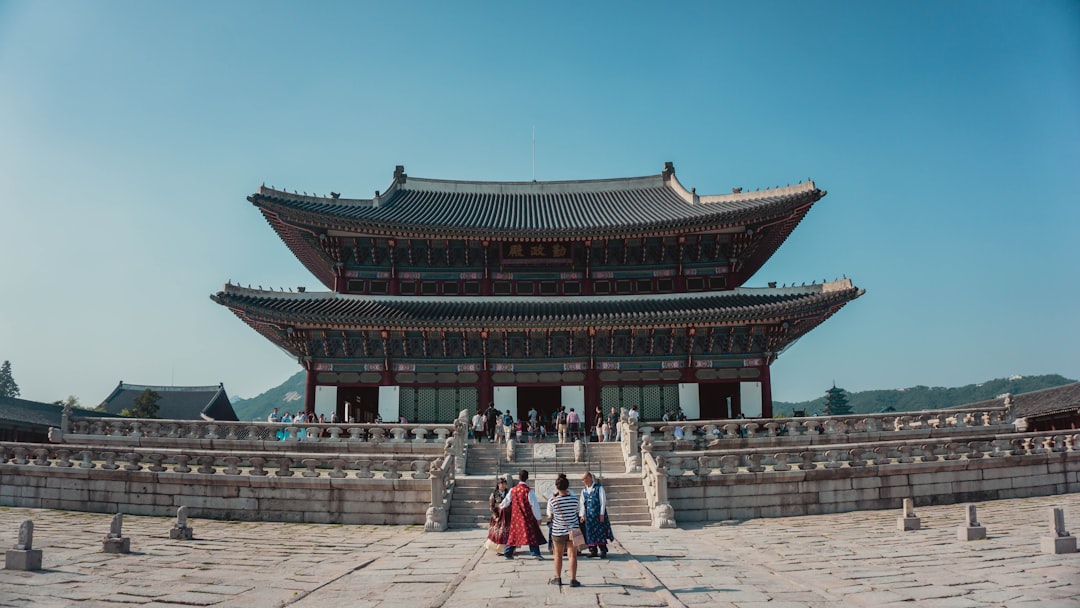
Your accommodation choices can greatly enhance your experience. Here are some recommended options based on the seasons:
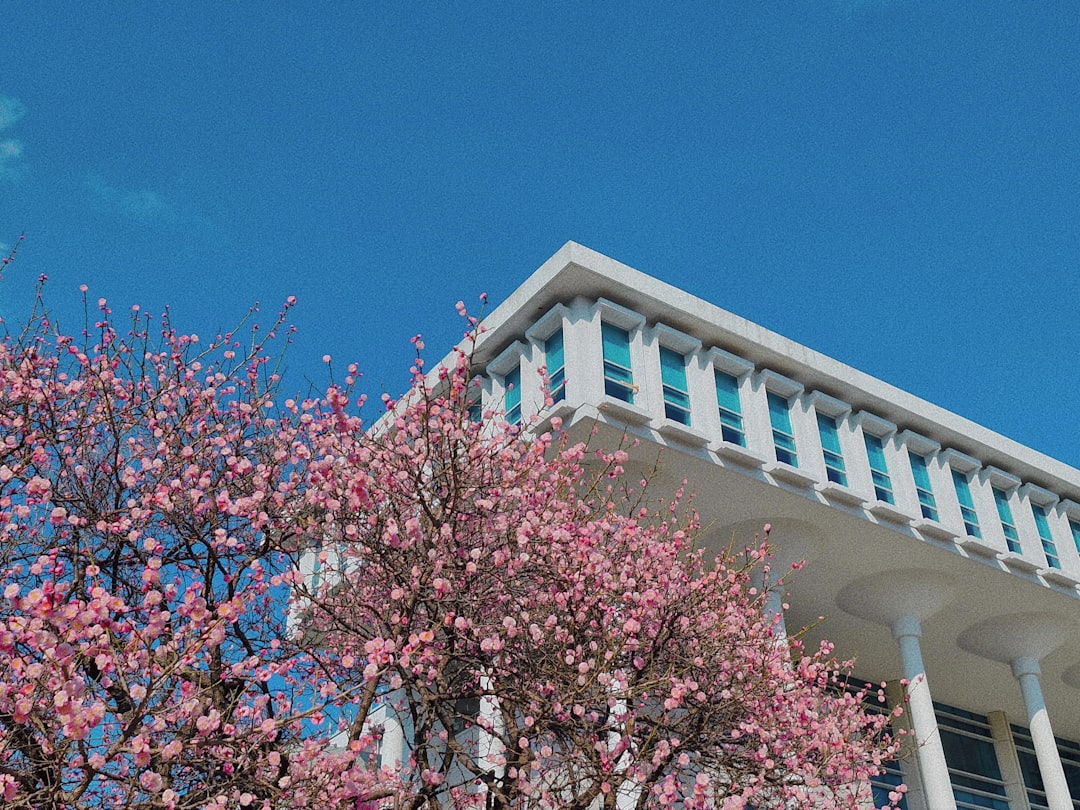
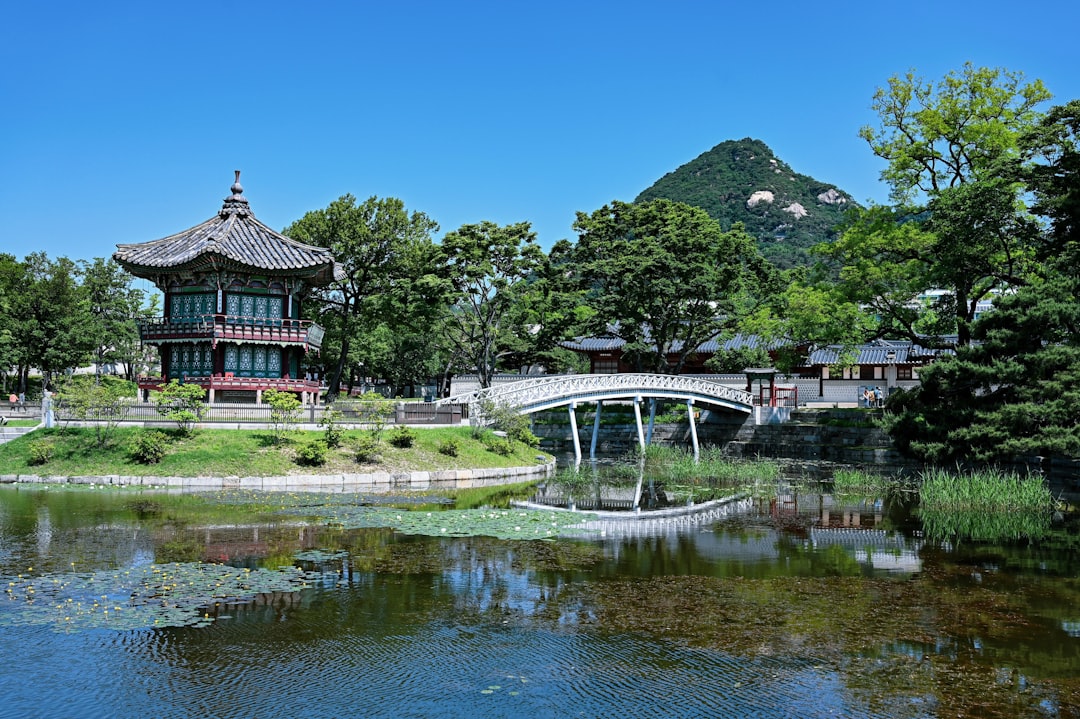
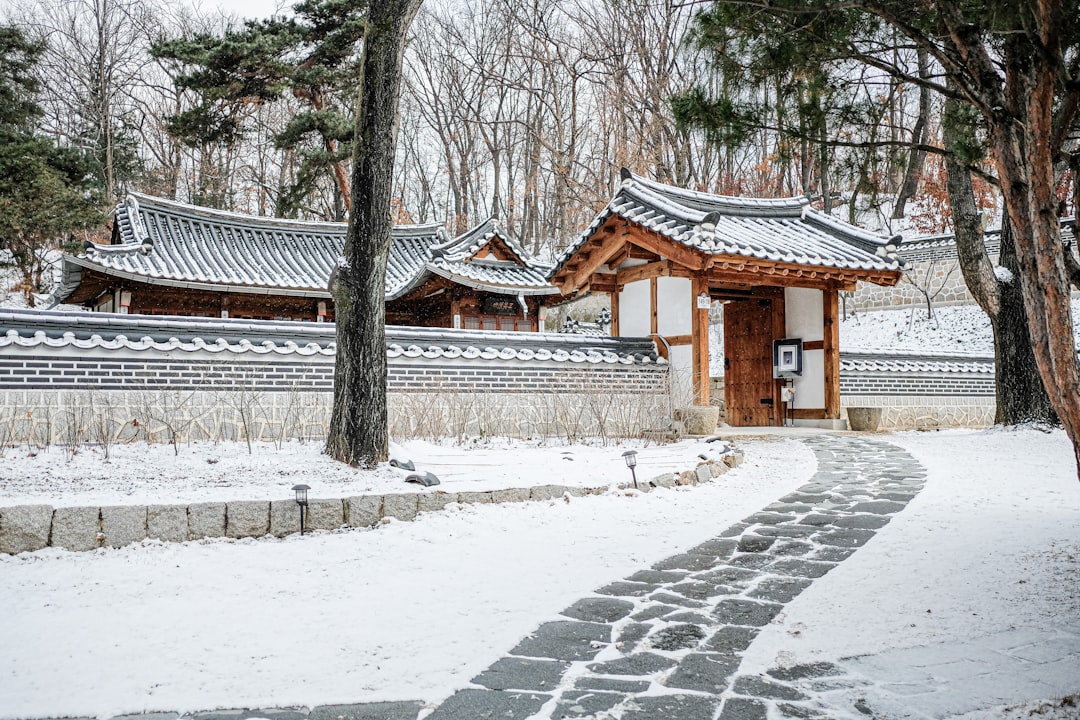
Key Takeaway: Choosing the right hotel or accommodation can provide a comfortable base for your adventures.
The Best Activities to Do in South Korea by Season
No trip is complete without experiencing local culture and traditions. Here are some top activities based on each season:
The best activities vary depending on your interests. Whether you’re a nature lover, culture enthusiast, or adventure seeker, South Korea has something for everyone.
Key Takeaway: Engaging in seasonal activities enhances your understanding of Korean culture.
Frequently Asked Questions (FAQ)
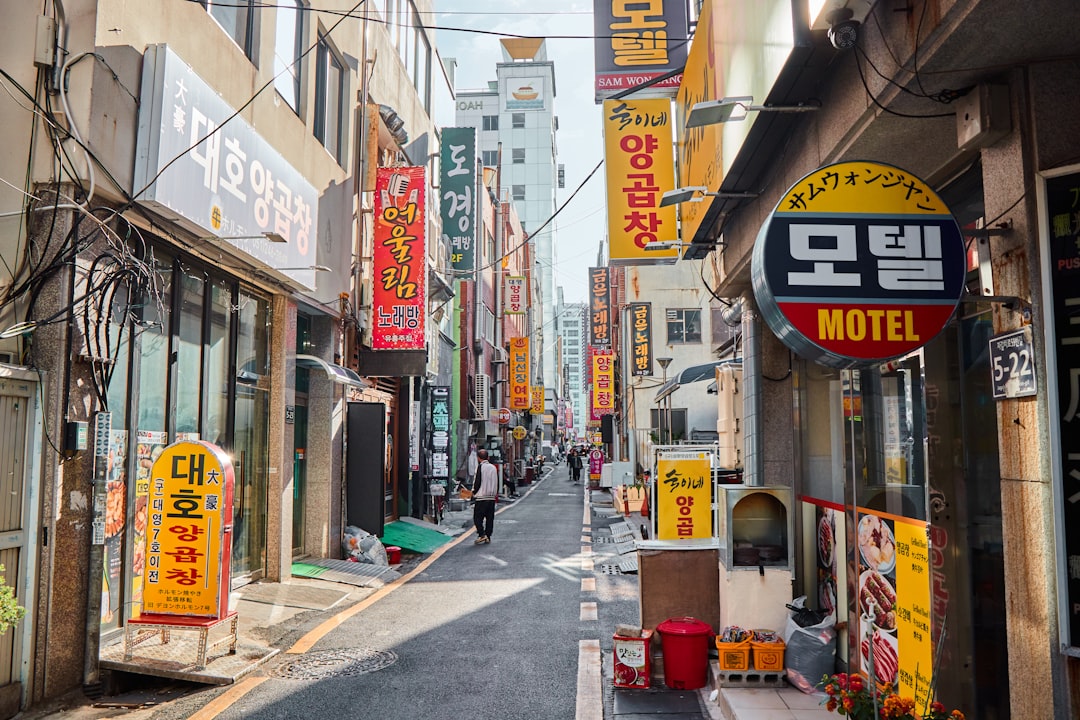
Finding the right time to visit South Korea can be a daunting task with so many variables to consider. This guide aims to simplify your decision-making process by highlighting the best times of year, providing practical tips, and offering insights into cultural experiences unique to each season.