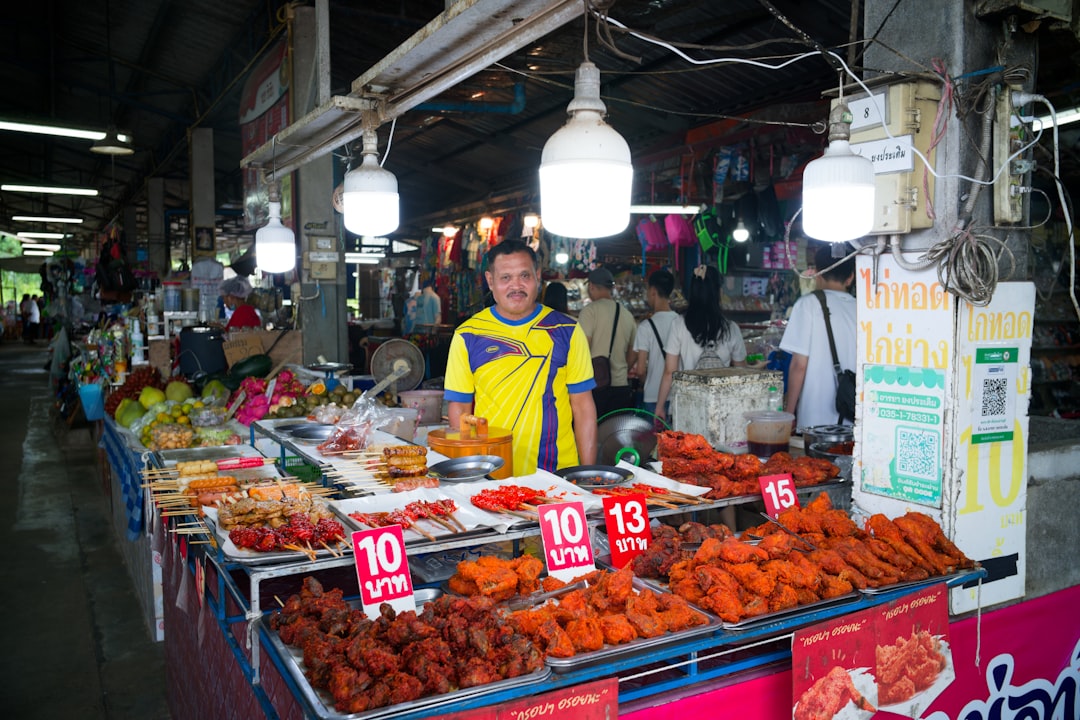
Why Korea’s Street Food Markets Are the Ultimate Foodie Pilgrimage
I still remember standing in the middle of Gwangjang Market in Seoul at 9 PM on a Tuesday night, steam rising from a sizzling hotplate of bindaetteok (mung bean pancakes), surrounded by locals shoulder-to-shoulder on tiny red stools, and thinking: this is the real Korea. Not the Instagram-perfect cafés of Gangnam or the neon-lit streets of Myeongdong — but this chaotic, glorious, absolutely delicious universe of street food markets that most tourists barely scratch the surface of.
After spending over three years exploring every corner of this country’s food scene, I can tell you with absolute certainty that the best street food markets in Seoul, Busan, and beyond are not just places to eat. They’re living, breathing cultural institutions where grandmothers have been perfecting the same recipes for 40+ years, where $5 buys you a meal that would cost $25 in New York, and where every single bite tells a story.
This guide covers the best street food markets Seoul Busan and five other Korean cities have to offer — complete with exact costs, how to get there, what to order, and the unwritten rules that separate savvy travelers from confused tourists. Whether you’re planning your first trip or your fifth, bookmark this one. You’ll need it.
Seoul: The Street Food Capital of Korea

Seoul is home to the most famous and diverse street food markets in the entire country. With over 400 traditional markets registered with the Seoul Metropolitan Government, you could eat at a different market every day for over a year and never repeat. But some markets stand head and shoulders above the rest.
Gwangjang Market (광장시장) — The Legend
Gwangjang Market is where Korean street food culture lives and breathes. Established in 1905, it’s the oldest continuously operating market in South Korea and arguably the single best place to experience authentic Korean street food on the entire peninsula. Netflix’s Street Food: Asia put it on the global map, but locals have known about it for generations.
The market’s famous Mayak Gimbap (literally “drug kimbap” because it’s so addictive) costs just ₩3,000–4,000 ($2.20–$3.00) for a plate of tiny, sesame-oil-drenched rice rolls served with spicy mustard sauce. The bindaetteok (mung bean pancakes) run about ₩5,000 ($3.70) and are fried fresh to order — crispy on the outside, savory and soft inside. Don’t skip the yukhoe (Korean beef tartare) at around ₩15,000 ($11) for a generous portion with a raw egg yolk on top.
Getting There: Take Seoul Metro Line 1 to Jongno 5-ga Station, Exit 8. The market is a 2-minute walk. Alternatively, Line 2 or 5 to Dongdaemun History & Culture Park Station, Exit 10.
Hours: Most food stalls operate 9:00 AM–11:00 PM daily. Some vendors close Sundays. The sweet spot is weekday evenings between 6:00–8:00 PM — busy enough for atmosphere, not so packed you can’t find a seat.
Budget: A full street food dinner here costs $8–$15 per person. Bring cash — many vendors don’t accept cards, though this is changing.
Myeongdong Street Food Alley — Tourist-Friendly but Worth It
Yes, Myeongdong is touristy. Yes, prices are slightly higher than local markets. But dismissing it entirely would be a mistake. The sheer variety of street food here is unmatched, and many vendors have created fusion innovations you won’t find anywhere else in Korea.
The egg bread (gyeran-bbang) at ₩2,000 ($1.50) is a perfect warm snack on a cold day — a fluffy bread pocket with a whole egg baked inside. The tornado potato (spiral-cut potato on a stick) costs ₩4,000 ($3.00) and is as photogenic as it is crunchy. For something more substantial, grab a lobster tail or king crab leg from the seafood vendors — they’ll run ₩15,000–25,000 ($11–$18) but are legitimately fresh.
Getting There: Metro Line 4, Myeongdong Station, Exit 6 or 7. You’ll see the food stalls immediately along the main pedestrian street.
Pro Tip: Visit on weekday afternoons before 5 PM to avoid the heaviest crowds. Weekend evenings here can feel like Times Square on New Year’s Eve.
Mangwon Market (망원시장) — The Local’s Secret
If Gwangjang Market is the tourist’s dream, Mangwon Market is the local’s paradise. Located in the trendy Mangwon-dong/Hapjeong area near the Han River, this market has exploded in popularity among young Koreans but remains relatively unknown to international visitors.
The tteokbokki here is next-level — try the cheese-stuffed version for ₩4,500 ($3.30). The fried chicken vendors sell enormous portions of perfectly crispy yangnyeom (sweet-spicy) chicken for ₩8,000 ($6.00). And the fresh fruit juice stalls press seasonal fruits to order for ₩3,000–5,000 ($2.20–$3.70).
Getting There: Metro Line 6, Mangwon Station, Exit 2. Walk straight for 3 minutes.
Hours: 8:00 AM–9:00 PM. Closed the second and fourth Sundays of each month.
After eating your way through Mangwon, walk 10 minutes south to the Han River for a riverside picnic to digest. Han River Picnic Spot Guide 2026: 7 Best Parks
Tongin Market (통인시장) — The Lunchbox Market
Tongin Market near Gyeongbokgung Palace offers one of the most unique market experiences in Seoul: the Dosirak (Lunchbox) Café. For ₩5,000 ($3.70), you purchase a tray and a set of old-fashioned brass coins, then walk through the market selecting individual dishes from different vendors — a scoop of japchae here, a piece of jeon (pancake) there, some tteokbokki from the next stall.
It’s like a Korean street food buffet where you build your own meal, and the total cost for a completely full tray is typically under $7. The signature item is gireum tteokbokki — rice cakes pan-fried in oil rather than the usual spicy sauce, a style unique to this market.
Getting There: Metro Line 3, Gyeongbokgung Station, Exit 2. Walk west for 10 minutes through the palace district.
Hours: Dosirak Café operates 11:00 AM–5:00 PM. Closed Mondays. Arrive before noon to avoid the lunch rush.
Busan: Seafood Street Food Paradise
If Seoul is the king of variety, Busan is the undisputed champion of seafood street food. Korea’s second-largest city sits right on the coast, and its markets reflect a completely different culinary DNA — fresher, bolder, and more ocean-forward than anything you’ll find in the capital. The best street food markets Seoul Busan travelers should hit both cities to experience the full spectrum of Korean market culture.
Jagalchi Market (자갈치시장) — Asia’s Largest Seafood Market
Jagalchi Market is not just a market — it’s an experience that will fundamentally change how you think about seafood. As the largest seafood market in all of Asia, it sprawls across an enormous multi-story building and the surrounding outdoor stalls along Busan’s waterfront.
On the ground floor, vendors display live fish, octopus, sea cucumbers, abalone, king crab, and dozens of species you’ve probably never seen before, all swimming in tanks. You pick your seafood alive, negotiate the price, and they’ll prepare it for you — either as hoe (raw sashimi) or cooked to your preference. A plate of fresh raw fish (hoe) starts around ₩20,000–30,000 ($15–$22) for two people, which would easily cost $60+ at a sushi restaurant in LA.
The outdoor stalls along the waterfront are where budget travelers thrive. Eomuk (fish cake) on sticks costs just ₩1,000 ($0.75) each and comes with free hot broth to sip on cold days. Ssiat hotteok (seed-filled sweet pancakes) — a Busan specialty you won’t find in Seoul — are ₩2,000 ($1.50) and filled with a crunchy mixture of sunflower seeds, pumpkin seeds, and brown sugar.
Getting There: Metro Line 1, Jagalchi Station, Exit 10. The market building is immediately visible.
Hours: Outdoor stalls: 5:00 AM–10:00 PM. Indoor market: 8:00 AM–10:00 PM. Closed the first and third Tuesdays of each month.
Gukje Market (국제시장) & BIFF Square
Just a 5-minute walk from Jagalchi, Gukje Market (International Market) and the adjacent BIFF Square form Busan’s most concentrated street food zone. BIFF Square — named after the Busan International Film Festival that was once held here — is essentially one giant open-air food court.
The must-try here is hotteok, and specifically the Busan-style ssiat hotteok that’s different from Seoul’s version. Where Seoul hotteok is filled with brown sugar syrup, Busan’s version is stuffed with mixed seeds and nuts, creating a crunchy, nutty, caramelized masterpiece. The most famous vendor has a line that wraps around the block — look for the stall with the longest queue and join it. At ₩2,000 ($1.50) each, it’s the best value bite in all of Busan.
Bindaetteok, twigim (Korean-style tempura including sweet potato, shrimp, squid, and vegetables), and sundae (Korean blood sausage) round out the offerings. A full spread of snacks here will set you back about ₩10,000–15,000 ($7–$11).
Getting There: Metro Line 1, Jagalchi Station, Exit 7, or Nampo Station, Exit 1. Both are within a 3-minute walk.
Haeundae Market & Beach Area
The Haeundae area combines beach vibes with serious street food. The traditional Haeundae Market is a more low-key, residential-feeling market where locals shop for daily groceries, but the surrounding streets — especially during summer — transform into a massive street food festival.
Signature items here include grilled shellfish sets (₩15,000–25,000 / $11–$18 for a platter of clams, scallops, and mussels grilled tableside), hotteok, and Busan’s famous milmyeon (cold wheat noodles) available at nearby restaurants for ₩7,000–9,000 ($5–$7).
Getting There: Metro Line 2, Haeundae Station, Exit 3 or 5.
Seasonal Tip: Visit during the Haeundae Sand Festival (late May/early June) or Busan Fireworks Festival (October/November) for the maximum street food vendor concentration along the beach. Busan Official Tourism Guide
Beyond Seoul and Busan: Hidden Gems by City

The best street food markets Seoul Busan travelers typically visit are just the beginning. Korea’s smaller cities hide some of the country’s most authentic and affordable market experiences, often with zero tourist crowds and prices 20–40% lower than the capital.
Daegu: Seomun Market (서문시장)
Seomun Market in Daegu is one of Korea’s three oldest markets, dating back over 350 years. The Seomun Night Market (open 7:00 PM–midnight, Friday through Sunday from March to November) is where the real magic happens.
Daegu is known for its spicy food culture — locals joke that Daegu people can’t taste anything below a 5 on the spice scale. The market reflects this with intensely flavorful napjak mandu (flat dumplings, ₩3,000/$2.20), makchang (grilled pork intestines, ₩8,000/$6.00), and spicy chicken gizzards. The night market also features live music performances, making it more of a festival atmosphere than a simple market.
Getting There: From Seoul, take the KTX train from Seoul Station to Dongdaegu Station (1 hour 40 minutes, ₩43,500/$32). Then Metro Line 3 to Seomun Market Station.
Jeonju: Nambu Market & Hanok Village
Jeonju is the culinary capital of Korea — it’s where bibimbap was invented — and Nambu Market is its beating heart. The market’s Night Market (open Friday and Saturday evenings) draws food lovers from across the country.
The choco pie from Nambu Market has become a national phenomenon — a handmade, artisanal version of the mass-produced snack, costing ₩2,500 ($1.85) and available in flavors like matcha, strawberry, and black sesame. Kongnamul gukbap (bean sprout rice soup, ₩7,000/$5.20) is Jeonju’s signature hangover cure and a must-try.
Walk 10 minutes from the market to Jeonju Hanok Village, where the streets are lined with additional food vendors selling hotteok, skewered meats, and injeolmi (glutinous rice cake coated in soybean powder).
Getting There: KTX from Seoul’s Yongsan Station to Jeonju Station (1 hour 35 minutes, ₩35,600/$26). Then bus #60 or taxi (₩5,000/$3.70) to the market.
Jeju Island: Dongmun Market (동문시장)
Dongmun Market on Jeju Island is where volcanic island cuisine meets traditional Korean street food. Open since 1945, it’s the largest market on Jeju and features ingredients you won’t find anywhere else on the mainland.
Hallabong juice (Jeju’s famous mandarin orange, ₩4,000/$3.00), black pork skewers (₩5,000/$3.70), and raw sea urchin (₩10,000–15,000/$7.50–$11) are the headline acts. The jeonbok-juk (abalone porridge, ₩10,000/$7.50) is silky, rich, and uses abalone harvested by Jeju’s famous haenyeo (female free-divers).
Getting There: From Seoul, fly to Jeju International Airport (1 hour, budget airlines from ₩40,000/$30 one-way). From the airport, bus #500 or taxi to Dongmun Market (15 minutes).
Gyeongju: Jungang Market & Seongdong Market
Gyeongju, the ancient capital of the Silla Kingdom, has a food market scene that matches its historical gravitas. Jungang Market in the city center serves up affordable classics, while Seongdong Market specializes in Gyeongju-style bread (Gyeongju-ppang, ₩10,000/$7.50 for a box of 20) filled with sweet red bean paste — a souvenir snack beloved across Korea.
Getting There: KTX from Seoul to Singyeongju Station (2 hours, ₩49,500/$37), then bus #50 or #60 to the city center.
The Ultimate Street Food Menu: What to Eat and What It Costs
Walking into a Korean street food market without a game plan is like walking into a casino — exciting but potentially overwhelming. Here’s your definitive menu guide with real prices updated for 2026.
| Item | Korean Name | Price (KRW) | Price (USD) | Best City |
|---|---|---|---|---|
| Tteokbokki | 떡볶이 | ₩3,000–5,000 | $2.20–$3.70 | Seoul |
| Hotteok | 호떡 | ₩1,500–2,500 | $1.10–$1.85 | Busan |
| Eomuk (Fish Cake) | 어묵 | ₩1,000–2,000 | $0.75–$1.50 | Busan |
| Bindaetteok | 빈대떡 | ₩5,000–6,000 | $3.70–$4.50 | Seoul |
| Mayak Gimbap | 마약김밥 | ₩3,000–4,000 | $2.20–$3.00 | Seoul |
| Sundae (Blood Sausage) | 순대 | ₩4,000–5,000 | $3.00–$3.70 | Seoul |
| Twigim (Tempura) | 튀김 | ₩500–2,000 | $0.40–$1.50 | Busan |
| Raw Fish (Hoe) | 회 | ₩20,000–40,000 | $15–$30 | Busan |
| Gyeran-ppang (Egg Bread) | 계란빵 | ₩2,000–3,000 | $1.50–$2.20 | Seoul |
| Chicken Skewers | 닭꼬치 | ₩3,000–5,000 | $2.20–$3.70 | All cities |
For a deeper dive into Korean food you can recreate at home, check out How to Make Tteokbokki at Home: Easy Recipe 2026 and Best Korean Instant Ramyeon Ranking 2026: Top 15 Picks.
Getting There: Transport Guide for Market Hopping

Getting to and between Korea’s street food markets is remarkably easy thanks to the country’s world-class public transit system. Here’s everything you need to know about logistics.
Flying to Korea from the US
Direct flights operate daily from LAX, JFK, and SFO to Incheon International Airport (ICN). Budget around $800–$1,400 round-trip in economy depending on season (cheapest in March/April and October/November, most expensive during July/August and December holidays). Airlines like Korean Air, Asiana, Delta, and United all serve these routes with flight times of approximately 13–14 hours.
US citizens enjoy visa-free entry for stays up to 90 days, but you’ll need to register for a K-ETA (Korea Electronic Travel Authorization) before departure. Apply at least 72 hours ahead at k-eta.go.kr — it costs ₩10,000 ($7.50) and is valid for two years.
From Incheon Airport to Seoul, take the AREX (Airport Railroad Express) to Seoul Station — the express train takes 43 minutes and costs ₩9,500 ($7). Alternatively, airport limousine buses run to major areas like Myeongdong, Hongdae, and Gangnam for ₩16,000–17,000 ($12–$13).
Getting Around: T-money, KTX, and Apps
Your first purchase in Korea should be a T-money card. Buy one at any convenience store (GS25, CU, 7-Eleven) near the airport or subway station for ₩2,500 ($1.85), then load it with credit. It works on all subways, buses, and even taxis nationwide — think of it as Korea’s version of a Metrocard or Oyster Card, but better because it works in every city.
For intercity travel between Seoul and Busan (or any major city), the KTX bullet train is king. Seoul to Busan takes just 2 hours 30 minutes and costs ₩59,800 ($44) one-way. Book through the KORAIL app or website — foreigners can get a KR Pass (3 consecutive days for $104, 5 days for $168) which offers unlimited KTX travel and is a steal if you’re visiting multiple cities.
Essential apps to download before your trip:
- Naver Map — Korea’s #1 navigation app (Google Maps is unreliable here for transit directions)
- Papago — Naver’s translation app with camera translation for Korean menus
- KakaoTalk — Korea’s universal messaging app (some restaurants take reservations only through KakaoTalk)
- KORAIL — for booking KTX and intercity train tickets
- Shuttle or Kakao T — for ordering taxis when you need them
For budget-conscious planning, Korea Budget Travel Tips 2026: See Seoul for Under $50/Day covers transit costs in more detail.
Budget Breakdown: How Much to Spend at Korean Street Food Markets
One of the most amazing things about Korean street food markets is how absurdly affordable they are compared to Western equivalents. Here’s a realistic budget breakdown based on actual 2026 prices.
Budget Traveler ($10–$15/day on street food)
At this level, you’re eating like a local university student — and honestly, eating quite well. A typical day might look like:
- Breakfast: Convenience store kimbap + coffee (₩3,500 / $2.60)
- Lunch: Market tteokbokki + sundae combo (₩5,000 / $3.70)
- Snack: Hotteok + eomuk (₩3,000 / $2.20)
- Dinner: Bindaetteok + makgeolli rice wine (₩8,000 / $6.00)
Total: ~₩19,500 / $14.50
Mid-Range Traveler ($25–$35/day)
At this budget, you can try premium items and eat more generously:
- Breakfast: Market gukbap (rice soup, ₩7,000 / $5.20)
- Lunch: Gwangjang Market mayak gimbap + bindaetteok + yukhoe (₩20,000 / $15)
- Snack: Myeongdong lobster tail (₩15,000 / $11)
- Dinner: Busan raw fish platter for two (₩30,000 / $22 per person share)
Total: ~₩42,000 / $31
Splurge Traveler ($50+/day)
Go all out with premium seafood, multiple markets in one day, and every snack that catches your eye. Even at “splurge” level, you’re spending less than a moderately priced dinner in Manhattan.
Cultural Etiquette: The Unwritten Rules of Korean Markets

Korean street food markets have their own social codes. Follow these and you’ll earn genuine smiles from vendors. Ignore them and you’ll get the polite-but-cold treatment reserved for clueless tourists.
Ordering and Eating Etiquette
- Don’t walk and eat. Unlike American street fairs, eating while walking is considered slightly rude in Korea. Most market stalls have standing counters or small seats — use them. Finish your food before moving on.
- Return your dishes. When you’re done eating at a stall, return your plate, bowl, and utensils to the vendor’s counter. Don’t just leave them on the table.
- Use two hands. When receiving food or giving money, use both hands or support your right forearm with your left hand. This is a basic Korean respect gesture.
- Don’t haggle on food prices. Unlike some Southeast Asian markets, food prices in Korean markets are fixed. Haggling over a ₩3,000 tteokbokki will embarrass both you and the vendor. (Haggling is acceptable for non-food items like clothes or accessories.)
- Try before photographing. Taking photos of food is fine, but don’t photograph vendors without permission, and don’t block the stall taking your Instagram shots while people behind you are waiting to order.
Payment and Tipping
Cash is still king at many traditional market stalls, especially the older ones run by ajumma (middle-aged Korean women). Carry at least ₩50,000 ($37) in cash when visiting markets. Major vendors now accept credit cards and Samsung/Apple Pay, but don’t count on it everywhere.
There is absolutely no tipping culture in Korea. Do not tip at market stalls, restaurants, or anywhere else. It can actually cause confusion or even be seen as condescending. The price is the price — just pay it and say “mashisseoyo” (맛있어요) meaning “it’s delicious” as a compliment instead.
Useful Korean Phrases for Markets
- “Igeo juseyo” (이거 주세요) — “This one, please” (point and say this)
- “Eolmayeyo?” (얼마예요?) — “How much?”
- “Mashisseoyo!” (맛있어요!) — “It’s delicious!”
- “Gamsahamnida” (감사합니다) — “Thank you” (formal)
- “An maeweo juseyo” (안 맵게 주세요) — “Not spicy, please”
Download the Papago app for real-time camera translation of Korean menus — it’s a lifesaver when you can’t identify what’s in a dish.
Insider Tips: What the Guidebooks Won’t Tell You
After years of market hopping, here are the tips that genuinely make a difference — the kind of knowledge that separates a “nice trip” from an unforgettable one.
- Follow the ajumma. If you see a crowd of Korean grandmothers lined up at a stall, get in that line immediately. They’ve been eating at these markets for decades, and they know exactly which vendor is the best. Tourist crowds mean marketing; local crowds mean quality.
- Visit markets on weekday mornings for photos, weekday evenings for food. Morning markets have the best light and fewest crowds for photography. But the freshest, most sizzling street food comes out in the evening when after-work crowds arrive and vendors are cooking at full steam.
- The best food is at the stalls with no English menu. Harsh truth: when a stall adds an English menu with pictures, they’ve pivoted to tourist optimization. The stalls with handwritten Korean-only menus, run by ajumma who speak zero English, almost always have the best food. Use Papago’s camera translation to read the menu.
- Seasonal timing matters enormously. Visit during cherry blossom season (late March–mid April) and many markets set up special outdoor seating under the blossoms. Autumn (October–November) brings sweet potato and chestnut vendors, special seasonal tteok (rice cakes), and gorgeous fall foliage backdrops at outdoor markets. Winter (December–February) is when the hot food stalls truly shine — the bundled-up market experience with steaming eomuk broth in your hands is pure magic.
- Carry wet wipes and hand sanitizer. You’ll be eating with your hands a lot, and market stall hand-washing facilities range from adequate to nonexistent. A small pack of wet wipes is worth its weight in gold.
- Ask for “seobi” (service). In Korean market culture, “seobi” (서비스) means a free extra. Regular customers often get a little extra — an additional piece of bindaetteok, an extra gimbap roll. If you’re friendly, compliment the food sincerely, and visit the same vendor more than once, there’s a good chance you’ll get seobi too. Never demand it, but appreciate it when it happens.
- Market food pairs perfectly with makgeolli. Korea’s milky-white rice wine (makgeolli, ₩3,000–5,000/$2.20–$3.70 per bottle) is the traditional accompaniment to market food, especially bindaetteok and pajeon (green onion pancakes). Many market stalls sell it alongside their food — take advantage of this.
- Combine market visits with nearby attractions. Gwangjang Market is walking distance from Changdeokgung Palace. Jagalchi Market is next to Yongdusan Park and Busan Tower. Tongin Market is 5 minutes from Gyeongbokgung. Plan your sightseeing and eating together.
For sweet treats to bring home as souvenirs, 7 Best Korean Desserts to Try at Home in 2026 and 7 Traditional Korean Desserts to Try First Time in 2026 have excellent suggestions.
Frequently Asked Questions
What are the best street food markets in Seoul for first-time visitors?
Gwangjang Market is the #1 must-visit for first-timers. It offers the most iconic Korean street food experience with classic dishes like mayak gimbap, bindaetteok, and tteokbokki in a historic setting. Pair it with a visit to Tongin Market’s lunchbox café for a unique interactive experience, and finish with Myeongdong’s street food alley for modern fusion snacks. These three markets can easily be visited in a single day since they’re all accessible via Seoul Metro.
Is Korean street food safe for people with food allergies?
Korean street food vendors typically do not provide ingredient lists or allergen warnings. Common allergens present in Korean street food include wheat (in most battered and fried items), soy (soy sauce is in almost everything), sesame (sesame oil is ubiquitous), shellfish/seafood, and eggs. If you have severe allergies, prepare a Korean-language allergy card through Papago or a service like SelectWisely, show it to vendors before ordering, and stick to simpler items where you can see the ingredients being prepared. Nut allergies are easier to manage since nuts are less common in Korean cooking outside of specific desserts.
How do I get from Seoul to Busan to visit markets in both cities?
The KTX bullet train from Seoul Station to Busan Station takes approximately 2 hours 30 minutes and costs ₩59,800 ($44) one-way. Book via the KORAIL app or at station ticket counters. Trains depart every 15–30 minutes throughout the day. For budget travelers, the SRT train from Suseo Station is slightly cheaper at ₩52,600 ($39). Budget buses take 4–5 hours but cost only ₩23,000–35,000 ($17–$26). If you’re visiting three or more cities, the KR Pass (3-day pass: $104) offers unlimited KTX travel and saves significant money.
What is the best time of year to visit Korean street food markets?
Spring (April–May) and autumn (October–November) are the ideal seasons. Spring brings cherry blossom-lined market streets, comfortable temperatures around 15–22°C (59–72°F), and seasonal specialties like strawberry desserts. Autumn offers the most spectacular weather, fall foliage around outdoor markets, and harvest-season ingredients like sweet potatoes, chestnuts, and persimmons. Summer (July–August) is hot and humid, but night markets peak during this season. Winter (December–February) is cold but arguably the most atmospheric time to visit — bundled up with steaming hotteok in hand and warm eomuk broth to sip.
Can I use credit cards at Korean street food markets?
It depends on the market and the individual vendor. Major tourist-oriented markets like Myeongdong and newer night markets widely accept credit cards and mobile payments. Traditional markets like Gwangjang, Jagalchi, and Seomun are mixed — larger stalls and restaurants accept cards, but many smaller vendors and the oldest stalls are cash-only. As a rule, always carry at least ₩50,000–70,000 ($37–$52) in cash when visiting traditional markets. ATMs are available at every convenience store (7-Eleven, CU, GS25), and most accept international Visa/Mastercard with a small withdrawal fee of ₩3,000–4,000 ($2.20–$3.00).
Are Korean street food markets open every day?
Most Korean street food markets operate 6–7 days a week, but many traditional markets close on the first and third Sundays or specific days each month. Night markets typically run only Friday through Sunday and are seasonal (March–November). Always check the specific market’s schedule before visiting. Holiday closures also apply during Korean New Year (Seollal, January/February) and Chuseok (September/October), when many markets shut down for 3–5 days. Visit Korea market schedules
Is Korean street food very spicy? Can I handle it?
Korean street food ranges from completely non-spicy to extremely hot. Non-spicy safe picks include: hotteok, gyeran-ppang, eomuk (fish cake), mandu (dumplings), gimbap, twigim (tempura), and most grilled meats. Spicy items include tteokbokki, sundae dipping sauce, and anything labeled “maeun” (매운). Many vendors can adjust spice levels if you ask — say “an maeweo juseyo” (안 맵게 주세요) for “not spicy, please.” Korean spice comes primarily from gochugaru (red pepper flakes) and gochujang (red pepper paste), which have a slow-building heat rather than an immediate burn — different from the sharp heat of jalapeños or Thai chilies you may be used to.
Related Posts You’ll Love
If you’re planning a Korea food trip, these guides will help you make the most of it:
- Korea Budget Travel Tips 2026: See Seoul for Under $50/Day
- How to Make Tteokbokki at Home: Easy Recipe 2026
- 7 Traditional Korean Desserts to Try First Time in 2026
Suggested new articles we should write:
- Complete Guide to Korean Night Markets 2026: Hours, Locations, Seasonal Schedules
- Korean BBQ vs Street Food: Where to Spend Your Food Budget in Korea
- Best Korean Convenience Store Food: A Foreigner’s Ranking Guide 2026
Your Korean Street Food Adventure Starts Now
Korea’s street food markets aren’t just places to eat — they’re living museums of flavor where recipes have been perfected over generations, where $10 buys a feast, and where the atmosphere alone is worth the 14-hour flight from the States.
Whether you start with the legendary stalls of Gwangjang Market in Seoul, the oceanfront seafood spectacle of Jagalchi Market in Busan, or a hidden gem like Seomun Night Market in Daegu, one thing is guaranteed: you’ll leave with a full stomach, an expanded palate, and an unshakable craving to come back.
The best street food markets in Seoul, Busan, and across Korea are waiting for you. Book that flight, charge your T-money card, and bring your appetite.
Have you visited any of these markets? Got a favorite street food stall I missed? Drop a comment below! I read every single one and love hearing about your discoveries. And if this guide helped you plan your trip, share it with a friend who’s been talking about visiting Korea — they’ll thank you later.
Plan your trip at VisitSeoul | Korea Tourism Organization