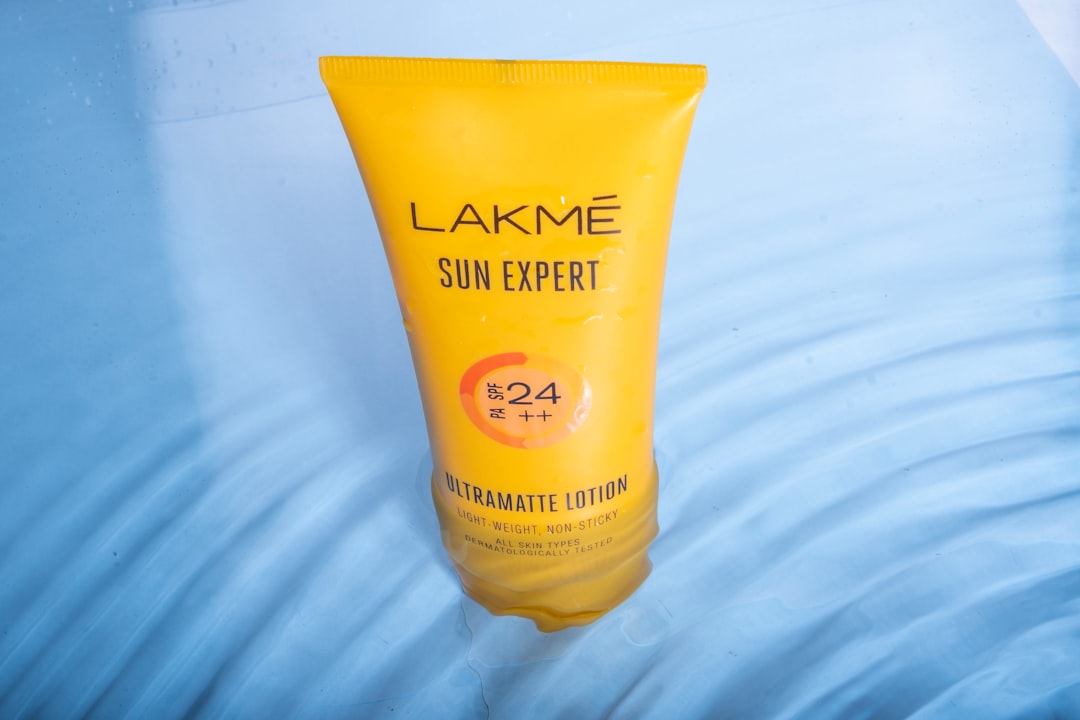
Why Korean Sunscreens Have Taken Over the Beauty World
If you’ve ever slathered on a thick, chalky Western sunscreen and immediately regretted every life choice that led you to that moment, you’re not alone. For decades, sun protection felt like a punishment — heavy, greasy formulas that left a visible white cast and broke you out by lunchtime. Then Korean sunscreens entered the chat, and everything changed.
The Korean beauty industry has spent years perfecting sunscreen technology, creating formulas so lightweight and elegant that they double as primers, moisturizers, and even skincare treatments. In South Korea, sunscreen isn’t an afterthought — it’s considered the single most important step in any skincare routine. That cultural obsession has produced some of the most innovative UV protection products on the planet.
Whether you’re dealing with acne-prone skin in humid summers, dry patches from harsh winters, or searching for the best Korean sunscreen for sensitive skin that won’t trigger redness, there’s a K-beauty SPF formula designed specifically for you. In this guide, we’ll break down the top Korean sunscreens by skin type, analyze their key ingredients, and help you find your perfect UV shield — no white cast, no greasy residue, no compromises.
Understanding Korean Sunscreen Technology: What Makes It Different

The Science Behind Superior UV Filters
Korean sunscreens benefit from access to newer-generation UV filters that have been approved in Asia and Europe but are still awaiting FDA clearance in the United States. Filters like Tinosorb S, Tinosorb M, and Uvinul A Plus offer broad-spectrum protection with greater photostability than many traditional American sunscreen actives.
These advanced filters allow Korean brands to create formulas with higher UVA protection (measured by the PA++++ rating system) while maintaining an incredibly lightweight texture. A typical Korean sunscreen with SPF 50+ PA++++ provides roughly four times more UVA protection than the minimum standard — critical for preventing premature aging and hyperpigmentation.
In contrast, many U.S. sunscreens rely heavily on avobenzone for UVA protection, which degrades quickly in sunlight unless stabilized by other ingredients. Korean formulations solve this problem by combining multiple photostable filters that reinforce each other, providing consistent protection throughout the day.
Chemical vs. Physical vs. Hybrid: Choosing Your Type
Korean sunscreens come in three main categories, each with distinct advantages:
- Chemical (organic) sunscreens: Absorb UV rays and convert them to heat. These are the lightweight, invisible formulas K-beauty is famous for. Best for normal, oily, and combination skin types.
- Physical (mineral) sunscreens: Contain zinc oxide and/or titanium dioxide to physically reflect UV rays. Often the best Korean sunscreen for sensitive skin because they sit on top of the skin rather than being absorbed. Ideal for reactive, rosacea-prone, or post-procedure skin.
- Hybrid sunscreens: Combine both chemical and physical filters. These offer the cosmetic elegance of chemical formulas with the gentle, broad-spectrum coverage of mineral filters. A great middle ground for most people.
Understanding which type works for your skin is the first step toward finding your perfect match. If you’ve had bad reactions to sunscreen in the past, a mineral or hybrid formula is usually the safest bet. Best Korean Sheet Masks for Dry Skin 2026: Top 12 Picks
Decoding SPF and PA Ratings
You’ll notice Korean sunscreens display both an SPF number and a PA rating. SPF measures protection against UVB rays (the ones that cause sunburn), while PA measures UVA protection (the rays that cause aging and deeper skin damage).
The PA system uses plus signs to indicate strength:
- PA+ — Some UVA protection
- PA++ — Moderate UVA protection
- PA+++ — High UVA protection
- PA++++ — Extremely high UVA protection (the gold standard)
For daily wear, dermatologists recommend SPF 30 or higher with PA+++ or PA++++. For extended outdoor exposure — hiking, beach days, or simply walking around cities with high UV indexes — aim for SPF 50+ PA++++. Most of the products in this guide meet or exceed these standards.
Best Korean Sunscreens for Sensitive Skin
Finding the best Korean sunscreen for sensitive skin requires looking beyond just the SPF number. Sensitive skin needs formulas free from common irritants like fragrance, essential oils, alcohol (specifically denatured alcohol), and certain chemical UV filters like octinoxate. Here are the top picks that dermatologists and sensitive-skin sufferers swear by.
Round Lab Birch Juice Moisturizing Sunscreen SPF 50+ PA++++
This gentle powerhouse has become a cult favorite for good reason. Formulated with birch juice (62%) as its base instead of water, it delivers deep hydration while providing robust sun protection. The texture is creamy yet absorbs quickly, leaving zero white cast on all skin tones.
Key ingredients: Birch sap, panthenol (vitamin B5), centella asiatica extract, and hyaluronic acid. The formula is free from fragrance, essential oils, and harsh alcohols. It uses a combination of newer-generation chemical filters for broad-spectrum coverage.
Why it works for sensitive skin: Birch sap is naturally anti-inflammatory and rich in amino acids that support the skin barrier. Panthenol soothes irritation and accelerates healing, while centella asiatica (commonly known as cica) calms redness. This is arguably the best Korean sunscreen for sensitive skin if you also need hydration.
Price: Approximately $16–$20 for 50ml. Available on Amazon, Olive Young Global, and select Ulta locations.
Isntree Hyaluronic Acid Watery Sun Gel SPF 50+ PA++++
Isntree has built its entire brand around gentle, minimal-ingredient formulations, and this sun gel is a masterclass in simplicity. It feels like applying a lightweight water gel moisturizer, making it perfect for layering under makeup or over active ingredients like retinol.
Key ingredients: Eight types of hyaluronic acid molecules at varying weights, providing hydration at multiple skin depths. Also contains niacinamide for brightening and madecassoside (a derivative of centella) for soothing.
Why it works for sensitive skin: The ultra-minimal formula avoids the top 20 most common skincare allergens. It’s been tested for skin irritation and scored a near-perfect safety rating in independent dermatological testing. If your skin reacts to “everything,” start here.
Price: Around $14–$18 for 50ml. Widely available on Amazon, YesStyle, and Sephora’s online store.
Benton Air Fit UV Defense Sun Cream SPF 50+ PA++++
Benton’s philosophy centers on using the fewest, most effective ingredients possible. This sun cream contains only 16 ingredients total — remarkably few for a high-SPF sunscreen. It’s completely fragrance-free, alcohol-free, and essential oil-free.
Key ingredients: Snail secretion filtrate (for wound healing and hydration), aloe vera extract, and niacinamide. Uses a hybrid filter system combining chemical and physical UV blockers.
Why it works for sensitive skin: The short ingredient list dramatically reduces the risk of allergic reactions. Snail mucin is naturally rich in glycoproteins and antimicrobial peptides that help strengthen compromised skin barriers — a common issue for people with sensitive skin in Western climates where central heating and cold winds take a toll.
Price: About $15–$19 for 50ml. Available on Amazon, iHerb, and Olive Young Global.
Best Korean Sunscreens for Oily and Acne-Prone Skin

Oily skin and sunscreen have historically been enemies. Heavy formulas clog pores, increase shine, and trigger breakouts. Korean brands have solved this problem with oil-controlling, mattifying formulas that actually make your skin look better throughout the day.
Beauty of Joseon Relief Sun: Rice + Probiotics SPF 50+ PA++++
This is the sunscreen that broke the internet. With over 50,000 five-star reviews across platforms and consistent sellouts since its launch, the Beauty of Joseon Relief Sun has earned its reputation as one of the best K-beauty sunscreens ever made.
Key ingredients: Rice bran extract (30%) for brightening and oil control, grain ferment filtrate (probiotics) for barrier support, and a sophisticated blend of chemical UV filters. The rice bran naturally absorbs excess sebum without over-drying.
Texture and finish: It applies like a thin, slightly dewy moisturizer and sets to a natural, semi-matte finish within 2–3 minutes. It controls oil for approximately 4–6 hours, which is impressive for a non-mattifying formula. Pairs beautifully under foundation or worn alone.
Price: $10–$16 for 50ml — one of the most affordable SPF 50+ options on the market. Available at Sephora, Amazon, Ulta, and virtually every K-beauty retailer. See Allure’s top K-beauty picks
COSRX Aloe Soothing Sun Cream SPF 50+ PA+++
COSRX is a brand that acne-prone skin types trust implicitly, and their sunscreen lives up to that reputation. The formula centers on aloe vera extract (5,500ppm), which soothes inflammation and reduces redness from active breakouts while providing sun protection.
Key ingredients: Aloe barbadensis leaf extract, vitamin E (tocopheryl acetate), and a clean chemical filter system. It’s completely free from parabens, artificial fragrance, and comedogenic oils.
Why it works for acne-prone skin: The lightweight gel-cream texture doesn’t trap sebum against the skin the way thicker formulas do. Aloe vera has natural antibacterial properties that can help prevent new breakouts while soothing existing ones. It scores a 0 on the comedogenic scale, meaning it’s highly unlikely to clog pores.
Price: $12–$17 for 50ml. Available on Amazon, Ulta, and iHerb.
Innisfree Daily UV Defense Sunscreen SPF 36 PA+++
For everyday urban wear where you need light protection without any added heaviness, Innisfree’s reformulated daily sunscreen hits the mark. It’s specifically designed for humid environments and oily skin types, with a micro-powder technology that absorbs oil throughout the day.
Key ingredients: Sunflower seed oil (non-comedogenic), green tea extract (antioxidant), and tocopherol. Uses a mineral-chemical hybrid filter system that’s less likely to irritate acne-prone skin than pure chemical formulas.
Best for: Days when you’re mostly indoors with short sun exposure. The SPF 36 is more than adequate for commuting and brief outdoor stints. Layer with a higher SPF if you’ll be outside for extended periods.
Price: $15–$22 for 50ml. Available at Sephora, Amazon, and Innisfree’s own online store.
Best Korean Sunscreens for Dry and Dehydrated Skin
Dry skin in Western climates faces a double challenge: harsh UV exposure in summer and moisture-stripping cold air plus indoor heating in winter. These sunscreens function as both UV protection and an additional hydration layer, eliminating the need to pile on extra products. Best Korean Sheet Masks for Dry Skin 2026: Top 12 Picks
Laneige Watery Sun Cream SPF 50+ PA++++
From the brand that gave us the cult-favorite Lip Sleeping Mask, Laneige’s sunscreen is built around their proprietary Hydro Ionized Mineral Water technology. This isn’t just marketing — the ionized water penetrates deeper into the skin than regular water, providing sustained hydration for up to 12 hours in clinical tests.
Key ingredients: Hydro ionized mineral water, glycerin (a proven humectant), squalane (a lightweight emollient that mimics skin’s natural oils), and centella asiatica extract. Uses advanced chemical filters stabilized with antioxidants.
Texture: Rich yet surprisingly fast-absorbing, with a dewy finish that makes skin look plump and glass-like. Excellent as a makeup base — foundation glides over it beautifully without pilling or separation.
Price: $25–$32 for 50ml. Available at Sephora (in-store and online), Amazon, and Nordstrom.
Missha All Around Safe Block Aqua Sun Gel SPF 50+ PA++++
Missha’s Aqua Sun Gel is a budget-friendly powerhouse that delivers hydration and protection in equal measure. The watery gel texture feels refreshing on application — almost like a hydrating toner — and layers effortlessly over serums and essences without disturbing them.
Key ingredients: Hyaluronic acid, ice plant extract (a natural humectant that thrives in arid conditions), and ceramides for barrier repair. The formula includes both UVA and UVB filters with PA++++ rating.
Why dry skin types love it: Many sunscreens cause dry skin to look even drier and more flaky by lunchtime. This gel formula actually improves skin texture throughout the day, and the ceramides help prevent transepidermal water loss — the primary cause of dehydration in cold, dry climates.
Price: $9–$14 for 70ml (larger tube than most competitors). Available on Amazon, YesStyle, and Olive Young Global.
Best Korean Sunscreens for Dark Skin Tones (No White Cast)

White cast — that ashy, grayish film left by some sunscreens — is one of the biggest barriers to daily SPF use for people with medium to dark skin tones. Korean sunscreens have largely solved this problem, but some formulas are better than others. Here are the absolute best options that disappear completely on deeper complexions.
Skin1004 Madagascar Centella Hyalu-Cica Water-Fit Sun Serum SPF 50+ PA++++
This serum-type sunscreen has a completely transparent formula that leaves zero white cast on any skin tone. It uses purely chemical filters (no titanium dioxide or zinc oxide), which means no mineral particles to reflect light and create that dreaded ashy appearance.
Key ingredients: Madagascar centella asiatica (grown at high altitude for maximum potency), five types of hyaluronic acid, and beta-glucan for hydration and soothing. The centella concentration is among the highest in any sunscreen on the market.
Application experience: Applies like a watery serum with zero color or tint. It absorbs in under 30 seconds and leaves skin looking exactly as it did before — just protected. No pilling, no residue, no detectable film.
Price: $14–$18 for 50ml. Available on Amazon, Sephora, and Olive Young Global.
Krave Beauty Beet The Sun SPF 47 PA++++
Founded by Liah Yoo, a former L’Oréal cosmetic chemist turned YouTube skincare educator, Krave Beauty creates products with transparency and inclusivity at their core. Beet The Sun uses beet extract as a natural antioxidant booster alongside chemical UV filters that leave no trace on any skin tone.
Key ingredients: Beetroot extract (rich in betalains — powerful antioxidants), watermelon extract, and panthenol. The antioxidant-rich formula provides an additional layer of defense against free radical damage beyond UV filtering.
Why it’s special: Specifically developed and tested across a wide range of skin tones. The brand publishes swatch photos on Fitzpatrick skin types I through VI, ensuring complete transparency about the product’s performance on different complexions.
Price: $22–$26 for 50ml. Available at Sephora and Krave Beauty’s website.
Korean Sunscreen Comparison Table
To help you quickly compare all the products we’ve discussed, here’s a comprehensive breakdown:
| Product | SPF/PA | Best For | Filter Type | Price (50ml) | White Cast |
|---|---|---|---|---|---|
| Round Lab Birch Juice | 50+ PA++++ | Sensitive, Dry | Chemical | $16–$20 | None |
| Isntree Hyaluronic Acid Watery Sun Gel | 50+ PA++++ | Sensitive, All types | Chemical | $14–$18 | None |
| Benton Air Fit UV Defense | 50+ PA++++ | Sensitive, Barrier repair | Hybrid | $15–$19 | Minimal |
| Beauty of Joseon Relief Sun | 50+ PA++++ | Oily, Combination | Chemical | $10–$16 | None |
| COSRX Aloe Soothing Sun Cream | 50+ PA+++ | Acne-prone, Oily | Chemical | $12–$17 | None |
| Innisfree Daily UV Defense | 36 PA+++ | Oily, Daily wear | Hybrid | $15–$22 | Slight |
| Laneige Watery Sun Cream | 50+ PA++++ | Dry, Dehydrated | Chemical | $25–$32 | None |
| Missha Aqua Sun Gel | 50+ PA++++ | Dry, Budget-friendly | Chemical | $9–$14 (70ml) | None |
| Skin1004 Centella Sun Serum | 50+ PA++++ | Dark skin tones, All | Chemical | $14–$18 | None |
| Krave Beet The Sun | 47 PA++++ | Dark skin tones, All | Chemical | $22–$26 | None |
How to Apply Korean Sunscreen for Maximum Protection

Even the best Korean sunscreen for sensitive skin won’t protect you properly if it’s applied incorrectly. Korean beauty experts follow specific application rules that maximize UV protection while maintaining that flawless, dewy finish.
The Two-Finger Rule
Korean dermatologists recommend the “two-finger rule” for measuring the right amount of sunscreen. Squeeze a line of product along your index and middle fingers, from the base to the tips. That’s approximately 1/4 teaspoon — the amount clinically proven to deliver the SPF stated on the label.
Using less than this amount significantly reduces your protection. Studies have shown that applying half the recommended amount can reduce your effective SPF by up to 75%. That SPF 50 sunscreen becomes more like an SPF 12 when under-applied.
Layering Order in Your K-Beauty Routine
Sunscreen should always be the last step in your skincare routine and the first step before makeup. Here’s the correct layering order:
- Cleanser (double cleanse if wearing makeup the night before)
- Toner or essence
- Serum or ampoule
- Moisturizer (skip if your sunscreen is moisturizing enough)
- Sunscreen — wait 2–3 minutes for absorption
- Makeup primer (if needed — many K-sunscreens double as primer)
- Foundation/BB cream
If you’re using the best Korean sunscreen for sensitive skin, avoid layering too many active ingredients underneath it. Stick to gentle, hydrating layers and save your actives (vitamin C, retinol, AHAs) for your evening routine to minimize potential irritation.
Reapplication: The Rule Everyone Ignores
Here’s the uncomfortable truth: sunscreen must be reapplied every two hours during continuous sun exposure, regardless of the SPF level. No sunscreen — Korean or otherwise — lasts all day from a single application.
For reapplication over makeup, Korean beauty brands have created innovative solutions:
- Sunscreen cushion compacts: Tap-on SPF that won’t disturb your makeup (try the Laneige UV Expert Tone Up Cushion)
- Sunscreen mist sprays: Spritz over your face for quick reapplication (the Missha Sun Mist is a popular choice)
- Sun sticks: Solid, balm-like sunscreens you can swipe on without touching your face (Holika Holika Aloe Sun Stick is excellent)
These reapplication formats are especially useful if you’re spending the day outdoors at festivals, sporting events, or simply enjoying a weekend brunch patio. 7 Low Calorie Korean Meals for Diet Success in 2026
Ingredient Deep Dive: What to Look For (and What to Avoid)
Star Ingredients in Korean Sunscreens
Beyond UV filters, Korean sunscreens are packed with active skincare ingredients that provide additional benefits. Here are the most effective ones to look for:
- Centella Asiatica (Cica): Anti-inflammatory, promotes collagen synthesis, accelerates wound healing. Found in the Skin1004 and Round Lab formulas. Essential for anyone looking for the best Korean sunscreen for sensitive skin.
- Niacinamide (Vitamin B3): Brightens dark spots, minimizes pores, regulates oil production, and strengthens the skin barrier. Present in the Isntree and Benton formulas.
- Hyaluronic Acid: Holds up to 1,000 times its weight in water, providing intense hydration without heaviness. Multiple molecular weights offer hydration at different skin depths.
- Rice Bran Extract: Rich in ferulic acid and gamma-oryzanol, both powerful antioxidants. Natural oil-absorbing properties make it ideal for oily skin. The star ingredient in Beauty of Joseon Relief Sun.
- Panthenol (Provitamin B5): Soothes irritation, accelerates skin repair, and improves moisture retention. A must-have for sensitive and compromised skin.
- Squalane: A lightweight, non-comedogenic oil identical to your skin’s natural sebum. Provides moisture without clogging pores or feeling greasy.
Ingredients to Avoid
While Korean sunscreens are generally well-formulated, some ingredients can cause problems for certain skin types:
- Denatured alcohol (alcohol denat.): Creates a fast-drying, matte finish but can be extremely drying and irritating for sensitive or dry skin types over time.
- Fragrance/Parfum: One of the top causes of contact dermatitis. If you’re seeking the best Korean sunscreen for sensitive skin, always choose fragrance-free.
- Essential oils: Lavender, tea tree, and citrus oils are common irritants despite their “natural” reputation. They can cause photosensitivity — the opposite of what you want from a sunscreen.
- Octinoxate (Ethylhexyl Methoxycinnamate): A UV filter that some people are sensitive to. It’s also been flagged for potential hormonal disruption, though research is ongoing.
Frequently Asked Questions About Korean Sunscreens
Is Korean sunscreen actually better than Western sunscreen?
Korean sunscreens aren’t inherently “better” in terms of UV protection, but they are generally more cosmetically elegant. Korean brands have access to newer UV filters that allow lighter textures and higher UVA protection levels. The result is a sunscreen you’ll actually want to wear every day — and the best sunscreen is the one you consistently use. Korean formulas also tend to include beneficial skincare ingredients like centella, niacinamide, and hyaluronic acid, turning sun protection into a skincare treatment.
What is the best Korean sunscreen for sensitive skin that doesn’t sting?
The Isntree Hyaluronic Acid Watery Sun Gel and Round Lab Birch Juice Moisturizing Sunscreen are the top two choices for extremely reactive skin. Both are free from fragrance, essential oils, and common irritants. If your skin stings with chemical filters, try the Benton Air Fit UV Defense, which uses a hybrid system that’s gentler around the eyes and on compromised barriers. Start by patch-testing any new sunscreen on your inner forearm for 24 hours before applying to your face.
Do Korean sunscreens work under makeup?
Absolutely — in fact, many Korean sunscreens are specifically designed to double as makeup primers. The Beauty of Joseon Relief Sun and Laneige Watery Sun Cream both create a smooth, slightly tacky base that helps foundation adhere better and last longer. The key is to wait 2–3 minutes after applying sunscreen before starting your makeup to allow the formula to fully set. Avoid rubbing or pressing too hard with sponges, as this can displace the sunscreen layer and reduce protection.
How often should I reapply Korean sunscreen?
Every two hours during continuous sun exposure, or immediately after swimming, heavy sweating, or toweling off. For indoor days with minimal sun exposure (working from home, office jobs), one morning application is generally sufficient, though Korean dermatologists recommend reapplying at lunchtime if your desk is near a window. UVA rays penetrate glass, so even indoor workers aren’t fully protected from aging-related UV damage without reapplication.
Can I use Korean sunscreen on my body, or is it just for face?
Most Korean sunscreens are formulated for facial use and come in small 50ml tubes, making them impractical and expensive for full-body application. For your body, consider the Missha All Around Safe Block Aqua Sun Gel in the larger 70ml tube, or purchase a dedicated Korean body sunscreen like the Innisfree Intensive Long Lasting Sunscreen, which comes in a 60ml tube designed for body application. You’ll need roughly a shot glass worth of product (about 30ml) to cover your entire body in a swimsuit.
Are Korean sunscreens reef-safe?
Many Korean chemical sunscreens avoid oxybenzone and octinoxate, the two UV filters most commonly linked to coral reef damage. However, “reef-safe” isn’t a regulated term, so always check the ingredient list. The Benton Air Fit UV Defense and Skin1004 Centella Sun Serum both avoid these controversial filters. For the most eco-conscious choice, look for sunscreens that use newer-generation filters like Tinosorb S and M, which have shown minimal environmental impact in marine studies.
Related Posts You’ll Love
If you found this guide helpful, check out these related articles on our site:
- Best Korean Sheet Masks for Dry Skin 2026: Top 12 Picks — Pair these masks with your sunscreen routine for ultimate hydration.
- 7 Low Calorie Korean Meals for Diet Success in 2026 — Great skin starts from the inside out. These nutrient-rich meals support healthy, glowing skin.
- 7 Best Korean Desserts to Try in 2026: A Sweet Guide — Treat yourself after a long day of perfecting your skincare routine.
Suggested new articles we should write:
- Best Korean Moisturizers for Oily Skin 2026
- Korean Double Cleansing Guide: Step-by-Step for Beginners
- Best Korean Eye Creams for Dark Circles 2026
Find Your Perfect Korean Sunscreen Today
Choosing the right sunscreen shouldn’t feel overwhelming. Whether you need the best Korean sunscreen for sensitive skin, an oil-controlling formula for acne-prone complexions, or a deeply hydrating option for dry winter skin, Korean beauty brands have created a solution tailored specifically for you.
The most important thing is to wear sunscreen every single day — rain or shine, summer or winter, indoors or outdoors. UV damage is cumulative and largely invisible until it’s too late. The products in this guide make daily SPF application effortless and even enjoyable, which is exactly why K-beauty sunscreens have earned their place at the top of the global skincare conversation.
Have you tried any of these Korean sunscreens? We’d love to hear about your experience! Drop a comment below with your skin type and your go-to SPF — your review might help someone else find their perfect match. And if this guide helped you, share it with a friend who’s still struggling with chalky, heavy sunscreens. Everyone deserves sun protection they’ll actually enjoy wearing.
Don’t miss our next skincare deep-dive — subscribe to our newsletter for weekly K-beauty tips, product launches, and exclusive discount codes from our favorite brands.