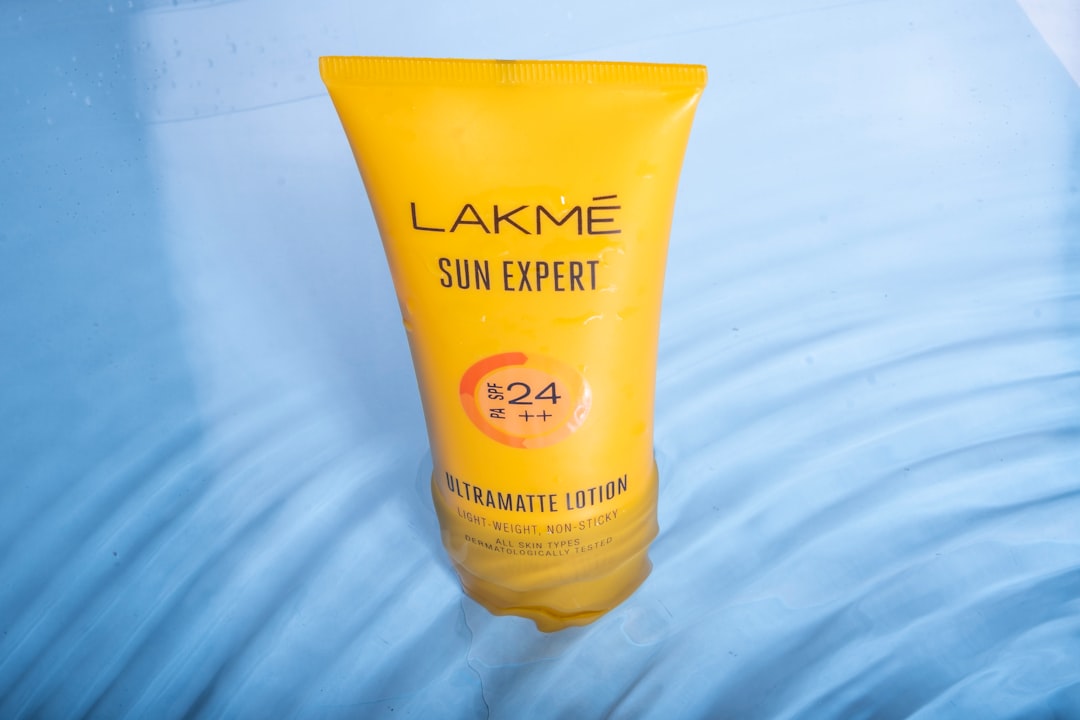
Why Korean Sunscreens Have Taken Over the Global Skincare Scene
If you’ve ever slathered on a thick, greasy Western sunscreen and immediately regretted every life choice that led you to that moment, you’re not alone. For decades, sun protection felt like a punishment — chalky white casts, pore-clogging formulas, and that unmistakable “I smell like a beach resort lobby” fragrance. Then Korean sunscreens entered the chat, and everything changed.
South Korea’s obsession with sun protection isn’t just cosmetic vanity. It’s rooted in a skin-first philosophy where UV damage is considered the number one cause of premature aging. Korean beauty brands have spent years perfecting lightweight, elegant formulas that feel more like skincare than sunscreen. The result? Products that people actually want to wear every single day.
But here’s the challenge: with hundreds of K-beauty sunscreens flooding Amazon, Sephora, and Ulta shelves, finding the best Korean sunscreen for sensitive skin — or any skin type — can feel overwhelming. That’s exactly why we created this guide. We’ve tested, researched, and compared the top-performing Korean sunscreens of 2026 to help you find your perfect UV shield, whether you’re dealing with oily T-zones, desert-dry patches, rosacea-prone redness, or stubborn acne breakouts.
Korean Makeup vs Western Makeup: 7 Key Differences in 2026
What Makes Korean Sunscreens Different From Western Formulas?

Advanced Filter Technology
Korean sunscreens benefit from access to newer UV filter ingredients that are approved in South Korea and the EU but haven’t yet received FDA clearance in the United States. Filters like Tinosorb S, Tinosorb M, and Uvinul A Plus offer broader-spectrum protection with superior photostability compared to older American-market filters like avobenzone.
This means Korean SPF 50+ sunscreens often deliver more reliable, longer-lasting UV protection while using lower concentrations of active ingredients. Less active ingredient concentration typically translates to less irritation — a major win if you’re searching for the best Korean sunscreen for sensitive skin.
Cosmetic Elegance and Wearability
Korean beauty philosophy treats sunscreen as the final step of skincare, not a separate chore. Brands invest heavily in texture R&D, creating formulas that blur pores, hydrate deeply, and serve as flawless makeup primers. You’ll find sunscreens with the consistency of lightweight moisturizers, watery essences, and even whipped mousses.
Compare this to many Western drugstore sunscreens that prioritize water resistance for outdoor sports over daily cosmetic elegance. Neither approach is wrong — they serve different purposes. But for everyday office-to-errand wear, Korean formulas win on wearability by a wide margin.
Skincare-Hybrid Formulations
Most Korean sunscreens double as treatment products. You’ll commonly find ingredients like niacinamide (brightening), centella asiatica (calming), hyaluronic acid (hydration), and adenosine (anti-aging) embedded in the formula. This “skincare meets sun protection” approach means you’re treating your skin concerns while protecting it from UV damage simultaneously.
Snail Mucin vs Centella for Acne: Which Works Better in 2026?
Best Korean Sunscreens for Sensitive Skin
Finding the best Korean sunscreen for sensitive skin requires paying attention to what’s not in the formula as much as what is. Look for fragrance-free, alcohol-free formulas with soothing actives and minimal ingredient lists. Here are the top performers for reactive, easily irritated complexions.
1. Round Lab Birch Juice Moisturizing Sunscreen SPF 50+ PA++++
Price: $18–$22 (Amazon, Olive Young Global)
Round Lab has become a cult favorite for sensitive skin, and their Birch Juice sunscreen is a masterclass in gentle formulation. The star ingredient is birch sap, which provides lightweight hydration without clogging pores. It’s free of artificial fragrance, essential oils, and denatured alcohol.
Key Ingredients:
- Birch sap (53%) — natural hydration and soothing
- Centella asiatica extract — anti-inflammatory, calms redness
- Panthenol (Vitamin B5) — barrier repair
- Tocopherol (Vitamin E) — antioxidant protection
Best for: Dry-sensitive skin, rosacea-prone skin, eczema-prone areas. The creamy-but-light texture absorbs quickly and leaves a dewy, moisturized finish without any white cast on medium to deep skin tones.
2. COSRX Aloe Soothing Sun Cream SPF 50+ PA+++
Price: $12–$16 (Amazon, Ulta, Sephora)
COSRX consistently delivers affordable, no-nonsense skincare, and their Aloe sun cream is no exception. With aloe vera extract as the primary soothing agent, this sunscreen calms irritation on contact. It’s one of the most budget-friendly options for the best Korean sunscreen for sensitive skin.
Key Ingredients:
- Aloe barbadensis leaf extract — cooling, anti-inflammatory
- Centella asiatica — wound healing, redness reduction
- Vitamin E complex — moisture seal and antioxidant
Best for: Budget-conscious shoppers with sensitive or combination skin. The texture is slightly thicker than gel-type sunscreens, so those with very oily skin may prefer a lighter option. Excellent for winter use in dry Western climates where indoor heating strips moisture from the skin.
3. Isntree Hyaluronic Acid Watery Sun Gel SPF 50+ PA++++
Price: $16–$20 (Amazon, Olive Young Global)
Isntree has quietly built a reputation as one of the most reliable sensitive-skin brands in K-beauty. Their Hyaluronic Acid sun gel combines four molecular weights of hyaluronic acid for multi-layer hydration with chemical UV filters in a gel-cream texture that feels like water on the skin.
Key Ingredients:
- Hyaluronic acid complex (4 types) — deep and surface hydration
- Niacinamide — brightening, pore-refining
- Allantoin — gentle soothing for post-procedure skin
Best for: Sensitive skin that also needs hydration. Outstanding under makeup. Particularly well-suited for those living in air-conditioned offices or dry, cold climates where transepidermal water loss (TEWL) is a constant concern.
See more top-rated K-beauty picks
Best Korean Sunscreens for Oily and Acne-Prone Skin

Oily skin types need sunscreens that control shine, won’t clog pores, and ideally contain ingredients that actively help with breakouts. The good news? Korean brands have nailed this category harder than any other.
1. Beauty of Joseon Relief Sun: Rice + Probiotics SPF 50+ PA++++
Price: $10–$15 (Amazon, Sephora)
This sunscreen broke the internet for good reason. At under $15 for a full-size tube, the Beauty of Joseon Relief Sun offers luxury-level texture at drugstore pricing. The rice bran extract provides a natural matte-velvet finish that keeps oily skin in check for 6–8 hours.
Key Ingredients:
- Rice bran extract — sebum control, brightening
- Grain ferment filtrate (probiotics) — microbiome support
- Niacinamide — oil regulation, pore minimizing
Best for: Oily to combination skin. Functions beautifully as a makeup primer with a semi-matte finish. One note: it does contain a light fragrance, so those seeking the best Korean sunscreen for sensitive skin may want to patch test first.
2. SKIN1004 Madagascar Centella Hyalu-Cica Water-Fit Sun Serum SPF 50+ PA++++
Price: $14–$18 (Amazon, Olive Young Global)
SKIN1004 has built its entire brand around Madagascar centella asiatica, and this sun serum is their crown jewel for acne-prone skin. The watery serum texture absorbs in seconds and leaves absolutely zero residue. It’s alcohol-free despite its ultra-lightweight feel — a rarity in the mattifying sunscreen category.
Key Ingredients:
- Centella asiatica (Madagascar-sourced) — anti-inflammatory, acne scar healing
- Hyaluronic acid — non-greasy hydration
- Niacinamide — post-inflammatory hyperpigmentation fading
Best for: Active acne, post-acne scarring, and oily skin. The centella component actively helps heal existing blemishes while protecting against UV-induced dark spots. If you’re dealing with post-inflammatory hyperpigmentation (PIH) — those dark marks left behind after breakouts — this should be high on your list.
3. Innisfree Daily UV Defense Sunscreen Broad Spectrum SPF 36
Price: $15–$17 (Sephora, Amazon)
Innisfree’s reformulated Daily UV Defense is specifically designed for the American market and uses FDA-approved filters, making it a great option if you prefer staying within US-regulated ingredients. The lightweight, fluid texture layers seamlessly under makeup and has a natural, skin-like finish — not overly matte, not dewy.
Key Ingredients:
- Sunflower seed oil — antioxidant, lightweight emollient
- Green tea extract — sebum control, antioxidant
- No artificial fragrance or colorants
Best for: Those who want a K-beauty sunscreen experience with FDA-compliant filters. Available at Sephora stores for easy in-person purchasing and returns.
Best Korean Sunscreens for Dry and Mature Skin
Dry and mature skin types need sunscreens that deliver serious moisture while protecting against UVA rays — the primary driver of photoaging (wrinkles, sagging, and dark spots). These picks hydrate deeply and often include anti-aging actives.
1. Sulwhasoo UV Wise Brightening Multi Protector SPF 50+ PA++++
Price: $52–$60 (Sephora, Nordstrom)
This is the luxury tier of Korean sunscreens, and it delivers accordingly. Sulwhasoo incorporates traditional Korean herbal medicine (hanbang) ingredients including ginseng root extract, which stimulates collagen production and improves skin elasticity. The creamy, nourishing texture feels like a rich moisturizer while delivering broad-spectrum SPF 50+ protection.
Key Ingredients:
- Ginseng root water — anti-aging, collagen stimulation
- Jaumdan complex (proprietary herbal blend) — antioxidant, firming
- Adenosine — wrinkle improvement (proven effective in Korean clinical studies)
Best for: Mature skin, fine lines, loss of firmness. Ideal for those willing to invest in a premium product. The formula comes in two tones — a creamy white and a soft pink — both offering a luminous, youthful glow.
2. Laneige Hydro UV Defense SPF 50+ PA++++
Price: $28–$34 (Sephora, Laneige.com)
From the brand that made the Water Sleeping Mask famous, Laneige brings its hydration expertise to sun protection. This sunscreen uses the brand’s proprietary hydro-ionized mineral water technology, which delivers deep-layer hydration that lasts throughout the day. It’s a particularly smart choice for dry skin in harsh Western winters where central heating strips moisture from indoor air.
Key Ingredients:
- Hydro-ionized mineral water — sustained hydration
- Glycerin and squalane — barrier support
- Niacinamide — brightening, evening skin tone
Best for: Dry to normal skin that craves hydration. Wears beautifully under makeup and keeps foundation from clinging to dry patches. Available at most Sephora locations for easy access.
Korean Sunscreen Comparison Table: Quick Reference Guide

To help you narrow down your choice quickly, here’s a side-by-side comparison of all the sunscreens reviewed in this article. We’ve rated each on texture, coverage, moisture level, and value.
| Product | Skin Type | SPF/PA | Price | Key Benefit | Finish |
|---|---|---|---|---|---|
| Round Lab Birch Juice | Dry-Sensitive | 50+ / PA++++ | $18–$22 | Birch sap hydration | Dewy |
| COSRX Aloe Sun Cream | Sensitive-Combo | 50+ / PA+++ | $12–$16 | Budget soothing | Natural |
| Isntree HA Sun Gel | Sensitive-Dehydrated | 50+ / PA++++ | $16–$20 | 4-type HA complex | Dewy |
| Beauty of Joseon Relief Sun | Oily-Combo | 50+ / PA++++ | $10–$15 | Rice + probiotics | Semi-matte |
| SKIN1004 Centella Sun Serum | Acne-Prone | 50+ / PA++++ | $14–$18 | Centella healing | Weightless |
| Innisfree Daily UV Defense | Oily-Normal | SPF 36 | $15–$17 | FDA-approved filters | Natural |
| Sulwhasoo UV Wise | Dry-Mature | 50+ / PA++++ | $52–$60 | Ginseng anti-aging | Luminous |
| Laneige Hydro UV | Dry-Normal | 50+ / PA++++ | $28–$34 | Deep hydration | Dewy-natural |
How to Choose the Best Korean Sunscreen for Your Skin Type
With so many outstanding options, narrowing down the right Korean sunscreen for your specific needs requires understanding a few key factors. Here’s a systematic approach to finding your perfect match.
Step 1: Identify Your Primary Skin Concern
Your dominant skin concern should drive your sunscreen choice more than your general skin type. Here’s how to prioritize:
- Redness and irritation: Prioritize centella asiatica and panthenol. Avoid alcohol and fragrance. Round Lab Birch Juice or Isntree HA Sun Gel are your best bets for the best Korean sunscreen for sensitive skin.
- Acne and breakouts: Look for non-comedogenic, lightweight gel or serum textures. Niacinamide and centella help. SKIN1004 and Beauty of Joseon excel here.
- Dryness and flaking: Choose cream-based formulas with hyaluronic acid, squalane, or ceramides. Laneige and Sulwhasoo deliver serious moisture.
- Aging and dark spots: Seek out formulas with adenosine, niacinamide, and strong UVA protection (PA++++ rating). Sulwhasoo’s ginseng formula targets this directly.
- Excess oil and shine: Mattifying or sebum-controlling ingredients like rice extract and silica work best. Beauty of Joseon is the clear winner for oil control.
Step 2: Consider Your Climate and Lifestyle
Where you live and what you do daily matters enormously for sunscreen selection. Western climates vary dramatically, and your sunscreen should match your environment.
Dry, cold climates (Northeast US, Midwest, Mountain regions): Indoor heating creates incredibly dry air from October through April. Choose hydrating cream-type sunscreens. Reapplication is still critical, especially near windows — UVA rays penetrate glass and cause cumulative aging damage even when you feel cold.
Hot, humid climates (Southeast US, Gulf Coast, Hawaii): Lightweight gel or serum textures prevent that suffocating, greasy feeling. Mattifying formulas like Beauty of Joseon keep shine at bay in 80%+ humidity. Reapply every 2 hours if outdoors.
Dry, sunny climates (Southwest US, California): High altitude and intense UV radiation demand the highest protection levels. PA++++ rated sunscreens are essential. Consider layering a vitamin C serum underneath for added antioxidant defense against free radical damage from intense sun exposure.
Step 3: Understand the PA Rating System
If you’re new to Korean sunscreens, the PA rating system might be unfamiliar. While SPF measures UVB protection (the rays that cause sunburn), the PA system — developed in Japan and widely adopted across Asia — measures UVA protection (the rays that cause aging and deep skin damage).
- PA+ — Some UVA protection
- PA++ — Moderate UVA protection
- PA+++ — High UVA protection
- PA++++ — Extremely high UVA protection (aim for this)
Most dermatologists recommend PA++++ for daily wear, especially if anti-aging is a concern. UVA rays are present year-round, even on cloudy days, and penetrate through windows. This is why Korean skincare enthusiasts apply sunscreen every single morning, regardless of weather or plans to stay indoors.
How to Apply Korean Sunscreen for Maximum Protection

Even the best Korean sunscreen for sensitive skin won’t perform properly if applied incorrectly. Application technique matters as much as the product itself. Here’s the evidence-based approach used by Korean dermatologists.
The Two-Finger Rule
Korean beauty influencers popularized the “two-finger rule” for measuring the correct amount of sunscreen. Squeeze a line of product along your index and middle fingers from the base to the tip. That’s approximately 1/4 teaspoon — the amount dermatologists recommend for your face alone.
Most people apply only 25–50% of the recommended amount, which can reduce your effective SPF from 50 to as low as SPF 12. Under-application is the number one reason people get sunburned despite wearing sunscreen.
The Correct Application Order
In a Korean skincare routine, sunscreen is always the last step of skincare, before makeup. Here’s the full order for context:
- Cleanser
- Toner / essence
- Serum / ampoule
- Moisturizer (skip if your sunscreen is sufficiently hydrating)
- Sunscreen — wait 2–3 minutes before applying makeup
- Makeup primer and foundation
Allow each layer to absorb for 30–60 seconds before applying the next. Sunscreen should be patted gently into the skin, not rubbed vigorously, to ensure even distribution of UV filters across the surface of your skin.
Reapplication: The Step Everyone Skips
Reapplication every 2 hours of cumulative sun exposure is non-negotiable for real protection. Korean sunscreen brands have made this easier with innovative formats:
- Sunscreen cushion compacts — tap over makeup without disturbing it
- Sun mist sprays — quick spritz for reapplication on the go
- Sun sticks — solid balm format, no mess, purse-friendly
For office workers in Western climates, a midday reapplication around noon is typically sufficient if you’re not getting direct sun exposure through windows. If your desk is near a window, though, reapply — UVA comes right through the glass.
7 Best Korean Lip Tints for Dry Lips in 2026
Ingredient Red Flags: What to Avoid in Sunscreens
Not every Korean sunscreen is created equal, and even within K-beauty, some formulations include ingredients that certain skin types should avoid. Here’s your cheat sheet for the ingredient label.
Ingredients Sensitive Skin Should Avoid
If you’re searching for the best Korean sunscreen for sensitive skin, steer clear of these common irritants:
- Denatured alcohol (alcohol denat.) — Creates a quick-drying matte finish but can trigger redness, stinging, and barrier damage in sensitive skin. Some alcohol is acceptable in small amounts low on the ingredient list, but it shouldn’t be in the top 5 ingredients.
- Synthetic fragrance (parfum) — One of the most common causes of contact dermatitis. If a sunscreen smells strongly floral or citrusy, check the label. “Fragrance-free” is your safest bet.
- Essential oils — Lavender, tea tree, citrus, and eucalyptus oils are popular in natural-leaning K-beauty but can be photoirritants and allergens. Especially problematic is bergamot oil, which can cause phytophotodermatitis (sun-triggered skin burns).
- Oxybenzone — Largely phased out of Korean sunscreens but still found in some older formulations. Associated with hormone disruption concerns and a high rate of contact allergies.
Ingredients That Are Actually Fine Despite Internet Panic
Social media has created unnecessary fear around several safe, well-studied sunscreen ingredients. Let’s set the record straight:
- Chemical (organic) UV filters: Newer-generation filters like Uvinul A Plus and Tinosorb S have excellent safety profiles. The blanket “chemical sunscreen = bad” narrative is not supported by dermatological research.
- Niacinamide: Despite a viral myth that niacinamide and sunscreen filters don’t mix, there is zero scientific evidence of incompatibility. They work beautifully together.
- Silicones (dimethicone, cyclopentasiloxane): These create a smooth application feel and help UV filters distribute evenly. They are non-comedogenic and do not “suffocate” skin.
Frequently Asked Questions About Korean Sunscreens
Is Korean sunscreen FDA-approved for use in the United States?
Korean sunscreens sold directly from Korean retailers (like Olive Young or Amazon third-party sellers) are regulated by KFDA (Korea’s FDA equivalent), not the US FDA. They are safe to use, but they aren’t technically classified as “drugs” in the US the way American sunscreens are. Brands like Innisfree, Laneige, and Sulwhasoo that sell through Sephora and Ulta reformulate their products to meet FDA requirements. If FDA regulation matters to you, purchase Korean sunscreens from authorized US retailers.
Can I use Korean sunscreen under American makeup brands?
Absolutely. Korean sunscreens are specifically designed to layer well under makeup, often better than Western sunscreens. For the smoothest base, choose a sunscreen finish that matches your foundation type — a dewy sunscreen under a luminous foundation, or a matte sunscreen under a matte foundation. Allow 2–3 minutes of dry-down time before applying primer or foundation to prevent pilling.
What’s the difference between Korean sunscreen and Japanese sunscreen?
Both Korean and Japanese sunscreens use advanced UV filters and prioritize cosmetic elegance. The main differences are subtle: Japanese sunscreens (like Biore UV Aqua Rich and Anessa) tend to lean more toward ultra-lightweight, watery textures with a strong matte or powdery finish. Korean sunscreens typically offer more variety in texture (creams, gels, serums, cushions) and more often include skincare-active ingredients like niacinamide, centella, and hyaluronic acid. Both countries share the PA++++ rating system.
How do I know if a Korean sunscreen will cause a white cast?
White cast is primarily a concern with mineral (physical) sunscreens that contain zinc oxide or titanium dioxide. Most Korean sunscreens use chemical (organic) filters, which absorb UV rays rather than reflecting them, resulting in zero white cast. If you see “zinc oxide” or “titanium dioxide” high on the ingredient list, the product is more likely to leave a white cast, especially on medium to deep skin tones. All products recommended in this article have been evaluated for minimal to zero white cast.
How long does Korean sunscreen really last on the skin?
No sunscreen — Korean, Japanese, or Western — lasts all day from a single application. UV filters degrade with sun exposure, sweat, and skin oils. The standard recommendation is to reapply every 2 hours of cumulative sun exposure. For indoor days with minimal sun, a morning application plus one midday touch-up is typically sufficient. Korean sunscreen cushion compacts and sun sticks make reapplication over makeup practical and mess-free.
Is the best Korean sunscreen for sensitive skin also safe during pregnancy?
Most Korean sunscreens using mineral filters (zinc oxide, titanium dioxide) are considered safe during pregnancy. For chemical filters, consult your OB-GYN, as some — particularly older-generation filters — have limited safety data for pregnancy. Brands like Round Lab and COSRX, which use simple, gentle formulations, are popular choices among pregnant and breastfeeding individuals, but always confirm with your healthcare provider.
Related Posts You’ll Love
If you found this guide helpful, check out these related articles for more K-beauty insights:
- Snail Mucin vs Centella for Acne: Which Works Better in 2026?
- Korean Makeup vs Western Makeup: 7 Key Differences in 2026
- 7 Best Korean Lip Tints for Dry Lips in 2026
Suggested new articles:
- Best Korean Moisturizers for Dry Skin: 2026 Expert Picks
- Korean Double Cleansing Method: Complete Guide for Beginners 2026
- Best Korean Toners for Glass Skin: 2026 Ranking
Your Sun Protection Journey Starts Today
Finding the best Korean sunscreen for sensitive skin — or any skin type — doesn’t have to feel like solving a chemistry equation. The products on this list represent the very best that K-beauty has to offer in 2026: innovative formulas, elegant textures, skin-loving ingredients, and reliable UV protection that you’ll actually enjoy wearing every day.
Remember, the best sunscreen is the one you’ll actually use consistently. A $12 COSRX tube that you apply every morning is infinitely better than a $60 luxury sunscreen sitting unused in your bathroom drawer. Start with one product that matches your primary skin concern, commit to daily application for 30 days, and watch the difference in your skin’s texture, tone, and clarity.
We want to hear from you! Have you tried any of the Korean sunscreens on this list? Which one is your holy grail, and what’s your skin type? Drop your experience in the comments below — your review might help another reader find their perfect match. And if this guide saved you hours of research, share it with a friend who’s still struggling with chalky, greasy Western sunscreens. Everyone deserves sun protection that feels like skincare.
Don’t miss our next deep dive into K-beauty skincare. Bookmark this page, share it on Pinterest for future reference, and sign up for our newsletter to get expert-curated K-beauty guides delivered straight to your inbox every week.