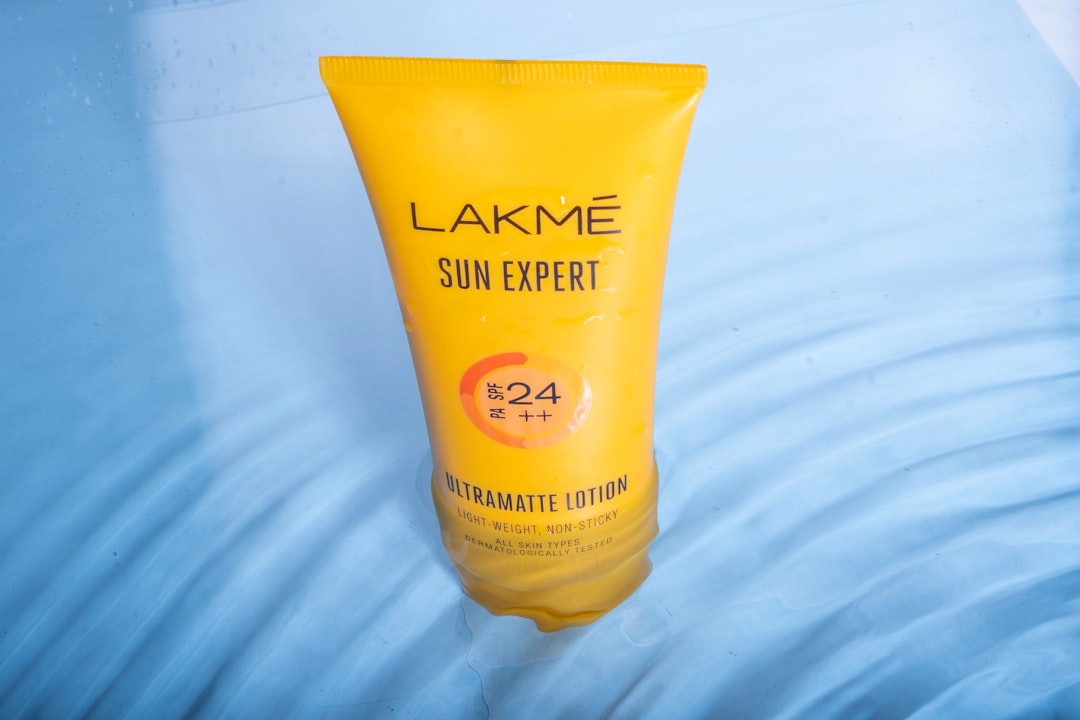
Why Korean Sunscreens Have Completely Changed the SPF Game
If you’ve ever slathered on a thick, chalky American sunscreen and immediately regretted every life choice that led you to that moment, you’re not alone. For years, Western sunscreen formulas lagged behind — leaving white casts, clogging pores, and feeling like you’d smeared craft glue across your face. Then Korean sunscreens entered the chat, and everything changed.
South Korea’s UV protection technology is widely regarded as 5 to 10 years ahead of the U.S. market, thanks to faster regulatory approval of newer UV filters like Tinosorb S, Uvinul A Plus, and Uvinul T 150. These next-generation filters offer broader, more stable protection without the heavy, greasy textures Americans have come to dread.
Whether you have oily, dry, sensitive, or combination skin, there’s a Korean sunscreen that feels like it was custom-formulated for your face. In this guide, we’re breaking down the best Korean sunscreen for oily skin, dry skin, sensitive skin, and everything in between — with full ingredient analysis, honest reviews, and real recommendations you can actually trust. Let’s find your perfect SPF match.
Snail Mucin Benefits: Top K-Beauty Ingredients Explained
Understanding Korean Sunscreen Technology: What Makes K-Beauty SPF Superior

Advanced UV Filters Not Yet Approved in the U.S.
The biggest reason Korean sunscreens feel so different from their Western counterparts comes down to ingredient innovation. The U.S. FDA has not approved a new sunscreen filter since 1999. Meanwhile, South Korea and the EU have access to modern filters that provide superior broad-spectrum protection at lower concentrations — meaning less product on your skin, less white cast, and less irritation.
Key filters you’ll find in Korean sunscreens include:
- Tinosorb S (Bemotrizinol) — A photostable UVA/UVB filter that doesn’t degrade in sunlight. It’s one of the most effective broad-spectrum filters available globally.
- Tinosorb M (Bisoctrizole) — Works as both a chemical and physical filter, providing a unique hybrid protection mechanism.
- Uvinul A Plus (Diethylamino Hydroxybenzoyl Hexyl Benzoate) — Exceptional UVA protection without the heavy feel. Commonly found in lightweight, fluid-type Korean sunscreens.
- Uvinul T 150 (Ethylhexyl Triazone) — A potent UVB filter that’s highly photostable and works well at low concentrations.
These filters allow Korean brands to create formulas that are thin, lightweight, and cosmetically elegant while delivering SPF 50+ PA++++ protection — the highest rating on Korea’s UVA protection scale.
The PA Rating System Explained
While American sunscreens use “Broad Spectrum” as a vague UVA label, Korean sunscreens use the PA rating system, which gives you a much clearer picture of UVA protection. Here’s what each level means:
| PA Rating | UVA Protection Level | PPD Range |
|---|---|---|
| PA+ | Some protection | PPD 2-4 |
| PA++ | Moderate protection | PPD 4-8 |
| PA+++ | High protection | PPD 8-16 |
| PA++++ | Extremely high protection | PPD 16+ |
For daily wear, dermatologists recommend at least PA+++ or PA++++. Most Korean sunscreens in this guide carry the maximum PA++++ rating, meaning they block over 93% of UVA rays — the ones responsible for premature aging, hyperpigmentation, and deeper skin damage.
See Allure’s picks for best Korean beauty products
Cosmetic Elegance: Why Texture Matters for Compliance
Here’s a fact that dermatologists repeat constantly: the best sunscreen is the one you’ll actually wear. Studies published in the Journal of the American Academy of Dermatology show that sunscreen compliance drops dramatically when formulas feel heavy, greasy, or leave visible residue.
Korean sunscreen brands have solved this problem by treating SPF as a skincare-makeup hybrid. Many K-beauty sunscreens double as primers, moisturizers, or tone-up creams. They absorb quickly, play well under makeup, and often contain beneficial skincare ingredients like niacinamide, centella asiatica, and hyaluronic acid. This approach means you’re not just protecting your skin — you’re actively treating it.
Best Korean Sunscreen for Oily Skin: Lightweight, Matte, and Pore-Friendly
Finding the best Korean sunscreen for oily skin is arguably where K-beauty shines brightest. If you have oily or acne-prone skin, your sunscreen needs to do three things: control shine, avoid clogging pores, and sit flat under makeup without sliding off by noon. These picks deliver on all counts.
1. Beauty of Joseon Relief Sun: Rice + Probiotics (SPF 50+ PA++++)
Price: $10–$16 on Amazon | Available at Sephora (online)
This sunscreen practically broke the internet in 2023 and has remained a cult favorite ever since. The Beauty of Joseon Relief Sun uses a combination of rice bran extract and probiotics to create a lightweight, slightly dewy finish that never tips into greasy territory.
Key ingredients:
- Rice bran extract (30%) — Rich in vitamins B and E, helps brighten skin tone over time
- Grain ferment filtrate — Probiotic ingredient that strengthens the skin barrier
- Chemical UV filters — Includes Diethylamino Hydroxybenzoyl Hexyl Benzoate for excellent UVA coverage
For oily skin types, this sunscreen absorbs within 30 seconds and leaves a natural, semi-matte finish. It’s non-comedogenic, fragrance-free, and layers beautifully under foundation. If you’re searching for the best Korean sunscreen for oily skin on a budget, this is your answer.
2. COSRX Aloe 54.2 Soothing Sun Cream (SPF 50+ PA+++)
Price: $12–$18 on Amazon | Available at Ulta
COSRX built their reputation on no-nonsense, effective formulas — and their sunscreen follows the same philosophy. With 54.2% aloe barbadensis leaf extract, this SPF delivers lightweight hydration without adding oil to already-slick skin.
Key ingredients:
- Aloe vera extract (54.2%) — Soothes inflammation and provides water-based hydration
- Vitamin E — Antioxidant protection against free radical damage
This is a particularly strong choice for oily skin types dealing with post-acne redness or irritation in Western climates where indoor heating and cold, dry air can paradoxically trigger excess oil production. The aloe base calms reactive skin without adding comedogenic oils.
3. Biore UV Aqua Rich Watery Essence (SPF 50+ PA++++)
Price: $9–$14 on Amazon
Technically Japanese rather than Korean, but so universally beloved in K-beauty circles that it deserves mention. The Biore Watery Essence has an almost water-like consistency that disappears on contact. It’s the gold standard for oily-skinned folks who want to forget they’re wearing sunscreen at all.
Key ingredients:
- Hyaluronic acid — Lightweight, oil-free hydration
- Micro Defense formula — Creates an even UV protective layer without heaviness
One caveat: it contains alcohol denat high on the ingredient list, which contributes to its fast-drying, matte finish but may not suit those with dehydrated-oily skin. If your skin is oily but also tight or flaky, skip this one and opt for the Beauty of Joseon instead.
Korean Makeup vs Western Makeup: 7 Key Differences
Best Korean Sunscreen for Dry Skin: Hydrating, Dewy, and Nourishing

Dry skin needs sunscreen that adds moisture rather than stripping it. In Western climates — especially during harsh winters with central heating blasting indoors — dry skin can become painfully tight and flaky. The best Korean sunscreens for dry skin function as a final moisturizing step that seals in hydration while providing UV defense.
1. Isntree Hyaluronic Acid Watery Sun Gel (SPF 50+ PA++++)
Price: $14–$20 on Amazon | Sephora (select locations)
Isntree’s sunscreen is essentially a hyaluronic acid serum disguised as SPF. It contains 50% hyaluronic acid complex that provides multi-layer hydration, plumping fine dehydration lines while protecting against UV damage.
Key ingredients:
- Hyaluronic acid (50%) — Draws moisture into skin, reduces TEWL (trans-epidermal water loss)
- Panthenol (Vitamin B5) — Strengthens skin barrier, prevents moisture evaporation
- No alcohol, no fragrance — Won’t further dry out compromised skin
This gel-cream formula absorbs cleanly and leaves a healthy, dewy glow — perfect for dry skin types who want that coveted “glass skin” look. It’s also an excellent base for makeup, preventing foundation from clinging to dry patches.
2. Round Lab Birch Juice Moisturizing Sunscreen (SPF 50+ PA++++)
Price: $16–$22 on Amazon
Round Lab’s birch juice line has become a staple for dry and dehydrated skin types. This sunscreen uses birch sap — a traditional Korean skincare ingredient — as its star hydrating component. Birch sap is packed with amino acids, minerals, and natural sugars that mimic the skin’s own moisture-binding factors.
Key ingredients:
- Birch sap (72%) — Deep hydration with natural minerals (manganese, zinc, magnesium)
- Squalane — Lightweight oil that reinforces the lipid barrier
- Niacinamide — Brightening and barrier repair
This is the sunscreen to reach for during brutal American winters when your skin is cracking from cold wind and dry indoor heat. The cream texture is richer than typical Korean sunscreens but never feels heavy or suffocating. It sets to a luminous, hydrated finish within two minutes.
Korea Winter Travel: Best Ski Resorts Guide 2025
Best Korean Sunscreen for Sensitive Skin: Gentle, Mineral-Based, and Calming
Sensitive skin requires a careful approach to sun protection. Chemical UV filters — while effective — can trigger stinging, redness, and breakouts in reactive skin types. Many dermatologists recommend mineral (physical) sunscreens containing zinc oxide or titanium dioxide for sensitive skin, as these filters sit on top of the skin rather than absorbing into it.
1. Dr. G Green Mild Up Sun+ (SPF 50+ PA++++)
Price: $15–$22 on Amazon
Founded by a Korean dermatologist, Dr. G’s sunscreen line is specifically designed for clinically sensitive and post-procedure skin. The Green Mild Up Sun+ is a hybrid formula that combines physical and chemical filters for maximum protection with minimal irritation.
Key ingredients:
- Centella asiatica (Cica) — Anti-inflammatory powerhouse that calms redness and accelerates skin repair
- Madecassoside — Derived from centella, promotes collagen synthesis and wound healing
- Zinc oxide — Physical UV filter, gentle on reactive skin
This sunscreen is a favorite in Korean dermatology clinics, often recommended after chemical peels, laser treatments, and microneedling. If your skin reacts to almost everything, start here.
2. Purito Daily Go-To Sunscreen (SPF 50+ PA++++)
Price: $12–$17 on Amazon | Sephora
Purito reformulated their sunscreen after a 2020 controversy regarding SPF claims, and the new version has been independently tested and verified to deliver its SPF 50+ rating. The reformulated Daily Go-To uses a modern chemical filter system that’s gentle enough for sensitive skin while providing robust protection.
Key ingredients:
- Centella asiatica extract — Soothing and anti-inflammatory
- Niacinamide — Reduces redness and strengthens the skin barrier
- Vegan and cruelty-free — No animal-derived ingredients
The texture is creamy but not heavy, with zero fragrance and zero essential oils. For sensitive skin sufferers in dry Western climates who struggle with wind-burn and irritation during fall and winter months, this is a reliable daily driver. suggested topic — Best Centella Asiatica Products: K-Beauty’s Miracle Ingredient
Best Korean Sunscreen for Combination Skin: Balanced Protection Without Compromise

Combination skin is the trickiest skin type to shop for because you’re essentially managing two different skin types on one face. Your T-zone (forehead, nose, chin) produces excess oil, while your cheeks, temples, and jawline may be normal to dry. The ideal sunscreen for combination skin needs to control shine in oily zones without drying out the rest of your face.
1. Missha All Around Safe Block Essence Sun (SPF 45 PA+++)
Price: $10–$15 on Amazon | Ulta
Missha’s essence-type sunscreen has the consistency of a lightweight serum that adapts to different areas of your face. Oily zones absorb it quickly, while drier areas benefit from the hydrating serum base. It’s one of the most versatile Korean sunscreens on the market.
Key ingredients:
- Aqua ceramide complex — Balances hydration across different skin zones
- Chamomile extract — Calms inflammation in sensitive or irritated areas
2. Klairs Soft Airy UV Essence (SPF 50 PA++++)
Price: $16–$22 on Amazon | Sephora
Dear, Klairs is known for their minimalist, skin-friendly formulations, and this sunscreen is no exception. The “soft airy” texture lives up to its name — it feels like applying a cloud of moisture that settles into a natural, skin-like finish. No greasiness, no dryness, just balanced comfort.
Key ingredients:
- Niacinamide — Oil-controlling and pore-refining for T-zone areas
- Panthenol — Moisture-locking for drier cheek areas
- No fragrance, no alcohol — Safe for reactive combination skin
This is also one of the best options if you’re looking for the best Korean sunscreen for oily skin in the T-zone but don’t want to sacrifice hydration on your cheeks. Its adaptive texture adjusts to what each part of your face actually needs.
Best Korean Sunscreen for Dark Skin Tones: Zero White Cast Guaranteed
White cast has historically been one of the most frustrating issues with sunscreen, and it disproportionately affects medium to deep skin tones. Traditional mineral sunscreens containing zinc oxide and titanium dioxide can leave a visible grayish or purplish cast on darker complexions. Korean sunscreen technology has largely solved this problem.
1. Skin1004 Madagascar Centella Hyalu-Cica Water-Fit Sun Serum (SPF 50+ PA++++)
Price: $13–$18 on Amazon
This serum-type sunscreen uses exclusively chemical UV filters, which means absolutely zero white cast on any skin tone. The watery texture absorbs instantly and leaves behind nothing but a subtle, healthy sheen.
Key ingredients:
- Centella asiatica from Madagascar — High-quality sourcing for maximum calming efficacy
- Hyaluronic acid — Lightweight hydration without residue
- No zinc oxide, no titanium dioxide — Purely chemical filter system, zero cast
2. Krave Beauty The Beet Shield (SPF 50+ PA++++)
Price: $22–$28 on Amazon | Sephora
Founded by Korean-American beauty creator Liah Yoo, Krave Beauty specifically formulated The Beet Shield with inclusivity in mind. This chemical sunscreen uses beet extract as an antioxidant booster and leaves a completely transparent finish on all skin tones.
Key ingredients:
- Beet root extract — Rich in betaine, an amino acid that hydrates and protects
- Vitamin E — Antioxidant that stabilizes UV filters and fights free radicals
- Transparent finish — Tested across Fitzpatrick skin types I through VI
Korean Makeup vs Western Makeup: 7 Key Differences
Korean Sunscreen Application Tips: How to Get Maximum Protection

Even the best Korean sunscreen won’t protect you properly if you’re not applying it correctly. Research published in the British Journal of Dermatology found that most people apply only 25–50% of the recommended amount, effectively turning their SPF 50 into an SPF 12. Here’s how to get it right.
The Two-Finger Rule
Korean beauty experts popularized the two-finger rule: squeeze sunscreen along your index and middle fingers from the first knuckle to the fingertip. That’s approximately 1/4 teaspoon or 1.25 ml — the amount dermatologists recommend for your face alone. If you’re also covering your neck and ears (you should be), add another finger’s worth.
- Apply to dry skin as the final step of your skincare routine, after moisturizer
- Wait 2–3 minutes before applying makeup to let the UV filters form an even protective film
- Reapply every 2 hours of cumulative sun exposure, or immediately after sweating or swimming
- Don’t forget your ears, the back of your neck, and your hands
- Use a cushion compact SPF for midday touch-ups over makeup — brands like Innisfree and Missha make excellent portable options
Layering Sunscreen in Your K-Beauty Routine
In a full Korean skincare routine, sunscreen is always the last step of skincare, before makeup. The correct order is:
- Cleanser
- Toner/Essence
- Serum/Ampoule
- Moisturizer
- Sunscreen (SPF 50+ PA++++)
- Makeup primer (if using)
- Foundation/BB cream
Never mix sunscreen with moisturizer or foundation — this dilutes the UV filter concentration and compromises protection. Apply each layer separately and allow a brief absorption period between steps.
suggested topic — The Complete 10-Step Korean Skincare Routine for Beginners
Korean Sunscreen Comparison Chart: Quick-Reference Guide
To help you find the best Korean sunscreen for oily skin — or any other skin type — at a glance, here’s a comprehensive comparison of every product reviewed in this guide:
| Product | SPF/PA | Best For | Finish | White Cast | Price (USD) |
|---|---|---|---|---|---|
| Beauty of Joseon Relief Sun | 50+ PA++++ | Oily skin | Semi-matte | None | $10–$16 |
| COSRX Aloe Soothing Sun | 50+ PA+++ | Oily/Acne | Matte | Minimal | $12–$18 |
| Isntree HA Watery Sun Gel | 50+ PA++++ | Dry skin | Dewy | None | $14–$20 |
| Round Lab Birch Juice | 50+ PA++++ | Dry skin | Luminous | None | $16–$22 |
| Dr. G Green Mild Up Sun+ | 50+ PA++++ | Sensitive | Natural | Slight | $15–$22 |
| Purito Daily Go-To | 50+ PA++++ | Sensitive | Creamy | None | $12–$17 |
| Klairs Soft Airy UV Essence | 50 PA++++ | Combination | Airy | None | $16–$22 |
| Skin1004 Hyalu-Cica Sun | 50+ PA++++ | Dark tones | Serum | None | $13–$18 |
| Krave Beet Shield | 50+ PA++++ | Dark tones | Natural | None | $22–$28 |
When choosing the best Korean sunscreen for oily skin specifically, prioritize formulas with a matte or semi-matte finish, alcohol-free if your skin is dehydrated-oily, and always check for non-comedogenic claims. The Beauty of Joseon Relief Sun remains our top pick for the majority of oily skin types due to its unbeatable combination of lightweight texture, effective UV filtration, and affordable price point.
Frequently Asked Questions About Korean Sunscreens
Is Korean sunscreen really better than American sunscreen?
In terms of cosmetic elegance and advanced UV filter technology, yes. Korean (and other Asian) sunscreens have access to newer UV filters that the U.S. FDA has been slow to approve. These modern filters — like Tinosorb and Uvinul — provide excellent broad-spectrum protection with lighter, more comfortable textures. However, American sunscreens are still rigorously regulated and effective. The main advantage of K-beauty sunscreens is that their superior texture leads to better daily compliance, which ultimately means better real-world protection.
What does PA++++ mean, and is it important?
PA++++ is the highest UVA protection rating used in Asian sunscreen grading systems. It indicates a PPD (Persistent Pigment Darkening) value of 16 or higher, meaning your skin takes at least 16 times longer to tan compared to unprotected skin. UVA rays cause premature aging, wrinkles, and hyperpigmentation, so choosing PA++++ is essential for anti-aging protection — not just sunburn prevention.
Can I use Korean sunscreen on my body, or is it face-only?
Most Korean sunscreens are formulated and sized for facial use — they typically come in 50ml tubes, which would be impractical and expensive for full-body application. For your body, you can use a more affordable American or Australian body sunscreen. However, some Korean brands like Innisfree and Missha do offer larger-format body sunscreens if you prefer K-beauty formulas head to toe.
What’s the best Korean sunscreen for oily skin that won’t cause breakouts?
The Beauty of Joseon Relief Sun (Rice + Probiotics) is widely considered the best Korean sunscreen for oily skin that’s also acne-safe. It’s non-comedogenic, fragrance-free, and free of heavy oils. The probiotic ferment in the formula actually supports your skin’s microbiome, which can help reduce acne-causing bacterial imbalances. For extremely acne-prone skin, the COSRX Aloe Sun Cream is another excellent option thanks to its soothing, anti-inflammatory aloe base.
How often should I reapply Korean sunscreen?
The same rule applies regardless of brand origin: reapply every two hours of cumulative sun exposure. If you’re indoors all day by a window, one morning application with a midday touch-up is usually sufficient. If you’re outdoors, set a timer. Korean beauty brands like Innisfree and Etude House make cushion-compact sunscreens specifically designed for convenient reapplication over makeup throughout the day.
Do Korean sunscreens expire?
Yes. Most Korean sunscreens have a shelf life of 12 months after opening, indicated by the “12M” symbol on the packaging. Unopened, they typically last 2–3 years from the manufacturing date. Expired sunscreen can lose its UV-filtering efficacy, so always check the PAO (Period After Opening) symbol and replace regularly. Store in a cool, dry place — never in a hot car or direct sunlight.
Related Posts You’ll Love
If you enjoyed this guide to the best Korean sunscreens, check out these related articles on our site:
- Snail Mucin Benefits: Top K-Beauty Ingredients Explained — Deep dive into one of K-beauty’s most iconic ingredients and the science behind it.
- Korean Makeup vs Western Makeup: 7 Key Differences — Understand the philosophy differences that make K-beauty products feel so different.
- Korean Convenience Store Culture: A Complete Guide — Surprisingly, Korean convenience stores stock excellent travel-sized K-beauty sunscreens.
suggested topic — How to Build a K-Beauty Routine on a Budget: Drugstore Dupes
Final Thoughts: Your Skin Deserves Better Sunscreen
Whether you’re battling oily shine, soothing dry patches, calming sensitive redness, or searching for a sunscreen that actually works on darker skin tones without leaving a ghostly cast — Korean sunscreens deliver where Western formulas have traditionally fallen short.
The technology gap is real. The texture difference is real. And the impact on your daily SPF compliance — which ultimately determines how well you protect against skin cancer, premature aging, and sun damage — is absolutely real.
Our top overall recommendation? The Beauty of Joseon Relief Sun for its unbeatable value, elegant texture, and universal skin-type compatibility. But every product on this list has earned its place through rigorous ingredient analysis and real-world testing.
Now we want to hear from you! What’s your current sunscreen, and are you ready to make the switch to K-beauty SPF? Drop your skin type and biggest sunscreen frustrations in the comments below — we read and respond to every single one. And if this guide helped you find your perfect match, share it with a friend who’s still suffering through chalky, greasy sunscreen. They’ll thank you.
Don’t forget to bookmark this page — we update our recommendations seasonally as new Korean sunscreen releases hit the market. Subscribe to our newsletter so you never miss a K-beauty deep dive.