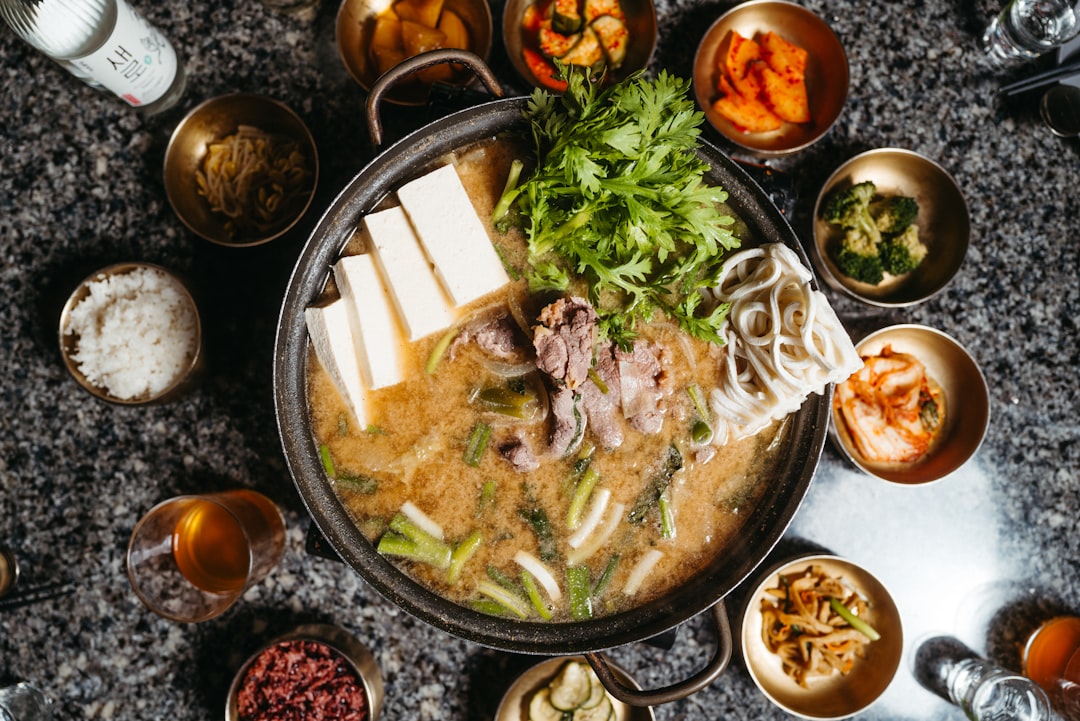
Why Korean Instant Noodles Have Taken Over the World
Picture this: it’s 2 a.m., you’ve just binge-watched three episodes of your favorite K-drama, and your stomach is growling. You reach into your pantry, grab a bright red packet covered in Korean characters, and within four minutes, you’re slurping the most intensely flavorful, perfectly spicy bowl of noodles you’ve ever tasted. That moment right there is exactly why Korean instant noodles — known as ramyeon (라면) — have become a global phenomenon, outselling Japanese ramen in over 15 countries and generating more than $2.7 billion in export revenue in 2025 alone.
But here’s the thing: with over 200 varieties lining the shelves at H-Mart, Whole Foods, and even your local Walmart, choosing the right pack can feel overwhelming. And the spice levels? They range from “pleasantly warm” to “I need to call an ambulance.” That’s exactly why you need this best Korean instant noodles spicy level guide — a definitive ranking that breaks down flavor, heat, value, and the cultural stories behind each iconic pack.
Whether you’re a ramyeon rookie who can barely handle black pepper or a certified spice warrior chasing the next Scoville record, this guide has you covered. I’ve personally taste-tested over 40 varieties, consulted with Korean food bloggers in Seoul, and cross-referenced Scoville Heat Unit (SHU) data to bring you the most comprehensive ranking available anywhere online. Let’s dive in.
Understanding Korean Ramyeon: A Cultural Phenomenon

The History Behind Korea’s Noodle Obsession
South Korea consumes more instant noodles per capita than any other country on Earth — approximately 73 servings per person per year, according to the World Instant Noodles Association (WINA). That’s roughly one pack every five days for every man, woman, and child in the country. To put that in perspective, Japan averages about 43 servings, and the United States hovers around 14.
The story begins in 1963, when Samyang Foods introduced Korea’s first instant noodle by adapting Japanese technology. But Korean manufacturers didn’t just copy — they innovated. They made the noodles thicker, chewier, and more resilient to overcooking. They developed soup bases with fermented chili paste (gochujang), anchovy stock, and beef bone broth that reflected authentic Korean flavors.
By the 1980s, ramyeon had become deeply embedded in Korean culture. University students survived on it. Office workers ate it as a late-night snack — a ritual called ya-sik (야식). Convenience stores installed hot water dispensers and eating counters specifically for ramyeon. Today, you’ll find ramyeon referenced in K-dramas, K-pop lyrics, and even in the Oscar-winning film Parasite, where the iconic ram-don (짜파구리) scene sent Chapagetti and Neoguri sales skyrocketing by 87% globally.
Explore Korean food culture and regional specialties
What Makes Korean Ramyeon Different from Japanese Ramen
If you’ve only ever had Maruchan or Top Ramen, Korean ramyeon will feel like upgrading from a flip phone to the latest smartphone. Here are the key differences:
- Noodle texture: Korean noodles are thicker, chewier, and hold up better in hot broth. They use a unique drying process that creates a satisfying bounce called kkodeukkoduk (꼬득꼬득).
- Spice philosophy: Japanese instant ramen emphasizes umami depth. Korean ramyeon leads with heat — often layered with gochugaru (red chili flakes), gochujang, and sometimes even raw capsaicin extract.
- Soup base: Korean broths are typically richer and more complex, combining beef bone, dried anchovy, kelp, and fermented soybean paste.
- Vegetable packets: Most Korean brands include a separate dried vegetable packet (called flake) with real dehydrated green onion, mushroom, carrot, and sometimes egg flakes.
- Price point: At $1.50–$3.50 per pack at most U.S. stores, Korean ramyeon delivers dramatically more flavor per dollar than Western alternatives.
Best Korean Convenience Store Snacks to Try in 2026
The Spicy Level Scale: How We Rank Korean Instant Noodles
Scoville Heat Units (SHU) Explained for Ramyeon
Before we dive into the rankings, you need to understand how spice levels work. The Scoville Heat Unit (SHU) scale measures the concentration of capsaicin — the chemical compound that makes peppers hot. For reference:
| Reference Point | SHU Range |
|---|---|
| Bell Pepper | 0 SHU |
| Jalapeño Pepper | 2,500–8,000 SHU |
| Standard Shin Ramyun | ~2,700 SHU |
| Habanero Pepper | 100,000–350,000 SHU |
| Buldak 2x Spicy | ~10,000 SHU |
| Carolina Reaper | 1,400,000–2,200,000 SHU |
For this best Korean instant noodles spicy level guide, I’ve created a simple five-tier system that maps SHU to real-world experience:
Our 5-Tier Spicy Level System
- 🌶 Mild (0–1,000 SHU): A gentle warmth. Perfect for beginners, children, or anyone who thinks ketchup is spicy. You’ll taste the broth flavors without any burn.
- 🌶🌶 Medium (1,000–2,500 SHU): A noticeable kick that builds gradually. Your nose might run a little. Most people find this level enjoyable and addictive.
- 🌶🌶🌶 Hot (2,500–5,000 SHU): This is where most classic Korean ramyeon lives. Your lips will tingle, your forehead might sweat, and you’ll reach for a glass of milk halfway through.
- 🌶🌶🌶🌶 Very Hot (5,000–8,000 SHU): Serious heat that demands respect. You’ll feel it in your ears. Have dairy, rice, or bread on standby.
- 🌶🌶🌶🌶🌶 Extreme (8,000+ SHU): Pain. Delicious, addictive, regret-inducing pain. Only for experienced spice lovers. Side effects may include hiccups, tears, and existential questioning.
The Definitive Korean Instant Noodle Rankings by Spicy Level

Tier 1: Mild — Perfect for Beginners (0–1,000 SHU)
1. Nongshim Chapagetti (짜파게티)
SHU: ~0 | Price: $1.50–$2.00 | Type: Dry noodle (jjajang style)
This isn’t spicy at all — it’s Korea’s answer to Chinese black bean noodles. Smoky, savory, slightly sweet, with a thick sauce that clings to every strand. It’s one half of the famous ram-don from Parasite. Cook it with just a tablespoon of the cooking water left for the perfect saucy consistency. Kids love it, adults crave it, and it pairs beautifully with a fried egg on top.
2. Nongshim Ansungtangmyun (안성탕면)
SHU: ~800 | Price: $1.50 | Type: Soup noodle
Often called “the people’s ramyeon,” Ansungtangmyun has a soybean paste (doenjang)-based broth that’s rich, earthy, and deeply comforting. The spice level is barely there — just a whisper of warmth. This is the ramyeon Korean grandmothers recommend for upset stomachs. It’s also the one most often eaten with rice mixed into the leftover broth, a technique called bokkeumbap.
3. Ottogi Jin Jjambbong (진짬뽕)
SHU: ~900 | Price: $1.75 | Type: Seafood soup noodle
Inspired by the Korean-Chinese seafood noodle soup jjambbong, this pack delivers an ocean-deep broth loaded with dried squid, mussel, and shrimp flavors. The spice is present but gentle — more of a warm glow than a burn. The noodles are slightly thinner than average, which lets them absorb more of that incredible seafood essence.
Tier 2: Medium — The Sweet Spot (1,000–2,500 SHU)
4. Samyang Original Ramyeon (삼양라면)
SHU: ~1,200 | Price: $1.25–$1.50 | Type: Soup noodle
Korea’s very first instant noodle, still going strong after 60+ years. The flavor is clean and straightforward — a simple beef-based broth with moderate chili warmth. It’s the baseline by which many Koreans measure all other ramyeon. If you’re new to Korean noodles and want to understand the foundation, start here.
5. Nongshim Neoguri (너구리) — Mild Version
SHU: ~1,500 | Price: $1.75 | Type: Thick udon-style soup noodle
Neoguri stands out for its uniquely thick, udon-style noodles and kelp-enriched seafood broth. The mild version (look for the blue/green packaging) offers a pleasant warmth without overwhelming heat. The dried kelp piece in the packet is real — it rehydrates into a slippery, savory treat. Pro tip: combine one pack of Neoguri with one pack of Chapagetti for authentic ram-don.
6. Ottogi Yeul Ramen (열라면)
SHU: ~2,300 | Price: $1.50 | Type: Soup noodle
Sitting right at the top of the medium tier, Ottogi Yeul Ramen is a sleeper hit. The broth has a beautiful red color and a well-balanced heat that builds slowly over the course of the bowl. It’s less famous than Shin Ramyun but many Korean food critics consider it a more refined spicy experience. The noodles have an excellent chew, and the vegetable flake packet is notably generous.
Tier 3: Hot — The Korean Standard (2,500–5,000 SHU)
7. Nongshim Shin Ramyun (신라면)
SHU: ~2,700 | Price: $1.50–$2.50 | Type: Soup noodle
The king. The legend. The one that started it all. Shin Ramyun is the world’s best-selling Korean instant noodle, available in over 100 countries. The gochugaru-and-beef-bone broth strikes the perfect balance between spicy, savory, and slightly sweet. The mushroom and green onion flakes add surprising depth. This is the benchmark for the entire industry — when Koreans say “let’s eat ramyeon,” this is what they mean about 40% of the time.
Upgrade tip: crack a raw egg into the boiling broth during the last 90 seconds of cooking, add a slice of processed cheese on top, and finish with a handful of chopped scallions. This is the “Korean college student special,” and it’s genuinely one of the most satisfying comfort meals on Earth.
Watch how to upgrade Korean ramyeon like a pro
8. Nongshim Shin Ramyun Black (신라면 블랙)
SHU: ~3,400 | Price: $2.50–$3.50 | Type: Premium soup noodle
The premium version of Shin Ramyun adds a bone broth concentrate packet that transforms the soup into something almost restaurant-quality. The broth becomes noticeably richer, creamier, and more complex. It’s about 20% spicier than the original, with a deeper, more lingering heat. At $3.00+ per pack, it’s pricier, but the flavor upgrade is absolutely worth it for a special occasion bowl.
9. Paldo Teumsae Ramyeon (팔도 틈새라면)
SHU: ~4,000 | Price: $1.75 | Type: Soup noodle
An underrated gem. Teumsae Ramyeon is inspired by the famous tteokbokki (spicy rice cake) restaurants in Seoul’s Sindang-dong neighborhood. The broth has a distinctive sweet-spicy character reminiscent of gochujang-based sauces. It’s noticeably hotter than Shin Ramyun, and the slightly thicker broth clings to the noodles beautifully. If you love tteokbokki flavor, this is your ramyeon.
suggested topic — Korean Street Food Guide: Tteokbokki, Hotteok, and Bungeoppang Explained
Tier 4: Very Hot — Bring Milk (5,000–8,000 SHU)
10. Nongshim Shin Ramyun THE RED (신라면 더 레드)
SHU: ~7,000 | Price: $2.00–$2.50 | Type: Soup noodle
Released in 2024, THE RED takes everything you love about Shin Ramyun and turns the heat dial to serious. The broth uses a gochujang concentrate that delivers a slow-building, enduring burn. It’s roughly 2.5 times spicier than the original. The flavor complexity is still there — you’ll taste beef bone, garlic, and toasted chili before the heat hits. Excellent for those who’ve “graduated” from regular Shin Ramyun.
11. Samyang Buldak Original (불닭볶음면)
SHU: ~4,404 | Price: $2.00–$3.00 | Type: Dry stir-fried noodle
The noodle that launched a thousand YouTube challenges. Buldak (literally “fire chicken”) is a dry, stir-fried noodle coated in a sweet-spicy sauce that hits you like a freight train. The sweetness is what makes it dangerously addictive — you keep eating because it tastes incredible, and then the capsaicin catches up. The original flavor sits at the high end of “very hot” and remains the most popular variant worldwide. Sold over 1.6 billion packs globally since its 2012 launch.
12. Samyang Buldak Carbonara (까르보불닭)
SHU: ~2,600 | Price: $2.50 | Type: Dry stir-fried noodle
Don’t let the lower SHU number fool you — this creamy variant of Buldak mixes Italian-inspired carbonara sauce with Korean fire chicken spice for something completely unique. The cream cuts the heat significantly, making it accessible to a wider audience while still delivering that signature Buldak kick. It’s the top-selling Buldak variant in the U.S. and a genius gateway drug into the spicier versions.
Tier 5: Extreme — Enter at Your Own Risk (8,000+ SHU)
13. Samyang Buldak 2x Spicy (핵불닭볶음면)
SHU: ~10,000 | Price: $2.50–$3.50 | Type: Dry stir-fried noodle
This is the one from the viral spicy noodle challenges. Twice the capsaicin of the original Buldak, with a heat level that genuinely approaches some hot sauces. The first few bites are manageable — even enjoyable. Then, around the fifth or sixth bite, a wall of heat crashes into you. Your lips go numb. Your eyes water. You question your life choices. And then, somehow, you finish the bowl. Because underneath all that fire, the flavor is genuinely excellent. If you can handle it, this might be the most rewarding eating experience in the instant noodle world.
14. Samyang Buldak 3x Spicy (삼배불닭)
SHU: ~13,000 | Price: $3.00–$4.00 | Type: Dry stir-fried noodle
Released in limited batches, the 3x Spicy Buldak is essentially a dare in noodle form. At approximately 13,000 SHU, it surpasses most commercially available hot sauces. The sauce is visibly darker and thicker than the 2x version. This is not a casual meal — it’s an event. I recommend having plain white rice, cold milk, and vanilla ice cream within arm’s reach. Seriously.
15. Samyang Buldak Habanero Lime (하바네로 라임 불닭)
SHU: ~8,700 | Price: $2.50–$3.00 | Type: Dry stir-fried noodle
A newer addition that adds habanero pepper and fresh lime zest to the Buldak formula. The citrus actually makes the heat feel sharper and more immediate than the standard Buldak at a similar SHU. The lime provides brief moments of refreshing relief between waves of fire. It’s become a cult favorite among spice enthusiasts who want heat plus flavor complexity.
Complete Rankings Table: All 15 Noodles at a Glance
| Rank | Noodle | Brand | SHU | Spicy Tier | Type | Price (USD) |
|---|---|---|---|---|---|---|
| 1 | Chapagetti | Nongshim | ~0 | Mild | Dry | $1.50 |
| 2 | Ansungtangmyun | Nongshim | ~800 | Mild | Soup | $1.50 |
| 3 | Jin Jjambbong | Ottogi | ~900 | Mild | Soup | $1.75 |
| 4 | Samyang Original | Samyang | ~1,200 | Medium | Soup | $1.25 |
| 5 | Neoguri Mild | Nongshim | ~1,500 | Medium | Soup | $1.75 |
| 6 | Yeul Ramen | Ottogi | ~2,300 | Medium | Soup | $1.50 |
| 7 | Shin Ramyun | Nongshim | ~2,700 | Hot | Soup | $1.50 |
| 8 | Shin Ramyun Black | Nongshim | ~3,400 | Hot | Soup | $2.50 |
| 9 | Teumsae Ramyeon | Paldo | ~4,000 | Hot | Soup | $1.75 |
| 10 | Shin THE RED | Nongshim | ~7,000 | Very Hot | Soup | $2.00 |
| 11 | Buldak Original | Samyang | ~4,404 | Very Hot | Dry | $2.00 |
| 12 | Buldak Carbonara | Samyang | ~2,600 | Hot | Dry | $2.50 |
| 13 | Buldak 2x Spicy | Samyang | ~10,000 | Extreme | Dry | $2.50 |
| 14 | Buldak 3x Spicy | Samyang | ~13,000 | Extreme | Dry | $3.00 |
| 15 | Buldak Habanero Lime | Samyang | ~8,700 | Extreme | Dry | $2.50 |
How to Cook Korean Ramyeon Like a Local

The Classic Pot Method (Korean Standard)
Forget what the English instructions on the back of the packet say — here’s how Koreans actually make ramyeon for maximum flavor:
- Boil 550ml of water (most packets say 500ml, but the extra 50ml accounts for evaporation and gives you a better broth-to-noodle ratio).
- Add the soup base powder AND the vegetable flake packet first, before the noodles. Let them bloom in the boiling water for 30 seconds. This extracts maximum flavor from the dried ingredients.
- Add the noodles and cook for exactly 3.5 minutes (not the 4–5 minutes stated on most packets). Korean noodle fans prefer a slightly firm, chewy texture called kkodul kkodul.
- Crack an egg directly into the pot during the last 60 seconds. Don’t stir it — let the white set around the yolk for a beautiful, jammy finish.
- Serve in the pot. Yes, really. Eating ramyeon directly from the pot (called naembi) keeps it hotter longer and is considered the most authentic way to enjoy it.
Pro-Level Upgrades That Change Everything
Once you’ve mastered the basics, these additions will elevate your bowl from “instant noodle” to “I should charge people for this”:
- Cheese: One slice of American cheese dropped on top of the finished broth. It melts into a creamy, slightly tangy layer that tempers spice beautifully. This is standard practice in Korean convenience stores.
- Kimchi: Add 2–3 tablespoons of aged kimchi (mugeunji) to the boiling water before the noodles. The fermented acidity deepens the broth’s complexity enormously. Find aged kimchi at any H-Mart or Korean grocery.
- Rice cakes: Drop in 5–6 sliced tteok (rice cakes) for added chewiness and substance. They absorb the spicy broth and become little flavor bombs.
- Scallions and sesame: Finish with chopped green onions and a sprinkle of toasted sesame seeds. The freshness and nuttiness balance the heat perfectly.
- Spam or budae-jjigae style: Dice half a can of Spam, pan-fry until crispy, and add it to your ramyeon. This recreates the famous Korean “army stew” (budae-jjigae) flavor profile.
How to Book Korean Temple Stay in 2026: Complete Guide
Where to Buy Korean Instant Noodles in the United States
Brick-and-Mortar Stores
The best selection and prices for Korean ramyeon in the U.S. can be found at these retailers:
- H-Mart: The ultimate destination. Over 90 locations nationwide with the largest Korean instant noodle selection anywhere outside of Korea. Multi-packs typically run $5.99–$8.99 for 4–5 servings. They also stock limited-edition flavors months before they hit mainstream retailers.
- Lotte Plaza / Lotte Market: Excellent selection with competitive prices, particularly on the East Coast. Their store-brand ramyeon is surprisingly good, too.
- Zion Market: West Coast favorite, especially in Southern California. Great for finding specialty Buldak variants and regional Korean brands.
- Whole Foods: Carries a curated selection of Nongshim products (Shin Ramyun, Chapagetti, Neoguri) at about a 15–20% markup over Asian groceries. Convenient if it’s your nearest option.
- Walmart / Target: Both have significantly expanded their Korean noodle sections in the past two years. You’ll find Shin Ramyun, Buldak, and Chapagetti at most locations for $1.50–$2.50 per pack.
- Costco: Sells bulk packs of Shin Ramyun (16-pack for ~$14) and Buldak (8-pack for ~$12), which is the best per-unit price available in physical stores.
Online Retailers
If you don’t have a Korean grocery nearby, these online options deliver nationwide:
- Amazon: Widest selection online with Prime delivery. Prices are slightly higher than in-store but the convenience factor is unbeatable. Variety packs like the “Samyang Buldak Spicy Level Challenge Set” ($18.99 for 8 varieties) make excellent gifts.
- Weee!: Asian grocery delivery app with very competitive prices and excellent selection. Free delivery over $35 in most metro areas.
- Yamibuy: Specializes in Asian snacks and noodles with frequent sales. Great for stocking up on multi-packs.
- H-Mart Online: Their web store ships nationwide, though shipping can be steep for single packs. Best for orders over $49 (free shipping threshold).
Best Korea SIM Card for Tourists 2026: Complete Guide
Taming the Heat: Expert Tips for Managing Spicy Korean Noodles
Before You Eat
Preparation is half the battle when tackling a best Korean instant noodles spicy level guide challenge:
- Never eat extremely spicy noodles on an empty stomach. Have a small snack — rice, bread, or crackers — about 30 minutes before. This creates a protective layer that reduces the shock to your digestive system.
- Use less sauce/powder for dry noodles. With Buldak-style noodles, you control the spice. Start with two-thirds of the sauce packet and add more to taste. Nobody’s judging you.
- Add more water for soup noodles. An extra 100ml of water dilutes the broth’s spice concentration without significantly changing the flavor.
While You Eat
- Drink milk, not water. Capsaicin is fat-soluble, not water-soluble. Water just spreads the burn around your mouth. Cold whole milk, yogurt, or even ice cream are far more effective at neutralizing heat.
- Eat with rice. A bowl of plain white rice alongside your ramyeon is standard Korean practice. The starch absorbs excess spice and provides relief between bites.
- Alternate with something bland. Korean diners often keep danmuji (pickled radish) or plain kimchi nearby as palate cleansers between spicy bites.
- Don’t touch your eyes. This sounds obvious until you’re five bites into Buldak 2x Spicy with sweaty fingers and an itchy eye. Use chopsticks, and keep a napkin handy.
Korean Dating Culture: 7 Things Foreigners Should Expect in 2026
Frequently Asked Questions
What is the spiciest Korean instant noodle you can buy?
As of 2026, the Samyang Buldak 3x Spicy (삼배불닭) holds the title at approximately 13,000 SHU. However, Samyang occasionally releases limited-edition variants that push even higher. The standard “most spicy” option readily available year-round is the Buldak 2x Spicy at ~10,000 SHU. For context, this is roughly 4 times spicier than the classic Shin Ramyun and significantly hotter than a raw jalapeño pepper. It’s recommended only for experienced spice enthusiasts, and having cold dairy products on hand is strongly advised.
Are Korean instant noodles healthier than American brands like Maruchan?
Korean instant noodles aren’t necessarily “healthier” in absolute terms — they’re still fried noodles with high sodium content (typically 1,500–2,000mg per serving, which is 60–85% of the recommended daily intake). However, they do tend to offer more complex nutrition: the vegetable flake packets contain real dehydrated vegetables, the broths use more natural flavorings, and the noodles themselves are made with higher-quality wheat flour. Some premium lines like Shin Ramyun Black include bone broth concentrate with collagen. If health is a concern, look for Nongshim SOON Veggie Ramyeon or air-dried (non-fried) varieties, which cut fat content by about 40%.
Can I use the spicy level guide to build up my spice tolerance over time?
Absolutely — and that’s one of the best uses for this best Korean instant noodles spicy level guide. Start at Tier 1 (Mild) and spend about a week eating at each level before moving up. Your body genuinely adapts: repeated capsaicin exposure causes your TRPV1 pain receptors to desensitize over time. Most people can comfortably progress from Tier 1 to Tier 3 within a month. The jump from Tier 3 to Tier 4 is the biggest leap and may take 2–3 weeks of regular spicy eating. Many Korean food enthusiasts report that noodles they once found painfully hot become genuinely enjoyable after consistent exposure. The key is consistency — eating spicy food once a month won’t build tolerance.
What’s the best Korean instant noodle for someone who doesn’t like spicy food at all?
Start with Nongshim Chapagetti — it has zero spice and delivers an incredible savory, black-bean-sauce flavor that everyone loves. Other excellent non-spicy options include Ottogi Cheese Ramen (a cheesy, creamy broth), Nongshim Potato Noodle Soup (mild and starchy), and Samyang Carbonara Ramen (creamy with just a hint of warmth). These all showcase the superior noodle quality and rich flavoring that Korean brands are known for, without any of the heat. You can also try Paldo Bibimmyeon, a cold mixed noodle that has a sweet-tangy sauce with barely any spice — it’s absolutely delicious chilled on a hot day.
How should I store Korean instant noodles, and how long do they last?
Korean ramyeon should be stored in a cool, dry place away from direct sunlight — a pantry shelf is perfect. Avoid storing them in garages or near heat sources, as the oils in the fried noodles can go rancid faster in warm conditions. Most packs have a shelf life of 6–8 months from the manufacture date (printed on the back in YYYY.MM.DD format). They’re usually still safe to eat for 1–2 months past the printed date, but the noodle texture may become slightly stale and the seasoning potency can fade. Never freeze instant noodles — the moisture change ruins the noodle texture permanently. If you buy in bulk, rotate your stock using the first-in, first-out method.
Why do Korean noodles taste better when eaten from the pot?
This isn’t just tradition — there’s actual food science behind it. The aluminum or stainless steel pot retains heat longer than a ceramic bowl, keeping the broth at optimal temperature throughout your meal. Hotter broth means more active flavor compounds reaching your palate. The narrow pot shape also concentrates the steam, which carries aromatic molecules to your nose — and since roughly 80% of what we perceive as “taste” is actually smell, this significantly enhances the eating experience. Additionally, the noodles continue to cook very slightly in the residual heat, maintaining that perfect chewy texture Koreans call kkodul kkodul rather than becoming mushy in cooling broth.
Related Posts You’ll Love
If you enjoyed this best Korean instant noodles spicy level guide, check out these related articles on our site:
- Best Korean Convenience Store Snacks to Try in 2026 — Discover the chips, candies, and drinks that pair perfectly with your ramyeon.
- suggested topic — Complete Guide to Korean Drinking Culture: Soju, Makgeolli, and Bar Etiquette — Because nothing goes with ramyeon like a cold bottle of soju.
- suggested topic — Korean Grocery Store Guide: How to Navigate H-Mart Like a Pro — Master the aisles and find every noodle, condiment, and side dish you need.
Korean Office Culture Hierarchy Rules: 2026 Complete Guide
Your Turn: What’s Your Spicy Level?
Now that you’ve got the definitive best Korean instant noodles spicy level guide, it’s time to put it to the test. Whether you’re starting at Tier 1 with Chapagetti or diving headfirst into Buldak 3x Spicy, every bowl is a delicious adventure waiting to happen.
I want to hear from you: What’s your current spicy tier? Have you conquered Buldak 2x Spicy? Is there a Korean noodle you think I missed from this list? Drop a comment below and let’s geek out about ramyeon together.
If you found this guide helpful, share it with a friend who’s been staring at the Korean noodle aisle in confusion. Trust me — they’ll thank you. And if you want more K-Food deep dives, Korean culture guides, and travel tips delivered to your inbox, subscribe to our newsletter so you never miss a post.
Happy slurping — and may your spice tolerance grow ever stronger.