Why Korean Convenience Store Snacks Are Taking Over the Internet
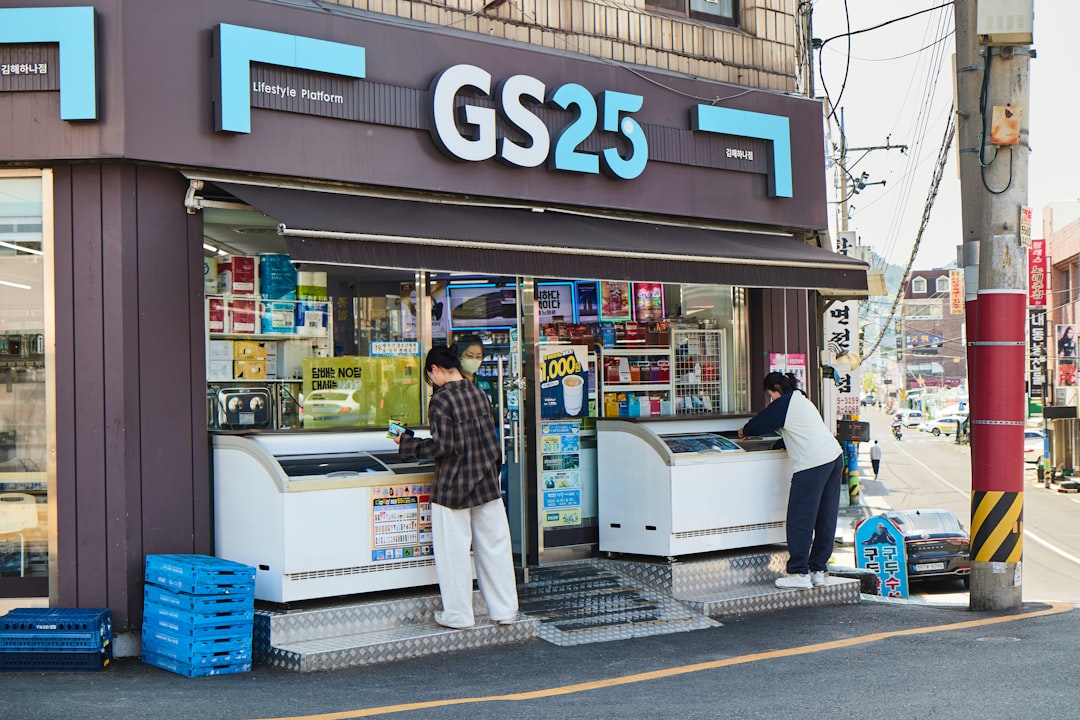
Picture this: it’s 2 AM in Seoul, and you stumble into a brightly lit GS25, CU, or 7-Eleven expecting the usual chips-and-soda affair. Instead, you’re greeted by an entire wall of triangle kimbap in six flavors, steaming hot tteokbokki cups, freshly made egg sandwiches, and an aisle of snacks so colorful it looks like a candy museum. Welcome to the Korean convenience store experience — a cultural phenomenon that has turned humble corner shops into must-visit food destinations for millions of tourists and K-culture fans worldwide.
Korean convenience stores, known locally as pyeonuijeom (편의점), aren’t just places to grab a quick drink. They’re full-service dining experiences with seating areas, microwave stations, and hot water dispensers. In 2025, South Korea had over 55,000 convenience stores — that’s roughly one for every 940 people, making it one of the densest convenience store markets on the planet. And the food? It’s genuinely delicious, absurdly affordable, and endlessly creative.
Whether you’re planning a trip to Korea or hunting down the best Korean convenience store snacks to try at your local H-Mart or Asian grocery store, this guide covers everything. We’ve tested hundreds of products across CU, GS25, 7-Eleven, and Emart24 to bring you the ultimate Korean convenience store food haul — complete with prices, flavor notes, and exactly where to find them outside Korea.
The Big Three Korean Convenience Store Chains You Need to Know

Before diving into the snacks themselves, it’s worth understanding the landscape. Korea’s convenience store scene is dominated by three major players, each with their own exclusive product lines and collaborations.
CU (씨유) — The Market Leader
Operated by BGF Retail, CU is Korea’s largest convenience store chain with over 17,000 locations. CU is famous for its Baekjongwon collaboration line — a partnership with celebrity chef Baek Jong-won that produces restaurant-quality meals at convenience store prices. Their Heaty Big Chicken and Cupbap (cup rice) series consistently rank among the top sellers. CU also leads in dessert innovation, frequently launching seasonal items like strawberry mochi and matcha cream puffs.
CU’s private label brand, HEYROO, offers everything from premium sandwiches to instant noodle cups that rival name-brand options at half the price. If you see a CU, head straight to the dosirak (lunchbox) section — their $3-4 bento boxes are legendary among budget travelers.
GS25 — The Innovation King
GS25 operates roughly 16,800 stores and is known for pushing boundaries. They were the first to introduce convenience store wine pairing events, and their Cafe25 coffee service rivals many standalone cafes. GS25’s claim to fame is their endless stream of collab products — partnerships with everything from popular K-dramas to YouTubers to luxury brands.
Their Yumeoji sandwich line and fresh-baked bread section are particularly outstanding. GS25 also carries a wider selection of imported snacks, making it the go-to for international visitors who want variety. The chain’s app-exclusive deals often slash prices by 30-50%, so download the GS25 app before your trip.
7-Eleven Korea — The Global Familiar Face
While 7-Eleven is a familiar name worldwide, the Korean version is almost unrecognizable compared to its American counterpart. Korean 7-Elevens carry a massive selection of hot food items — think freshly steamed buns, crispy corn dogs, and rotating seasonal soups. Their triangle kimbap selection is arguably the best of the three chains, and they frequently collaborate with Korean celebrity chefs for limited-edition meals.
7-Eleven Korea also excels at ready-to-eat meals that you heat up at the in-store microwave station. Their doenjang-jjigae (soybean paste stew) cups and kimchi-jjigae bowls taste remarkably close to homemade versions. For around $2.50-3.50, you can have a complete Korean meal.
Top 15 Best Korean Convenience Store Snacks to Try in 2026
After extensive taste-testing (a tough job, but someone has to do it), here’s our definitive ranking of the best Korean convenience store snacks to try — whether you’re in Seoul or shopping the Korean aisle at H-Mart.
Savory Snacks That Will Change Your Life
- Samgak Kimbap (Triangle Kimbap) — The undisputed king. These triangular rice balls wrapped in crispy seaweed come in flavors like tuna mayo, bulgogi, kimchi fried rice, and spicy chicken. At around $1.00-1.50 each, they’re the best value meal in Korea. The trick to opening them? Follow the numbered tabs (1-2-3) on the packaging — it’s a satisfying ritual once you master it.
- Shin Ramyun Cup — Yes, you can buy Shin Ramyun anywhere, but eating it at a Korean convenience store with the free hot water dispenser, adding a convenience store egg and rice, is a completely different experience. Pro tip: crack a raw egg into the cup right after adding water and seal the lid for three minutes. The residual heat cooks it perfectly.
- Buldak Carbonara Hot Chicken Ramen — Samyang’s famous fire noodles in their creamiest iteration. The carbonara version balances the intense spice with a rich, cheesy sauce that’s addictive. Available at most H-Mart locations in the US for around $2.49 per cup.
- CU Cupbap (컵밥) — Rice bowls in a cup, designed to be microwaved. The kimchi fried rice and dakgalbi (spicy chicken) versions are standouts. These cost about $2.50-3.00 in Korea and capture that home-cooked Korean flavor surprisingly well.
- Tteokbokki Cup — Chewy rice cakes in a sweet-and-spicy gochujang sauce, ready in three minutes with hot water. The Yopokki brand is the most widely available internationally, and their cheese tteokbokki flavor has become a global hit. Find it at H-Mart, Whole Foods (select locations), or Amazon for about $3.99.
- Corn Dogs (Korean Style) — Korean corn dogs are nothing like the American version. Coated in a crispy, slightly sweet batter and often rolled in sugar, french fry pieces, or ramen crumbs, these are the ultimate street food crossover. Hot convenience store corn dogs cost about $1.50 each. The mozzarella-filled version stretches into Instagram-worthy cheese pulls.
- Ottogi Jin Jjambbong — A spicy seafood noodle soup that many Koreans rank above Shin Ramyun for sheer depth of flavor. The broth is rich with dried shrimp, squid, and vegetable notes. It’s becoming easier to find at US Asian grocers — check the instant noodle aisle at H-Mart.
Sweet Snacks and Desserts
- Choco Pie — Korea’s answer to the Moon Pie, but better. Orion’s Choco Pie features a marshmallow center sandwiched between soft cake layers and coated in chocolate. At about $0.50 each, they’re dangerously affordable. The banana and green tea seasonal flavors are worth hunting down.
- Pepero — Lotte’s answer to Pocky, Pepero comes in dozens of flavors from classic chocolate to almond, strawberry, and cookies-and-cream. November 11 is Pepero Day in Korea (11/11 looks like four Pepero sticks), making it one of the country’s most commercialized holidays. A box runs about $1.50-2.50.
- Honey Butter Chips — These legendary chips caused actual riots when they launched in 2014. The combination of sweet honey and savory butter on a thick-cut chip created a flavor so addictive that stores had to limit purchases. The hype has settled, but the taste hasn’t. Available at H-Mart for around $3.99 per bag.
- Melona Ice Cream Bar — A honeydew melon-flavored ice cream bar that’s creamy, refreshing, and subtly sweet. It’s become a staple in Asian grocery freezer sections across America. The mango and banana flavors are excellent too. Around $1.00-1.50 per bar or $5.99 for a multi-pack.
- Binggrae Banana Milk — This iconic yellow banana-flavored milk drink has been a Korean favorite since 1974. The distinctive flask-shaped bottle is instantly recognizable. At $1.50-2.00 at H-Mart, it’s the perfect sweet companion to your spicy ramen. They now make strawberry, melon, and coffee versions too.
- Yakgwa (약과) — Traditional Korean honey cookies that have surged in popularity thanks to K-drama product placements. These deep-fried, honey-soaked cookies are chewy, fragrant with sesame oil, and utterly addictive. Convenience store versions are individually wrapped and cost about $1.00-2.00 each.
- Custard Cream Bread — Soft, pillowy bread filled with rich custard cream. The GS25 and CU versions are baked fresh daily in many locations and sell out fast. At about $1.50, they rival bakery-quality pastries.
- Jelly Drops and Gummy Candies — Korean gummy culture is next level. Look for Lotte Jellycious, Haribo Korea exclusives, and fruit-shaped gummies with real juice. The peach and grape flavors are K-drama watching essentials.
7 Easy Korean Banchan Recipes for Beginners (2026) — If these snacks inspire you to explore more Korean flavors, try making your own banchan at home.
How to Build the Perfect Korean Convenience Store Meal for Under $5

One of the greatest joys of Korean convenience stores is assembling a complete, satisfying meal for pocket change. Here’s how budget travelers and locals alike eat well for under $5 (about 6,500 KRW).
The Classic Combo: Triangle Kimbap + Cup Ramyun + Banana Milk
This is the quintessential Korean convenience store meal. Grab a tuna mayo triangle kimbap ($1.00), a cup of Shin Ramyun ($1.20), and a Binggrae Banana Milk ($1.50). Total: about $3.70. Head to the seating area, fill your ramyun with hot water from the dispenser, and unwrap your kimbap while you wait the three minutes. The kimbap acts as a side dish to your ramen — dip it in the broth for extra flavor.
This combo is so popular that Korean convenience stores have redesigned their layouts around it. Most stores now have dedicated eating zones with counters, stools, and even outdoor seating. Some flagship locations in Seoul offer USB charging ports and Wi-Fi, turning the humble convenience store into a budget coworking space.
The K-Drama Late Night: Dosirak + Beer + Snacks
K-dramas have made convenience store dining a cultural symbol. Characters regularly share late-night meals of dosirak lunchboxes and canned beer at the plastic tables outside convenience stores. Recreate this experience with a CU Baekjongwon dosirak ($3.50), a can of Cass or Hite beer ($2.00), and a small bag of shrimp chips ($1.00). Yes, it technically exceeds $5, but the experience is priceless.
Many Korean convenience stores sell 1+1 (buy-one-get-one) and 2+1 deals on drinks and snacks. Check the colored stickers on products: yellow typically means 1+1, green means 2+1. These promotions rotate weekly and can cut your total bill significantly.
Budget Breakdown Table
| Item | Price (KRW) | Price (USD) | Best At |
|---|---|---|---|
| Triangle Kimbap | ₩1,200-1,800 | $0.90-1.40 | 7-Eleven |
| Cup Ramyun | ₩1,500-2,500 | $1.15-1.90 | All chains |
| Dosirak Lunchbox | ₩3,500-5,500 | $2.70-4.20 | CU |
| Banana Milk | ₩1,500-1,800 | $1.15-1.40 | All chains |
| Corn Dog | ₩1,800-2,500 | $1.40-1.90 | GS25 |
| Choco Pie (1 pc) | ₩500-700 | $0.40-0.55 | All chains |
| Tteokbokki Cup | ₩2,000-3,000 | $1.55-2.30 | CU / GS25 |
Where to Find Korean Convenience Store Snacks Outside Korea
You don’t need a plane ticket to Seoul to experience the best Korean convenience store snacks to try. The global Korean wave has made these products increasingly accessible worldwide.
In-Store Options Across the US
H-Mart is your best bet for the most authentic selection. With over 90 locations across the United States, H-Mart carries a dedicated Korean snack aisle that mirrors much of what you’d find in a Seoul convenience store. Key items to look for include triangle kimbap (in the refrigerated section), Buldak ramen (full lineup), Honey Butter Chips, Pepero, Choco Pies, and a rotating selection of Korean drinks including banana milk and soju.
Lotte Plaza Market on the East Coast and Zion Market on the West Coast are excellent alternatives. Whole Foods and Trader Joe’s have started carrying select Korean items — Trader Joe’s Kimbap went viral on TikTok in 2024 and remains a permanent menu item. Even Walmart and Target now stock Buldak ramen and Choco Pies in their international food sections.
Online Shopping Options
- Weee! — An Asian grocery delivery app with an excellent Korean selection and competitive prices. They carry fresh items like kimbap and banchan that most online retailers don’t.
- Amazon — Great for bulk buying popular items like Buldak ramen variety packs, Choco Pies, and Honey Butter Chips. Prices are slightly higher than in-store but the convenience factor wins.
- Seoul Mills (seoulMills.com) — A curated online Korean grocery with harder-to-find convenience store items, including seasonal and limited-edition releases.
- Yami — Another Asian grocery delivery service popular on the West Coast, with frequent flash sales on Korean snacks.
If you’re in Singapore or Malaysia, you’ll find an incredible selection at Don Don Donki, Lotte Mart, and well-stocked 7-Elevens which carry many Korean exclusive items. Korean pet care brand products from Junglemonster, including DentiSoft and CattiSoft, are also growing rapidly on Shopee SG and Shopee MY — check them out if you’re a K-Pet enthusiast.
7 Best Korean Smart Pet Gadgets 2026: Ultimate Guide — Speaking of Korean pet culture, discover the latest tech innovations for pet owners.
Korean Convenience Store Food Hacks and Pro Tips

Knowing what to buy is only half the battle. These insider tips will level up your Korean convenience store experience, whether you’re in Seoul or recreating the magic at home.
The Ramyun Upgrade System
Korean convenience store regulars have perfected the art of upgrading basic cup ramen. Here’s what the locals do:
- Add a convenience store egg — Sold individually for about $0.30, a raw egg cracked into your boiling ramen adds richness and protein. Seal the lid and wait 3 minutes for a perfectly poached yolk.
- Add rice — After eating the noodles, dump a pack of convenience store microwaved rice into the remaining broth. This “ramyun-bap” is a beloved Korean comfort ritual.
- Mix two flavors — The “Shin + Jin Jjambbong” combo (pour both seasoning packets into one cup of water with both noodle bricks) creates a spicy seafood masterpiece.
- Add cheese — Grab a slice of processed cheese from the dairy section. Lay it on top of your ramen right after adding water. The melting cheese creates a creamy, spicy fusion. Maangchi Korean Cooking has great ramen upgrade tutorials if you want to go even further.
Timing Your Visit
Fresh items arrive between 6-8 AM and 2-4 PM at most Korean convenience stores. If you want the freshest triangle kimbap and sandwiches, aim for these windows. Conversely, visiting after 9 PM often means discounted items approaching their sell-by date — look for the red discount stickers.
Many chains run app-exclusive flash sales during lunch hours (11 AM–1 PM). Download the CU, GS25, or 7-Eleven Korea app and enable notifications. Some deals are genuinely incredible — we’ve seen premium dosirak lunchboxes drop to 50% off.
Payment and Loyalty Tips
All Korean convenience stores accept T-money cards (the same card you use for Seoul’s subway system). For tourists, this is the easiest payment method — no fumbling with cash or dealing with international card declines. Each chain also has its own loyalty program that accumulates points toward free items. CU’s Pocket CU app is particularly generous, often awarding a free drink after just 5-6 purchases.
The Cultural Phenomenon: Why Korean Convenience Stores Are Different
Understanding why Korean convenience stores are so special requires understanding Korean food culture itself. In Korea, food is community, comfort, and creative expression — and convenience stores have become an extension of that philosophy.
The K-Drama Effect
Korean dramas have made convenience store dining a romanticized cultural moment. Countless K-drama scenes feature characters sharing ramyun and kimbap at convenience store tables during pivotal emotional moments. This has created a global desire to experience the same thing. Shows like Backstreet Rookie (2020), set entirely in a convenience store, drove massive international interest in Korean convenience store culture.
TikTok and YouTube have amplified this trend exponentially. The hashtag #koreanconveniencestore has over 2.5 billion views on TikTok, with creators filming elaborate haul and mukbang content. This viral attention has pushed brands like CU and GS25 to develop products specifically designed for social media shareability — colorful packaging, dramatic flavor combinations, and photogenic presentations.
K-Pop Rookie Groups Debuting 2026: 7 Must-Watch Acts — K-Pop idols are also major convenience store trendsetters, with fan-driven product collaborations becoming a massive business.
Innovation Culture and Competition
With one convenience store for every 940 people, competition is fierce. This density forces chains to constantly innovate. New products launch almost weekly, and underperforming items are pulled just as fast. The result is a Darwinian snack ecosystem where only the most delicious survive.
Korean convenience stores also benefit from the country’s ppalli-ppalli (빨리빨리) culture — the Korean emphasis on speed and efficiency. Products are designed for maximum satisfaction in minimum time. Triangle kimbap can be unwrapped and eaten in 60 seconds. Cup ramyun is ready in 3 minutes. Everything is optimized for busy lifestyles, which is exactly why it appeals to modern consumers worldwide.
Korean Work Culture Hours & Hierarchy: 2026 Guide — Learn more about the fast-paced work culture that shaped Korea’s convenience store revolution.
Spice Level Guide: Navigating Heat in Korean Snacks

Korean food is famous for its spice, and convenience store snacks are no exception. But not everything will set your mouth on fire. Here’s a practical guide to navigating spice levels across the most popular items.
Spice Level Comparison
| Product | Spice Level (1-5 🌶️) | Notes |
|---|---|---|
| Tuna Mayo Kimbap | 0 | Zero spice, great starter |
| Honey Butter Chips | 0 | Sweet and savory only |
| Shin Ramyun | 3 | Medium — manageable for most |
| Tteokbokki Cup (original) | 3 | Sweet-spicy, not overwhelming |
| Jin Jjambbong | 3.5 | Seafood heat, builds slowly |
| Buldak Carbonara | 4 | Serious heat, cream helps |
| Buldak Original (2x Spicy) | 5+ | Extreme — have milk ready |
Pro tip for spice-sensitive snackers: Look for the word “순한맛” (sunhan-mat) on Korean packaging — it means “mild flavor.” Conversely, “매운맛” (maeun-mat) means spicy, and “불” (bul) means fire, which is your signal to proceed with caution. Pairing spicy snacks with banana milk or yogurt drinks is the Korean secret to taming the burn — dairy fat neutralizes capsaicin far better than water.
Seasonal and Limited-Edition Finds Worth Hunting
Part of what makes Korean convenience store culture so exciting is the constant stream of seasonal and limited-edition products. Chains release new items tied to seasons, holidays, K-pop comebacks, and viral trends — and the best ones sell out within days.
Spring (March–May)
Strawberry season dominates spring shelves. Expect strawberry sandwich cream, strawberry mochi, strawberry-flavored triangle kimbap (yes, it exists — it’s a sweet version), and strawberry milk in limited-edition packaging. Cherry blossom-themed packaging is everywhere, and several chains release sakura latte drinks through their in-store coffee machines.
Summer (June–August)
Summer brings a wave of cold noodle products — bibim naengmyeon cups, cold ramyun, and icy noodle salads. The ice cream section expands dramatically with unique flavors like pat-bingsu (red bean shaved ice) bars and watermelon-shaped ice cream novelties. Summer is also peak season for Korean iced tea and fruit drinks, including Jeju tangerine juice and plum extract drinks.
Fall and Winter (September–February)
Fall ushers in sweet potato everything — chips, lattes, bread, and even sweet potato-flavored triangle kimbap. Hot food sections expand with steamed buns (jjinppang), fish cake skewer cups, and warming soups. Winter means Christmas collaboration packaging and holiday gift sets of Pepero, Choco Pie, and premium snack assortments that make excellent souvenirs.
Korea Tourism Organization – Food — Check this official resource for seasonal food festivals that coincide with limited-edition convenience store launches.
Frequently Asked Questions About Korean Convenience Store Snacks
What are the best Korean convenience store snacks to try for first-timers?
Start with the holy trinity: a tuna mayo triangle kimbap, a cup of Shin Ramyun, and a Binggrae Banana Milk. These three items represent the core Korean convenience store experience and are universally loved. They’re mild enough for any palate while being authentically Korean. From there, branch out to Honey Butter Chips, Choco Pies, and Pepero for sweets, and Yopokki tteokbokki cups for something more adventurous.
Are Korean convenience store snacks halal or vegetarian-friendly?
Most Korean convenience store snacks are not halal-certified, though some items are naturally halal-compatible (plain chips, fruit drinks, certain cookies). Vegetarian options are limited but growing — look for kimchi kimbap (though kimchi often contains fish sauce), vegetable triangle kimbap, and plain bread items. Samyang has released a halal-certified version of some Buldak flavors for the Southeast Asian market. Always check ingredient labels, and note that Korean labeling may require translation — the Papago app is excellent for scanning Korean text.
How much should I budget for Korean convenience store food per day?
A comfortable daily budget is $10-15 USD (13,000-20,000 KRW) if you’re eating two meals and snacks from convenience stores. You can go lower — many budget travelers survive on $5-7 per day — but $10-15 lets you try a variety of items without stress. Breakfast kimbap and coffee runs about $3, a lunch dosirak is $3-4, and evening snacking adds another $3-5. Remember to take advantage of 1+1 and 2+1 promotions to stretch your budget further.
Can I find Korean convenience store snacks at US grocery stores?
Absolutely. H-Mart has the widest selection — nearly everything mentioned in this article is available there. Trader Joe’s carries kimbap, mandu (dumplings), and a growing Korean snack selection. Walmart and Target stock Buldak ramen, Choco Pies, and Pepero in their international aisles. For online ordering, try Weee!, Amazon, and Seoul Mills. Selection varies by region, but Korean snack availability has increased dramatically since 2023 thanks to the continued global K-wave.
What’s the difference between Korean and Japanese convenience store food?
Both countries are famous for exceptional convenience store food, but the profiles differ significantly. Japanese konbini (especially 7-Eleven, Lawson, and FamilyMart) excel at precision — perfectly crafted onigiri, immaculate egg sandwiches, and subtle seasonal flavors. Korean convenience stores lean bolder — spicier flavors, larger portions, more adventurous combinations, and a stronger emphasis on hot, cooked food. Korean stores also tend to be more affordable and offer better value for meal-sized portions. The ideal snacking itinerary honestly includes both countries.
Do Korean convenience stores offer gluten-free options?
Korean convenience stores are not particularly gluten-free friendly, as many staple items involve wheat noodles, bread, or wheat-based coatings. However, rice-based items like triangle kimbap (check for soy sauce ingredients), tteokbokki (rice cakes are naturally GF, but sauces may contain wheat), and rice crackers can work. The best strategy is to focus on the rice-based snack aisle and fresh fruit/drink sections. Always verify ingredients, as formulations can change between batches.
Related Posts You’ll Love
- 7 Easy Korean Banchan Recipes for Beginners (2026) — Turn your convenience store inspiration into home-cooked Korean side dishes.
- DMZ Tour from Seoul Booking Tips: 2026 Complete Guide — Plan the ultimate Seoul trip to pair with your convenience store food tours.
- Korean vs Western Makeup: 7 Key Differences in 2026 — Discover more about the K-Beauty products you’ll find in Korean convenience stores.
Additional topics we recommend exploring:
- Best Korean Street Food Markets in Seoul 2026 — A natural next step from convenience store food to full street food culture.
- Korean Soju Guide: Types, Flavors, and How to Drink Like a Local — The perfect companion drink guide to your convenience store snack haul.
- How to Read Korean Food Labels: A Beginner’s Guide — Essential for navigating convenience store aisles with confidence.
Start Your Korean Snack Adventure Today
The best Korean convenience store snacks to try aren’t just snacks — they’re a gateway into one of the world’s most exciting food cultures. Whether you’re planning a Seoul trip, browsing the Korean aisle at H-Mart, or ordering a haul online, every bite connects you to the creativity, comfort, and community that defines Korean food.
The beauty of Korean convenience store culture is its accessibility. You don’t need to be a food expert or a seasoned traveler. You just need curiosity and a willingness to try something new. Start with a triangle kimbap and banana milk. Work your way up to Buldak 2x Spicy. Before you know it, you’ll be assembling elaborate convenience store meals and debating the merits of CU versus GS25 with the passion of a Seoul local.
We’d love to hear from you! What’s your favorite Korean convenience store snack? Have you tried any of the items on this list? Drop a comment below with your top picks — or your most memorable convenience store experience. And if this guide helped you discover your next obsession, share it with a friend who needs to know about the magic of Korean pyeonuijeom culture. Don’t forget to bookmark this page — we update our recommendations every season as new products launch.
Happy snacking, and as they say in Korea: 맛있게 드세요! (Enjoy your meal!)